The best gravel rides around Mondéjar
9
riders
3
rides
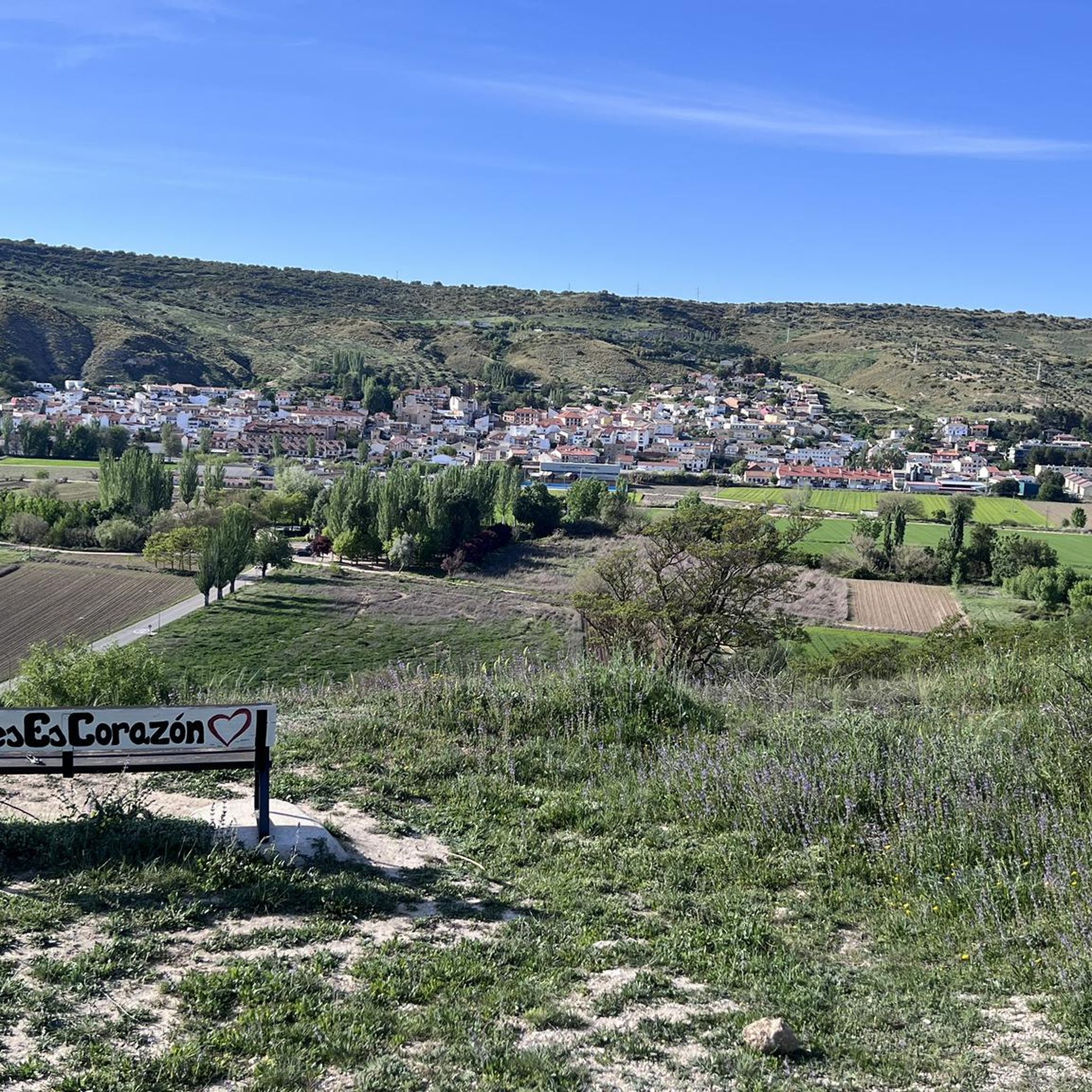
Gravel biking around Mondéjar offers routes through varied landscapes, characterized by rolling terrain and historical sites. The region features paths along river sections, such as the Tajuña River, and connects to villages with architectural interest. Elevation gains on routes indicate a mix of undulating and moderately challenging climbs, suitable for gravel cycling.
Best gravel bike trails around Mondéjar
- The most popular gravel bike trail is Church of Santorcaz – Plaza de Santorcaz loop from Pezuela de las Torres, a…
Last updated: July 4, 2026
2
riders
34.9km
02:53
470m
470m
Hard gravel ride. Very good fitness required. Mostly paved surfaces. Suitable for all skill levels.
1
riders
39.4km
03:10
420m
420m
Moderate gravel ride. Good fitness required. Mostly paved surfaces. Suitable for all skill levels.

Sign up for free
3
riders
80.4km
05:29
650m
650m
Hard gravel ride. Very good fitness required. Mostly paved surfaces. Suitable for all skill levels.
2
riders
Moderate gravel ride. Good fitness required. Mostly paved surfaces. Suitable for all skill levels.
1
riders
28.0km
01:52
240m
240m
Moderate gravel ride. Good fitness required. Mostly paved surfaces. Suitable for all skill levels.
Our route recommendations are based on thousands of hikes, rides, and runs completed by other people on komoot.
Start today with a free account
Your next adventure awaits.
Login or Signup
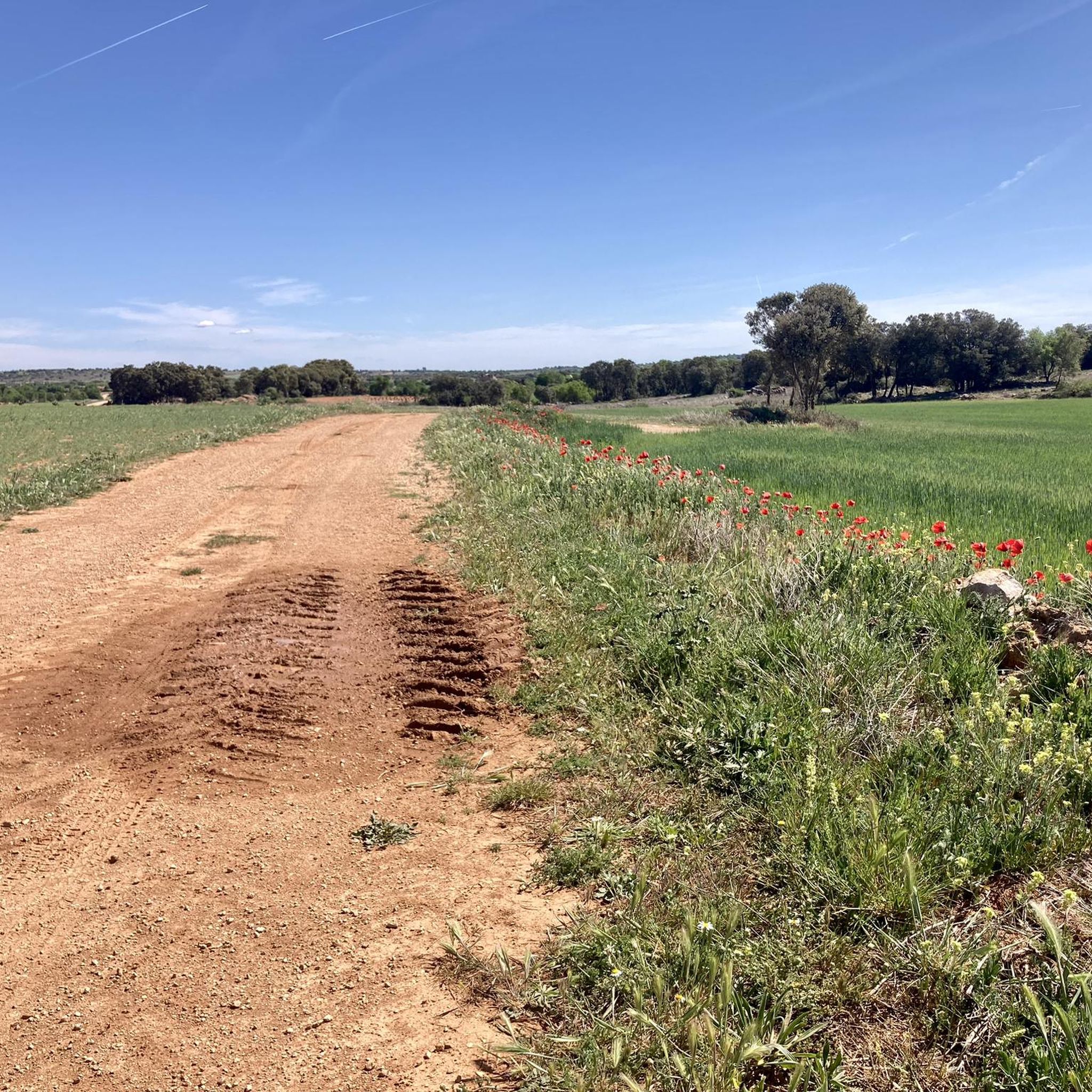
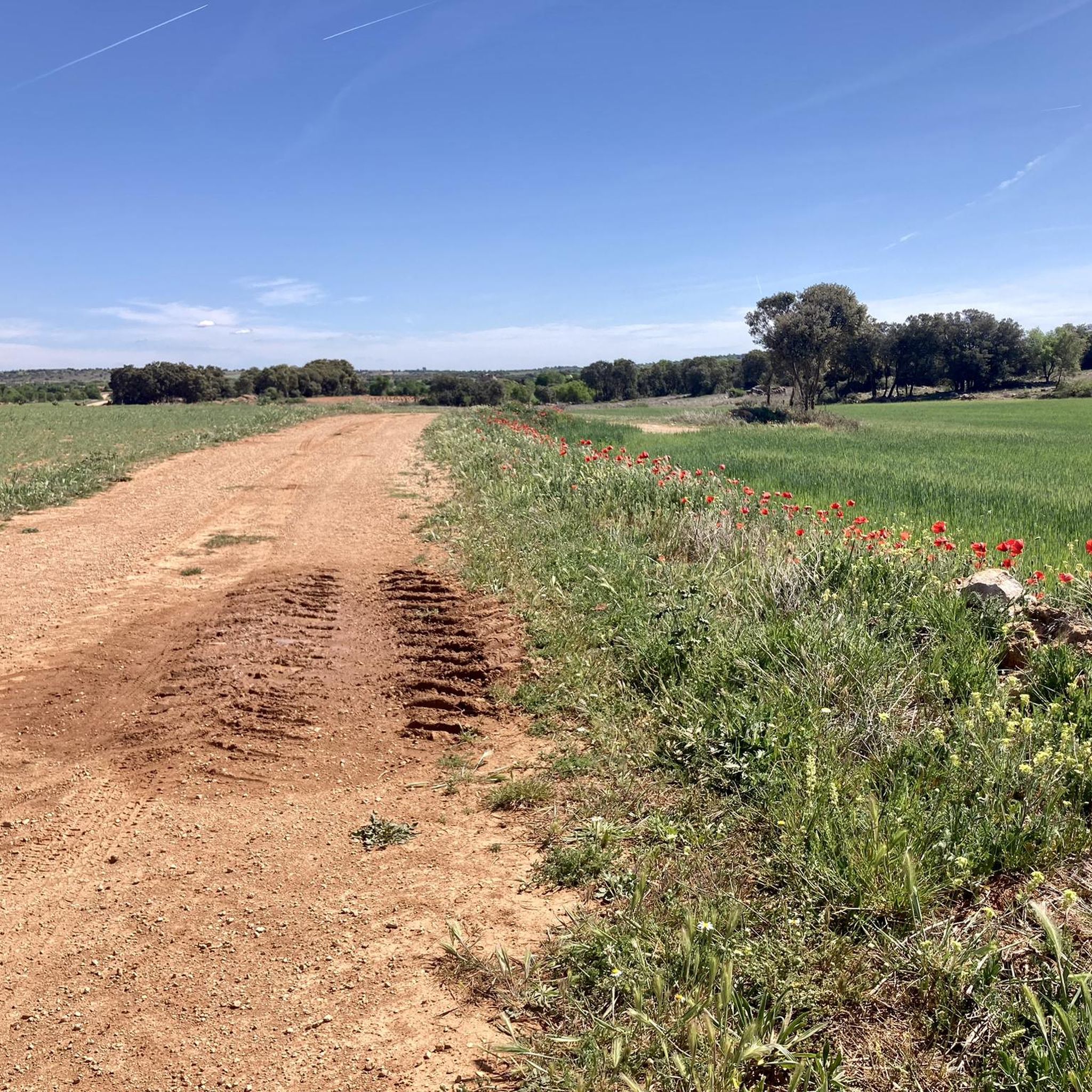
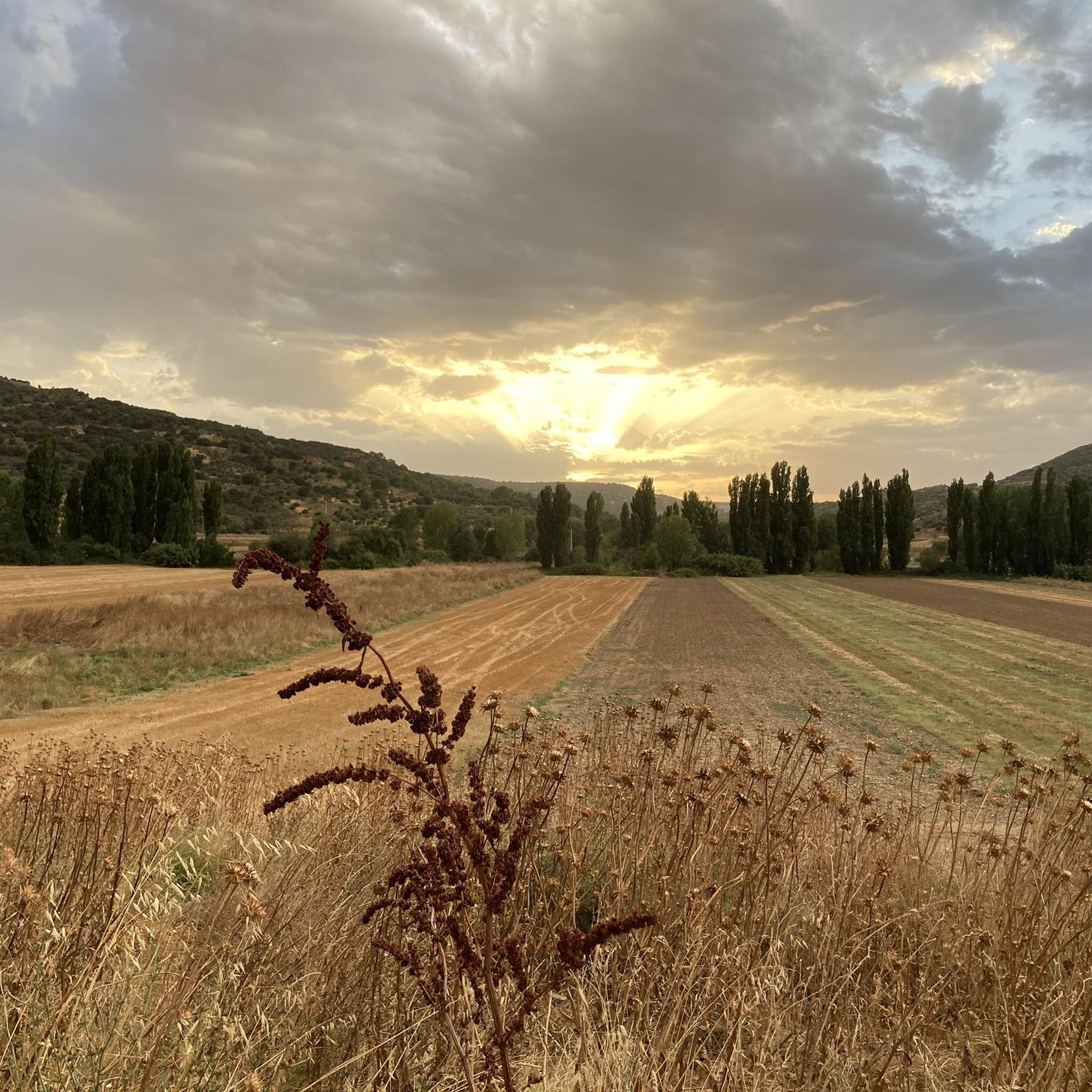
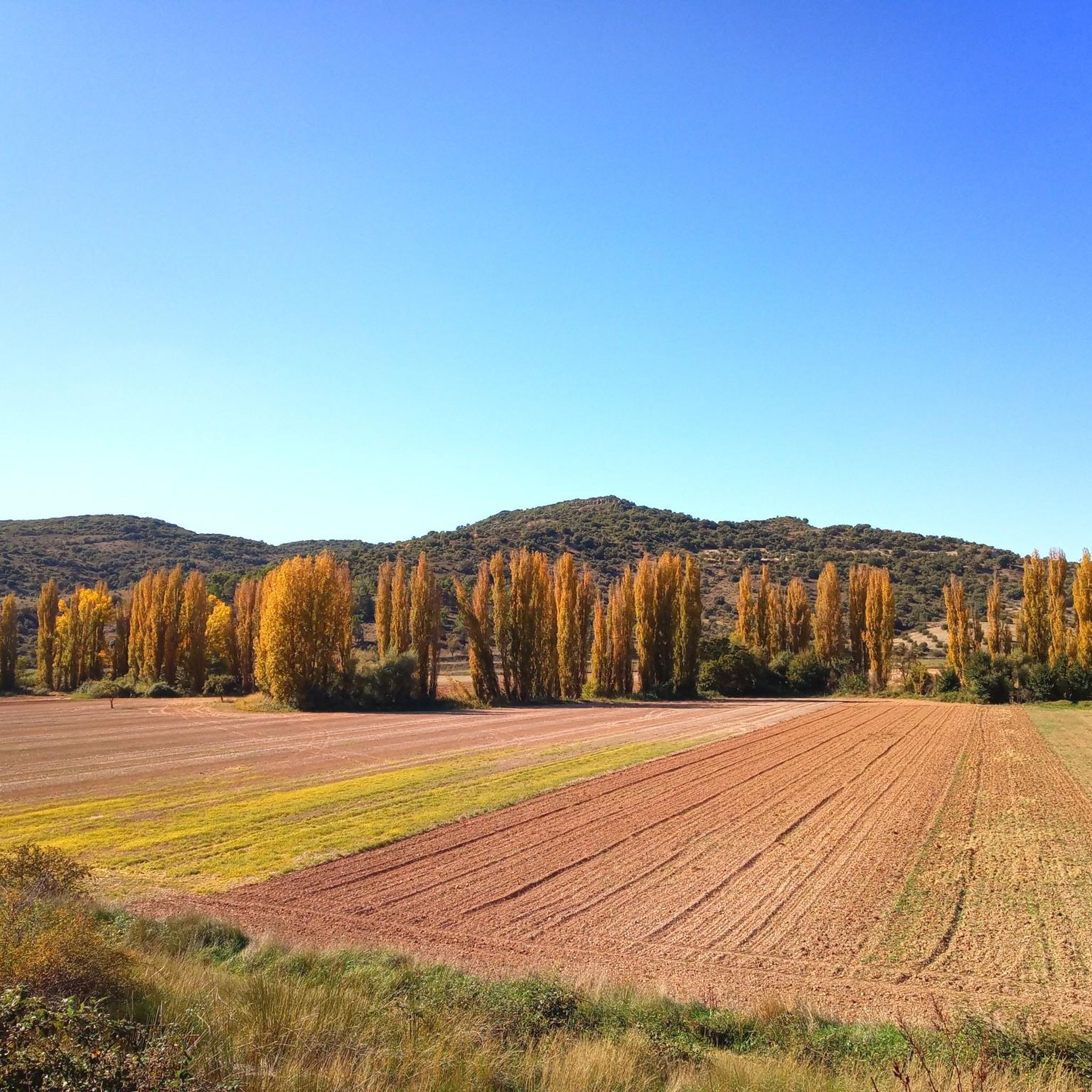
Tips from the Community

It is a beautiful town, one of those that remain with its essence.
0
0

The Valmores watering hole was restored in 2022, recovering an essential piece in the ethnographic heritage of Pezuela de las Torres. The first references to the fountain appear in the Topographic Relations of 1578. In 1735, reforms and improvements were made to the original spring, making it essential in the daily life of the countryside. The construction has a functional design to water livestock at a crossroads of the Alcarreño moor with trees and benches to take a break.
0
0
Pezuela de las Torres acquired jurisdictional independence in 1554 for the payment of one and a half million maravedis, erecting a pillory in the Plaza del Coso that represented the power to administer justice and a place for the town's residents to see criminals who were being sentenced to a pillory. The pillory is seven metres high on a pedestal of four steps and is topped with the heads of four lions. Next to it is the Plaza de la Constitución, home to the Town Hall and the Church of the Assumption, with a Romanesque apse and the rest rebuilt between the 16th and 18th centuries. It has a curious stately doorway from 1748 and a 16th century porticoed gallery, known as El Portalillo, the former meeting centre of the council. Most of the town's streets are on a slope, facing the plain, some houses retain the traditional two-storey country architecture and white facades. On Cerro del Calvario there are remains of traditional wineries used to make wine.
0
0
Olmeda de las Fuentes is a beautiful refuge of cobbled streets and whitewashed houses in the Alcarria region of Madrid. It is a suggestive hideaway among the extensive agricultural wastelands of the region and the narrow valleys that mark the particular orography of the territory. It is a pleasant and quiet place that was chosen a few decades ago by painters and artists to live, be inspired, create or simply rest in a delightful corner of the southeast of Madrid. And that is why the town is known as “Olmeda de los pintores” or the “town of artists”. The popular architecture is well cared for, the streets are narrow and steep, most are pedestrian, there are viewpoints and it is a pleasure to walk through the urban area following the Route of the painters or the Route of the fountains, which has a curious ethnographic museum of the Alcarria region of Madrid on the bank of the stream.
0
0
The unique urban style of Nuevo Baztán maintains the original Baroque model from the beginning of the 18th century, designed by José de Churriguera by order of Juan de Goyeneche, who had permission from Charles II to build glass, paper and textile factories on Spanish territory. The Navarrese businessman was originally from Arizkun, in the Baztán Valley, but spent time in Madrid because he had other properties and professional relations with the Court. He chose the site of Madrid's Alcarria to found an industrial and rural centre in honour of his homeland and commissioned the Madrid architect to build a glass factory, a farming village of half a thousand inhabitants, a palace, a monumental church and gardens with centuries-old pines and elms. The town preserves cobbled streets, stone squares, rural buildings from the time of its foundation, between 1709 and 1713, and palace gardens, a beautiful heritage complex declared a Historic-Artistic Monument in 1941 and a Site of Cultural Interest in 2000.
0
0

A must stop for a coffee and something to eat.
0
0

Comfortable stretch of greenway, which I especially recommend in February, with the flowering of the almond trees
2
0
Famous for its palm trees, Morata de Tajuña is a must-see stop for all cyclists in the south of Madrid.
2
0
Frequently Asked Questions
How many gravel bike trails are available around Mondéjar?
There are several gravel biking routes around Mondéjar, with komoot featuring at least 5 highly-rated tours that showcase the region's varied terrain. These routes offer a mix of moderate and more challenging options.
Are there family-friendly gravel bike trails near Mondéjar?
While specific 'family-friendly' designations aren't provided, routes with moderate difficulty and shorter distances are generally more suitable. The Valmores Fountain – Palace of Nuevo Baztán loop from Nuevo Baztán is a moderate 17.4-mile trail with less elevation gain, making it a good option for those looking for a less strenuous ride.
What are the best starting points for gravel routes in the Mondéjar area?
Many routes conveniently start from villages like Pezuela de las Torres, Pozo de Almoguera, or Nuevo Baztán. These locations often provide easy access to the trailheads and may offer amenities before or after your ride.
What kind of terrain can I expect on gravel bike trails around Mondéjar?
The region offers varied landscapes, characterized by rolling terrain, river sections along the Tajuña River, and connections to villages with architectural interest. You'll encounter a mix of undulating and moderately challenging climbs, typical for gravel cycling.
Are there any circular gravel bike routes in Mondéjar?
Yes, many of the gravel routes in the area are designed as loops, allowing you to start and finish in the same location. For example, the Road Along the Tajuña River – Centenary Elm of Nuevo Baztán loop from Nuevo Baztán is a moderate 22.8-mile circular trail.
What is the best season for gravel biking around Mondéjar?
Mondéjar's climate generally makes spring and autumn ideal for gravel biking, offering pleasant temperatures and often vibrant scenery. Summer can be hot, so early morning or late afternoon rides are recommended, while winter rides are possible but require checking local conditions.
What can I see along the gravel bike trails in Mondéjar?
The routes often pass through rural landscapes, offering views of historical structures and natural monuments. You might encounter highlights such as the Goyeneche Palace of Nuevo Baztán, the Valmores Fountain, or natural features like the Encina de la Pica.
Are there options for advanced gravel cyclists in Mondéjar?
Yes, the region includes routes with significant elevation gain and longer distances suitable for advanced riders. The Tajuña Greenway Section – Olivarejos Trail loop from Nuevo Baztán is a challenging 49.8-mile trail with substantial climbing, often taking over 6 hours to complete.
What are the typical trail conditions for gravel biking in Mondéjar?
Gravel trails in Mondéjar generally consist of unpaved roads, tracks, and paths. Conditions can vary with weather, so it's always advisable to check recent reports or local forecasts, especially after rain, which might affect unpaved surfaces.
Are there any hidden gem gravel trails or less-known routes in the area?
While specific 'hidden gems' are subjective, exploring the network of paths connecting the smaller villages and river sections often reveals quieter, less-trafficked routes. The region's character is defined by its historical village connections and rolling hills, offering many opportunities for discovery beyond the most popular trails.
What do other gravel bikers enjoy most about gravel biking in Mondéjar?
Gravel bikers appreciate the diverse landscape, which combines river paths, historical villages, and rolling hills. The variety of routes caters to different ability levels, allowing riders to choose between moderate and more advanced challenges while enjoying the scenic countryside.
Most popular attractions around Mondéjar

Get inspired with the komoot mobile app


Explore more
Browse the best Gravel rides in other regions.
