The best gravel rides around Favreuil
11
riders
3
rides
Gravel biking around Favreuil features a landscape characterized by gently rolling countryside and expansive open fields, typical of the Hauts-de-France region. The terrain includes a mix of quiet rural roads and paths that often run alongside waterways. Moderate elevation changes are present, making the area suitable for various skill levels. Agricultural lands are a common sight, contributing to the rural character of the routes.
Best gravel bike trails around Favreuil
- The most popular gravel bike trail is Boisleux-St-Marc – Grassy Field Entrance loop from Boyelles, a 26.8 miles (43.2 km) moderate route that takes 3 hours 5 minutes to complete. This path traverses agricultural lands and quiet rural roads.
- Another top favourite among local gravel bikers is Miraumont – Lavoir de St Pierre Divio loop from Miraumont, a moderate 21.1 miles (34.0 km) path. This route offers varied terrain through the countryside, often following waterway paths.
- Local gravel bikers also love the Ulster Tower – Newfoundland Memorial loop from Miraumont, a 19.9 miles (32.0 km) trail leading through open fields and rural areas, often completed in about 2 hours 18 minutes.
- Gravel biking around Favreuil is defined by gently rolling countryside, quiet rural roads, and paths alongside waterways. The network offers options for both easy and moderate ability levels.
- The guide includes highly-rated routes that showcase the best of the region's landscape. More than 10 gravel bikers have used komoot to explore Favreuil's varied terrain.
Last updated: July 8, 2026
3
riders
Moderate gravel ride. Good fitness required. Mostly paved surfaces. Suitable for all skill levels.
2
riders
34.0km
02:18
260m
260m
Moderate gravel ride. Good fitness required. Mostly paved surfaces. Suitable for all skill levels.

Sign up for free
2
riders
32.0km
02:19
320m
320m
Moderate gravel ride. Good fitness required. Mostly paved surfaces. Suitable for all skill levels.
2
riders
21.6km
01:29
110m
110m
Easy gravel ride. Great for any fitness level. Mostly paved surfaces. Suitable for all skill levels.
2
riders
43.2km
03:05
300m
300m
Moderate gravel ride. Good fitness required. Mostly paved surfaces. Suitable for all skill levels.
Our route recommendations are based on thousands of hikes, rides, and runs completed by other people on komoot.
Start today with a free account
Your next adventure awaits.
Login or Signup



Tips from the Community

The Tour d'Ulster, also known as the Helen Tower or Tour de Belfast, is a British war memorial. It was built in 1921 to commemorate the soldiers of the 36th Ulster Division who died during the Battle of the Somme in World War I. The tower is a replica of a neo-Gothic tower in Clandeboye Park, near Belfast, where the 36th Division trained. An interesting anecdote is that the 36th Ulster Division was the first to attack during the Battle of the Somme on 1 July 1916, but suffered heavy losses from both German and British artillery fire. The division lost over 5,500 men in just a few hours. The Tour d'Ulster has a cafeteria where you can enjoy a cup of tea, scones or Tayto chips, a specialty from Northern Ireland. It is a nice place to relax.
6
0
Miraumont is a small village in the Somme department, in the Hauts-de-France region, which occupies a historically and geographically special place. It is situated in a narrow valley at the source of the Ancre River, a tributary of the Somme, and is surrounded by gently rolling hills that were once the scene of fierce fighting during the First World War. During the Battle of the Somme in 1916, Miraumont was close to the front line and was badly hit. Today it is a quiet rural commune of around 630 inhabitants, where the past is still palpable in the surroundings and in nearby military cemeteries. Its proximity to other historic sites such as Thiepval and Beaumont-Hamel makes it a worthwhile stop for those wishing to explore the region's wartime past.
7
0
The Nymphe d'Aveluy is a historical monument in Aveluy, France, commemorating the artwork created by French soldiers during World War I. During periods of rest between battles, soldiers created sculptures and engravings, including the famous "Nymphe d'Aveluy". These works were often photographed and sent to their families on postcards.
1
0
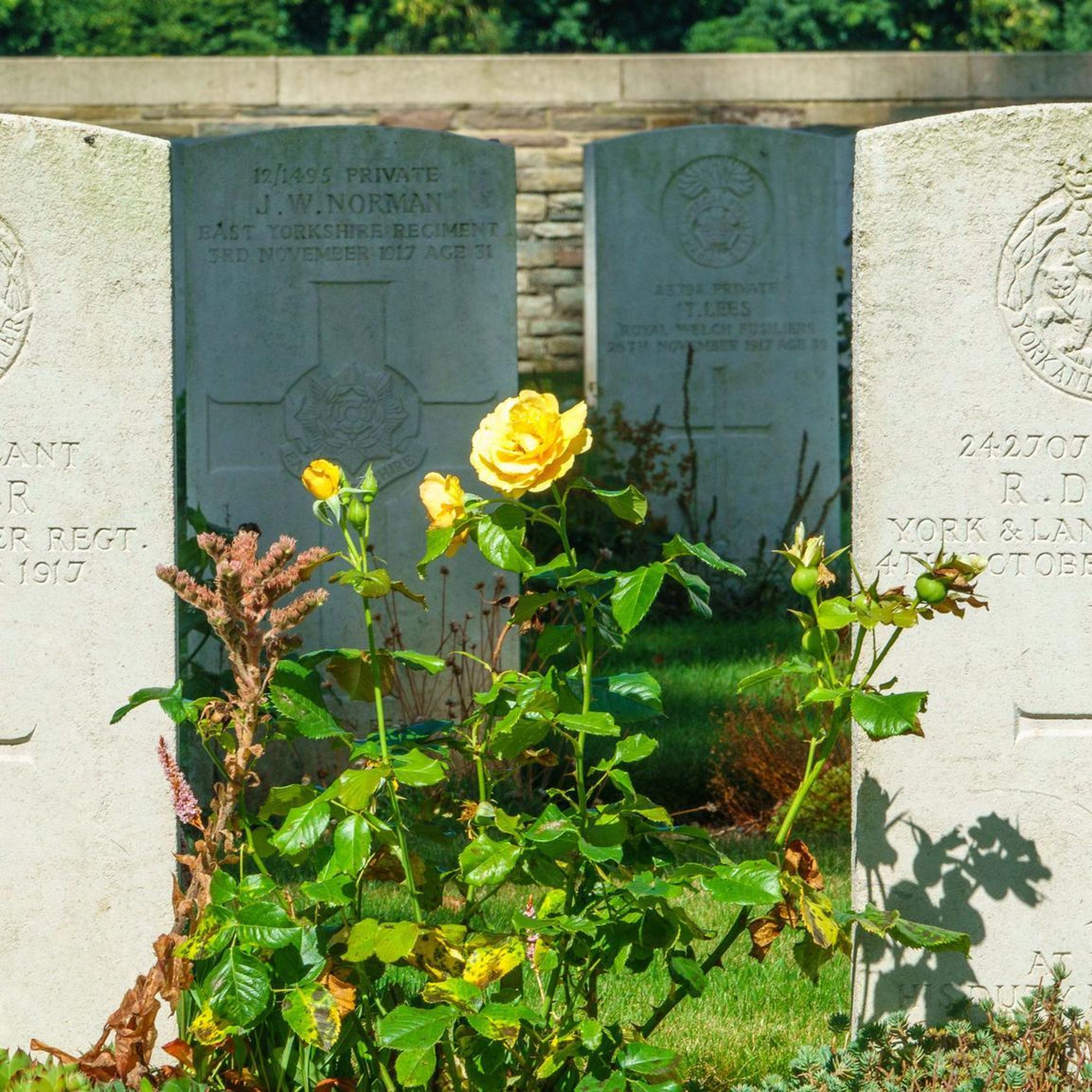
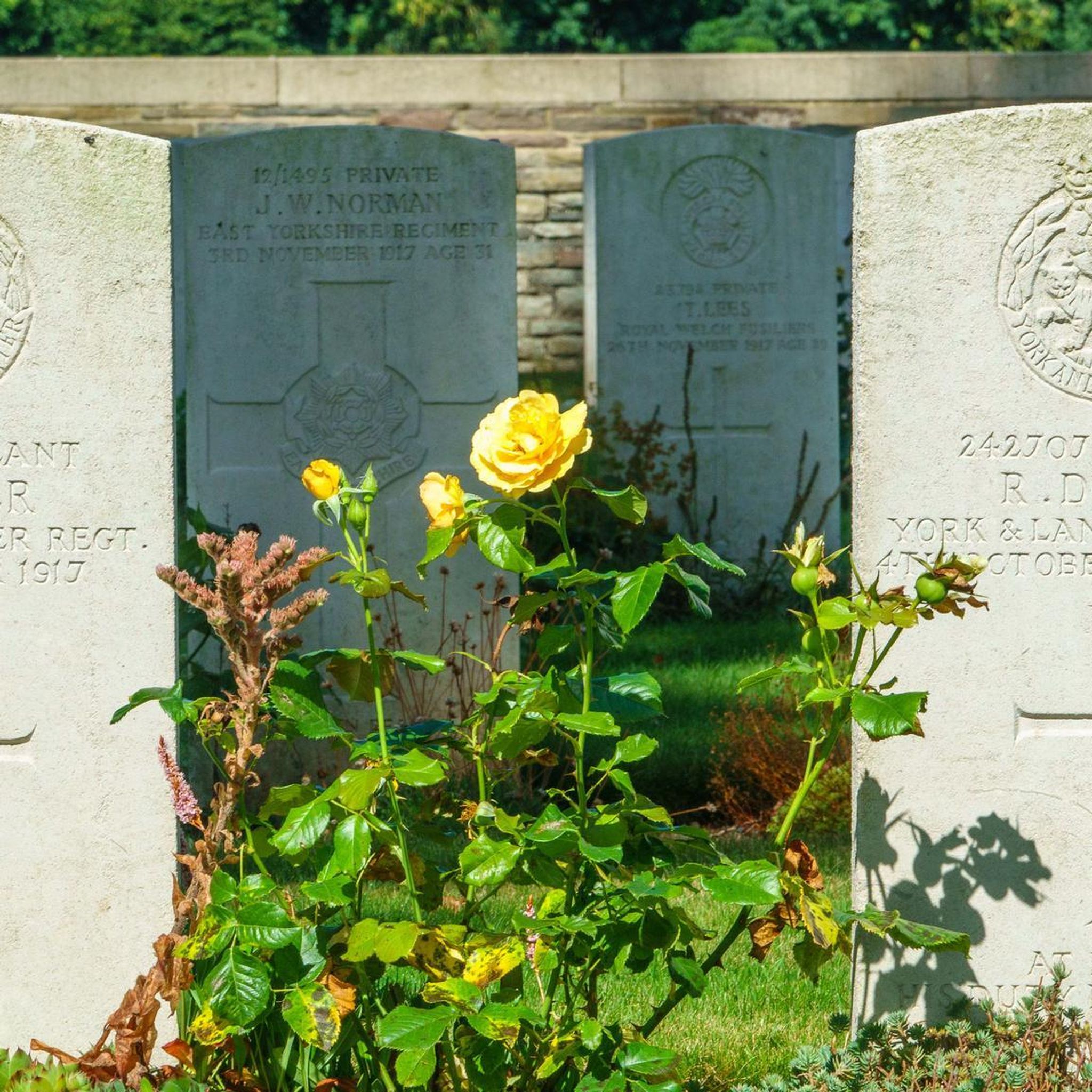
Connaught Cemetery commemorates British and Commonwealth soldiers who fought in the Battle of the Somme during the First World War. Connaught Cemetery mainly contains the graves of soldiers who died near the village of Thiepval from the autumn of 1916 until the end of the war in November 1918. An interesting anecdote is that the cemetery originally contained 517 graves, but after the German withdrawal to the Hindenburg Line in the spring of 1917, the bodies of soldiers from various temporary cemeteries were transferred to Connaught Cemetery.
7
0
Tour d'Ulster has a cafeteria where you can enjoy a cup of tea, scones or Tayto chips, a specialty from Northern Ireland. It is a nice place to relax for a while.
1
0
The Tour d'Ulster, also known as the Helen Tower or Tour de Belfast, is a British war memorial. It was built in 1921 to commemorate the soldiers of the 36th Ulster Division who died during the Battle of the Somme in World War I. The tower is a replica of a neo-Gothic tower in Clandeboye Park, near Belfast, where the 36th Division trained. An interesting anecdote is that the 36th Ulster Division was the first to attack during the Battle of the Somme on 1 July 1916, but suffered heavy casualties from both German and British artillery fire. The division lost over 5,500 men in just a few hours.
1
0

The cemetery contains the graves of 1,285 British soldiers killed mainly during the summer and autumn of 1916 (including 642 unidentified soldiers). During the Battle of the Somme, Thiepval was attacked on July 1, 1916, by the Irish of the 36th British Division, to whom the Ulster Tower pays tribute. However, it was not until September 26 that the village was captured by the 18th Division. In 1918, during the German offensive in Picardy, the village was lost on March 25, only to be recaptured on August 24 by the 17th and 38th Divisions.
1
0
The extension of the Aveluy communal cemetery was built by the French, who occupied the village until July 1915. Then relieved by British troops, the latter continued to use it until November 1917. It contains 613 bodies: 549 British, 54 Australian, 7 Canadian, 1 South African, and 2 Indian - the latter three being part of labor units. The thirty graves of French soldiers were moved after the war to a necropolis
0
0
Frequently Asked Questions
What kind of terrain can I expect on gravel bike trails around Favreuil?
The Favreuil area, typical of Hauts-de-France, features gently rolling countryside and expansive open fields. You'll ride on a mix of quiet rural roads and paths that often run alongside waterways, offering varied terrain without overly challenging ascents. Agricultural lands are a common sight, adding to the rural charm.
Are there any easy gravel bike routes suitable for beginners in Favreuil?
Yes, there is an easy gravel bike route available. Consider the Saint-Léger Church – Boisleux-St-Marc loop from Boyelles, which covers just over 21 km with moderate elevation changes, making it a good option for those new to gravel biking or looking for a relaxed ride.
What are some of the longer gravel bike routes near Favreuil?
For longer rides, the Boisleux-St-Marc – Grassy Field Entrance loop from Boyelles offers a moderate challenge over approximately 43 km. Another option is the Miraumont – Lavoir de St Pierre Divio loop from Miraumont, spanning about 34 km.
Can I find circular gravel bike routes in the Favreuil area?
Yes, all the gravel bike routes listed for Favreuil are circular. This includes options like the Mory Street Military Cimetery – 1917 — Écoust-Saint-Mein loop from Boyelles, which is a moderate 24.5 km ride, allowing you to start and finish at the same point.
What historical sites or points of interest can I explore while gravel biking in Favreuil?
The region is rich in historical context, particularly related to the circuit of remembrance of the battles of the Somme. Along your rides, you might encounter sites such as the 1917 — Écoust-Saint-Mein area or the Saint-Léger area. The Ulster Tower – Newfoundland Memorial loop from Miraumont specifically takes you past significant memorials.
What is the best time of year for gravel biking in Favreuil?
The gently rolling countryside and open fields of Favreuil are enjoyable throughout much of the year. Spring and autumn generally offer pleasant temperatures and beautiful scenery. Summer can also be good, but be prepared for warmer weather, especially in open areas. Winter rides are possible, but conditions may vary with rain or colder temperatures.
Are there any specific routes that follow waterways or canals?
Favreuil's network of paths includes routes that run alongside waterways. The broader Hauts-de-France region is known for canal-side cycling, such as the 'Canal de la Somme Cycle Path'. While specific routes in this guide aren't exclusively canal paths, you will find tranquil sections along water features on many rural routes.
What is the typical elevation profile for gravel biking around Favreuil?
The area features moderate elevation changes, making it accessible for various skill levels. Routes typically involve gentle ascents and descents rather than steep climbs. For example, a moderate route like the Mory Street Military Cimetery – 1917 — Écoust-Saint-Mein loop from Boyelles has an elevation gain of around 185 meters over 24.5 km.
Are there any family-friendly gravel biking options in Favreuil?
Given the gently rolling terrain and quiet rural roads, many of the routes can be suitable for families, especially those with some cycling experience. The Saint-Léger Church – Boisleux-St-Marc loop from Boyelles is classified as easy and could be a good starting point for a family outing.
Where can I find parking for gravel biking routes in Favreuil?
While specific parking locations are not detailed for each route, the routes often start from villages like Boyelles or Miraumont. These rural areas typically offer public parking options within the village centers or near local amenities, providing convenient access to the trailheads.
What kind of natural scenery can I expect to see on the gravel bike trails?
You can expect to immerse yourself in the characteristic landscapes of Hauts-de-France, featuring expansive open fields, agricultural lands, and quiet rural roads. The routes often traverse picturesque countryside, offering tranquil views and a sense of escape from urban areas.
Most popular attractions around Favreuil

Get inspired with the komoot mobile app


Explore more
Browse the best Gravel rides in other regions.
