Top 3 Castles around San Vito Di Cadore
Best castles around San Vito Di Cadore are found within the broader Cadore region, which is characterized by its alpine setting and historical significance. While San Vito di Cadore itself is known for religious architecture and ethnographic insights, the surrounding area features historical fortifications. The region's landscape is dominated by the Dolomites, offering a backdrop to these historical sites. These locations provide insights into the area's past defense strategies and cultural heritage.
Best castles around San Vito Di Cadore
- The most popular castles is Castello di Andraz, a castle that is built on an inaccessible boulder on the eastern slope of the Col di Lana. The location was of great importance for securing the valley. In the Middle Ages, Buchenstein Castle housed an ore smelting furnace behind its walls.
- Another must-see spot is Forte Monte Ricco, a historical fortification. Restored and reopened to the public in 2017, it often hosts exhibitions and classical music concerts. Visitors can walk around the front and internal perimeter, appreciating its pre-Roman structure and panoramic views.
- Visitors also love World War I ruins in the Parco Naturale Regionale delle Dolomiti d'Ampezzo, a historical site. These ruins are remains of Italian positions from the First World War. They serve as a witness from a martial, dangerous time, even after more than 100 years.
- San Vito Di Cadore is known for medieval castles, historical fortifications, and World War I ruins. These sites offer insights into regional defense, historical conflicts, and cultural heritage.
- The castles around San Vito Di Cadore are appreciated by the komoot community, with 54 photos and 105 upvotes contributed for these locations.
Last updated: November 1, 2026
Castello di Andraz
Highlight • Castle
Translated by Google •
Tip by

Forte Monte Ricco
Highlight • Cave
The Fort was built in the pre-Roman era with a defensive function, maintained also in Roman and medieval times. Before the year 1000, it was the seat of an important castle represented in the coat of arms of Cadore. From 1420 it became the seat of the Captain of Venice, but declined in the 17th century. During the Kingdom of Italy, two fortifications were built as part of the defensive system against Austria-Hungary. During the First World War, the Fort was relegated to a warehouse and logistics. Abandoned after 1918, restoration began in 2007 on the initiative of the Municipality of Pieve di Cadore, concluding in 2017.
Showing Translation
Tip by

Sign up now to discover places like this
Get recommendations on the best single tracks, peaks, & plenty of other exciting outdoor places.
Forte Tre Sassi
Highlight • Historical Site
The Italians saw things differently, however, and in 1915 the factory was bombarded by heavy artillery from a safe distance and reduced to rubble (the breech was only considered shell-proof up to a caliber of 21 cm). Although the armament, consisting of two 8 cm M 98 cannons, two 6 cm M 98 cannons and four machine guns, had already been removed in good time, the remaining crew was left behind. They resorted to a deceptive maneuver to distract the Italians from the new fortifications on the Hexenstein: they left the lights on at night to pretend to be busy; this confused the Italians so much that they believed until the very end that the plant was still fully operational.
This stratagem was also used successfully in the La Corte lockdown.
In the meantime, rehabilitation measures have been carried out and a museum has been set up in the factory, which can be easily reached from the road on the Valparola Pass.
Translated by Google •
Tip by
World War I ruins in the Parco Naturale Regionale delle Dolomiti d'Ampezzo
Highlight • Historical Site
Translated by Google •
Tip by

Start today with a free account
Your next adventure awaits.
Popular around San Vito Di Cadore
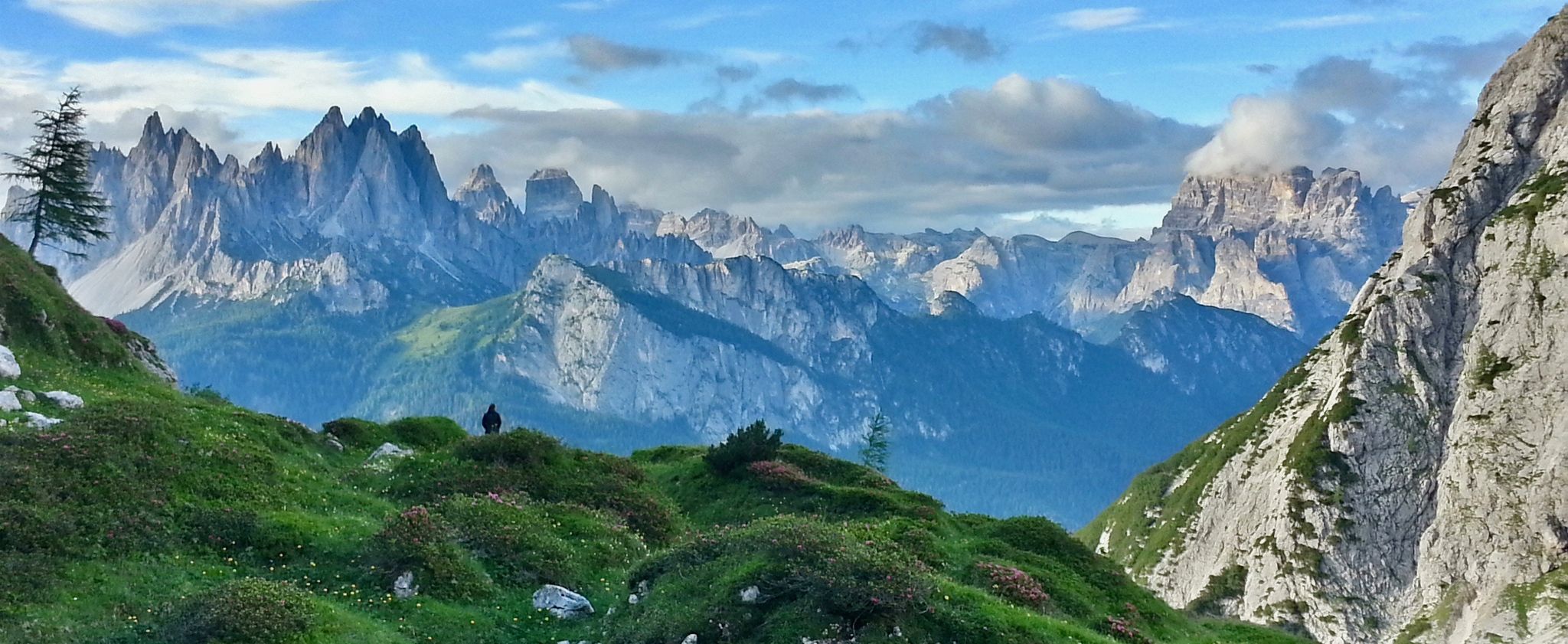
Alta Via No. 5 — Tizians High Route
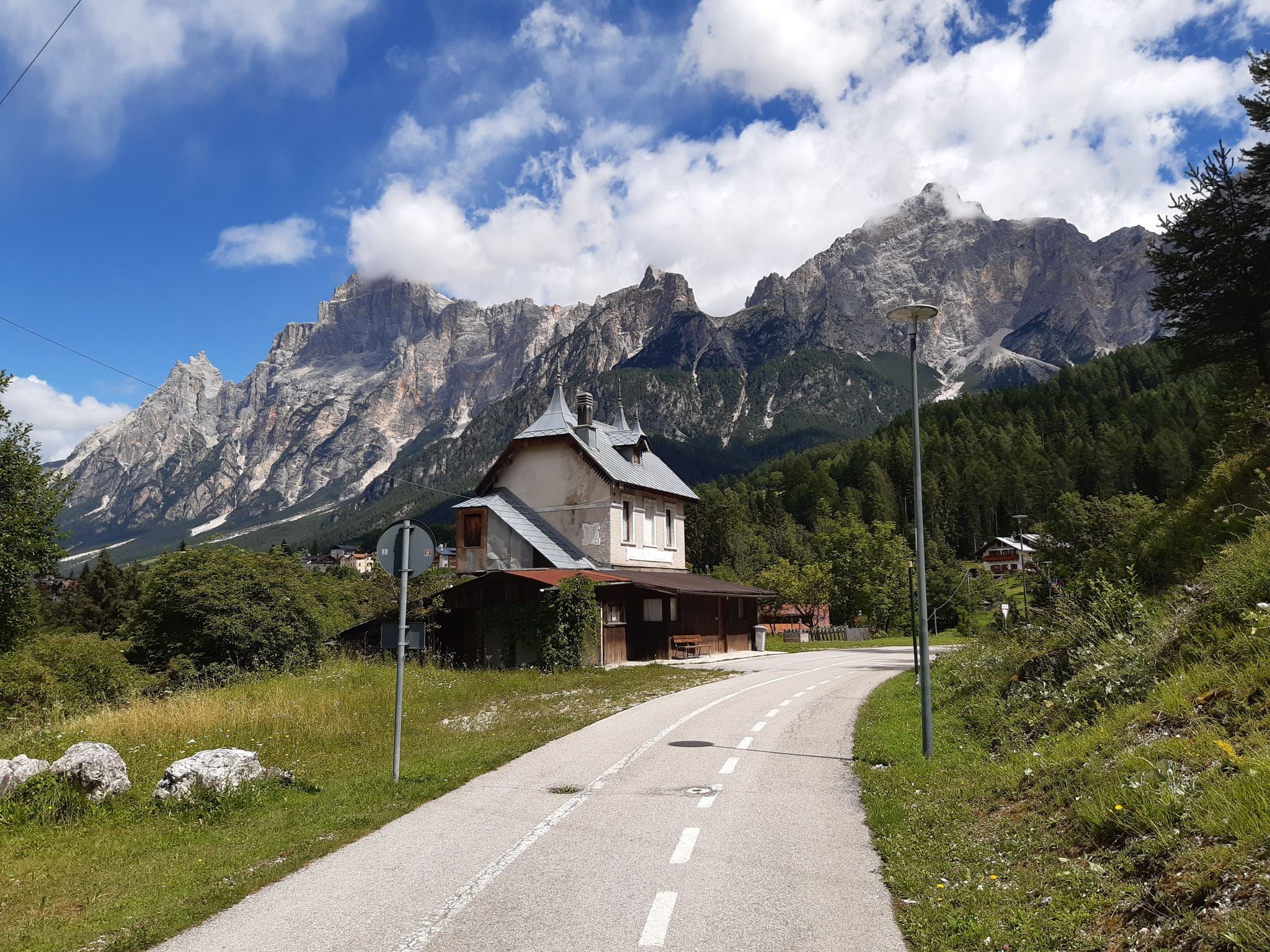
Two days of relaxation and mountains – Dolomites cycle route
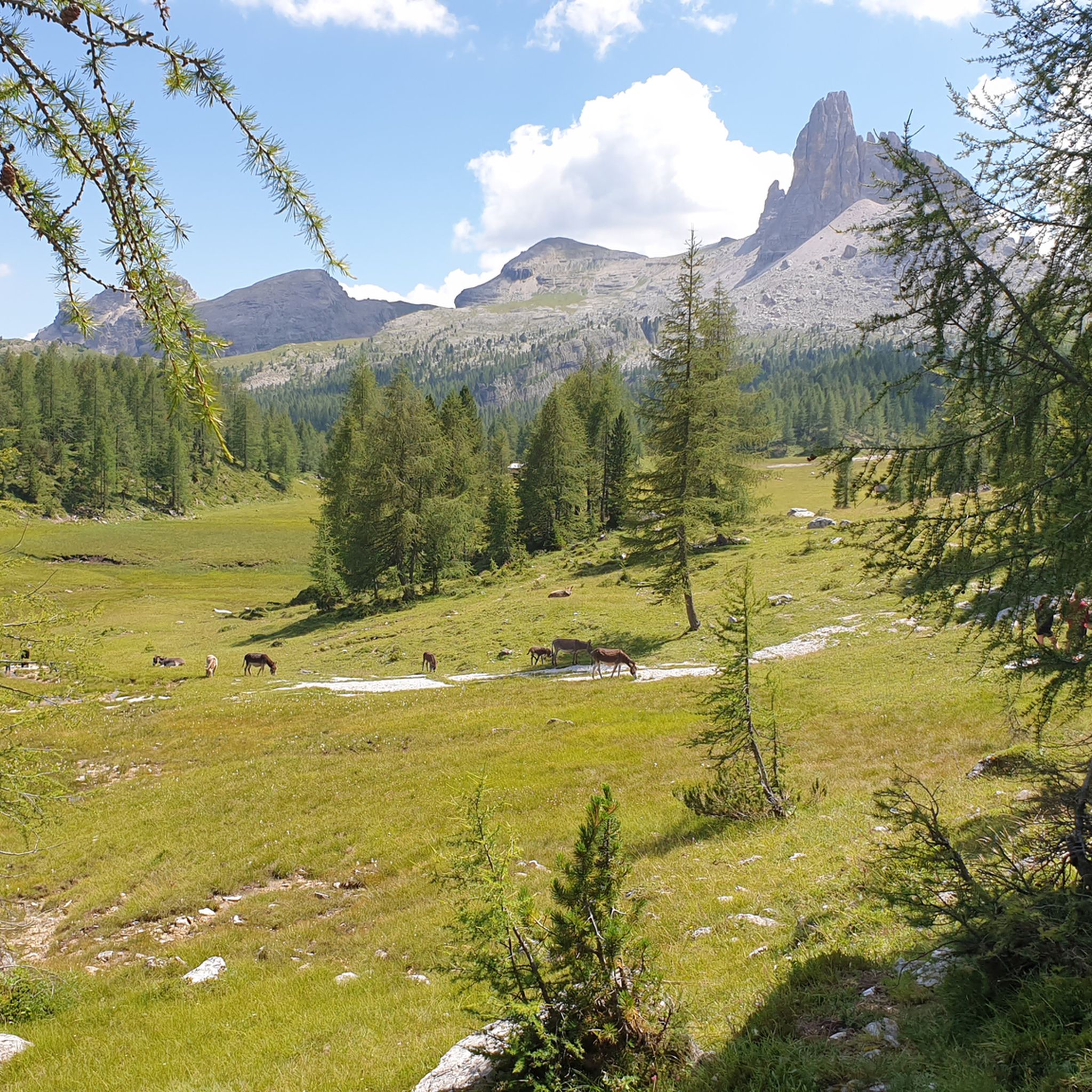
Hiking around San Vito Di Cadore
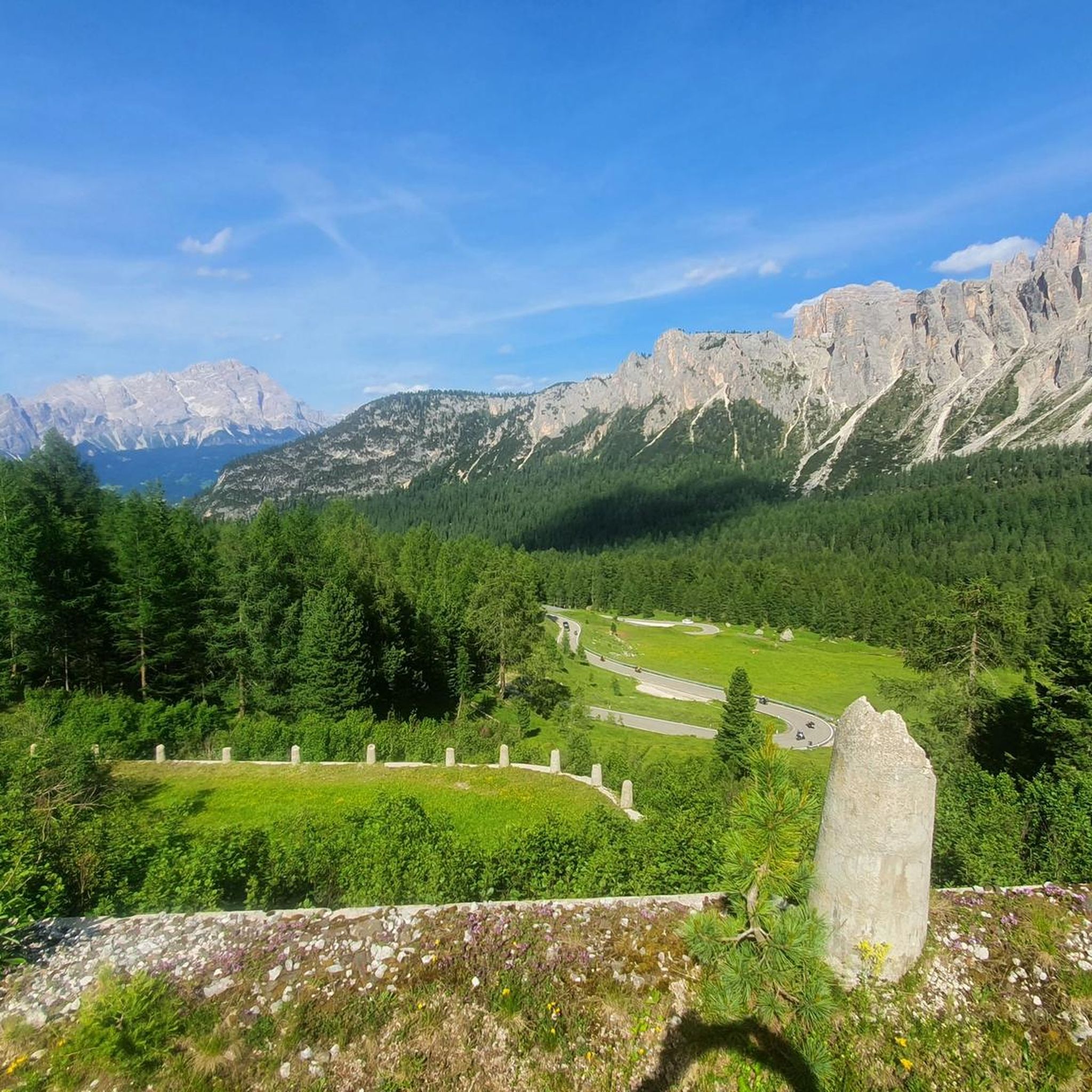
Road Cycling Routes around San Vito Di Cadore
Running Trails around San Vito Di Cadore
Cycling around San Vito Di Cadore
MTB Trails around San Vito Di Cadore
Mountain Hikes around San Vito Di Cadore
Gravel biking around San Vito Di Cadore
Other adventures around San Vito Di Cadore


Tips from the Community

From the outside, Andraz castle is beautiful, even though it is in ruins. It rises directly from the rock and integrates very well with the surrounding landscape, looking like a small Dolomite mountain itself. The entrance fee is 7 euros to walk on iron beams that make no effort to reconstruct the old atmosphere of the castle. A guide is not included. It is not worth investing time and money to climb steel stairs when you can freely walk on the Sentiero del Respiro and see the castle from above with all the surrounding panorama.
0
0

Built in the last two decades of the 19th century, under the Kingdom of Italy, the Forte di Monte Ricco constituted the heart of the entrenched camp of Pieve di Cadore. It was conceived and built to interdict enemy approaches from the Tre Ponti narrows towards Pieve and Tai along the Piave valley and to act in close synergy with the nearby Batteria Castello, about 200 meters away, as well as with the various artillery positions on the overlying heights, on Monte Tranego, Monte Zucco, Col Vidà. Monte Ricco was probably the site of a prehistoric settlement, then of the castle of Cadore. Abandoned until 2007, it has undergone demanding restoration, consolidation, and enhancement works. Reopened to the public in 2017, it hosts exhibitions or classical music concerts. https://www.tizianovecellio.it/luoghi/il-forte-di-monte-ricco/
1
0

In the Middle Ages, Buchenstein Castle housed an ore smelting furnace behind its walls. It also indirectly protected the nearby Fursil mines near Colle Santa Lucia from Venetian attacks. The profits from Buchenstein were claimed by the Diocese of Brixen—so aggressively, in fact, that the driving bishop, Nicholas of Cusa, had to be removed from office and compensated in Rome. https://t1p.de/hs51z
3
0

Here, someone has spent decades painstakingly collecting artifacts and documenting this man-made madness...and the guys haven't learned anything from it, except how to make a fortune (the Krupp family). $10 admission.
0
0

Andraz Castle, a defensive bastion for controlling the Alpine passes and the populations.
0
0

Even after more than 100 years, remains of the Italian positions from the First World War can still be found here.
2
0

An ancient manor house perched on a rocky spur. Open in summer for visiting.
0
0

The Forte di Monte Ricco, restored and reopened to the public in 2017, often hosts exhibitions and classical music concerts. However, it is advisable to call before visiting to check the opening of the main part. During a summer visit, in fact, it was found that access was allowed only by reservation. An entrance ticket is required but inexpensive. The Fort offers the possibility to walk around the front and internal perimeter, allowing appreciation of the pre-Roman structure. Protected by a moat and a drawbridge, the site also offers a panoramic view of Monte Cristallo. The Fort was built in the pre-Roman era with a defensive function, maintained also in Roman and medieval times. Before the year 1000, it was the seat of an important castle represented in the coat of arms of Cadore. From 1420 it became the seat of the Captain of Venice, but declined in the 17th century. During the Kingdom of Italy, two fortifications were built as part of the defensive system against Austria-Hungary. During the First World War, the Fort was relegated to a warehouse and logistics. Abandoned after 1918, restoration began in 2007 on the initiative of the Municipality of Pieve di Cadore, concluding in 2017.
1
0
Frequently Asked Questions
What kind of historical fortifications can I find near San Vito di Cadore?
While San Vito di Cadore itself is known for its alpine beauty and religious architecture, the wider Cadore region features significant historical fortifications. These are primarily from the medieval period and World War I. You'll find sites like Forte Monte Ricco near Pieve di Cadore, which has roots as a medieval castle and was later rebuilt as a 19th-century fort, and Forte Tre Sassi, an Austrian fortress from WWI.
Are there any medieval castles to visit near San Vito di Cadore?
Yes, Castello di Andraz is a notable medieval castle built on an inaccessible boulder. Its exact construction date is unknown, but it played a crucial role in securing the valley and housed an ore smelting furnace in the Middle Ages. It's located not far from the pass road to the Falzarego Pass.
Which fortifications offer panoramic views?
Both Forte Monte Ricco and Forte Tre Sassi offer excellent panoramic views. Forte Monte Ricco, situated on Monte Ricco, provides clear views of the surrounding valleys and rivers. Forte Tre Sassi is located on the Valparola Pass, offering expansive mountain vistas.
Are there family-friendly historical sites among the castles and forts?
Yes, Forte Tre Sassi is considered family-friendly. It houses a museum that provides insights into its history, particularly its role in World War I, making it an engaging visit for various ages. Exploring the surrounding old positions, tunnels, and trenches can also be an interesting experience.
What is the best time of year to visit these historical sites?
The best time to visit is generally from late spring to early autumn (May to October) when the weather is milder and mountain passes are fully open. During these months, you can comfortably explore the outdoor areas and enjoy the scenic views. Visiting in winter can be beautiful, especially with snow, but some sites or access roads might have limited accessibility or opening hours.
Can I find World War I historical sites near San Vito di Cadore?
Yes, the area is rich in WWI history. Besides Forte Tre Sassi, which was an Austrian fortress, you can also explore World War I ruins in the Parco Naturale Regionale delle Dolomiti d'Ampezzo. These ruins offer a poignant glimpse into the region's past, with remains of Italian positions still visible after more than a century.
What kind of activities can I do near these castles and forts?
The region around these historical sites is perfect for outdoor activities. You can find numerous cycling routes, including traffic-free bike rides and challenging road cycling routes. For example, you can explore routes from the guide Traffic-free bike rides around San Vito Di Cadore or Road Cycling Routes around San Vito Di Cadore. Many of these routes offer stunning views of the Dolomites, often passing near or offering access to these historical landmarks.
Are there museums associated with these fortifications?
Yes, Forte Tre Sassi houses a museum within its restored structure, detailing its history and role in World War I. Forte Monte Ricco, after its restoration, has been reopened as a cultural center and often hosts exhibitions and classical music concerts, though it's advisable to check their schedule before visiting.
How far are these fortifications from San Vito di Cadore?
Forte Monte Ricco is located near Pieve di Cadore, which is about a 20-25 minute drive from San Vito di Cadore. Castello di Andraz and Forte Tre Sassi are situated closer to mountain passes like Falzarego and Valparola, which are typically a 30-40 minute drive from San Vito di Cadore, depending on the specific route and road conditions.
What are some unique aspects of visiting <a href="https://www.komoot.com/highlight/1089716" target="_blank" rel="noopener">Forte Monte Ricco</a>?
Forte Monte Ricco offers a unique blend of history and culture. It has roots as a pre-Roman defensive structure and a medieval castle, later becoming a 19th-century fort. After extensive restoration, it now serves as a cultural hub, hosting exhibitions and concerts. Visitors can walk around its perimeter, appreciate its defensive architecture, and enjoy panoramic views of Monte Cristallo.
Are there any lesser-known historical sites related to fortifications in the area?
Beyond the main forts, the World War I ruins in the Parco Naturale Regionale delle Dolomiti d'Ampezzo offer a more raw and less developed experience. These are remnants of Italian positions from the First World War, providing a quiet, reflective insight into the region's wartime past amidst beautiful natural surroundings.
Most popular routes around San Vito Di Cadore
Most popular attractions around San Vito Di Cadore

Get inspired with the komoot mobile app


Explore more
Looking for the best castles somewhere else? Discover other guides around San Vito Di Cadore:
