Top 5 Caves around Viù
Caves around Viù offer insights into geological processes and historical human activity within the Metropolitan City of Turin. The area features natural cavities and ancient quarries, providing diverse exploration opportunities. These sites are often characterized by their geological formations and historical significance, reflecting past human interaction with the landscape.
Best caves around Viù
- The most popular caves is Antica Cava di Rocaforte, an ancient stone quarry and historical site. This location features a cliff with some climbing routes and…
Last updated: May 20, 2026
Pera Furà Millstone Cave
Highlight • Cave
Translated by Google •
Tip by

Antica Cava di Rocaforte
Highlight • Cave
Translated by Google •
Tip by

Sign up now to discover places like this
Get recommendations on the best single tracks, peaks, & plenty of other exciting outdoor places.
Sign up for free
The Wolf's Den
Highlight • Cave
Translated by Google •
Tip by

Abandoned Gold Mines
Highlight • Structure
Translated by Google •
Tip by

Pian del Gioco
Highlight • Natural
Translated by Google •
Tip by

Start today with a free account
Your next adventure awaits.
Login or Signup
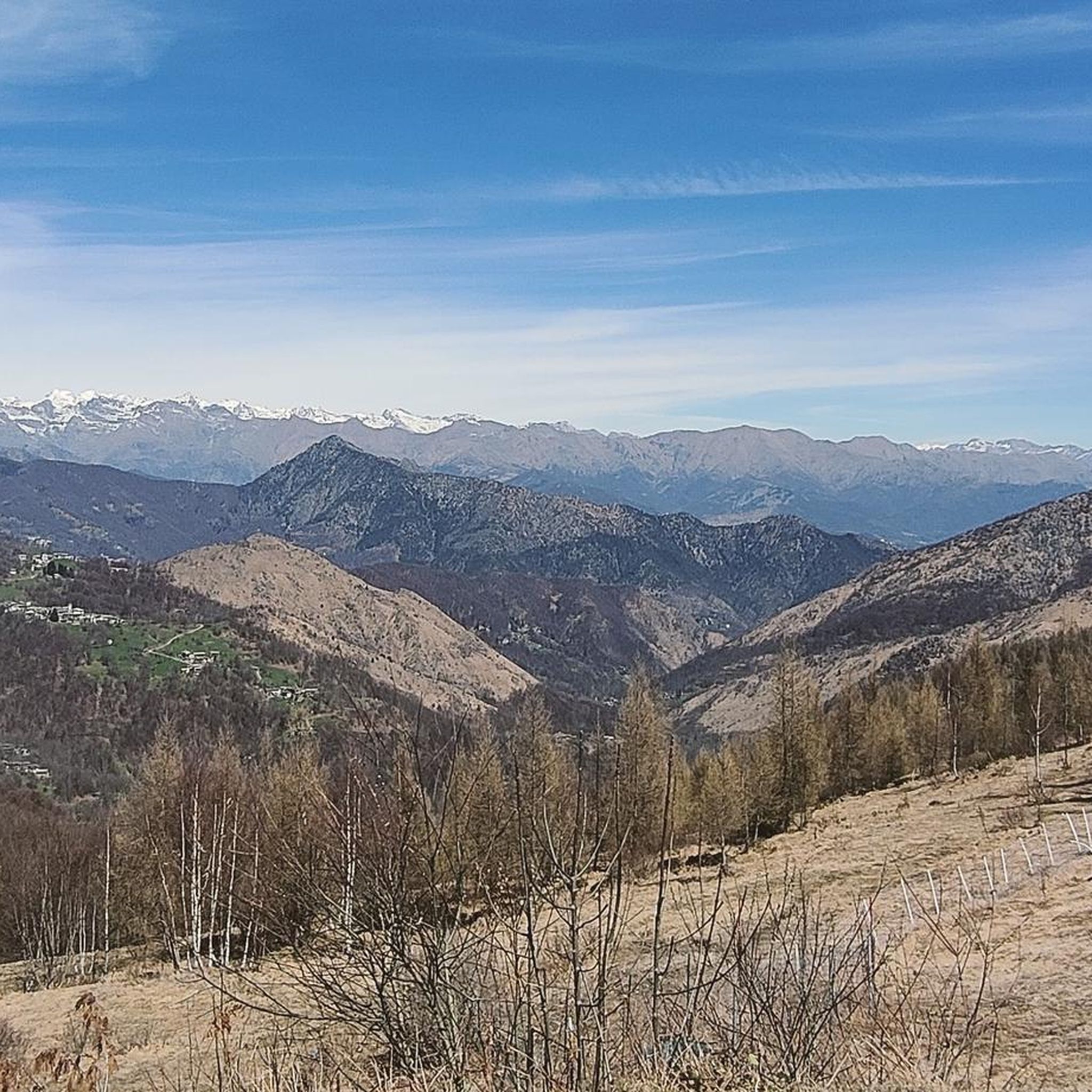
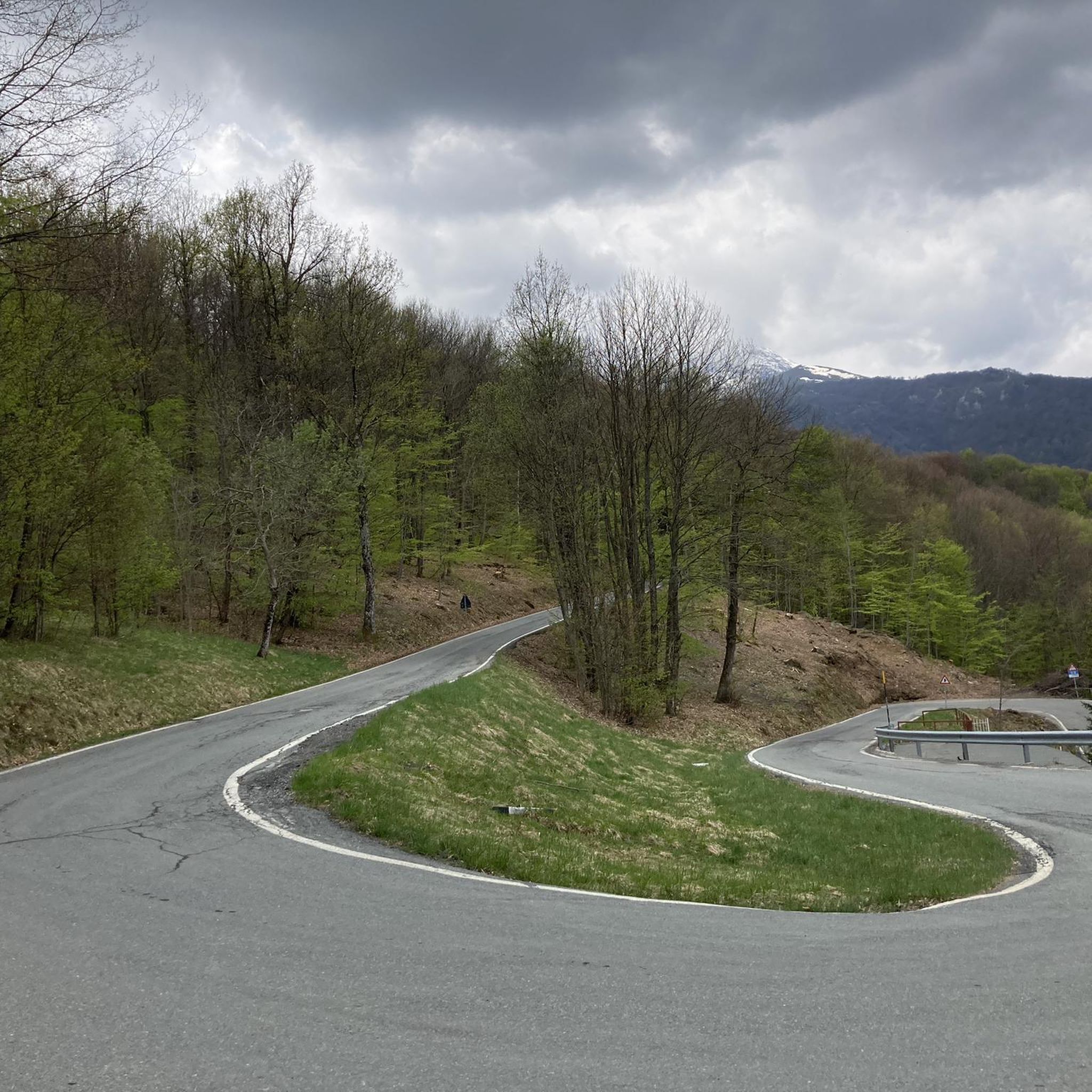
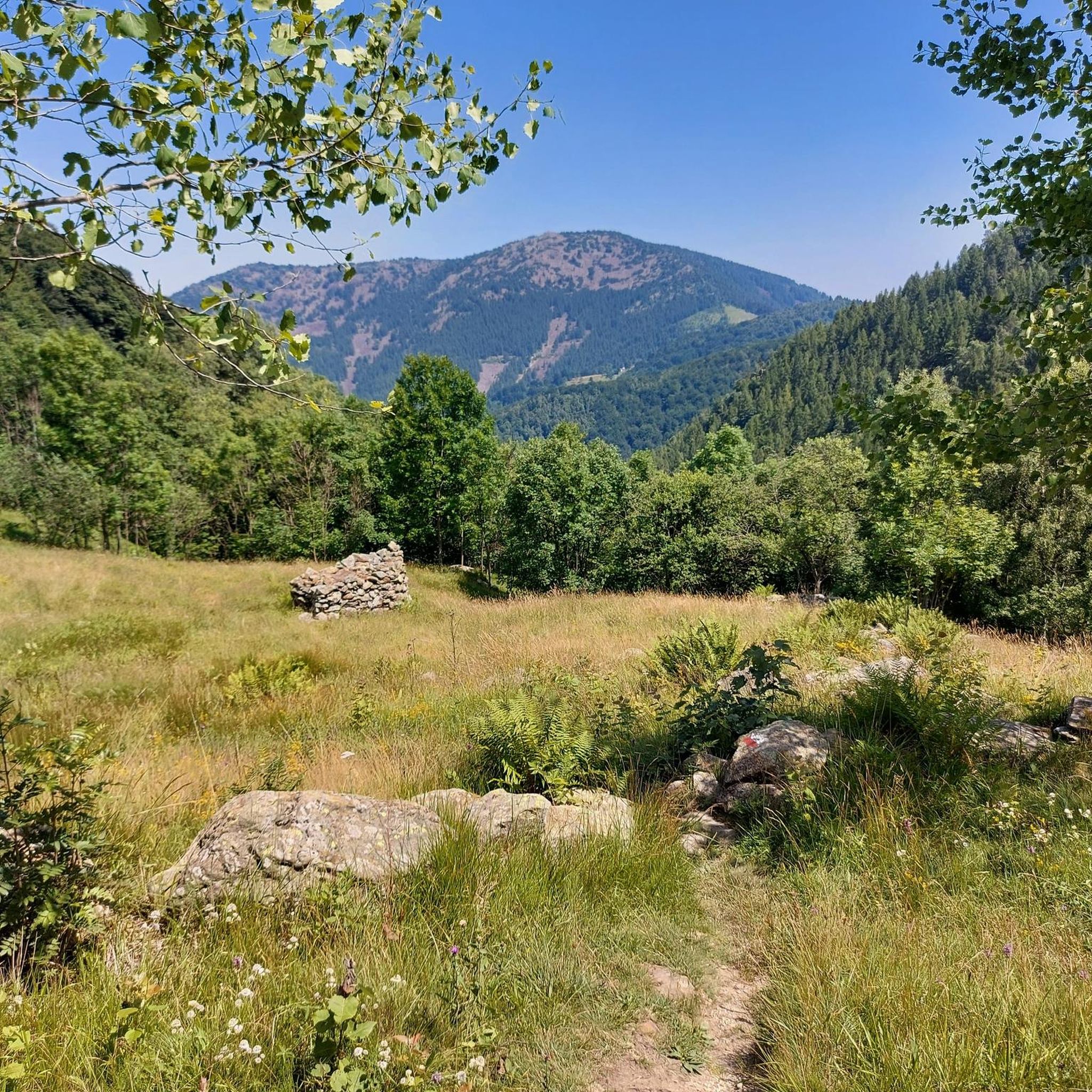

Tips from the Community

Natural cavity in the fractures of serpentinite, called a "cave" with some optimistic - but interesting - character.
0
0

Flat area that we find after a steep climb, characterized by large stone blocks, and one has a large cave that we can use in case of bad weather
1
0

Remains of mines from which metals such as copper, iron and lead were extracted. The name "gold" comes from popular belief, but there is no historical evidence of gold extraction in these mines
1
0

A few minutes' detour from the main path leads to an ancient millstone quarry. There are some iron steps planted in the rock to overcome and after a short climb over rubble you enter the quarry where you can see some millstones carved into the rock, but no longer finished.
0
0

Ancient stone quarry, cliff with some climbing routes
0
0

The "pera furà" is an ancient quarry of millstones, obtained in a rocky wall clearly visible from the locality Chiampano, which in turn rises just above another even more evident granite formation overlooking Borgone, where for years there has been a cliff of climbing. To reach the quarry, starting from the car park of the climbing wall, one follows the two existing paths on either side of the cliff, with both of them reaching Chiampano, while with the path on the right access is direct, with the one on the left it is necessary, once in the hamlet, turn right onto the main street thus reaching the signs for pera furà. Access to the quarry is carried out with a short stretch of aided path (metal pegs driven into the rock) and a stretch of path where you need to be careful not to slip. In five minutes you arrive at the cave, on the walls of which the marks left by the quarrymen and some millstones, well hewn, still set in the rock and never completed again, are clearly visible. continuing the climb towards Roccabruna (or Pietrabruna) you arrive, after a steep stretch of path, on the top of the "pear", with an exceptional view over the Susa valley. The hamlet, not far away, is abandoned. In the basements are found old vats, remains of barrels and some presses, witnesses of an ancient exploitation of the surrounding land as vineyards, where the remains of dry stone wall terraces are found (the toponym "vigne del rocco" is not chosen at random .. ..)
0
0
Frequently Asked Questions
What types of caves and geological sites can I explore around Viù?
The Viù area offers a mix of natural cavities, ancient quarries, and historical sites. You can find locations like The Wolf's Den, a natural cavity formed in serpentinite, alongside ancient stone quarries such as Antica Cava di Rocaforte and Pera Furà Millstone Cave, which showcase historical human activity.
Are there any historically significant caves or sites near Viù?
Yes, the region has several historically significant sites. The Pera Furà Millstone Cave and Antica Cava di Rocaforte are ancient quarries where you can still see marks left by quarrymen and unfinished millstones. Additionally, the Abandoned Gold Mines, though primarily for copper, iron, and lead, are also historical sites reflecting past mining activities.
What are the notable features of the ancient quarries around Viù?
The ancient quarries, such as Pera Furà Millstone Cave and Antica Cava di Rocaforte, are notable for the visible marks left by quarrymen and unfinished millstones still embedded in the rock. These sites offer a glimpse into historical stone extraction methods.
Can I find natural shelters or viewpoints among the caves near Viù?
Yes, Pian del Gioco is a flat area characterized by large stone blocks, featuring a spacious cave that can be used for shelter, especially in case of bad weather. It also offers a viewpoint after a steep climb.
What kind of geological formations can be seen in the caves around Viù?
The caves around Viù primarily feature natural cavities formed in rock fractures, such as The Wolf's Den, which is a natural cavity in serpentinite. The ancient quarries also display geological structures shaped by human activity, revealing the rock layers from which millstones were extracted.
Are there hiking opportunities near the caves in Viù?
Yes, the Viù area is excellent for hiking. You can find various trails, including challenging mountaineering loops. For more details, explore the Mountain Hikes around Viù guide, which features routes like the Rocca Candelera loop from Usseglio and Punta Sourela loop from Col San Giovanni.
What other outdoor activities are available near the caves in Viù?
Beyond exploring caves, Viù offers diverse outdoor activities. Cycling enthusiasts can find routes in the Cycling around Viù guide, including the View From the Bridge – Lys Pass loop. Mountain biking is also popular, with trails detailed in the MTB Trails around Viù guide, such as the Junction for Colle Pian del Fium – Colle Pian Fura loop.
Are the caves around Viù suitable for families?
Many of the sites, particularly the ancient quarries like Pera Furà Millstone Cave, involve short stretches of aided paths or require careful footing. While interesting for older children, direct information on specific family-friendly accessibility for younger children is limited. Always assess the terrain and conditions before visiting with a family.
What should I know about accessing the ancient quarries like Pera Furà Millstone Cave?
To reach Pera Furà Millstone Cave, you'll follow paths from the climbing wall car park towards Chiampano. Access to the quarry itself involves a short aided path with metal pegs and a section where careful footing is needed to avoid slipping. It's an intermediate-level experience.
Is there any information about the Le Voute Caves in Viù?
The Le Voute Caves are recognized for their geological and archaeological significance in the Viù area, historically hosting seasonal settlements of Neolithic shepherds. While they offer insight into ancient geological processes and early human habitation, detailed tourist-oriented information on specific features or accessibility is not readily available.
What do visitors appreciate most about the caves and sites in Viù?
Visitors appreciate the unique blend of natural beauty and historical insight offered by the sites. The visible evidence of ancient quarrying at places like Pera Furà Millstone Cave and Antica Cava di Rocaforte, along with the natural formations of sites like The Wolf's Den, provide a compelling experience for those interested in geology and history.
Most popular attractions around Viù

Get inspired with the komoot mobile app


Explore more
Extend your search for the best caves by checking out these guides of the top ones around Viù:
