Top 3 Caves in Alto Tajo
Best caves in Alto Tajo are found within the Alto Tajo Natural Park, a region in Spain's Guadalajara province known for its dramatic landscapes. This area features impressive canyons, gorges, and significant geological formations. Visitors can explore notable caves and natural pits, some containing important prehistoric art. The park offers a unique glimpse into both natural history and ancient human activity.
Best caves in Alto Tajo
- The most popular caves include Sima de Alcorón Cave, a cave that is accessible and recommended to use a flashlight. This natural pit is approximately 63 meters deep and features stone steps and railings.
- Another must-see spot is Cave of the Way of the Cross, a cave located on the way up to the Barranco de La Hoz viewpoint. It is a recommended area for walking.
- Visitors also love The Aguaspeña Travertine Formation, a natural monument with grottos, cavities, and small caves. It is a tuffaceous rock in the process of active formation, resulting from constant contact between calcareous water and surrounding rocks.
- Alto Tajo is known for its diverse geological formations, including natural pits, active travertine formations, and caves with historical significance. The area offers a variety of caves to see and explore, from accessible natural pits to smaller grottoes.
- The caves in Alto Tajo are appreciated by the komoot community, with more than 10 upvotes and over 30 photos shared by visitors.
Last updated: October 4, 2026
Cave of the Way of the Cross
Highlight • Cave
Translated by Google •
Tip by

Sima de Alcorón Cave
Highlight • Cave
Good point to spend the night during the route of Montañas Vacías.
At the foot of the refuge is the Alcorón chasm in the Alto Tajo Natural Park.
Translated by Google •
Tip by

Sign up now to discover places like this
Get recommendations on the best single tracks, peaks, & plenty of other exciting outdoor places.
Sima de Alcorón Refuge
Highlight • Mountain Hut
Tip by

The Aguaspeña Travertine Formation
Highlight • Natural Monument
Translated by Google •
Tip by

Escaleruela Trail
Highlight (Segment) • Trail
Translated by Google •
Tip by

Sign up for free to discover even more caves in Alto Tajo.
Already have an account?
Start today with a free account
Your next adventure awaits.
Popular around Alto Tajo
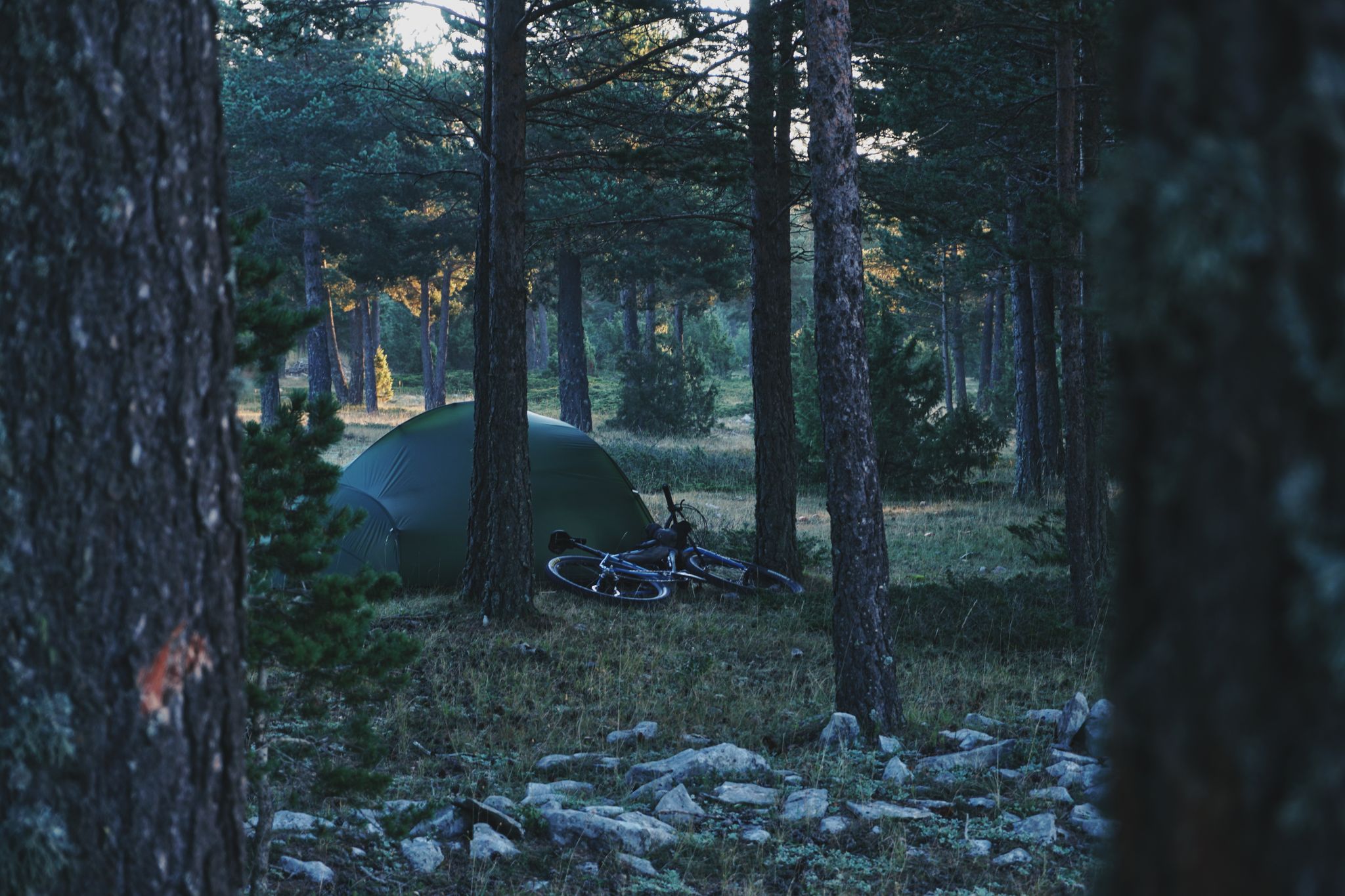
MontañasVacías official — bikepacking across the Spanish Lapland
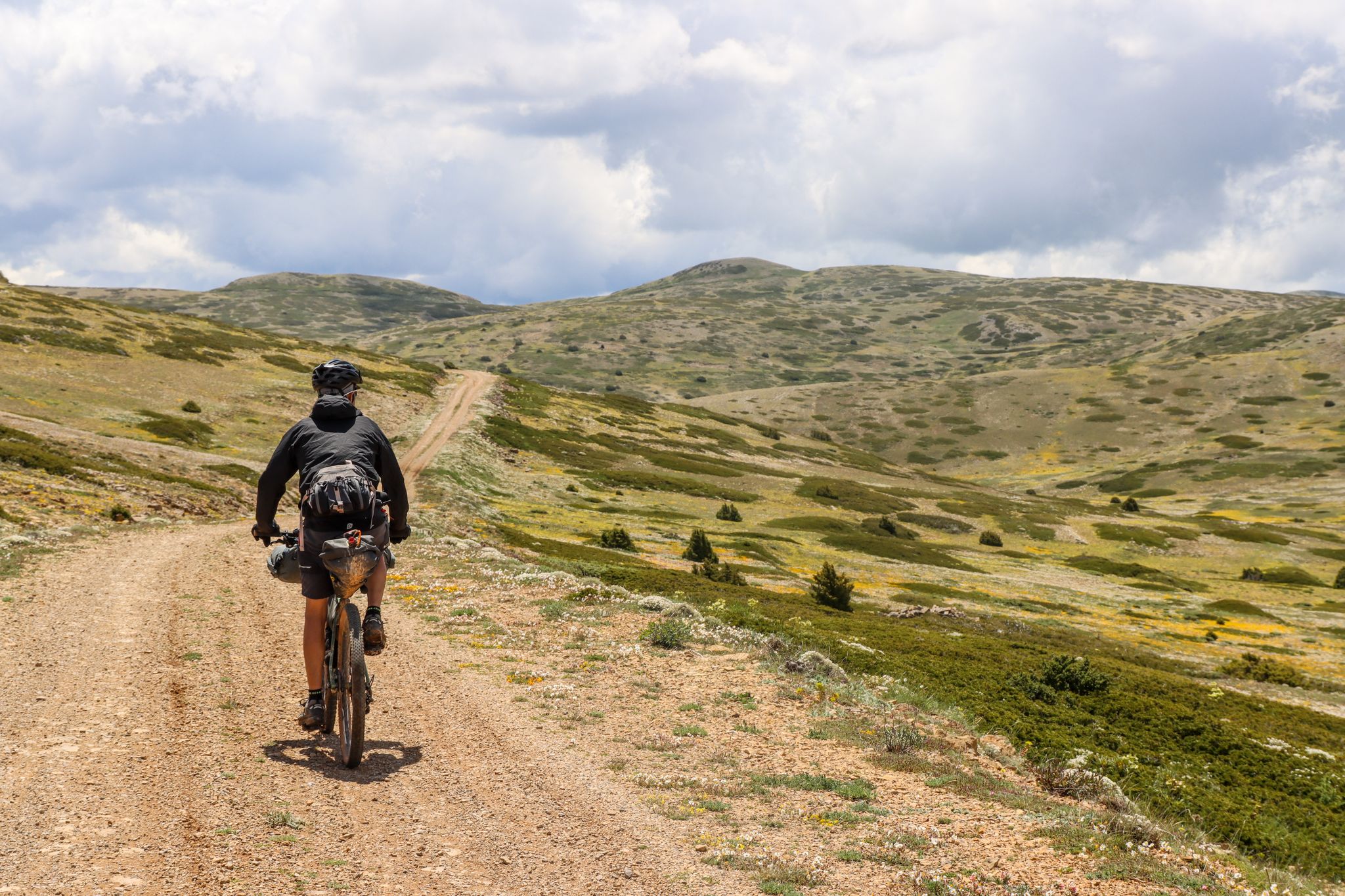
Montañas Vacías — bikepacking the wild and remote 'Empty Mountains'
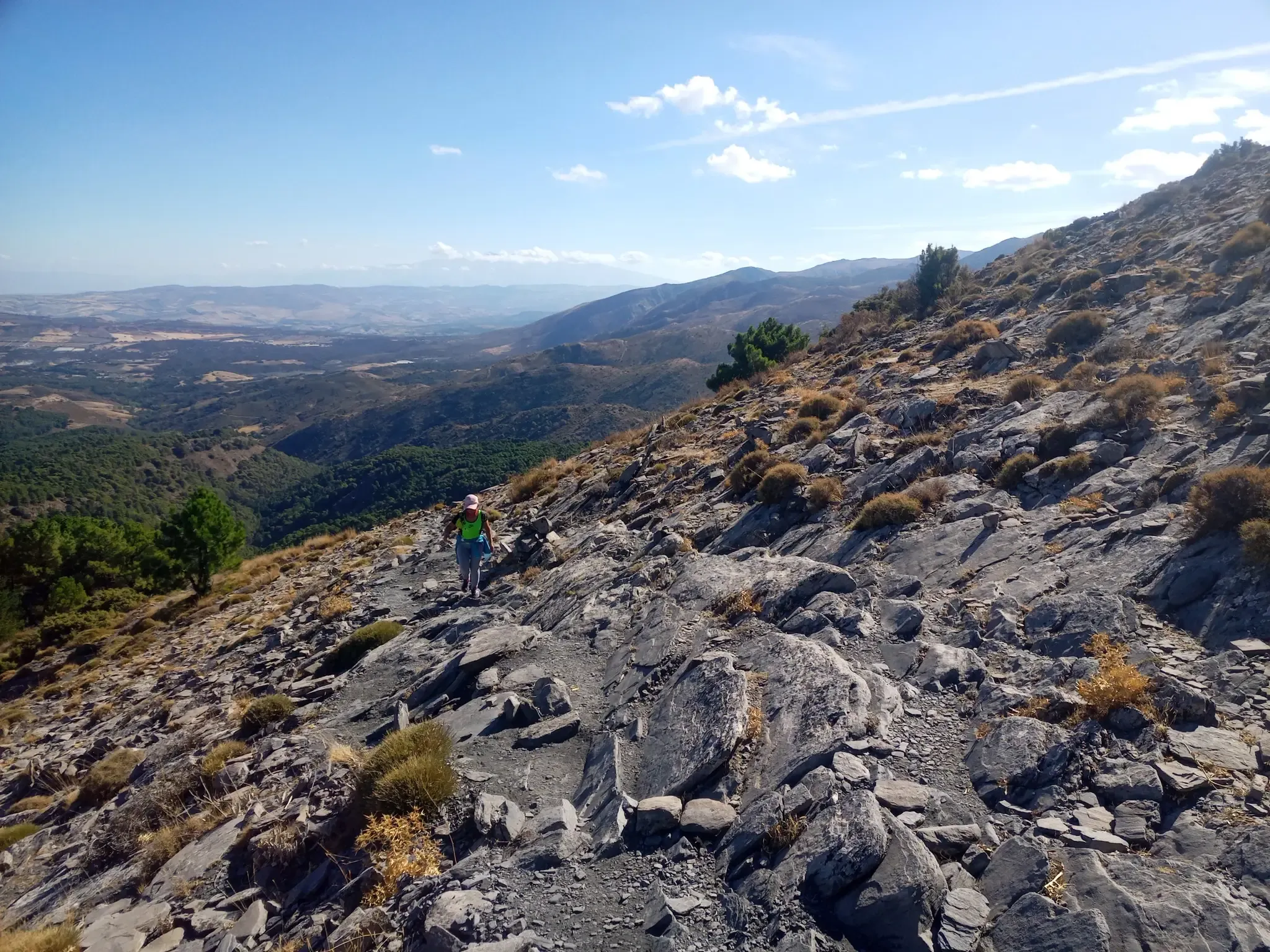
12 hiking gems throughout Spain
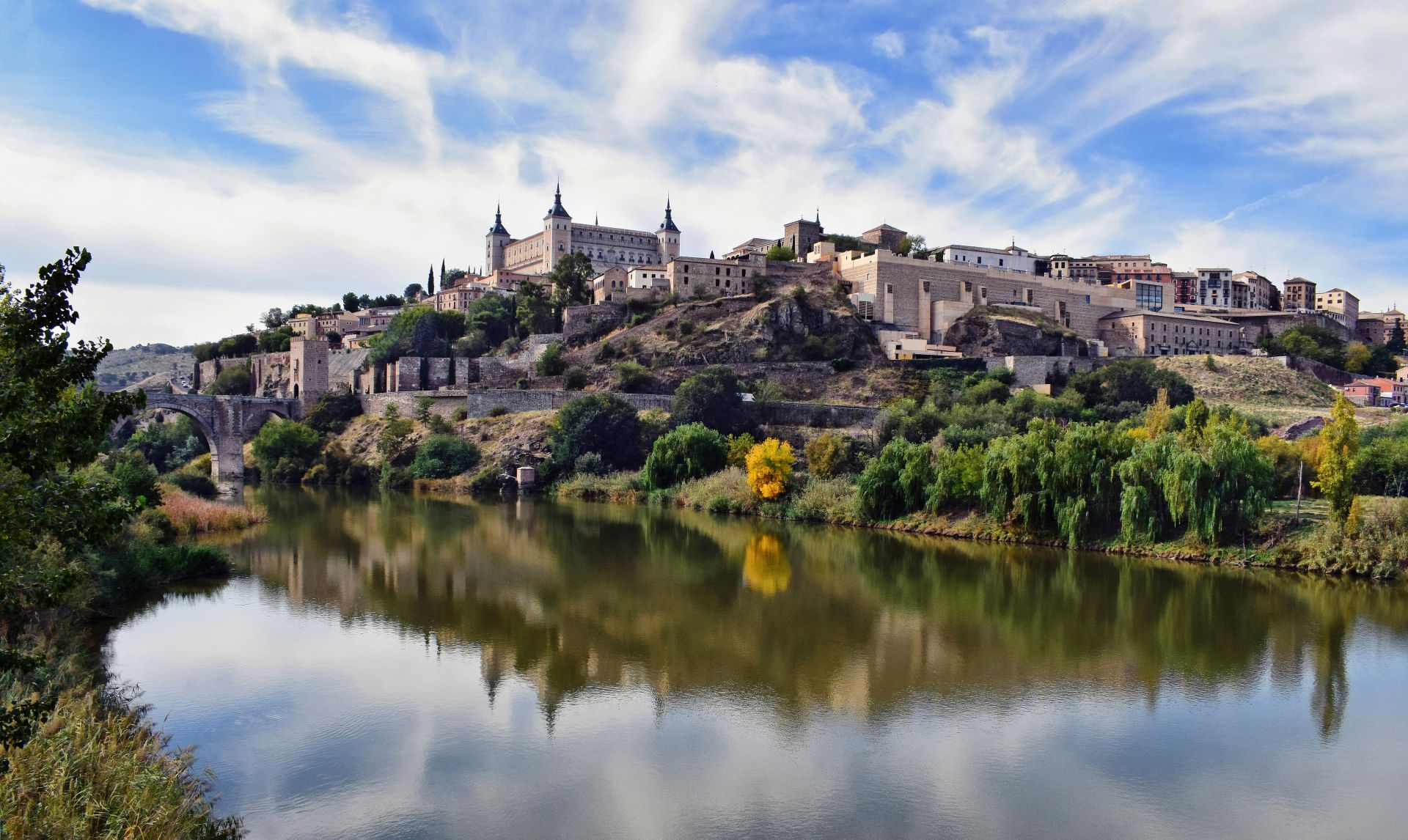
Albarracín to Toledo – Eastern Tagus Nature Trail
A journey on the Iberian Peninsula – Tagus Nature Trail
Hiking in Alto Tajo
Running Trails in Alto Tajo
MTB Trails in Alto Tajo
Road Cycling Routes in Alto Tajo
Cycling in Alto Tajo
Other adventures in Alto Tajo


Tips from the Community

A recommended area for walking.
0
0

This is a tuffaceous rock (travertine) in the process of active formation, the result of constant contact between calcareous water and the surrounding rocks. Rainwater dissolves the limestone rocks predominating in the area. Upon emergence, carbon dioxide is released and calcium carbonate precipitates, forming layers of travertine. This process also creates grottos, cavities, and small caves.
2
0

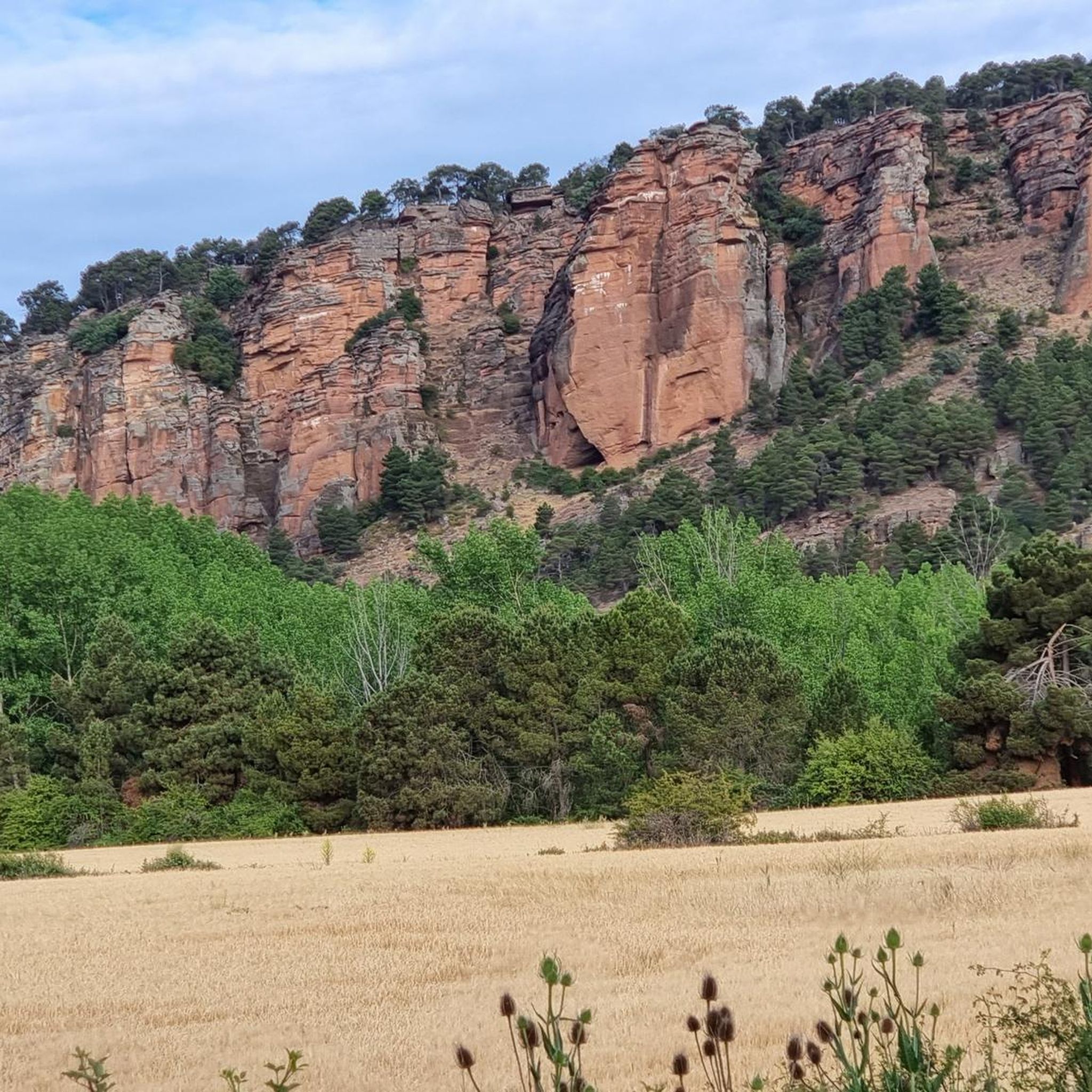
On the way up to the Barranco de La Hoz viewpoint there are several caves. One of them, La Cueva del Via Crucis is the most famous.
1
0
It is a tuff in formation with the dripping of the waters of the Gil de Torres River, (also called Genitoris). It has several waterfalls and there are also caves that can be visited. It has information signs and a boardwalk to visit the surroundings.
1
0

This is a popular and very nice cave to visit. It's not too difficult and it has stairs at the entrance. As with the caves, you enter at your own risk. There is a map outside showing you what to expect.
2
0
The dirt road that leads to the Refugio de la Zapatilla ends with a small space to leave the car. There are some picnic tables and you are very close to the entrance of Sima de Alcorón.
1
0
The Escaleruela path runs from Zaorejas to the GR-133. The section ends with the GR-133, runs through the Ciño Negro ravine and passes through the Escaleruela cave and the Escaleruela waterfall. This is a perfect place to see the flora and fauna of the Alto Tajo Natural Park, such as the red fox or the Gyps fulvus.
1
0

Accessible. It is recommended to use a flashlight. Spring water in the deepest area
0
0
Frequently Asked Questions
What are some of the most notable caves and geological formations to visit in Alto Tajo?
The Alto Tajo region offers several impressive natural features. Among the most significant are the Sima de Alcorón Cave, a striking natural pit, and the Cueva de los Casares, known for its prehistoric art. You can also explore the Cave of the Way of the Cross, located within the impressive Barranco de la Hoz canyon, and the unique Aguaspeña Travertine Formation, which features active rock formation and small caves.
Are there any caves in Alto Tajo known for prehistoric art?
Yes, the Cueva de los Casares, located in Riba de Saelices, is one of central Spain's most important sites for prehistoric engravings and paintings, dating back 30,000 to 15,000 years. Another cave, Cueva de la Hoz, also contains significant Paleolithic art, but it is currently closed to the public for conservation.
Is the Sima de Alcorón Cave accessible to visitors?
Yes, the Sima de Alcorón Cave is notably accessible to the public. It features stone steps and railings that allow for an easier descent into its approximately 63-meter depth. Visitors are recommended to use a flashlight to explore the deepest areas.
What is the best time to visit the Sima de Alcorón Cave?
The Sima de Alcorón Cave is particularly spectacular around midday during the summer. At this time, sunlight penetrates vertically into the pit, creating a magical beam that illuminates the bottom and reflects off a natural pool, revealing beautiful orange hues from ferrous waters.
Do I need a permit or prior booking to visit caves in Alto Tajo?
For the Cueva de los Casares, visits are guided and require a prior appointment. For other accessible natural formations like the Sima de Alcorón Cave, specific permits are generally not required for general access, but it's always wise to check local regulations before your visit.
What should I wear when exploring caves in Alto Tajo?
When visiting caves like the Cueva de los Casares, it is advised to wear comfortable, mountain-style footwear due to rugged terrain. The interior of this cave maintains a constant temperature of 11-13 degrees Celsius, so dressing in layers is recommended. For the Sima de Alcorón Cave, comfortable shoes and a flashlight are useful.
Are there family-friendly options for exploring natural features in Alto Tajo?
Yes, the Aguaspeña Travertine Formation is considered family-friendly, with information signs and a boardwalk to explore the surroundings and its small caves. The Sima de Alcorón Refuge area also offers picnic tables and easy access to the Sima de Alcorón, making it suitable for families.
What kind of outdoor activities can I do near the caves in Alto Tajo?
The Alto Tajo Natural Park offers a variety of outdoor activities. You can find numerous hiking opportunities, including routes like the Escaleruela Trail which passes by the Escaleruela cave. For more hiking options, check out the Hikes from bus stations in Alto Tajo guide. Cycling is also popular, with guides like Cycling in Alto Tajo and Traffic-free bike rides in Alto Tajo available.
Are there any refuges or facilities near the caves for overnight stays?
Yes, the Sima de Alcorón Refuge is located very close to the Sima de Alcorón Cave. It's a good point to spend the night, especially for those undertaking longer routes like the Montañas Vacías. The refuge offers basic facilities and picnic tables nearby.
What unique natural phenomena can be observed in the Alto Tajo caves?
Beyond the prehistoric art, the Sima de Alcorón Cave offers a unique light spectacle, particularly at midday in summer, when sunlight creates a vertical beam illuminating the chasm. The Aguaspeña Travertine Formation showcases active geological processes, with calcium carbonate precipitating to form layers of travertine, grottos, and small caves.
Can I find viewpoints or scenic areas near the caves?
Absolutely. The Barranco de la Hoz, where the Cave of the Way of the Cross is located, is an impressive fluvial canyon with towering rock walls and stunning natural viewpoints. It's an ideal spot for birdwatching, with raptors like griffon vultures often seen flying overhead.
Most popular routes in Alto Tajo
Most popular attractions in Alto Tajo

Get inspired with the komoot mobile app


