The best cycling routes in Alto Tajo
4.8
(47)
865
riders
28
rides
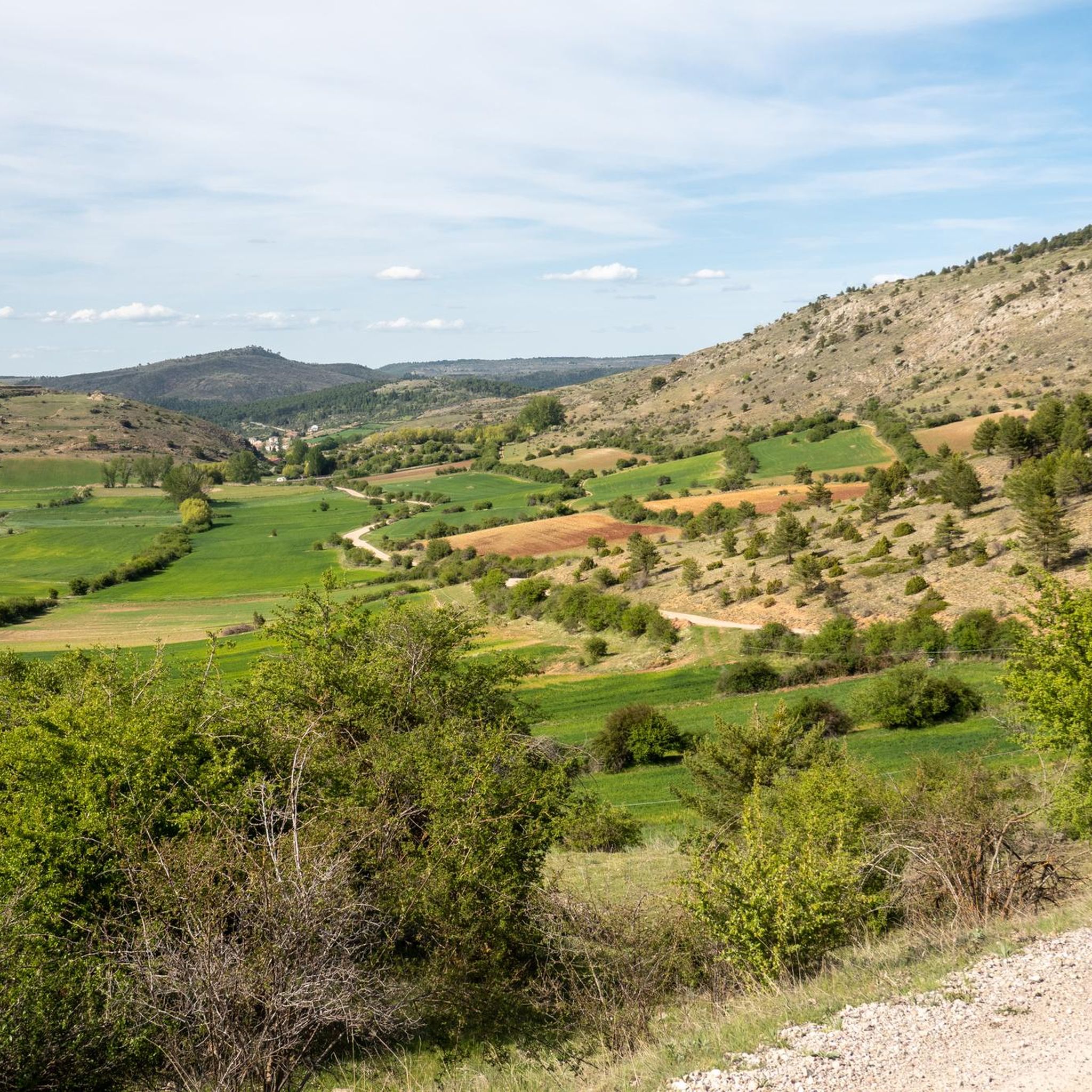
Touring cycling routes in Alto Tajo traverse a landscape defined by deep canyons, gorges, and riverine formations carved by the Tajo River. The region, part of the UNESCO-recognized Molina-Alto Tajo Geopark, features unique geological formations of limestone and red sandstone. Cyclists will encounter significant elevation gains and diverse natural features, including dense forests of juniper, oak, and pine. The terrain offers a mix of mostly paved surfaces, with some unpaved segments adding to the challenge.
Best touring cycling routes in…
Last updated: July 7, 2026
1
riders
62.4km
05:17
1,380m
1,380m
Hard bike ride. Very good fitness required. Mostly paved surfaces. Suitable for all skill levels.
5.0
(4)
39
riders
64.3km
06:18
840m
840m
Hard bike ride. Very good fitness required. Mostly paved surfaces. Suitable for all skill levels.

Sign up for free
14
riders
Hard bike ride. Very good fitness required. Mostly paved surfaces. Suitable for all skill levels.
4.0
(2)
23
riders
31.7km
02:52
450m
450m
Moderate bike ride. Good fitness required. Mostly paved surfaces. Suitable for all skill levels.
13
riders
44.4km
04:19
540m
540m
Hard bike ride. Very good fitness required. Mostly paved surfaces. Suitable for all skill levels.
Get access to more routes and recommendations from other explorers.
Sign up for free
Already have an account?
Our route recommendations are based on thousands of hikes, rides, and runs completed by other people on komoot.
Start today with a free account
Your next adventure awaits.
Login or Signup
Popular around Alto Tajo
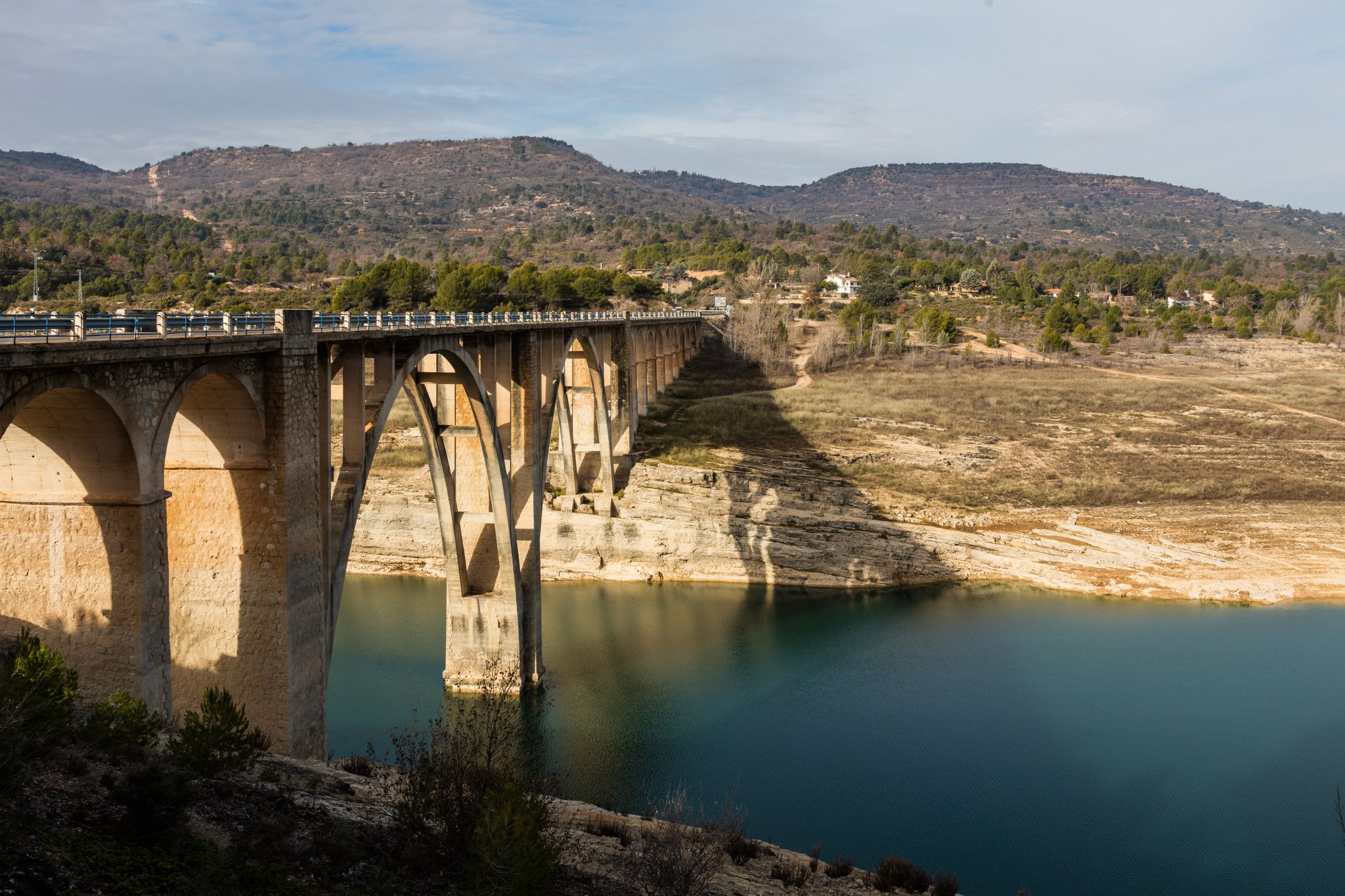
A journey on the Iberian Peninsula – Tagus Nature Trail
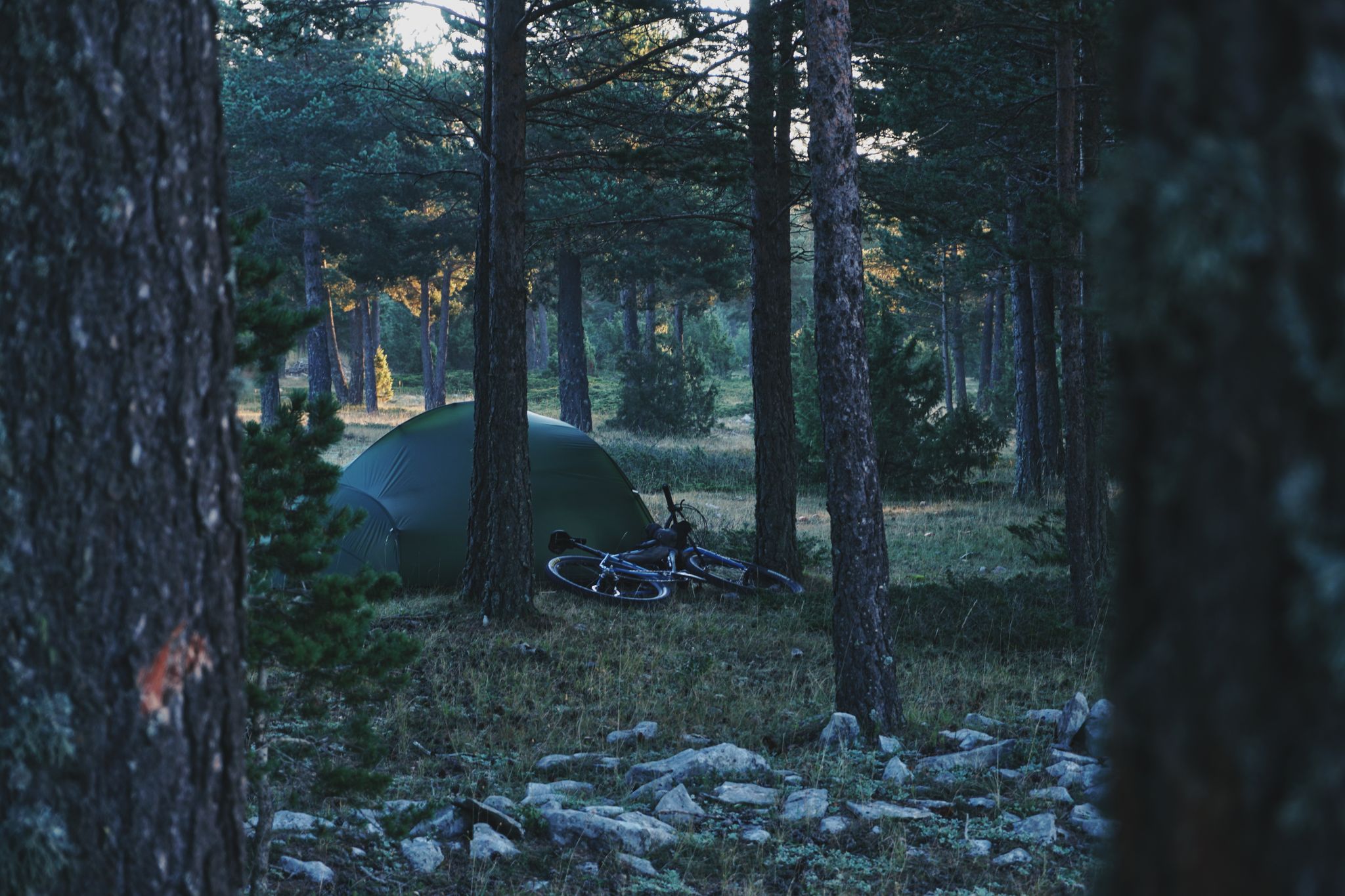
MontañasVacías official — bikepacking across the Spanish Lapland
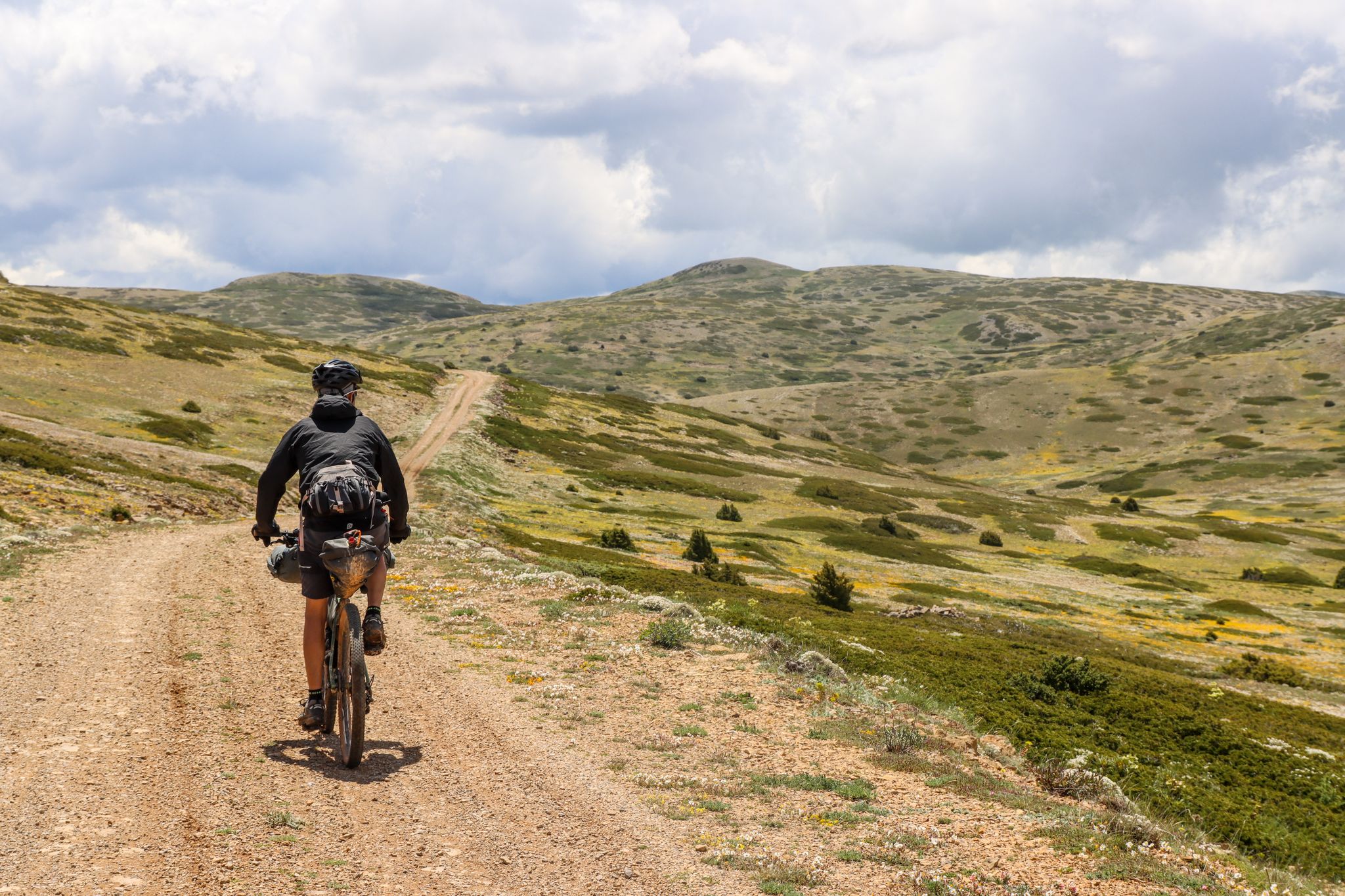
Montañas Vacías — bikepacking the wild and remote 'Empty Mountains'
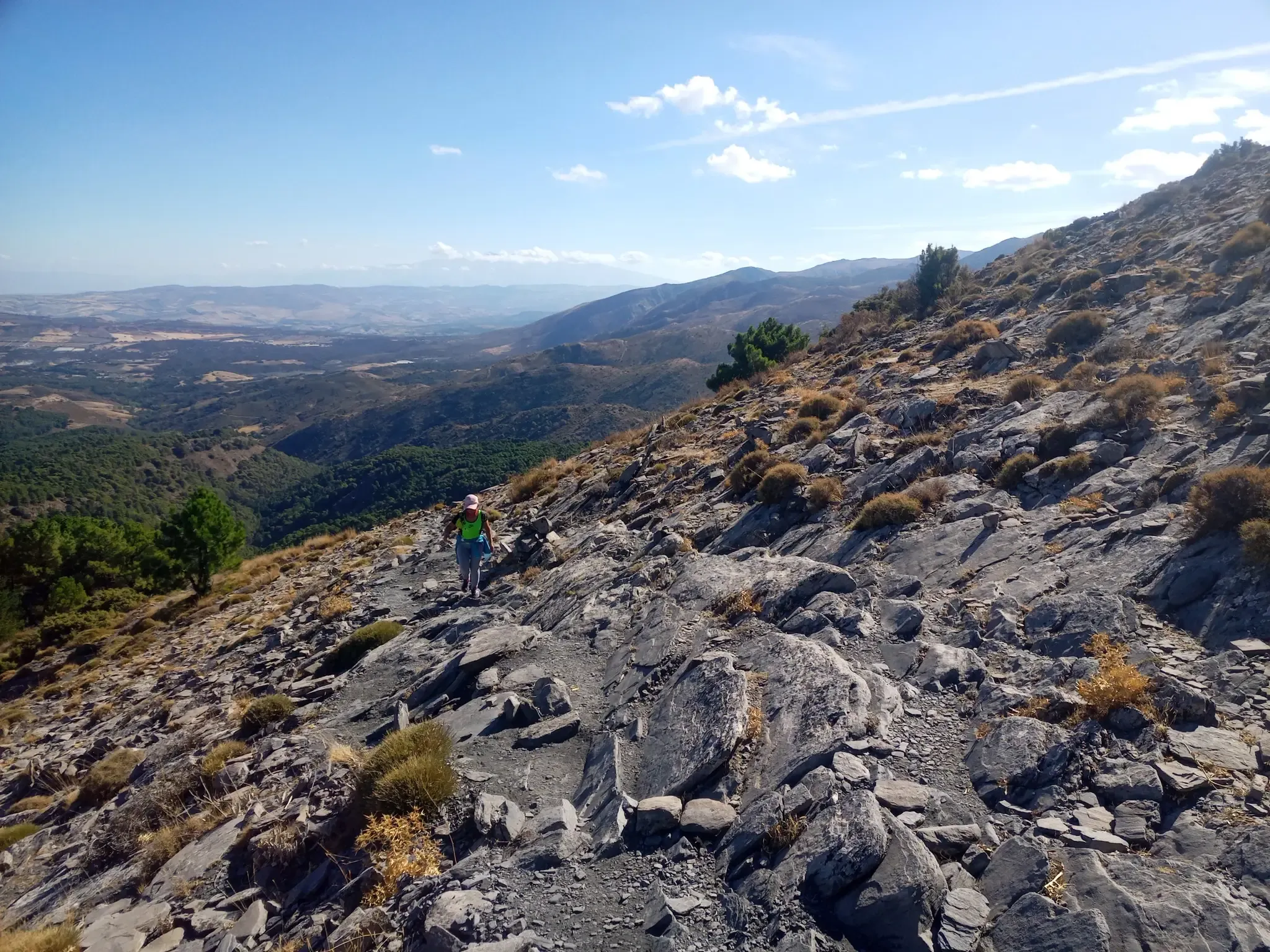
12 hiking gems throughout Spain
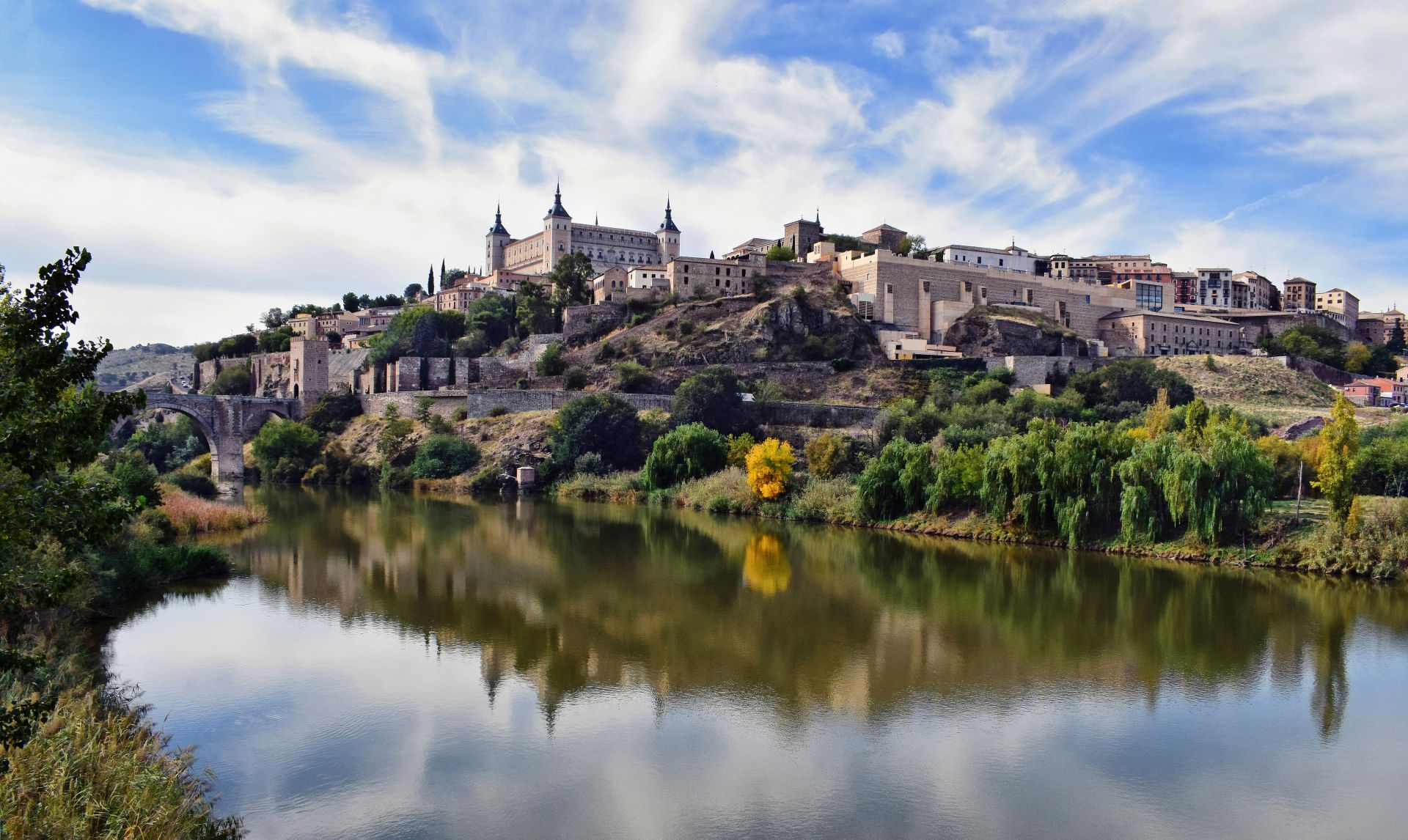
Albarracín to Toledo – Eastern Tagus Nature Trail
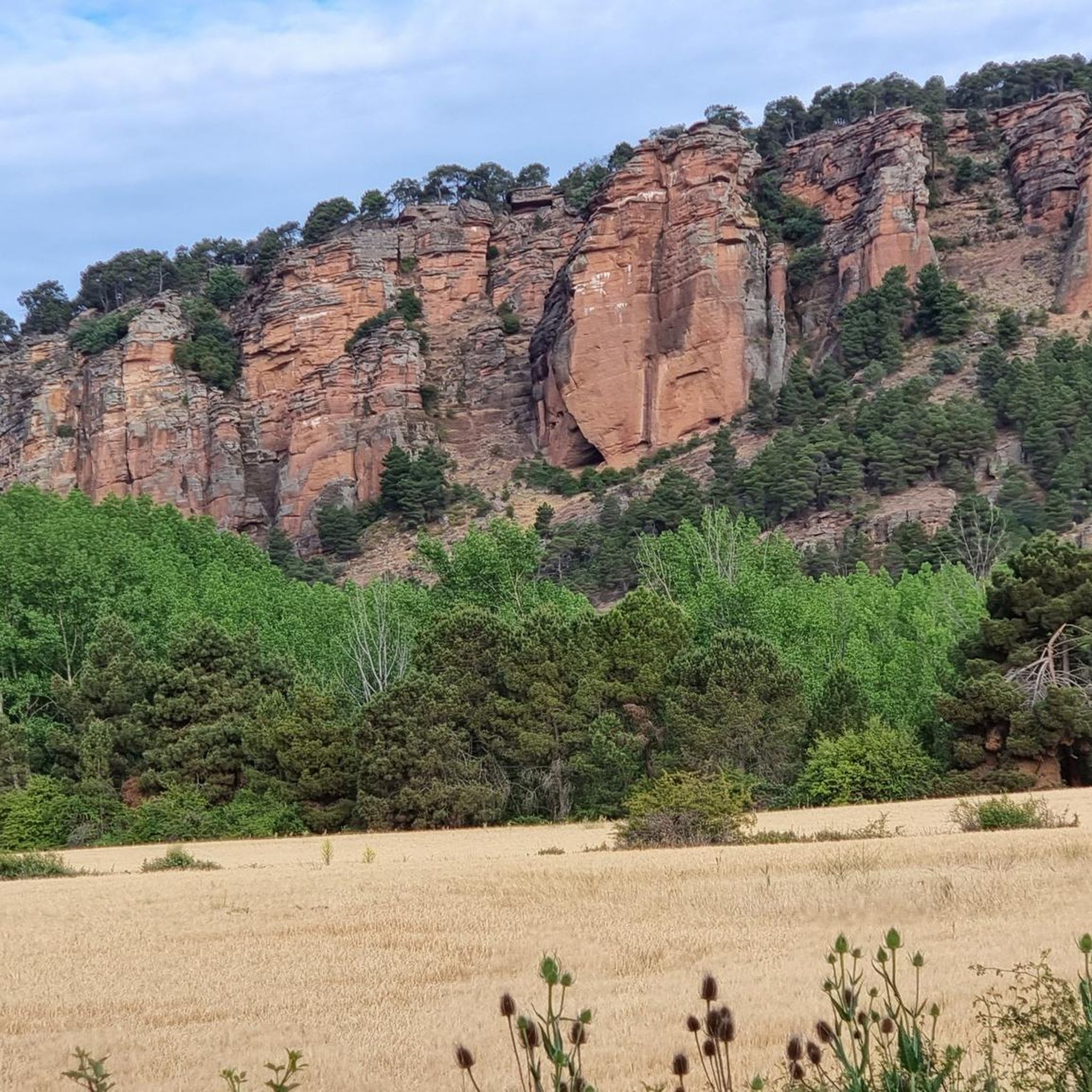
Hiking in Alto Tajo
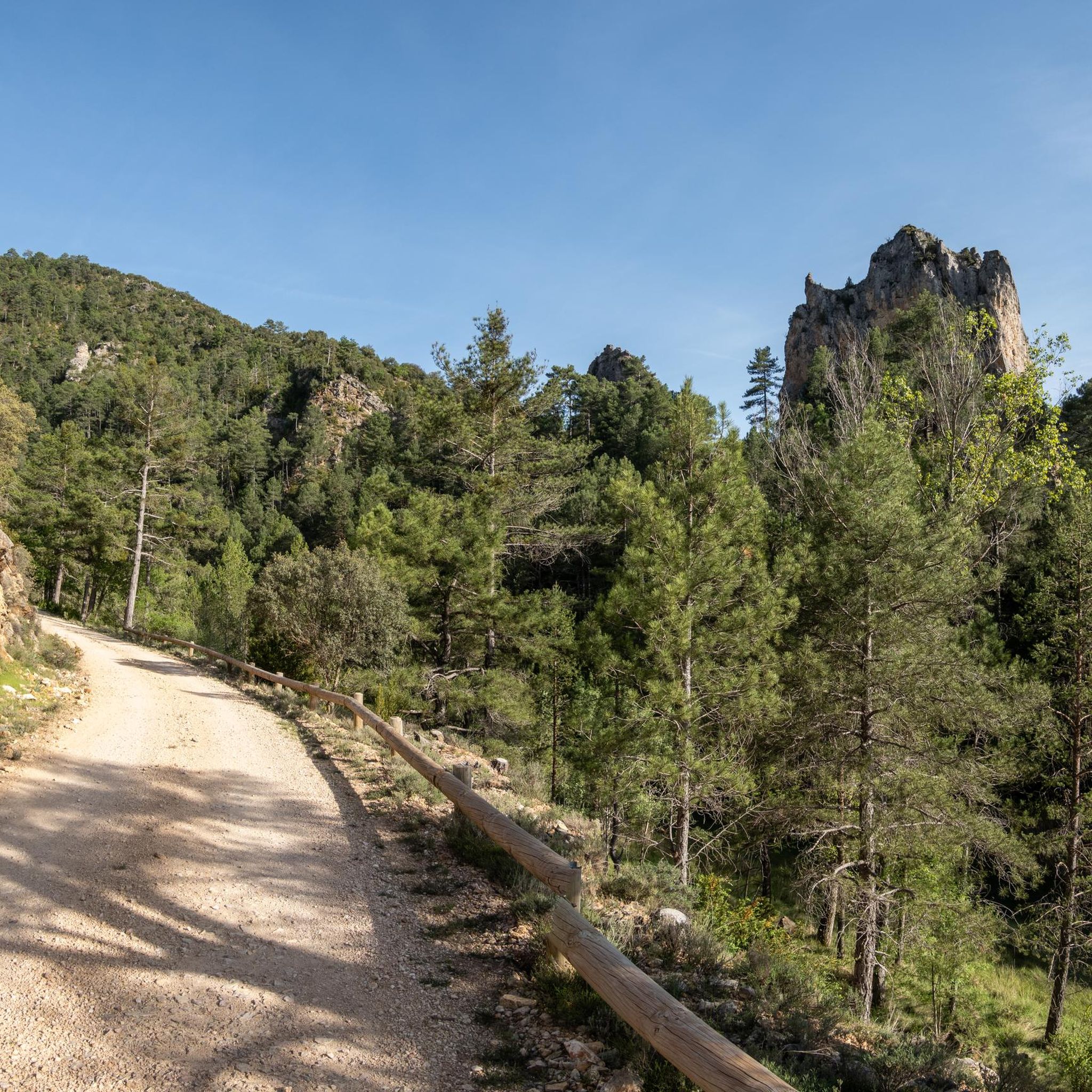
Running Trails in Alto Tajo
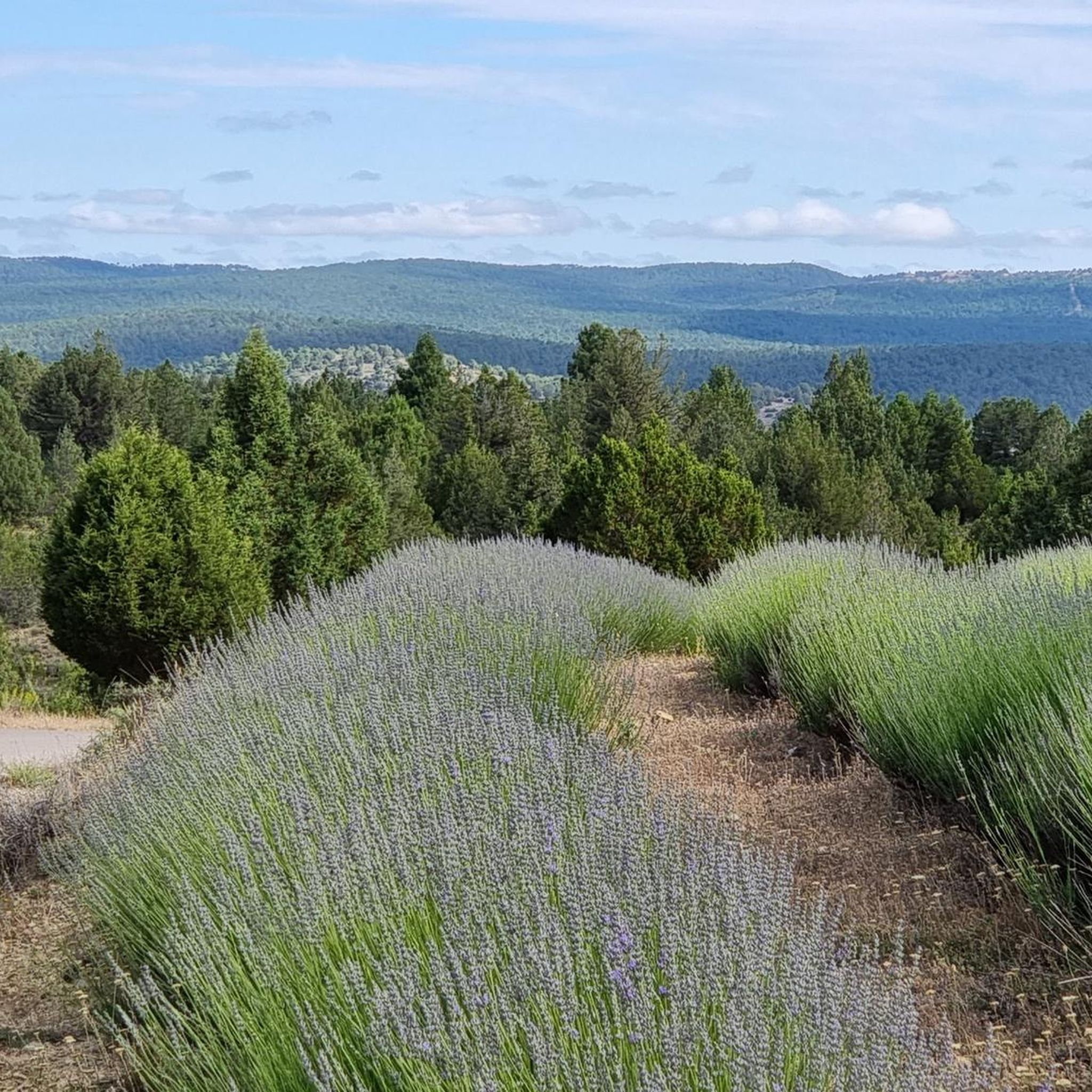
Road Cycling Routes in Alto Tajo
MTB Trails in Alto Tajo

Gravel biking in Alto Tajo
Other adventures in Alto Tajo


Tips from the Community

Emblematic place, with natural sculptures, visible from the road itself
0
0

Within the great beauty of the Enchanted City of Chequilla are the Towers, near the Church Square.
0
0

This viewpoint is located in a privileged place in front of a spectacular rocky cliff, which if you pass by on your bike on a hot day when the heat reflects its image on this wall... I think you'll have to stop and rest for a few seconds.
9
0
This is undoubtedly one of the Tagus's great wonders. Crossing the beautiful river on a suspension bridge like this one, where motor vehicles are prohibited, reduces the number of crossing options. Walkers and cyclists can enjoy the oscillating motion experienced by the bridge's anchorage. Absolutely recommended!
7
0
These rock formations create a very unique setting at the entrance to the town of Chequilla. Erosion over hundreds of thousands of years has formed these whimsical figures that serve as a tourist attraction for anyone who visits this small town.
0
0
This suspension bridge is truly a symbol of the area, allowing you to cross the river from one bank to the other with truly unique views. As you ride your bike across, you can observe the movement and the noise caused by the weight of the straps. If you don't suffer from heights of height, you can enjoy the Tagus River from there.
6
0

From there to the waterfall houses there is a short stretch where you have to get off your bike since the path is more for trekking, but it is short, about 500m
0
0

Peralejos de las Truchas, Plaza de la Fuente, monument in honor of José Luis Sampedro. José Luis Sampedro Sáez (February 1, 1917 in Barcelona; April 8, 2013 in Madrid) was a Spanish economist, humanist, and writer. As a humanist, he frequently criticized the social and moral decline of Western society, neoliberalism, and the dark side of capitalism. In an interview with the Frankfurter Allgemeine Sonntagszeitung, Sampedro criticized European capitalism and compared it to the end of the Roman Empire: "Back then, it was the barbarians who invaded the Roman Empire, undermining it from within and ultimately bringing it down. It was a smooth transition. And today we are once again experiencing a time of transition, from a capitalist society to a technological one. There's a word for it in science: entropy. Something grows until it collapses under its own weight."
0
0
Frequently Asked Questions
How many touring cycling routes are available in Alto Tajo?
Alto Tajo offers over 25 touring cycling routes, catering to various skill levels. These routes traverse the region's dramatic landscapes, including deep canyons and riverine formations.
What is the general difficulty level of touring cycling routes in Alto Tajo?
The majority of touring cycling routes in Alto Tajo are classified as difficult, with 21 out of 25 routes featuring significant elevation gains and challenging terrain. There are also 4 moderate routes available for those seeking a less strenuous ride. Routes like the Alto Tajo Park and Montañas Vacías Loop are known for their challenging climbs and panoramic views.
Are there any circular touring cycling routes in Alto Tajo?
Yes, Alto Tajo features several circular touring cycling routes. For example, the La Falaguera Shelter – Vado Salmeron Shelter loop from Aparcamiento 5 is a difficult 64.4 km circular path that showcases the region's dense forests and riverine landscapes. Another option is the Estrecho del Horcajo Viewpoint – Laguna de Taravilla loop from Peralejos de las Truchas, a moderate 25.8 km trail.
What natural features and landmarks can I expect to see along the cycling routes?
Cyclists in Alto Tajo will encounter deep canyons, gorges, and the crystal-clear Tajo River. Unique geological formations like 'knives' and monoliths are common, especially in areas like Chequilla, known for its red sandstone. Notable viewpoints include the Estrecho del Horcajo Viewpoint. You might also pass by the Sima de Alcorón Cave, a spectacular chasm.
Are there any waterfalls or swimming spots accessible from the touring cycling routes?
Yes, the region boasts beautiful natural water features. You can find the artificial Waterfall of Molino de Arriba near Peralejos de las Truchas and the scenic Chorros de Cabrillas waterfalls. For swimming, the beautiful Laguna de Taravilla, with its transparent, often turquoise waters, is a popular spot where swimming is permitted.
What kind of wildlife might I see while cycling in Alto Tajo?
Alto Tajo is a refuge for diverse wildlife. The rich vegetation, including juniper, oak, and pine forests, supports a wide array of fauna. You might spot various birds of prey such as vultures, eagle owls, and golden eagles, as well as six different species of large ungulates.
What do other touring cyclists say about their experience in Alto Tajo?
The touring cycling routes in Alto Tajo are highly rated by the komoot community, with an average score of 4.8 stars from over 20 reviews. Cyclists often praise the dramatic canyons, crystal-clear rivers, and extensive pine and oak forests, highlighting the challenging yet rewarding nature of the terrain.
Are there any shelters or facilities along the routes?
Yes, some routes pass by shelters and facilities. For instance, the La Falaguera Shelter – Vado Salmeron Shelter loop from Aparcamiento 5 includes the Vado Salmeron Shelter. Other facilities like the Forest Shelter and Picnic Area by the Tagus River are also available in the region.
What is the best time of year for touring cycling in Alto Tajo?
While specific seasonal recommendations are not detailed, the diverse flora and fauna suggest that spring and autumn would offer pleasant temperatures and vibrant natural scenery. The region's significant elevation gains mean that summer can be quite warm, while winter might bring colder conditions, especially at higher altitudes.
Are there any routes suitable for families or beginners?
While many routes are classified as difficult, there are 4 moderate routes available in Alto Tajo. These routes offer a less strenuous experience, making them potentially more suitable for families or beginners looking to explore the region's natural beauty without extreme challenges. Always check the route details for specific terrain and elevation before setting out.
Can I combine cycling with other outdoor activities in Alto Tajo?
Absolutely. Alto Tajo is an excellent destination for multi-activity adventures. Beyond cycling, the pristine waters of the Tajo River offer opportunities for kayaking, canoeing, rafting, and canyoning. The diverse environments and low population density also make it an ideal spot for birdwatching and tranquil nature walks.
Most popular routes in Alto Tajo
Most popular attractions in Alto Tajo

Get inspired with the komoot mobile app


Explore more
Browse the best Cycling routes in other regions.
