Top 4 Lakes around Lac de Roselend
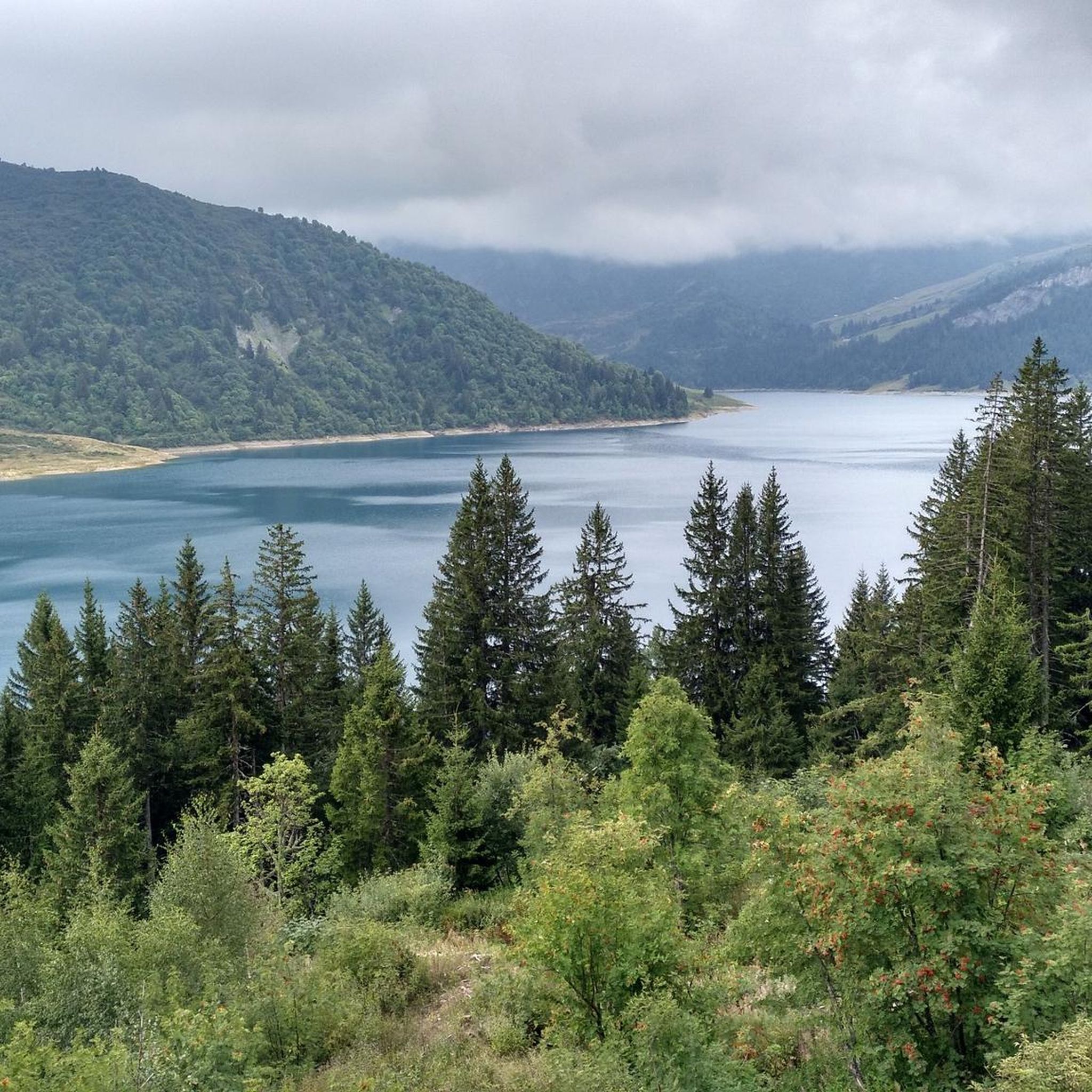
Best lakes around Lac de Roselend are found in the Beaufortain massif, offering a diverse landscape of artificial lakes and mountain scenery. Lac de Roselend, formed by the impressive Roselend Dam, is known for its distinctive turquoise waters and views of surrounding peaks like Mont Blanc. The area combines significant engineering with natural beauty, providing a setting for outdoor activities. This region features several lakes, each contributing to the local hydroelectric system and offering unique experiences.
Best lakes around Lac de Roselend
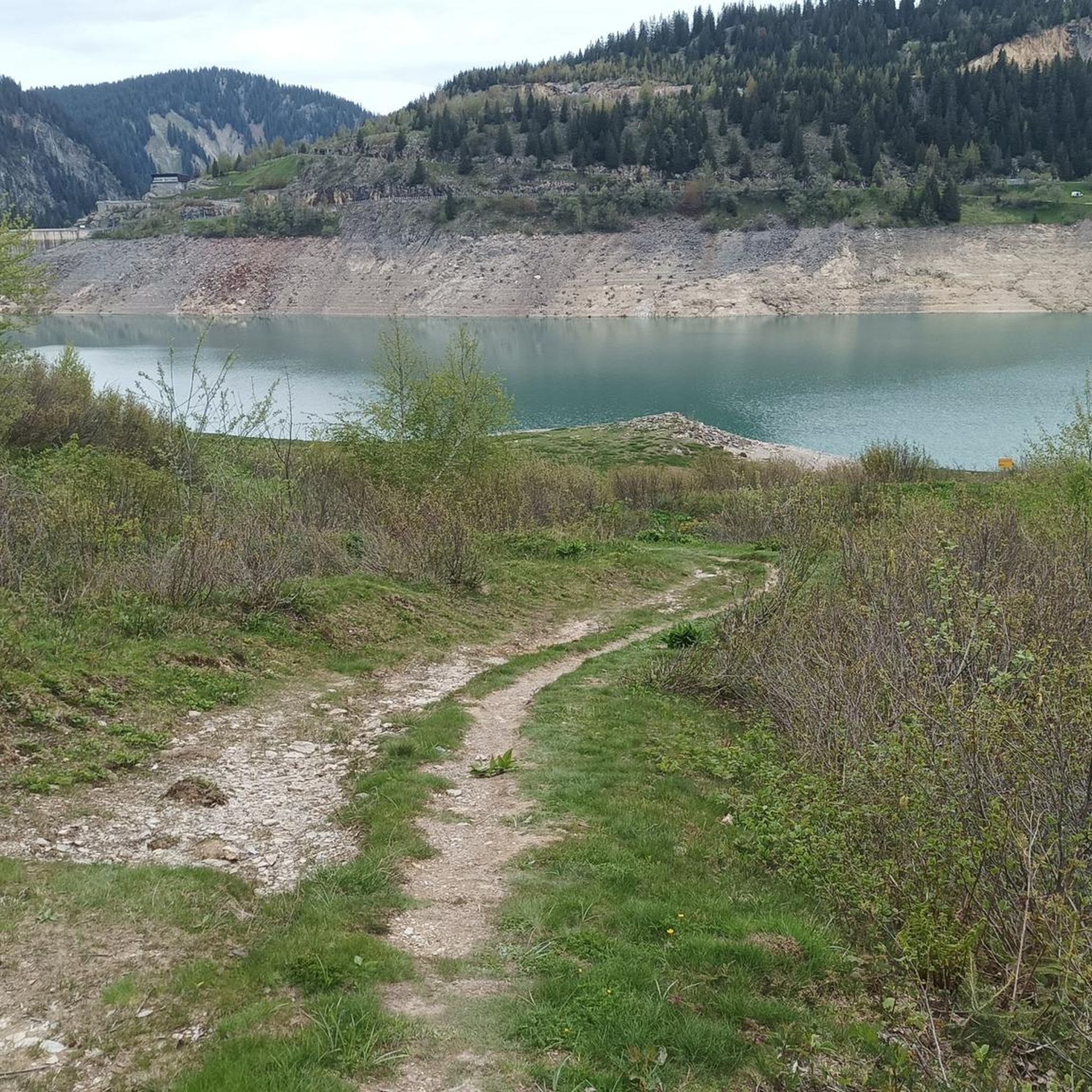
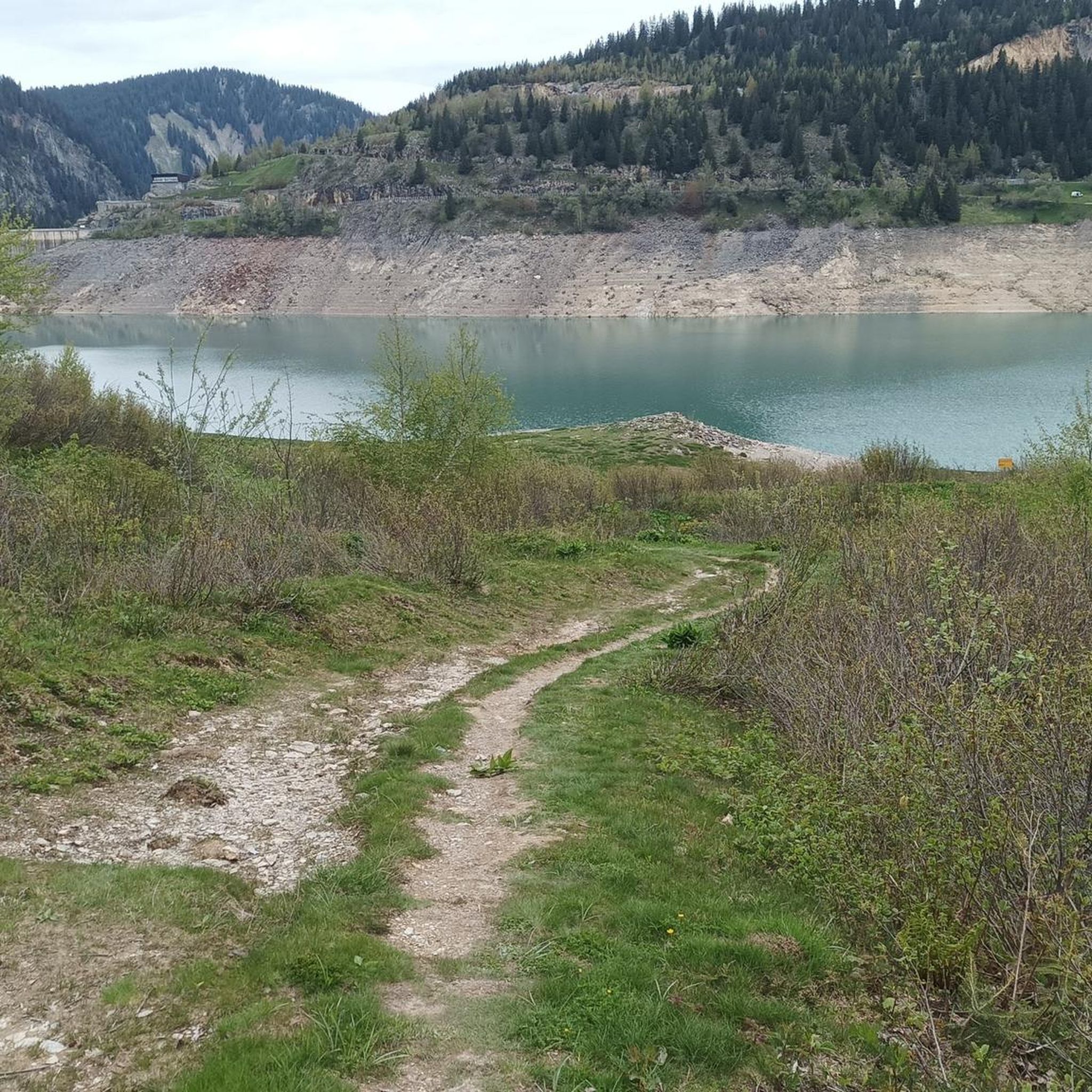
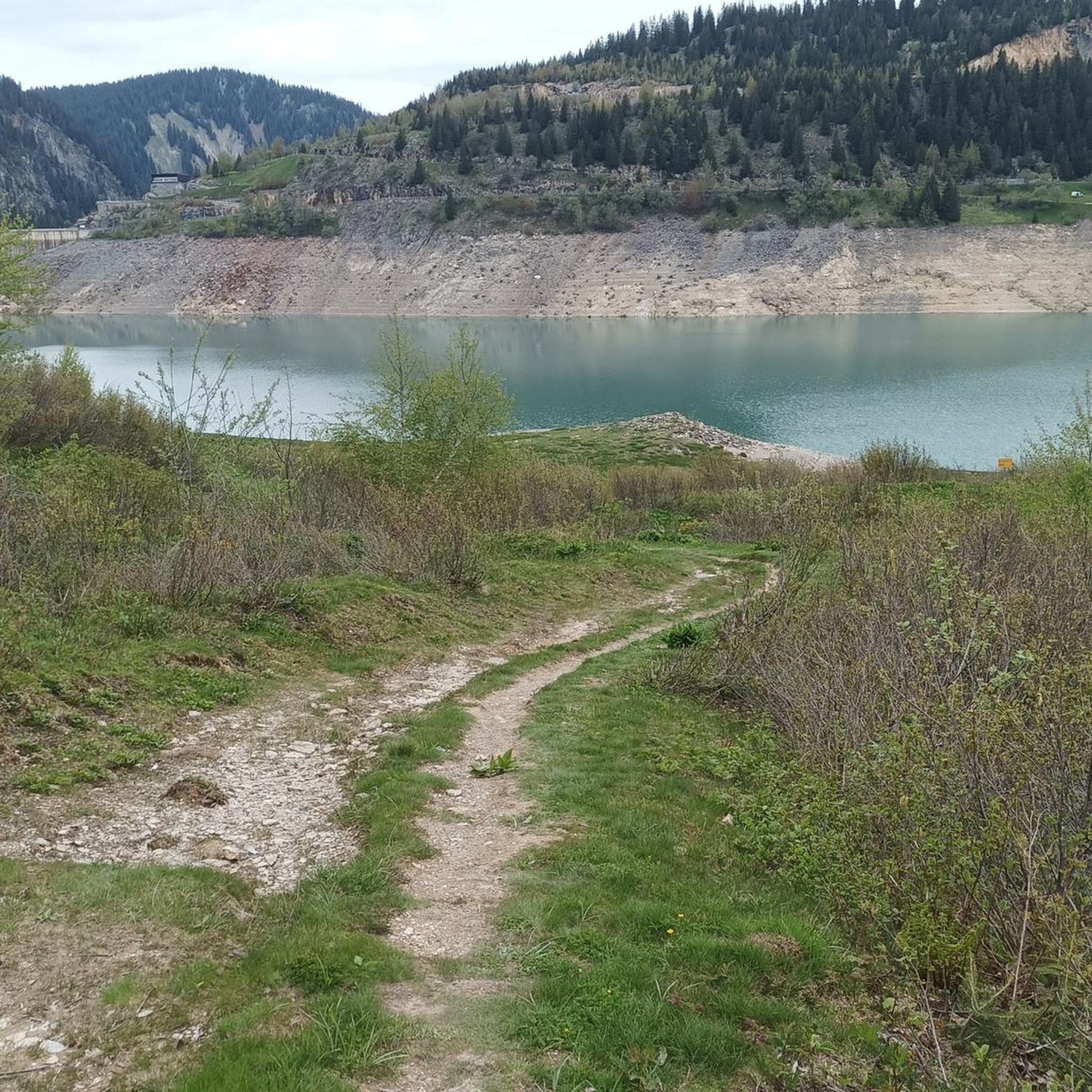
- The most popular lakes is Roselend Lake Dam, a lake that retains 187 million cubic meters of water. This impressive structure is 804 meters long and 150 meters high, located at an altitude of 1557 meters.
- Another must-see spot is Roselend Dam, a man-made monument. Visitors can enjoy the views from the road on the dam by the reservoir.
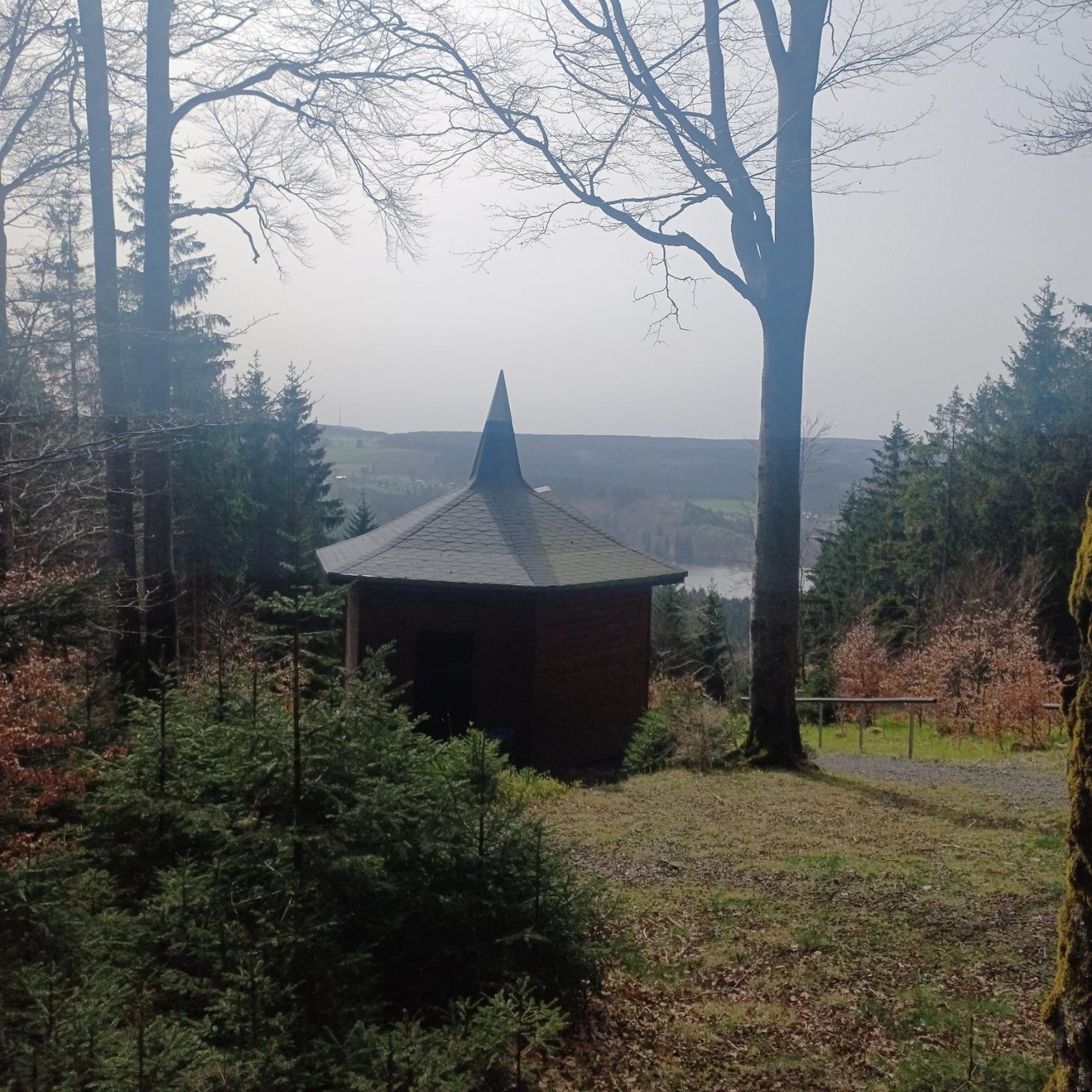
- Visitors also love Roselend Chapel, a religious building with a view over the reservoir. This chapel was rebuilt after the dam's construction and features an exhibition about the history of the barrage and lake.
- Lac de Roselend is known for its large artificial lakes and smaller, charming mountain lakes. The area offers a variety of lakes to see and explore, from those with significant dams to more secluded spots.
- The lakes around Lac de Roselend are appreciated by the komoot community, with more than 90 upvotes and over 15 photos shared across 5 highlights.
Last updated: August 10, 2026
Roselend Dam
Highlight • Monument
Tip by

Roselend Chapel
Highlight • Religious Site
Nice view over the reservoir.
Translated by Google •
Tip by

Sign up now to discover places like this
Get recommendations on the best single tracks, peaks, & plenty of other exciting outdoor places.
Sign up for free
Roselend Lake Dam
Highlight • Lake
Translated by Google •
Tip by

Ascent of the Cormet de Roselend from Beaufort
Highlight (Segment) • Mountain Pass
Translated by Google •
Tip by

View of Lac de Roselend and Barrage de Roselend from Col du Pré
Highlight (Segment) • Viewpoint
Translated by Google •
Tip by

Start today with a free account
Your next adventure awaits.
Login or Signup

Tips from the Community

great ride not too demanding. if done with a gravel bike there are some sections to do on foot
0
0

Here is the route for the ascent of the Cormet de Roselend starting from Beaufort, the legendary route via the magnificent lake of the same name!
1
0

The Roselend Dam is located in the commune of Beaufort-sur-Doron, in the Beaufortain region of Savoie, between the Col du Pré and the Cormet de Roselend, near the Arêches-Beaufort ski resort. The surrounding mountains reach an altitude of around 2,800 meters. It is part of the Roselend La Bâthie hydroelectric complex, which includes the Roselend Dam and two satellite dams: La Gittaz and Saint-Guérin. This complex is managed by EDF's Alpes Production Unit. The Roselend La Bâthie hydroelectric complex produces the equivalent of the domestic energy consumption of 450,000 residents, thus avoiding the emission of 890,000 tons of CO2 per year. The Roselend Dam is a double-curved arch dam with buttresses. Height = 150 meters Crest length = 804 meters Water reservoir [of the hydroelectric complex] = 187 million m3 The Roselend - La Bâthie development is supplied by the Roselend dam itself, as well as by two satellite dams, La Gittaz and Saint-Guérin. The total storage capacity of these three reservoirs, connected by a system of galleries, is 213 million m3. The water collected at Roselend crosses the massif through a 12.5 km long gallery to flow at an altitude of 1,400 m into the Isère Valley, in the Tarentaise region. It is then transported to the underground plant at La Bâthie via a 2,500 m long penstock, with a drop of 1,200 m. The power plant is equipped with six Pelton-type generating units with a total capacity of 550 MW. Since 2013, EDF has been replacing the main components of each generating unit (turbine, generator, transformer, and energy evacuation cables) to achieve a total capacity of 600 MW by the end of 2018. https://youtu.be/G0Ss9v6wxQQ
1
0
Originally, there was a Romanesque chapel in the hamlet of Roselend. It was dedicated to Saint Mary Magdalene. A 13th-century document mentions a chapel that could be this one. More precise sources indicate that the bell was cast in 1608 or that donations were made in 1710, 1757, and 1760. In 1794, it hosted four émigré priests from the valley for their first mass after their return from exile, including the future Archbishop of Chambéry, Antoine Martinet. Submerged when the dam was filled on May 6, 1960, a chapel was rebuilt two years later near the road overlooking the lake, in a more modern style.
1
0
Intersection point Roselend Chapel Altitude 1609m
1
0

One of the most visited sites in the Alps, on foot or by bike.
0
0

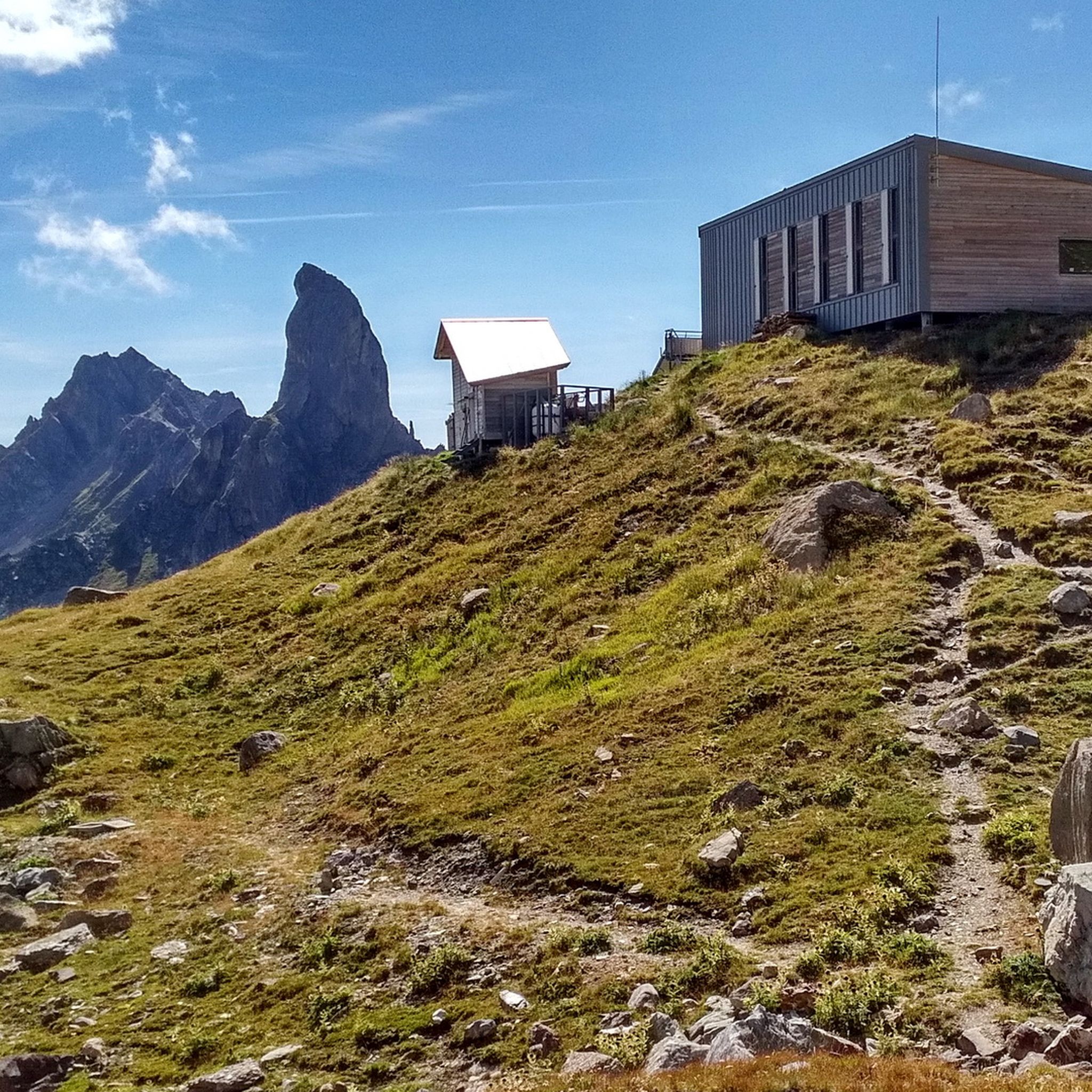
From the lake, it's about 400 meters to the highest point. The scenery up here is simply magnificent, so the climb flies by.
0
0

At 1,968 meters above sea level, the Cormet de Roselend is a well-known pass in the Alps, located between the two iconic massifs of Beaufortain and Mont Blanc. Its 20 kilometers at a 6.2% gradient from Beaufort make it a first-category pass. Note a flat section at the twelfth kilometer at Lake Roselend, which allows you to admire the lake before beginning the final ascent.
0
0
Frequently Asked Questions
What are the most scenic viewpoints around Lac de Roselend?
The area offers numerous breathtaking viewpoints. You can get exceptional views of the lake and the impressive dam from the View of Lac de Roselend and Barrage de Roselend from Col du Pré. Another excellent spot is from the Roselend Chapel, which provides a lovely perspective over the reservoir. The mountain road running alongside Lac de Roselend also features many spots for panoramic views, often extending towards Mont Blanc.
Are there family-friendly activities or lakes in the area?
Yes, several lakes cater to families. Roselend Chapel is considered family-friendly and offers a nice view. Lac de Saint-Guérin is known for its family-friendly atmosphere, relaxing walks, and a unique Himalayan footbridge. Lac Marcôt features a leisure center, a grassy beach for sunbathing, picnicking spots, and even the JAG Aqua Park, an inflatable aquatic playground. Smaller lakes like Fairy Lake, Tournant, and Mirantin are also easily accessible for family outings.
What kind of outdoor activities can I do near these lakes?
The region is a paradise for outdoor enthusiasts. You can enjoy extensive hiking, cycling, and mountain biking. For specific routes, explore the dedicated guides: Hiking around Lac de Roselend, Traffic-free bike rides around Lac de Roselend, and MTB Trails around Lac de Roselend. Fishing is also popular in the salmon-rich waters of Lac de Roselend, and Lac Marcôt is a known fishing spot. Lac de Saint-Guérin offers water activities like canoeing, kayaking, and stand-up paddleboarding.
What is the best time of year to visit the lakes around Lac de Roselend?
The best time to visit is typically during the warmer months, from late spring to early autumn (May to October), when the mountain roads are clear of snow and all activities are accessible. During this period, the turquoise waters are most vibrant, and the surrounding alpine flora is in full bloom, making it ideal for hiking, cycling, and enjoying the lake activities. Some challenging cycling routes, like the Ascent of the Cormet de Roselend from Beaufort, are best tackled when temperatures are moderate.
Are there any historical or cultural sites to visit?
Yes, the area holds significant historical interest, particularly related to the construction of the Roselend Dam. The Roselend Chapel is a notable historical site; it was rebuilt after the original was submerged by the lake and now features an exhibition about the dam's construction. The Roselend Dam itself is an impressive engineering marvel, built between 1955 and 1962, and is a key part of the region's heritage.
Can I cycle around Lac de Roselend?
Absolutely! Cycling is a very popular activity around Lac de Roselend. The mountain road alongside the lake offers fantastic views, and the Roselend Dam itself is a fun ride. For more detailed cycling routes, including traffic-free options, consult the Traffic-free bike rides around Lac de Roselend guide.
What makes Lac de Roselend's water so turquoise?
The distinctive turquoise-blue color of Lac de Roselend's water is a result of meltwater from the surrounding mountains. This glacial meltwater carries fine rock particles, known as 'rock flour,' which scatter sunlight in a way that gives the lake its vibrant, almost tropical hue, often compared to the Pacific.
What is the Roselend Dam and why is it significant?
The Roselend Dam is an impressive arch-gravity structure, standing 150 meters high and 804 meters long, capable of holding 187 million cubic meters of water. Built between 1955 and 1962, it's considered an engineering marvel and a centerpiece of the region's hydroelectric system. It's a popular spot for visitors to admire its scale and the panoramic views it offers.
Are there any easy hiking trails suitable for beginners or those seeking relaxing walks?
Yes, while some trails are challenging, there are options for easier walks. Lac de Saint-Guérin is ideal for relaxing strolls, especially with its unique Himalayan footbridge. The smaller lakes like Fairy Lake, Tournant, and Mirantin are also easily accessible by hiking and offer charming, less strenuous paths. For more hiking options, including moderate routes, check the Hiking around Lac de Roselend guide.
What other notable lakes are in the vicinity of Lac de Roselend?
Beyond Lac de Roselend, the region features several other beautiful lakes. Lac de Saint-Guérin is known for its spectacular setting and Himalayan footbridge. Lac de la Gittaz is another large lake contributing to the hydroelectric system, offering scenic hiking. Lac Marcôt provides a leisure center with family activities. Additionally, smaller, charming lakes like Fairy Lake, Tournant, and Mirantin are accessible by hiking and perfect for family outings.
What do visitors enjoy most about the Lac de Roselend area?
Visitors consistently praise the area for its stunning natural beauty, particularly the vibrant turquoise waters of Lac de Roselend and the dramatic mountain scenery, including views of Mont Blanc. The impressive scale of the Roselend Dam is also a highlight. Many appreciate the diverse outdoor activities available, from challenging climbs like the Ascent of the Cormet de Roselend from Beaufort to relaxing family walks and water sports on other nearby lakes.
Most popular routes around Lac de Roselend
Most popular attractions around Lac de Roselend

Get inspired with the komoot mobile app


Explore more
Still not found your perfect lake around Lac de Roselend? Check out the guides of these regions to see even more beautiful places.
