The 5 Most Amazing Peaks in the Gallatin Range
Best mountain peaks in the Gallatin Range are part of a majestic segment of the Rocky Mountains, known for rugged terrain and diverse natural landscapes. This region encompasses over 100 named mountains, with many exceeding 10,000 feet in elevation. The range features steep canyons, sprawling alpine plateaus, and rugged ridges, offering varied experiences for outdoor enthusiasts. It is an integral part of the Greater Yellowstone Ecosystem, providing critical habitats for diverse wildlife.
Best mountain peaks in the Gallatin Range
- The…
Last updated: June 29, 2026
Mount Blackmore
Highlight • Summit
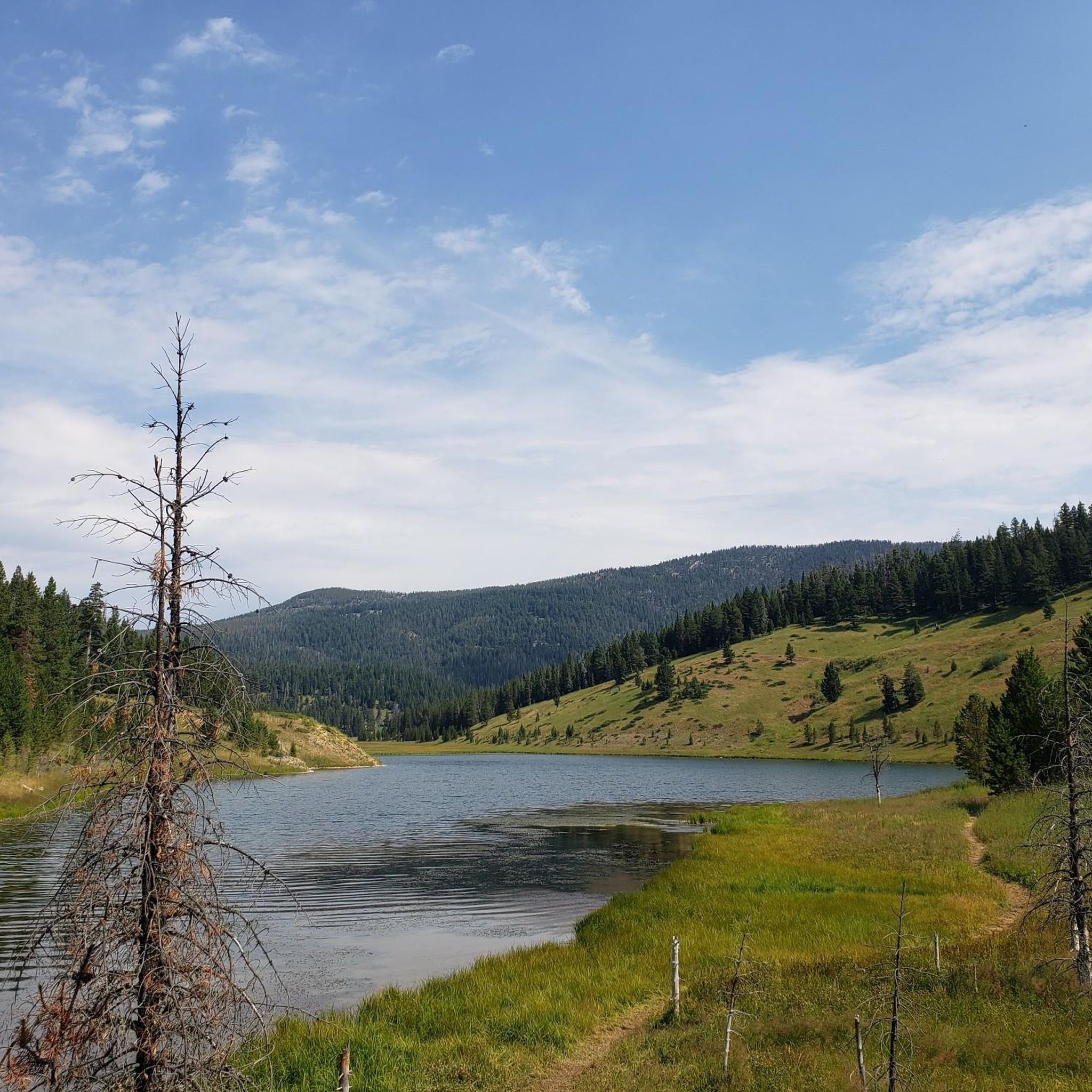
You can reach the top hiking the Blackmore Trail and the less ambitious hikers can stop to the Blackmore Lake.
Tip by

Bunsen Peak
Highlight • Summit
Tip by

Sign up now to discover places like this
Get recommendations on the best single tracks, peaks, & plenty of other exciting outdoor places.
Sign up for free
Storm Castle
Highlight • Summit
Tip by

Chestnut Mountain
Highlight • Summit
Tip by

Meadow overlook
Highlight • Viewpoint
Tip by
Start today with a free account
Your next adventure awaits.
Login or Signup

Tips from the Community

Great nontechnical hike to the summit of one of Bozeman's iconic southern peaks. A few stream crossings for filtration if you want to go light. Some steeper grades just up from the lake, but mostly very manageable grades, gorgeous views! Mountain goats were seen as well. Highly recommended.
1
0

History Rock Trail ends at a wide open meadow with views of the Hyalite summits. On a clear day, you can see over to the 10,000-foot Mount Blackmore. The trail back heads towards Hyalite Reservoir with views of Palisade Mountain.
0
0
Chestnut Mountain tops out at 7,627 feet. It has great views of Mount Ellis and other peaks in Custer Gallatin National Forest, and you can sometimes even see down to Mystic Lake. On the other side of the highway, you have open views of the Bridger Peaks and Crazy Mountains.
0
0

The spur that leads to the summit of Mt. Blackmore will steal your breath in more than one way. Be ready to earn the summit that stands at just over 10,000 feet. As always, stay aware of changes in weather when climbing exposed peaks, but also keep an eye out for a stunning range of wildflowers while you climb.
0
0

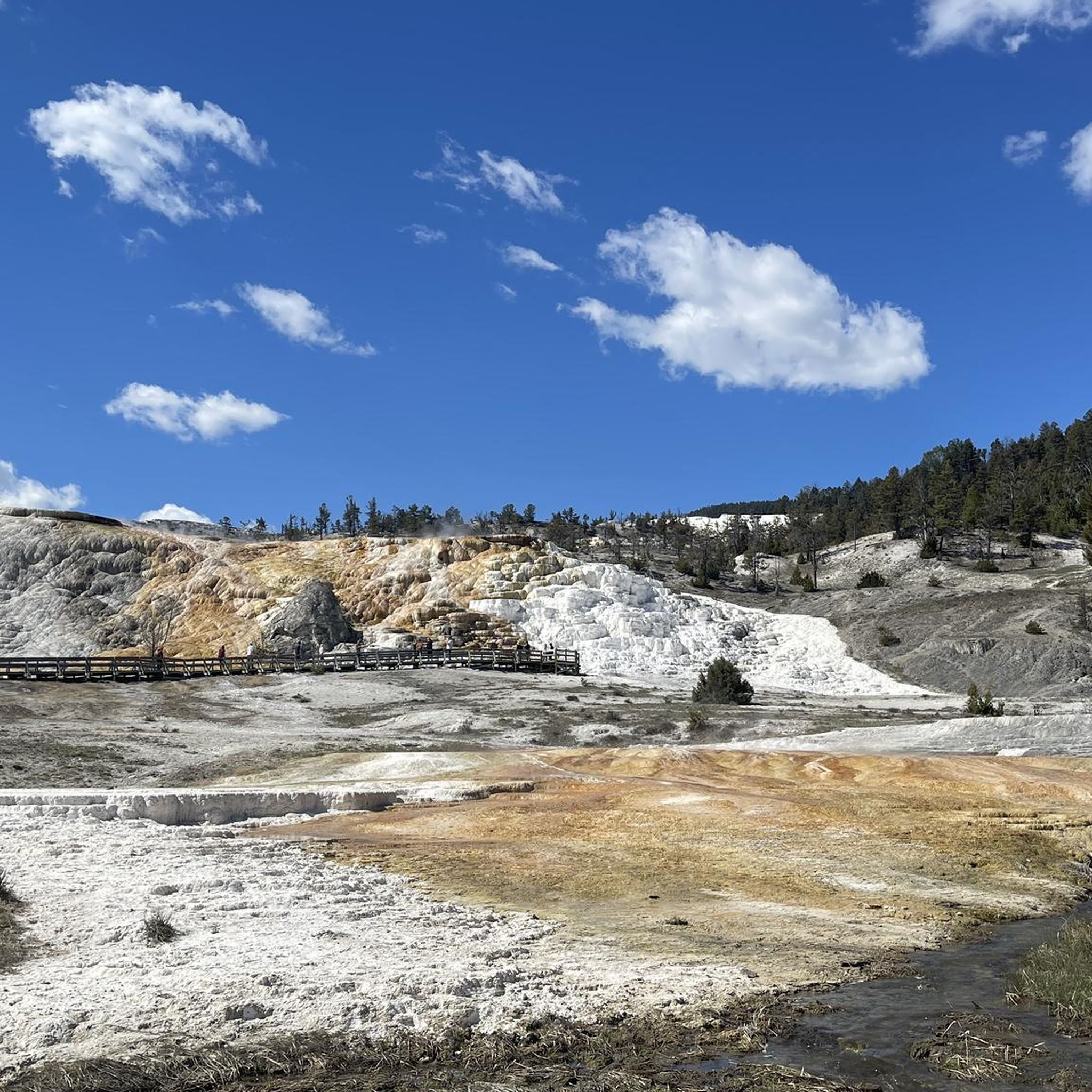
Bunsen Peak is a 8,564 foot (2,610 m) tall mountain just south of Mammoth. The summit is reached via a 2.1 mile climb on a steep and rocky path. The mountain is named after the inventor of the Bunsen Burner, German chemist Robert Bunsen.
1
0

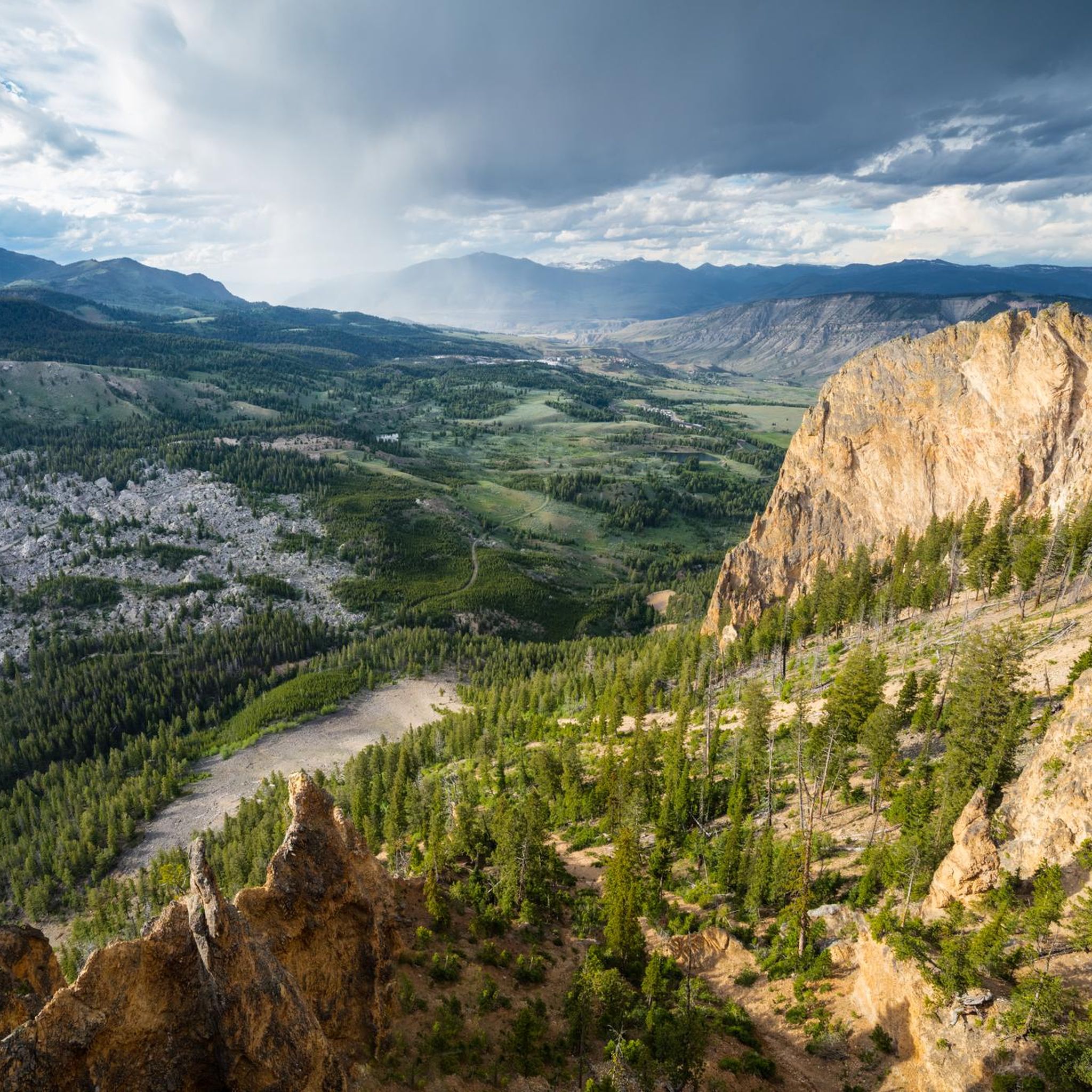
Also known as Castle Rock, Storm Castle is a conspicous sight that towers above Gallatin Canyon. Unsurprinsgly given its obvious prominence, its top gives a superb panorama of the surrounding landscape. A winding, uphill trail gives access to its tiered summit. Be aware that the area is notorious for ticks in spring. Check yourself, your hiking buddies and your pets thoroughly after your hike.
0
0

Mount Blackmore (10,154 ft ) offers amazing views of the Gallatin Range. You can reach the top hiking the Blackmore Trail and the less ambitious hikers can stop to the Blackmore Lake.
1
0
Frequently Asked Questions
What are some notable mountain peaks and viewpoints in the Gallatin Range?
The Gallatin Range offers numerous impressive peaks and viewpoints. Mount Blackmore is a popular summit known for its amazing views. Storm Castle provides a superb panorama of Gallatin Canyon. Other significant peaks include Electric Peak, the highest point in the range, and Hyalite Peak, known for its gentle shape and recreational opportunities. For a different perspective, the Meadow overlook from History Rock Trail offers views of the Hyalite summits and Mount Blackmore.
Are there challenging mountain climbs in the Gallatin Range?
Yes, the Gallatin Range provides challenging climbs for experienced mountaineers. Peaks like Electric Peak, Mount Holmes, Ramshorn Peak, Mount Chisholm, and Mount Bole are among the higher elevations and offer rewarding, strenuous experiences. For example, the spur to the summit of Mount Blackmore is known for its steep grades, requiring hikers to earn the summit at over 10,000 feet.
What kind of wildlife can I expect to see in the Gallatin Range?
The Gallatin Range is an integral part of the Greater Yellowstone Ecosystem, providing critical habitats for diverse wildlife. Visitors often have the chance to spot grizzly bears, wolves, elk, and mountain goats. Keep an eye out for these animals, especially in less crowded areas and during dawn or dusk.
What natural features define the Gallatin Range's landscape?
The Gallatin Range is characterized by rugged terrain, steep canyons, sprawling alpine plateaus, and dramatic ridges. These features have been carved by millions of years of volcanic activity and glaciation. The region also hosts the Gallatin Petrified Forest, one of the largest petrified forests from the Eocene Epoch, offering a unique glimpse into ancient paleoenvironments.
Are there family-friendly hikes in the Gallatin Range?
While many peaks offer challenging climbs, there are also more accessible trails. For example, the trail to Mount Blackmore allows less ambitious hikers to stop at Blackmore Lake, which can be a more manageable outing. Sepulcher Mountain within Yellowstone National Park is also noted as a popular and accessible hiking area.
What outdoor activities can I do near these mountain peaks?
Beyond hiking and climbing, the Gallatin Range offers a variety of outdoor activities. You can explore numerous cycling routes, including those for gravel biking and mountain biking. The Gallatin River, originating in these mountains, is also a renowned destination for fly fishing. For specific routes, check out guides like Gravel biking in the Gallatin Range, Cycling in the Gallatin Range, and MTB Trails in the Gallatin Range.
What is the best time to visit the Gallatin Range for hiking?
The best time to visit the Gallatin Range for hiking is typically during the summer and early fall months when trails are clear of snow and weather conditions are generally stable. However, always be prepared for sudden weather changes, especially when climbing exposed peaks. Spring can bring ticks, so checking yourself and pets thoroughly after hikes is advised.
Where is Hyalite Peak located and what makes it popular?
Hyalite Peak, at 10,298 feet, is located in the northern Gallatin Range and is a prominent and popular destination. It's known for its gentle triangular shape and a large north-facing snow bowl, making it attractive for both skiers and hikers. The Hyalite Canyon area, accessible from Bozeman, offers excellent hiking trails and is a prized area for recreational activities.
Can I hike to the summit of Bunsen Peak?
Yes, you can hike to the summit of Bunsen Peak. This 8,564-foot mountain, just south of Mammoth, is reached via a 2.1-mile climb on a steep and rocky path. It offers a rewarding experience for those seeking a challenging ascent.
What can I see from Chestnut Mountain?
Chestnut Mountain, topping out at 7,627 feet, offers great views of Mount Ellis and other peaks within the Custer Gallatin National Forest. On a clear day, you might even see down to Mystic Lake. From the other side of the highway, you'll have open views of the Bridger Peaks and Crazy Mountains.
What should I be aware of when hiking in the Gallatin Range?
When hiking in the Gallatin Range, always be aware of potential changes in weather, especially on exposed peaks. The area is part of the Greater Yellowstone Ecosystem, meaning you should be prepared for wildlife encounters, particularly with bears. Carrying bear spray and knowing how to use it is recommended. In spring, be mindful of ticks, especially around areas like Storm Castle.
Are there any specific trails recommended for reaching the peaks?
Yes, several trails lead to or offer access to the peaks. For Mount Blackmore, the Blackmore Trail is a popular route. Bunsen Peak has a specific 2.1-mile path to its summit. The trail into Swan Creek crosses directly over Hyalite Peak. Always research specific trail conditions and difficulty before heading out.
Most popular routes in the Gallatin Range
Most popular attractions in the Gallatin Range

Get inspired with the komoot mobile app


