Top 20 Caves in Moselle
Best caves in Moselle include a diverse range of subterranean sites, from natural rock formations to historical man-made tunnels and traditional wine cellars. The region, known for its river landscapes and vineyards, offers unique underground experiences that reflect both its geology and cultural heritage. These sites provide insights into the area's past, including medieval uses and winemaking traditions. Visitors can explore various types of underground spaces, each offering distinct features and historical significance.
Best caves in Moselle
- The most popular…
Last updated: August 23, 2026
Stromberg Caves
Highlight • Cave
Translated by Google •
Tip by

Einsiedlerhütte and Troglodyte Houses of Falkenfelsen
Highlight • Historical Site
Translated by Google •
Tip by

Sign up now to discover places like this
Get recommendations on the best single tracks, peaks, & plenty of other exciting outdoor places.
Sign up for free
Salon de la Roche
Highlight • Cave
Translated by Google •
Tip by

Erbsenthal Cave
Highlight • Cave
Translated by Google •
Tip by

Falkenfels Cliffs
Highlight • Natural Monument
Translated by Google •
Tip by

Altwies Cave
Highlight • Cave
Slightly off the path, nestled beneath rocks, stands a statue of the Virgin Mary – surrounded by a small bench, flowers, and …
Translated by Google •
Tip by

Saint-Léon Cave
Highlight • Cave
Translated by Google •
Tip by

Grotto of the Virgin Mary, Meisenthal
Highlight • Religious Site
Every year a new creation of Christmas ball.
Free visit and very well done, we can see the glassmakers working on the production of the Christmas …
Translated by Google •
Tip by

The Geisterfelsen
Highlight • Natural Monument
Translated by Google •
Tip by

Hasslingerfelsen Cave
Highlight • Gorge
Translated by Google •
Tip by

Sign up for free to discover even more caves in Moselle.
Sign up for free
Already have an account?
Start today with a free account
Your next adventure awaits.
Login or Signup
Popular around Moselle
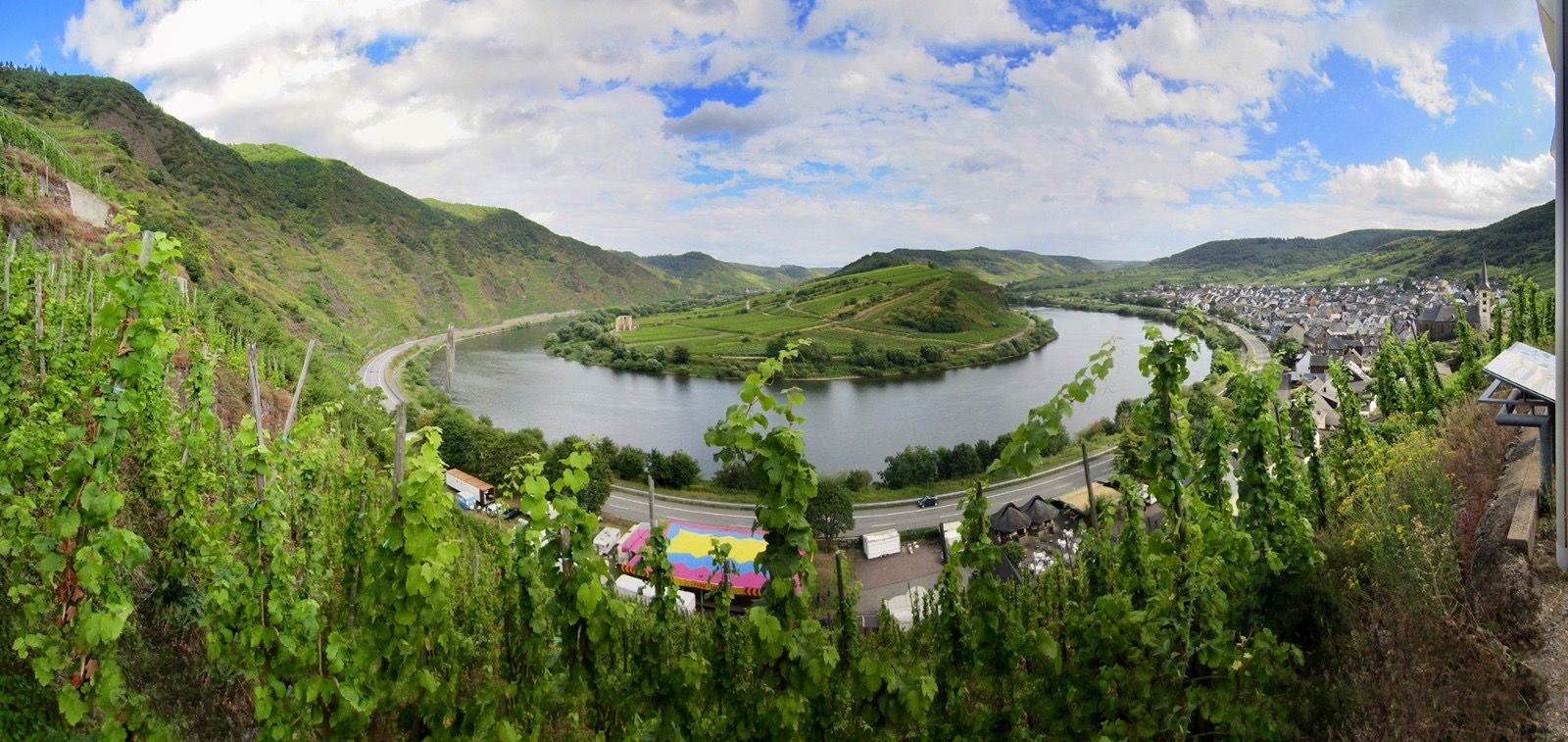
The Moselle cycle path — from the Vosges to the Rhine in 18 stages
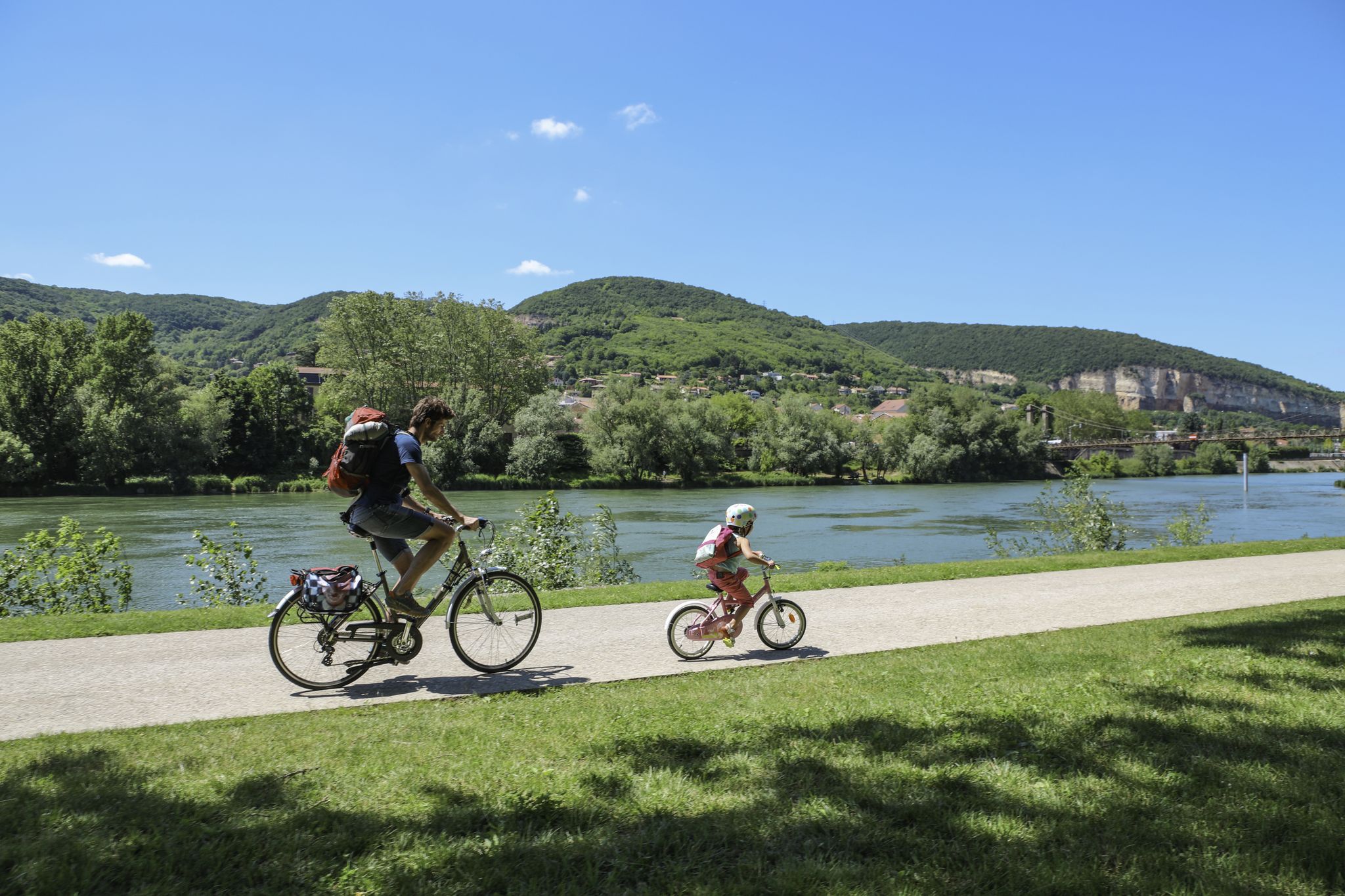
The Voie Bleue – Moselle-Saône by bike
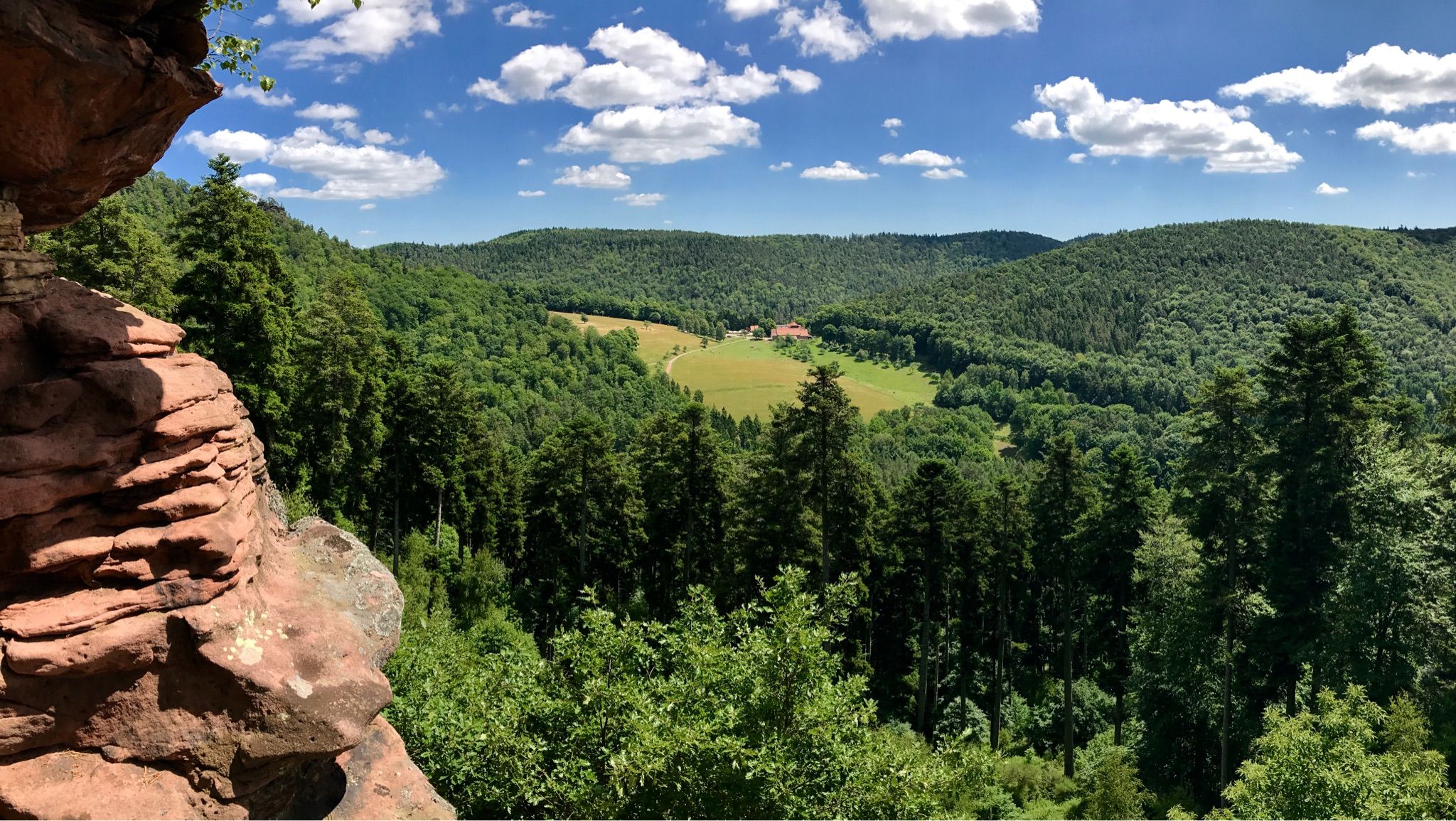
Hike the GR 53 – Explore castles along the Franco-German border
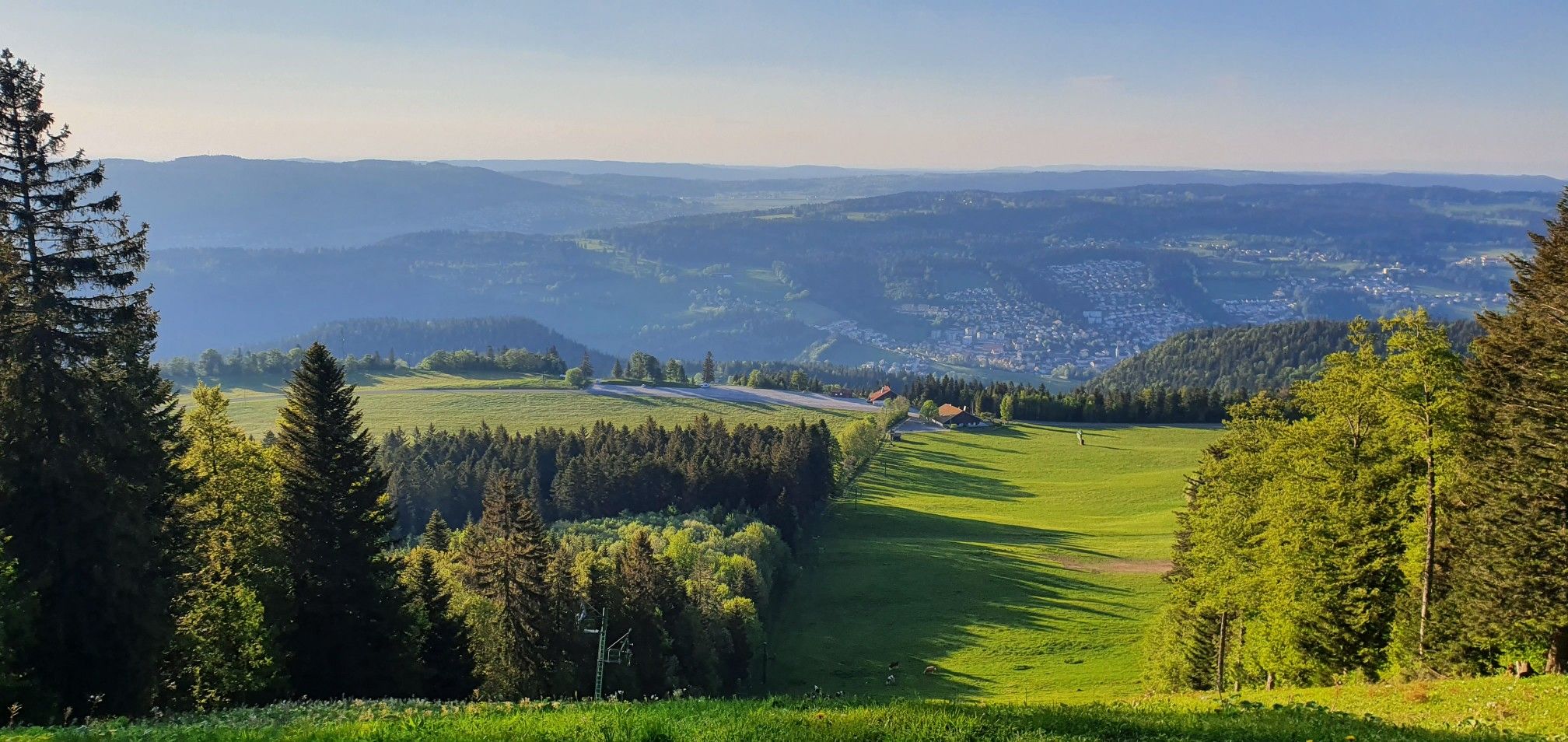
GR 5 – The Europe Trail from the Mediterranean to Germany
GR5 — The Europe Trail from Abreschviller to Apach
Naples to North Cape — Two friends, one purpose and many scoops of ice-cream
Saar Cycle Route — through the Saarland to the Moselle
MTB and gravel in the Grand Est – the joy of the low mountains
Trail running in the Grand Est – the region's most beautiful hilly trails
The Bliessteig – Saarland's colorful autumn dream
Other adventures in Moselle


Tips from the Community

This spot is actually called "Salon de bois," meaning "wooden living room," as indicated by the large wooden sign above the rock overhang and the fact that all the furniture is made of wood. Here, even larger groups can stay dry in any weather and even fire up the grill. 😉
0
0

A very varied circular hike with many rock formations and surprises. This route was recently completed. Highly recommended. There's also a barbecue grill at this spot. 😃
1
0

A really crazy rock formation where the roof rests on narrow pillars.
0
0

A tranquil limestone cave on the summit of the Stromberg near Niederkontz – formed by shell limestone and a former quarry, with delicate stalactite structures. A fascinating, natural cavern space off the beaten track. Tip: Bring a flashlight – and stay under the rock roof to truly experience the soft light and tranquility within.
1
0
📍 On the edge of Altwies, slightly elevated Slightly off the path, nestled beneath rocks, stands a statue of the Virgin Mary – surrounded by a small bench, flowers, and a tranquil atmosphere. Not an official pilgrimage site, but a place to pause. The rocks provide shelter, and the bench invites you to silence. 💡 Tip: Sit down, breathe deeply, and take in the surroundings. Whether you're religious or not – this place radiates peace, gratitude, and respect.
0
1

Under the very rock, which forms a rock shelter, lived for a long time the hermit known as "the Falkenfels", from 1895 until his death in 1902. There is no certainty about the origins of Edouard Hinbeer, nicknamed friendly by the population and in the archives the Waldbruder (brother of the forest). A valiant man, he looked after the pigs of the commune of Hellert. The population esteemed him, considered him a holy man and took turns bringing him their midday meals.
0
0

The rock looks like an elephant's face 🐘. Don't you agree? 😀
0
0

The Hasslinger Rock is the largest grotto in Lviv and the local population found shelter here during the liberation struggles in 1944-1945.
3
0
Frequently Asked Questions
What types of underground experiences can I find in the Moselle region?
The Moselle region offers a diverse range of underground experiences, including natural rock formations, historical man-made tunnels, and traditional wine cellars. You can explore geological features, delve into medieval history, or learn about winemaking in impressive subterranean settings.
Are there any historical or man-made underground sites to explore in Moselle?
Yes, the region features several historical man-made sites. The Einsiedlerhütte and Troglodyte Houses of Falkenfelsen offer a glimpse into former rock dwellings. The nearby Schlossberg Caves in Homburg, Germany, are Europe's largest red sandstone cave system, originally medieval mining tunnels and defensive routes. You can also find the Altwies Cave, which has historical and religious significance, and the Sandstone Staircase and Defense Tunnel at Mont Royal, a historical monument.
Can I visit wine cellars (caves) in the Moselle region?
Yes, the term 'cave' in Moselle often refers to the numerous wine cellars. You can visit places like Caves St Martin in Remich, Luxembourg, which offers guided tours through nearly a kilometer of underground tunnels carved into limestone, often including wine tasting. Another option is Caves de Wellenstein, the largest site of Domaines Vinsmoselle, where you can explore traditional winemaking practices.
Are there family-friendly caves in Moselle?
Yes, some caves are particularly suitable for families. The Erbsenthal Cave is described as a great adventure for children due to its interesting rock formations and small grotto. The Altwies Cave is also listed as family-friendly.
What natural features can I expect to see in Moselle's caves?
Moselle's caves showcase various natural features. For instance, the Schlossberg Caves, though man-made, reveal striking red and yellow sandstone layers and unique geological features like 'Rippelmarken' (fossilized wave traces). Natural caves like Saint-Léon Cave are dug into sandstone, and others feature impressive rock formations like those at The Geisterfelsen or Salon de la Roche.
What is the best time of year to visit caves in Moselle?
Caves generally maintain a constant cool temperature year-round, making them a good option in any season. For example, the Schlossberg Caves are around 10°C, and Caves St Martin are about 12°C. This makes them a refreshing escape in summer and a sheltered activity in cooler months. However, if combining with outdoor activities, consider spring or autumn for pleasant weather.
What should I wear when exploring caves in Moselle?
Given the constant cool temperatures inside caves (typically 10-12°C), it's advisable to wear warm clothing, even in summer. Sturdy, comfortable footwear with good grip is also recommended, especially for natural caves or historical tunnels where surfaces might be uneven or damp.
Are there hiking routes near the caves in Moselle?
Yes, the Moselle region offers numerous hiking opportunities near its caves. For example, you can find trails around the Geisterfelsen. You can explore various Mountain Hikes in Moselle, which often pass by natural rock formations and viewpoints.
What other outdoor activities can I do near the caves?
Beyond hiking, the Moselle region is excellent for other outdoor sports. You can find many Road Cycling Routes in Moselle, often following the scenic river. There are also various Running Trails in Moselle, including routes that take you through forests and past natural landmarks.
What do visitors enjoy most about the caves in Moselle?
Visitors appreciate the diverse experiences offered by Moselle's caves. Many enjoy the historical insights provided by sites like the Schlossberg Caves and the Hasslingerfelsen Cave, which served as shelter during liberation struggles. The unique geological formations, such as those at Erbsenthal Cave, are also highly valued, especially for their appeal to children. The panoramic views from above cave entrances, like at Saint-Léon Cave, are frequently highlighted.
Are there any religious grottoes or caves in the Moselle region?
Yes, the region has religious grottoes. The Grotto of the Virgin Mary in Meisenthal is one such site. Additionally, the Grotte d'Amanvillers in French Moselle is a man-made grotto with religious statues, serving as a local pilgrimage site.
How long does it typically take to explore a cave in Moselle?
The duration varies significantly depending on the cave. Smaller natural grottoes like Erbsenthal Cave might take a short stop of 15-30 minutes. Larger sites like the Schlossberg Caves or guided tours at Caves St Martin can take 1 to 2 hours to fully explore, especially with informative tours.
Most popular routes in Moselle
Most popular attractions in Moselle

Get inspired with the komoot mobile app


Didn’t find what you were looking for?
Discover more caves in Moselle region by region:
Explore more
Extend your search for the best caves by checking out these guides of the top ones in Moselle:
