Top 4 Caves in Surselva
Best caves in Surselva are found within a region characterized by its mountainous and karstic terrain, offering diverse geological formations. Surselva is part of the Alpine orogeny, featuring significant geological formations including the UNESCO World Heritage Tectonic Arena Sardona. The landscape integrates rugged rocks and slopes, where caves are often part of challenging natural environments. This area provides insights into the formation of the Alps and offers unique landscapes for exploration.
Best caves in Surselva
- The most popular caves is…
Last updated: October 2, 2026
Kropfenstein Castle Ruins (Casti Grotta)
Highlight • Castle
Translated by Google •
Tip by

Waarma Chrachä Earth Fissure
Highlight • Cave
According to a legend, the pastor of Vals once had to go up to the village of Zerfreila (which was then flooded by …
Translated by Google •
Tip by

Sign up now to discover places like this
Get recommendations on the best single tracks, peaks, & plenty of other exciting outdoor places.
Platenga Show Mine
Highlight • Structure
Translated by Google •
Tip by
Rock Shelter by Large Boulder
Highlight • Cave
Translated by Google •
Tip by

Path to Kropfenstein Castle (Grotta Ruin)
Highlight (Segment) • Castle
Translated by Google •
Tip by
Grosse Gletschermühle (Graubünden)
Highlight • Cave
Translated by Google •
Tip by
Start today with a free account
Your next adventure awaits.
Popular around Surselva
Winter Magic in the Surselva – peace, space and pure nature
Step into the hiking season – spring routes in Graubünden
«Everyone runs long»: Cross-country ski trail tips from Graubünden
Indulgence to the power of two – culinary delights and winter hiking in Flims Laax
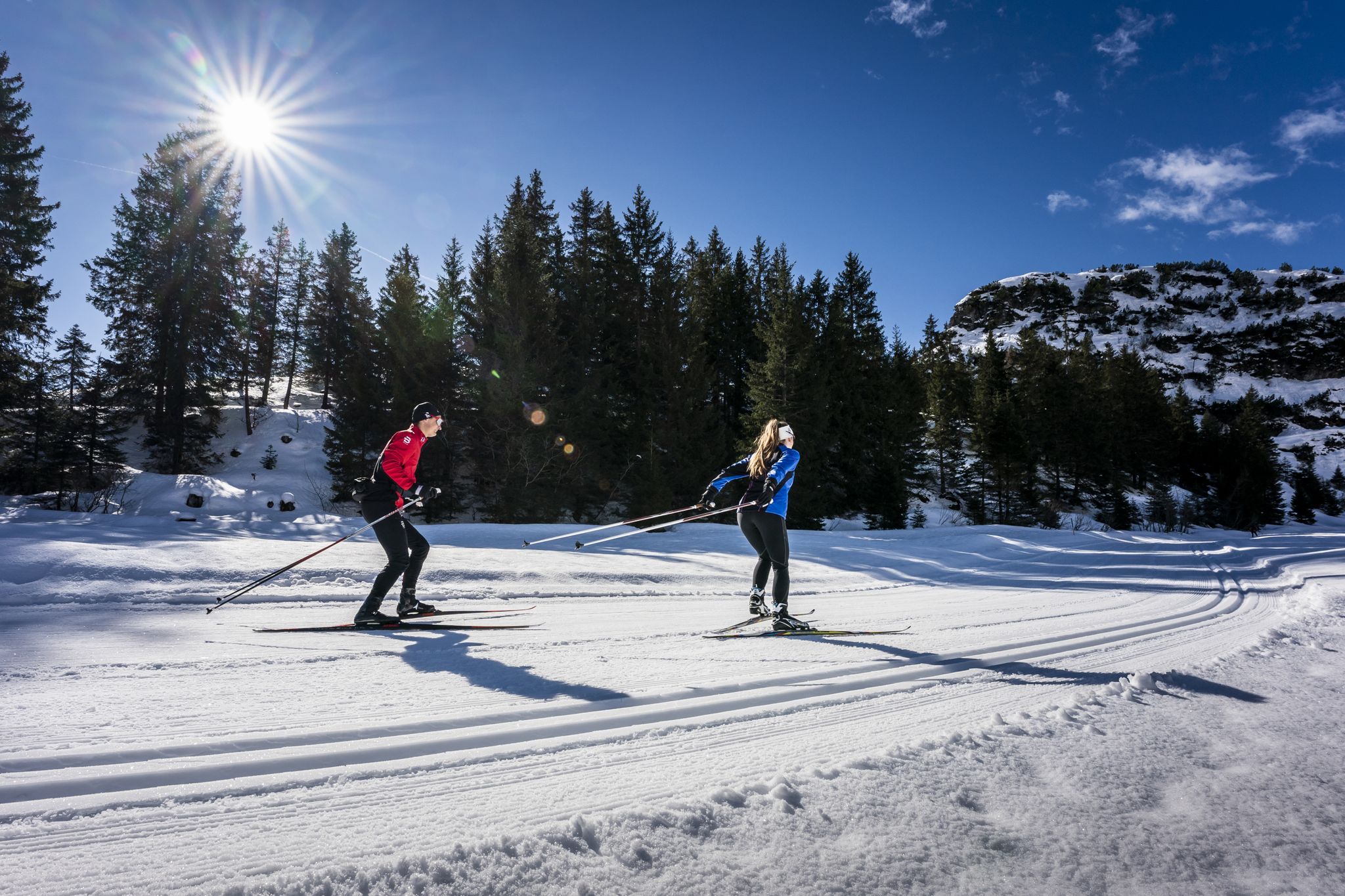
Cross-country skiing in Flims Laax – a Swiss Winter paradise
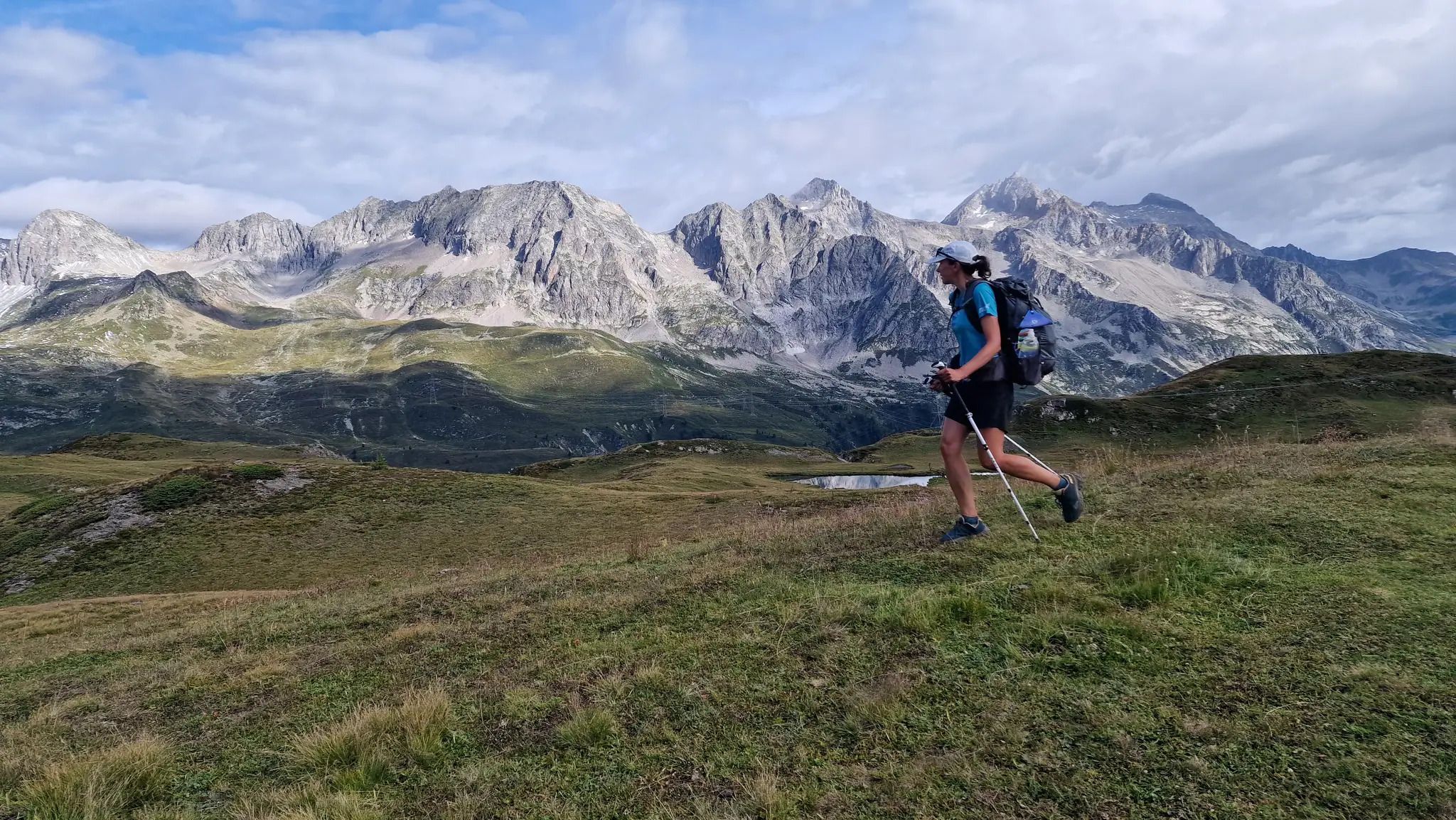
Alpine Passes Trail – hiking 700km across Switzerland
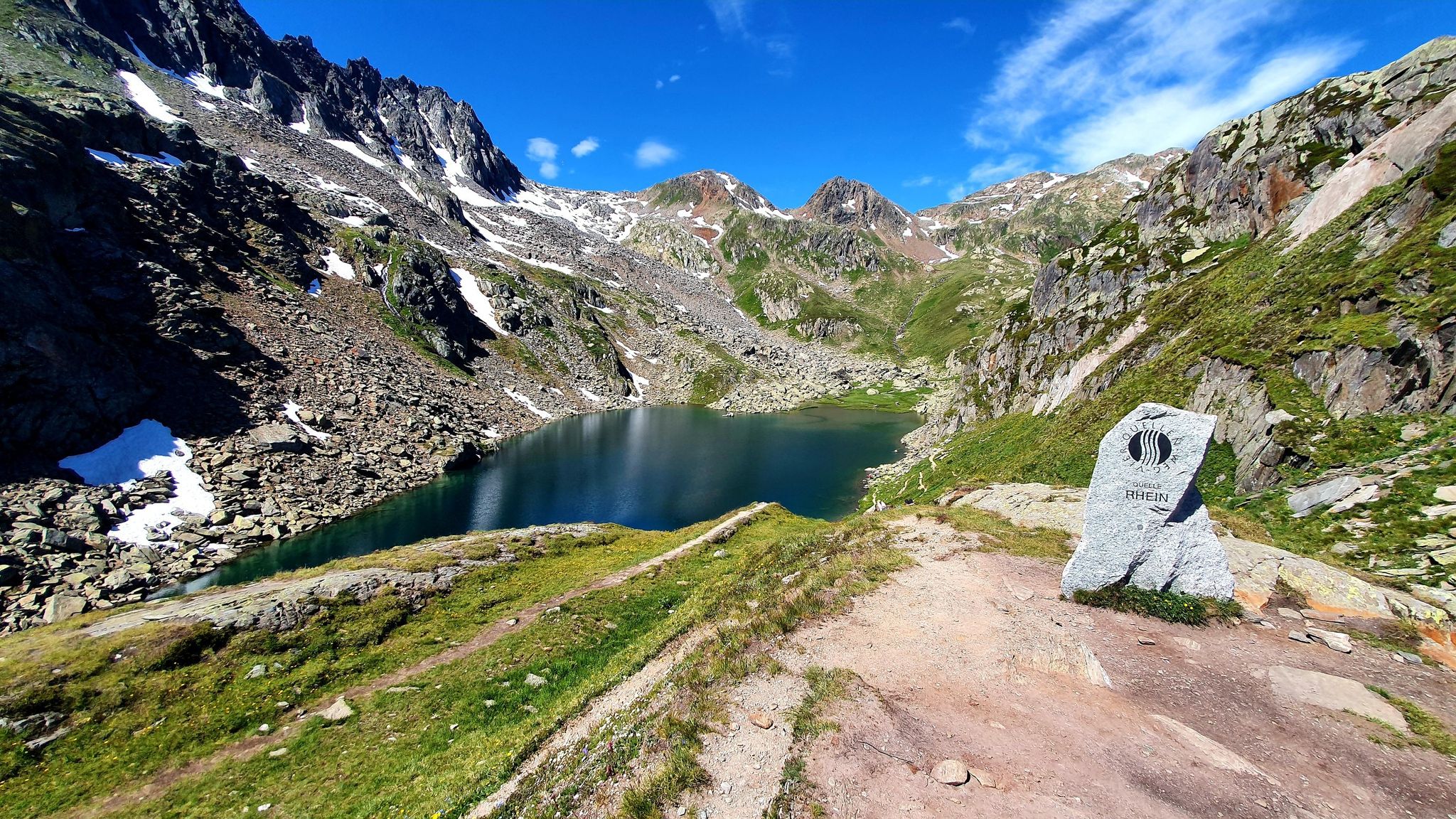
Four Springs Trail — Find flow in Switzerland's Gotthard Massif
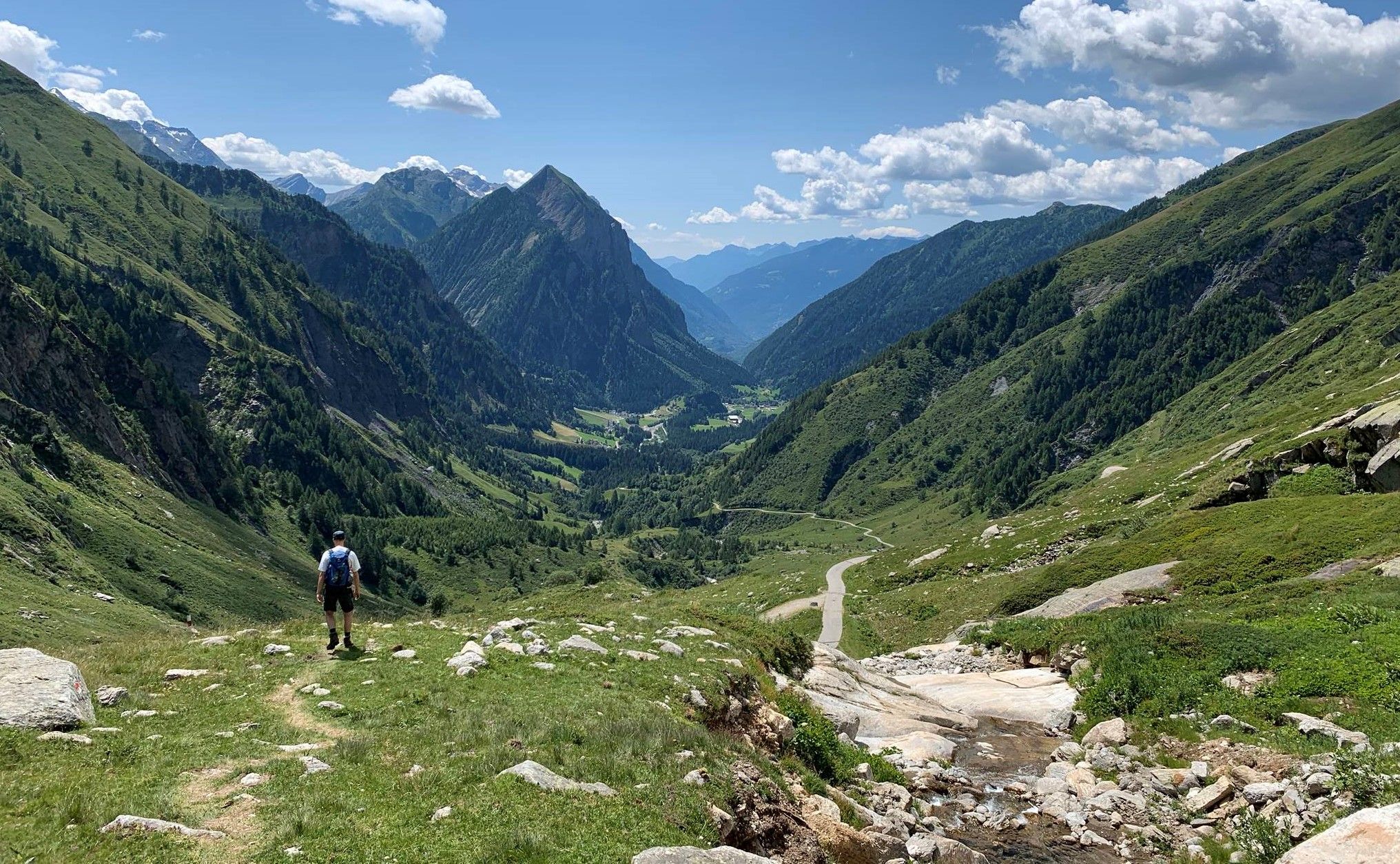
Alpine Passes Trail in Switzerland – 34 stages of pure mountain fun
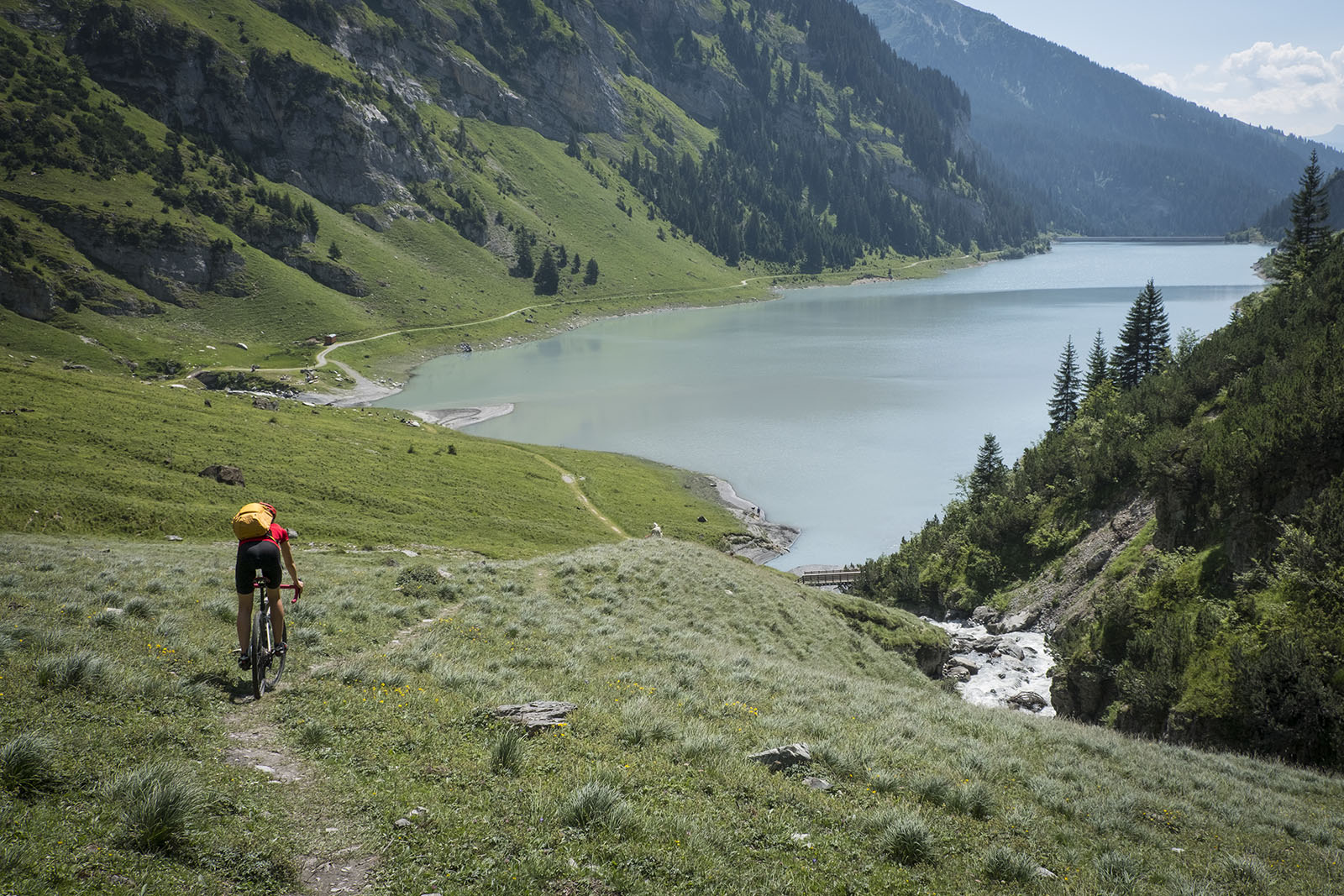
Through gravel and asphalt in Surselva — Loop through the Upper Grisons
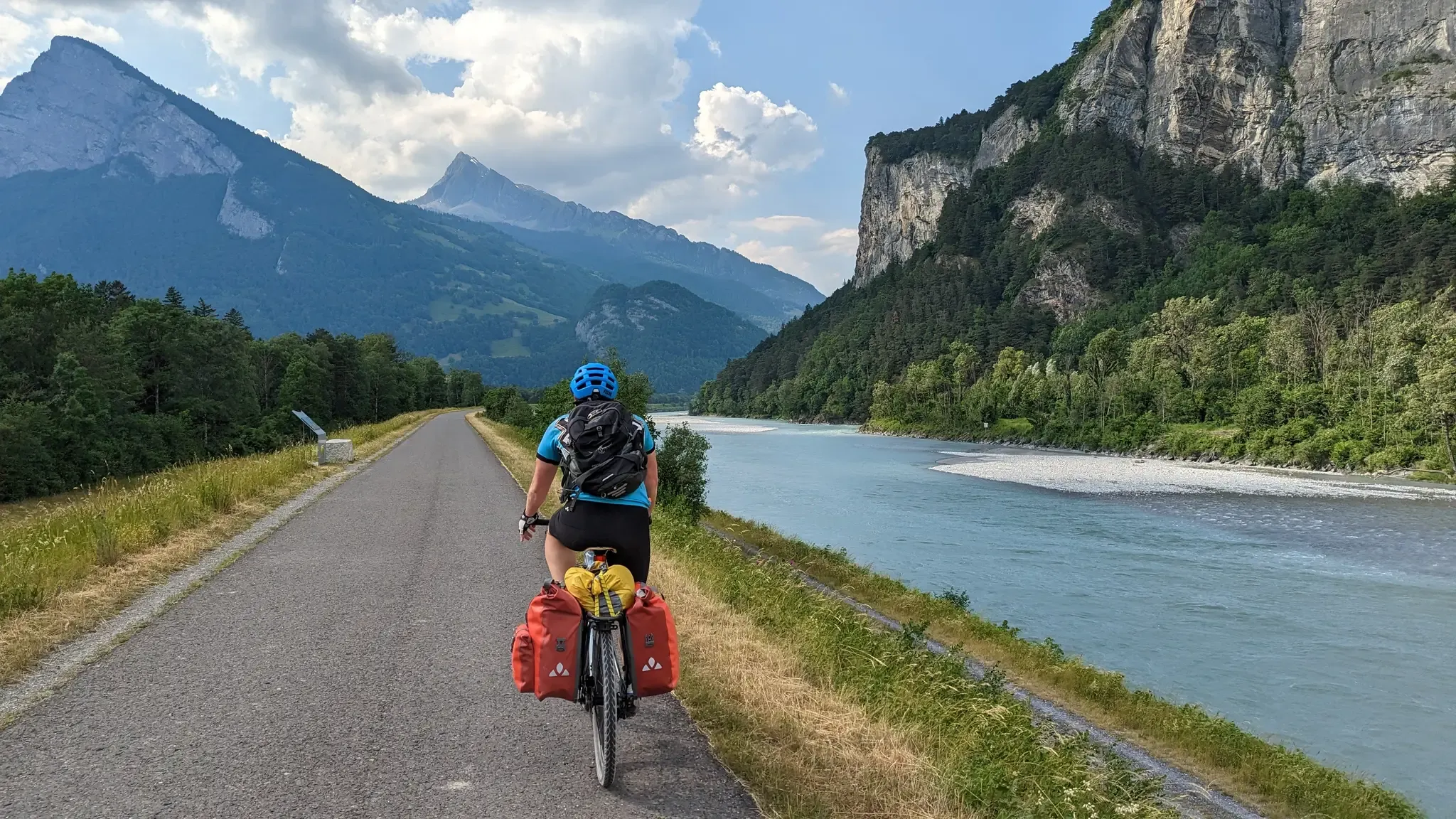
The Rhine Cycle Path — From the source to the North Sea
Other adventures in Surselva


Tips from the Community

Kropfenstein Castle ruins are one of the most extraordinary castles in Surselva. It was built on a prominent rock ledge and seems to literally cling to the steep rock face. Access is via a rather narrow hiking trail that requires sure-footedness. Once at the ruins, the impressive remains of the walls and the spectacular view of the Rhine Gorge and the surrounding mountain landscape reward the short detour.
0
0

Very special ruin, built like a swallow's nest on the rock - the short detour from the wide path onto a narrow, well-secured path is very worthwhile.
0
0

Located directly on the rock face
0
0
The large glacial mill is quite unusual: it broke off the bedrock due to a rock fall and is now lying on the slope in such a way that it looks like a cave. An adult can easily stand upright in it. The small, inconspicuous wooden information sign is easily overlooked
0
0
Large crevice into which one can descend. According to a legend, the pastor of Vals once had to go up to the village of Zerfreila (which was then flooded by the dam in 1957) to administer the last sacraments to a dying woman. However, the path had been buried by an avalanche and he couldn't continue to the village, but he couldn't go back to Vals either. He had already resigned himself to freezing to death here when it occurred to him that he must be near the "Warma Chracha". In fact, he was able to save himself up to this crevasse. He saw footprints in the snow, but not a soul far and wide, no matter how hard he shouted. Finally he gathered all his courage and climbed down into the crevasse. There he soon came across a wooden board and noticed with astonishment that he was standing by a coffin - the coffin of that dying woman from Zerfreila. Because there was no cemetery in Zerfreila at that time, the coffin should have been transported to Vals, but the pallbearers couldn't get through either and so they deposited the coffin in the warm Chrachä... the priest recognized this quickly and began immediately for them praying for the dead as if he had come in time. The legend is much more extensive in the original :-)
0
0

Kropfenstein/Casti Grotta, Waltensburg. It is a grotto castle that is difficult to access in a south-facing location. Access is from the east via a narrow ledge around a ledge. Today it is widened and secured by railings, but would leave the bike up there.
0
0
Kropfenstein/Casti Grotta, Waltensburg. It is a grotto castle that is difficult to access in a south-facing location. Access is from the east via a narrow ledge around a ledge. Today it is widened and secured by railings, but would leave the bike up there. The beam bearings of the former entrance are still recognizable. The castle is an elongated building wing, most of which is located under an overhanging rock screen
0
0

Narrow path, I would leave the bike at the top of the road for a moment, as the route is not very suitable for bikes.
0
0
Frequently Asked Questions
What types of cave experiences can I find in Surselva?
Surselva offers a variety of cave-like experiences, from historical structures built into rock formations to unique geological features. You can explore sites like the Kropfenstein Castle Ruins (Casti Grotta), which is a castle integrated with a cave, or natural wonders such as the Waarma Chrachä Earth Fissure and the Grosse Gletschermühle (Graubünden), a large glacial mill that forms a cave-like space.
Are there any historical cave sites in Surselva?
Yes, Surselva features historical sites connected to caves. The Kropfenstein Castle Ruins (Casti Grotta) is a notable example, dating back to the early 14th century, with its structure built directly into an overhanging rock face. Additionally, the Platenga Show Mine offers a 240-meter long tunnel system that was once an ironworks, now open for guided tours during summer.
What are some unique geological features related to caves in Surselva?
The region is part of the Alpine orogeny and boasts significant geological formations. The Waarma Chrachä Earth Fissure is a large, deep crevice with local legends, offering a chance to descend into a unique natural monument. Another fascinating site is the Grosse Gletschermühle (Graubünden), a large glacial mill formed from a rockfall, creating a distinctive cave-like structure where an adult can stand upright.
Are there family-friendly cave experiences in Surselva?
Yes, for families, the Rock Shelter by Large Boulder is a great option. It provides a cozy shelter under a massive rock, making it an engaging and accessible spot, especially appealing to children.
What is the typical difficulty level for exploring caves and related sites in Surselva?
The difficulty varies depending on the site. Access to the Kropfenstein Castle Ruins (Casti Grotta) involves a steep, narrow path, and some climbing routes there are considered difficult. Descending into the Waarma Chrachä Earth Fissure can also be challenging. However, sites like the Platenga Show Mine offer guided tours, making them more accessible, and the Rock Shelter by Large Boulder is family-friendly.
What outdoor activities can I do near the caves in Surselva?
The Surselva region is excellent for various outdoor activities. You can find numerous hiking trails, including moderate to difficult routes like 'Caumasee and Rhine Gorge loop' or 'The water trail: Trutg dil Flem'. For cycling enthusiasts, there are challenging routes such as 'View of the Rhine Gorge – Vorderrhein loop'. Explore more options in the Hiking in Surselva and Cycling in Surselva guides.
Are there hiking trails near these cave formations?
Absolutely. Surselva is renowned for its hiking opportunities. Many trails lead to or pass by these geological features. For instance, you can find routes that explore the rugged terrain around Flims Laax Falera, where caves are often integrated into the landscape. Check out the Hiking in Surselva guide for detailed routes and information.
What is the best time to visit caves and related sites in Surselva?
The best time to visit largely depends on the specific site and your preferred activity. For sites like the Platenga Show Mine, guided tours are available during the summertime. Generally, the warmer months offer better access to trails and outdoor exploration in the mountainous Surselva region, though some sites might be accessible year-round.
Are permits needed for exploring caves in Surselva?
For general exploration of the highlighted cave-like formations mentioned in this guide, specific permits are not typically required. However, for specialized caving or exploration of more sensitive or hidden cave systems, permits or guided tours might be necessary. Always check local regulations if planning extensive off-trail exploration.
What makes the Surselva region significant for geological exploration?
Surselva is part of the Alpine orogeny and features significant geological formations, including the UNESCO World Heritage Tectonic Arena Sardona. This region provides deep insights into the formation of the Alps, with its rugged rocks, steep slopes, and unique features like earth fissures and glacial mills, making it a fascinating area for geological enthusiasts.
Can I find guided tours for cave exploration in Surselva?
Yes, for certain sites, guided tours are available. For example, Surselva Tourismus Info Obersaxen arranges guided tours to the Platenga Show Mine during the summertime, allowing visitors to explore its 240-meter long tunnel system.
What are the general characteristics of the terrain around Surselva's caves?
The terrain around Surselva's caves is typically rugged and mountainous, characteristic of the Alpine orogeny. You can expect steep slopes, rocky formations, and challenging natural environments. This landscape is ideal for adventurous outdoor activities and offers unique geological insights.
Most popular routes in Surselva
Most popular attractions in Surselva

Get inspired with the komoot mobile app


Didn’t find what you were looking for?
Discover more caves in Surselva region by region:
