Top 4 Castles around Lorüns
Castles around Lorüns, a village in the Montafon valley of Vorarlberg, Austria, are situated amidst an alpine landscape. The region is characterized by its mountainous terrain and historical significance within the Bludenz district. While Lorüns itself does not feature castles, the surrounding area offers several historical sites and castle ruins. These structures provide insight into the region's past and are often accessible via hiking trails.
Best castles around Lorüns
- The most popular castles is Sonnenberg Castle Ruins, a castle…
Last updated: October 1, 2026
Oberes Tor (Upper Gate) and Bludenz City Museum
Highlight • Historical Site
City fortification Oberes Tor
The Oberes Tor was built in the 15th century. The three-story gate building with a hipped roof protrudes slightly beyond …
Showing Translation
Tip by

Valcastiel Castle Ruins
Highlight • Castle
Not much is known about …
Translated by Google •
Tip by

Sign up now to discover places like this
Get recommendations on the best single tracks, peaks, & plenty of other exciting outdoor places.
Gayenhofen Castle
Highlight • Castle
From 1745, Franz Andrä Freiherr von Sternbach had the baroque Schloss Gayenhofen built in place of a medieval castle that had become dilapidated due to a fire. …
Showing Translation
Tip by
Sonnenberg Castle Ruins
Highlight • Castle
Showing Translation
Tip by

Start today with a free account
Your next adventure awaits.
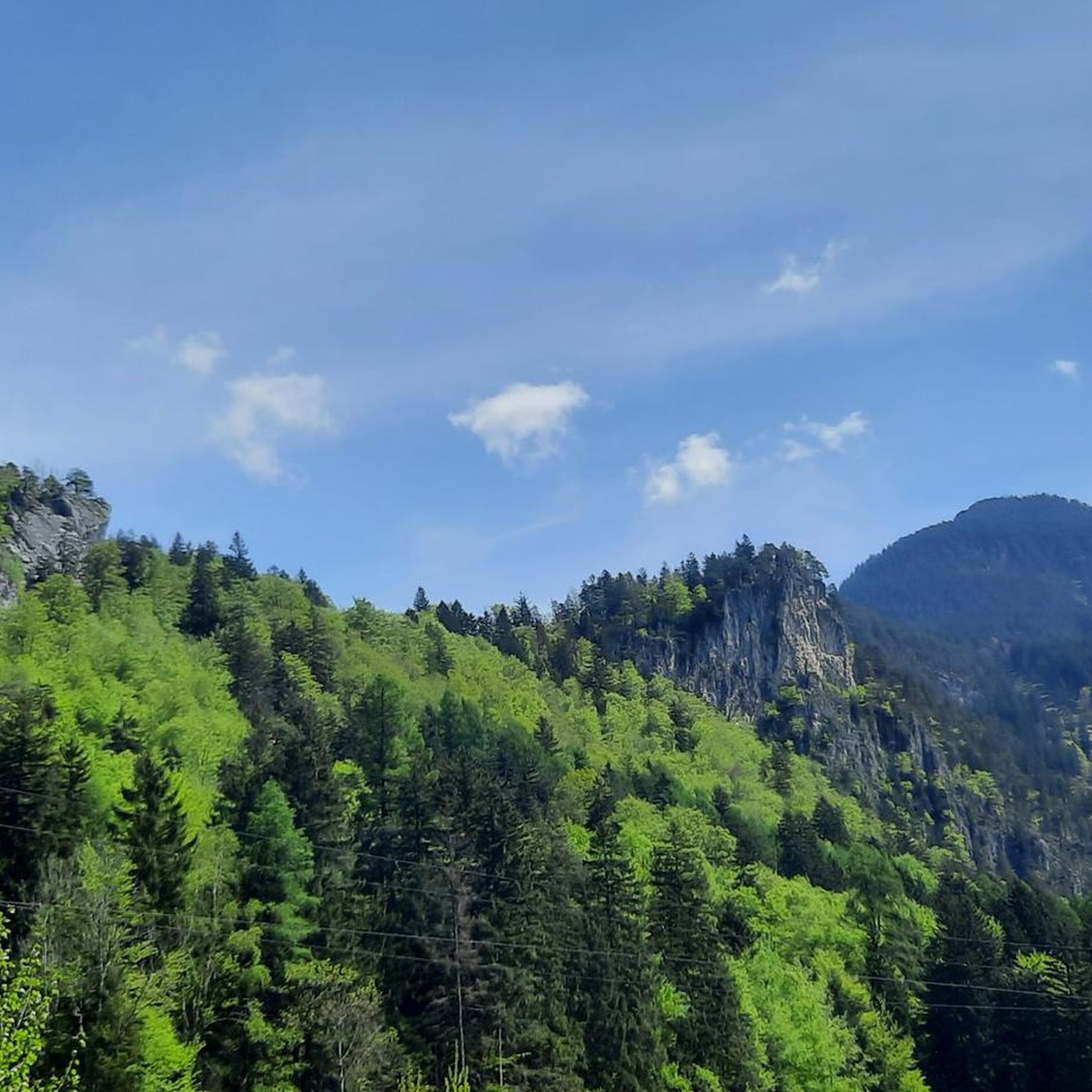
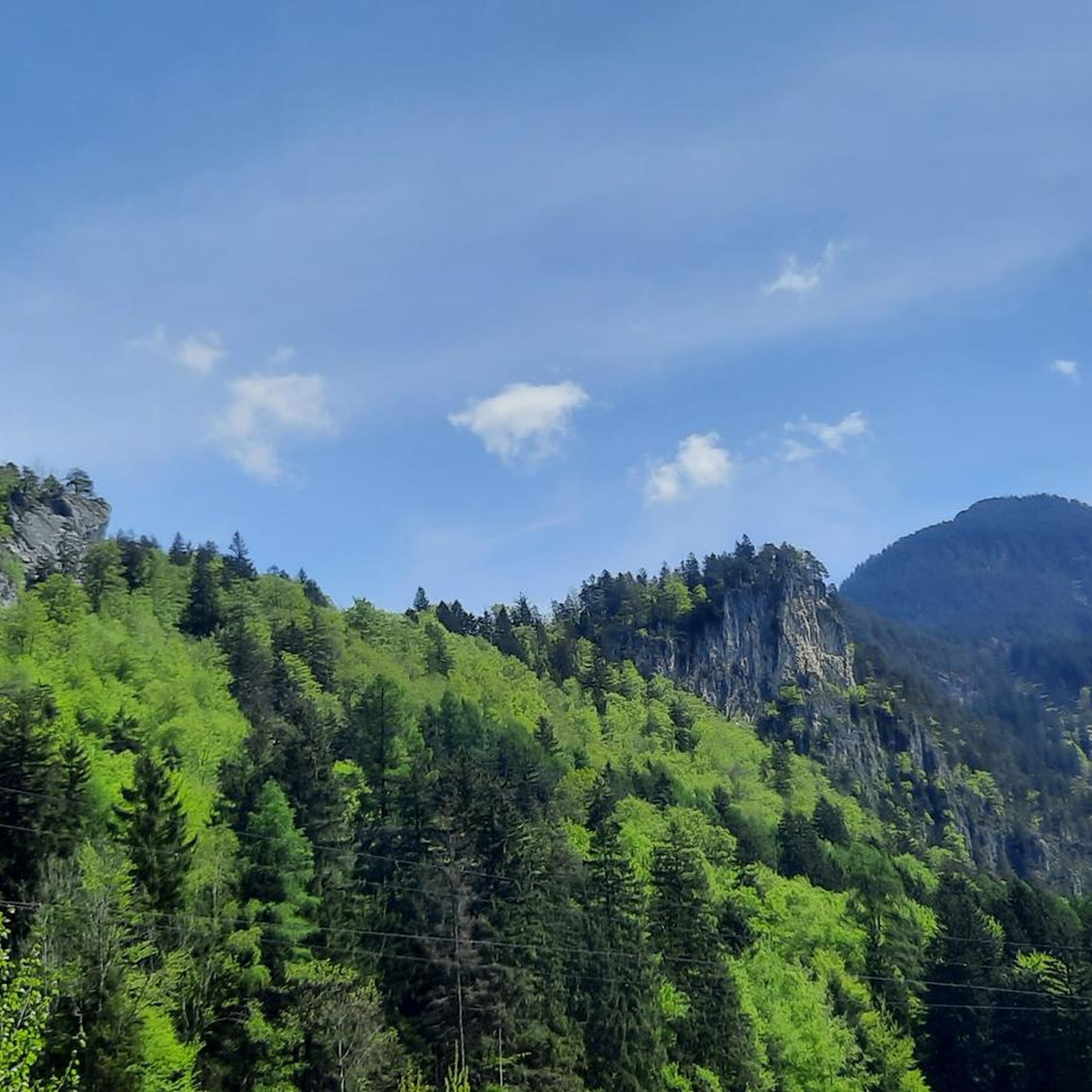
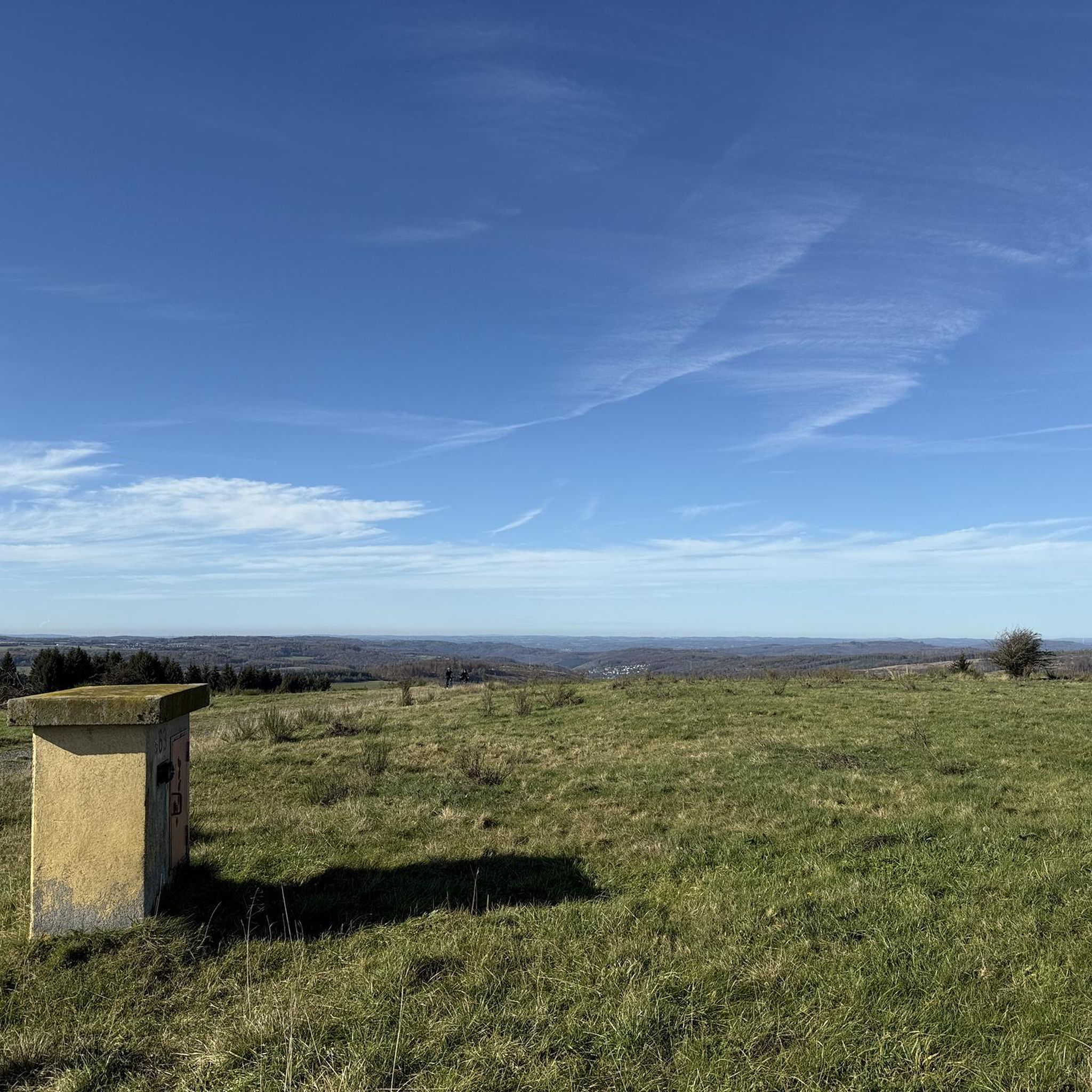
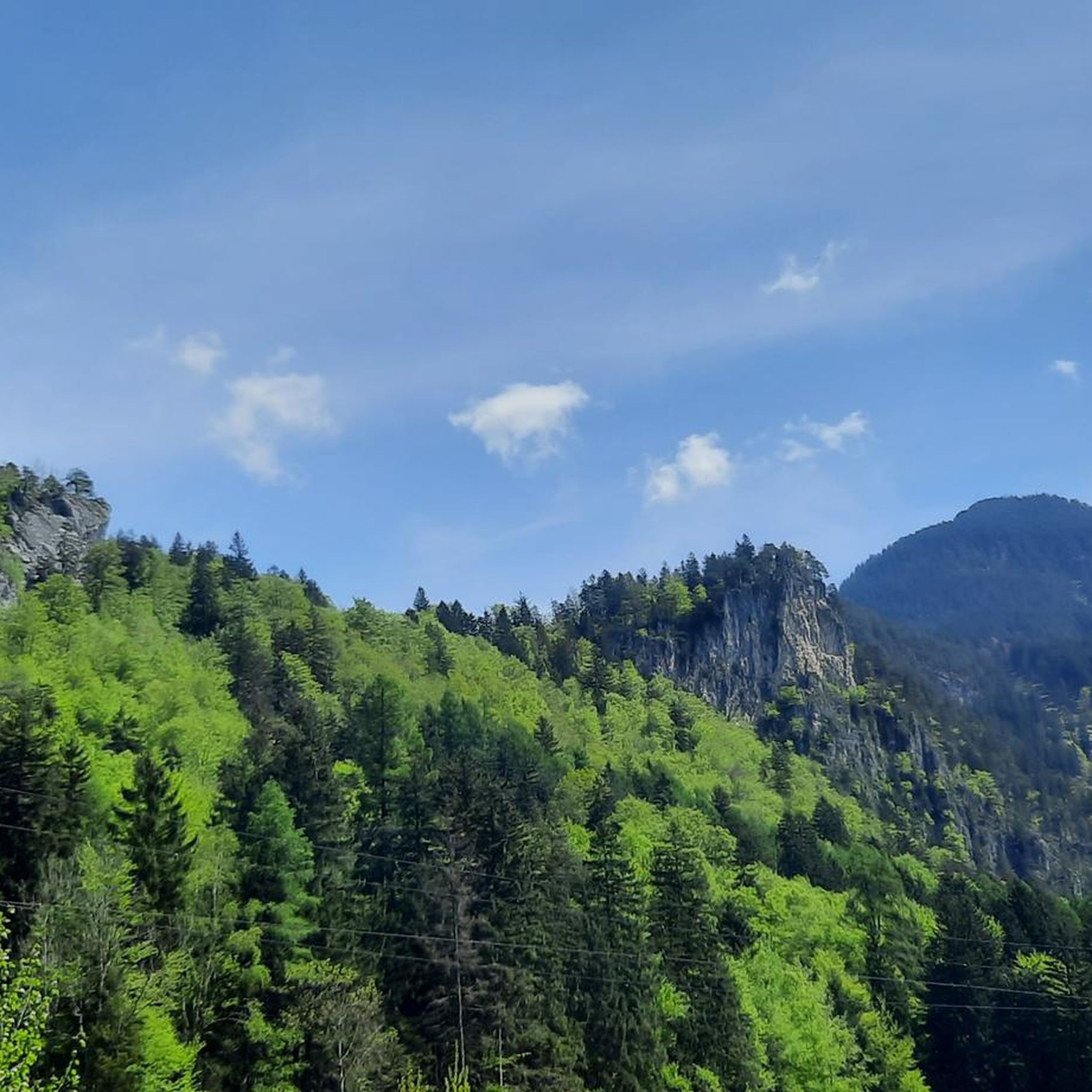
Tips from the Community

Friedrich walked through this gate.
1
0

From the village of Nünziders, it's just a stone's throw to the ruins. The walk takes about 10 minutes. It's an interesting place for explorers. There are also seating areas. Here's a short documentary about Sonnenberg Castle: https://youtu.be/mnxkXHwWZ3Q
0
0

Archduke Friedrich IV of Tyrol fled to Bludenz through this gate after his condemnation at the Council of Constance in 1416
0
0

The Milka production surrounds everything with a light cocoa/chocolate smell 😋
0
1
Characteristic of the city for the place worth visiting🤩
1
0

Upper gate Built at the end of the 15th century, rebuilt in 1774 and 1920, it is also called Herzog-Friedrich-Tor or Feldkircher Tor. In 1416, Duke Friedrich IV (with an empty pocket) fled from Constance through the Upper Gate into the city; He was taken in in Bludenz and brought safely over the Arlberg by the town's citizens. The Bludenz City Museum is located in the Upper Gate. A few meters away, a covered church staircase built in the 17th century, one of the five castle staircases, leads up to the hill to St. Laurentius Church and Gayenhofen Castle. Source: https://de.wikipedia.org/wiki/Bludenz
1
0
Schloss Gayenhofen is located in the architectural ensemble with the Laurentiuskirche, dominating the town of Bludenz in the Austrian state of Vorarlberg. It is a successor structure to the former Bludenz Castle. The Counts of Werdenberg built a castle complex between 1222 and 1245 as the center of the County of Werdenberg-Heiligenberg, or the Lordship of Bludenz. This made Bludenz a fortified town in Vorarlberg in the Middle Ages, alongside Bregenz and Feldkirch. From 1377/78 to 1418, Count Albrecht III. von Werdenberg-Heiligenberg resided within its walls. After the Werdenberg feud, the town and castle of Bludenz fell to the Habsburgs. In 1448, Duke Sigmund exchanged both for the Lordship of Rotund with Ulrich von Schlandersberg. In 1491, the castle was destroyed by fire. Baron Franz Andreas von Sternbach (1675–1755), who had previously built Schloss Wolfsthurn, had Schloss Gayenhofen built in 1746/1747 by his administrator Johann Josef Gassmayr, with the local bailiff Franz Josef Gilm as local construction manager, using demolition stones from the old castle, with master builder and stonemason Andreas Schmied, who had previously extended the nave of the adjacent Laurentiuskirche. The experience of the mentioned individuals did not require an external architect for the simple design of the castle. On May 5, 1746, the foundation stone of the new castle was laid with the Provicar and parish priest of Bürs, Christian Battlogg, as well as with three Capuchins. The mention of Johann Caspar Bagnato in various sources as an architect is unsubstantiated for Schloss Gayenhofen; however, Bagnato was present at a guild meeting in Schnifis on December 17, 1745, where he accepted Andreas Moll as an apprentice and likely also recruited workers for his construction site at Kornhaus Rohrschach from the Abbey of St. Gallen. In 1936, the town of Bludenz bought the castle and handed it over to the state of Vorarlberg in 1959. Between 1960 and 1963, the castle was remodeled again. The north wing was demolished, thereby opening the previously closed, square inner courtyard, and the castle was adapted on October 26, 1963, as the administrative building of the Bludenz district authority. Source: https://de.wikipedia.org/wiki/Schloss_Gayenhofen
0
0

Don't expect too much from the ruins. It is more of a remaining tower or today a small viewing platform.
1
0
Frequently Asked Questions
Are there castles directly within Lorüns?
No, Lorüns itself does not have any castles. However, the surrounding Montafon valley and Bludenz district offer several historical sites and castle ruins that are easily accessible from Lorüns.
Which castles near Lorüns are good for history enthusiasts?
For those interested in history, the Oberes Tor (Upper Gate) and Bludenz City Museum is a significant historical site. This 15th-century city fortification in Bludenz features a pointed arch and frescoes depicting historical figures. Another notable site is Gayenhofen Castle, a baroque castle built in the 18th century on the site of a medieval one, which now houses the district administration.
Can I hike to castle ruins near Lorüns?
Yes, several castle ruins are accessible via hiking trails. For example, Valcastiel Castle Ruins near Vandans can be reached via a marked hiking trail, though the final section involves steep steps and steel cables. The Sonnenberg Castle Ruins are also easily reached with a 10-15 minute walk from Nüziders.
Are there family-friendly castle sites around Lorüns?
The Oberes Tor (Upper Gate) and Bludenz City Museum is considered family-friendly, offering an accessible historical experience within the city of Bludenz. For a shorter, easier walk to ruins, the Sonnenberg Castle Ruins are a good option, with a walk of about 10 minutes from Nüziders.
What kind of views can I expect from the castle ruins?
Many of the castle ruins offer excellent viewpoints. For instance, Sonnenberg Castle Ruins provides scenic views. Similarly, Valcastiel Castle Ruins is situated on an exposed hilltop, likely offering expansive vistas, and Blumenegg Castle Ruins is noted for its great view.
What is the best time of year to visit the castles and hike in the Lorüns area?
The best time to visit and hike to the castles around Lorüns is generally during the warmer months, from spring through autumn. This allows for comfortable hiking conditions and clear views. While some paths might be accessible in winter, certain routes, like the final section to Valcastiel Castle Ruins with its steep steps and steel cables, could be challenging or unsafe due to snow and ice.
Are there any easy walking trails to castles near Lorüns?
Yes, there are easy walking options. The walk to Sonnenberg Castle Ruins from Nüziders is relatively short and easy, taking only about 10-15 minutes. For other easy walks in the wider area, you can explore the Easy Hikes around Lorüns guide.
What outdoor activities can I combine with a visit to the castles?
The region around Lorüns is excellent for various outdoor activities. You can combine castle visits with hiking, as many ruins are reached via trails. There are also numerous cycling opportunities, including road cycling and touring bicycle routes. For more details, check out the Road Cycling Routes around Lorüns or Cycling around Lorüns guides.
What do visitors enjoy most about the castles around Lorüns?
Visitors appreciate the historical insights and the scenic views offered by the castle ruins. Many enjoy the exploration aspect, especially at sites like Sonnenberg Castle Ruins. The combination of history with outdoor activity, such as hiking to a ruin, is also a popular draw.
Are there any cafes or accommodation options near the castle sites?
While specific cafes directly at every ruin might be limited, the castles are generally located near towns like Bludenz, Nüziders, and Vandans. These towns offer various cafes, restaurants, and accommodation options. For example, Bludenz, home to the Oberes Tor and Gayenhofen Castle, has a full range of amenities.
How long does it take to hike to the castle ruins?
Hiking times vary depending on the ruin. For instance, the walk to Sonnenberg Castle Ruins from Nüziders takes approximately 10-15 minutes. The hike to Valcastiel Castle Ruins from Vandans involves a marked trail, mostly along a forest road, with a final steep section, so it would take longer.
What are the accessibility options for reaching the castles?
Access varies by site. The Oberes Tor (Upper Gate) and Bludenz City Museum is located within the city of Bludenz, making it easily accessible by public transport or car. Other ruins, like Valcastiel Castle Ruins, require hiking, with some sections being challenging. Parking is generally available in the nearby towns from which these sites are accessed.
Most popular attractions around Lorüns

Get inspired with the komoot mobile app


Explore more
Looking for the best castles somewhere else? Discover other guides around Lorüns:
