Top 7 Caves in the Saxon Elbland
Best caves in the Saxon Elbland are primarily located within the Elbe Sandstone Mountains, a landscape characterized by unique rock formations and deep canyons. This region, including Saxon Switzerland, features a variety of geological sites, from natural rock gates to historical mining tunnels. These locations offer insights into both natural processes and the area's rich human history.
Best caves in the Saxon Elbland
- The most popular caves is Hohburg Tunnel, a cave that was driven through the rock in…
Last updated: May 15, 2026
Hohburg Tunnel
Highlight • Cave
Translated by Google •
Tip by

Old Miltitz Limestone Mine
Highlight • Cave
Even if the mine was first mentioned in a document in 1571, …
Translated by Google •
Tip by

Sign up now to discover places like this
Get recommendations on the best single tracks, peaks, & plenty of other exciting outdoor places.
Sign up for free
Hohburg Cave
Highlight • Cave
Translated by Google •
Tip by

Oberer Sonnenaufgang Stolln
Highlight • Historical Site
Translated by Google •
Tip by

Upper Barbara Adit
Highlight • Historical Site
Translated by Google •
Tip by
Augustus the Strong's Tunnel
Highlight • Structure
Translated by Google •
Tip by

Guter Börnichen Erbstolln mining field
Highlight • Historical Site
Here you can read all about mining in Nossen and the surrounding area. You can also find a contact for a possible guided tour.
Translated by Google •
Tip by

First Shaft of the Rothschönberger Stolln
Highlight • Structure
It was driven from 1844 to 1882 and, with its ancillary facilities, has a total …
Translated by Google •
Tip by

Cave Near Kottewitz
Highlight • Cave
Translated by Google •
Tip by

Start today with a free account
Your next adventure awaits.
Login or Signup
Popular around Saxon Elbland
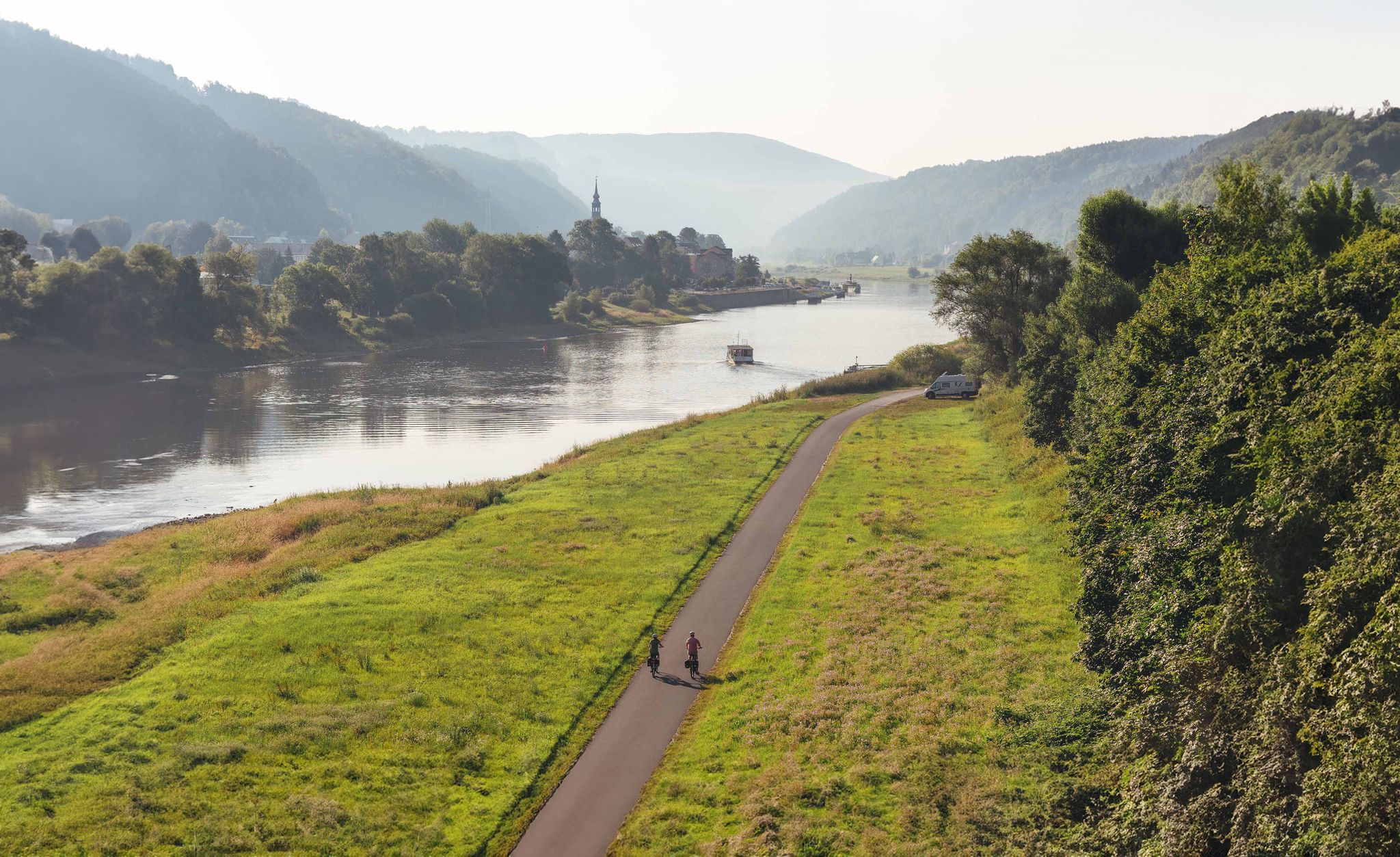
The Elbe Cycle Path — cross-border cycling pleasure
Elbe Cycle Route Classics: between Dessau, Dresden and Bad Schandau
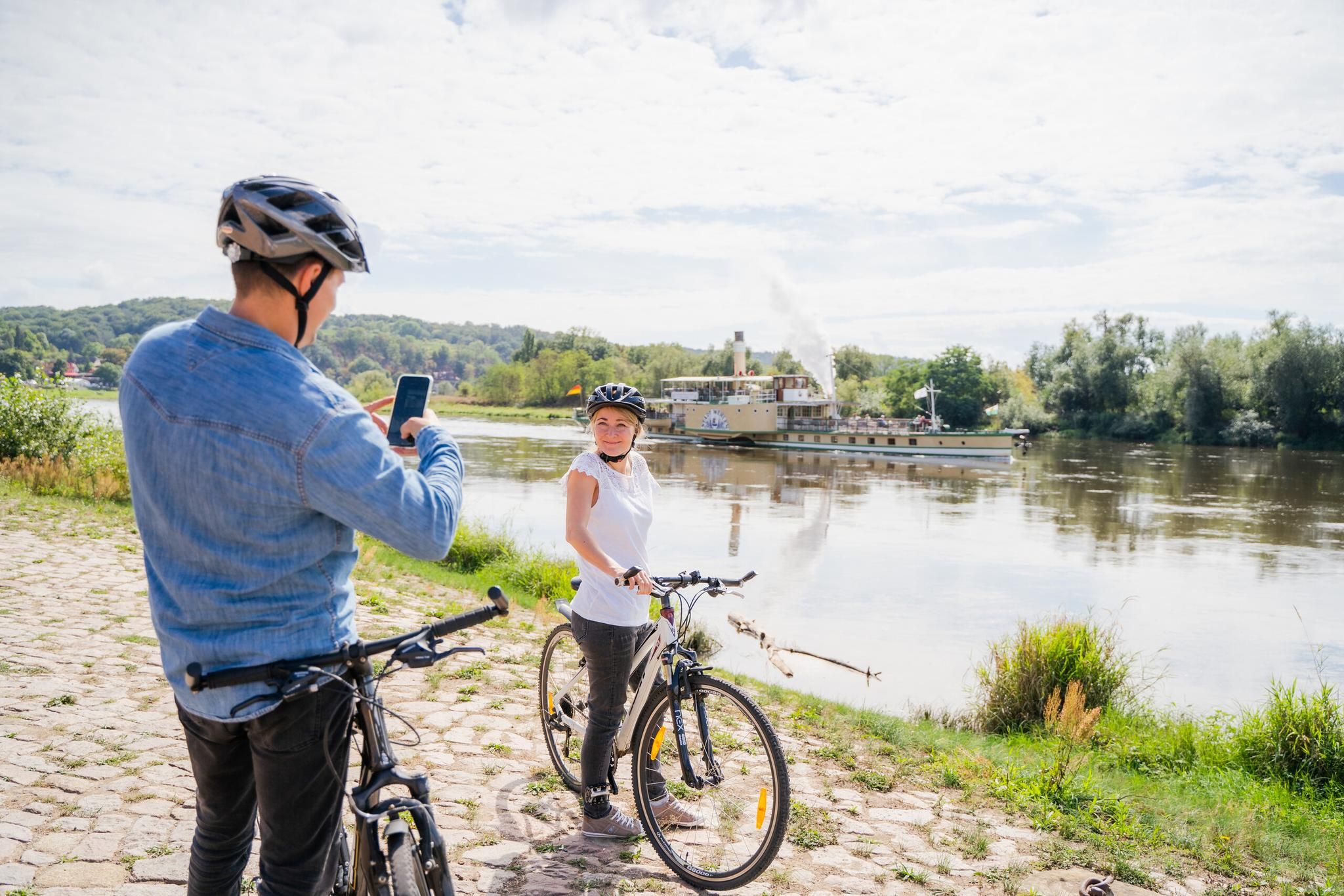
Fun on two wheels – e-bike Tours through Dresden Elbland

Towers, treasures & mountain railways – out and about with children in Dresden Elbland

3 days cycling in Dresden Elbland with Couchflucht's Sabrina
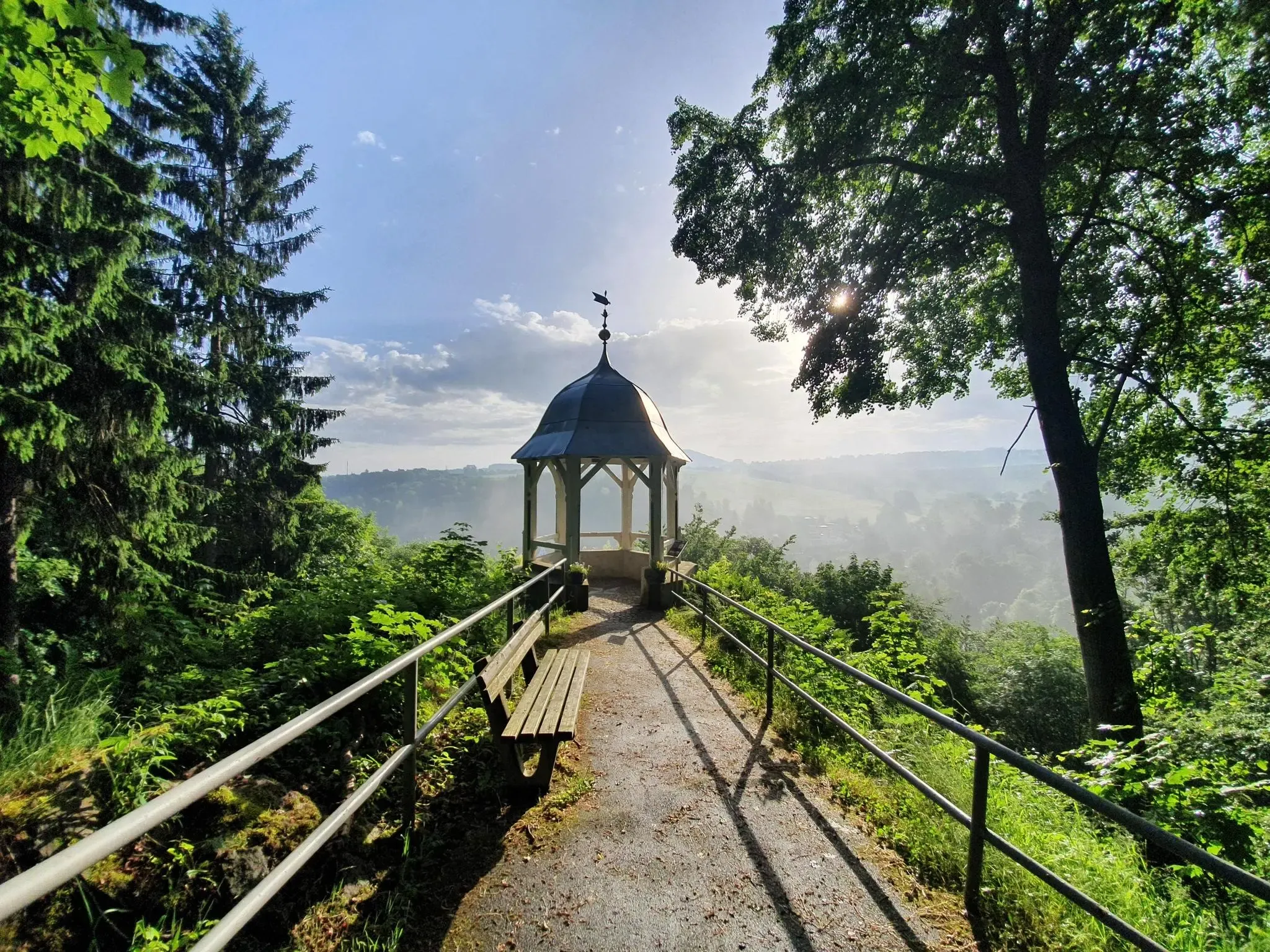
#GoFurther – discover the views of Germany!
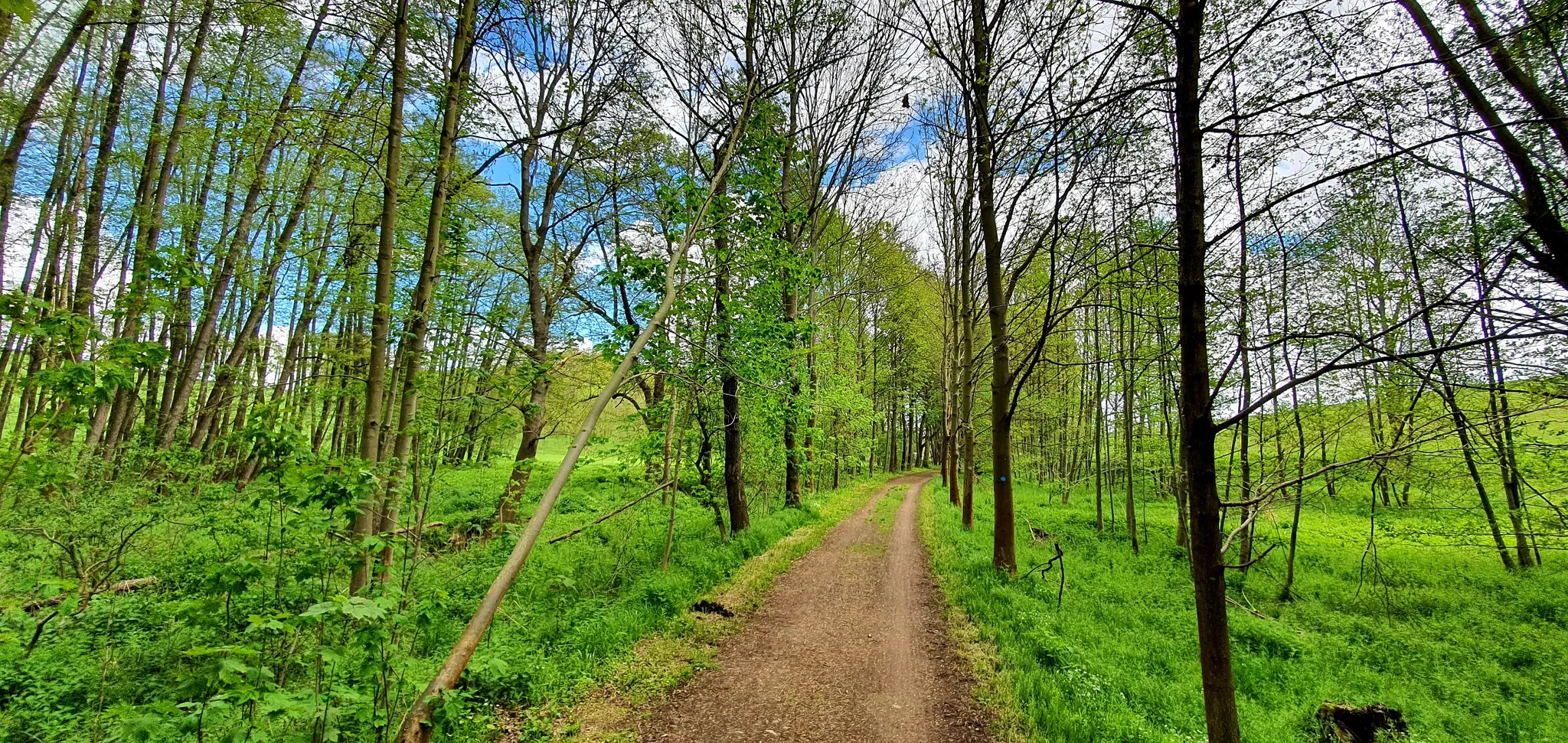
Ride through Saxony’s hills – Meißner 8 in Germany

Cycling in Saxony – joy on two wheels
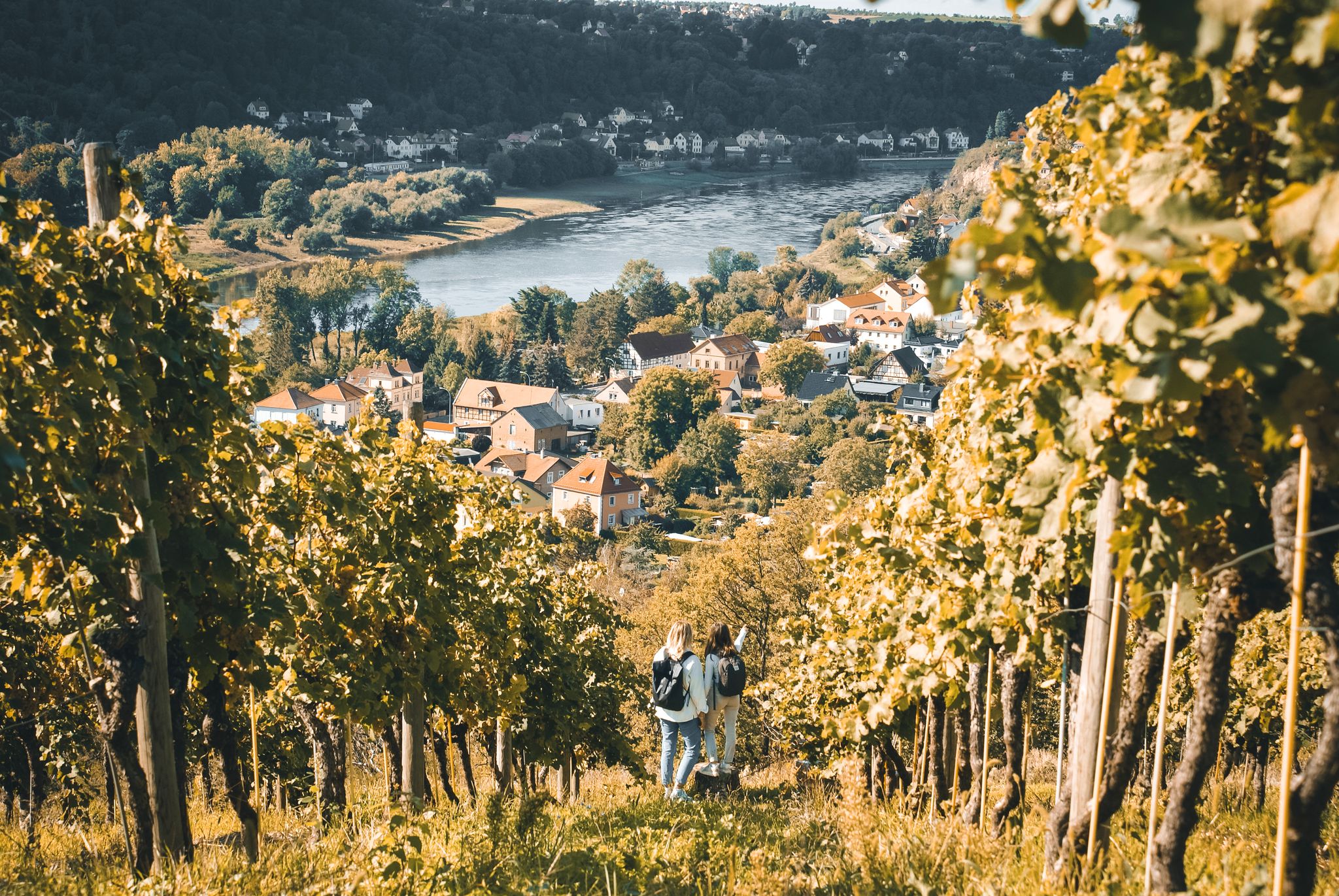
Natural treasures and idyllic villages – walking around Dresden

Hike in the footsteps of Caspar David Friedrich in Dresden Elbland
Other adventures in the Saxon Elbland


Tips from the Community

It's well worth a visit.
1
0

Guided tours are available on Sundays at 1:30 p.m. or upon request. Absolutely worth seeing and a haven for cave divers.
0
0

Approx. 100m long, dating from the 18th century Don't be afraid Remains of the castle can no longer be found
3
1
Located a bit off the beaten track, with a nice little rest area in front.
1
0

https://nossen-bergbau.de Here you can read all about mining in Nossen and the surrounding area. You can also find a contact for a possible guided tour.
0
0

Approximately 120m long cave through a mountain on which the Hohburg used to stand. The cave was specially built for the Elector so that he could drive through it in his carriage to events.
0
0

you can take a stop here
0
1

Frequently Asked Questions
What are the most popular caves and rock formations in the Saxon Elbland?
The Saxon Elbland features a mix of natural rock formations and historical man-made tunnels. Popular spots include the impressive rock gate Hohburg Tunnel, the historical Old Miltitz Limestone Mine, and the unique Hohburg Cave, which was built for the Elector's carriage. In Saxon Switzerland, the natural rock gate Kuhstall, Gautsch Grotto, and the caves on Kleinhennersdorfer Stein (Eishöhle, Hampelhöhle, Lichterhöhle) are highly regarded.
What kind of natural features can I expect to see in the caves and rock formations of Saxon Switzerland?
In Saxon Switzerland, you'll encounter unique geological formations within the Elbe Sandstone Mountains. This includes impressive rock gates like Kuhstall, large grottoes such as Gautsch Grotto, and narrow passages within gorges like Teufelskammer Gorge. The area is also known for 'Boofen,' which are natural rock overhangs and shelters.
Are there historical sites related to mining or other human activities in the caves of the Saxon Elbland?
Yes, the region has a rich history of human interaction with its underground spaces. The Old Miltitz Limestone Mine, for example, has been active since at least 1571 and features tunnels up to 60 meters deep. Other historical mining sites include the Oberer Sonnenaufgang Stolln and the Guter Börnichen Erbstolln mining field. Man-made tunnels like the Hohburg Tunnel and Hohburg Cave also have historical significance, often related to courtly events.
What is the best time to visit the caves and rock formations in the Saxon Elbland?
The caves and rock formations can be visited year-round. However, for natural formations like those in Saxon Switzerland, spring to autumn offers the most pleasant hiking conditions. During winter, some natural paths might be icy or challenging. Man-made tunnels and mines may have more consistent accessibility, but it's always cooler underground, so be prepared with appropriate clothing regardless of the season.
What should I wear when exploring caves and rock formations in the Saxon Elbland?
It's advisable to wear robust clothing and sturdy, mid-height hiking boots. Temperatures underground remain cool even in summer, so layers are recommended. For more adventurous explorations, especially in natural caves or formations with narrow passages, helmets and headlamps are often necessary, and guided tours typically provide these.
Are there family-friendly options for exploring caves in the Saxon Elbland?
Many of the historical tunnels, such as the Hohburg Tunnel, offer a fun and accessible adventure for families. Natural rock formations like Kuhstall in Saxon Switzerland are also popular with families, especially with the 'Himmelsleiter' offering an exciting climb. Always check the specific difficulty level for each location, as some natural caves can involve narrow passages or require sure-footedness.
What are the difficulty levels for exploring the caves and rock formations?
Difficulty varies significantly. Many historical tunnels like Hohburg Tunnel are considered intermediate and relatively easy to navigate. Natural formations such as Kuhstall are generally accessible via moderate walks, though features like the 'Himmelsleiter' add an adventurous element. Some natural caves, like the Cave Near Kottewitz, are rated as challenging, often involving narrow passages and requiring sure-footedness and a head for heights.
Do I need a permit to enter caves in Saxon Switzerland?
Generally, for easily accessible natural rock formations and designated visitor mines or tunnels, permits are not required for general entry. However, for specific activities like 'Boofen' (overnight stays in rock overhangs), there are officially approved locations. Always respect national park regulations, especially regarding open fires and protected areas. For unguided exploration of less accessible natural caves, it's best to consult local park authorities or join a guided tour.
What outdoor activities can I do near the caves in the Saxon Elbland?
The Saxon Elbland offers a variety of outdoor activities. You can find numerous hiking trails, from easy hikes to more challenging mountain hikes. The region is also excellent for gravel biking, with routes passing by scenic spots and historical sites. Many caves and rock formations are integrated into popular hiking routes, such as Teufelskammer Gorge on the Malerweg.
Are dogs allowed in the caves and on trails leading to them in Saxon Switzerland?
While many outdoor trails in Saxon Switzerland are dog-friendly, access to specific caves or protected areas might have restrictions. For natural rock formations and open trails, dogs are generally welcome on a leash. However, inside enclosed caves, mines, or on very narrow/steep sections, it might not be suitable or permitted. Always check local signage or specific tour operator rules.
Where can I find parking near the caves and rock formations?
Parking availability varies by location. For popular sites like Kuhstall in Saxon Switzerland, designated parking areas are usually available within a reasonable walking distance, often near trailheads or tourist centers. For historical mines or tunnels, parking might be more limited, so it's advisable to check specific location details or public transport options beforehand.
What do visitors enjoy most about exploring the caves and rock formations in the Saxon Elbland?
Visitors frequently enjoy the sense of adventure, the unique geological formations, and the historical insights offered by both natural and man-made underground spaces. The Hohburg Tunnel is described as 'a little adventure,' and the Old Miltitz Limestone Mine is considered 'worth a visit' for its historical depth. The combination of natural beauty and human history makes for a captivating experience.
Most popular routes in the Saxon Elbland
Most popular attractions in the Saxon Elbland

Get inspired with the komoot mobile app


Didn’t find what you were looking for?
Discover more caves in the Saxon Elbland region by region:
