Attractions and Places To See in Réserve Biologique Intégrale Des Gorges De La Frau - Top 4
Best attractions and places to see in Réserve Biologique Intégrale Des Gorges De La Frau, a natural area in the Pyrenees, are characterized by deep canyons, ancient forests, and rugged limestone landscapes. This integral biological reserve, established in 2010, spans approximately 251 hectares across the Ariège and Aude departments of France. The region is known for its dramatic geological formations, including canyon walls reaching 300 to 400 meters, and its rich biodiversity. It also holds historical significance, with routes like…
Last updated: July 10, 2026
Gorges de la Frau
Highlight (Segment) • Gorge
Translated by Google •
Tip by

Gorges de la Frau
Highlight (Segment) • Other
Tip by

Sign up now to discover places like this
Get recommendations on the best single tracks, peaks, & plenty of other exciting outdoor places.
Sign up for free
Gorges of the Frau
Highlight • Other
Translated by Google •
Tip by

On the Route des Sapins in Comus.
Highlight • Other
Translated by Google •
Tip by

Route des sapins
Highlight (Segment) • Other
Tip by

Sign up for free to discover even more attractions in Réserve Biologique Intégrale Des Gorges De La Frau.
Sign up for free
Already have an account?
Start today with a free account
Your next adventure awaits.
Login or Signup
Popular around Réserve Biologique Intégrale Des Gorges De La Frau
Road Cycling Routes in Réserve Biologique Intégrale Des Gorges De La Frau
Hiking in Réserve Biologique Intégrale Des Gorges De La Frau
MTB Trails in Réserve Biologique Intégrale Des Gorges De La Frau
Cycling in Réserve Biologique Intégrale Des Gorges De La Frau

Running Trails in Réserve Biologique Intégrale Des Gorges De La Frau
Tips from the Community

From Comus, so in the direction of the descent by electric mountain bike. Magnificent and completely doable. We cautiously dismounted on some sections of 50-100 meters which were too steep and stony. However, in the opposite direction, forget it!
0
0

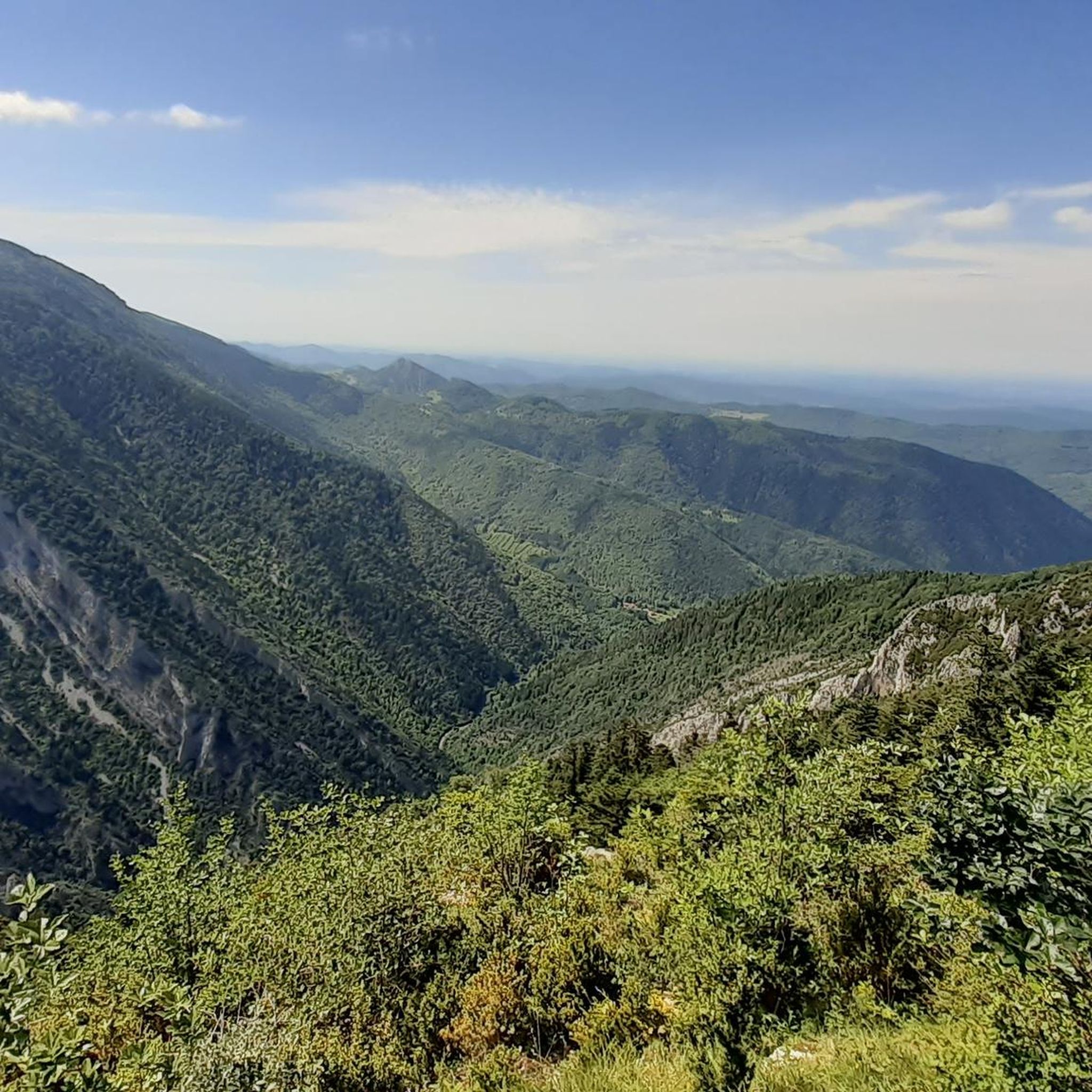
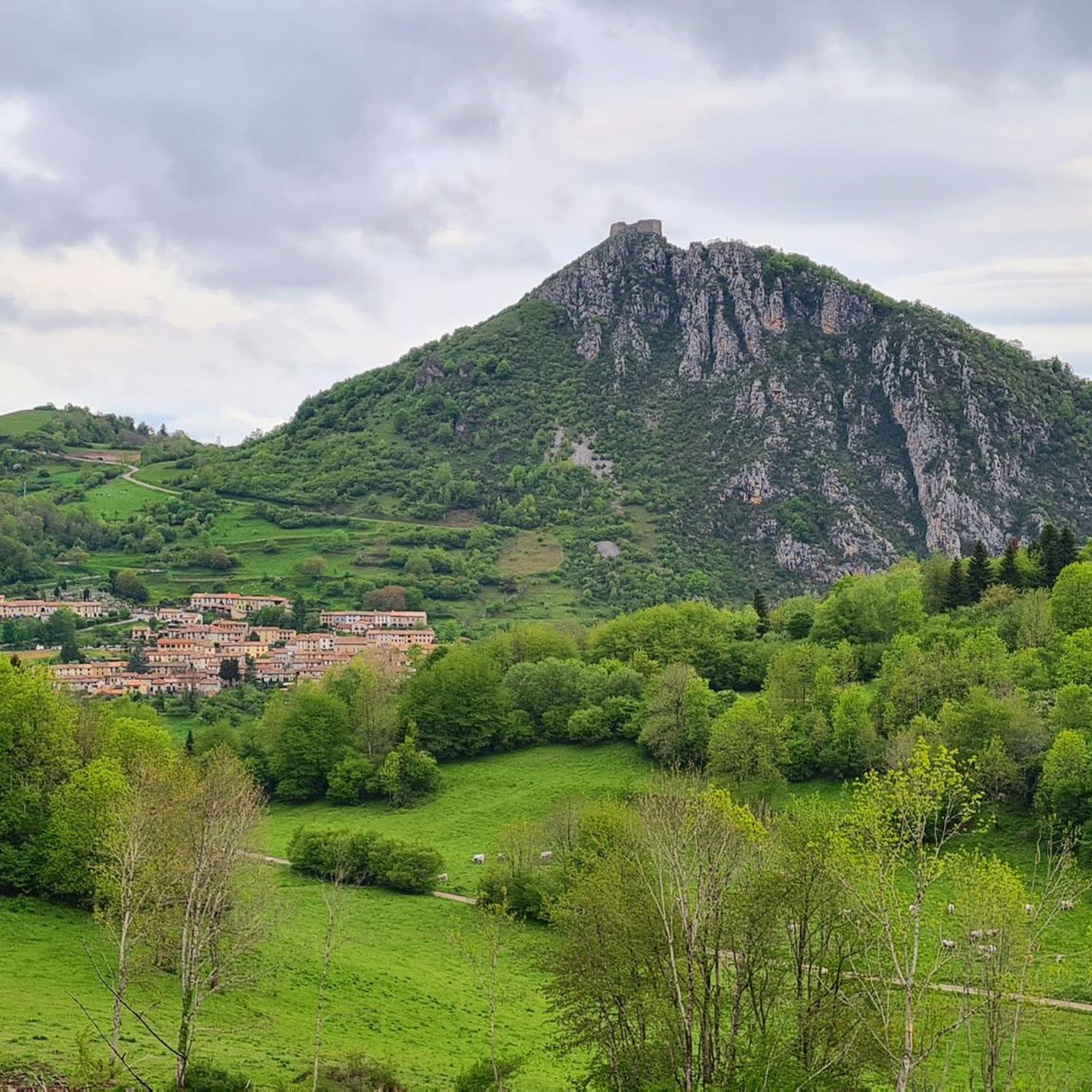
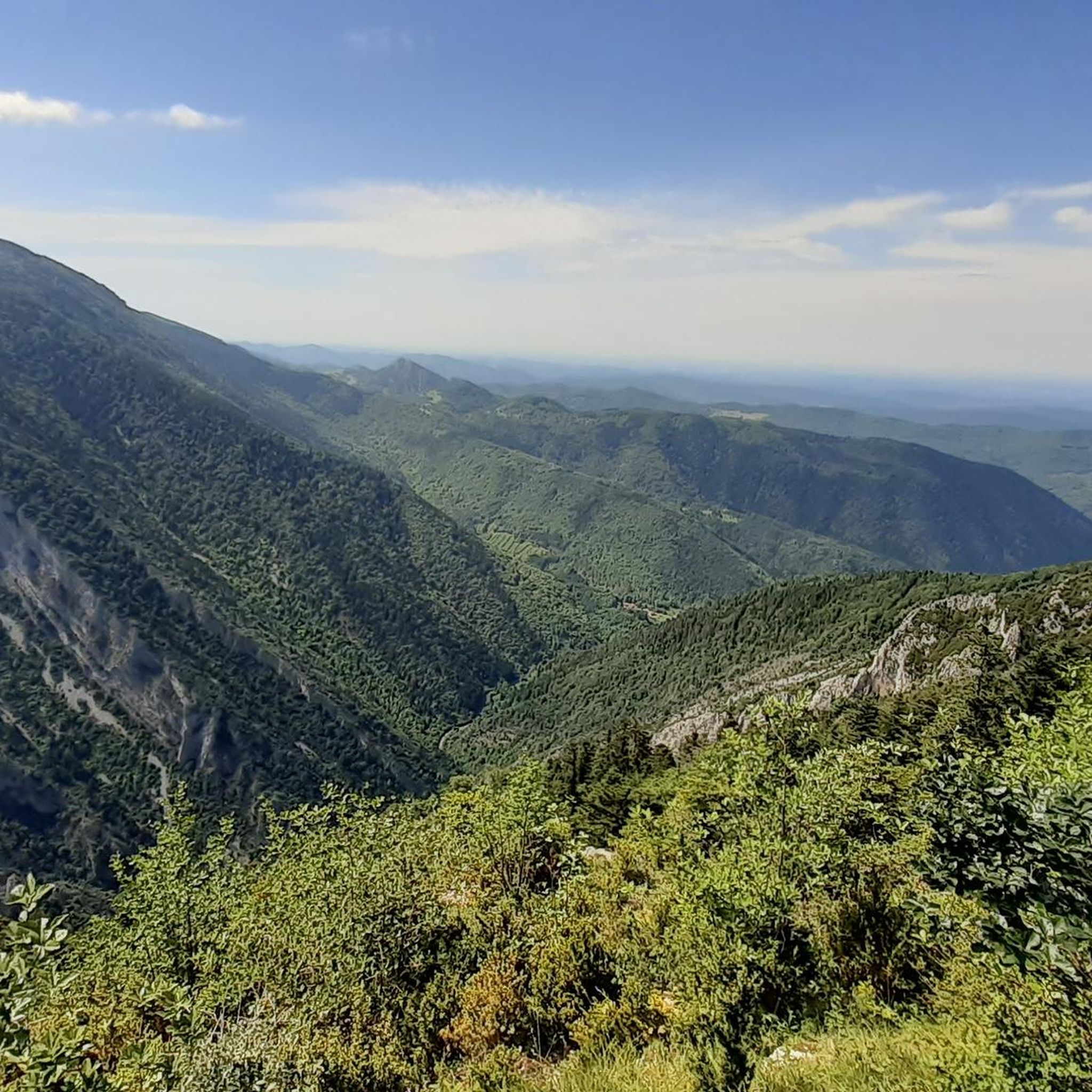
About 3,500 km before arriving at Comus on the right you can admire breathtaking landscapes, below at your feet the Gorges de La Frau, opposite the Château de Montségur, and hills with whitish rock that from afar looks like snow. This circuit really deserves to be admired. For me I did it by car because my poor legs refuse to carry me over such long distances and such a significant difference in altitude. And I would not hesitate to do it again, for the pleasure of my eyes.
0
0

For a long time, they connected the Aude with the Ariège. This ancient Cathar route allowed the bonshommes to reach Comus from Montségur, and from there to nearby Montaillou.
0
0
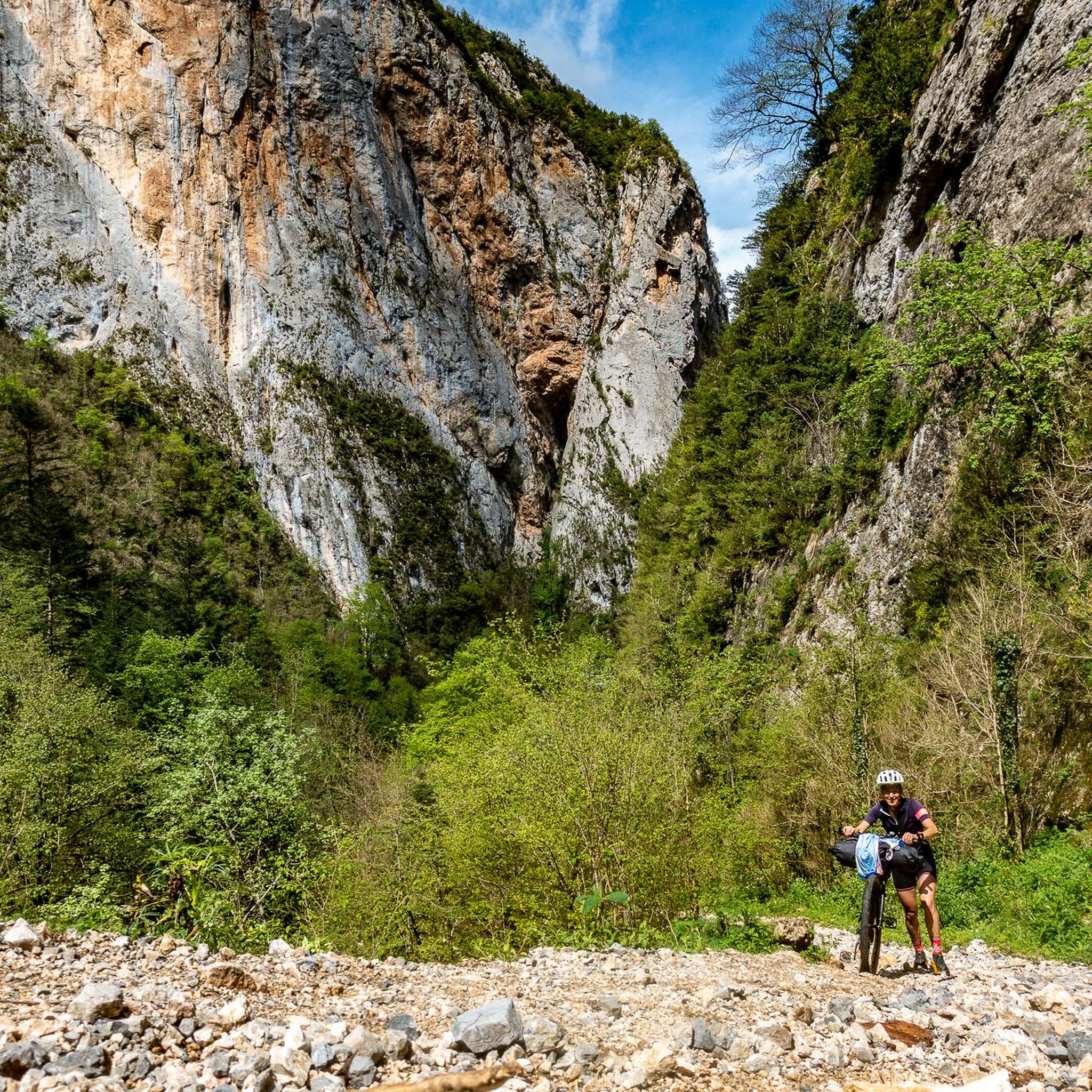
With a length of more than 3 km, the Hers has dug a real gorge of 300 to 400 meters high in the Frau mountain. They form a natural connection between Comus in the Aude and Fougax and Barrineuf in the Ariège. Etymologically, Frau means break.
0
1

Done on the way down. To put it into perspective, the problematic section is not that long (2km). I was sometimes able (prudently) to stay on the bike, between pushing and even carrying. There are impassable sections, and the elevation gain is indeed high (25%+): it is a mountain hiking trail. But the site is breathtaking and is worth including this section in a tour, especially on the way down. On the way up, I can well believe that it must be a struggle.
0
0

The gorge is gorgeous indeed! I was there in August. Not a drop of water. Would like to go back a different season. Descent was partially overgrown and hard to find. No views there.
0
0

The Frau gorges form a narrow canyon that extends over three kilometers. This protected natural area is the result of the erosion of the Herf-Vifs river on the rock. The canyon is between 300 and 400 meters deep and for centuries it was a place of passage between the Pyrenean valleys.
0
0

Over a length of three kilometres, the Èrç river has sculpted the rocks over thousands of years, creating a deep gorge that reaches between 300 and 400 metres deep. A place where the power of nature and the traces of erosion are clearly visible. The Gorges de la Frau are not only an impressive natural phenomenon, but also a witness to history. For centuries, they served as a natural passage between the Pyrenean valleys and thus tell stories of trade, travel and discovery. Today, this gorge is a central point of the Grand Traversée Ariège Pyrénées (GTAP) VTT, a mountain bike trail that makes the hearts of all adventurers beat faster. But whether you are on foot or on two wheels, the view of this narrow and steep gorge is breathtaking. It's almost like entering another world, where the rocks form the walls of an ancient castle and every stone, every tree, every curve has a story to tell. And although photos try to capture its beauty, they simply cannot do justice to the majestic atmosphere of the Gorges de la Frau. It is a place to be experienced, felt and breathed - an unforgettable natural wonder not to be missed on your trip through the Pyrenees.
4
0
Frequently Asked Questions
What are the main natural features to explore in Réserve Biologique Intégrale Des Gorges De La Frau?
The centerpiece is undoubtedly the Gorges de la Frau itself, a dramatic canyon carved by the Hers-Vif river, reaching depths of 300 to 400 meters. You'll also find ancient, subnatural forests, particularly beech and fir, and the area is home to significant peaks like Sarrat de Rouquières and Montagne de la Frau. The complex geology, where limestone meets crystalline bedrock, is also a notable feature.
Are there any historical or cultural sites within the Réserve Biologique Intégrale Des Gorges De La Frau?
Yes, the historic Chemin des Bonshommes, also known as the GR 107 or Cathar Trail, passes through the Gorges de la Frau. This route was historically significant for trade and cultural exchange, and famously used by Cathars fleeing the Inquisition. The gorges also served as a hideout for smugglers.
What kind of hiking trails can I find in the Réserve Biologique Intégrale Des Gorges De La Frau?
The reserve offers numerous hiking trails, ranging from moderate to difficult. Popular options include the Comus – Gorges de la Frau loop. The trails often feature impressive views of the canyon and are shaded by ancient forests, making them pleasant even in warmer weather. Be aware that some sections, especially within the Gorges de la Frau, can be very technical with steep, rocky terrain.
What outdoor activities are available besides hiking?
The area is excellent for cycling and mountain biking. The Gorges de la Frau are part of the Grand Traversée Ariège Pyrénées (GTAP) for mountain biking. You can find various routes for hiking, cycling, and running, with options for different difficulty levels.
What is the best time of year to visit Réserve Biologique Intégrale Des Gorges De La Frau?
The reserve is beautiful year-round, but spring and autumn offer particularly pleasant conditions for hiking with milder temperatures and vibrant foliage. Even in summer, the shaded trails within the ancient forests provide a cool environment. Winter hiking is possible, but be prepared for potentially challenging conditions, especially within the gorges, which can be very technical and prone to rockfalls.
Is the Réserve Biologique Intégrale Des Gorges De La Frau suitable for families?
While the main Gorges de la Frau can be challenging with very steep and rocky sections, there are easier loops and shaded trails that might be suitable for families with older children. Always check the difficulty of specific routes before embarking with children.
What kind of wildlife can I expect to see in the reserve?
The reserve is recognized for its high ecological value and diverse fauna. It's an important habitat for raptors such as Bonelli's eagle, peregrine falcon, griffon vulture, and short-toed snake eagle. Forest birds like the black woodpecker and Tengmalm's owl are also present. Keep an eye out for the Pyrenean desman and common sculpin in the aquatic environments.
Are there any specific viewpoints or scenic routes to experience the Gorges de la Frau?
Yes, the Route des sapins offers breathtaking views. From certain points, you can admire the Gorges de la Frau below and even see the Château de Montségur in the distance, along with hills featuring whitish rock formations.
Is public transport available to reach the Réserve Biologique Intégrale Des Gorges De La Frau?
Direct public transport to the heart of the integral reserve is limited. Visitors typically reach the area by car, often starting from nearby villages like Comus or Fougax-et-Barrineuf. It's advisable to check local bus schedules for connections to these villages from larger towns like Lavelanet, but expect to walk or cycle the final distance to the gorge entrances.
Are there any regulations or permits required for visiting or hiking in the Réserve Biologique Intégrale Des Gorges De La Frau?
As an integral biological reserve, the area is highly protected. While general access for hiking is permitted, specific regulations apply to protect its biodiversity. It's always recommended to check official local tourism or park websites for the most current information regarding permits, restricted areas, or specific rules for visitors, especially concerning activities like camping or fires.
Can I bring my dog to the Réserve Biologique Intégrale Des Gorges De La Frau?
Due to its status as an integral biological reserve, strict rules are often in place to protect wildlife. Dogs are generally not permitted or must be kept on a leash in such sensitive areas to prevent disturbance to fauna. Please verify the current dog policy with local authorities or park management before your visit.
Where can I find accommodation or places to eat near the Gorges de la Frau?
While the reserve itself is a natural area, you can find accommodation, cafes, and restaurants in nearby villages such as Comus or Fougax-et-Barrineuf. These villages serve as common starting points for exploring the gorges and offer services for visitors.
Most popular routes in Réserve Biologique Intégrale Des Gorges De La Frau

Get inspired with the komoot mobile app


Explore more
Still not found the Highlight you’re looking for? See guides of the top attractions in other regions:
