Top 5 Lakes in Imbabura
Best lakes in Imbabura are a prominent feature of this Ecuadorian province, known for its diverse high-altitude aquatic environments. The region is characterized by its Andean landscapes, including volcanic formations and páramo ecosystems. These lakes offer a range of natural beauty and recreational opportunities, reflecting the area's geography and cultural heritage.
Best lakes in Imbabura
- The most popular lakes is Cuicocha Lagoon Loop Trailhead, a trail around a crater lake. This lake is known for its clear blue waters…
Last updated: July 6, 2026
Cuicocha Lagoon Loop Trailhead
Highlight • Trail
Translated by Google •
Tip by

Cuicocha Lake Trail
Highlight (Segment) • Trail
Translated by Google •
Tip by

Sign up now to discover places like this
Get recommendations on the best single tracks, peaks, & plenty of other exciting outdoor places.
Sign up for free
Yahuarcocha Lake
Highlight • Lake
Tip by

Laguna Grande de Mojanda
Highlight • Lake
Translated by Google •
Tip by
Wildflower Path in Reserva Ecológica Cotacachi-Cayapas
Highlight (Segment) • Trail
Translated by Google •
Tip by

San Pablo Lake
Highlight • Lake
Translated by Google •
Tip by

Laguna Caricocha or Lagunas de Mojanda
Highlight • Lake
Translated by Google •
Tip by

Start today with a free account
Your next adventure awaits.
Login or Signup
Other adventures in Imbabura

Tips from the Community

Being in this place and having the feeling of turning around and knowing everything you walked, is beautiful. A different view of everything and the most refreshing and delicious breeze there is.
0
0

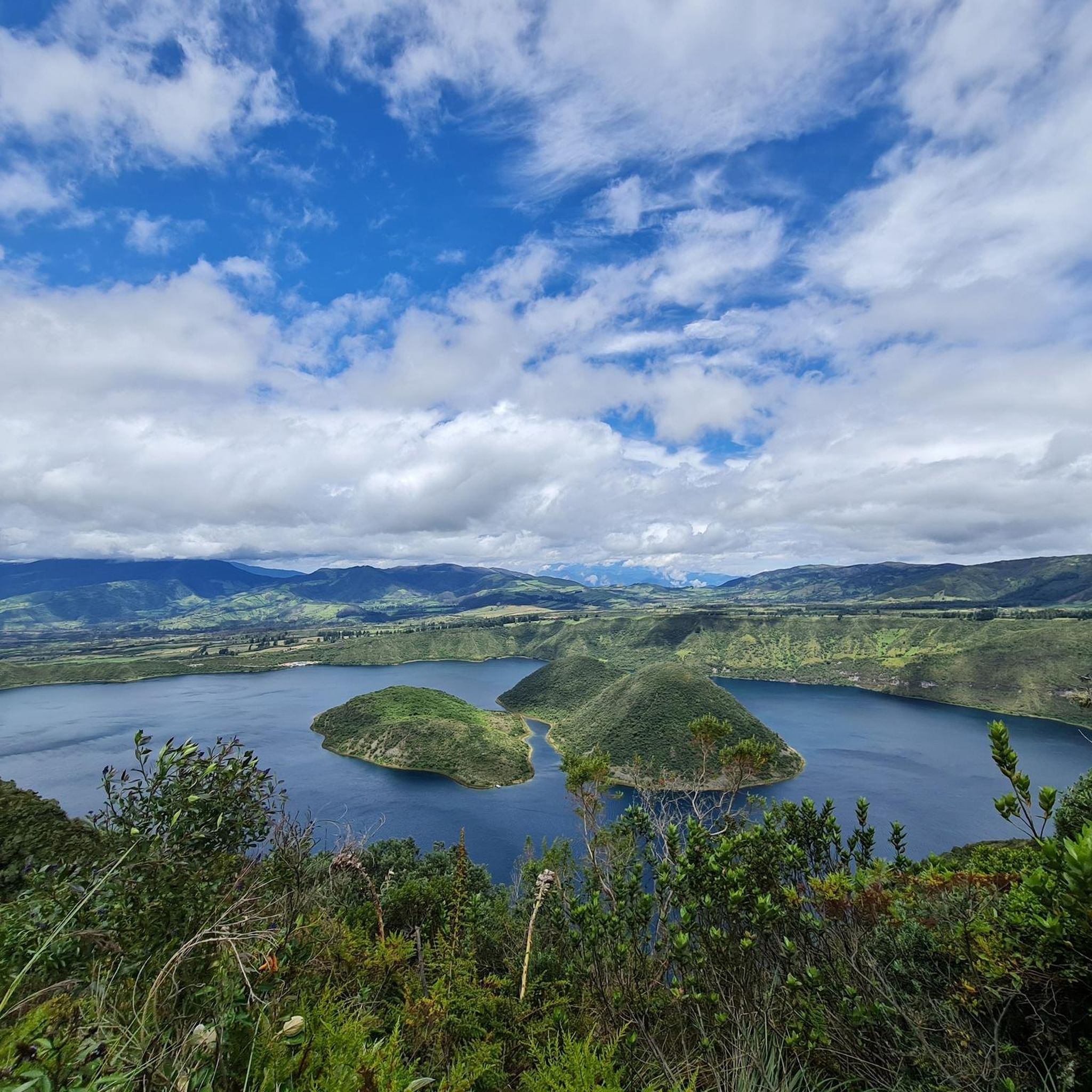
On this section of the hiking trail that runs all the way around Laguna Cuicocha, after climbing numerous steps and through lush Andean flora, you reach a ridge path with fantastic views of the lagoon and the Otavalo plain
0
0

The Lagunas de Mojanda is a complex of three lagoons that formed within the cone of an inactive stratovolcano. The first lagoon, the largest is called Laguna Caricocha. The road to reach the lagoon from Otavalo is very steep and cobbled, but the view and tranquility are worth the effort.
0
0

Lake San Pablo or Imbacocha, Spanish Lago San Pablo, Kichwa: Impakucha ("Lake of the Andean Climbing Catfish": impa "Andean Climbing Catfish", kucha "lake") is located in the province of Imbabura in northern Ecuador, at 2,660 m above sea level, below the Imbabura volcano, has a water surface of about 1.8 km² and is of volcanic origin. Source: https://de.wikipedia.org/wiki/Lago_San_Pablo You can take boats across the lake. There are a few stalls at the departure point.
0
0

Arriving from Otavalo without your own car: From the bus terminal, take the bus to Cotacachi or Quiroga. Buses run every 15-20 minutes. Just ask for Laguna at the terminal and someone will direct you to the right bus. Cost per ride: $0.4. The bus driver will drop you off at a taxi rank in Cotacachi or at the central park in Quiroga. From there, the only way to get to the lagoon is by taxi, as there are no buses going there. A taxi will cost around USD 5-6. For the return trip, it's best to use the taxi driver's phone number to call him for the return trip, as the lagoon is pretty deserted and there aren't really any taxis around. The price for the return trip is the same as for the outward trip. It would also be possible to hitchhike back at least to Quiroga, since the road from the lagoon goes through Quiroga. From there or Cotacachi, take the $0.4 bus to Otavalo again. The buses also leave here very regularly.
0
0

It's not allowed to camp on the trail, but... Noone checks if you do :)
1
0

Circular hike around the "guinea pig lagoon". The easiest way to get there from Otavalo is by bus to Quiroga and then by taxi from the parque central there ($5)
2
0
Nice excursion to a total of 3 lagoons. It takes about 45 minutes by taxi from Otavalo, the road is uneven cobblestone and very winding. Arrived at the lagoon you can hike on the Fuya Fuya, the hiking trails are not labeled but well trodden. When it rains, it can quickly get very muddy. We didn't go all the way to the top because the top was cloudy. The ascent should be feasible in less than 2 hours.
0
0
Frequently Asked Questions
What are the most popular lakes for visitors in Imbabura?
Among the most popular lakes in Imbabura are Cuicocha Lagoon, known for its stunning crater lake and panoramic rim trail; Yahuarcocha Lake, which offers historical significance and recreational activities; and San Pablo Lake, famous for its water sports and views of the Imbabura Volcano.
Are there good hiking opportunities around the lakes in Imbabura?
Yes, Imbabura's lakes offer excellent hiking. The Cuicocha Lagoon Loop Trailhead provides a 12-14 km circular hike around the crater rim with expansive views. For a more rugged experience, the Lagunas de Mojanda offer trails around the three high-altitude lakes and opportunities to climb Fuya-Fuya for panoramic vistas. You can find more hiking routes in the region on the Hiking in Imbabura guide.
What water sports can I enjoy at Imbabura's lakes?
Laguna de San Pablo is particularly well-suited for water sports, offering activities like kayaking, rowing, windsurfing, and kitesurfing. Yahuarcocha Lake is also a popular spot for boating and sport fishing.
Which lakes are family-friendly in Imbabura?
Yahuarcocha Lake is considered family-friendly, offering cycling paths and boating. San Pablo Lake also provides a water park and lakeside restaurants, making it a great option for families.
What natural features can I expect to see around the lakes?
Imbabura's lakes are set amidst diverse natural landscapes. Cuicocha Lagoon is a stunning crater lake with two volcanic islands and clear blue waters. San Pablo Lake is known for its rich ecosystem with herons and ducks, set against the backdrop of the Imbabura Volcano. The Mojanda lagoons are located in the high Andean páramo, surrounded by unique vegetation and native forests.
What is the best way to get to Cuicocha Lagoon from Otavalo?
From Otavalo, you can take a bus to Cotacachi or Quiroga (approximately $0.4). From there, a taxi is required to reach Cuicocha Lagoon, costing around $5-6. It's advisable to get the taxi driver's number for the return trip as taxis are not always readily available at the lagoon.
Are there cycling routes near the lakes in Imbabura?
Yes, Yahuarcocha Lake features a perimeter road perfect for cycling, offering beautiful views. For more cycling options in the region, explore the Cycling in Imbabura guide, which includes routes like the 'Camping Finca Sommerwind – Yahuarcocha Lake loop from Ibarra'.
What is the historical significance of Laguna de Yahuarcocha?
Laguna de Yahuarcocha, whose name means 'blood lake' in Kichwa, holds significant historical importance. It is believed to be the site of a major battle between the Incas and Caranquis, giving it a rich legendary background. The lake itself is estimated to be around 12,000 years old.
Can I go camping near the lakes in Imbabura?
Camping is a popular activity around the Lagunas de Mojanda, offering a serene experience in the high Andean páramo. While camping directly on the Cuicocha Lagoon trail is not officially allowed, it is sometimes done.
What local cuisine can I find near the lakes?
Near Yahuarcocha Lake, fried trout is a local specialty that visitors often enjoy. Lakeside restaurants are also available around San Pablo Lake, offering various local dishes.
What is the best time to visit the lakes in Imbabura?
The Imbabura region generally experiences a dry season from June to September, which is often considered the best time for outdoor activities like hiking and water sports, offering clearer skies and more stable weather. However, the high-altitude Mojanda lagoons can be cold and windy year-round, with temperatures potentially dropping below freezing at night.
Most popular routes in Imbabura
Most popular attractions in Imbabura

Get inspired with the komoot mobile app


Didn’t find what you were looking for?
Find the best lakes in Imbabura per region:
Explore more
Still not found your perfect lake in Imbabura? Check out the guides of these regions to see even more beautiful places.
