Top 8 Castles around Sé e Sé e Sé e São Lourenço
Best castles around Sé e Sé e Sé e São Lourenço include historic fortified settlements and medieval fortresses. These structures are often situated on granite cliffs or mountain peaks, offering strategic defensive positions. The region features well-preserved historical sites with architectural elements like Gothic arches and Manueline doorways. Visitors can explore these castles, which provide insights into past military conflicts and regional history.
Best castles around Sé e Sé e Sé e São Lourenço
- The most popular castles is Historic…
Last updated: August 27, 2026
Historic Village of Marvão
Highlight • Settlement
Translated by Google •
Tip by

Marvão Castle
Highlight • Castle
Translated by Google •
Tip by

Sign up now to discover places like this
Get recommendations on the best single tracks, peaks, & plenty of other exciting outdoor places.
Sign up for free
Porta do Rodão of Marvão
Highlight • Historical Site
Translated by Google •
Tip by

Castle Garden of Marvão
Highlight • Castle
Translated by Google •
Tip by
Marvão Walled Town and Castle
Highlight • Castle
Tip by

Sign up for free to discover even more castles around Sé e Sé e Sé e São Lourenço.
Sign up for free
Already have an account?
Start today with a free account
Your next adventure awaits.
Login or Signup

Tips from the Community

This vaulted cistern is located within the castle walls and was probably built around the 9th century to store rainwater for the then Arab village of Ibn Maruán, despite clear signs of remodeling in the late Middle Ages. An impressive site. http://www.monumentos.gov.pt/site/app_pagesuser/SIPA.aspx?id=36148
2
0

A place to visit every month. It's wonderful.
2
0
The current pillory dates from the years immediately following the granting of the New Charter by King Manuel in 1512 and reflects his Manueline, albeit very rustic, style. The monument stands in front of the 16th-century district jail building and next to the clock tower, also from the 16th century, in the square that bears his name. It stands on a base with four octagonal steps and consists of an octagonal shaft set directly into the upper step, formed by five drums with mortar joints.
3
0
The Porta de Marvão is a medieval gate in the fortified town of Marvão, serving as the village's main entrance. The town is situated in the Serra de São Mamede mountains and offers panoramic views of the surrounding Alentejo region. Marvão's narrow streets are lined with whitewashed houses featuring Gothic arches and Manueline doorways. The well-preserved 13th-century castle is a focal point, offering visitors a glimpse into the town's rich history and strategic importance. The Porta de Rodão was built much later, in the 17th century, to bolster defenses during the War of Independence against Spain in the mid-17th century. A small parking area is located in front of it. Due to the narrow streets and almost complete lack of parking, driving through the gate into Marvão is strongly discouraged. Another fortified gate, providing pedestrian access to Vila Marvão, is located to the east. This one is also worth a visit.
2
0
A lovely little area in the middle of this picturesque, historic castle town. A beautifully maintained garden with a refreshing pond-like fountain in the lower middle section. The small hedges surrounding the flowerbeds, with their narrow patches of space between them, invite you to wander. The view of the castle and the surrounding countryside is breathtaking. I highly recommend a visit to this small but perfectly landscaped park.
2
0
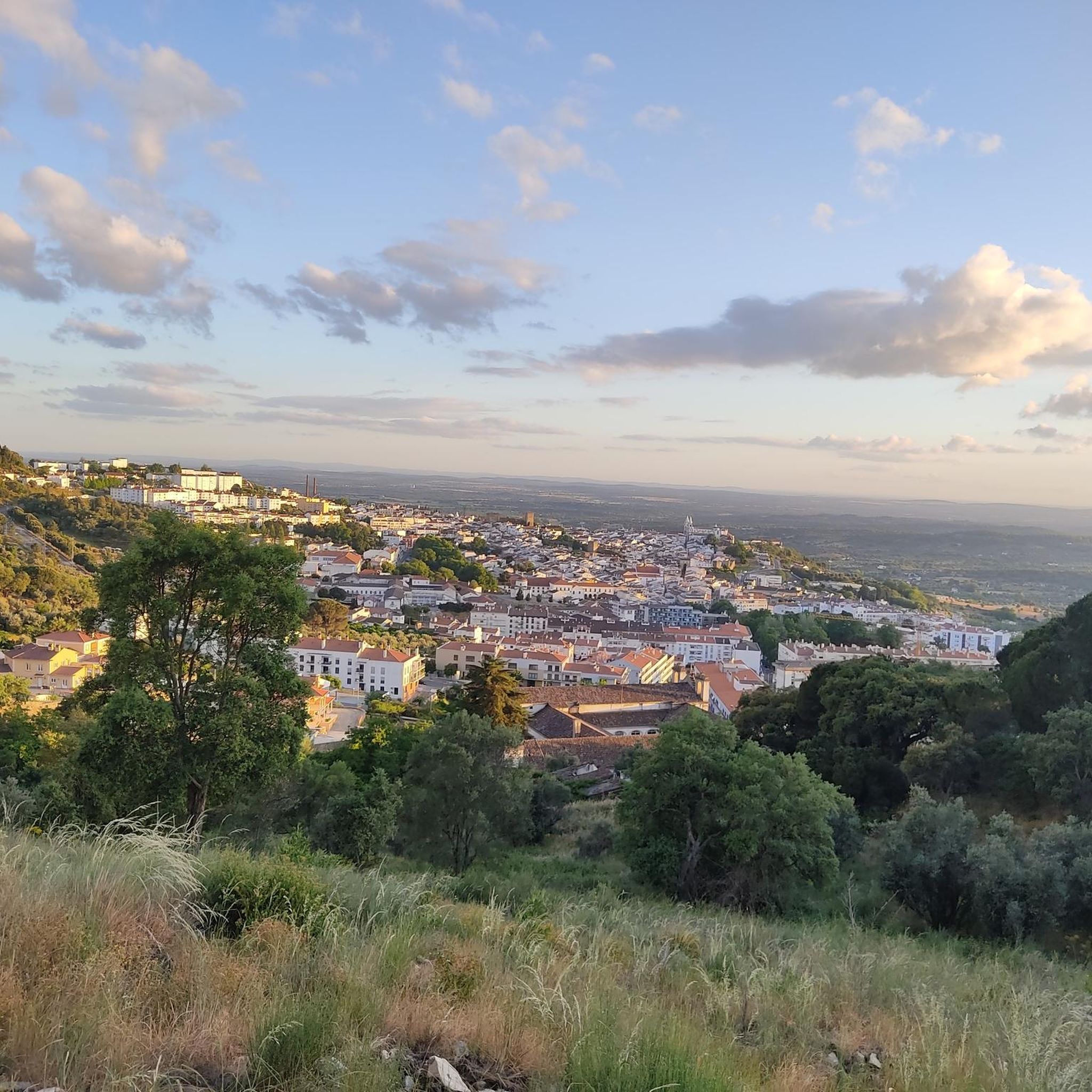
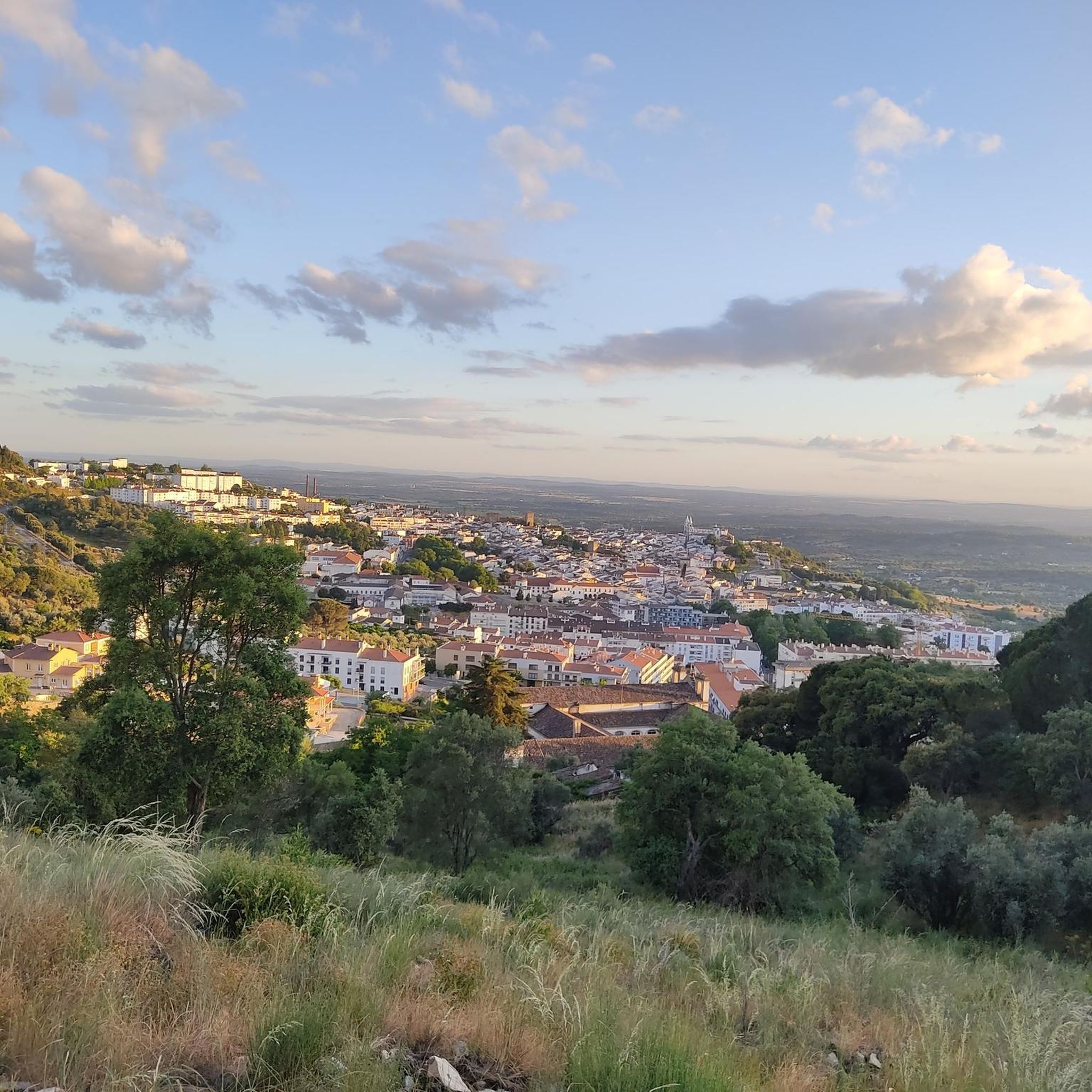
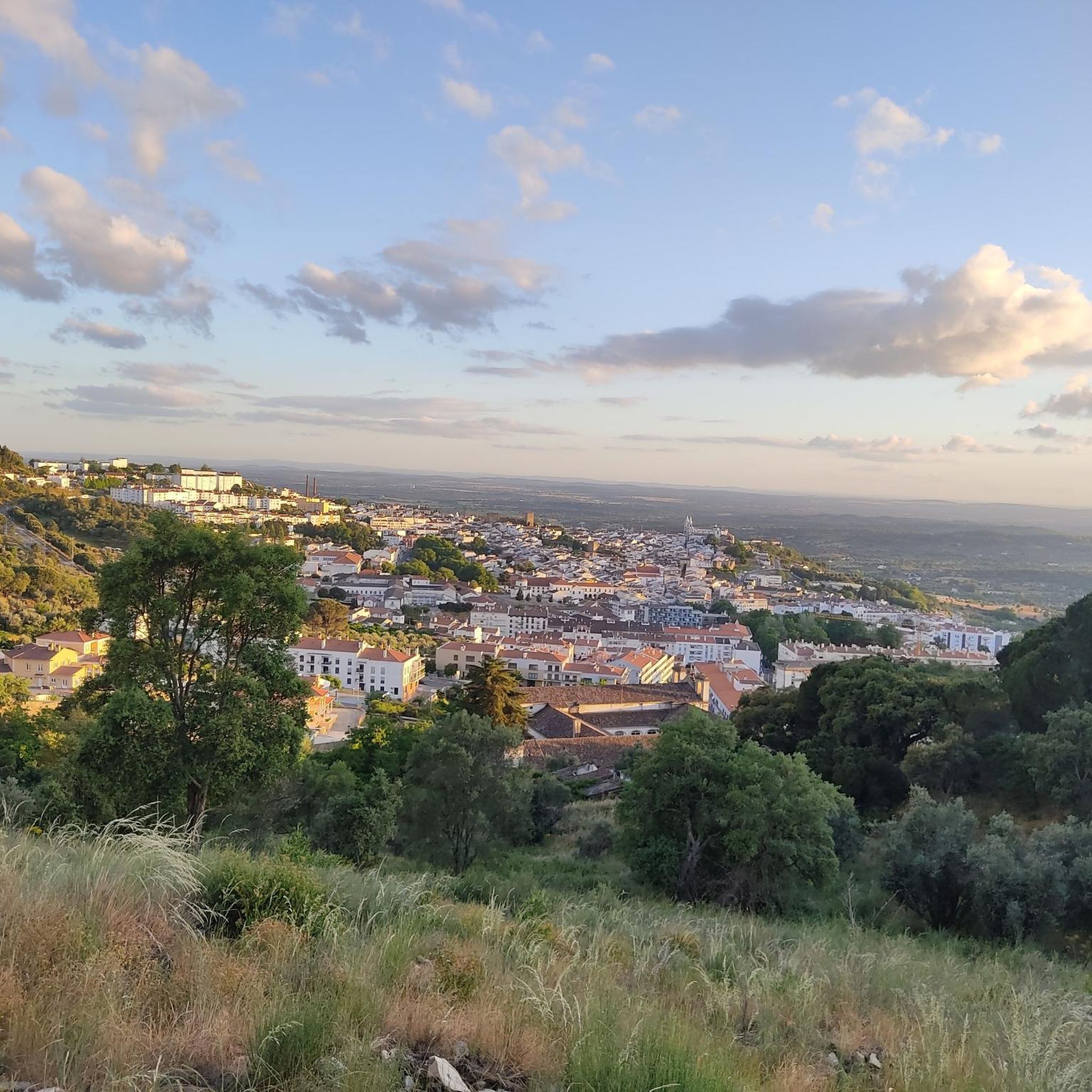
The fortified town of Marvão, 12 kilometers from Quinta do Pomarinho, is also known as the "Eagle's Nest." It boasts a spectacular location on a granite cliff, atop one of the peaks of the Serra de São de Mamede mountain range. Completely walled, Marvão is situated in the Alto Alentejo region, near the Spanish border, which was once controlled from the village. The town of Marvão owes its name to Ibn Maruane, an Arab military leader who sought refuge here in the 11th century. He hid on Mount Ammaia and built a castle there, in the most remote and inaccessible spot he could find. Years later, the castle was transformed into a medieval fortress. Its location made it a strategic defensive position, nestled among hills with slopes to the north, south, and west, accessible only on foot from the village. For many years, Marvão was a municipality heavily and significantly involved in numerous military conflicts in the region. Today, Marvão is a rather sleepy town, but one where you can enjoy wonderful walks. More information can be found here: https://www.feriasemportugal.com/marvao
3
0

Marvão is dominated by its imposing and well-preserved medieval castle. The fortified walls embrace the entire village, enclosing a maze of narrow cobbled streets, white houses with red roofs and small flower-filled squares. The views from the walls are breathtaking, taking in a vast panorama of hills, valleys and, on a clear day, all the way to the Serra da Estrela mountain range. Marvão is a true open-air museum, preserving the atmosphere and architecture of centuries past. It is on the UNESCO tentative list of potential World Heritage Sites, and is an ideal destination for those seeking history, tranquility and spectacular scenery.
2
0

Roman footpath. Much uneven. Wear good walking shoes.
1
1
Frequently Asked Questions
What are the most popular castles around Sé e Sé e Sé e São Lourenço?
The most popular castle is the Historic Village of Marvão, known for its location on a granite cliff and extensive views. Another highly regarded site is Marvão Castle, a medieval fortress offering significant views of the surrounding area. Visitors also appreciate the Porta do Rodão of Marvão, a historical gate to the fortified town.
Are there family-friendly castles to visit in the region?
Yes, the Castle Garden of Marvão is considered family-friendly. It's a beautifully maintained garden within the castle walls, offering a refreshing pond-like fountain and inviting paths to wander, along with breathtaking views.
What kind of historical insights do these castles offer?
The castles around Sé e Sé e Sé e São Lourenço, particularly those in Marvão, provide deep insights into past military conflicts and regional history. Sites like the Historic Village of Marvão and Marvão Castle were strategically important defensive positions, often built on high granite cliffs. You can see architectural elements like Gothic arches and Manueline doorways, reflecting centuries of history and fortification.
What kind of views can I expect from the castles?
Many castles in the region offer spectacular panoramic views. For instance, the Historic Village of Marvão, nicknamed 'Eagle's Nest,' provides wonderful all-round views of the surrounding countryside from its granite cliff perch. Similarly, Marvão Castle is known for its significant views of the area.
Are there hiking trails near the castles?
Yes, there are several hiking opportunities near the castles. For example, you can explore routes like the 'Reguengo Trail (PR2)' or the 'Chapel of Saint Anne – Portalegre Cathedral loop from Portalegre'. You can find more details and other hiking routes in the Hiking around Sé e Sé e Sé e São Lourenço guide.
What are some easy hiking routes around the castles?
For easier walks, consider routes like the 'Apartadura Reservoir – Ti Esperança Spring loop' or the 'Portagem River Beach – Roman City of Ammaia loop from Marvão'. These are generally rated as easy. More options can be found in the Easy hikes around Sé e Sé e Sé e São Lourenço guide.
Can I go road cycling near the castles?
Absolutely. The region offers several road cycling routes that pass by or near historical sites. You could try the 'Marvão Castle – Historic Village of Marvão loop from Portalegre' or the 'Fonte do Carvalho – Medieval Cobbled Road loop from Portalegre'. Discover more routes in the Road Cycling Routes around Sé e Sé e Sé e São Lourenço guide.
What do visitors enjoy most about the castles in this region?
Visitors frequently praise the stunning views and the historical atmosphere. Many highlight the picturesque nature of the fortified towns, the well-preserved architecture, and the sense of stepping back in time. The elevated positions of castles like Marvão Castle are particularly appreciated for their panoramic vistas.
Is there parking available when visiting the castles?
For sites like the Porta do Rodão of Marvão, there is a small parking area located in front of the gate. However, driving through the gate into the fortified town of Marvão is strongly discouraged due to narrow streets and very limited parking within the village itself. It's often best to park outside and walk in.
What is the best time to visit the castles around Sé e Sé e Sé e São Lourenço?
While specific seasonal recommendations aren't provided, the region's castles, often situated on granite cliffs, can be enjoyed throughout the year. For outdoor activities like hiking and cycling around the castles, spring and autumn generally offer milder weather, making exploration more comfortable. Summers can be hot, and winters can be cooler and potentially rainy.
Are there any hidden gems among the castles or historical sites?
While not necessarily 'hidden,' the Marvão Walled Town and Castle offers a comprehensive experience that some might overlook by focusing only on the castle itself. The entire walled town provides a rich historical context and stunning views, making it a truly immersive visit beyond just the fortress.
Most popular routes around Sé e Sé e Sé e São Lourenço
Most popular attractions around Sé e Sé e Sé e São Lourenço

Get inspired with the komoot mobile app


Explore more
Looking for the best castles somewhere else? Discover other guides around Sé e Sé e Sé e São Lourenço:
