Top 4 Castles around Santiago Da Guarda
Best castles around Santiago Da Guarda are situated within the municipality of Ansião, Portugal, an area known for its rich historical layers. The region features the Monumental Complex of Santiago da Guarda, a National Monument showcasing Roman, medieval, and Manueline architectural styles. This area is characterized by the limestone landscapes and oak groves of the Serra de Sicó, offering a blend of historical exploration and natural surroundings. The castles here provide insight into the region's past, from ancient Roman settlements…
Last updated: July 3, 2026
Pombal Castle
Highlight • Castle
It stands atop a rocky outcrop beside the Arunca River, overlooking the city of Pombal.
Built between 1156 …
Translated by Google •
Tip by

Penela Castle
Highlight • Castle
Translated by Google •
Tip by

Sign up now to discover places like this
Get recommendations on the best single tracks, peaks, & plenty of other exciting outdoor places.
Sign up for free
Santiago da Guarda
Highlight • Historical Site
Translated by Google •
Tip by

Swing with View of Castelo de Germanelo
Highlight • Viewpoint
Translated by Google •
Tip by

Start today with a free account
Your next adventure awaits.
Login or Signup

Tips from the Community

The Santiago da Guarda Monumental Complex is an unmissable stop, where history unfolds in layers. Classified as a National Monument, it stands out for its Manueline elegance, its 14th-century manor tower, and the impressive Roman mosaics that reveal an ancient villa from the 4th and 5th centuries. The old road between Tomar and Coimbra passed through here, later used by pilgrims on their way to Santiago. Surrounded by the limestone landscape and oak groves of the Serra de Sicó, the place invites you to slow down and take a deep breath. Take the opportunity to chat with the hospitable people.
1
0
Penela Castle stands atop the rocky outcrop that gave it its name (peñela, "small stone hill"), dominating the town with imposing walls and towers dating from the 15th and 16th centuries. Founded in the 11th century by D. Sesnando Davides, it formed part of the Mondego defensive line, and its walls still reach 19 meters in height today. From the original fortress arose the castle that later served as a keep. On the walls, facing the Serra da Lousã mountain range, stand out arrow slits and loopholes, marks of its long military life, from arrows to firearms. Penela preserves three historical entrances: the Porta da Vila (Town Gate), the evocative Porta da Traição (Gate of Treason), with its double opening and Moorish inspiration, and the Porta do Relógio (Clock Gate), a reminder of the old breach where two towers collapsed in the 1755 earthquake. In short, a castle small in form, but enormous in history.
1
0
Pombal Castle dominates the landscape and the very history of the city. Built between 1156 and 1171 by the Knights Templar, it formed part of the old Mondego defensive ring, a series of fortresses that protected access to Coimbra after the Reconquista. Over the centuries it suffered attacks, including those from Napoleonic troops, and fell into ruin. Today, the castle has once again become a vibrant and accessible space, a privileged viewpoint and an essential landmark of Pombal's identity.
2
1

Pombal Castle, one of the most important Templar monuments in central Portugal: It stands atop a rocky outcrop beside the Arunca River, overlooking the city of Pombal. Built between 1156 and 1171 by Gualdim Pais, Grand Master of the Knights Templar, on the site of an ancient Roman fort and Arab fortress. It formed part of the Templar defensive line to protect Coimbra and launch offensives against the Muslims.
4
1

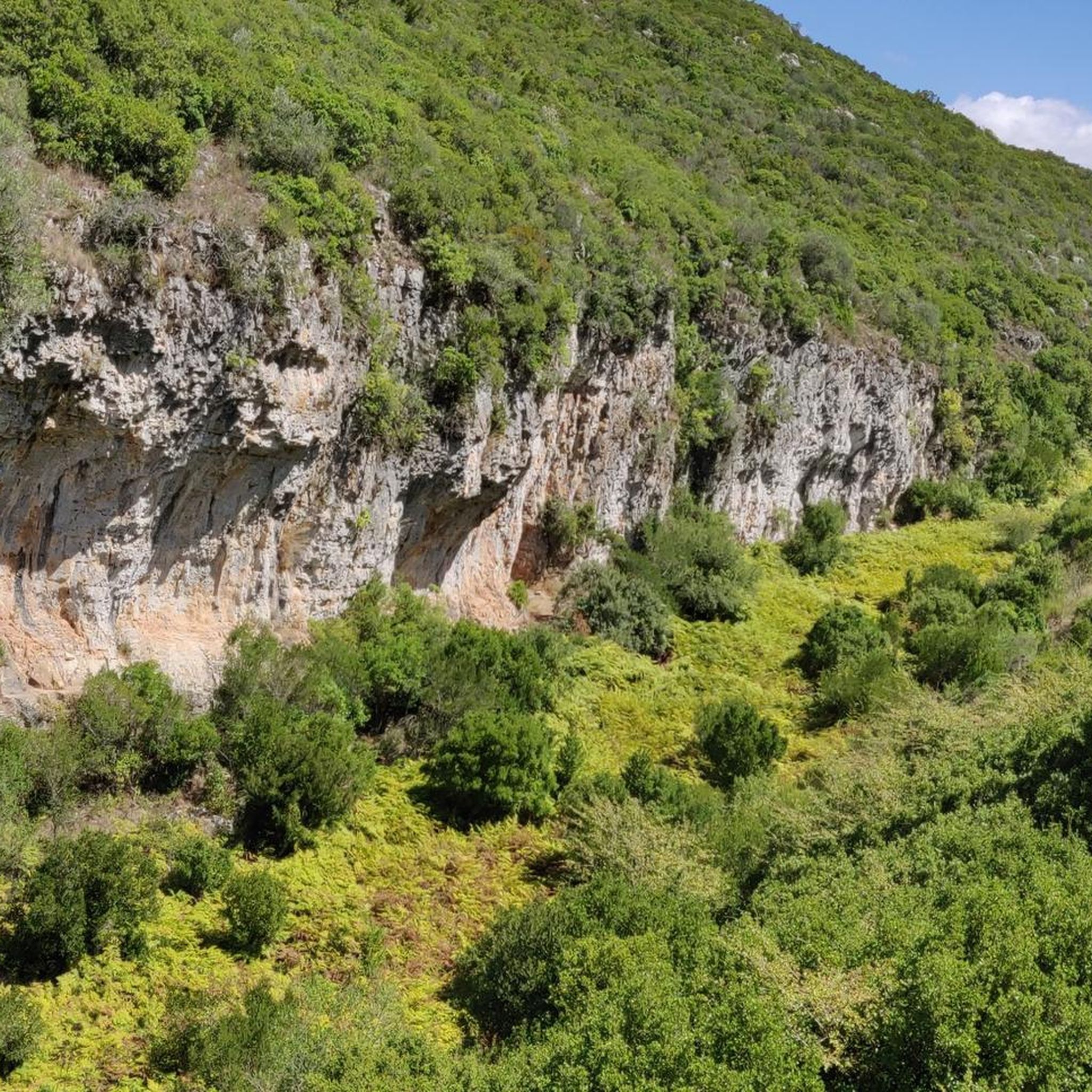
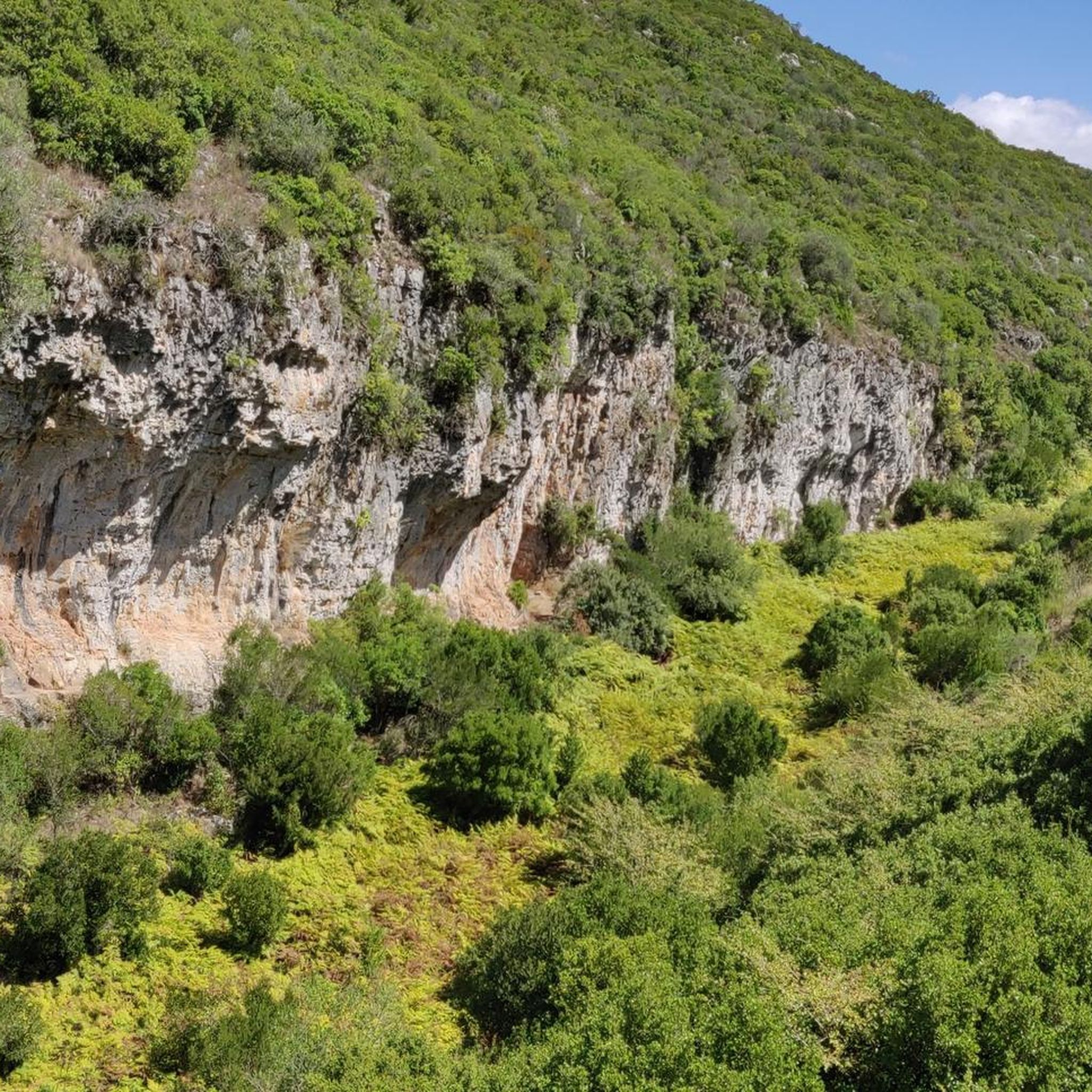
Penela Castle is a medieval fortress with an irregular plan and winding outline, stretching from north to south taking advantage of the natural cliff, so that the walls vary in height between 7 and 19 metres. It was part of the Mondego defensive line during the Christian Reconquista.
1
0

Santiago da Guarda offers an interesting monumental complex that includes a medieval tower from the 15th century (which has an older matrix); a late Roman villa (dating from the 4th-5th century), discovered in 2002, with a magnificent collection of Roman mosaics; and finally the Paço dos Vasconcelos, or Palace of the Counts of Castelo Melhor, a 16th-century stately home built around the tower.
0
0
Santiago da Guarda offers an interesting monumental complex that includes a medieval tower from the 15th century (which has an older matrix); a late Roman villa (dating from the 4th-5th century), discovered in 2002, with a magnificent collection of Roman mosaics; and finally the Paço dos Vasconcelos, or Palace of the Counts of Castelo Melhor, a 16th-century stately home built around the tower.
1
0

beautiful castle, the foundation of which is carved into the rocks
4
1
Frequently Asked Questions
What historical periods are represented by the castles around Santiago Da Guarda?
The castles and monumental complexes in this region showcase a rich layering of history. For example, the Santiago da Guarda complex itself features a late Roman villa with mosaics (4th-5th century), a 14th-century medieval tower, and a 16th-century Manueline palace. Other sites like Pombal Castle and Penela Castle are medieval fortresses, often built on earlier Roman or Arab foundations, reflecting the Christian Reconquest era.
Are the castles around Santiago Da Guarda family-friendly?
Yes, several castles and sites are suitable for families. The Santiago da Guarda monumental complex is listed as family-friendly, offering a journey through Roman, medieval, and Manueline history. Penela Castle is also considered family-friendly, with its imposing walls and towers to explore. Additionally, the Swing with View of Castelo de Germanelo offers a fun, family-friendly viewpoint.
What natural features can I expect to see around the castles?
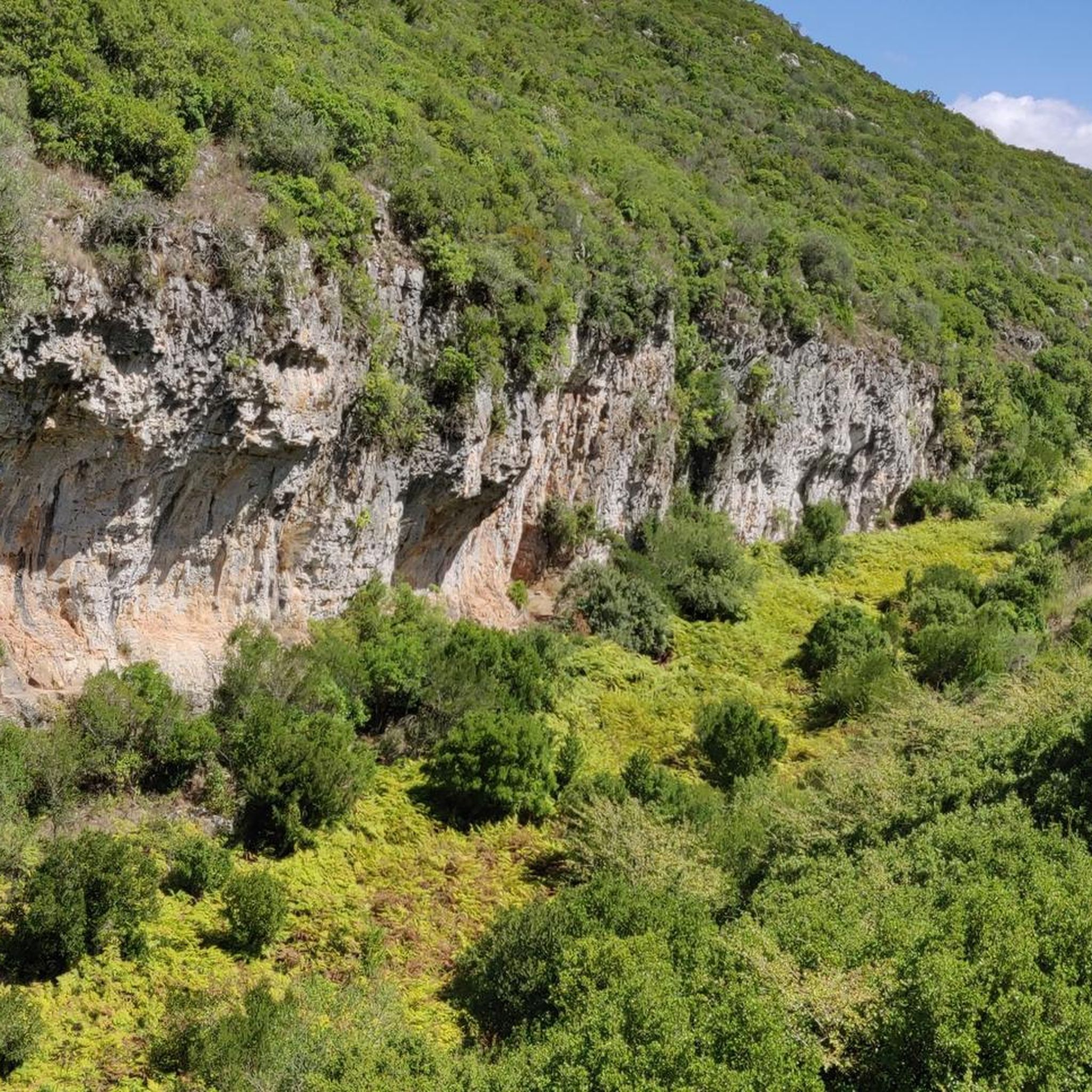
The castles are set within the beautiful landscape of the Sicó Mountain, characterized by extensive oak forests and limestone formations. The Santiago da Guarda complex, for instance, is embraced by this stunning natural environment, offering a connection to nature alongside historical exploration. You'll find scenic views and opportunities to appreciate the region's flora.
What outdoor activities can I do near the castles around Santiago Da Guarda?
The region offers various outdoor activities. You can find numerous MTB trails, running routes, and road cycling routes. For mountain biking, explore options like the 'Palanque dos Duques loop from Abiul' or 'Ansião – Sheep Hill loop from Ansião' from the MTB Trails around Santiago Da Guarda guide. Runners can try routes such as 'Santiago da Guarda – Outeiro Windmills loop' from the Running Trails around Santiago Da Guarda guide. Road cyclists have options like the 'Loop tour from Ansião towards Monte da Ovelha' in the Road Cycling Routes around Santiago Da Guarda guide.
What is the best time of year to visit the castles around Santiago Da Guarda?
The region can be enjoyed year-round. However, spring and autumn generally offer milder temperatures, which are ideal for exploring the outdoor castle grounds and engaging in activities like hiking or cycling. Summer can be warm, while winter offers a different, often quieter, experience, though some sites might have reduced hours.
Are there cafes or restaurants near the castles?
While specific cafes directly adjacent to every castle are not listed, the municipality of Ansião, where Santiago da Guarda is located, offers local establishments. It's advisable to check local listings or inquire upon arrival in the nearby towns for dining options.
How can I reach the castles using public transport?
Public transport options to reach the castles, particularly the Monumental Complex of Santiago da Guarda, may be limited. It's recommended to check local bus schedules for Ansião or Santiago da Guarda, or consider driving for more flexibility in visiting multiple sites. Information on specific routes and timings should be verified with local transport providers.
Is parking available at the castles?
For major sites like the Santiago da Guarda complex, Pombal Castle, and Penela Castle, parking is generally available nearby, often within walking distance of the main entrances. Specific parking facilities and fees should be confirmed locally upon arrival.
Do I need permits to visit the castles around Santiago Da Guarda?
Generally, you do not need special permits to visit the castles themselves, beyond standard entry tickets where applicable. The Monumental Complex of Santiago da Guarda is a National Monument, and entry may require a ticket. It's always best to check the official websites of individual sites for current admission requirements and opening hours.
What do visitors enjoy most about the castles in this region?
Visitors appreciate the unique historical layering, especially at the Santiago da Guarda complex, where Roman mosaics, a medieval tower, and a Manueline palace coexist. The architectural diversity, rich mosaics, and the connection to the pilgrimage route to Santiago de Compostela are highlights. The scenic views from fortresses like Pombal Castle and Penela Castle, along with their historical significance, are also highly valued.
Are there any lesser-known historical sites or 'hidden gems' near Santiago Da Guarda?
While the main castles are well-known, the region itself, particularly the municipality of Ansião, is rich in historical heritage. The Santiago da Guarda complex, with its Roman villa and Manueline palace, offers a deep dive into history beyond just a typical castle. Exploring the smaller towns and villages in the Serra de Sicó can reveal local churches, chapels, and traditional architecture that offer a glimpse into the area's past.
What should I wear when visiting the castles, especially in winter?
For castle visits, especially those involving outdoor exploration or walks, comfortable footwear is essential. In winter, temperatures can be cool, so layering with warm clothing, a waterproof jacket, and perhaps a hat and gloves is advisable. The castle grounds can be exposed, and paths might be uneven. During warmer months, lighter clothing, sun protection, and plenty of water are recommended.
Most popular attractions around Santiago Da Guarda

Get inspired with the komoot mobile app


Explore more
Looking for the best castles somewhere else? Discover other guides around Santiago Da Guarda:
