The best MTB trails around Santiago Da Guarda
4.1
(8)
176
riders
11
rides
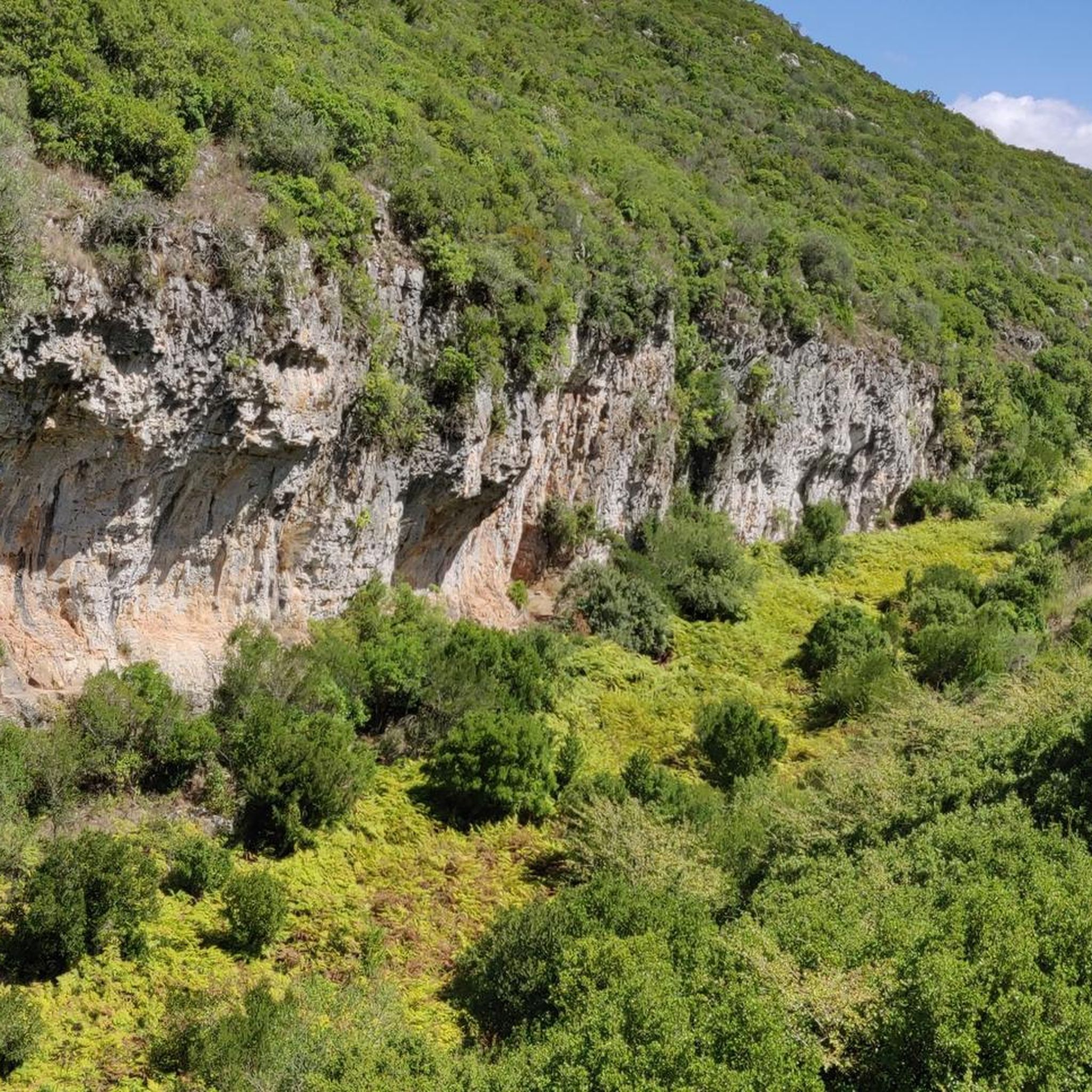
Mountain biking around Santiago Da Guarda offers diverse landscapes for exploration. The region is characterized by the Sicó Mountain, featuring extensive oak forests and distinctive limestone formations. Riders can navigate rolling hills, dense woodlands, and open farmlands, providing varied terrain for mountain bike trails. The area's natural features create a dynamic backdrop for routes of different difficulty levels.
Best mountain bike trails around Santiago Da Guarda
- The most popular mountain bike trail is Palanque dos Duques loop from Abiul,…
Last updated: June 24, 2026
5.0
(2)
31
riders
33.9km
03:06
690m
690m
Moderate mountain bike ride. Good fitness required. Advanced riding skills necessary.
5.0
(1)
12
riders
34.7km
03:26
840m
840m
Moderate mountain bike ride. Good fitness required. Suitable for all skill levels.

Sign up for free
13
riders
107km
09:40
2,010m
2,010m
Hard mountain bike ride. Very good fitness required. Advanced riding skills necessary.
10
riders
31.2km
02:35
440m
440m
Moderate mountain bike ride. Good fitness required. Suitable for all skill levels.
5
riders
Moderate mountain bike ride. Good fitness required. Advanced riding skills necessary.
Get access to more routes and recommendations from other explorers.
Sign up for free
Already have an account?
Our route recommendations are based on thousands of hikes, rides, and runs completed by other people on komoot.
Start today with a free account
Your next adventure awaits.
Login or Signup
Tips from the Community

Ansião is a Portuguese municipality of about 13,000 inhabitants located in the district of Leiria, in the historical region of Centro. This charming village is renowned for its strategic location along the Portuguese Way of Santiago de Compostela and for being immersed in the natural landscape of the Sicó limestone massif.
1
0

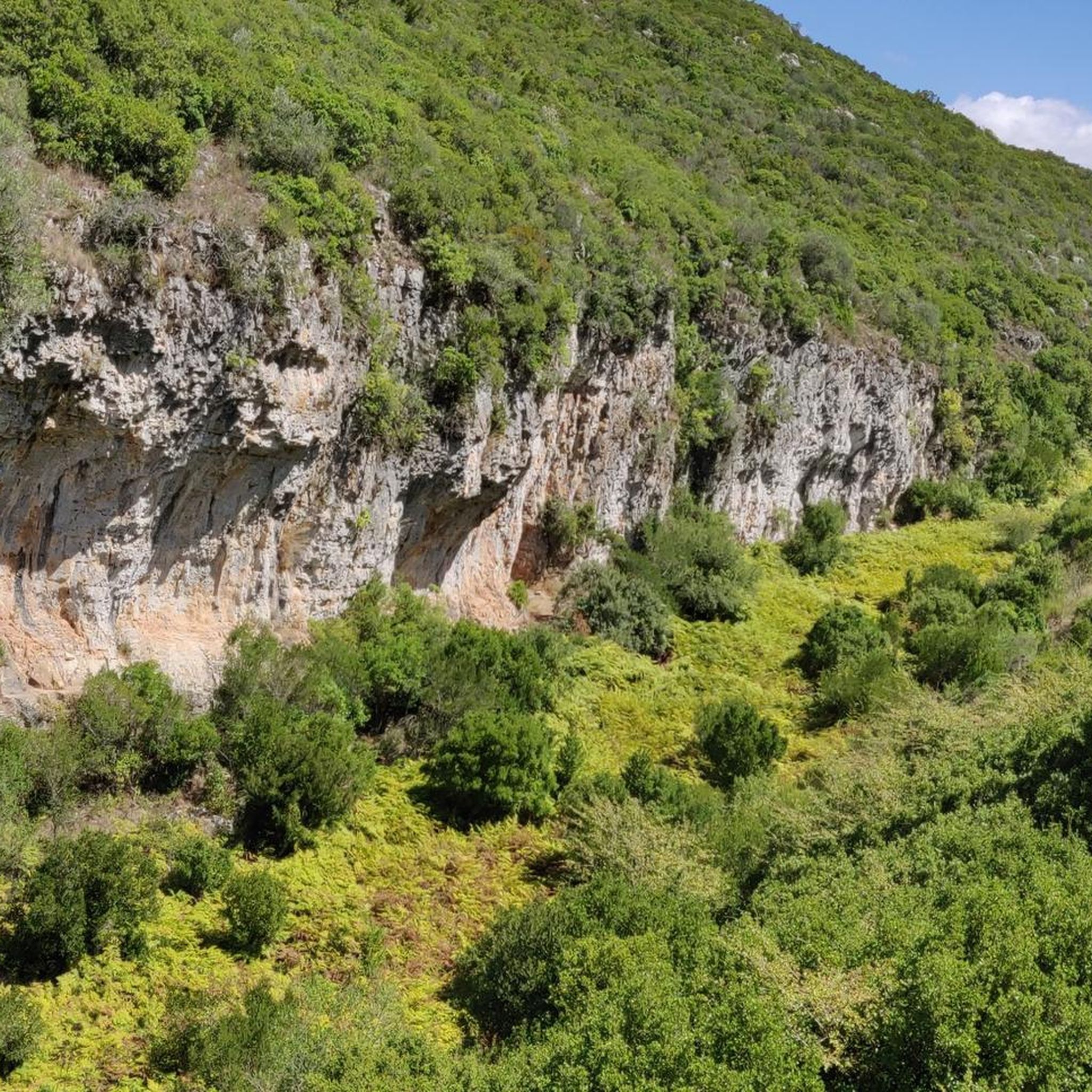
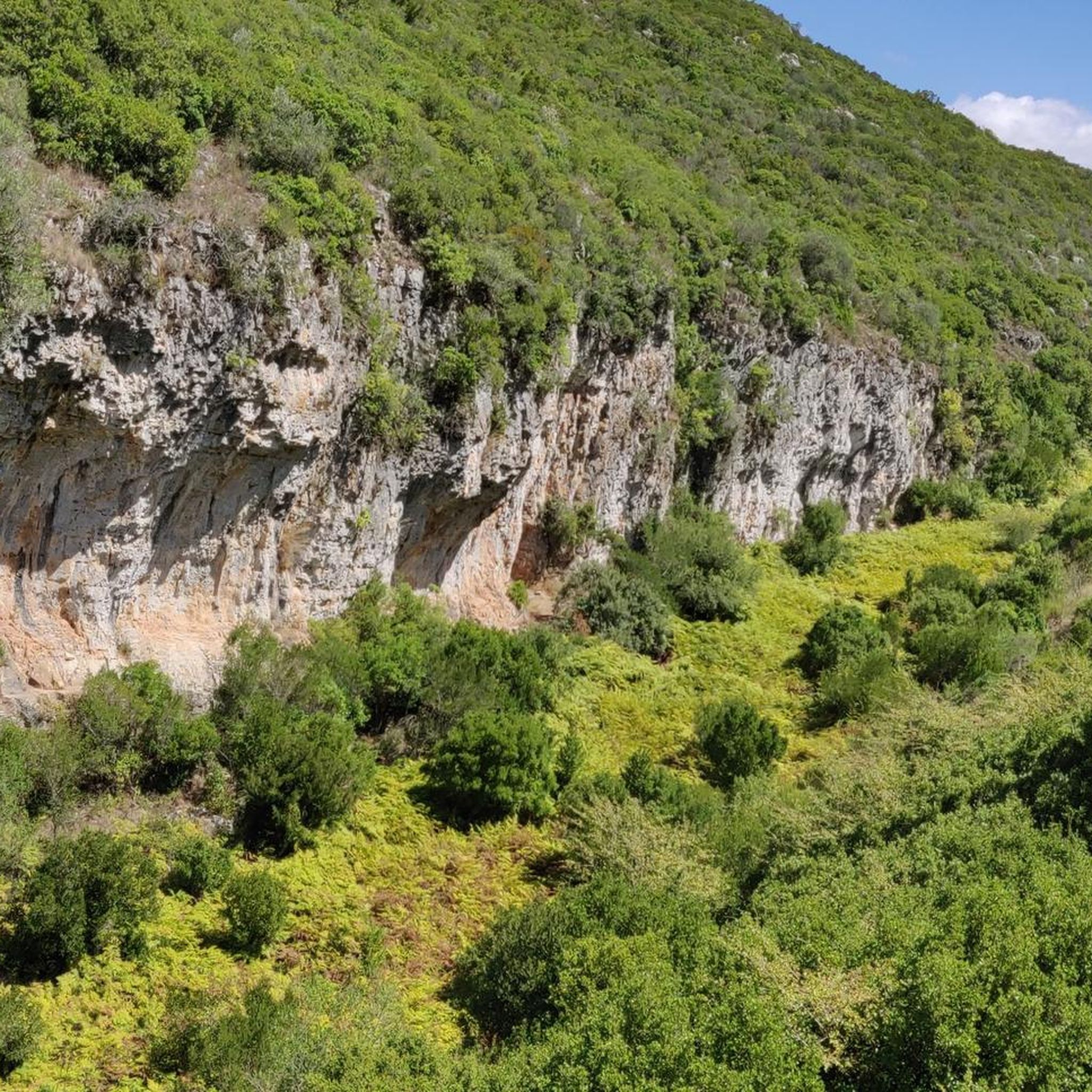
Known as Serra da Portela or Serra do Anjo da Guarda, this is a natural viewpoint overlooking the Pousaflores Valley, where the landscape is filled with life and aromas. Wild orchids, rupicolous plants, "cucas" (a type of gourd), wormwood, and the fresh scent of thyme, which wafts away with every step, flourish among the limestone rocks. Here, atop Monte da Ovelha, human presence has left its mark: traditional windmills, a small chapel dedicated to the Guardian Angel, the Stations of the Cross for Good Friday, and initiatives celebrating bread and cornbread. It's also a place made for lingering: sitting at a table, lighting a grill, or simply gazing out.
1
0
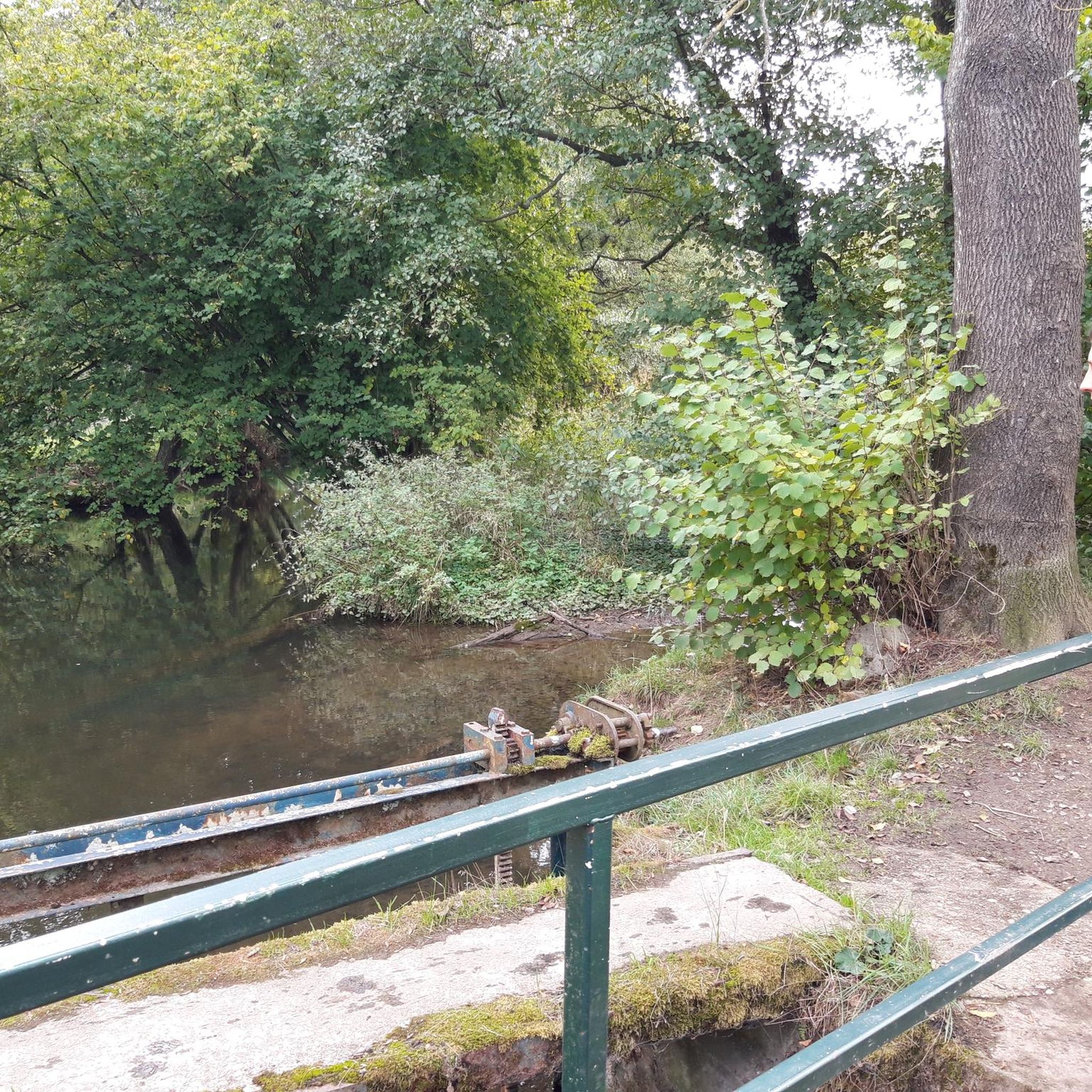
At the entrance to Ansião, the Ponte da Cal bridge crosses the serene Nabão River. Built in the 17th century, it formed part of the old road axis between Coimbra and Lisbon and reveals, beneath its two perfect arches, curious marks sculpted by time. Popular memory links it to the passage of Queen Saint Isabel, inspiration for the old bathing tanks next to the bridge (one for women, the other for men). Legend says that the waters became miraculous after the queen refreshed herself here, giving rise to the famous "holy baths". The small chapel was built to mark this devotion.
1
1
The Santiago da Guarda Monumental Complex is an unmissable stop, where history unfolds in layers. Classified as a National Monument, it stands out for its Manueline elegance, its 14th-century manor tower, and the impressive Roman mosaics that reveal an ancient villa from the 4th and 5th centuries. The old road between Tomar and Coimbra passed through here, later used by pilgrims on their way to Santiago. Surrounded by the limestone landscape and oak groves of the Serra de Sicó, the place invites you to slow down and take a deep breath. Take the opportunity to chat with the hospitable people.
1
0
Conímbriga, an ancient city of Lusitania, is the most impressive Roman complex in Portugal, a place where history still breathes among its baths, forum, amphitheater, and uniquely delicate mosaics, such as those in the famous House of Fountains. Although only a small part has been excavated, the grandeur the city held throughout its almost six centuries under Roman rule is evident. The second wall, hastily erected with stone taken from entire buildings, reveals a time of threat and decline, a prelude to the abandonment that followed the Suebian invasions. Today, among fallen columns and pavements that still gleam in the sun, Conímbriga continues to intrigue and amaze, preserving in its ruins the stories that time has almost erased.
2
0
The Chapel of Our Lady of the Star is sheltered by an impressive grotto, which rises like a stone mantle over the temple. Once a simple cavity, it grew until it took on its current form. Inside, a staircase leads to the deepest grotto. And, at the top, a small viewpoint guards the image of Our Lady of the Star facing the sea, recalling the legend that says she guided a fisherman back home.
2
0
The Sicó Landmark, standing at an altitude of 553 meters, emerges amidst an almost lunar landscape, where the karst fields carve the ground into unexpected shapes. Up there, the views stretch endlessly, and the atmosphere invites you to linger a little longer. And to liven up the arrival at the summit, there's a panoramic swing and a photogenic sign that make the moment a little more special.
1
1

✨ Landscapes of rare natural beauty; 🏞️ Lapiaz, dolines and unique rock formations in Portugal; 🌿 Buracas do Casmilo and Bosque do Vale dos Covões are the highlights; 📸 Ideal for photography, geological observation and contemplation; 🍂 Perfect for autumn, with the valley painted in golden tones.
2
0
Frequently Asked Questions
What are the typical terrain and difficulty levels for mountain biking around Santiago da Guarda?
The terrain around Santiago da Guarda is diverse, featuring rolling hills, dense woodlands, and open farmlands. You'll encounter extensive oak forests and distinctive limestone landscapes, particularly in the Sicó Mountain area. The trails offer a mix of technical challenges and scenic beauty, with routes progressing along forest and rural paths. Most of the routes are classified as moderate, with some offering difficult sections. There are no easy routes listed in the immediate area.
What natural features and landmarks can I expect to see while mountain biking in Santiago da Guarda?
Mountain biking in Santiago da Guarda offers a rich blend of natural beauty and historical sites. You'll ride through the stunning Sicó Mountain, characterized by vast oak forests and unique limestone formations. The area also features picturesque riverside areas near the River Nabão. Notable landmarks include the Monumental Complex of Santiago da Guarda, which houses a 14th-century tower and a Roman villa with mosaics. You might also encounter the ancient Roman road and the 17th-century Ponte da Cal bridge.
Are there challenging mountain bike trails in the Santiago da Guarda area?
Yes, for experienced riders seeking a challenge, there are difficult mountain bike trails available. One such route is the Nossa Senhora da Estrela – Soure Swing loop from Ansião, which covers over 100 km with significant elevation gain, offering a demanding experience through varied landscapes.
Are there family-friendly mountain bike routes near Santiago da Guarda?
While the immediate area around Santiago da Guarda primarily features moderate and difficult mountain bike trails, the broader network of the Sicó Outdoor Center and Ansião Cyclin' Centre may offer options suitable for families. It's recommended to check individual route descriptions for specific details on technical difficulty and length to ensure they align with your family's skill level.
Are mountain bike trails around Santiago da Guarda dog-friendly?
Many trails in natural areas like Santiago da Guarda are generally dog-friendly, especially if dogs are kept on a leash and owners practice responsible pet etiquette, such as cleaning up after them. However, specific regulations can vary, particularly in protected areas or private lands. It's always best to check local signage or specific trail guidelines before heading out with your dog.
Is parking available at the trailheads in Santiago da Guarda?
Yes, the region is well-equipped for cyclists, with dedicated cycling infrastructure. The "Centro de Trail Running de Ansião" features trails that start and end in Santiago da Guarda, implying accessible starting points. Parking facilities are generally available at key access points and villages within the Ansião municipality, which encompasses Santiago da Guarda, making it convenient to access the trails.
What is the best time of year to go mountain biking in Santiago da Guarda?
The spring and autumn months are generally ideal for mountain biking in Santiago da Guarda. During these seasons, the weather is typically mild and pleasant, with less extreme heat than summer and fewer rainy days than winter. Spring also brings blooming rare flower species, adding to the scenic beauty of the trails. Always check the local weather forecast before your ride.
What do other mountain bikers enjoy the most about mountain biking in Santiago da Guarda?
The mountain biking routes in Santiago da Guarda are highly rated by the komoot community, with an average score of 4.1 stars. Riders often praise the diverse landscapes, which include extensive oak forests and unique limestone formations of the Sicó Mountain. The varied terrain, from rolling hills to dense woodlands, and the integration with historical sites like ancient Roman roads, also contribute to a highly enjoyable experience.
Are there any circular mountain bike routes in Santiago da Guarda?
Yes, the region offers several circular mountain bike routes. For example, the P14 Blue trail, part of the "Centro de Trail Running de Ansião," is a moderate 14.8 km circular trail. Another popular option is the Palanque dos Duques loop from Abiul, a 33.9 km moderate route that winds through varied terrain including hills and forests.
How many mountain bike trails are available around Santiago da Guarda?
There are over 10 mountain bike trails available for exploration around Santiago da Guarda. These routes cater to various skill levels, predominantly moderate and difficult, offering diverse landscapes and experiences for mountain biking enthusiasts.
Can I find places to eat or stay near the mountain bike trails in Santiago da Guarda?
Santiago da Guarda and the surrounding municipality of Ansião offer various local amenities. You can find cafes and restaurants in the villages and towns, providing opportunities to refuel after your ride. Accommodation options, ranging from guesthouses to rural tourism facilities, are also available in the area for those looking to extend their stay and explore more of the region's trails.
What kind of historical sites can I explore while mountain biking in the region?
The region is rich in history. You can explore the Monumental Complex of Santiago da Guarda, which includes a 14th-century tower and a 4th-5th century Roman villa with impressive mosaics. The ancient Roman road connecting Tomar to Coimbra, once a pilgrimage route, also passes through the area. Additionally, the 17th-century Ponte da Cal over the River Nabão is another historical landmark you might encounter.
Most popular attractions around Santiago Da Guarda

Get inspired with the komoot mobile app


Explore more
Browse the best MTB trails in other regions.
