Top 10 Castles around gmina Malbork
Best castles around gmina Malbork are centered around the historic Castle of the Teutonic Order, a UNESCO World Heritage Site. This region in Poland is characterized by its significant historical architecture, particularly the monumental brick Gothic fortress of Malbork Castle, which stands as the largest castle in the world by land area. The area offers a unique blend of medieval history and impressive architectural scale, situated along the Nogat River. Visitors can explore a landscape rich in cultural significance, showcasing…
Last updated: July 2, 2026
Malbork Castle
Highlight • Castle
Showing Translation
Tip by

Wooden Footbridge to Malbork Castle
Highlight (Segment) • Bridge
Translated by Google •
Tip by

Sign up now to discover places like this
Get recommendations on the best single tracks, peaks, & plenty of other exciting outdoor places.
Sign up for free
Grand Master's Palace, Malbork Castle
Highlight • Castle
Translated by Google •
Tip by

Outer wall of Malbork Castle
Highlight • Castle
Translated by Google •
Tip by

Statue of the Madonna
Highlight • Monument
Showing Translation
Tip by

Sign up for free to discover even more castles around gmina Malbork.
Sign up for free
Already have an account?
Start today with a free account
Your next adventure awaits.
Login or Signup

Other adventures around gmina Malbork

Tips from the Community

The monumental, eight-meter-high statue of the Madonna with Child was the largest medieval sculpture in Europe. The figure of Mary was created in 1340, when the Franciscan chapel was expanded and the Church of St. Mary was built in its place. The figure was molded from plaster and originally decorated with polychromy and gilded. 40 years later, it received a golden and colorful glass mosaic. The Madonna was a symbol of the castle and the city for more than 600 years, until 1945, which proved tragic for the castle and the city of Marienburg (Polish: Malbork). The war caused the tower and the church to fall. The figure of Mary was buried under the rubble. In the 1960s, the church was rebuilt, but without the sculpture of the Madonna. We had to wait a whole 71 years to be able to admire the magnificence of the Madonna in all her glory again. The reconstruction of the statue of the Madonna with Child is largely thanks to the Mater Dei Foundation, which was founded in May 2007 on the initiative of the Marienburg Tour Guide Association. The reconstruction of the figure was made possible within the framework of the project "Restoration and reconstruction of the Church of St. Mary in the Marienburg Castle Museum". https://de.visitmalbork.pl/954,Marienfigur.html
2
0
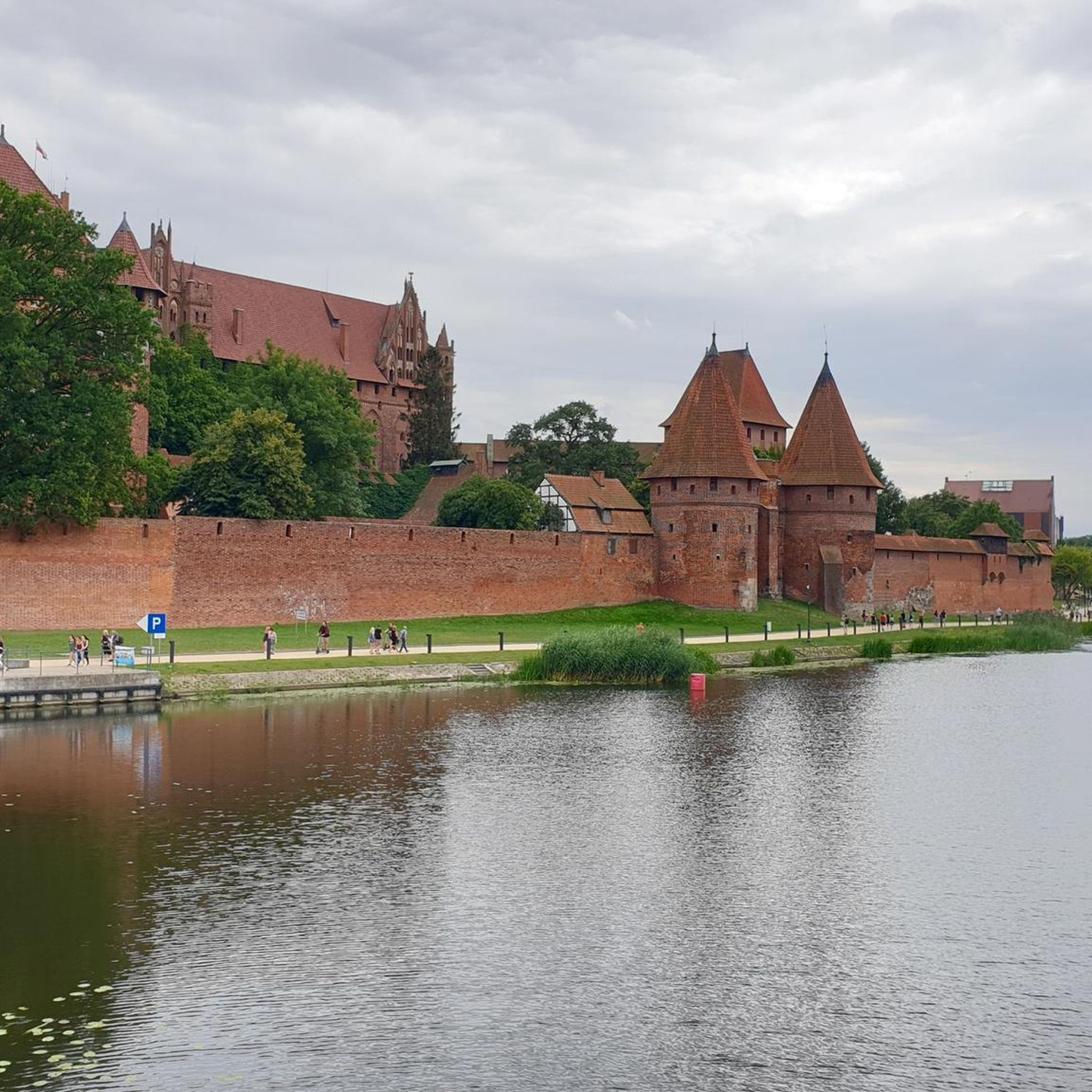
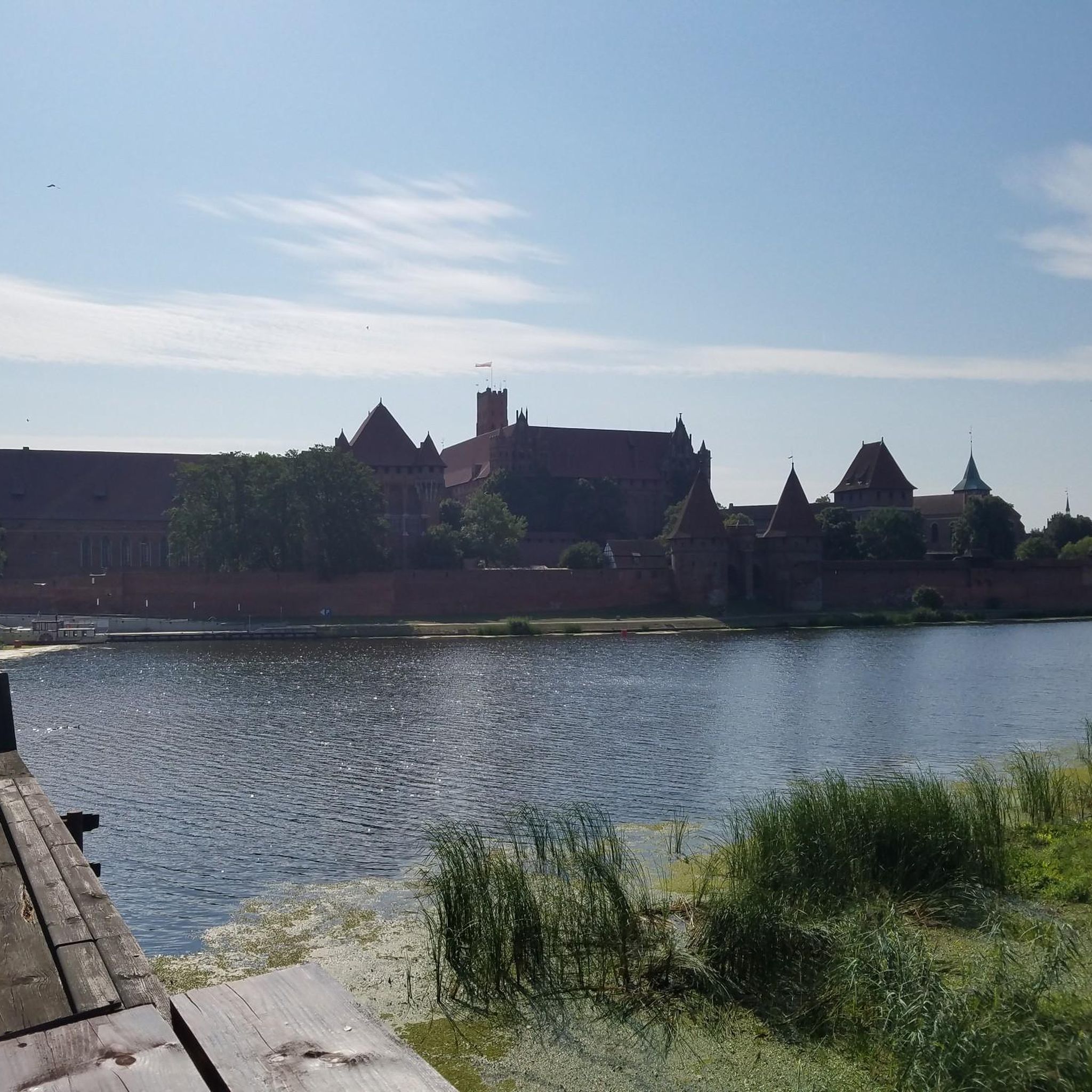
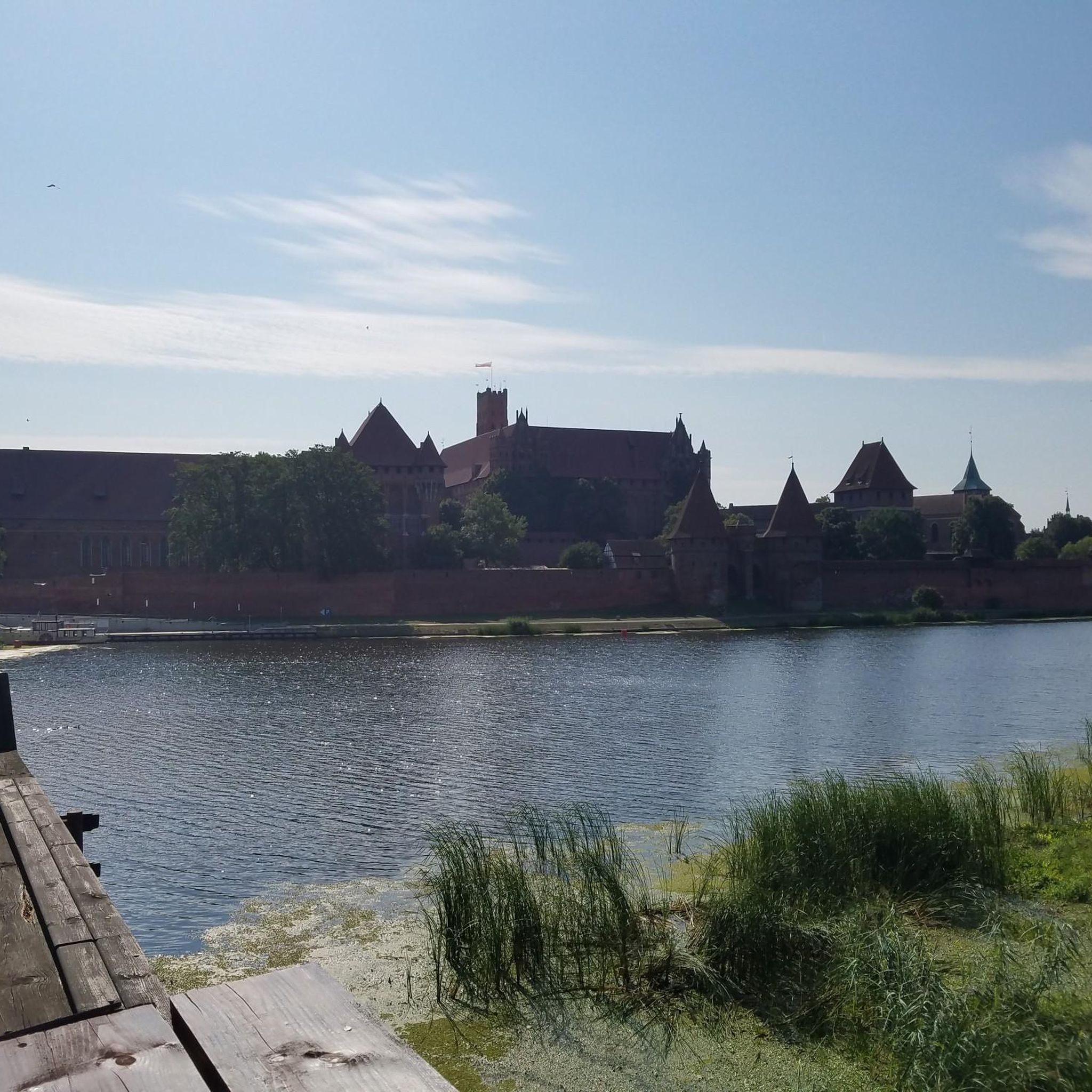
The St. Adalbert Bridge (Most im. św. Wojciecha) spans the Nogat River and leads you with the very best panoramic views of Marienburg Castle to the largest brick castle in the world. It connects the modern promenade (Bulwar im. Macieja Kilarskiego) on the city side directly with the castle grounds.
2
0

Super great castle
3
0

It was a place for representation, administration, and the private residence of a medieval prince, equipped with the highest living comforts of its time. This included central warm-air heating, water supply, and hidden servants' corridors.
1
0
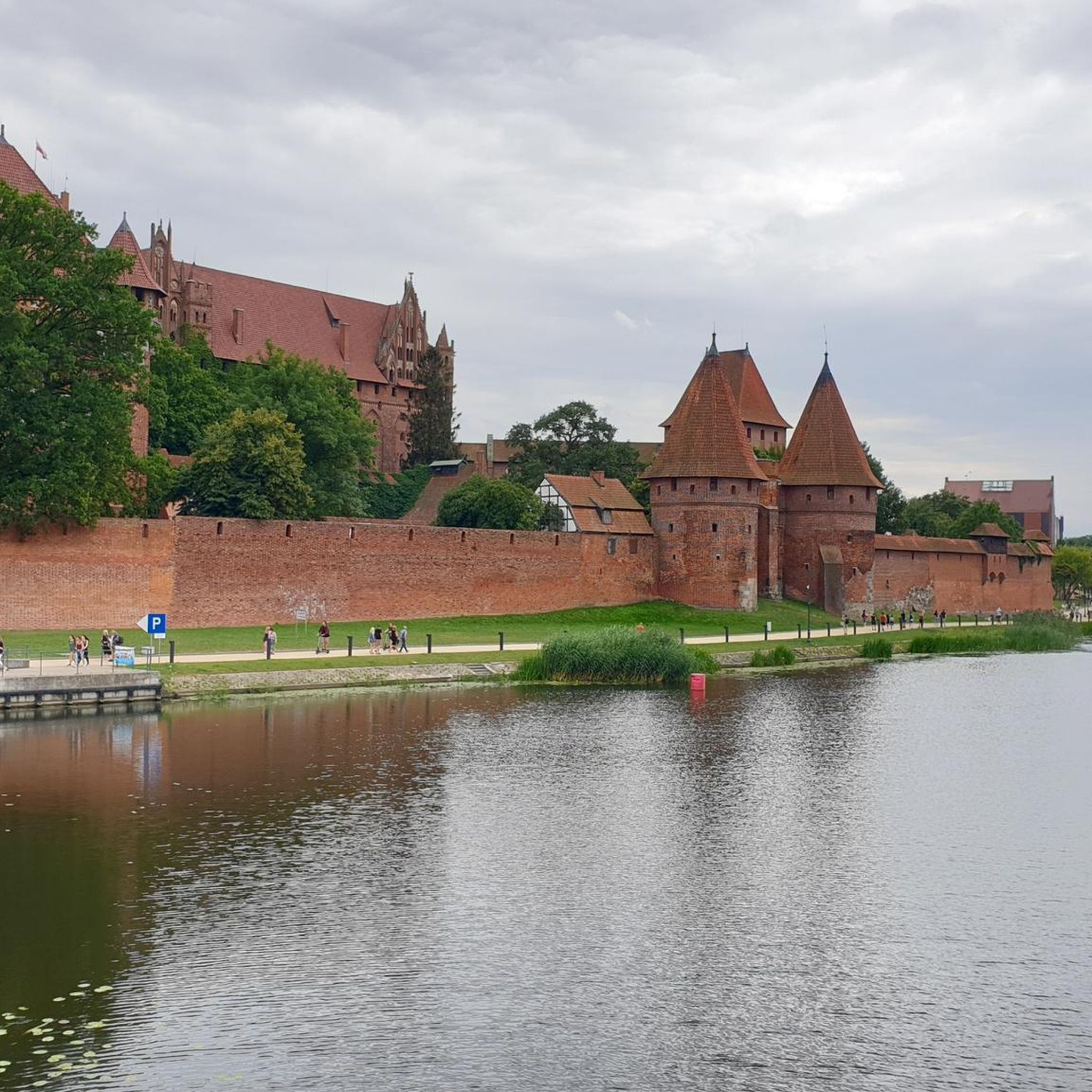
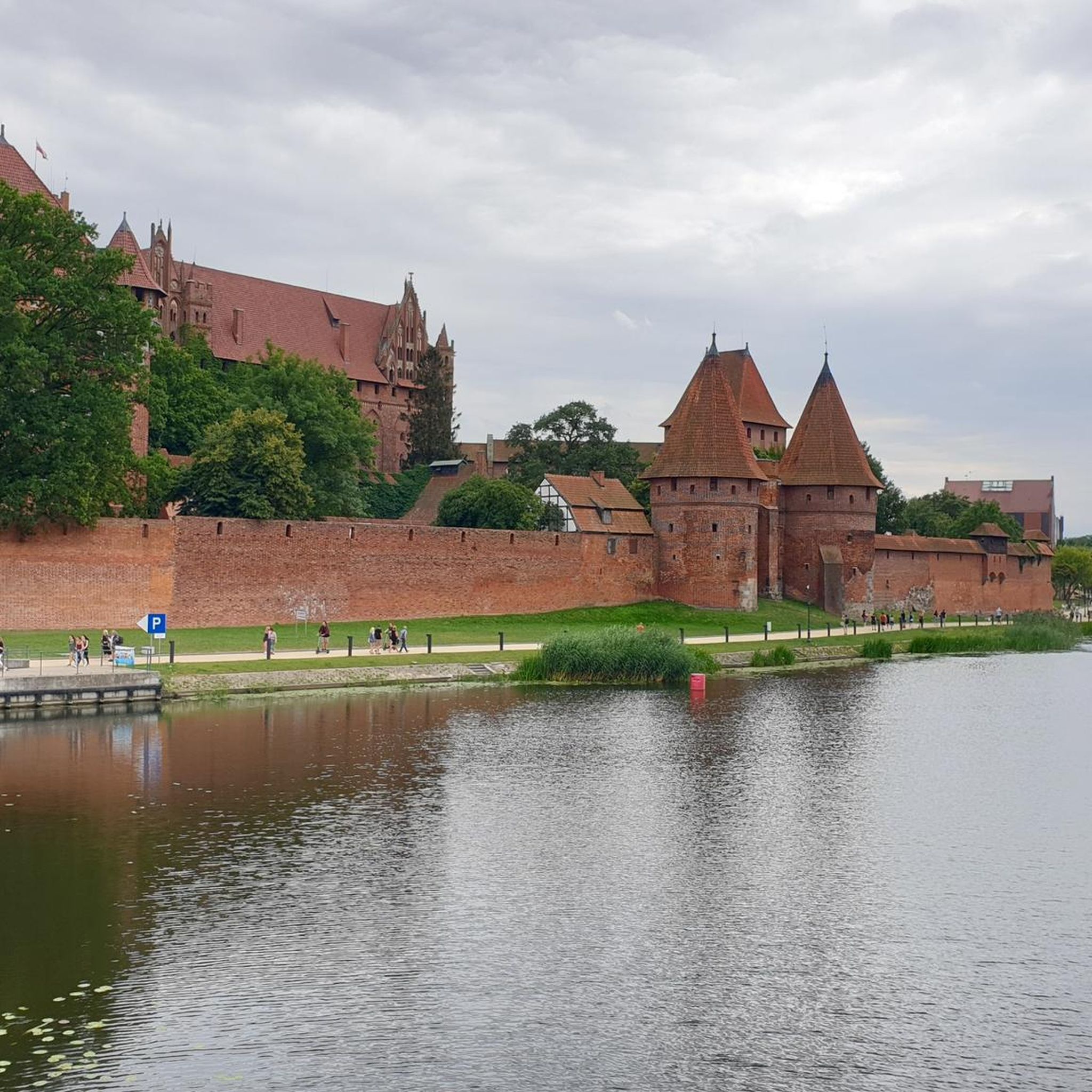
The outer wall of Marienburg Castle is an important part of the Teutonic Castle in Malbork, which is largely made of brick and is considered the largest brick building in the world. Marienburg was the power center of the Teutonic state and remains an impressive example of medieval military technology and brick architecture to this day.
3
0

Stop to enjoy the view. Then nice snacks and drinks are provided at a small market after the bridge.
1
0
Frequently Asked Questions
What is the historical significance of Malbork Castle?
Malbork Castle, also known as Marienburg, is a monumental brick Gothic fortress built by the Teutonic Order in the 13th century. It served as the seat of the Grand Master and the capital of the Teutonic Order state for over 150 years. Recognized as a UNESCO World Heritage Site, it stands as the largest castle in the world by land area and is a tangible testament to medieval European history and the power of the Teutonic Order.
What makes Malbork Castle unique architecturally?
Malbork Castle is the most complete and elaborate example of a Gothic brick-built castle complex. Its unique tripartite layout includes the High Castle, Middle Castle, and Lower Castle, each separated by moats and defensive walls. Notable features include the conventual chapel, the Grand Masters' Palace, the Great Refectory with under-floor heating, and distinctive 'Dansker' latrine towers, all constructed with an estimated 15 million bricks.
Are there other notable castles near Gmina Malbork besides Malbork Castle?
Yes, while Malbork Castle is the primary attraction within Gmina Malbork, two other significant castles historically tied to the Teutonic Order are nearby: Sztum Castle and Kwidzyn Castle. Sztum Castle, located a short distance away, served as a summer residence for Grand Masters. Kwidzyn Castle, about 40 kilometers from Malbork, features a unique defensive and sacral complex with an adjoining cathedral and a monumental 'Dansker' tower.
What can I expect to see inside Malbork Castle?
Inside Malbork Castle, you can explore a labyrinth of rooms, turrets, and halls across its three main sections. Highlights include the Grand Master's Palace, the Great Refectory, and the Church of the Virgin Mary. The castle also houses the Malbork Castle Museum, which features extensive collections of amber, medieval weaponry, armor, and religious artifacts, offering deep insights into the region's history.
What are the best viewpoints for Malbork Castle?
For the best panoramic views of Malbork Castle, head to the west bank of the Nogat River. You can also get excellent views from the castle tower itself. The path Along the castle and the Nogat River offers a newly designed shore path for scenic perspectives.
What is the best time of year to visit the castles in the Malbork area?
The castles in the Malbork area, particularly Malbork Castle, can be visited year-round on snow-free days. However, the warmer months from spring to early autumn generally offer more pleasant weather for exploring the extensive grounds and enjoying outdoor activities. Summer often features historical reenactments and festivals, especially at Sztum Castle.
Are the castles in Gmina Malbork family-friendly?
Yes, Malbork Castle and its surrounding areas are considered family-friendly. The sheer scale and historical context can be captivating for children, and the museum offers engaging exhibitions. Nearby Sztum Castle also hosts annual Knights' Festivals and historical reenactments, which are popular with families.
What outdoor activities can I do near Malbork Castle?
The area around Malbork Castle offers various outdoor activities. You can enjoy running on trails like the Nogat Riverside Park loop or explore the region by road cycling or touring bicycle. There are several cycling routes, including those that offer views of the castle, such as the Malbork Castle – View of Malbork Castle loop.
Are there hiking trails near these castles?
While the primary focus is on the castles, the surrounding area provides opportunities for walks and runs. For dedicated hiking, you might consider routes that follow the Nogat River, offering scenic views of Malbork Castle. You can find various running and cycling routes that double as pleasant walking paths in the area, such as those listed in the Running Trails around gmina Malbork guide.
What do visitors enjoy most about the castles in Gmina Malbork?
Visitors are consistently impressed by the sheer scale and architectural grandeur of Malbork Castle, often describing it as 'impressive' and an 'architectural marvel.' The historical significance as the seat of the Teutonic Knights and its status as the largest brick building in Europe also leave a lasting impression. Many appreciate the meticulous restoration efforts and the immersive experience provided by the museum and tours.
Is Malbork Castle accessible for visitors with mobility issues?
Malbork Castle, as a large historical site, has made efforts towards accessibility. While some areas within the extensive complex may present challenges due to its medieval construction, certain parts are accessible. It's advisable to check the official Malbork Castle Museum website for the most current information on accessibility features and routes for visitors with mobility issues.
Are there dining options near Malbork Castle?
Yes, there are restaurants and cafes available both within the Malbork Castle complex and in the town of Malbork itself. These establishments offer a range of options, from quick snacks to more substantial meals, catering to visitors exploring the castle and its surroundings.
Most popular routes around gmina Malbork
Most popular attractions around gmina Malbork

Get inspired with the komoot mobile app


Explore more
Looking for the best castles somewhere else? Discover other guides around gmina Malbork:
