Top 6 Castles around gmina Biała
Castles around gmina Biała offer a glimpse into the region's rich history and architectural heritage. This area features a collection of historical sites, ranging from grand palaces to fortified structures. These landmarks are often set within scenic landscapes, providing opportunities for exploration. The region's past is well-preserved in these structures, making them notable points of interest.
Best castles around gmina Biała
- The most popular castles is Moszna Castle, a castle known for its unique architecture and numerous rooms and…
Last updated: July 2, 2026
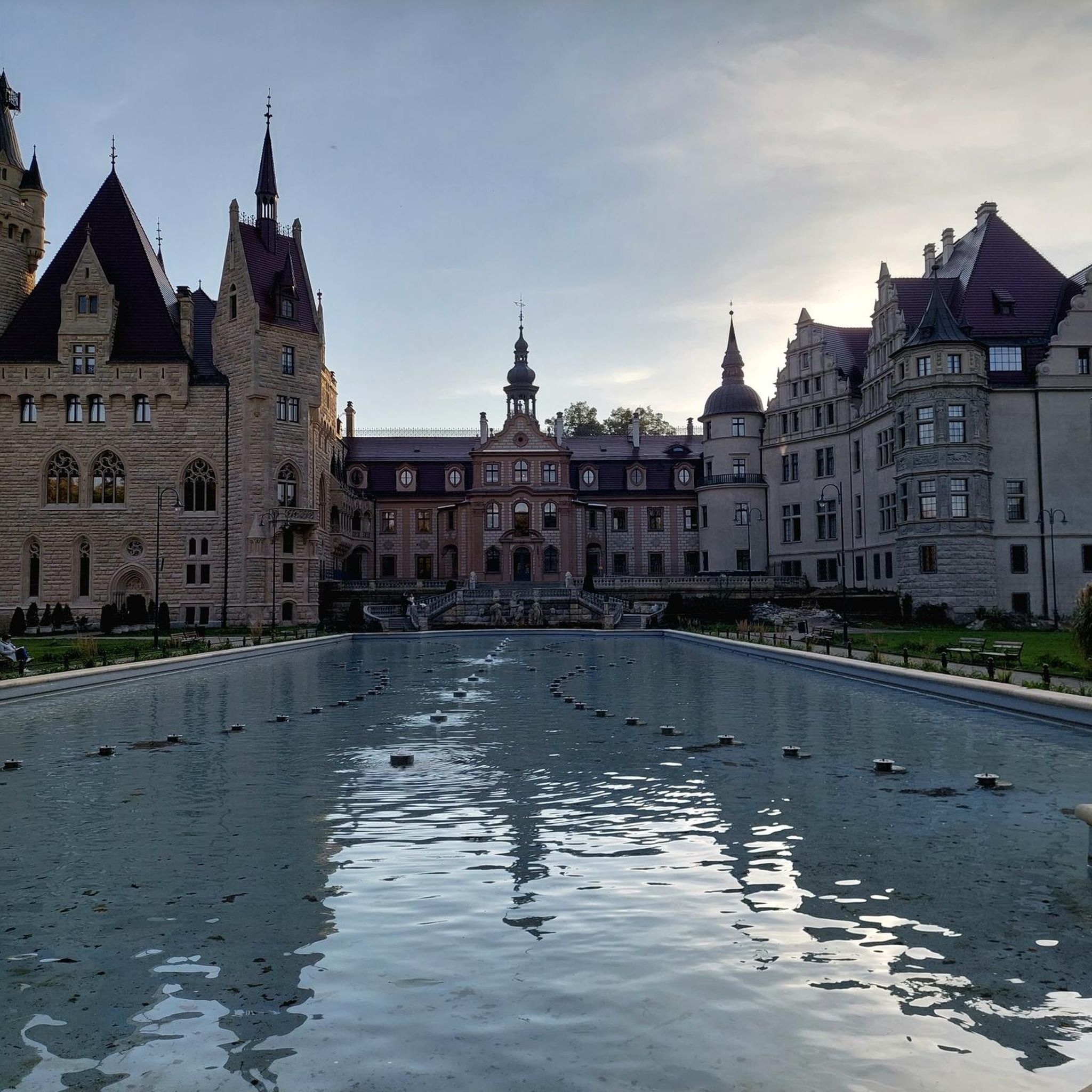
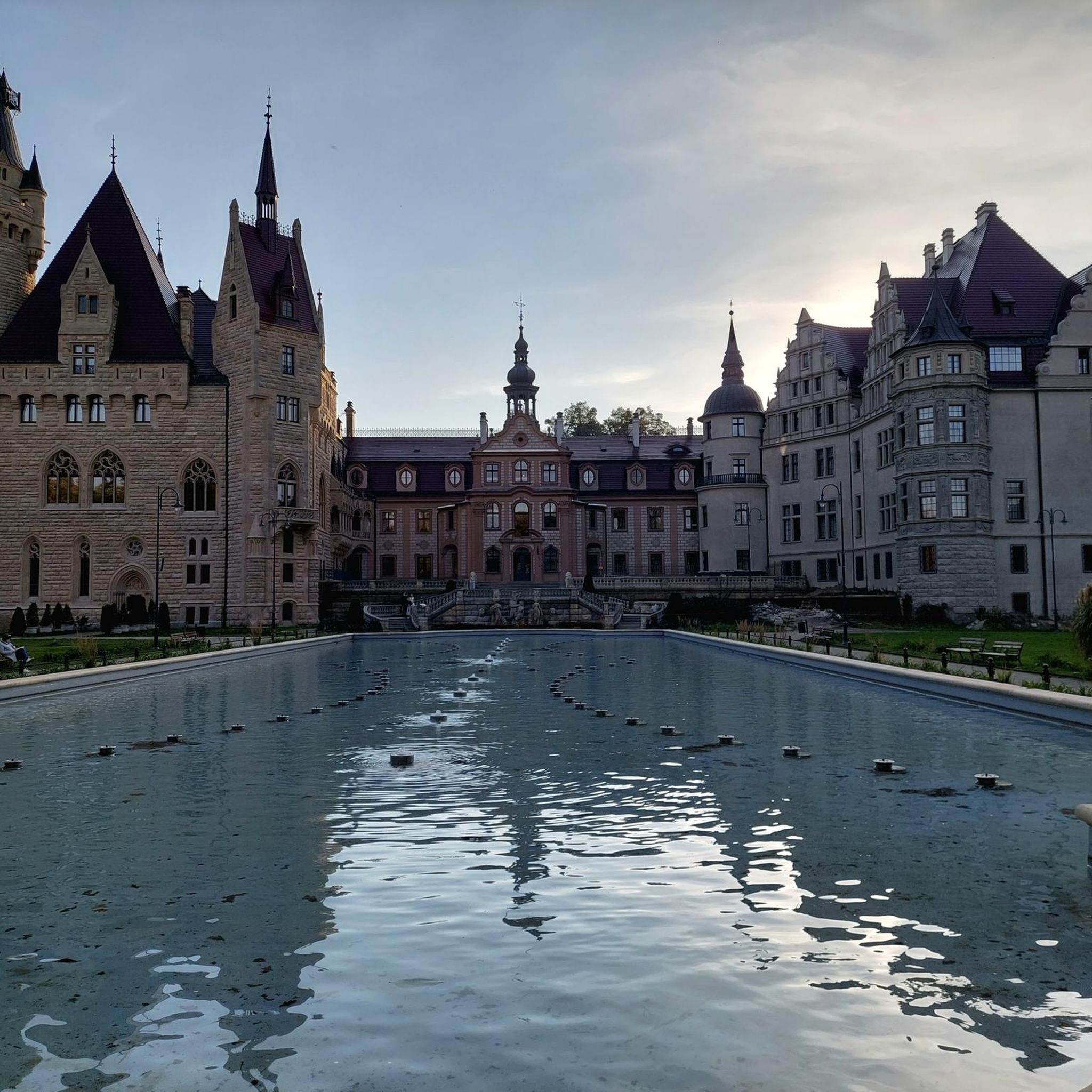
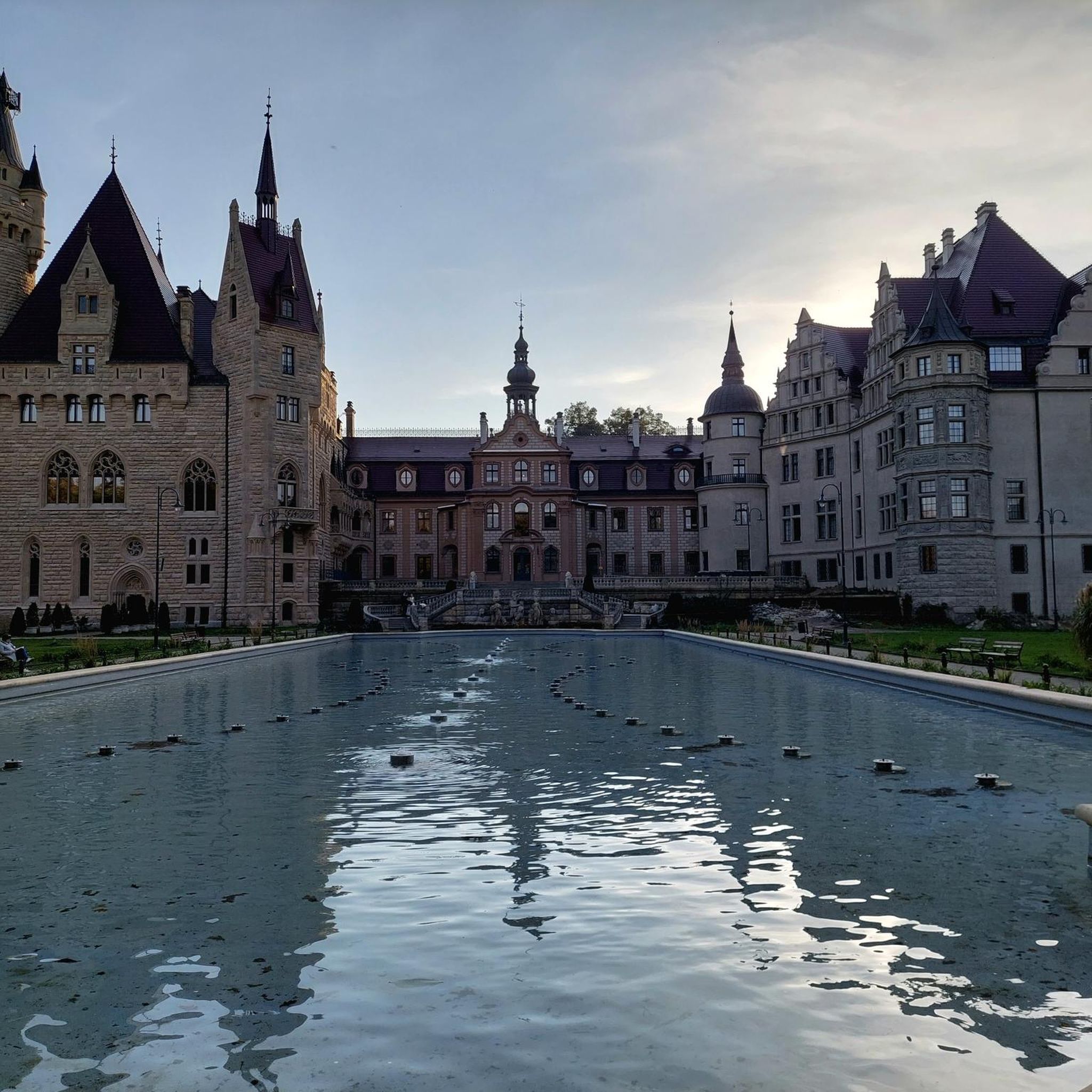
Moszna Castle
Highlight • Castle
Translated by Google •
Tip by

Tułowice Palace
Highlight • Castle
Translated by Google •
Tip by

Sign up now to discover places like this
Get recommendations on the best single tracks, peaks, & plenty of other exciting outdoor places.
Sign up for free
Rogów Opolski Castle
Highlight • Castle
Translated by Google •
Tip by

Prószków Castle
Highlight • Castle
Translated by Google •
Tip by
Zamek Castle Głogówek
Highlight • Castle
Translated by Google •
Tip by
Sign up for free to discover even more castles around gmina Biała.
Sign up for free
Already have an account?
Start today with a free account
Your next adventure awaits.
Login or Signup

Tips from the Community

Beautiful rhododendrons blooming in May. Lots of people on weekends.
0
0

The Praschma family palace in Tułowice is a neo-Baroque residence from the late 19th century, surrounded by a vast park with interesting old trees. Although it currently serves as a school and is not open to the public inside, it is worth stopping for a moment to see its elegant façade and relax in the peaceful surroundings. An asphalt road leads to the palace, making it easily accessible to road cyclists. It is a good place for a short stop on the route through the Tułowice area.
1
0

A well in the square next to the castle, on the main road.
1
0

The castle was built in 1563 by Italian architects.
1
0

You can enter the courtyard for a moment.
1
0
Once a Renaissance castle of the Rogoyski family. After the death of Stefan Rogoyski in 1612, it became the property of his wife from the Wrbsky (Wierzbiccy) family. The Rogoyski family is exiled in 1741, when Germany (Prussia) takes power. The castle becomes the property of the von Roedern family and later the von Haugwitz family. From 1932, a Hitlerjugend training camp was located here. The facility can be easily visited from the outside. At the back there is a garden with the von Haugwitz family tomb. For those with cars - it is best to leave the car at the nearby church. Cyclists can use the stands at the main entrance. On Monday, the facility is not open to visitors inside, only the park. Cycling is prohibited in the park and dogs are not allowed.
2
0
It is worth setting aside at least half an hour to walk around the palace building and walk along the park alleys. Architectural elements on the building, interesting specimens of flora, and a few other elements that make it worth staying in this place for longer.
1
0

Moschen // Moszna. The name of the village probably comes from the surname Moschin. According to legend, Moszna belonged to the Knights Templar in the Middle Ages. In 1679, Moszna was owned by the von Skall family. In 1723, after the death of the owner Ursula Maria von Skall, Moszna passed into the hands of her cousin, the court marshal of Frederick the Great - Georg Wilhelm von Reisewitz. The castle - the central part of the current castle - dates from this period. In 1771, the von Reisewitz family lost Moszna and the property was purchased at auction by Heinrich Leopold von Seherr-Thoss. In 1853, Karl Gotthard Seherr-Thoss sold Moszna to Heinrich von Erdmannsdorf, who sold it in 1866 to Hubert von Tiele-Winckler from Miechowice. His son Franz Hubert was the originator and builder of the castle, which was built after the partial burnt down of the Baroque castle in 1896. Franz Hubert's grandfather, Franz Winckler, worked as a miner in the mine in Miechowice. After the death of his wife and mine owner, he married his rich widow Maria Aresin. In 1840, the Prussian king granted him the title of nobility. The heiress of the fortune was his daughter Valeska, who married Hubert von Tiele in 1854, who bought Moszna in 1866. After the marriage, they used a combined surname - Tiele-Winckler. Hubert died in 1893, and his estate passed to his eldest son Franz-Hubert according to the majority principle. In 1895, he was ennobled by the title of count awarded to him by Emperor Wilhelm. A year later, after a fire, he rebuilt and expanded his residence. In 1904, and later in 1911 and 1912, the count was visited by the ruler of Germany for hunting, and the west wing was built for him in 1911–1913. Franz Hubert's son Claus-Peter spent part of his ancestors' fortune in the interwar period. When he died childless, he adopted his cousin, whose son was to inherit the estate and the title of count. His family lived in Moszna Castle until the end of the war and fled to Germany to escape the approaching Red Army. After the war, the fate of the castle was different - from 1972 it has been operating as a hospital for the treatment of neuroses. Moszna - According to Franz Hubert's imagination, the castle has 365 rooms and 99 towers, for which it is famous. The unique architecture of the castle attracts crowds of tourists every year.
1
1
Frequently Asked Questions
Are there family-friendly castles to visit around gmina Biała?
Yes, several castles in the gmina Biała area are suitable for families. Moszna Castle is a popular choice, known for its unique architecture and offering guided tours. Tułowice Palace, with its vast park, provides a peaceful setting for a family stroll, though the interior is not publicly accessible. Rogów Opolski Castle also features an interesting park and is considered charming for visitors of all ages.
What is the best time of year to visit the castles in gmina Biała?
The castles around gmina Biała can be visited year-round. For example, Moszna Castle offers sightseeing all year from 10:00 to 17:00. Spring and summer offer pleasant weather for exploring the castle grounds and parks, while autumn brings beautiful foliage. Winter visits can be magical, especially if there's snow, though some outdoor areas might be less accessible.
Can I visit the castles in gmina Biała during winter?
Yes, you can visit some castles in gmina Biała during winter. Moszna Castle, for instance, is open for sightseeing all year round. While the exteriors and parks might be covered in snow, the unique architecture of these historical sites can be particularly striking in winter. Always check specific opening hours before your visit, as some attractions might have reduced hours or closures during the off-season.
Are there any castles around gmina Biała that are not open to the public?
Yes, some historical sites in the area are not fully open for public tours. Tułowice Palace currently serves as a school, so its interior is not accessible, but you can still admire its elegant façade and relax in its park. Similarly, Prószków Castle operates as a social welfare home and is not a sightseeing facility, though you might be able to enter the courtyard briefly. Zamek Castle Głogówek is also under renovation and not open to visitors, with only the renovated facade visible.
What kind of outdoor activities can I do near the castles in gmina Biała?
The area around gmina Biała offers various outdoor activities, often near the castles. You can find numerous routes for gravel biking and easy hikes. For example, there are easy hikes around Moszna Castle, including a 3.5 km loop around the palace and its pond. For more options, explore the Easy hikes around gmina Biała or Gravel biking around gmina Biała guides on komoot.
Are there walking routes or circular walks around the castles?
Yes, you can find walking routes around some of the castles. For instance, there are easy circular walks around Moszna Castle, such as a 3.5 km loop that explores the palace and its park. These routes allow you to enjoy the scenic landscapes surrounding these historical sites. You can find more detailed walking options in the Easy hikes around gmina Biała guide.
How long should I plan for a visit to a castle in gmina Biała?
The duration of your visit depends on the castle. For a comprehensive experience at Moszna Castle, especially if taking a guided tour and exploring its extensive grounds, you might want to allocate 2-3 hours. For places like Tułowice Palace or Rogów Opolski Castle, where the focus is on the exterior and park, 30 minutes to an hour might suffice for a leisurely stroll.
Are there any hidden gem castles in the gmina Biała region?
While the main castles are well-known, Rogów Opolski Castle could be considered a charming hidden gem. It's a smaller, picturesque castle with an interesting park, partly restored to its Renaissance form, and houses a branch of the Opole Library. It offers a more intimate experience compared to larger, more frequented sites, and visitors often praise its charm and affordable tickets.
What do visitors enjoy most about the castles in gmina Biała?
Visitors particularly appreciate the unique architecture and historical significance of the castles. Moszna Castle is frequently highlighted for its numerous rooms and towers, and the opportunity for guided tours. The peaceful and vast parks surrounding castles like Tułowice Palace and Rogów Opolski Castle are also highly valued for relaxation and exploration.
Are there cafes or refreshments available near the castles?
While specific cafes are not detailed for every castle, larger attractions like Moszna Castle typically have facilities for visitors, which may include cafes or refreshment stands. For other castles, especially those with extensive parks like Tułowice Palace or Rogów Opolski Castle, you might find local establishments in nearby villages. It's always a good idea to check local listings or bring your own refreshments for a picnic in the park.
Is public transport available to reach the castles in gmina Biała?
Information on specific public transport routes to each castle is not readily available in the guide data. Generally, reaching historical sites in rural areas like gmina Biała often requires a combination of public transport (buses) to nearby towns and then a taxi, local bus, or a walk. Driving or cycling are often the most convenient ways to explore multiple castles in the region.
Are the castles in gmina Biała wheelchair accessible?
Specific information regarding wheelchair accessibility for all castles is not detailed. However, historical buildings often present challenges for full accessibility. For places like Moszna Castle, it's advisable to contact them directly regarding accessibility for guided tours and specific areas. The parks surrounding castles like Tułowice Palace might offer more accessible outdoor paths.
Most popular attractions around gmina Biała

Get inspired with the komoot mobile app


Explore more
Looking for the best castles somewhere else? Discover other guides around gmina Biała:
