Top 14 Castles around gmina Dzierżoniów
Best castles around gmina Dzierżoniów are found in Lower Silesia, Poland, a region rich in historical architecture. The area features a mix of well-preserved castles and intriguing ruins, each offering insights into the past. These structures are set within diverse landscapes, from picturesque parks to natural elevations. The historical significance of gmina Dzierżoniów's castles makes them notable points of interest.
Best castles around gmina Dzierżoniów
- The most popular castles is Silver Mountain Fortress, a historical site that is the…
Last updated: August 26, 2026
Silver Mountain Fortress
Highlight • Historical Site
Translated by Google •
Tip by

Ruins of Panków Castle
Highlight • Castle
Translated by Google •
Tip by

Sign up now to discover places like this
Get recommendations on the best single tracks, peaks, & plenty of other exciting outdoor places.
Sign up for free
Stoszowice Castle
Highlight • Castle
Translated by Google •
Tip by

Krzyżowa Palace
Highlight • Castle
Translated by Google •
Tip by

Pieszyce Palace
Highlight • Castle
Translated by Google •
Tip by
Sign up for free to discover even more castles around gmina Dzierżoniów.
Sign up for free
Already have an account?
Start today with a free account
Your next adventure awaits.
Login or Signup

Tips from the Community

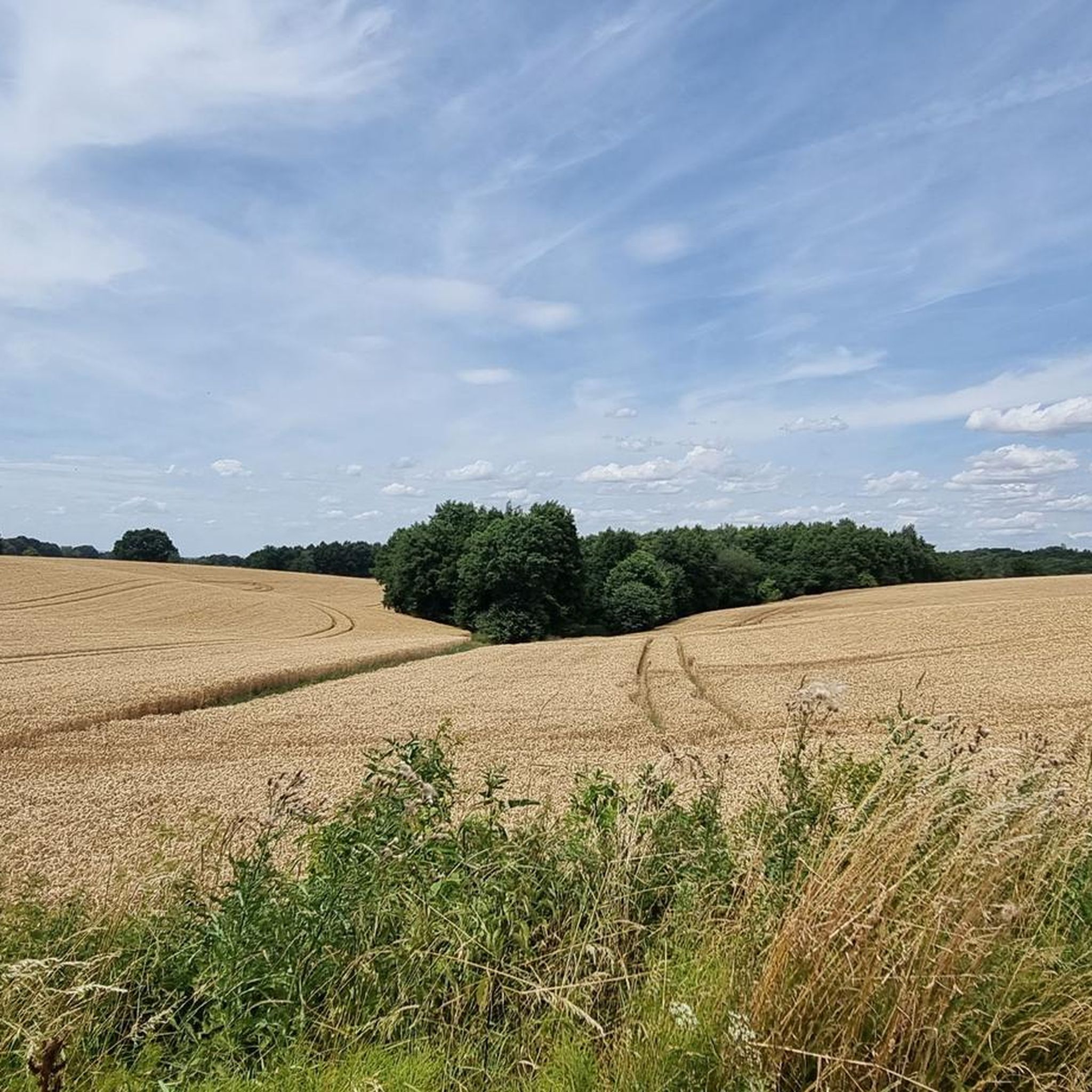
As of June 2026: Arrival by car is easily possible. On the lower road for 20 Zloty (€5/day). The path leads uphill on asphalt for approx. 1km. There are benches along the way. Thanks to the German audio guide, we were able to move around independently. The audio guide is fantastic. You spend a good 3 hours on site. Fantastic view up to the Schneekoppe. For dog owners: Dogs are allowed on a leash. Our miniature poodle came in for free. Pay attention to loud noises - firecrackers are demonstrated. At the bottom, there is a small, nice bistro where the dog immediately gets a water bowl (without asking).
0
0

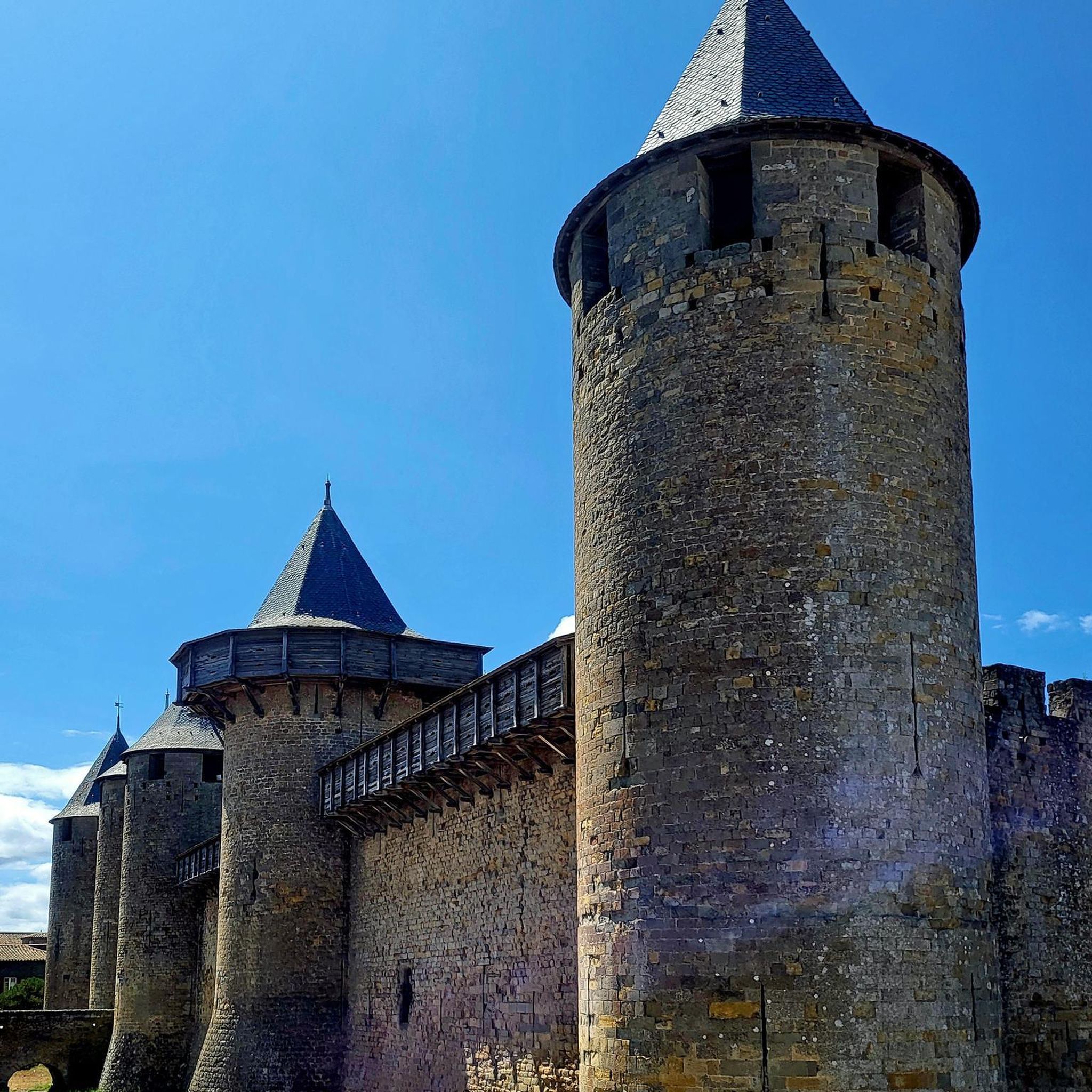
A beautiful mountain fortress from Napoleonic times, never conquered. Fort Donjon and Fort Ostróg are both worth visiting.
2
0

The castle was built in the 15th century. In 1600, expanded and rebuilt in the Renaissance style. Rebuilt and enlarged in the 18th and 19th centuries.
2
0

The beginnings of the castle are unknown. Different dates are given, sometimes the 13th century, sometimes the 15th. It is known that around 1600 the castle was rebuilt in the Renaissance style. At that time it was surrounded by a wall and a moat. In the 17th century it was enlarged, and later, in the 18th and 19th centuries it was rebuilt twice. Today's appearance is the result of all this work. After World War II, the castle became the property of the State Centre for Embryo Breeding. The castle was used for offices, and later it housed a library, a café and a village community centre. Today the castle is still in state hands. It belongs to the National Centre for Supporting Agriculture.
2
0
The largest mountain fortress in Europe. It was built in the late 17th century. It housed 2.5 to 3.5 thousand soldiers. It was never conquered. It was no longer needed in the 19th century. For some time, it housed a prison, and then a restaurant. After World War II, it was abandoned and fell into ruin. Now it is slowly being restored. Once again, there is a restaurant inside, and an additional hostel. It can be visited, but there is little to see, guided tours only, and entry is expensive. You can't even get to the restaurant for free. However, this does not discourage tourists, because on days off there is a huge crowd of people there.
2
0

It was built in 1765-1777 on the hill of Forteczna (Fortified) Góra (686 m above sea level).
0
0

Ruins of the castle in Panków. You can go inside. Atmospheric place.
0
0

In this castle, which was built in the 18th century, the members of the Kreisau Circle met, who during the Second World War thought about what social and political life could look like after the war. Kreisau Castle is also full of history.
1
0
Frequently Asked Questions
What types of castles can I explore around gmina Dzierżoniów?
The region offers a diverse range of historical structures, from well-preserved Renaissance strongholds like Gola Dzierżoniowska Castle, which now operates as a luxury hotel, to intriguing ruins such as Ruins of Panków Castle with its unique circular plan. You can also find large fortresses like Silver Mountain Fortress and historically significant palaces like Nowizna Palace, which is undergoing renovation.
Are there any family-friendly castles or palaces in the area?
Yes, several sites are suitable for families. Ząbkowice Śląskie Castle Ruins is a large ruin with ongoing conservation work, and its well-kept outside area and restored courtyard make it interesting for visitors of all ages. Krzyżowa Palace, now an educational center, also offers facilities and a historical experience for families.
Which castles offer guided tours or visitor access?
Gola Dzierżoniowska Castle, while primarily a luxury hotel, offers guided tours for those interested in its history and legends, and its exterior is accessible to all visitors. Silver Mountain Fortress provides guided tours, though entry can be expensive. Ząbkowice Śląskie Castle Ruins are open to visitors, allowing exploration of the courtyard and exterior.
Can I visit castle ruins in the gmina Dzierżoniów area?
Absolutely. The region features captivating ruins such as Ruins of Panków Castle, built on an artificial island with a 16th-century stone bridge. While generally inaccessible inside due to safety, walking around its circular moat offers a unique sense of adventure. Ząbkowice Śląskie Castle Ruins are also open for exploration, with conservation work underway.
What historical significance do the castles around gmina Dzierżoniów hold?
These castles are steeped in history. Gola Dzierżoniowska Castle is a rare example of a largely preserved 16th-century Renaissance stronghold. Nowizna Palace served as Prussian King Frederick William III's headquarters during the Napoleonic Wars. Krzyżowa Palace is renowned as the meeting place for the Kreisau Circle during WWII, and later for the German-Polish reconciliation mass.
Are there any castles with unique architectural features?
Yes, Owiesno Castle stands out with its unique circular plan, a rare architectural choice for castles in the region, built with a diameter of about 30 meters and surrounded by a moat. Gola Dzierżoniowska Castle boasts a distinctive Renaissance silhouette with towers, turrets, and battlements, along with a richly decorated main portal considered one of the most beautiful in Silesia.
What outdoor activities can I do near these castles?
The area around gmina Dzierżoniów offers various outdoor activities. You can find numerous hiking trails, including moderate routes like the Kalenica Observation Tower – Sunny Summit loop. For more strenuous activities, there are mountain hikes and running trails, with options ranging from moderate to difficult, often passing through scenic landscapes.
Are there any castles surrounded by parks or natural settings?
Many castles in the region are set within beautiful natural surroundings. Gola Dzierżoniowska Castle is enveloped by a picturesque 13-hectare landscape park with old-growth trees and seven scenic ponds. Nowizna Palace features an English-style romantic park, and Roztocznik Palace is set within a landscape park with two ponds, offering scenic views.
What is the current status of Nowizna Palace and Roztocznik Palace?
Nowizna Palace is currently undergoing renovation with plans to transform it into a hotel, preserving its historical character. Roztocznik Palace, a Neo-Baroque edifice, now forms part of a senior citizens' complex, though the palace building itself remains unused for its original purpose. Its external architecture and surrounding park are still worth appreciating.
What do visitors enjoy most about the castles in gmina Dzierżoniów?
Visitors appreciate the rich history and diverse architecture, from the grandeur of well-preserved sites to the atmospheric charm of ruins. The unique features like the circular plan of Owiesno Castle and the historical significance of places like Krzyżowa Palace are often highlighted. Many also enjoy the scenic settings and the opportunity to explore sites that have played a role in significant historical events.
Are there any castles that are currently being restored or revitalized?
Yes, Nowizna Palace is actively undergoing renovation with plans to convert it into a hotel, offering a chance to witness the revitalization of a historical site. Additionally, the 'Chudów' Foundation is undertaking efforts to revitalize Owiesno Castle ruins, including clearing the moat and securing the tower, indicating future potential for the site.
Can I see any castles that were never conquered?
Yes, Silver Mountain Fortress, the largest mountain fortress in Europe, was built in the late 17th century and famously was never conquered. It stands as a testament to military engineering and resilience.
Most popular routes around gmina Dzierżoniów
Most popular attractions around gmina Dzierżoniów

Get inspired with the komoot mobile app


Explore more
Looking for the best castles somewhere else? Discover other guides around gmina Dzierżoniów:
