Top 11 Castles around powiat przemyski
Best castles around powiat przemyski are found in southeastern Poland, a region rich in historical fortifications and cultural heritage. This area is characterized by its historical significance, with structures dating back centuries, often situated near rivers like the San. The landscape offers a blend of historical sites and natural beauty, making it a notable destination for those interested in Polish history and architecture. Visitors can explore a variety of historical structures, from grand Renaissance castles to classical palaces.
Best castles…
Last updated: August 26, 2026
Krasiczyn Castle
Highlight • Castle
Translated by Google •
Tip by

Fort I Salis-Soglio
Highlight • Historical Site
Translated by Google •
Tip by

Sign up now to discover places like this
Get recommendations on the best single tracks, peaks, & plenty of other exciting outdoor places.
Sign up for free
Fort VIII Łętownia in Kuńkowce
Highlight • Historical Site
Translated by Google •
Tip by

Krasicki Palace
Highlight • Castle
Translated by Google •
Tip by

Fort XI Duńkowiczki
Highlight • Historical Site
Translated by Google •
Tip by
Ignacy Krasicki Monument, Dubiecko Castle
Highlight • Monument
Translated by Google •
Tip by

Dubiecko Castle
Highlight • Castle
Translated by Google •
Tip by

Giant Small-Leaved Lime Tree, Krasiczyn Castle Park
Highlight • Natural Monument
Translated by Google •
Tip by
Start today with a free account
Your next adventure awaits.
Login or Signup
Popular around powiat przemyski
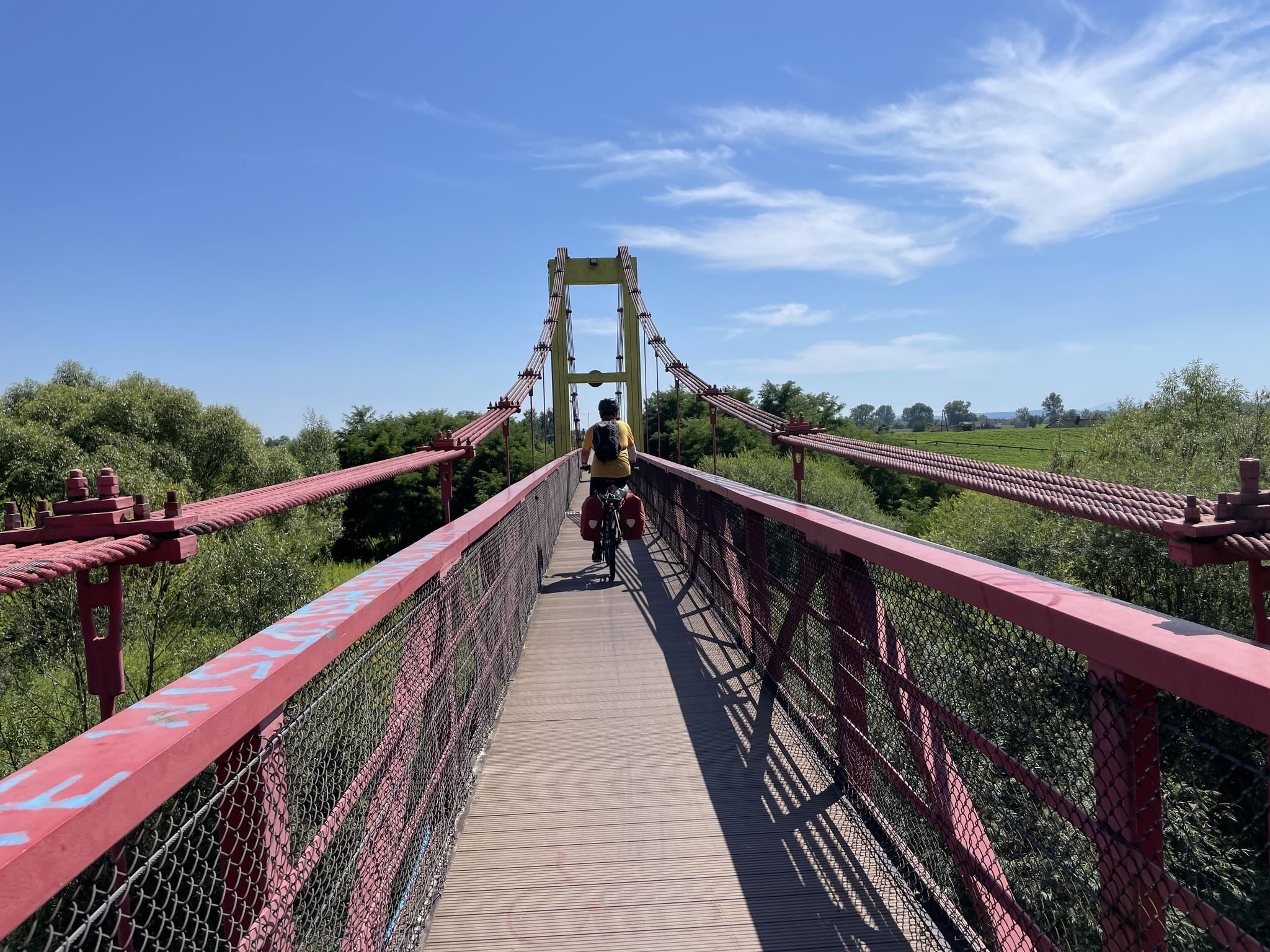
EuroVelo 4 (section in Poland) – Wonderful Vistula river vibes and historic Polish cities
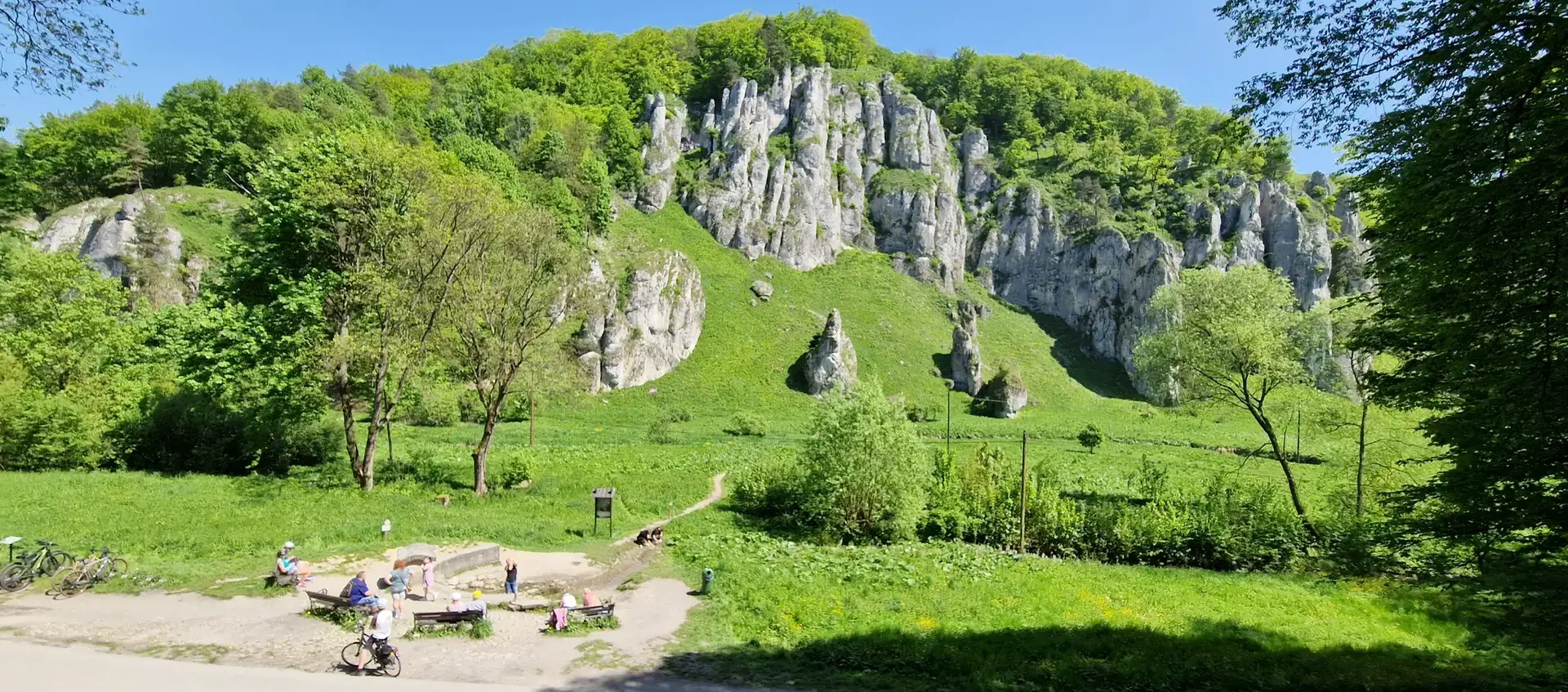
Bike Pilgrimage on the Royal Route – St. James' Way via Regia
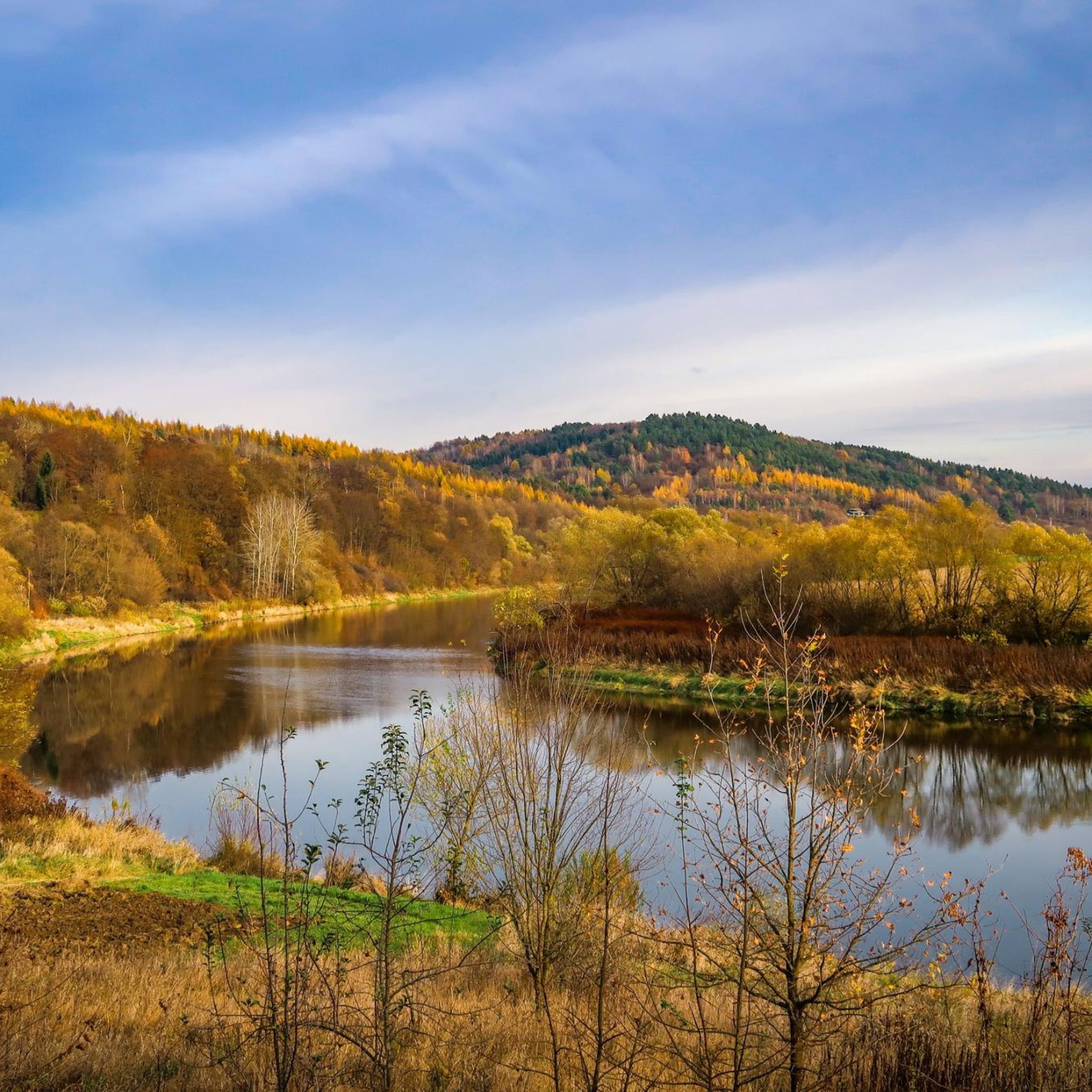
Hiking around powiat przemyski
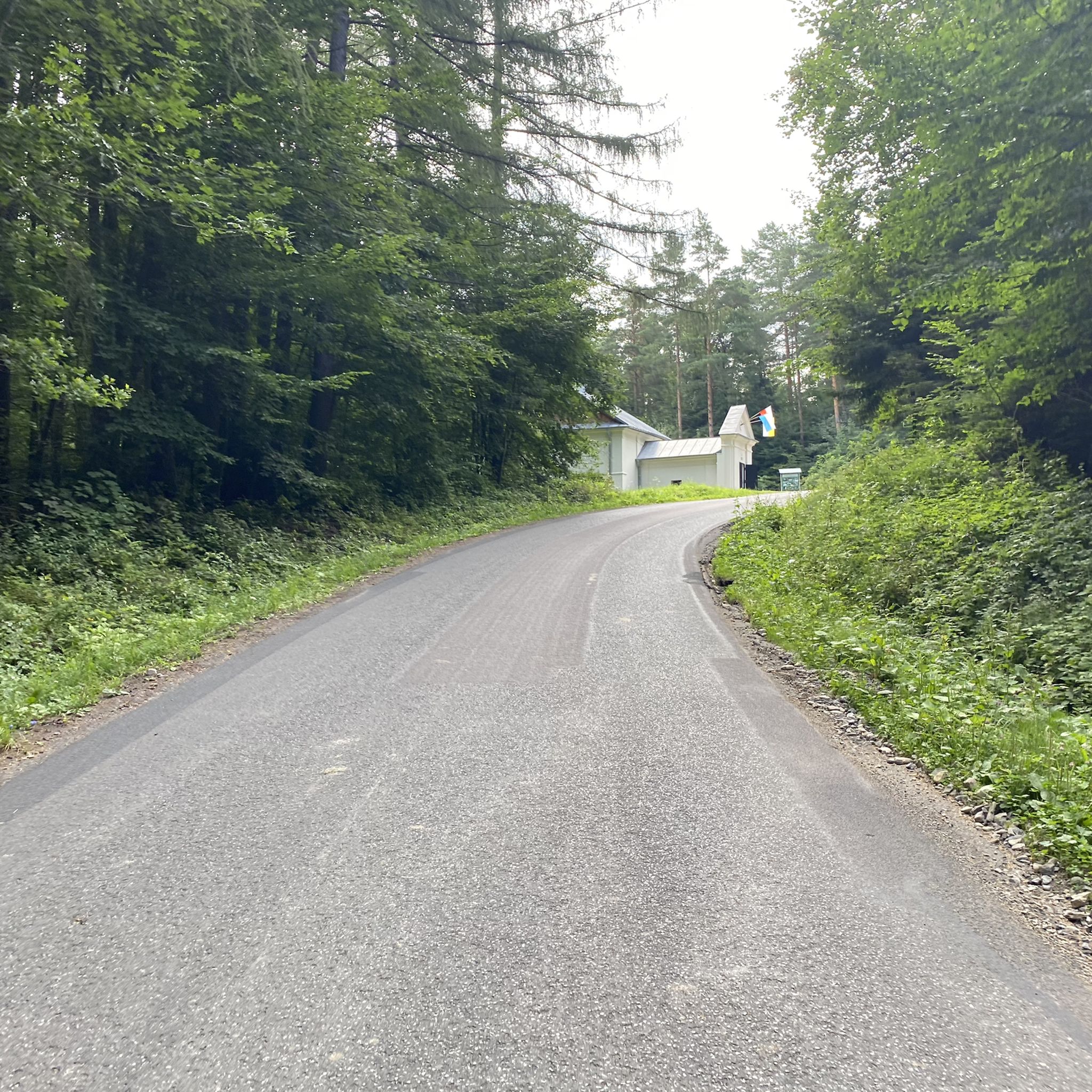
Road Cycling Routes around powiat przemyski
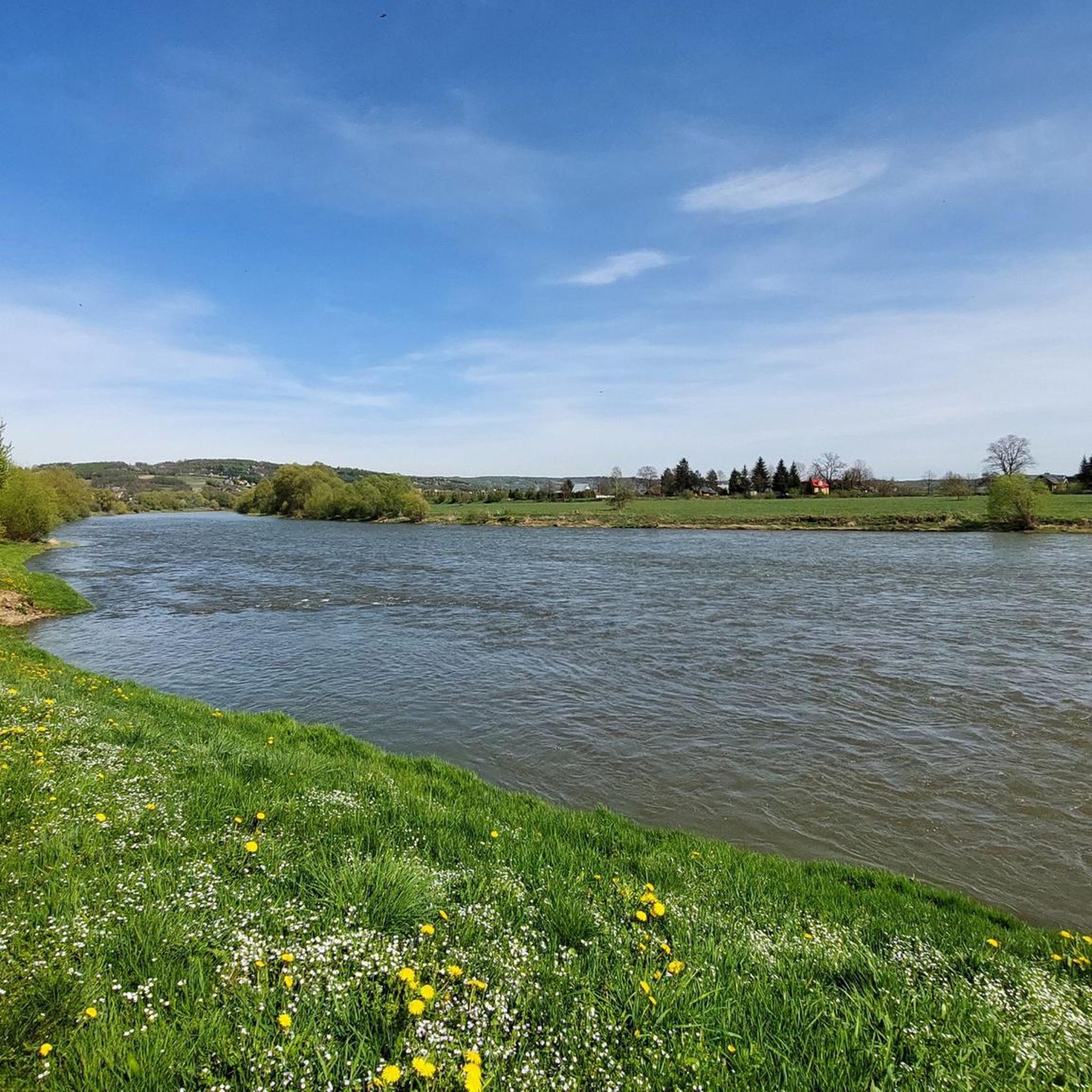
Cycling around powiat przemyski
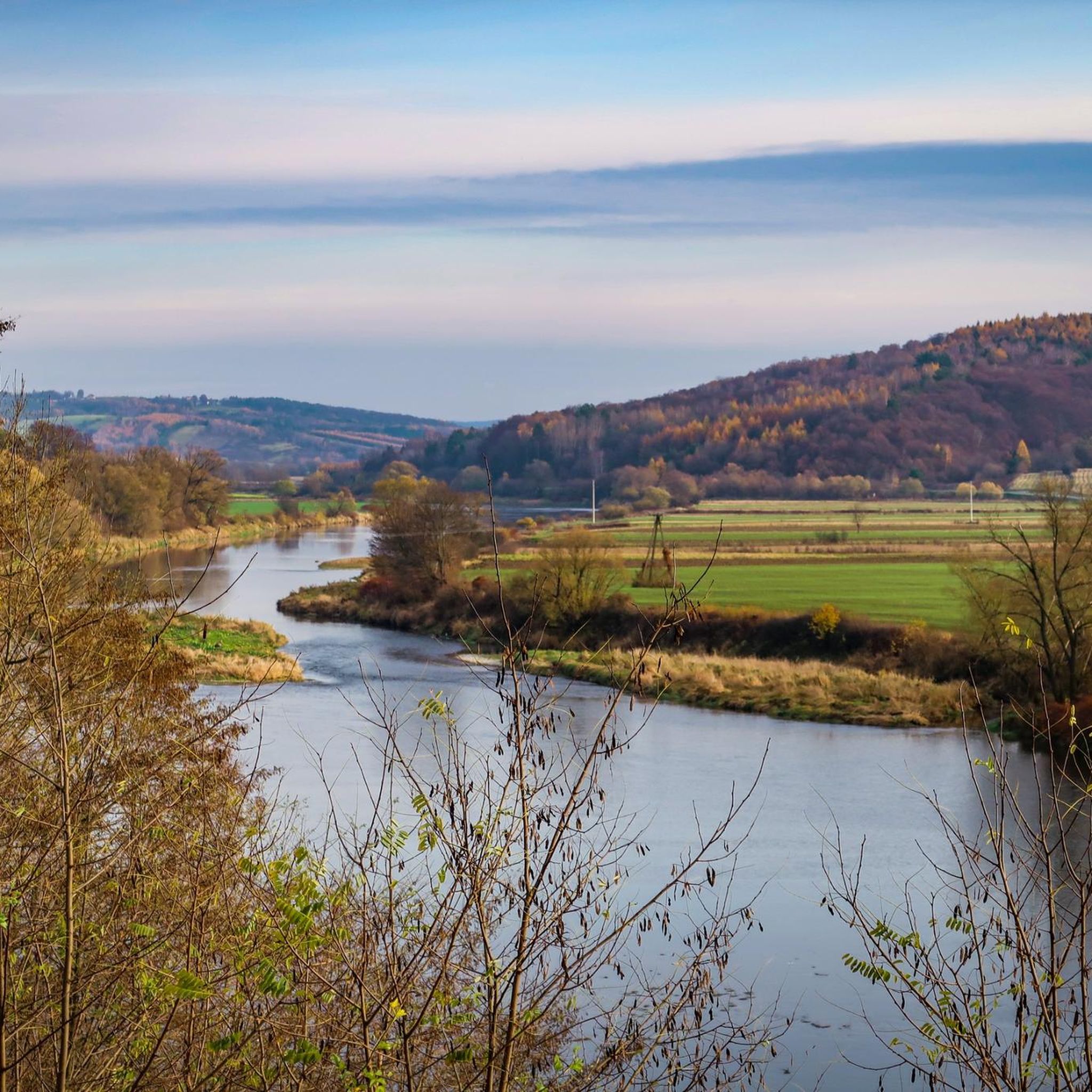
Running Trails around powiat przemyski
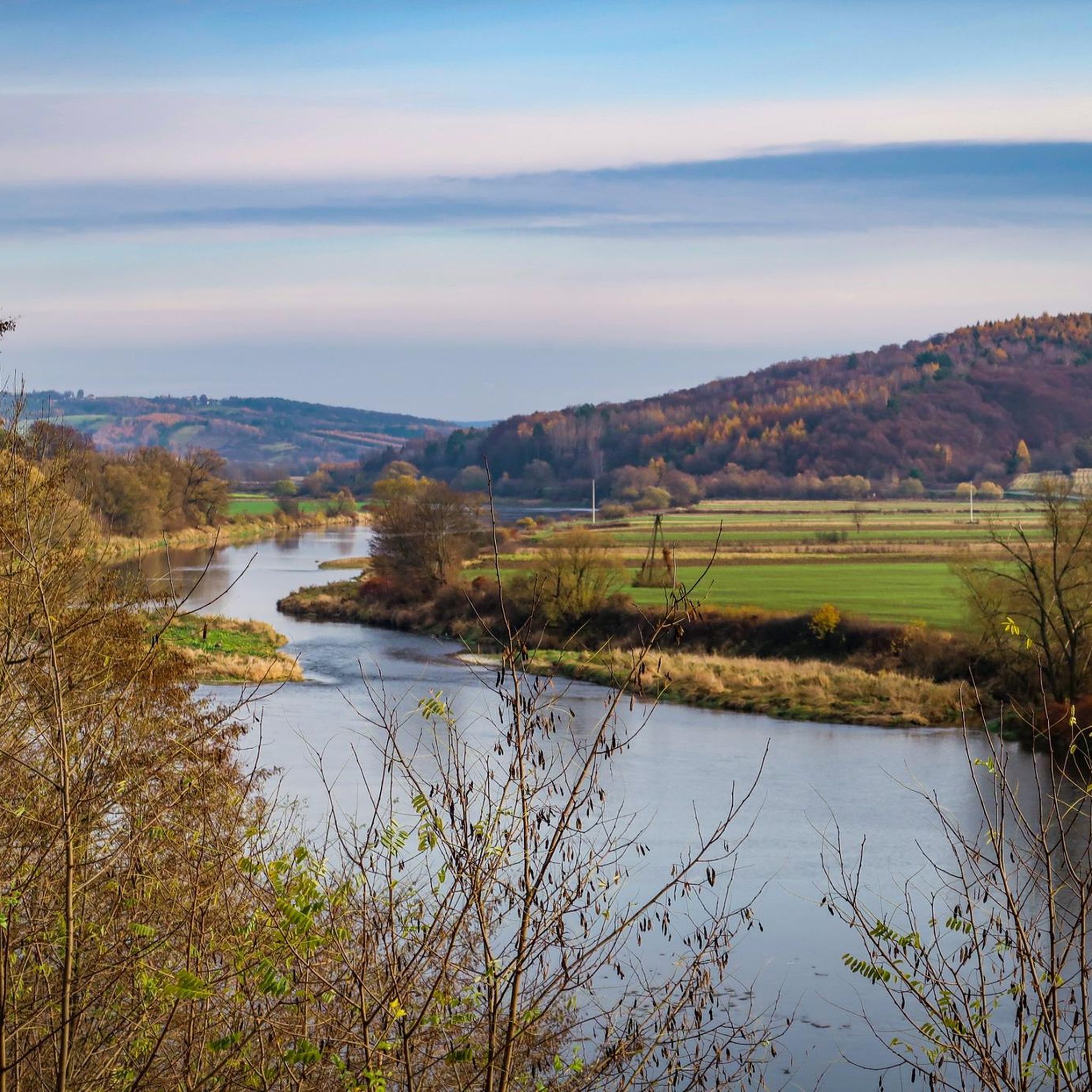
MTB Trails around powiat przemyski

Gravel biking around powiat przemyski

Tips from the Community

Added to the collection: https://www.komoot.com/de-de/collection/3600632/-naturdenkmaeler-besondere-baeume-und-weitere-schaetze-der-natur
1
0

According to the Register of Polish Monument Trees, the Dewajtis oak measured in 2013 had a trunk circumference of 5.80 m.
2
0
Entry to the castle and park is paid at the entrance, you can pay by card. There are discounts for young people, students and pensioners. A ticket for visiting the castle interiors also entitles you to enter the park. The last guided tour of the interiors is at 4:00 p.m. and earlier on the hour. You can wait in the Renaissance Café. The group gathers next to the stage in the castle courtyard. The tour lasts about 50 minutes and requires walking up the stairs, not for people in wheelchairs. There are no restrictions on taking photos.
0
0
On a sunny summer day, when the castle courtyard heats up like an oven, it is worth seeking refreshment in the thick walls of the castle. In the corner of the courtyard is the Renesansowa Café, offering ice cream, cookies, cakes, salads, pancakes and pierogi - see photos. Ice cream is served in waffles or cups (PLN 8 per scoop). Friendly service, you can pay by card. There are also tables in the courtyard in a place where there is shade in the afternoon. We waited there for a full hour when a guide came to the courtyard and took the waiting group of tourists to tour the castle interiors. WW
0
0
I have never seen a linden tree with such a thick trunk and branches! It is a pity that its circumference and height are not given. The descriptions of the trees in the castle park are placed on information boards, but they are usually limited to the characteristics of a given species and do not concern a specific specimen. 😞
0
0

it's worth the visit, the tour takes 60 minutes
0
0
In the 18th century, known as the century of philosophers, Ignacy Krasicki was born in the castle, later Bishop of Warmia and Archbishop of Gniezno, poet and publicist, one of the main representatives of the Enlightenment in Poland, participant of the famous Thursday dinners of King Stanisław August Poniatowski. (...) Thanks to his intellectual qualities, Ignacy Krasicki was called the prince of poets and with this title he went down in history. Ignacy Krasicki took great care of his family park. From his trips abroad, he often sent his sister-in-law Róża née Charczewski new tree seedlings, which he ordered to be planted in the Dubiecko park with appropriate instructions. Source and more: https://ogrody.podkarpackie.travel/trasy/dubiecko/
1
0
"Dewajtis" is a magnificent oak tree growing in the castle courtyard. During Countess Konarska's life, she could often be found reading her favorite novels in the shadow of its crown. One of them was Rodziewiczówna's novel Dewajtis. This is also how she named her inseparable companion, who has been growing in the castle courtyard for over 300 years, i.e. since the birth of the prince of Polish poets Ignacy Krasicki in this place. The name of the town - Dubiecko, comes from the Russian word "dub", meaning oak, because there were many oaks in this area. Source and more: https://ogrody.podkarpackie.travel/trasy/dubiecko/
2
0
Frequently Asked Questions
What are the most prominent historical castles and fortifications in Powiat Przemyski?
The region of Powiat Przemyski is home to several significant historical sites. The most prominent include Krasiczyn Castle, a magnificent Renaissance castle, Dubiecko Castle (now a classical palace), and Przemyśl Castle, a Renaissance fortress with roots dating back to the 11th century. Additionally, you can explore several well-preserved forts from the Przemyśl Fortress, such as Fort I Salis-Soglio.
What makes Krasiczyn Castle a must-visit attraction?
Krasiczyn Castle is considered one of Poland's most magnificent Renaissance castles. It features unique sgraffito decorations covering 7000 square meters, depicting Polish kings, biblical scenes, and more. The castle has four distinct corner towers—Divine, Papal, Royal, and Noble—each with symbolic significance. Visitors can take guided tours, explore a torture chamber, and enjoy the picturesque park with exotic trees.
What can I expect when visiting Dubiecko Castle?
Dubiecko Castle, originally a 16th-century structure, was rebuilt as a classical palace. Today, it operates as a hotel and restaurant, offering stylish rooms and Polish cuisine. The palace is set within a large park with unique tree species, deer, and roe deer, providing a tranquil setting for relaxation, Nordic walking, fishing, or bicycle and canoe rental.
What is the historical significance of Przemyśl Castle?
Przemyśl Castle, also known as Kazimierzowski Castle, is a Renaissance fortress perched on Castle Hill. Its history dates back to the 11th century, with the current structure primarily built in the 14th century under Casimir the Great. Archaeological work has uncovered fragments of Gothic gates and Romanesque buildings. The castle now hosts cultural events, concerts, and knight shows during summer weekends.
Are there family-friendly activities at the castles in Powiat Przemyski?
Yes, several castles offer family-friendly experiences. Krasiczyn Castle provides guided tours suitable for all ages and a large park to explore. Dubiecko Castle, with its hotel, restaurant, and park, is also welcoming for families. Przemyśl Castle hosts knight shows in July and August, which can be engaging for children.
What outdoor activities can I do near the castles?
The region around Powiat Przemyski offers various outdoor activities. You can find numerous hiking trails, such as the "Three Paths of Identity" loop or the "Dolina Hołubli" nature trail. For cyclists, there are cycling routes like the "Krasiczyn Castle loop" from Rezerwat Leoncina, and MTB trails, including the "Fort XIII San Rideau – Fort X Orzechowce loop".
What is the best time of year to visit the castles in Powiat Przemyski?
The best time to visit is generally during the warmer months, from spring to early autumn (April to October), when the weather is pleasant for exploring castle grounds and parks. Summer (July and August) offers additional attractions like knight shows at Przemyśl Castle. The picturesque parks, such as those at Krasiczyn and Dubiecko, are particularly beautiful during spring blooms and autumn foliage.
Are there any unique historical facts about the castles in this region?
Yes, the region is rich in history. Krasiczyn Castle's Divine Tower houses a chapel often compared to the Sigismund Chapel at Wawel. Dubiecko Castle is the birthplace of Ignacy Krasicki, a renowned Polish poet and bishop. The Przemyśl Fortress, which includes forts like Fort I Salis-Soglio, was one of the largest fortresses in Europe during World War I.
Can I find food and accommodation near the castles?
Yes, both Krasiczyn Castle and Dubiecko Castle (Krasicki Palace) offer hotel and restaurant facilities directly on site, allowing for longer stays and convenient dining. Przemyśl Castle also has a restaurant within its Culture and Science Centre. Many other local eateries and accommodations can be found in nearby towns like Przemyśl.
Are there any less crowded historical sites to explore besides the main castles?
If you're looking for less crowded historical sites, consider exploring the various forts of the Przemyśl Fortress. Fort I Salis-Soglio and Fort VIII Łętownia are well-preserved examples that offer a different historical perspective. Fortalicja in Bolestraszycach, though more of a fortified manor ruin, also provides a unique historical and natural experience within an arboretum.
What kind of architecture can I expect to see among the castles?
The castles in Powiat Przemyski showcase a range of architectural styles. Krasiczyn Castle is a prime example of Polish Renaissance architecture, known for its sgraffito and unique tower designs. Dubiecko Castle evolved into a classical palace, with a Neo-Gothic addition. Przemyśl Castle combines elements from its Romanesque and Gothic origins with later Renaissance expansions. The forts, like Fort I Salis-Soglio, represent military engineering of the 19th century.
How much time should I allocate to visit the castles?
For a comprehensive visit to a major site like Krasiczyn Castle, including a guided tour and exploring the park, you might need 2-4 hours. Dubiecko Castle, especially if you plan to enjoy the park or dine, could also take a few hours. Przemyśl Castle and its surrounding area could easily fill half a day, particularly if you attend a cultural event. Visiting multiple sites would require a full day or more.
Most popular routes around powiat przemyski
Most popular attractions around powiat przemyski

Get inspired with the komoot mobile app


Didn’t find what you were looking for?
Explore powiat przemyski’s best castles region by region:
