Attractions and Places To See around Bolligen - Top 20
Attractions and places to see around Bolligen, a municipality in the Bern-Mittelland district of Switzerland, include historical landmarks, cultural sites, and natural features. The area is characterized by its scenic landscapes, offering a blend of historical structures and natural beauty. Bolligen provides diverse experiences for visitors, from panoramic viewpoints to serene forests and cultural insights.
Best attractions and places to see around Bolligen
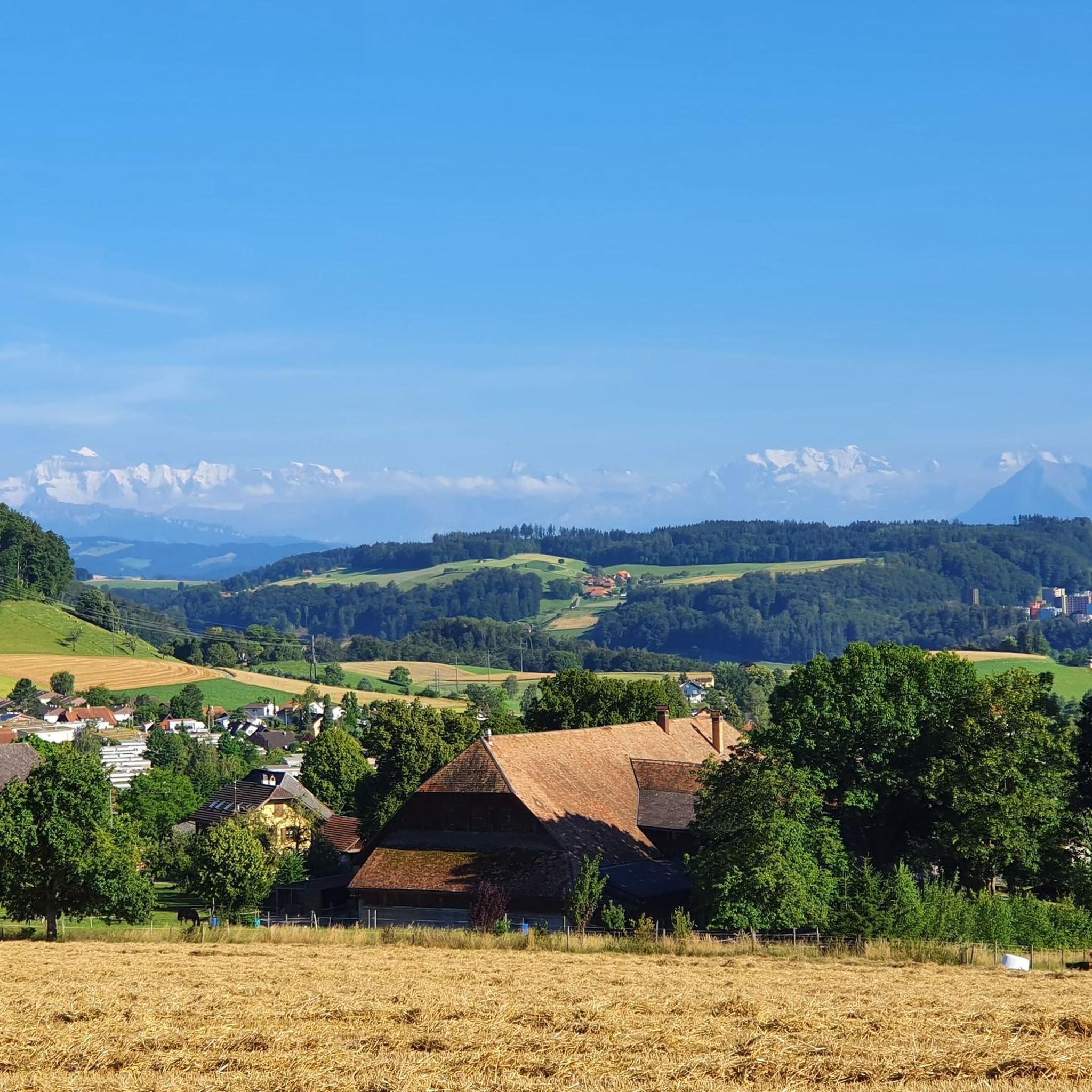
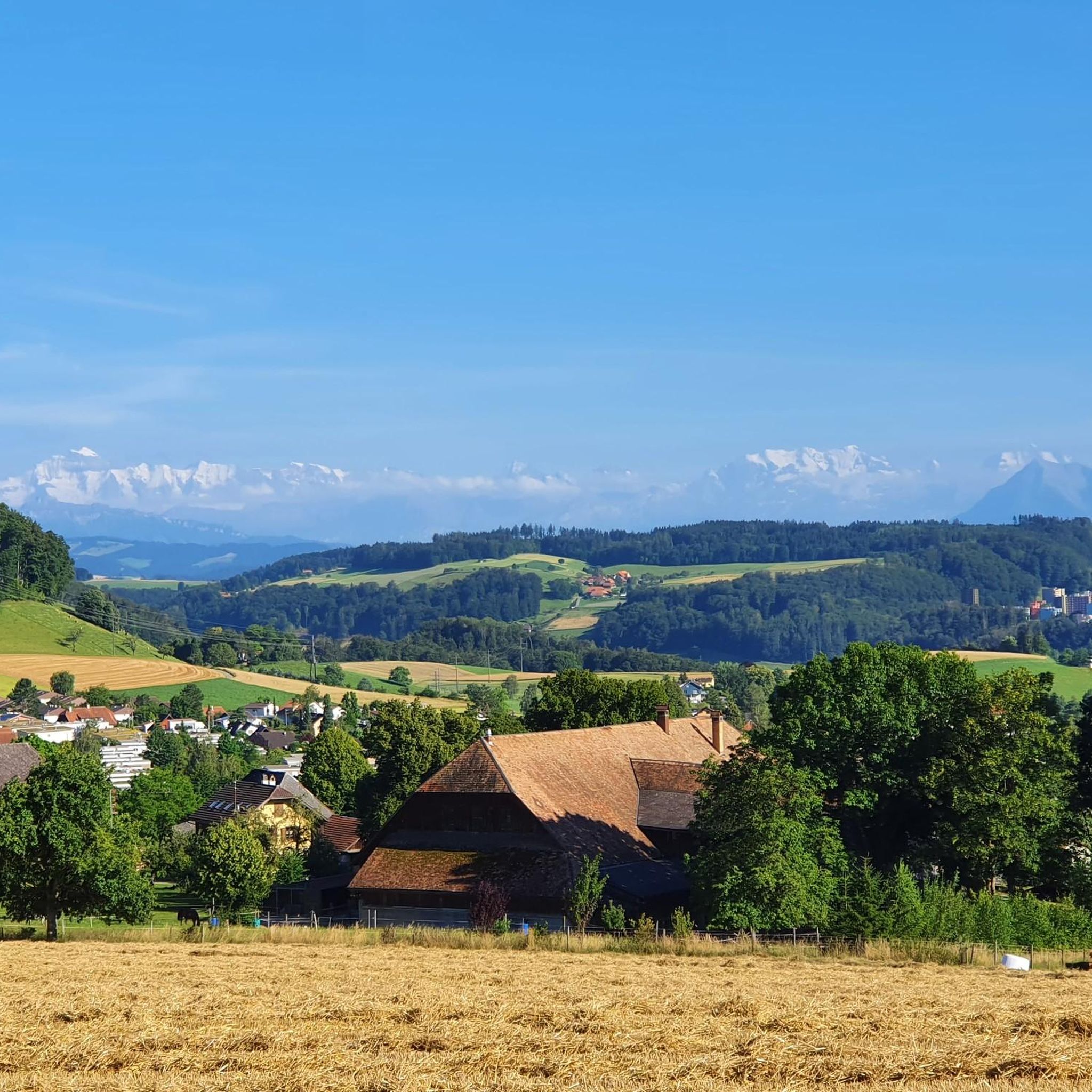
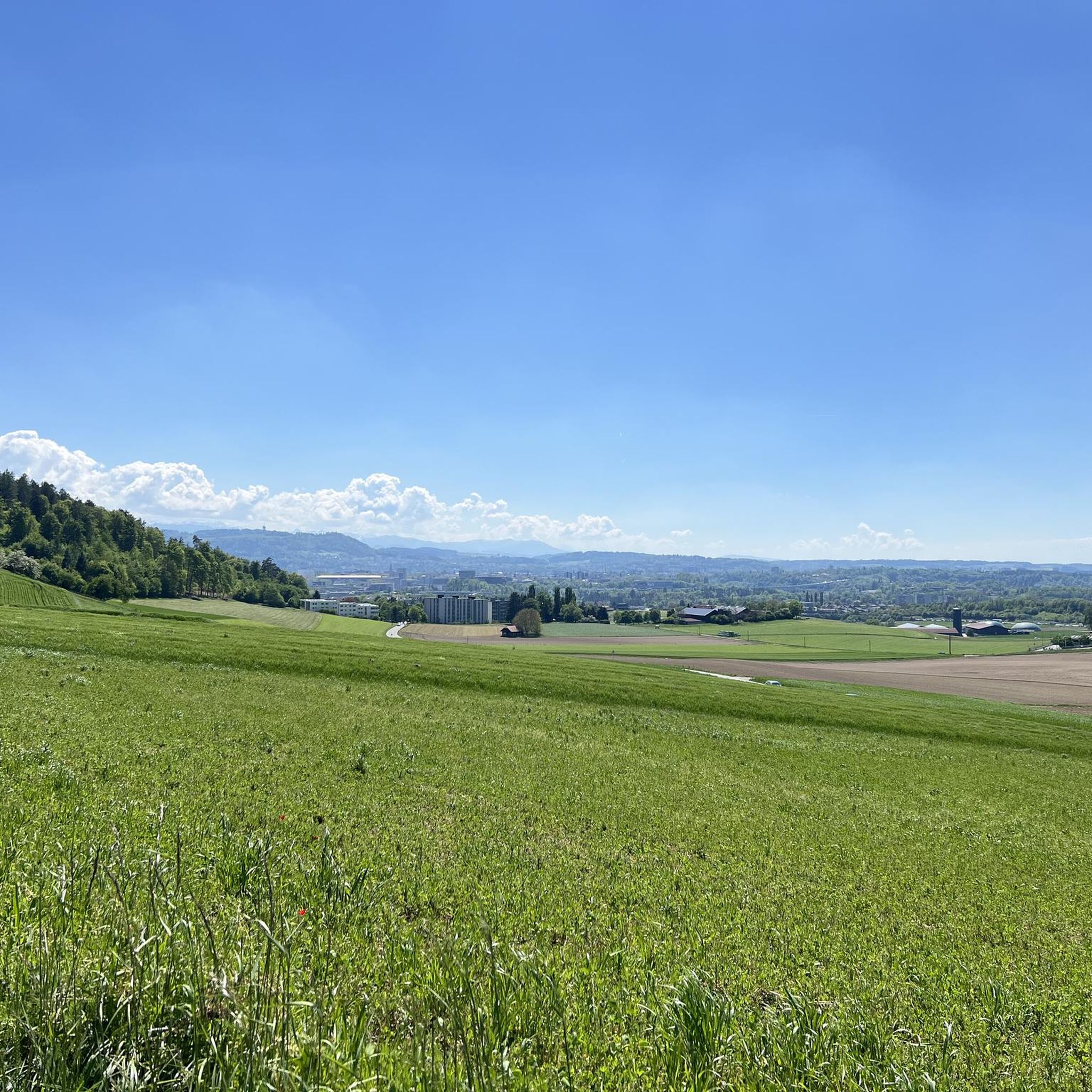
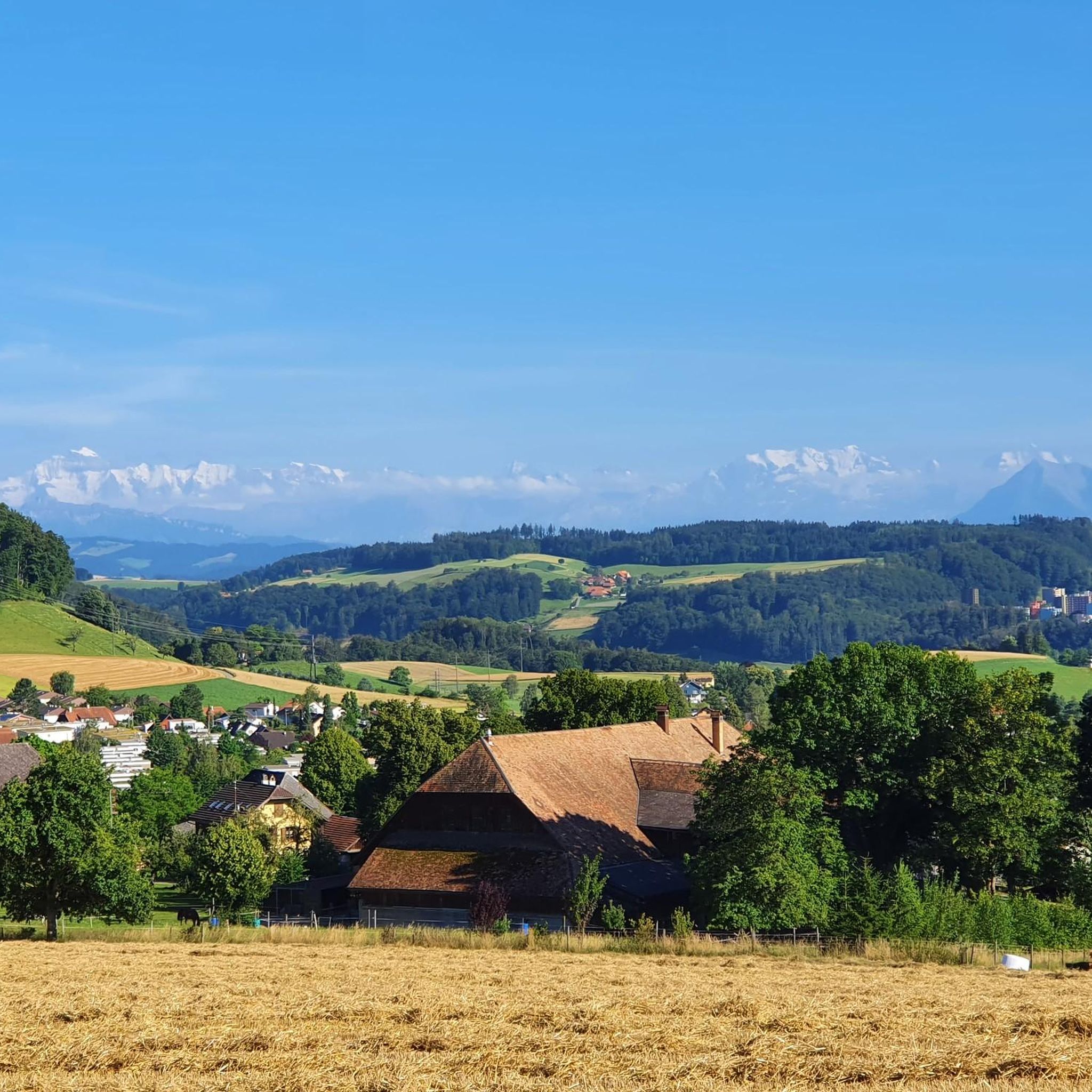
- The most popular attractions is Bantiger Observation Tower, a viewpoint that provides panoramic views of the Jura mountains, the Swiss plateau, and the Alps. This tower is situated on the Bantiger mountain, which reaches an elevation of 947 meters.
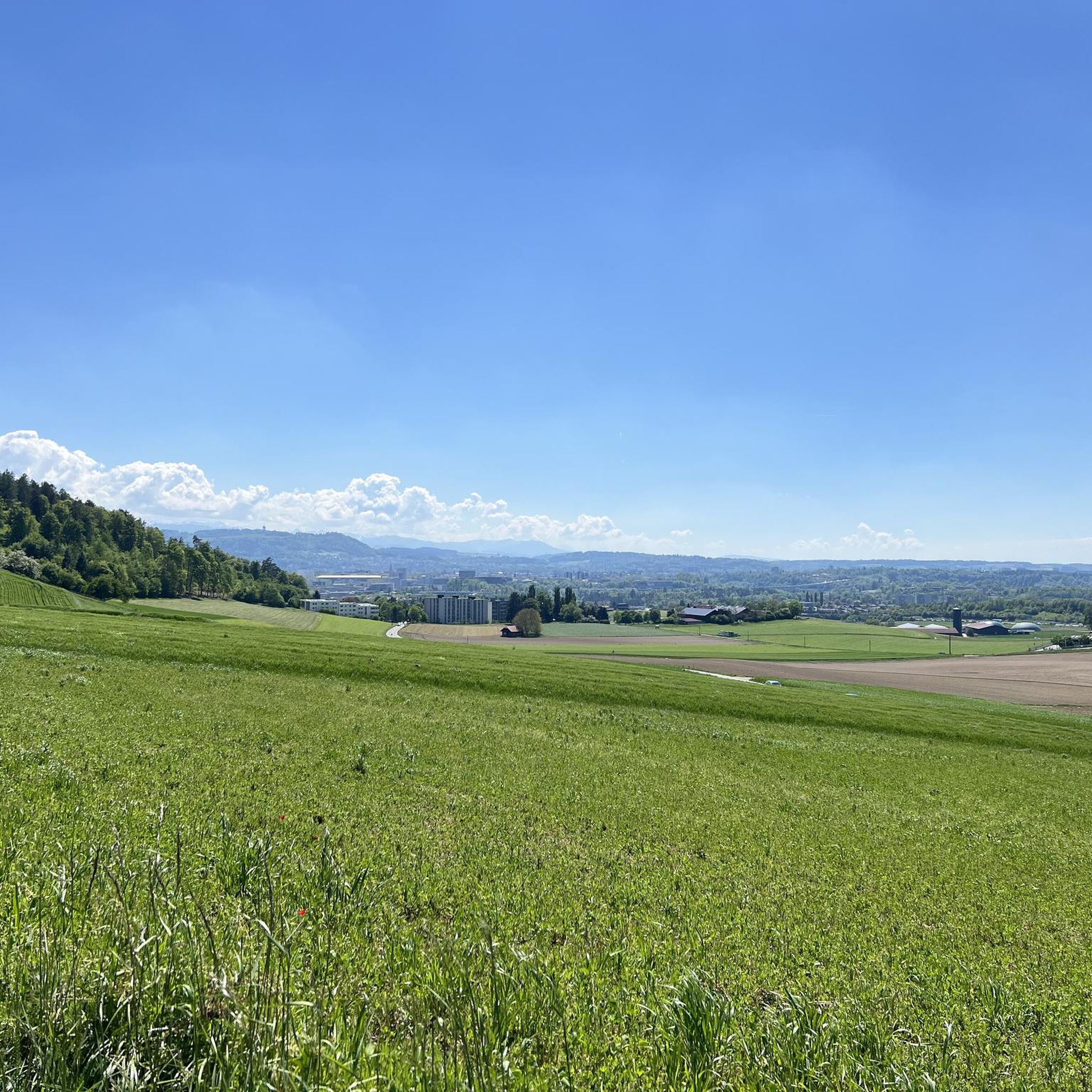
- Another must-see spot is Gurten Viewpoint, a viewpoint offering an all-round view over the city of Bern. Visitors can take a break and enjoy the extensive vistas from this location.
- Visitors also love Bremgarten Forest, a large forest near the city of Bern. It is known for its quiet nature and offers numerous paths for jogging, biking, or walking.
- Bolligen is known for its historical landmarks, natural features, and cultural sites. The region offers a variety of attractions to see and explore, including historical houses, churches, and extensive hiking and cycling trails.
- The attractions around Bolligen are appreciated by the komoot community, with more than 490 upvotes and over 340 photos shared by visitors.
Last updated: September 26, 2026
Bantiger Observation Tower
Highlight • Viewpoint
Translated by Google •
Tip by

Bremgarten Forest
Highlight • Forest
Showing Translation
Tip by

Sign up now to discover places like this
Get recommendations on the best single tracks, peaks, & plenty of other exciting outdoor places.
Gurten Viewpoint
Highlight • Viewpoint
Translated by Google •
Tip by

Wohleibrücke
Highlight • Bridge
Translated by Google •
Tip by

Bern Minster (Berner Münster)
Highlight • Religious Site
The history of Bern Minster reflects the political developments and economic conditions in Bern. The city was founded in 1191 by the Dukes of Zähringen and has been a free imperial city since the granting of charters in 1218.
At the beginning of the 15th century, Bern was still a relatively small city with only about 5,000 inhabitants. Since its foundation in 1191, it had slowly grown from the Untertorbrücke/Nydegg Castle via the Zytglogge and the Käfigturm to the Christoffelturm near today's train station. Courtyards and gardens behind the houses made up a large part of the urban area. In this sense, the city was much more "rural" than we are used to from a city today. This applies not least to the smells and noise.
In the course of the 14th century, the city had already connected large parts of today's cantonal territory in terms of power politics - albeit initially loosely and mediatized through intermediaries and not in the sense of modern-day national sovereignty. Bern was already much more than just the city in the bend of the Aare - but the outlines of the later powerful city-state were only just beginning to emerge. With the conquest of Aargau in 1415 and the granting of royal privileges by Sigismund of Luxembourg-Bohemia in the same year, the city was able to expand its independence and, immediately before the cathedral was built, had an extensive territory secured in the east by the Swiss allies.
Text / Source: Bern Minster, Münsterplatz 1, Bern
bernermuenster.ch/bauwerk/geschichte
Translated by Google •
Tip by

Sign up for free to discover even more attractions around Bolligen.
Already have an account?
Start today with a free account
Your next adventure awaits.
Tips from the Community

Cycled through with a birdsong concert in the morning, simply wonderful
0
0

Enchanted place in the Bremgarten forest
0
0

A truly beautiful bridge to admire with its magnificent arches. Plus: a fantastic barbecue and picnic area right on the water, with a bistro (during the season) and restrooms. A prime location for a quick refreshment break and/or a swim in Lake Wohlen or the Aare.
1
0

Great all-round view in all directions
1
0

The Minster impresses with its imposing façade and the highest church tower in Switzerland, which reaches a height of 100.6 meters. Particularly noteworthy is the main portal of the Minster, which shows the Last Judgement with over 200 figures. These figures are artfully designed and a true masterpiece of medieval art. The interior of the church is equally impressive, with high vaults, colorful stained glass windows and magnificent choir stalls. The choir area is decorated with beautiful carvings and the organ, which is regularly used for concerts, adds a special richness of sound to the room. A climb up the Minster's tower is an absolute must for every visitor. The steep staircase leads to a viewing platform from which you can enjoy a breathtaking panoramic view of the old town of Bern, the Aare and the surrounding mountains.
11
0

“Completion” of the Minster in the late 19th century The 19th century was a time of accelerated change under the sign of industrialization, especially since Bern was connected to the railway network in the 1850s. In the second half of the century alone, the city's population doubled. On the other hand, this acceleration of change gave rise to the desire to historically assure one's own identity. In the later 19th century, this was done, among other things, through historical commemorations in the name of patriotism. But architecturally, in the spirit of historicism, memory politics were also set in Bern: for example, in 1892-94 with the “medieval” castle building of the Historical Museum, the construction of the casino at the beginning of the 20th century in the style of late Baroque classicism, or with the completion of the Minster tower in 1891-93 in the neo-Gothic style. It was no coincidence that it was also the time when the homeland protection movement experienced its first heyday. The completion of the cathedral tower in the neo-Gothic style between 1891 and 1893, initiated by the cathedral building association through a patriotic appeal to the people of Bern, recalled the era of Matthäus Ensinger, the first master builder of the cathedral. After a break of over 300 years, the aim was to redeem “Bern’s debt of honour to its old, glorious past” in the spirit of historical reflection and historicism. Text / Source: Bern Cathedral, Münsterplatz 1, Bern https://www.bernermuenster.ch/bauwerk/geschichte
21
0
Bern Minster The history of Bern Minster reflects the political developments and economic conditions in Bern. The city was founded in 1191 by the Dukes of Zähringen and has been a free imperial city since the granting of charters in 1218. At the beginning of the 15th century, Bern was still a relatively small city with only about 5,000 inhabitants. Since its foundation in 1191, it had slowly grown from the Untertorbrücke/Nydegg Castle via the Zytglogge and the Käfigturm to the Christoffelturm near today's train station. Courtyards and gardens behind the houses made up a large part of the urban area. In this sense, the city was much more "rural" than we are used to from a city today. This applies not least to the smells and noise. In the course of the 14th century, the city had already connected large parts of today's cantonal territory in terms of power politics - albeit initially loosely and mediatized through intermediaries and not in the sense of modern-day national sovereignty. Bern was already much more than just the city in the bend of the Aare - but the outlines of the later powerful city-state were only just beginning to emerge. With the conquest of Aargau in 1415 and the granting of royal privileges by Sigismund of Luxembourg-Bohemia in the same year, the city was able to expand its independence and, immediately before the cathedral was built, had an extensive territory secured in the east by the Swiss allies. Text / Source: Bern Minster, Münsterplatz 1, Bern https://www.bernermuenster.ch/bauwerk/geschichte
22
0

The Reformed Bern Minster was dedicated to St. Vincent of Saragossa in the late Middle Ages. It is the largest and most important late medieval church in Switzerland. It was built in the Gothic style and is one of those Gothic churches that were only completed in the 19th century after the rise of historicism.
2
0
Frequently Asked Questions
What kind of hiking trails can I find around Bolligen?
Bolligen offers a variety of hiking paths for outdoor enthusiasts. You can explore serene natural escapes like the Bremgarten Forest, known for its quiet nature and numerous routes. The "Worbletalwärts!" path follows the Worble river, connecting several municipalities, and the RBS hiking route leads from Bern to Solothurn. For more detailed routes, you can explore the cycling and hiking guides for Bolligen.
Are there historical sites to visit directly in Bolligen?
Yes, Bolligen is rich in historical landmarks. You can visit the Village Church of St. Niklaus, which dates back to the 12th or 13th century. Other notable historical houses include the Wegmühle (built in 1600), the Kleingewerbler House (a heritage site from 1767), the Hubelgut House (1670), and the Lindeburg House (around 1720), many of which served as summer retreats for Bernese patrician families.
Where can I find the best panoramic views near Bolligen?
For spectacular panoramic views, head to the Bantiger Observation Tower, situated on the Bantiger mountain. From here, you can see the Jura mountains, the Swiss plateau, and the Alps. Another excellent viewpoint is Gurten Viewpoint, offering an all-round view over the city of Bern.
Are there family-friendly attractions in the Bolligen area?
Absolutely. The Bremgarten Forest is a great option for families, offering easy walking paths and a serene natural environment. The Gurten Viewpoint is also family-friendly, providing extensive vistas and a place to relax. In nearby Bern, the Zytglogge Clock Tower with its playful figures and astronomical clock is a fascinating experience for all ages.
What cycling opportunities are available around Bolligen?
Bolligen and its surroundings offer diverse cycling opportunities. You can find routes for touring bicycles, gravel biking, and mountain biking. Popular options include loops with views of the Jura, the Bernese Alps, or along the Worbla river. For detailed routes and guides, explore the Cycling around Bolligen, Gravel biking around Bolligen, and MTB Trails around Bolligen guides.
What natural features are prominent in the Bolligen region?
The Bolligen region is characterized by its scenic natural landscapes. Key features include the Bantiger Mountain, which offers hiking opportunities and is home to the observation tower. The Bremgarten Forest provides a large, quiet natural escape, popular for walking and cycling. Additionally, the Grauholz-Sädelbach Woods offer another natural setting within the municipality.
Is there a local museum or cultural center in Bolligen?
Yes, the Ortsstube Bolligen serves as a local history museum. Housed in the parish barn next to Bolligen church, it offers a journey into the past with a collection of old documents, objects, photographs, and a remarkable 1810 Schumacher house organ.
Are there any wheelchair-accessible attractions near Bolligen?
In nearby Bern, the Zytglogge Clock Tower is listed as wheelchair-accessible, allowing visitors to experience this historic landmark. While Bolligen itself is hilly, many paths in the Bremgarten Forest are wide and relatively flat, making them suitable for some mobility aids, though specific accessibility should be verified on site.
What do visitors enjoy most about the attractions around Bolligen?
Visitors particularly enjoy the breathtaking panoramic views from spots like the Bantiger Observation Tower and Gurten Viewpoint. The serene and quiet nature of the Bremgarten Forest is also highly appreciated for relaxation and outdoor activities. The historical significance of landmarks and the charm of the region's natural beauty are frequently highlighted by the komoot community.
Can I find places to eat or drink near the attractions?
While specific cafes directly on hiking trails in Bolligen are not extensively listed, the Wohleibrücke, a bridge near Bern, has a kiosk called Bogen 17 - Kiosque that offers simple dishes and refreshments during the summer season. For more options, the nearby city of Bern provides a wide array of cafes and restaurants.
What is the best time of year to visit Bolligen's attractions?
Bolligen's attractions can be enjoyed year-round, but the best time largely depends on your preferred activities. Spring and autumn offer pleasant temperatures for hiking and cycling, with beautiful foliage in the fall. Summer is ideal for outdoor activities and enjoying the views, while winter can transform the landscape into a picturesque snowy scene, though some trails might be less accessible. The Bantiger Observation Tower and Gurten Viewpoint offer stunning vistas in clear weather, regardless of the season.
Are there any bridges or unique architectural structures to see?
Yes, the Wohleibrücke is a notable arch bridge built in 1920 over the Wohlensee near Bern. It connects the communities of Frauenkappelen and Wohlen and is an interesting architectural landmark. In Bern, the Zytglogge Clock Tower is a medieval tower with an intricate astronomical clock, showcasing historical Swiss engineering and artistry.
Most popular routes around Bolligen
Most popular attractions around Bolligen

Get inspired with the komoot mobile app


Explore more
Still not found the Highlight you’re looking for? See guides of the top attractions in other regions:
