Top 6 Waterfalls in Haleakala National Park
Best waterfalls in Haleakala National Park are located within the Kipahulu District on Maui, Hawaii. This region is characterized by diverse landscapes, including lush rainforests and unique ecosystems. The Pipiwai Trail provides access to several notable cascades within the park. The area features a range of natural attractions, from towering waterfalls to scenic trails.
Best waterfalls in Haleakala National Park
- The most popular waterfalls is Waimoku Falls, a waterfall that is a 400 ft cascade reached by a boardwalk…
Last updated: June 27, 2026
Waimoku Falls
Highlight • Waterfall
Translated by Google •
Tip by

Pīpīwai Trail Bamboo Forest and Waterfalls
Highlight (Segment) • Trail
Translated by Google •
Tip by
Sign up now to discover places like this
Get recommendations on the best single tracks, peaks, & plenty of other exciting outdoor places.
Sign up for free
First Pool of ʻOheʻo Gulch (Seven Sacred Pools)
Highlight • Waterfall
Tip by

Makahiku Falls viewpoint
Highlight • Viewpoint
Translated by Google •
Tip by
Pīpīwai Trail
Highlight (Segment) • Trail
Tip by

Start today with a free account
Your next adventure awaits.
Login or Signup
Popular around Haleakala National Park
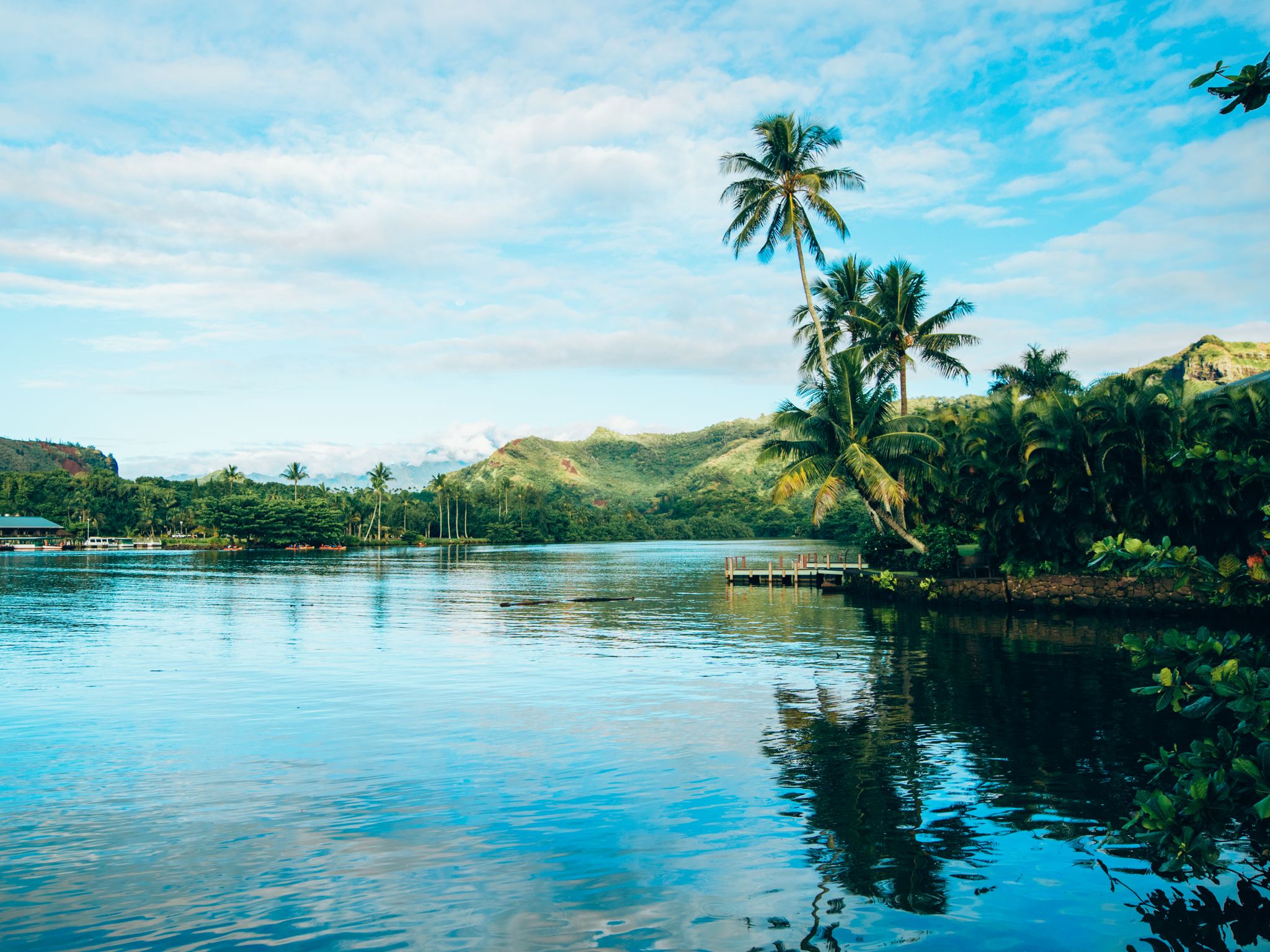
Pearls in the Pacific – exploring Hawaii's islands on foot
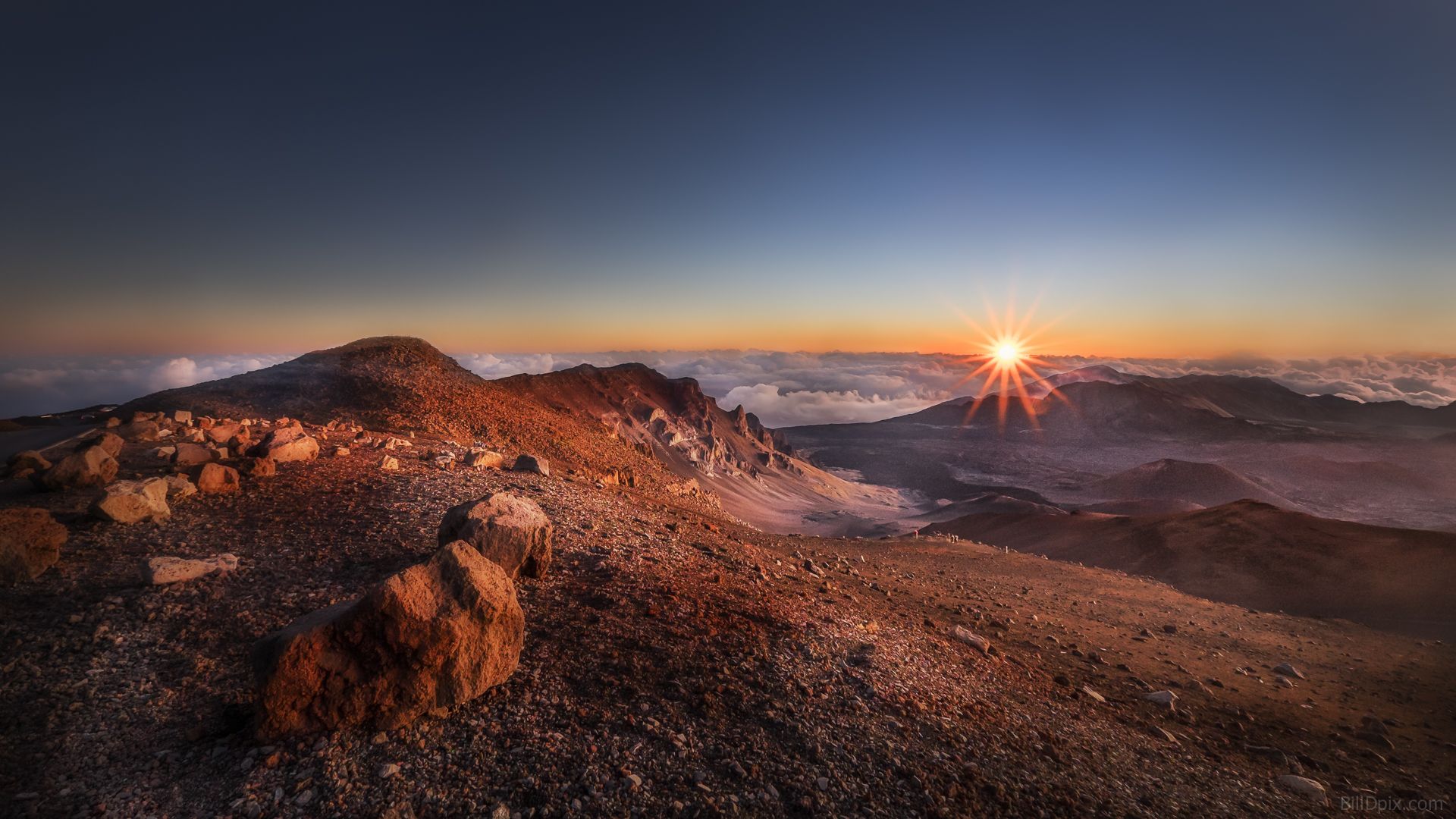
Explore Haleakala Volcano in Hawaii – 2 days between Mars and the Sun
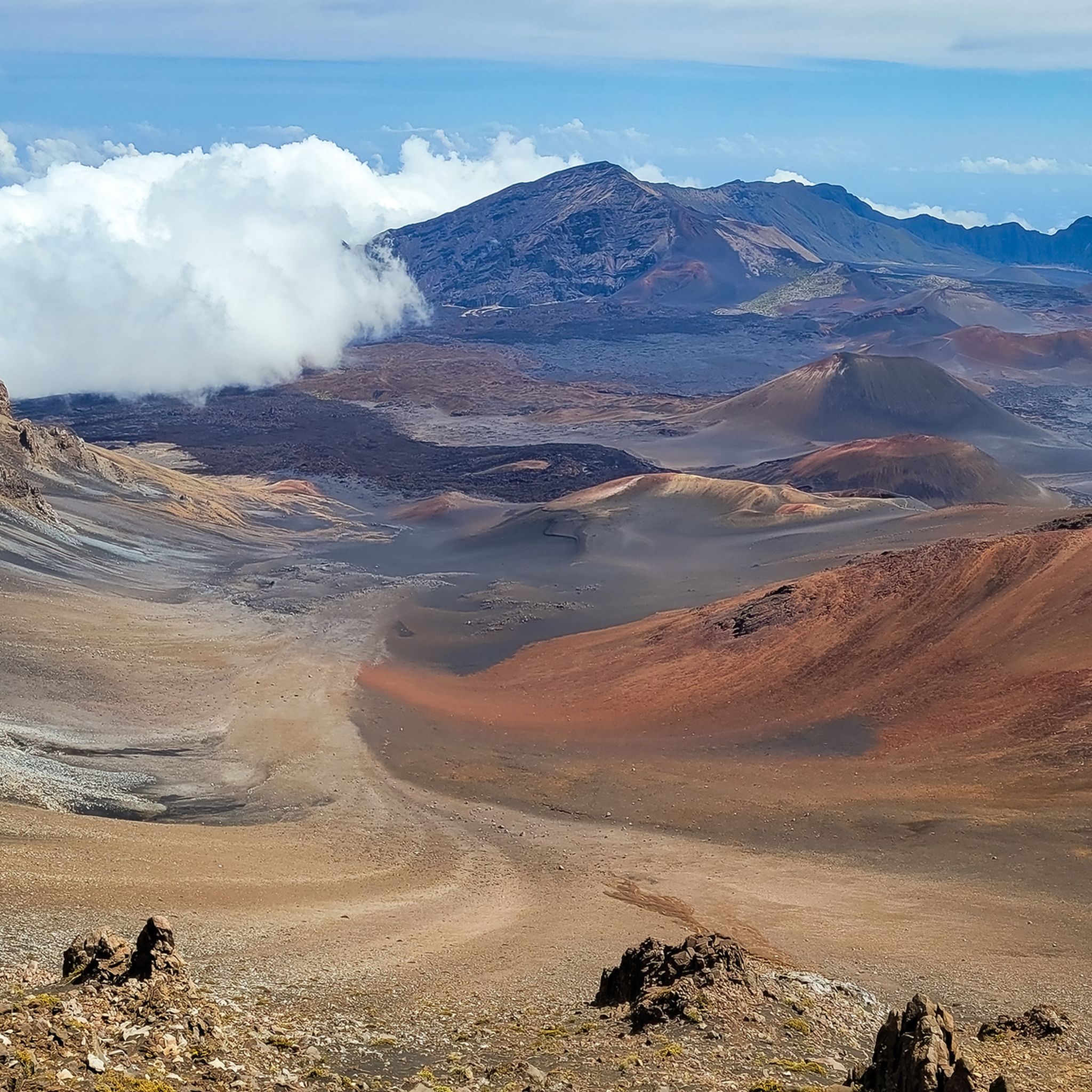
Hiking in Haleakala National Park
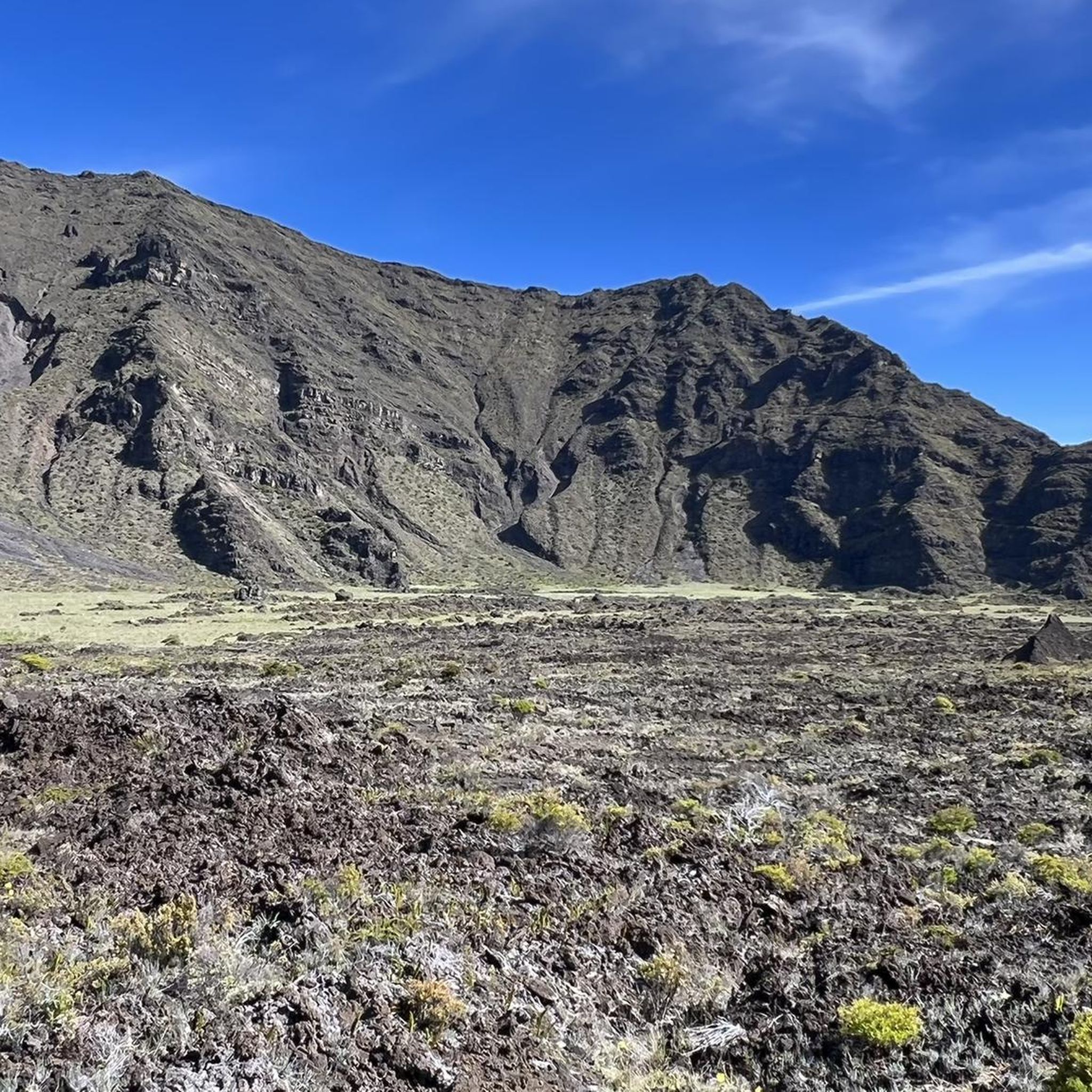
Cycling in Haleakala National Park
Running Trails in Haleakala National Park
Road Cycling Routes in Haleakala National Park
MTB Trails in Haleakala National Park


Tips from the Community

You shouldn't jump into the water from here, as you might hit your head on the rocks.
0
0

A remarkable natural spectacle, accessible via an easy hike, partly along wooden plank paths. Direct access is prohibited.
0
0

This majestic waterfall cascades down a sheer lava rock wall for 400 feet, creating a boulder-strewn pool at its base. It is one of the tallest waterfalls on Maui and boasts breathtaking views of the surrounding landscape. You will be greeted with mist, wind, and a vast jungle rock face that will leave a lasting impression. While you may be tempted to take a dip in the pool below, it's important to note that getting too close to the waterfall can be dangerous due to the risk of falling rocks from its 400-foot drop.
0
0
The Pipiwai Trail is a challenging 4-mile round trip, but the stunning views of Makahiku and Waimoku Falls make it well worth the effort. The path is well-maintained and winds around the Ohe’o Gulch Stream, offering a diverse range of scenery. You'll come across gorgeous waterfalls and lush forests, but the Bamboo forest is exceptionally breathtaking. It's best to run this trail in the early morning as it becomes much busier with tourists later in the day who come to view the falls.
0
0

This is the first of the Seven Sacred Pools, or 'O'heo Gulch pools, which cascade down the length of the Pīpīwai Trail.
0
0
Makahiku Falls emerges from the bamboo jungle to plunge 200' into the rock pools below. This is a great place to turn around if you are feeling tired! Fantasic viewpoint and the hike back is all downhill.
0
0

Better to visit in rainy season.
4
0
Wild boars and bamboo "knocking" in the wind...great!
4
0
Frequently Asked Questions
What is the main trail to access waterfalls in Haleakala National Park?
The primary way to experience the waterfalls in Haleakala National Park's Kipahulu District is via the Pīpīwai Trail. This trail leads through lush rainforests and a unique bamboo forest, providing access to several notable cascades.
How long does it take to hike the Pīpīwai Trail to Waimoku Falls?
The Pīpīwai Trail is a moderately strenuous 3.4 to 4-mile roundtrip hike. Most visitors allocate a couple of hours to complete the trail, which leads to the majestic Waimoku Falls.
What kind of terrain can I expect on the Pīpīwai Trail?
The Pīpīwai Trail features a rich mix of landscapes, from tropical rainforests to sweeping valley views. It includes boardwalk sections, a distinctive bamboo forest, and can be muddy and slippery, especially after rain. Sturdy footwear is highly recommended.
Are there any other notable waterfalls visible from the Pīpīwai Trail?
Yes, early on the Pīpīwai Trail, you can see Makahiku Falls from an overlook. This 200-foot horsetail waterfall emerges from the bamboo jungle, offering a breathtaking scene without needing to complete the entire trail.
Is the Pīpīwai Trail suitable for families?
The Pīpīwai Trail is generally considered an easy to intermediate hike. While it can be done by families, the moderate length and potential for muddy, slippery conditions mean that sturdy footwear is essential, and younger children might find it challenging. It offers diverse scenery that can be very engaging for all ages.
What is the best time of year to visit the waterfalls in Haleakala National Park?
The waterfalls in Haleakala National Park, particularly Waimoku Falls and Makahiku Falls, are best visited during the rainy season when water flow is most abundant, making them more spectacular. However, this also means trails can be muddier.
Do I need a permit or reservation to access the waterfall trails?
Access to the Kipahulu District, where the waterfalls are located, is part of Haleakala National Park. A Hawaii Tri-Park Pass or a Haleakala National Park entrance fee is required for entry. No specific permit is needed for the Pīpīwai Trail itself beyond park entry.
Where can I park when visiting the waterfalls in the Kipahulu District?
Parking is available at the Kipahulu Visitor Center in Haleakala National Park. From there, the Pīpīwai Trailhead is easily accessible.
What should I wear and bring for a waterfall hike in Haleakala National Park?
For hiking the Pīpīwai Trail, sturdy hiking shoes or closed sandals are recommended due to potentially muddy and slippery conditions. Bring water, snacks, rain gear, and insect repellent. The weather can change quickly in the rainforest.
Are there other outdoor activities I can do near the Kipahulu waterfalls?
Yes, the Kipahulu District also provides access to the nearby Pools of ʻOheʻo, also known as the Seven Sacred Pools, which feature a string of pools and smaller waterfalls like the First Pool of ʻOheʻo Gulch. For more extensive outdoor activities, you can explore various hiking trails or running trails within Haleakala National Park.
What do visitors enjoy most about the Pīpīwai Trail and its waterfalls?
Visitors frequently highlight the magical experience of walking through the bamboo forest on the Pīpīwai Trail Bamboo Forest and Waterfalls, with the unique sounds of the bamboo clacking. The sight of the 400-foot Waimoku Falls and the diverse, lush rainforest scenery are also highly praised, offering an immersive experience in Hawaii's unique ecosystem.
Can I swim in the waterfall pools or the Pools of ʻOheʻo?
While the Pools of ʻOheʻo (Seven Sacred Pools) were historically open for swimming, it is important to note that swimming is often prohibited due to safety concerns, such as flash floods or dangerous currents. Always observe posted signs and park ranger instructions regarding water access for your safety.
Most popular routes in Haleakala National Park
Most popular attractions in Haleakala National Park

Get inspired with the komoot mobile app


Explore more
Happy to travel a little further afield? Then browse these guides for the best waterfalls in Haleakala National Park:
