The best traffic-free bike rides in Haleakala National Park
5.0
(3)
34
riders
9
rides
No traffic touring cycling routes in Haleakala National Park traverse a diverse landscape dominated by the Haleakalā volcano, rising over 10,000 feet above sea level. The park features significant elevation changes, transitioning from arid volcanic areas near the summit to lush rainforests at lower elevations. The terrain includes a vast, eroded crater with numerous volcanic cinder cones and winding roads offering panoramic views across Maui's varied topography. This environment provides challenging ascents and scenic descents for touring cyclists.
Best no…
Last updated: July 7, 2026
10
riders
32.7km
02:31
900m
900m
Embark on a difficult touring cycling adventure up Haleakalā via the Park Headquarters Visitor Center, a challenging 20.3-mile (32.7 km) route. You will gain a significant 2938 feet (895 metres)…
1
riders
33.4km
02:47
620m
620m
This difficult 20.8-mile touring cycling route on Maui's Hana and Piilani Highways offers diverse terrain and stunning coastal views.

Sign up for free
6
riders
39.8km
03:07
1,140m
1,140m
Hard bike ride. Very good fitness required. Mostly paved surfaces. Suitable for all skill levels.
5.0
(2)
9
riders
35.1km
02:49
1,070m
1,070m
Embark on a truly difficult touring cycling adventure along Crater Road via Haleakala Highway, a route that transforms dramatically as you ascend. You will cover 21.8 miles (35.1 km) and…
11.8km
00:54
290m
290m
Embark on a touring cycling adventure through Maui's lush, humid tropical rainforest on the Nahiku Road Loop. This moderate route, spanning 7.4 miles (11.8 km) with 958 feet (292 metres)…
Get access to more routes and recommendations from other explorers.
Sign up for free
Already have an account?
Our route recommendations are based on thousands of hikes, rides, and runs completed by other people on komoot.
Start today with a free account
Your next adventure awaits.
Login or Signup



Tips from the Community

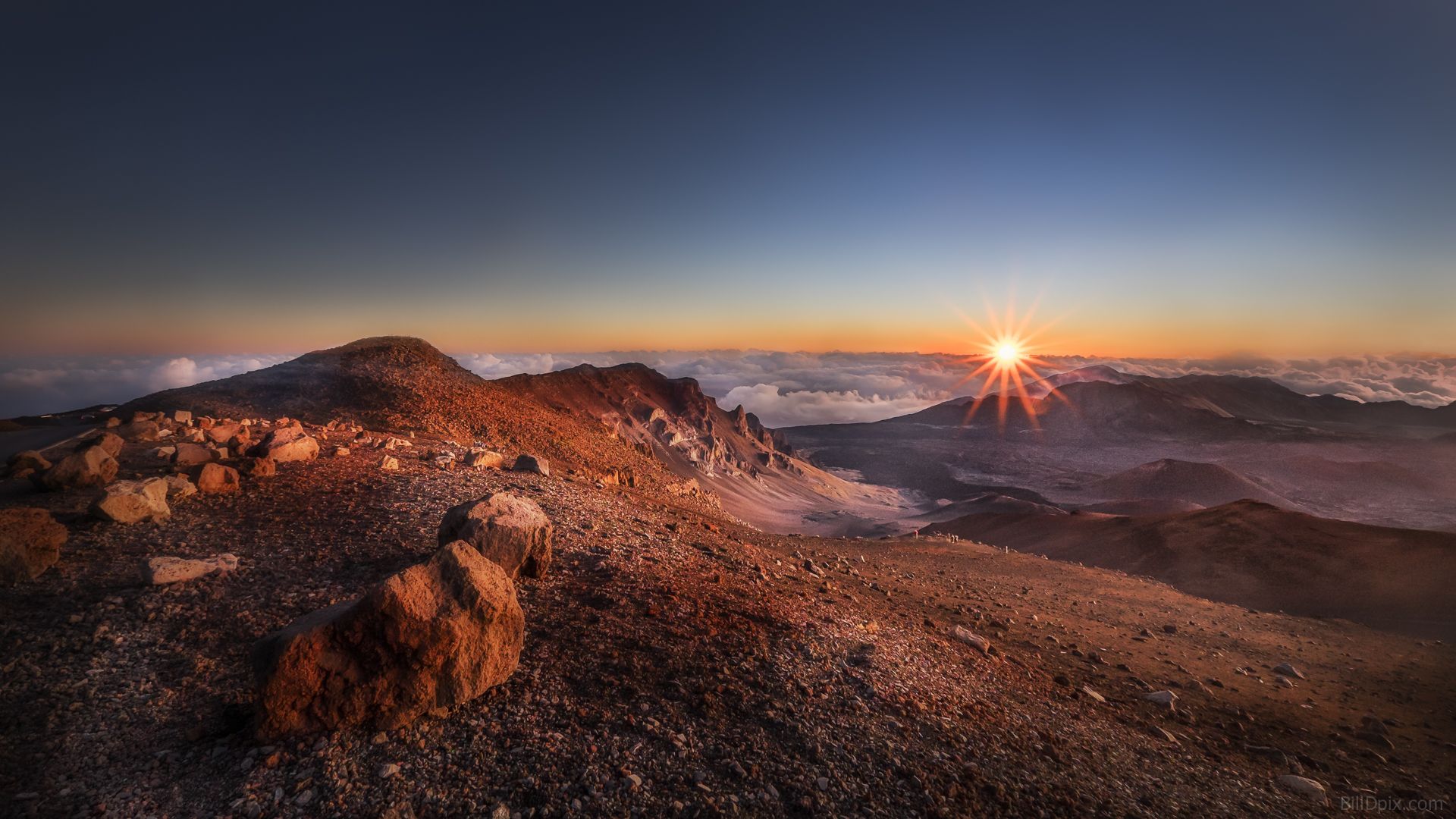
Haleakalā's summit currently resides at 10,023 feet. It is believed that it once sat at 15k feet, but it is so heavy that the volcano is sinking into the earth's crust. Today, the volcano is 28,000 feet above the sea floor making it the THIRD tallest mountain on earth!
0
0
Nahiku Road has become popular to visitors in recent years and many have said it has become a victim to too much publicity. This is a narrow road that winds through lush jungle. There is a scenic bay at the end of the road that provides amazing coastal views as waves pound the pebble beach. You'll pass Nahiku Village which has been absorbed by the jungle surrounding.
0
0
Located on one of the least visited parts of the island, Piilani Highway is a picturesque, wild landscape with beautiful roads. Occasionally the road does narrow to a single lane or the surface turns to minor gravel, but that is what makes it unique!
0
0
Haleakalā's summit currently resides ar 10,023-feet. It is believed that it once sat at 15k feet, but it is so heavy that the volcano is sinking into the earths crust. Today, the volcano is 28,000 feet above the sea floor making it the THIRD tallest mountain on earth!
0
0
This is the park entrance gate to the Haleakalā National Park. Standard fees range from $15-$30, but bikes are the lower $15 amount. The fee is valid for 3 days, so it gives you plenty of time to explore different parts of the park.
0
0

The Halemau'u Trail leads from the shrubland at the rim of the Haleakalā crater down a steep switchback into the volcanic wonderland. Hikers can choose between a 2.2 mile out-and-back that leads to the crater rim, a 7.5 mile out-and-back to Hōlua Cabin in the crater, or the strenuous 12.5 mile Silversword Loop to Bottomless Pit and Pele's Pot.
1
0

Highly Recommended! If you come to Maui, you should make a detour here. Attention! For the sunrise you have to buy a ticket online (1 USD per car). In addition the entrance for the national park 25 USd per car comes. You pay at the entrance. The Haleakala is 3000m hoc. Not everyone can handle that right away. Bring time to acclimate yourself
0
0

Frequently Asked Questions
How many no-traffic touring cycling routes are available in Haleakala National Park?
There are around 10 touring cycling routes in Haleakala National Park that focus on minimizing traffic exposure. Most of these routes are rated as difficult, offering significant elevation gains and challenging terrain for experienced cyclists.
What kind of terrain and elevation can I expect on these routes?
The routes in Haleakala National Park feature significant elevation changes, often climbing from near sea level to over 10,000 feet. You'll encounter winding roads, varied microclimates, and landscapes ranging from arid volcanic areas near the summit to lush rainforests at lower elevations. For example, the Crater Road via Haleakala Highway route involves over 1000 meters of ascent.
Are there any circular touring cycling routes in Haleakala National Park?
Yes, there are circular routes available. For instance, the Haleakalā National Park – Crater Road loop from Toilet restroom offers a challenging loop experience, covering over 35 kilometers with more than 1000 meters of elevation gain.
What natural features or landmarks can I see along the routes?
As you cycle, you can experience the diverse landscapes of Haleakala. In the Summit District, you'll find the vast Haleakalā Crater with its unique cinder cones, and the Haleakalā Visitor Center. The Kīpahulu District offers lush rainforests and stunning waterfalls like Waimoku Falls and the picturesque pools of ʻOheʻo Gulch.
What is the best time of year to go touring cycling in Haleakala National Park?
Haleakala National Park can be cycled year-round, but conditions vary significantly. The summit area can be cold and windy, especially in winter, while lower elevations are warmer. Be prepared for rapid weather changes, including rain, mist, and strong winds, regardless of the season. Early mornings often offer clearer views before clouds roll in.
Are there any facilities or visitor centers along the routes?
Yes, the Haleakalā Visitor Center in the Summit District provides facilities and information. It's advisable to carry sufficient water and supplies, as services can be limited, especially on more remote sections of the routes.
What should I know about permits or reservations for cycling in the park?
An entrance fee is required for cyclists entering Haleakala National Park. For sunrise viewing at the summit, reservations are mandatory due to high demand. While chartered bike tours are no longer allowed to start within the park, self-guided cycling is permitted. For the most current information on fees and reservations, it's best to check the official National Park Service website.
What do other touring cyclists enjoy most about cycling in Haleakala National Park?
The komoot community rates touring cycling in Haleakala National Park highly, with an average score of 5.0 stars. Reviewers often praise the unparalleled panoramic views, the challenging ascents, and the unique experience of cycling through diverse microclimates from sea level to the summit. The opportunity to witness spectacular sunrises and sunsets is also a frequently mentioned highlight.
Are there any routes that offer a different experience from the main summit climb?
Yes, while many routes focus on the summit, the Pi'ilani Highway route offers a different perspective, traversing a coastal area with its own unique challenges and scenery. This route still presents a difficult rating with over 600 meters of elevation gain.
What wildlife might I encounter while cycling?
Haleakala National Park is home to unique flora and fauna, including the endemic ʻāhinahina (Haleakalā silversword) plant and the Nēnē (Hawaiian goose), the state bird. Keep an eye out for these special species, particularly in their natural habitats within the park. Remember to observe wildlife from a respectful distance.
What are the typical distances and elevation gains for these no-traffic routes?
The no-traffic touring cycling routes in Haleakala National Park typically range from approximately 25 to 35 kilometers in distance. Elevation gains are substantial, often between 600 and over 1000 meters. For example, the Haleakalā via the Park Headquarters Visitor Center route is about 32.7 km long with nearly 900 meters of ascent.
Most popular routes in Haleakala National Park
Most popular attractions in Haleakala National Park

Get inspired with the komoot mobile app


Explore more
Browse the best Cycling routes in other regions.
