Top 10 Gorges around Serrania De Ronda
Best canyons around Serrania De Ronda are characterized by the region's karst topography, which has carved out gorges and ravines. This area in the western part of Málaga province, Andalusia, Spain, offers diverse landscapes. The natural formations provide opportunities for hiking and canyoning. The region's geological features make it a notable destination for exploring deep riverbeds and rock formations.
Best canyons around Serrania De Ronda
- The most popular canyons is Tajo de Ronda (Ronda Gorge), a gorge that divides the city of Ronda into two parts. This gorge is approximately 120 meters deep, carved by the Guadalevín River.
- Another must-see spot is Puente Nuevo (New Bridge) in Ronda, a bridge that spans the deep Tajo de Ronda gorge. It connects the old town with the newer part of the city, offering views of the abyss.
- Visitors also love Cueva del Hundidero, a cave with challenging features. It is recognized as a natural monument and is part of the region's impressive geological formations.
- Serrania De Ronda is known for its gorges, ravines, and barrancos. The region offers a variety of canyons to see and explore, from deep riverbeds to impressive rock formations.
- The canyons around Serrania De Ronda are appreciated by the komoot community, with more than 1100 upvotes and over 1100 photos shared.
Last updated: August 20, 2026
New Bridge
Highlight • Bridge
Showing Translation
Tip by

Arab Bridge of Ronda
Highlight • Bridge
Translated by Google •
Tip by

Sign up now to discover places like this
Get recommendations on the best single tracks, peaks, & plenty of other exciting outdoor places.
Sign up for free
Cuenca Gardens
Highlight • Viewpoint
Translated by Google •
Tip by

Tajo de Ronda (Ronda Gorge)
Highlight • Gorge
Translated by Google •
Tip by

Old town of Ronda
Highlight • Gorge
Translated by Google •
Tip by

Aldehuela Viewpoint
Highlight • Viewpoint
Translated by Google •
Tip by
View of Puente Nuevo in Ronda
Highlight • Viewpoint
Translated by Google •
Tip by

Río Hozgarganta Swimming Spot
Highlight • River
Translated by Google •
Tip by

Buitreras Viewpoint
Highlight • Gorge
Translated by Google •
Tip by

View of the Guadalevín Valley from Mirador de la Alameda
Highlight • Viewpoint
Translated by Google •
Tip by
Start today with a free account
Your next adventure awaits.
Login or Signup
Popular around Serrania De Ronda

Triathlon 360 – my journey around the world
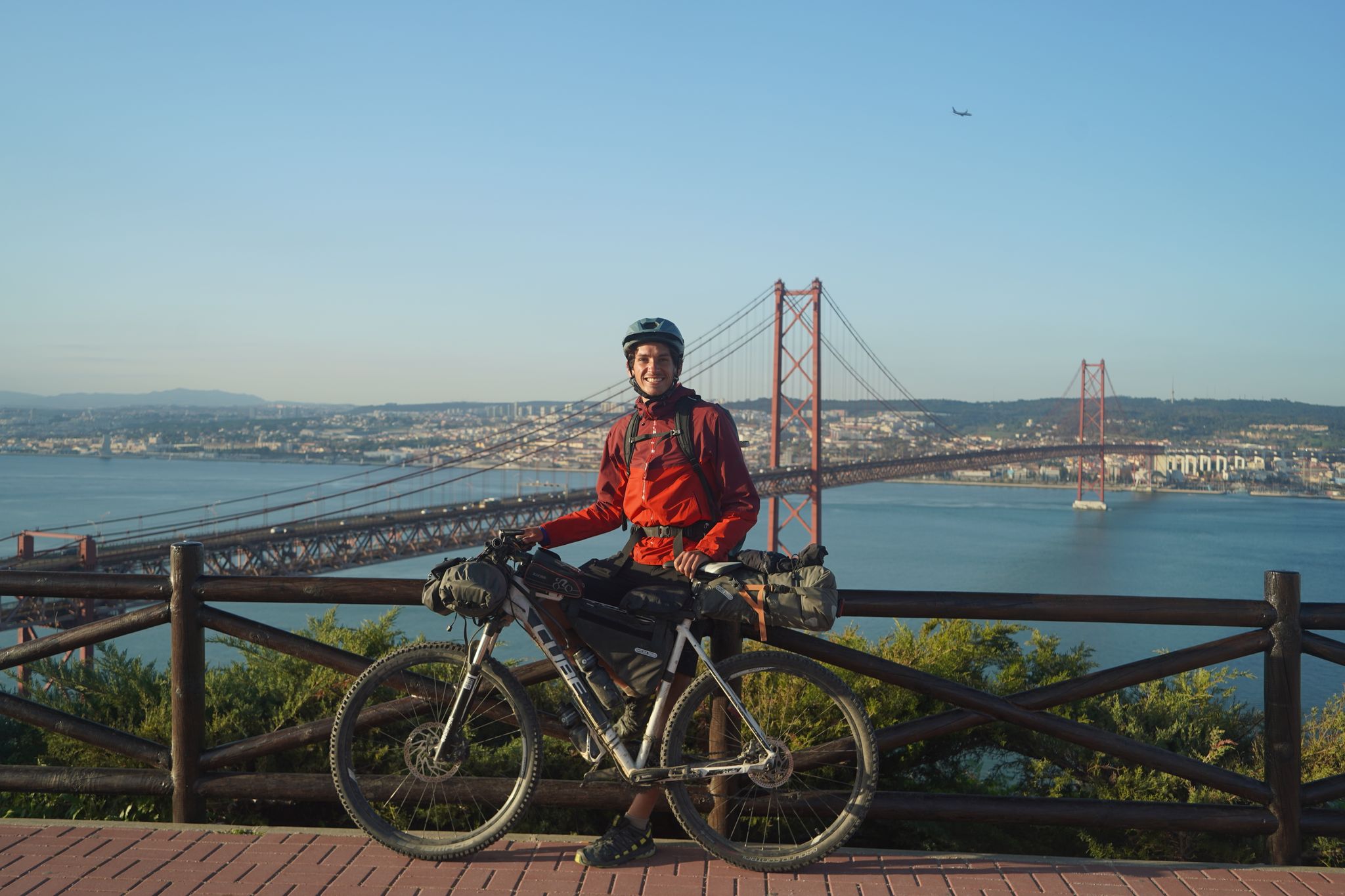
Road to Lisbon – bikepacking the Alps, Pyrenees and Picos de Europa
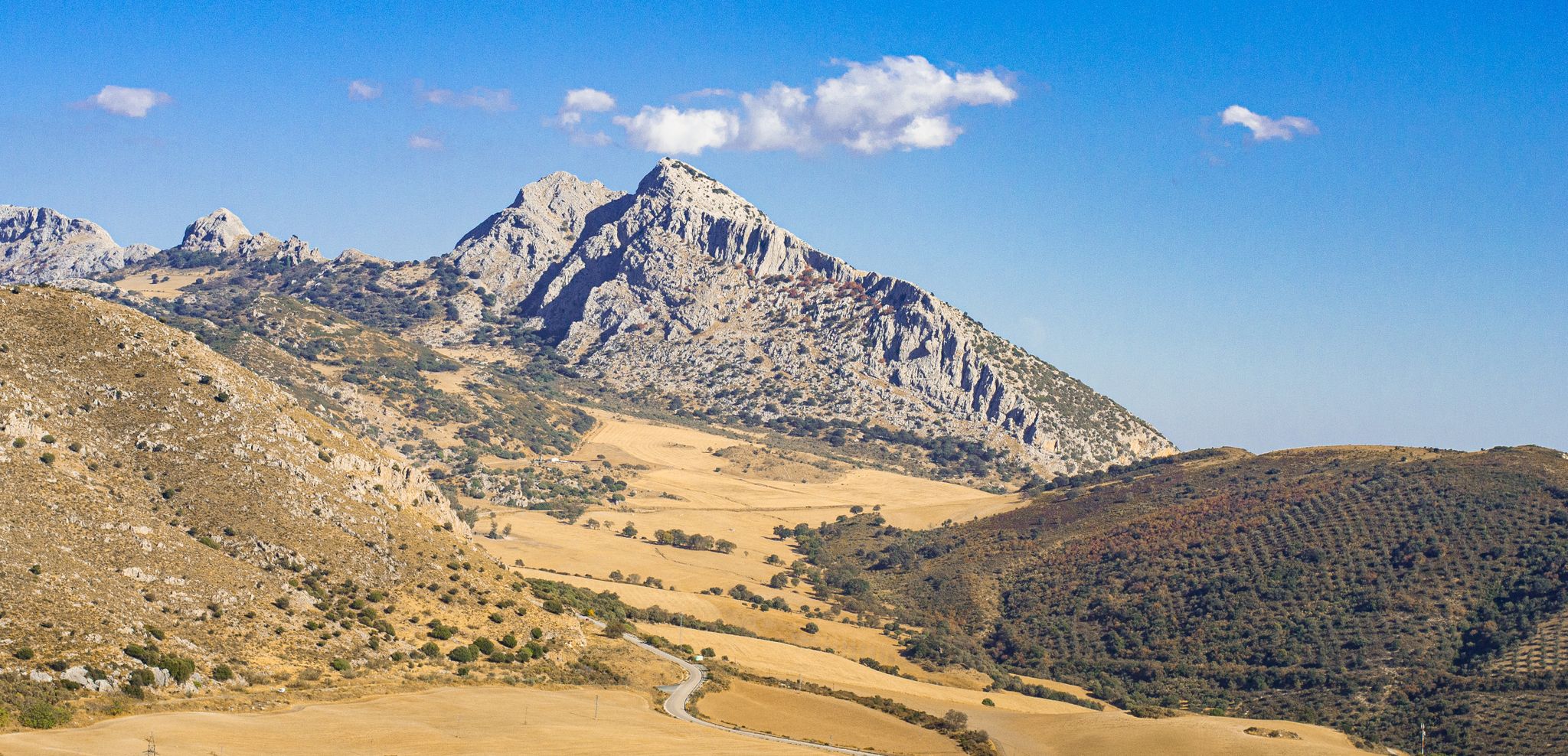
The beauty of the Andalusian mountains – Transandalus southern section
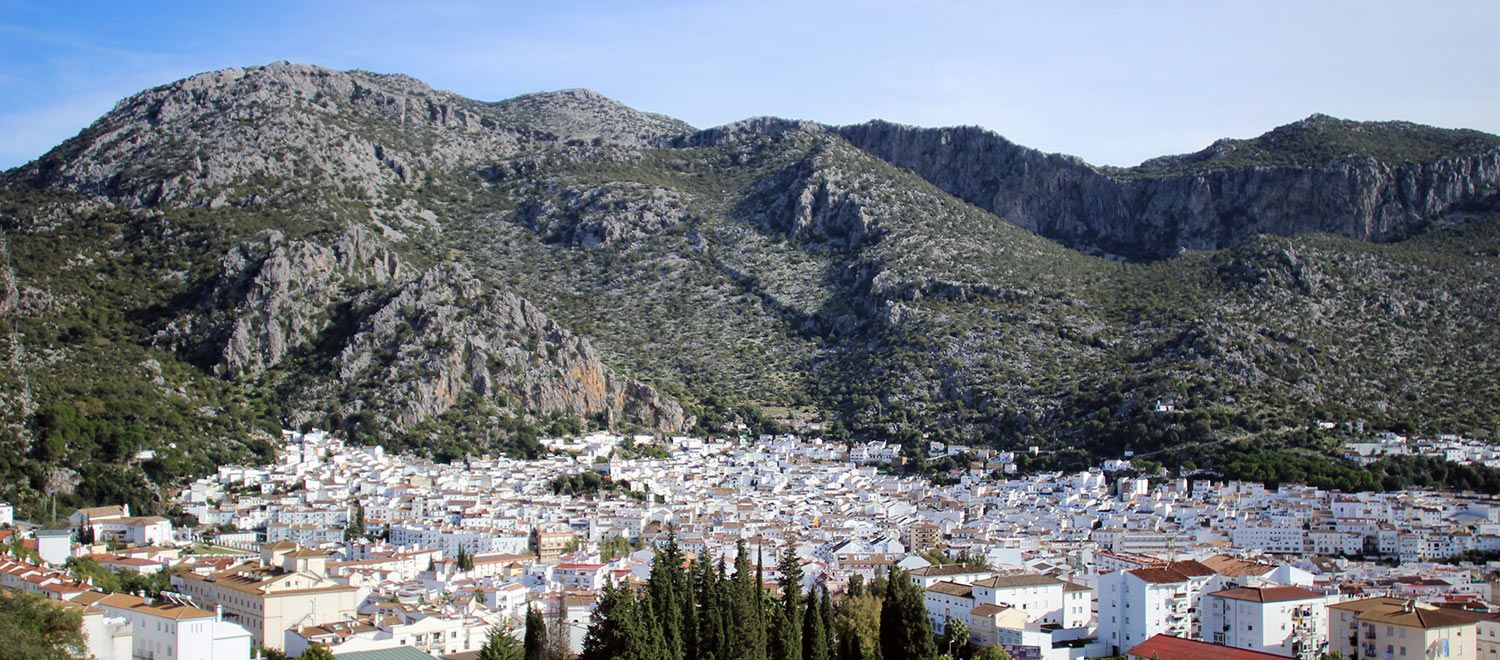
Explore the Betic Mountains on two wheels – Altravesur
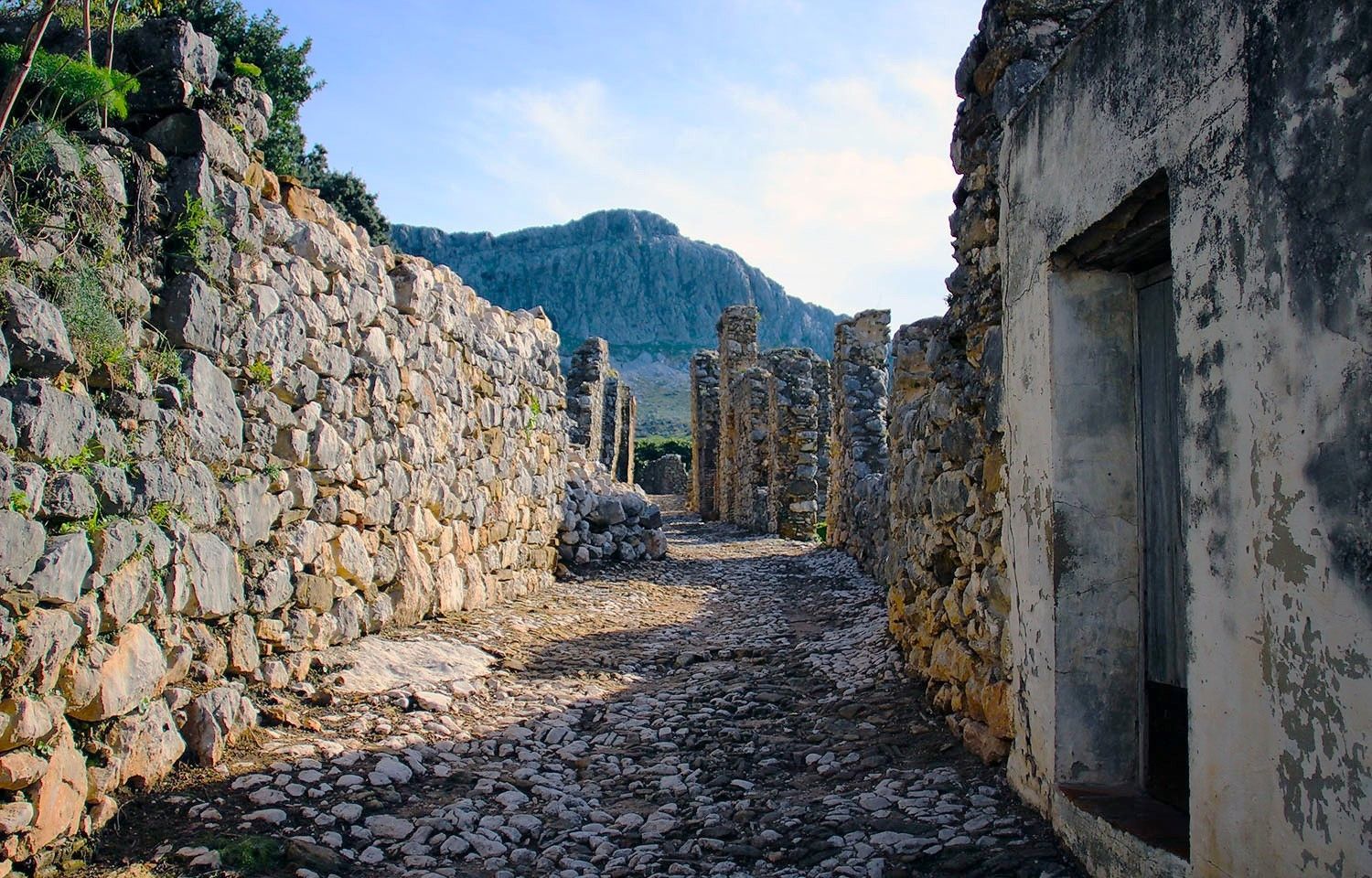
Andalusia without limits – Tarifa to La Puebla de Don Fabrique on the GR 7
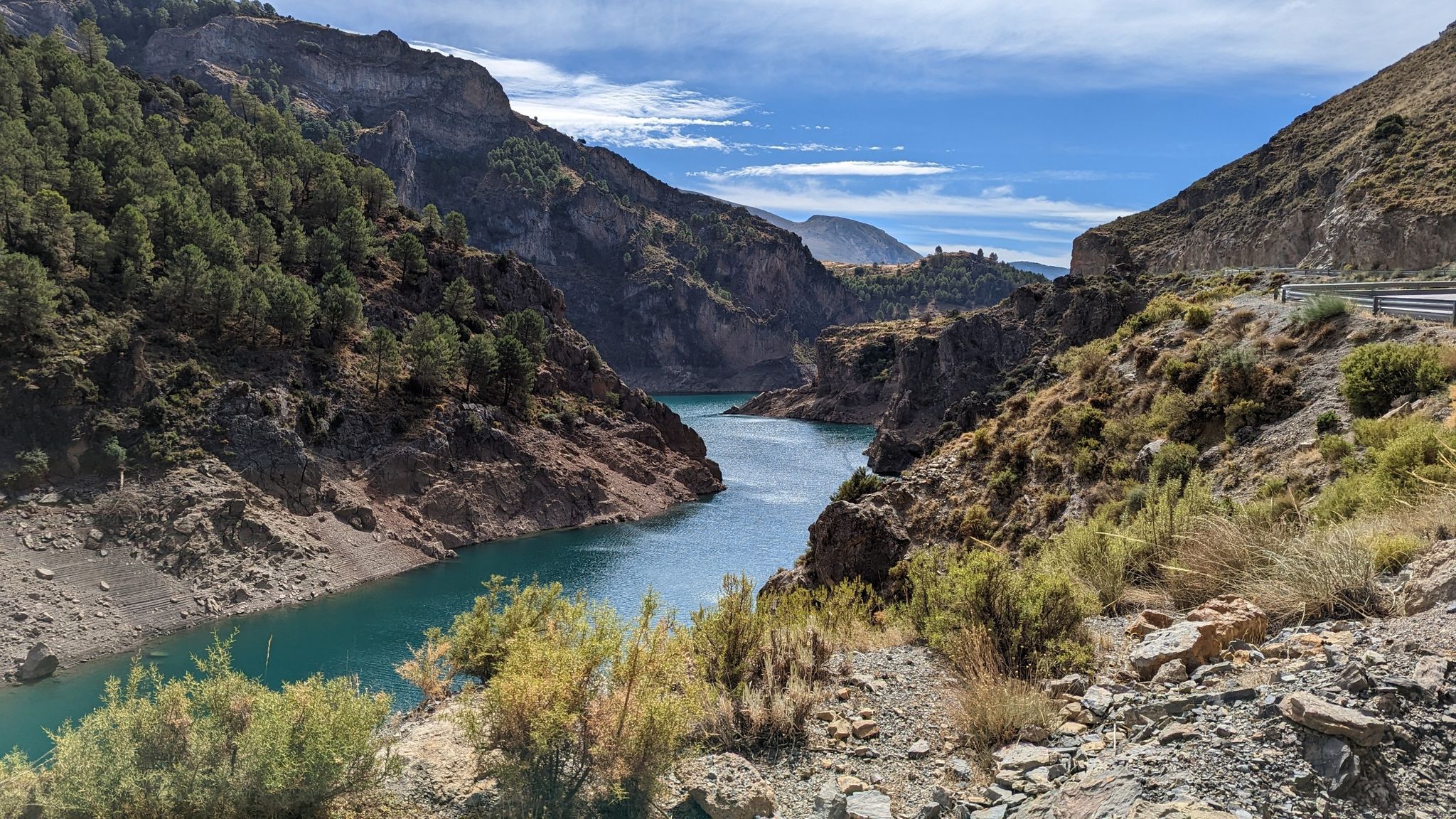
A journey through the Spanish hinterland – cycling across Andalusia
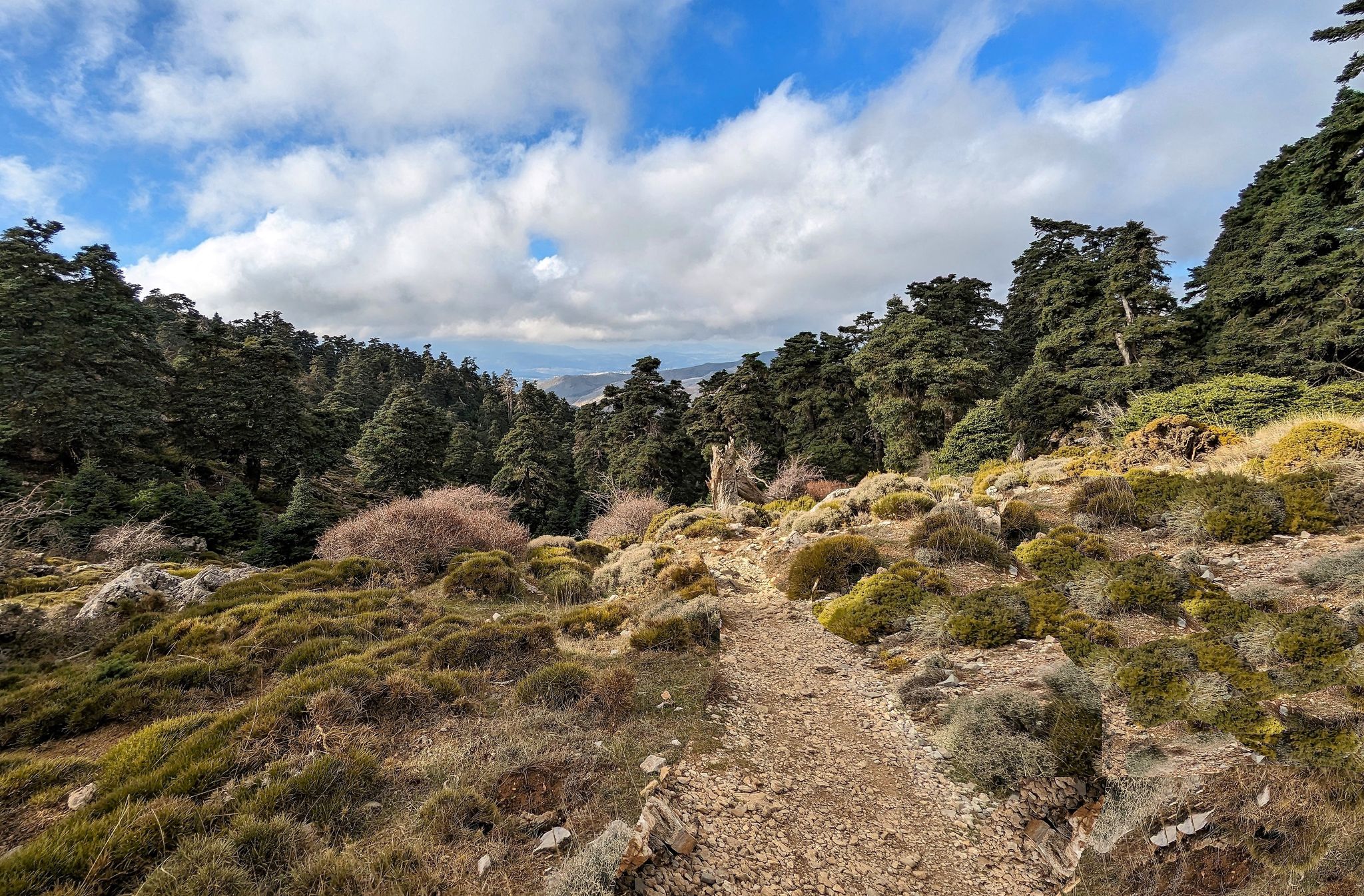
Magic in its purest form – hiking in Spain’s Sierra de las Nieves
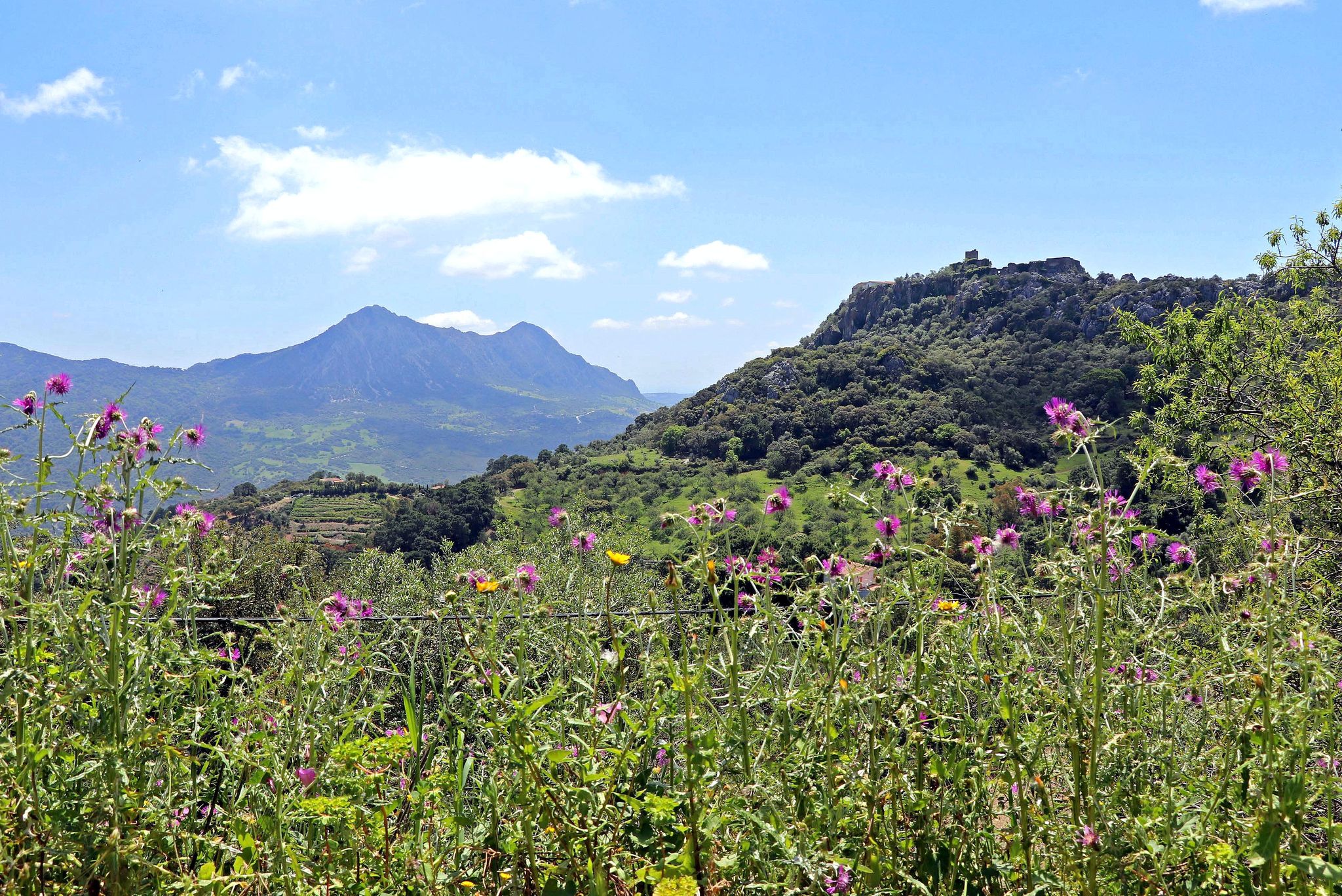
A jewel of Malaga – Gran Senda de la Serranía de Ronda (GR 141)
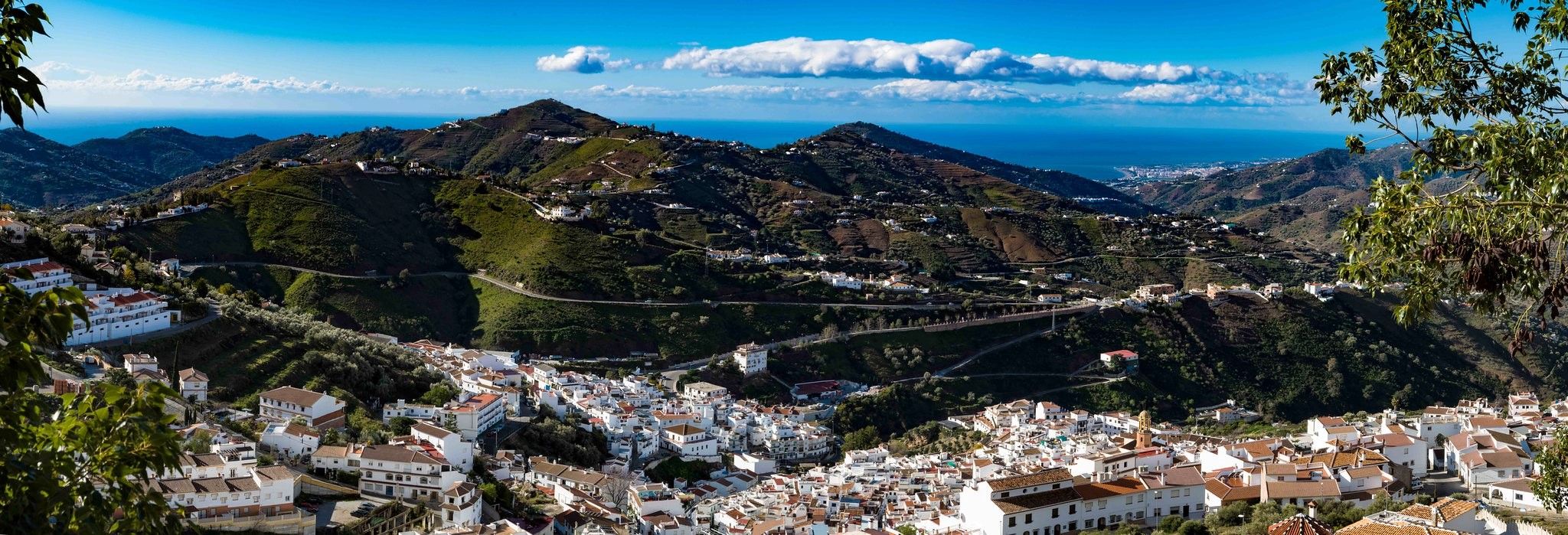
Hike between sea and mountains — Gran Senda de Málaga (GR 249)
Seven days walking along the Gran Senda de Málaga (GR 249)
Other adventures around Serrania De Ronda


Tips from the Community

The old town (La Ciudad) is dominated by the Plaza Duquesa de Parcent, where the 16th-century cathedral Santa María la Mayor stands. This was formerly a mosque and still has four Moorish domes. The bell tower stands on the foundations of the former minaret. Walking around Ronda is certainly no punishment. There are many sights, such as Moorish city walls and gates, the church Iglesia de Nuestro Padre Jesús, the Moorish baths, the Palacio del Marques de Salvatierra and the Palacio de Mondragón with the Museo Municipal. There is also the Balcón del Coño, from where you have a spectacular view.
2
0

A hiking trail leads from Ronda to below the bridge.
0
0

Ronda's historic center takes you back in time, with narrow streets, whitewashed houses, churches, and palaces reminiscent of both Moorish and Christian history. Here you'll find the city's most important monuments, from the Arab Baths to the Puente Nuevo, and experience the charm of a city that has inspired travelers and writers for centuries.
5
2
The Mirador de Aldehuela is one of Ronda's most famous viewpoints, located near the Puente Nuevo. From here, you have a spectacular panorama of the deep El Tajo gorge, the bridge, and the surrounding landscape of mountains and valleys. It is named after the architect José Martín de Aldehuela, who completed the Puente Nuevo in the 18th century. 👉 A perfect spot for photos, especially at sunset!
5
0
The Tajo de Ronda is the spectacular gorge that literally splits the heart of Ronda in two. 🌄 • It is approximately 120 meters deep and carved out by the Guadalevín River, which flows right through the city. • Impressive bridges stand above the gorge, the most famous and iconic of which is the Puente Nuevo. This bridge connects the old Moorish city with the newer part of Ronda. • For centuries, the Tajo served as both a natural defense against enemies and a challenge to urban expansion. • From its edges, you have breathtaking views of the Ronda valley, the Serranía mountains, and the white villages in the distance. It is one of the most photographed places in Andalusia and a highlight of Ronda's charm: nature and architecture in a dramatic interplay.
1
0

Via Puente Nueva you reach the old town, the monumental part of the city, which lies high above the ravine. It is particularly atmospheric with back squares, old streets, and several city palaces and mansions that are open to the public.
2
1


Frequently Asked Questions
What are the most popular canyons in Serranía de Ronda?
The most iconic is the Tajo de Ronda (Ronda Gorge), which dramatically splits the city of Ronda. Other highly regarded canyons include the spectacular Cañón de las Buitreras, known for its griffon vultures, and La Sima del Diablo, popular for its varied canyoning activities.
Are there family-friendly canyoning options in Serranía de Ronda?
Yes, La Sima del Diablo near Júzcar is often recommended for those new to canyoning, including families, due to its varied activities like jumping, abseiling, and sliding. For a more relaxed experience, the Río Hozgarganta Swimming Spot offers a family-friendly natural setting.
What kind of wildlife can I see in the canyons of Serranía de Ronda?
The canyons are rich in biodiversity. The Cañón de las Buitreras is famous for its nesting griffon vultures, and you might also spot Bonelli's eagles and kestrels. The Tajo de Ronda is home to various bird species, including red-billed choughs, lesser kestrels, and peregrine falcons.
What is the best time to visit Serranía de Ronda for canyoning?
Canyoning is generally best enjoyed during the warmer months, typically from late spring to early autumn, when water levels are suitable and the weather is pleasant. Always check local conditions and forecasts before planning your trip.
What natural features can I explore besides the main gorges?
Beyond the major gorges, you can explore unique natural monuments like the Abanico Gorge, which features climbing and cave elements. The Cueva del Hundidero is another challenging natural monument with cave formations.
Are there historical sites near the canyons?
Absolutely. The city of Ronda itself is a historical treasure, dramatically set on the Tajo de Ronda. The iconic Puente Nuevo, Arab Bridge, and the Old town of Ronda offer stunning views and a rich history, with Moorish buildings and ancient bridges.
What are the difficulty levels for canyoning in the region?
The region offers a range of difficulties. Barranco de Zarzalones is highly recommended for beginners, providing a diverse and engaging experience. La Sima del Diablo is also suitable for those new to canyoning. More challenging routes, such as certain sections of the Tajo de Ronda, can include abseiling sections up to 35 meters and optional jumps.
What outdoor activities can I do near these canyons?
Besides canyoning, the Serranía de Ronda offers excellent opportunities for hiking and cycling. You can find various waterfall hikes, road cycling routes, and MTB trails throughout the region, allowing you to explore the diverse landscapes.
Are permits required for canyoning in Serranía de Ronda?
Yes, permits are often required for canyoning in protected natural areas, especially for popular or environmentally sensitive gorges like Cañón de las Buitreras. It's crucial to check with local authorities or guided tour operators for specific permit requirements before planning your trip.
Where can I find accommodation and dining options near the canyons?
The city of Ronda offers numerous accommodation and dining options, especially near the Tajo de Ronda. For canyons like La Sima del Diablo, the nearby 'blue village' of Júzcar provides local amenities. For Cañón de las Buitreras, the town of Cortes de la Frontera (El Colmenar) is a good base.
Can I access the canyons using public transport?
While some areas like Ronda are well-connected by public transport, reaching specific canyoning spots like La Sima del Diablo or Cañón de las Buitreras often requires private transport or arranging transfers with local tour operators. Always check local bus schedules for the most up-to-date information.
What do visitors enjoy most about the canyons in Serranía de Ronda?
Visitors frequently praise the breathtaking views, especially from the Puente Nuevo and Cuenca Gardens overlooking the Tajo de Ronda. The unique geological formations, the thrill of canyoning, and the rich historical context of towns like Ronda are also highly appreciated.
Most popular routes around Serrania De Ronda
Most popular attractions around Serrania De Ronda

Get inspired with the komoot mobile app


Didn’t find what you were looking for?
Want to see even more gorges? See the best ones around Serrania De Ronda region by region:
Explore more
Already discovered everything in this region? See additional gorges around Serrania De Ronda for your next adventure:
