Top 7 Lakes around Campiña Del Sur
Best lakes around Campiña Del Sur are primarily reservoirs located in the province of Córdoba, Andalusia, Spain. This region, known as the Mancomunidad de la Campiña Sur Cordobesa, is situated between the Subbética Mountains and the Guadalquivir Valley. It is characterized by extensive agricultural areas, particularly vine cultivation, and a rich cultural heritage. The lakes in this area offer a blend of natural beauty and recreational opportunities for visitors.
Best lakes around Campiña Del Sur
- The most popular lakes is…
Last updated: June 26, 2026
Vadomojón Reservoir
Highlight • Lake
Translated by Google •
Tip by

Laguna Honda Viewpoint
Highlight • Lake
Translated by Google •
Tip by

Sign up now to discover places like this
Get recommendations on the best single tracks, peaks, & plenty of other exciting outdoor places.
Sign up for free
Quibrajano Dam
Highlight • Structure
Translated by Google •
Tip by

View of Víboras Reservoir
Highlight • Viewpoint
Translated by Google •
Tip by

View of Quiebrajano Reservoir
Highlight • Viewpoint
Showing Translation
Tip by

View of Embalse del Víboras
Highlight • Lake
Translated by Google •
Tip by

Start today with a free account
Your next adventure awaits.
Login or Signup
Popular around Campiña Del Sur
La Vuelta 26 — All Official Stages
A winter getaway along the greenways of Andalusia in Spain
European Divide Trail across the Iberian Peninsula – south
On the trail of olive oil through Andalusia — Vía Verde del Aceite
From the Alcazaba to the Alcazar – an Andalusian Adventure
Vías Verdes – traffic-free cycling along railway history in Spain
Hiking around Campiña Del Sur
Road Cycling Routes around Campiña Del Sur
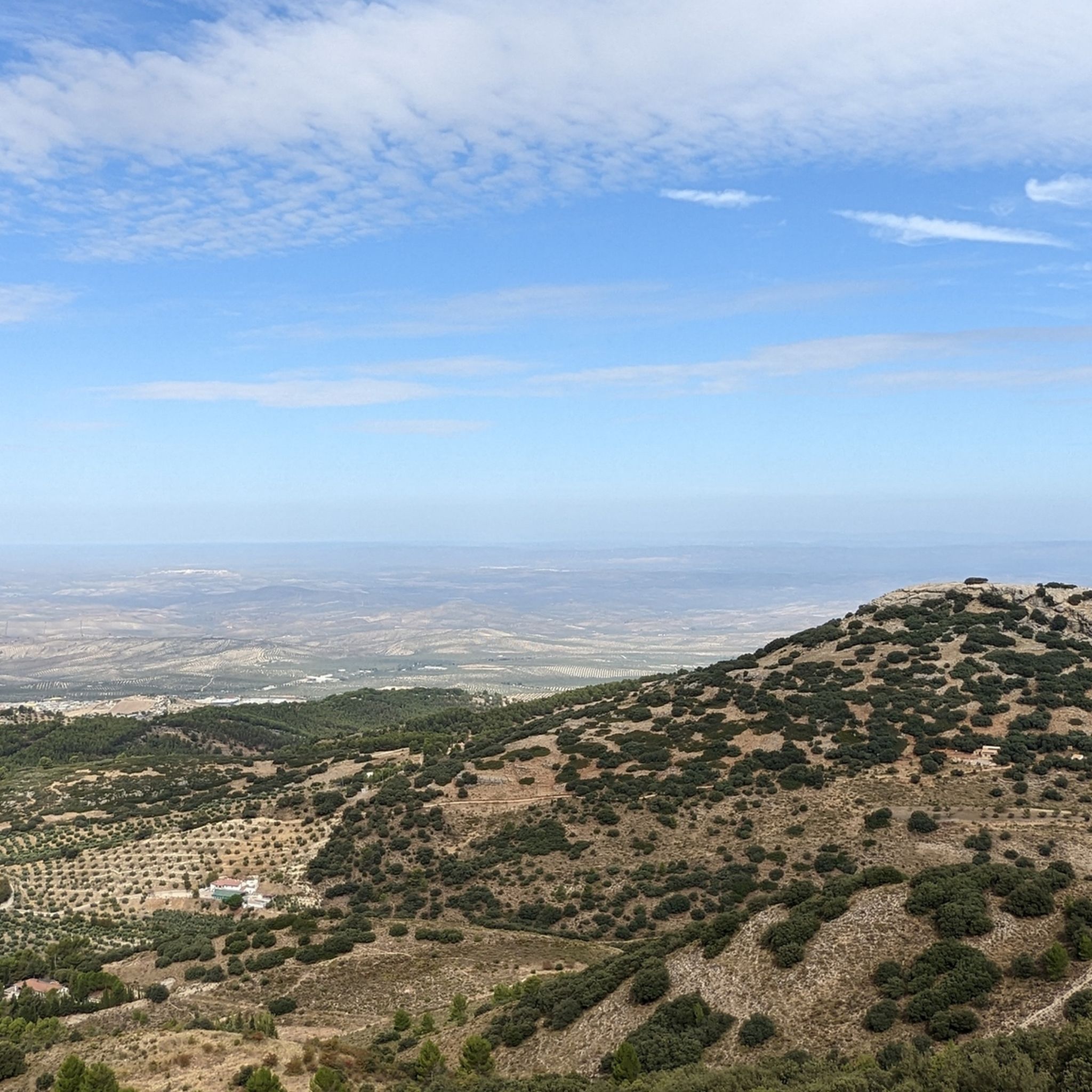
MTB Trails around Campiña Del Sur
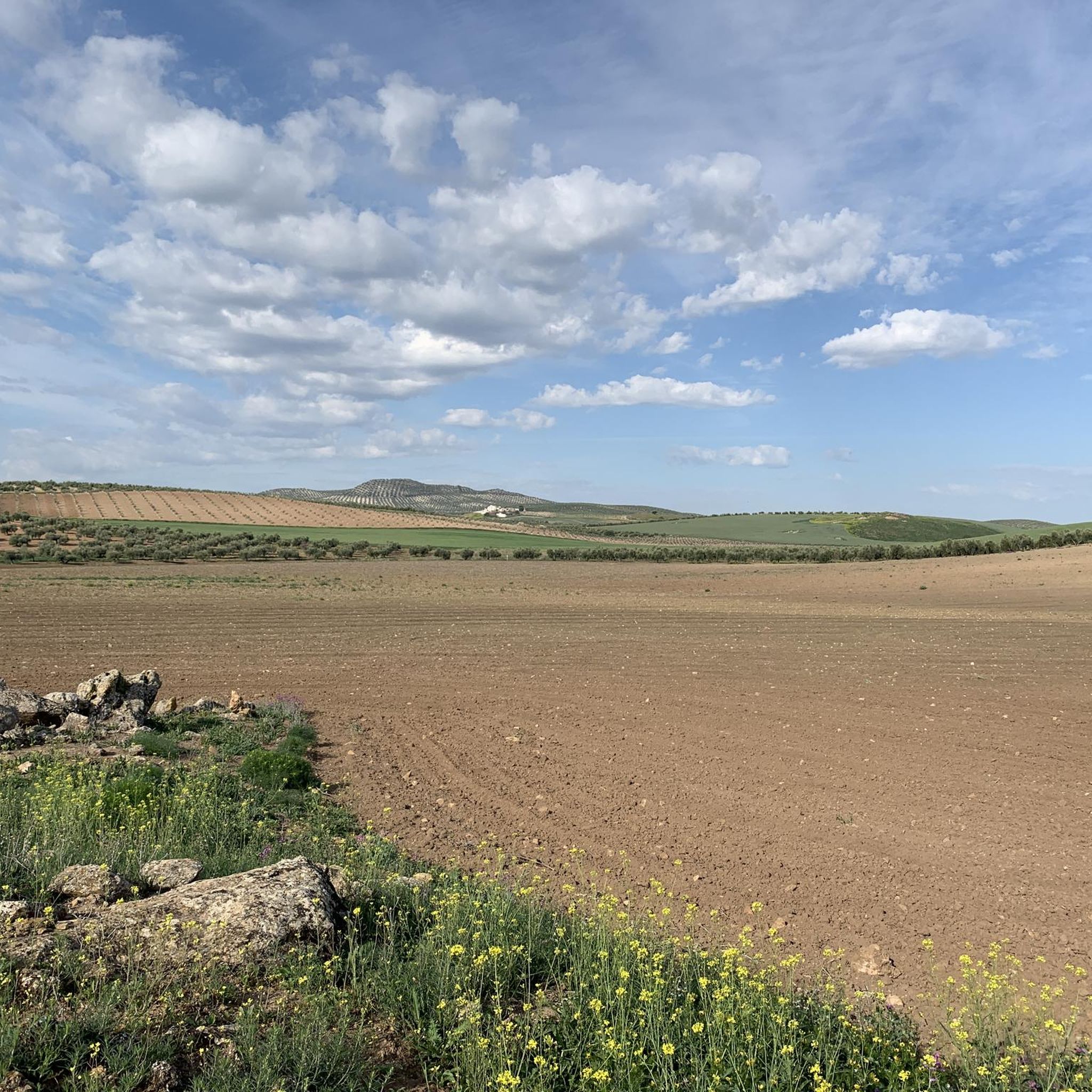
Cycling around Campiña Del Sur
Other adventures around Campiña Del Sur


Tips from the Community

From this viewpoint, you can contemplate the impressive views of the Quiebrajano valley, the Otiñar, and the horizon can be seen: the Jabalcuz mountain range, Jaén, and the majestic La Pandera mountain range.
1
0

The Laguna Honda is a remarkable nature reserve along the Vía Verde del Aceite in the province of Jaén, Andalusia. It is located in the municipality of Alcaudete, about 7 km northwest of the town center, nestled between the Sierra de Orbes and the Guadalquivir plain. With an area of around 65 hectares and an additional protected zone of 220 hectares, it is one of the most important wetlands in the region. Laguna Honda is an endorheic, shallow salt lagoon whose high salt content is due to the clayey and calcareous soils. It is mainly fed by rainwater and a small tributary from the Sierra de Orbes. Despite its shallow depth, it is a valuable habitat for numerous bird species, including flamingos, ducks, and other water birds that rest or breed here.
0
0

Laguna Honda, located in a place known as Tumbalagraja, is a unique space that was declared a nature reserve in 1989 and belongs to the municipality of Alcaudete in Jaén. The first autumn rains flood the lagoon, which manages to retain a small amount of water until the arrival of spring. This fact, together with the contribution of the current that enters from a small stream in the Sierra de Orbes, makes it the most persistent natural wetland in the province. Of the original vegetation, two species remain, the bulrush and the reed, which together with the reed and the tamarisk form the vegetation around the lagoon. Visitors who come to this beautiful place can enjoy the birds that can be found there, such as the redfish, the coot or the white-headed duck. On some occasions you can even see small flocks of pink flamingos.
8
0
The Guadajoz River rises just before the tail of the reservoir from the union of the Salado River and the San Juan River and flows into the Guadalquivir near the municipality of Córdoba.
7
0

It is the area where the dam is located that retains water for human consumption in the capital, and to also serve different populations near Jaén.
10
0

Hydroelectric dam on the northern slope of Sierra las Víboras. The dam on the west side of the reservoir collects the waters of the Víboras River.
2
0

Storage reservoir built in the Víboras riverbed, in the province of Jaén, southern Spain. It has a useful capacity of 19.11 hm³, although its total capacity is 24 hm³.
2
0
Viewpoint with wonderful views of the Quiebrajano valley, Otiñar and in the distance Jabalcuz and Jaén. In front of us, the majestic La Pandera is shown, with its 1872 meters of altitude.
1
1
Frequently Asked Questions
What kind of lakes can I expect to find in the Campiña Del Sur region?
The lakes in the Campiña Del Sur region are primarily reservoirs, which serve multiple purposes such as water supply and irrigation, while also offering natural beauty and recreational opportunities. They are nestled between the Subbética Mountains and the Guadalquivir Valley.
Are there any lakes suitable for water sports or swimming?
Yes, the La Breña Reservoir (La Breña II) near Almodóvar del Río is an excellent choice. It features a fluvial beach that received a Blue Flag distinction in 2022, making it ideal for swimming and various water sports. It has even hosted international fishing championships.
Which lakes offer spectacular views or are good for birdwatching?
The Vadomojón Reservoir is known for its spectacular views, where the water contrasts beautifully with surrounding olive groves. It's also an important site for migratory birds, making it excellent for birdwatching. Another scenic spot is the View of Quiebrajano Reservoir, offering wonderful vistas of the Quiebrajano valley and distant mountains.
Are there any family-friendly lakes in the area?
The Laguna Honda Viewpoint is categorized as family-friendly, offering a pleasant spot for visitors of all ages to enjoy the natural surroundings.
What outdoor activities can I do near the lakes around Campiña Del Sur?
You can enjoy a variety of outdoor activities. For running, consider routes like the 'Olive Oil Greenway Loop from Jaén'. Mountain biking enthusiasts can explore trails such as the 'Archaeological Route of the Towers' or the challenging 'Jabalcuz and El Pincho Loop'. If you prefer a more relaxed pace, there are easy hikes like the 'Jaén Historic Center Tour'. You can find more details on these activities in the Running Trails, MTB Trails, and Easy Hikes guides for Campiña Del Sur.
Which lakes are significant for wildlife observation?
The Guadalmellato Reservoir, located in the Sierra Morena mountains, is particularly significant for wildlife. It served as a reintroduction site for the Iberian lynx in 2009, offering a tranquil environment for observing various species.
What is the purpose of the dams and reservoirs in this region?
Many of the lakes in Campiña Del Sur are reservoirs created by dams, primarily serving as crucial sources for water supply and irrigation for the surrounding municipalities and agricultural areas. For example, the Quibrajano Dam retains water for human consumption in Jaén and nearby populations.
Can I find any historical or cultural connections near these lakes?
While the lakes themselves are primarily natural or man-made reservoirs, the broader Campiña Del Sur region is known for its rich cultural heritage and extensive agricultural areas, particularly vine cultivation. The Guadalmellato Reservoir is also part of the GR-48 public path, which often connects to areas of historical interest.
Are there any viewpoints to appreciate the lakes?
Yes, several viewpoints offer excellent perspectives. The View of Víboras Reservoir provides a great vantage point of this storage reservoir. Additionally, the View of Embalse del Víboras offers another perspective of the hydroelectric dam and the Víboras River.
What is the best time to visit the lakes around Campiña Del Sur?
The region experiences hot summers, so spring (April-May) and autumn (September-October) are generally the most pleasant times to visit for outdoor activities and enjoying the natural beauty. During these seasons, temperatures are milder, and the landscapes are vibrant.
How accessible are the lakes from Córdoba city?
The San Rafael de Navallana Reservoir is notably close to Córdoba city, making it an easily accessible option for both locals and visitors seeking a natural escape for picnics, strolls, and enjoying the water views.
Most popular routes around Campiña Del Sur
Most popular attractions around Campiña Del Sur

Get inspired with the komoot mobile app


Didn’t find what you were looking for?
Find the best lakes around Campiña Del Sur per region:
Explore more
Still not found your perfect lake around Campiña Del Sur? Check out the guides of these regions to see even more beautiful places.
