Top 5 Castles around Campiña Alta
Best castles around Campiña Alta offers a journey through historical fortifications and settlements in a region rich with heritage. This area features a blend of ancient structures and strategically important sites, reflecting centuries of history. Visitors can explore various historical sites, including castles and settlements with significant pasts. The landscape provides a backdrop for discovering these architectural remnants.
Best castles around Campiña Alta
- The most popular castles is Lucena, a settlement where the old castle and surrounding representative buildings…
Last updated: August 20, 2026
Castillo del Moral
Highlight • Castle
Translated by Google •
Tip by

Lucena
Highlight • Settlement
Tip by

Sign up now to discover places like this
Get recommendations on the best single tracks, peaks, & plenty of other exciting outdoor places.
Sign up for free
Castillo de Doña Mencía
Highlight • Castle
Translated by Google •
Tip by

Castillo Anzur
Highlight • Castle
Translated by Google •
Tip by

Castillo de Gómez Arias
Highlight • Castle
Translated by Google •
Tip by

Start today with a free account
Your next adventure awaits.
Login or Signup
Popular around Campiña Alta
A winter getaway along the greenways of Andalusia in Spain
Let’s head south – cycle in Andalusia with me and my dog
On the trail of olive oil through Andalusia — Vía Verde del Aceite
From the Alcazaba to the Alcazar – an Andalusian Adventure
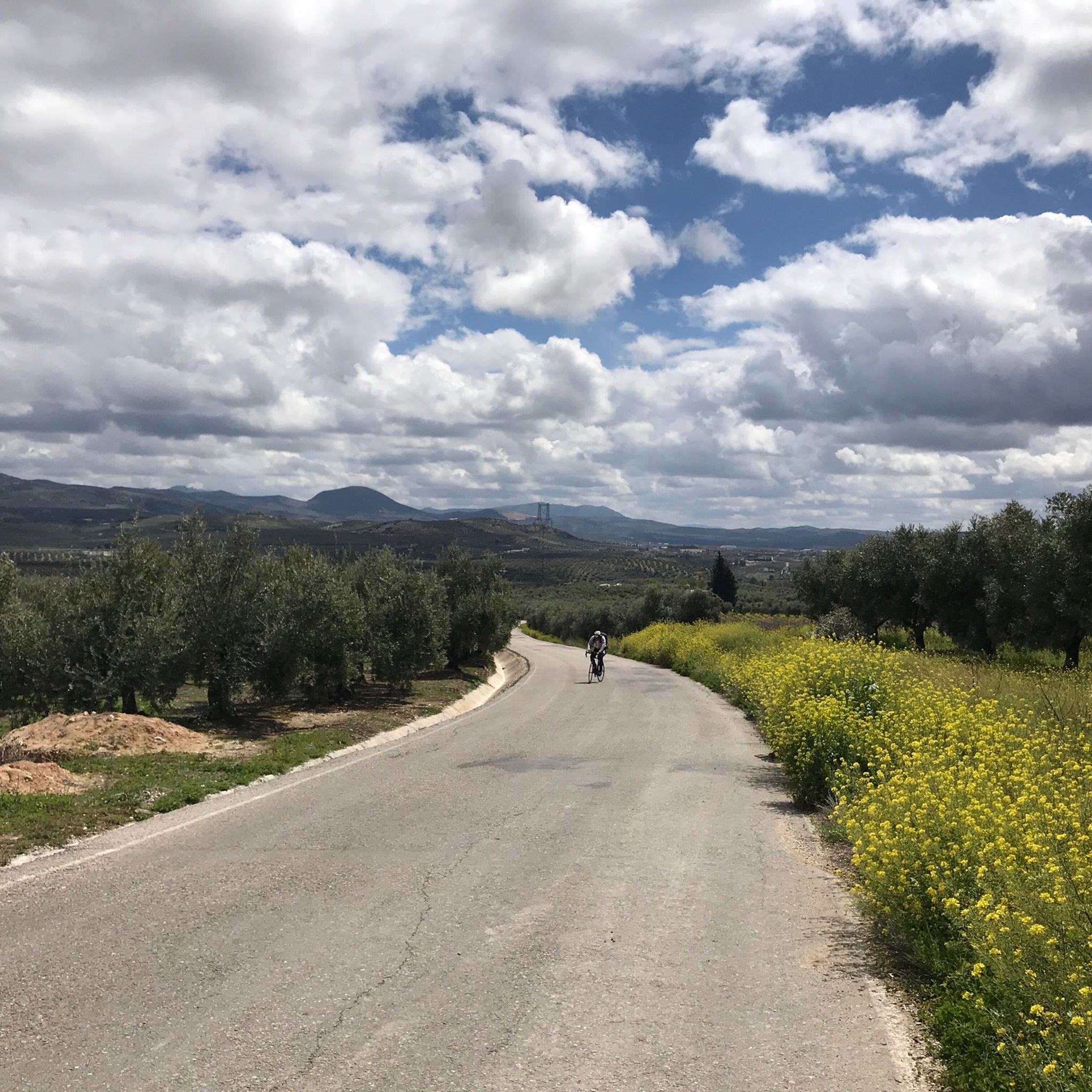
Road Cycling Routes around Campiña Alta
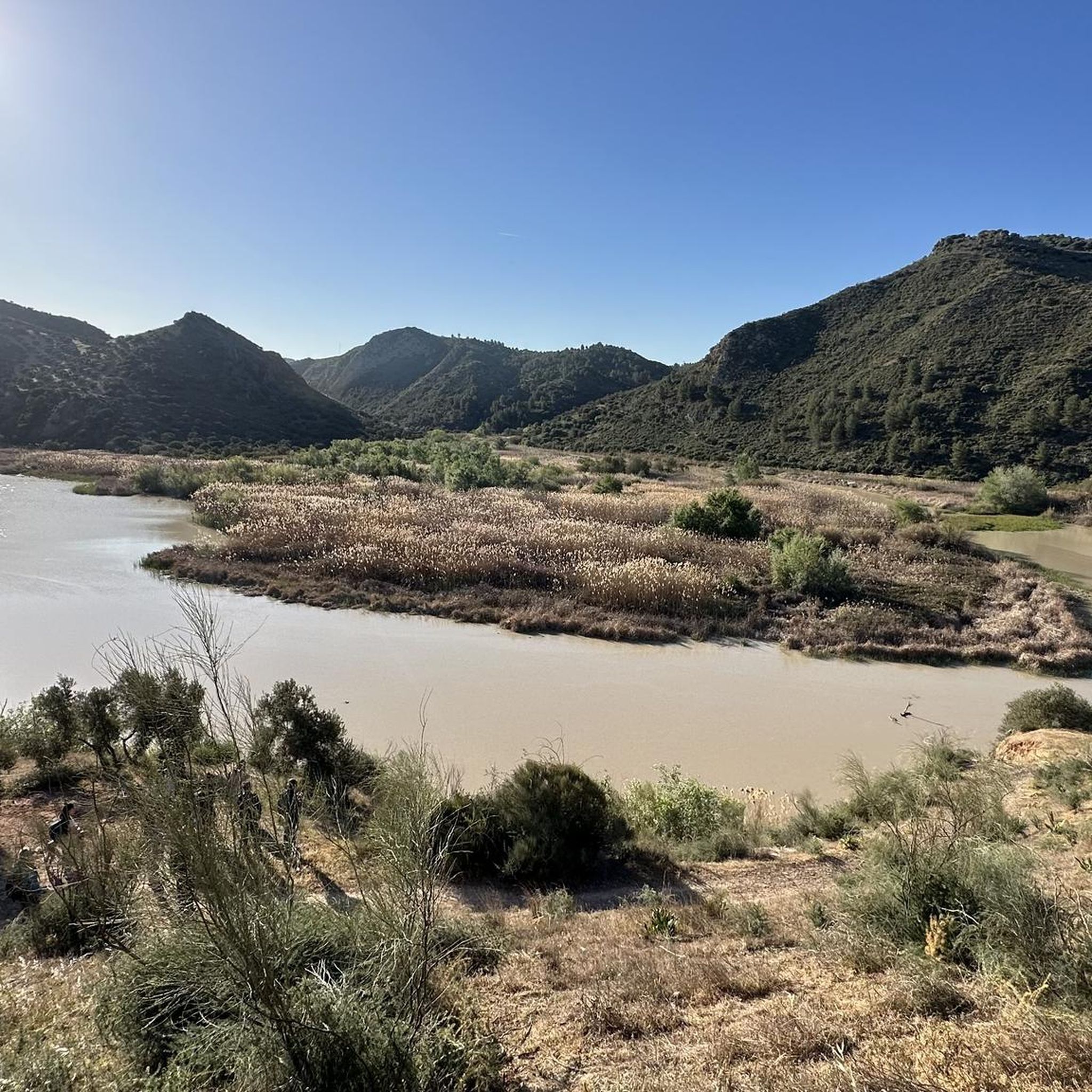
Running Trails around Campiña Alta
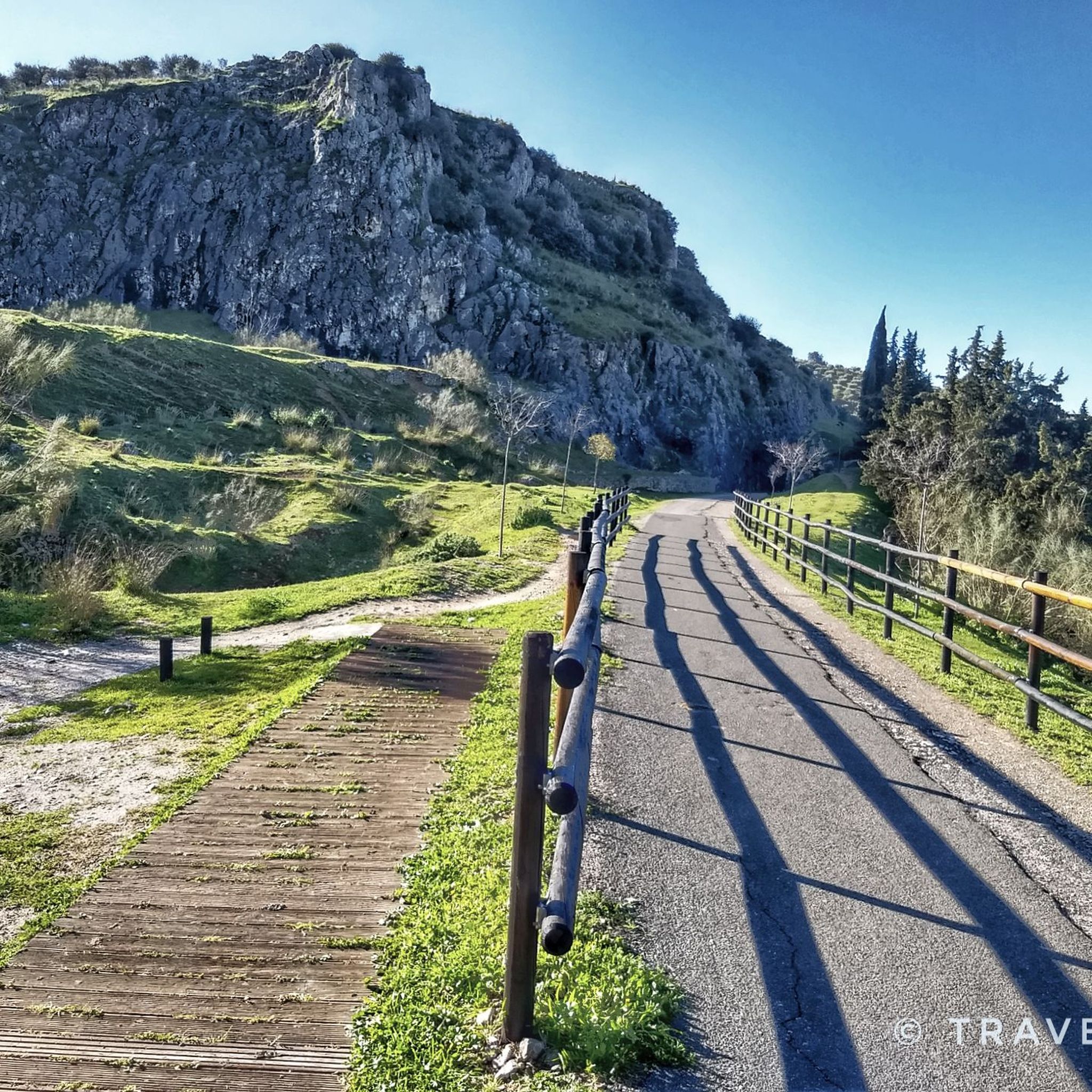
Cycling around Campiña Alta
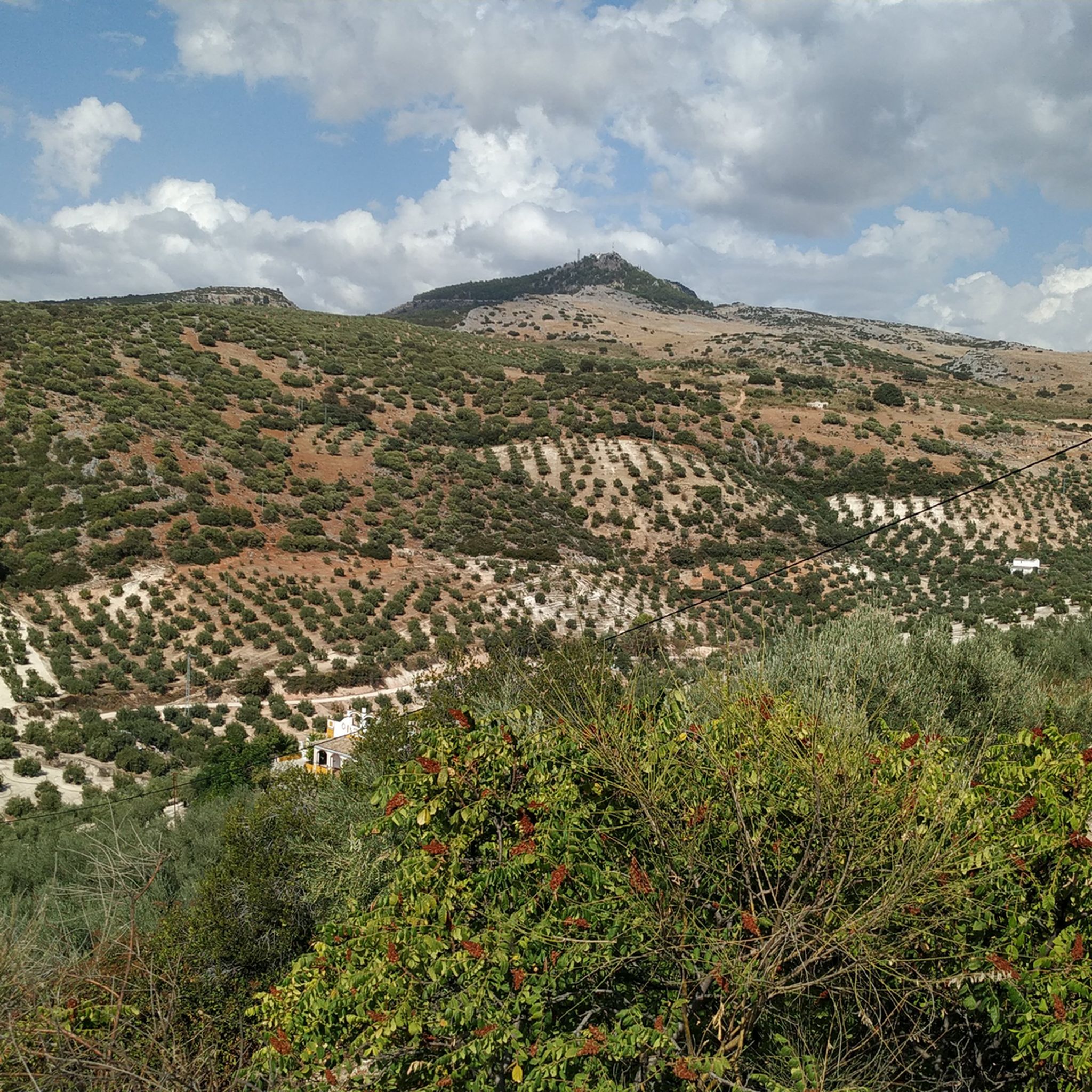
MTB Trails around Campiña Alta
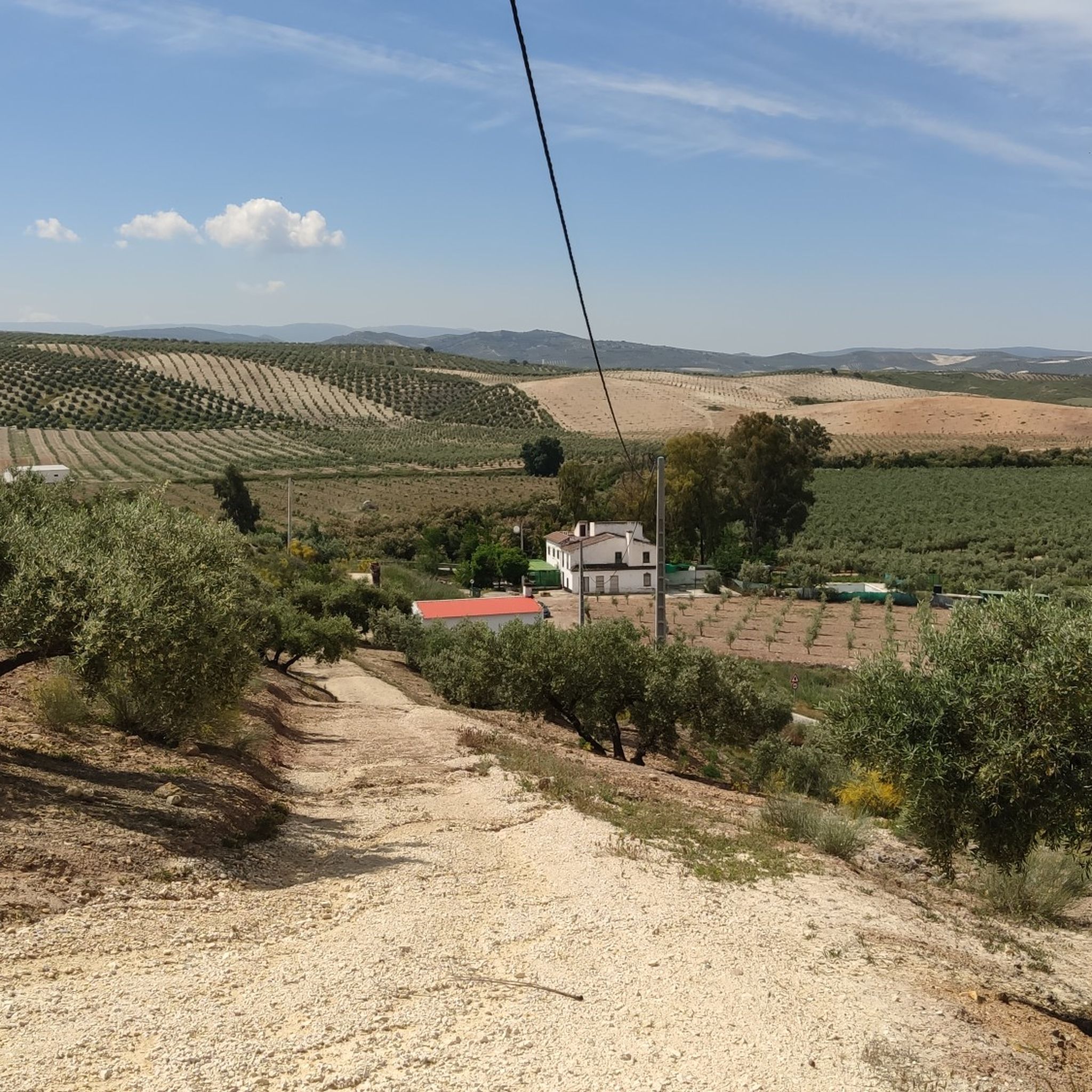
Hiking around Campiña Alta
Gravel biking around Campiña Alta
Other adventures around Campiña Alta


Tips from the Community

The Castillo de Doña Mencía is a historic castle located in the heart of the village of Doña Mencía. The castle was built in 1415 by Diego Fernández de Córdoba and has had a rich history ever since. The castle has a trapezoidal plan and is largely built of masonry. The walls are decorated with circular towers in the northeastern and southeastern corners. The main tower is the Torre del Homenaje, which is 17 metres high and is the main architectural feature of the castle. Inside the castle you can visit the Patio de Armas, an internal space that offers impressive views of the surrounding landscapes. The castle is free to visit and offers a unique insight into the medieval architecture and history of the region.
8
0

From this point in the Río Genil valley and from the bottom, you can see the Castle of Gómez Arias on top of the mountain. beautiful valley
0
0

The Anzur Castle dominates the highest points of Puente Genil. The watchtower is dated from the 10th century and from the Arab period.
1
0

Also known as the castle of Lucena. It is a Hispano-Muslim military fortress from the 11th century. Inside is the Archaeological and Ethnological Museum of Lucena.
2
0

Castle built in 1148 by the Almohad Empire. After many changes of hands over the centuries, in 1926 the Lucena City Council bought the castle from the Dukes of Híjar, its last owners. After several decades of conservation work and recovery of the original structures, in 2001 the Archaeological and Ethnological Museum of Lucena was inaugurated.
3
0

Frequently Asked Questions
What are some of the most historically significant castles in the Campiña Alta region?
The Campiña Alta region is rich in history. Notable sites include Baena Castle, a stone fortification linked to the Muladí rebellion of Umar ibn Hafsun in the 9th century. Another significant site is Castillo Anzur, which features a watchtower dating back to the 10th century Arab period. The settlement of Lucena also offers insights into historical town layouts and architecture from its Plaza de España.
Are there any castles in the Campiña Alta region with Arab origins?
Yes, several castles in the broader Campiña region have Arab origins. Castillo Anzur, for example, features a watchtower from the 10th century Arab period. Zorita de los Canes Castle, though not in Campiña Alta itself but in the wider Campiña region of Spain, also has Arab origins from the 9th century, showcasing early medieval fortifications.
What kind of architecture can I expect to see at castles in Campiña Alta?
You'll find a variety of architectural styles reflecting different historical periods. For instance, Baena Castle is a stone fortification, while the settlement of Lucena showcases historical town layouts and representative buildings. In the broader Campiña region, the Palace of the Infantado in Guadalajara is a magnificent example of Spanish Gothic and Renaissance architecture.
What outdoor activities can I do near the castles in Campiña Alta?
The Campiña Alta region offers various outdoor activities. You can explore easy hikes like the Enrique Triano Trail or the Path of the Arroyo de las Cañas. For more challenging options, consider the Mozarabic Trail. Gravel biking is also popular, with routes like the Plantío Tunnel – Alamedal Viaduct loop. You can find more details on these activities in the easy hikes, general hiking, and gravel biking guides for Campiña Alta.
Are there any family-friendly castle visits or activities in Campiña Alta?
While specific family-friendly activities at each castle may vary, the settlement of Lucena is categorized as family-friendly, offering a chance to explore historical town architecture. Many castles, even in ruins, provide an engaging historical experience for families. Always check individual castle websites for specific visitor information and amenities.
Which castles in Campiña Alta offer good viewpoints?
Baena Castle and Castillo Anzur are both noted as offering viewpoints. Castillo de Gómez Arias also provides a beautiful view of the Río Genil valley from its position atop a mountain.
What is the best time of year to visit castles and hike in Campiña Alta?
Generally, spring and autumn offer the most pleasant weather for visiting castles and engaging in outdoor activities like hiking in the Campiña Alta region. Temperatures are milder, making exploration more comfortable. Summers can be very hot, and winters can be cooler and potentially rainy, though still suitable for visits if dressed appropriately.
Can I find accommodation or places to eat near the castles in Campiña Alta?
Yes, towns and villages near the castles, such as Lucena and Baena, typically offer accommodation options, cafes, and restaurants. For example, Lucena has various amenities for visitors. It's advisable to check local listings for specific towns you plan to visit for the most current information on services.
Are there any castles in the Campiña region that are currently undergoing restoration?
Yes, Castillo de Pioz, located in the broader Campiña region of Guadalajara, is currently undergoing restoration. Visiting during this period can offer a unique perspective on the conservation efforts involved in preserving historical sites.
What is the significance of Zorita de los Canes Castle, even if it's not directly in Campiña Alta?
Zorita de los Canes Castle, situated in the wider Campiña region of Spain, is significant for its ancient Arab origins, dating back to the 9th century. It stands on a hill overlooking the Tagus River and offers a glimpse into early medieval fortifications and the strategic importance of riverside locations in historical defense.
What is the history behind the Palace of the Infantado in Guadalajara?
The Palace of the Infantado, while a palace rather than a traditional castle, is a significant historical site in the broader Campiña region of Spain. Its construction began in 1480 and it showcases a blend of Spanish Gothic and Renaissance architecture. It tells the story of the powerful Mendoza family and, despite suffering damage in 1936, has been splendidly restored.
Are there any castles in the Campiña region that are mostly in ruins but still historically interesting?
Yes, Vállaga Castle in the broader Campiña region of Guadalajara is currently in ruins. Originally an Arab fortification from the 12th century, it was later repurposed as a wine cellar. Even in its ruined state, it represents a significant piece of the region's Arab heritage and illustrates the changing functions of fortified sites over time.
Most popular routes around Campiña Alta
Most popular attractions around Campiña Alta

Get inspired with the komoot mobile app


Didn’t find what you were looking for?
Explore Campiña Alta’s best castles region by region:
Explore more
Looking for the best castles somewhere else? Discover other guides around Campiña Alta:
