Top 6 Huts and Cabins around Litoral
Best huts around Litoral are found in a region known for its coastal character and significant pilgrim routes. This area features diverse landscapes, including river valleys and historical settlements. It offers a blend of natural beauty and cultural heritage, particularly along the Camino Portugués. The Litoral region provides opportunities for outdoor activities and exploration of local history.
Best huts around Litoral
- The most popular huts is Mos, a settlement that includes a pilgrim oasis with a hostel, shop, and…
Last updated: August 20, 2026
Mos
Highlight • Settlement
Translated by Google •
Tip by

Portela Pilgrims' Hostel
Highlight • Mountain Hut
Translated by Google •
Tip by
Sign up now to discover places like this
Get recommendations on the best single tracks, peaks, & plenty of other exciting outdoor places.
Sign up for free
Albergue Casa Alternativo
Highlight • Mountain Hut
Translated by Google •
Tip by

As Chivas Casa Rural
Highlight • Mountain Hut
Tip by

Outeiro Prehistoric Huts Ethnoarchaeological Park
Highlight • Historical Site
Translated by Google •
Tip by

Start today with a free account
Your next adventure awaits.
Login or Signup
Popular around Litoral
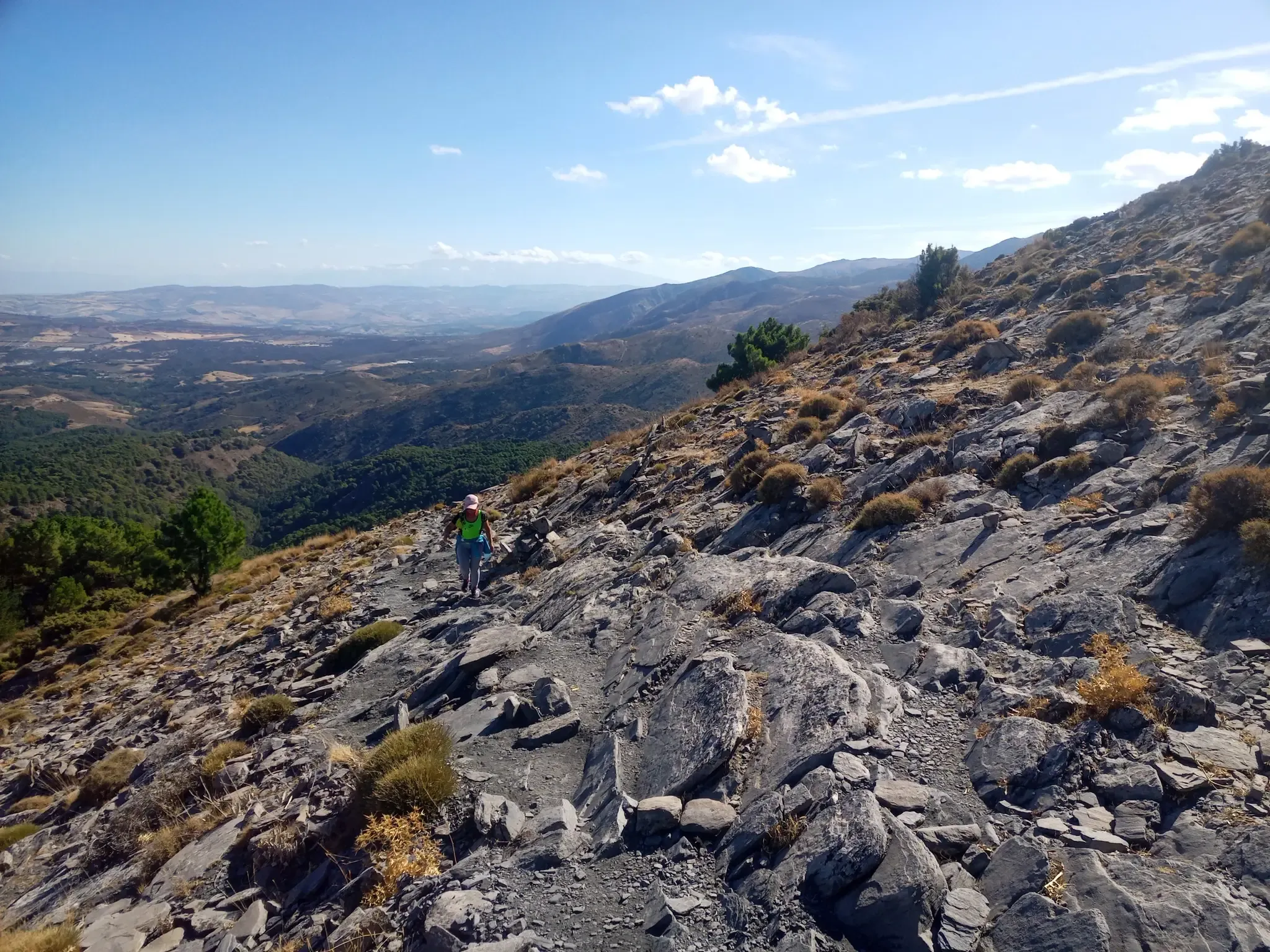
12 hiking gems throughout Spain
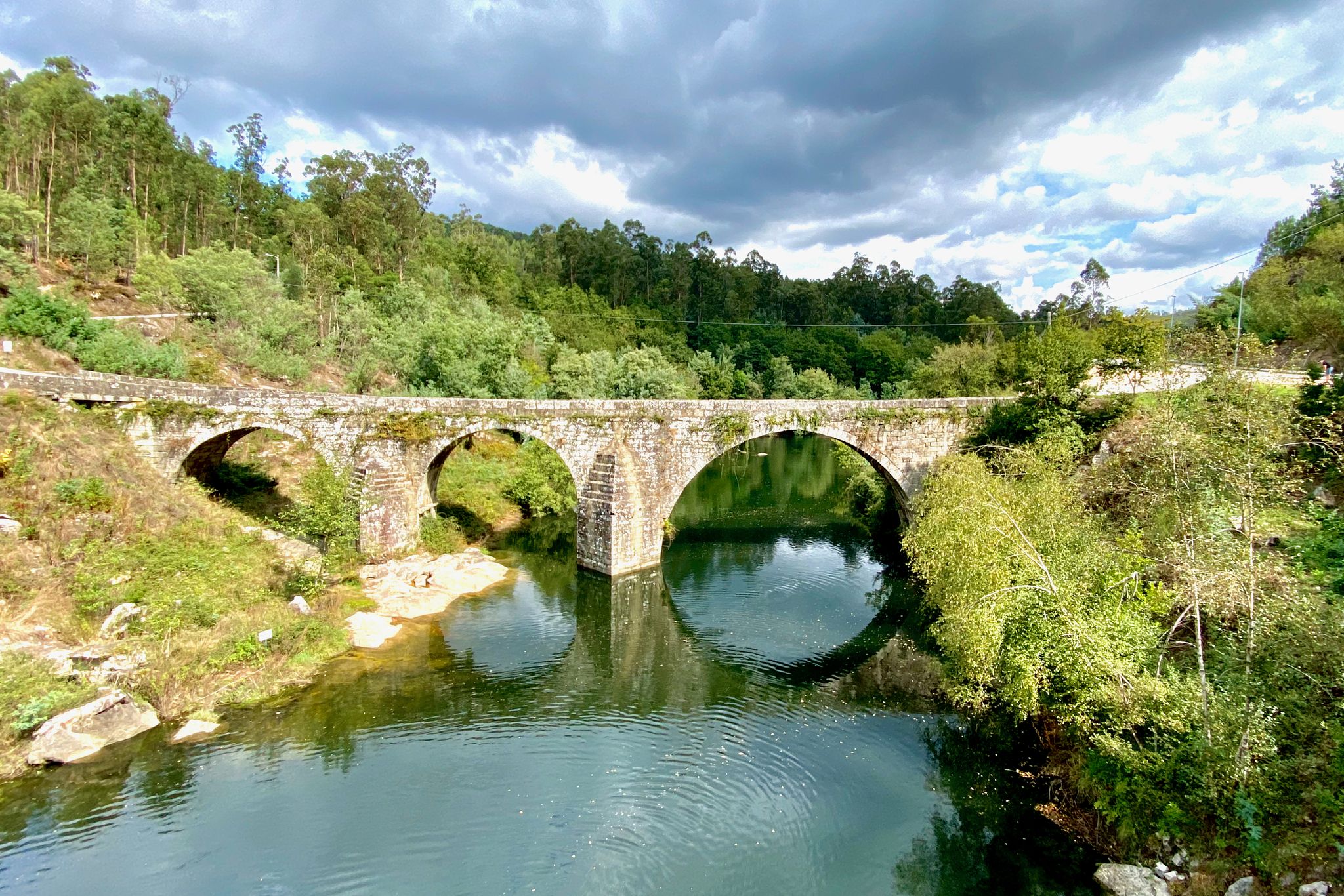
Spain’s Vigo region – bikepack the Sendeiro das Greas (GR 58)
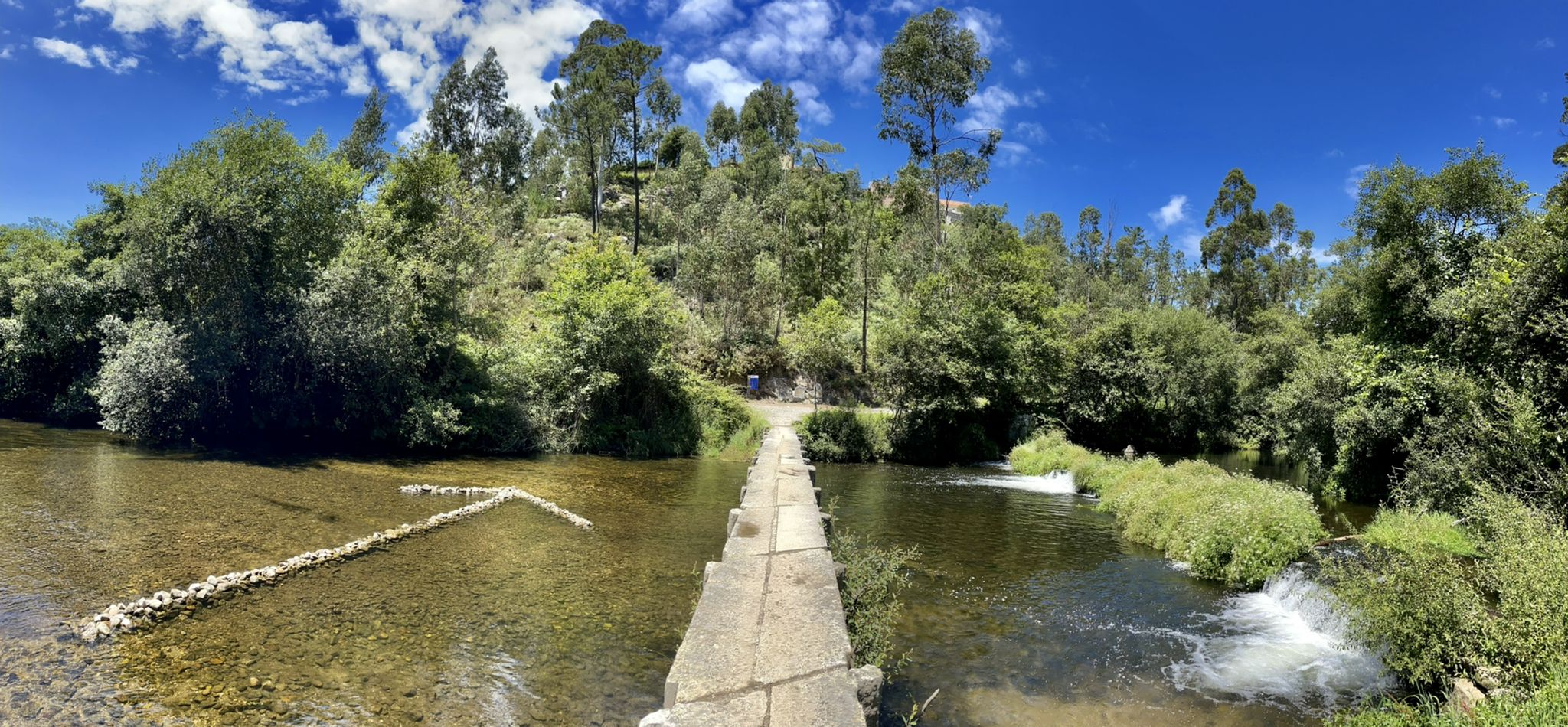
The challenge that knows no frontiers — Portuguese Coast Path
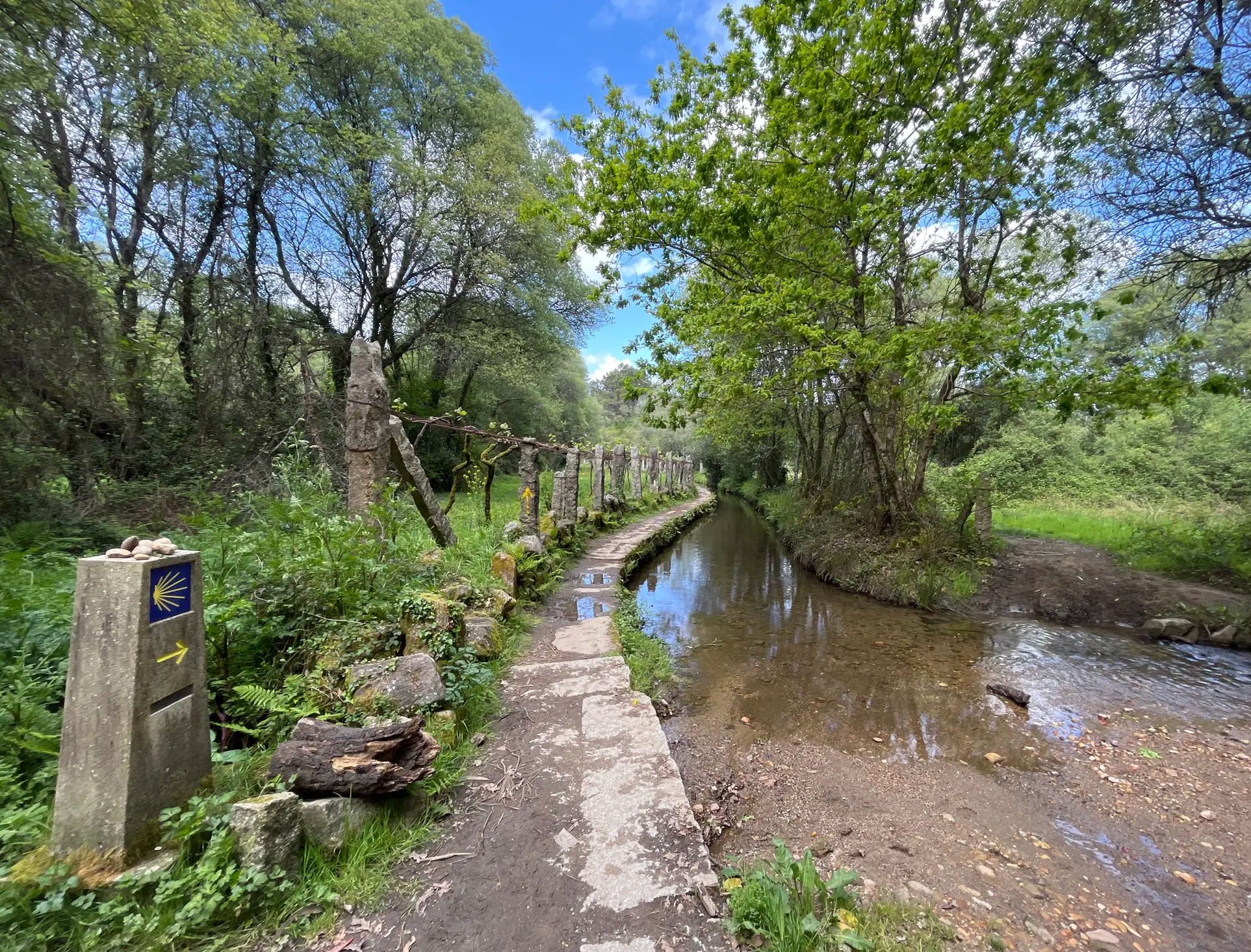
Na Rota dos Peregrinos – o Caminho Central Português
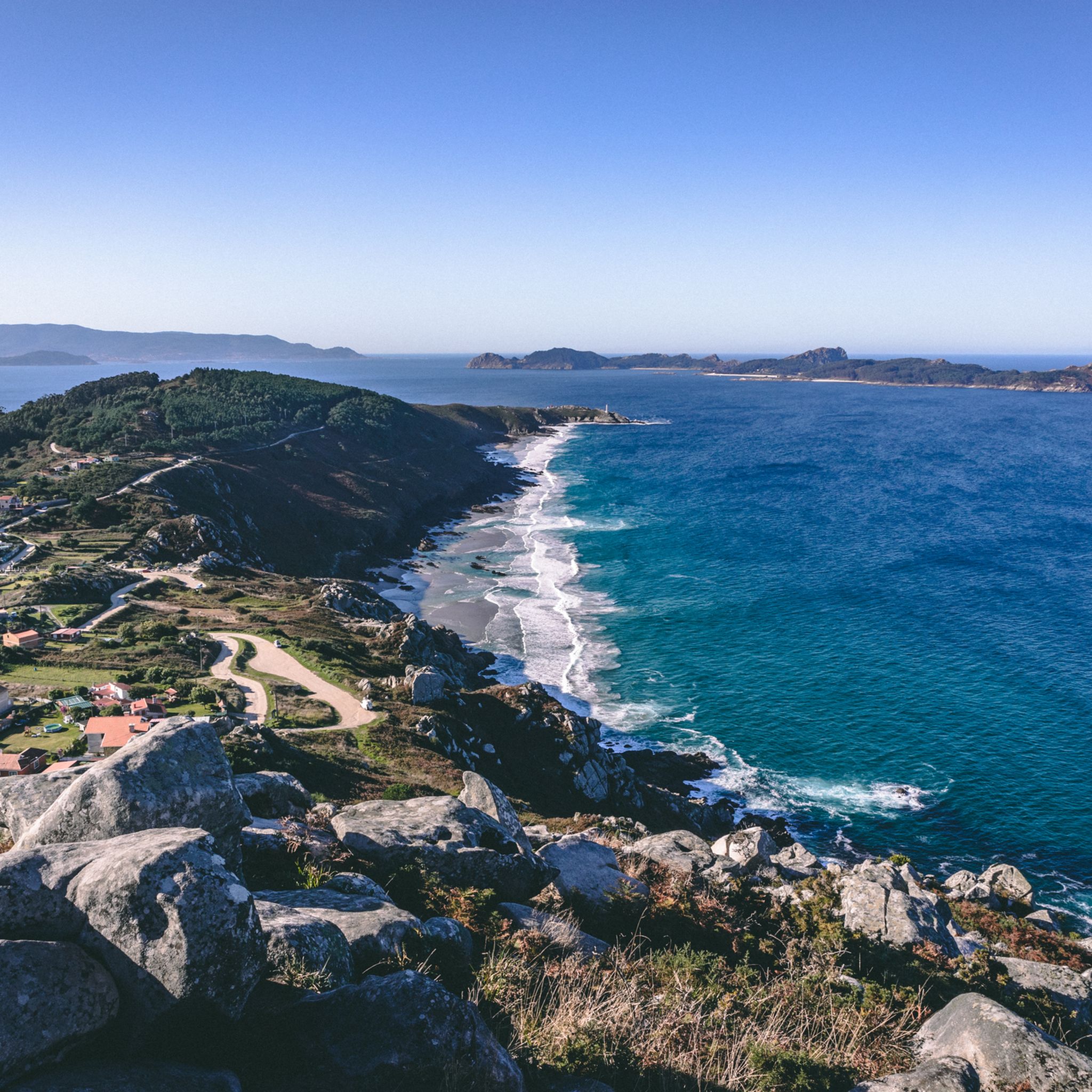
Hiking around Litoral
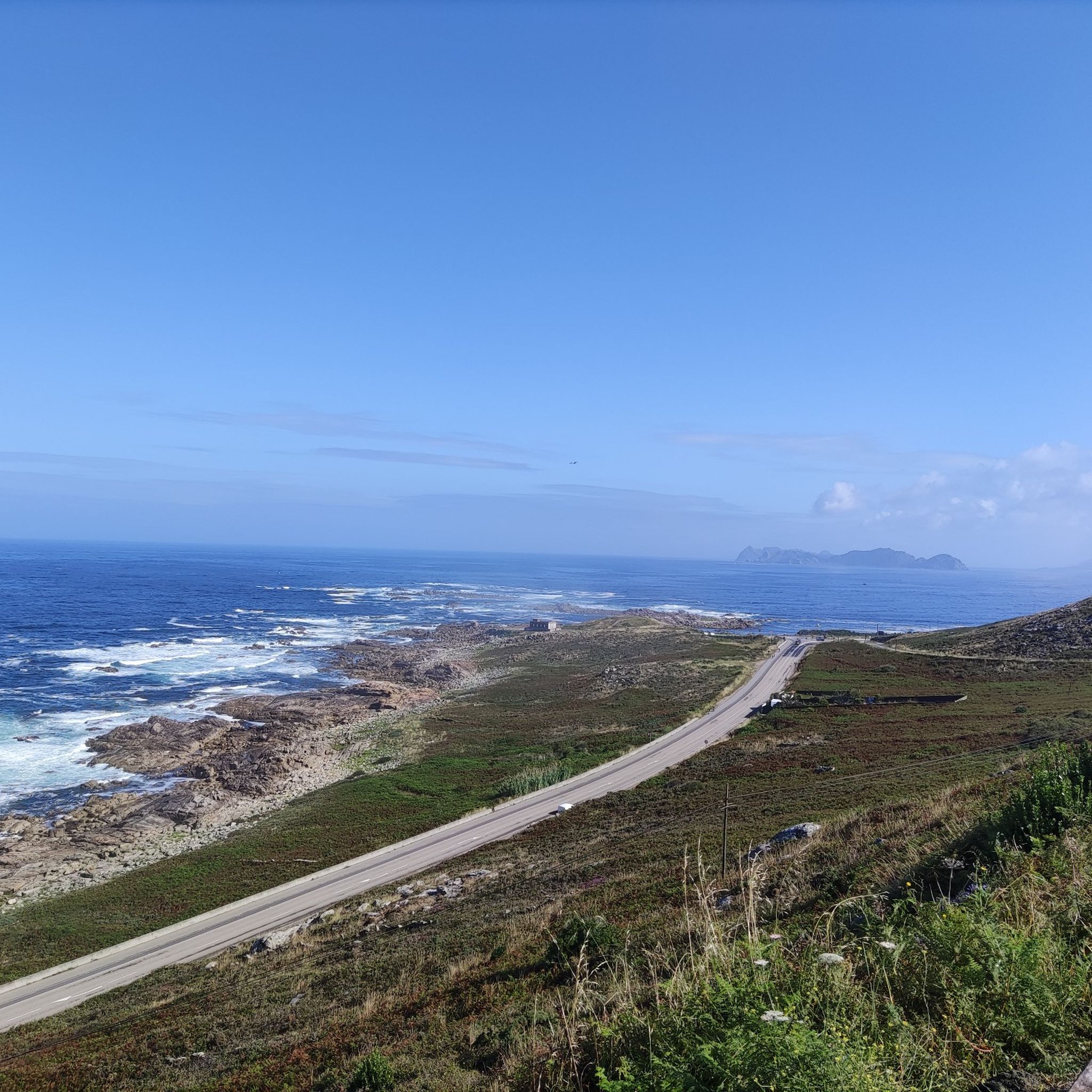
Road Cycling Routes around Litoral
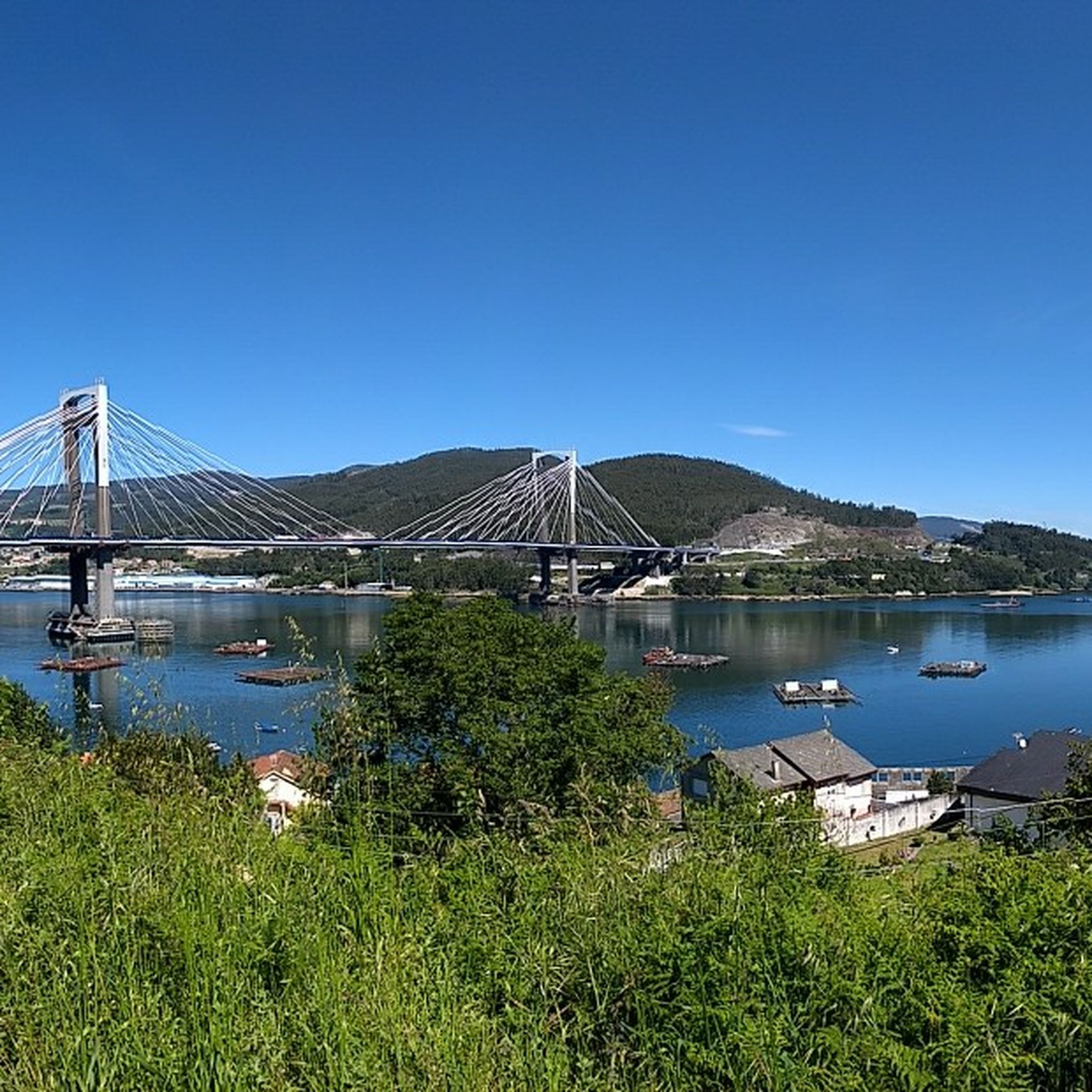
Cycling around Litoral
Running Trails around Litoral
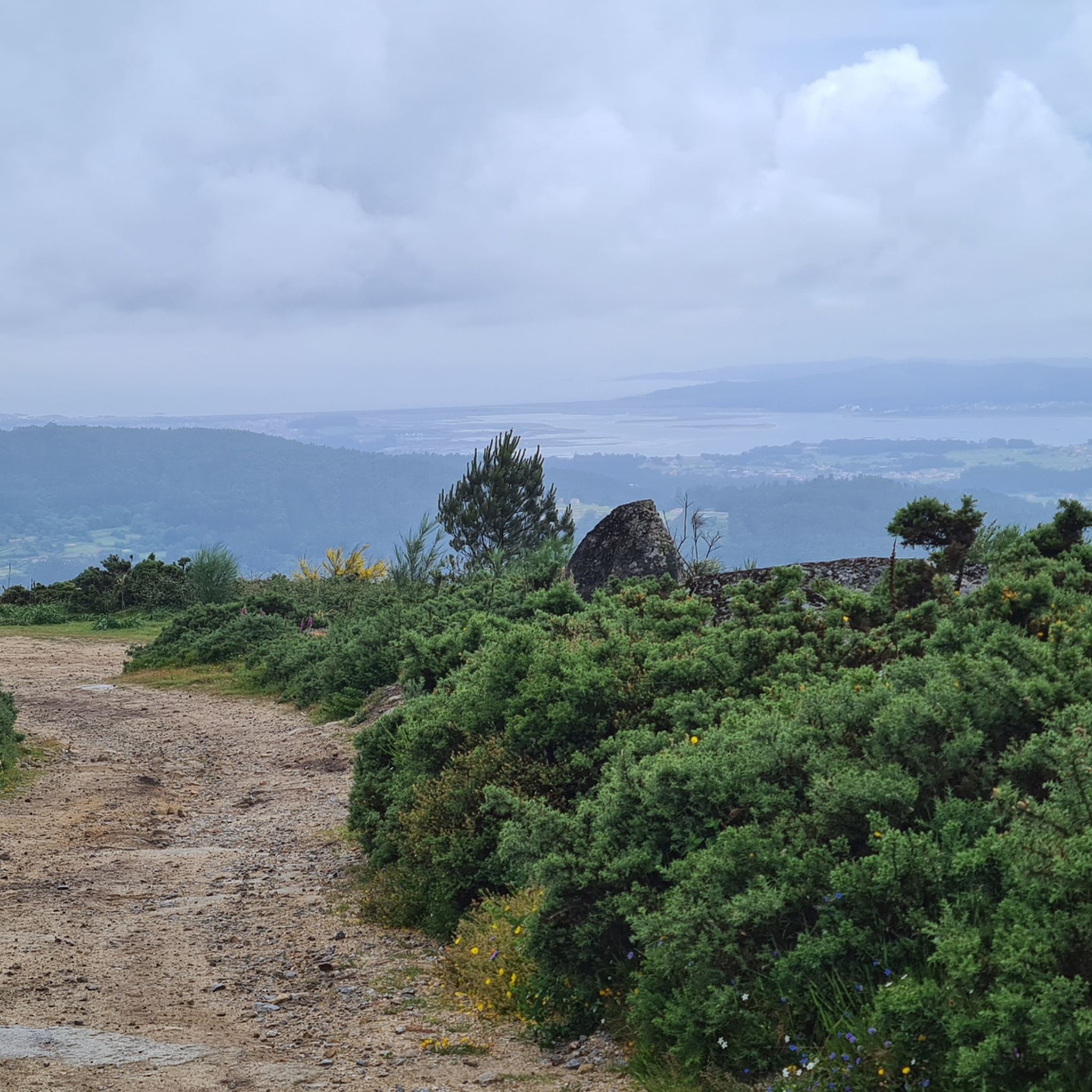
MTB Trails around Litoral
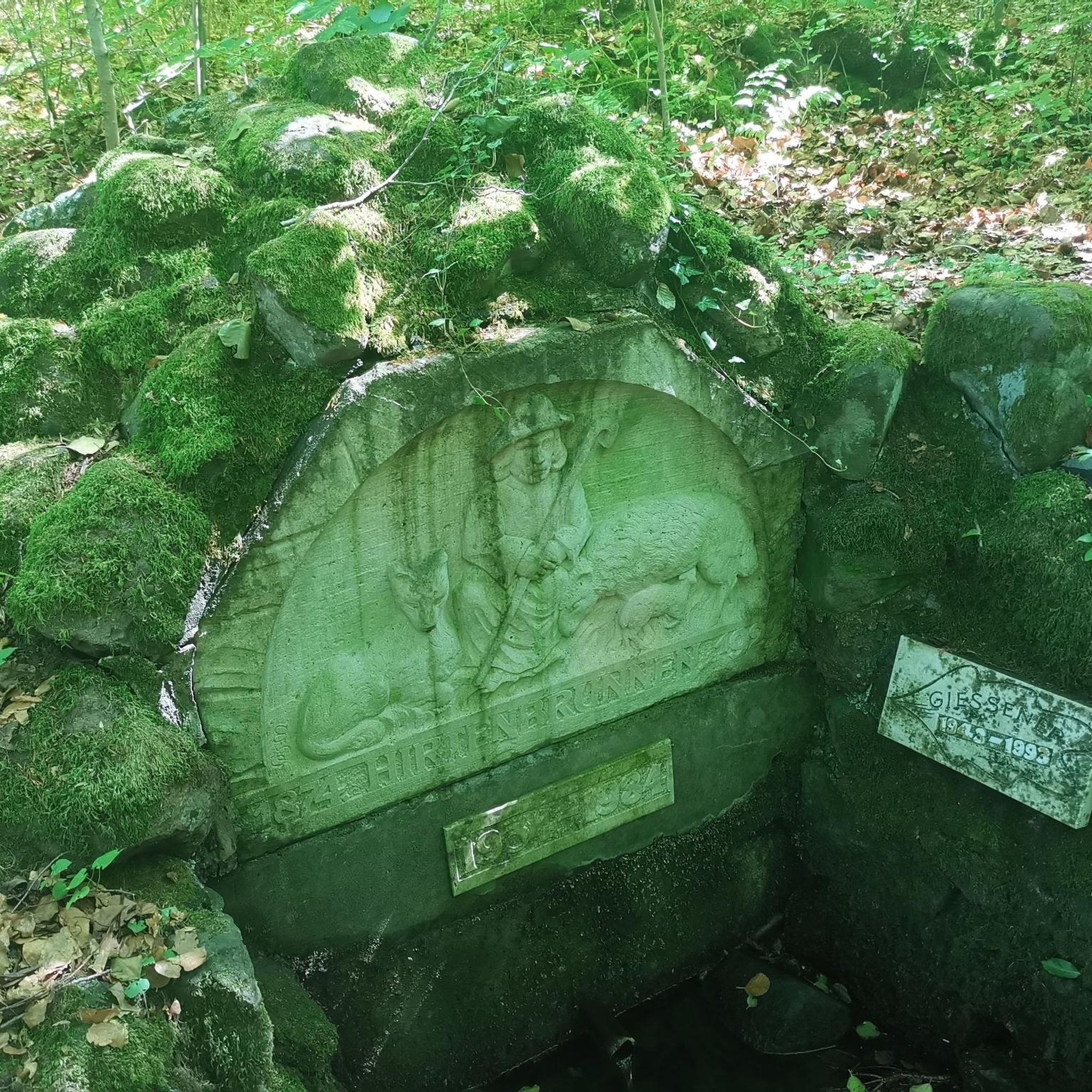
Gravel biking around Litoral
Other adventures around Litoral


Tips from the Community


Mos is a municipality in the Vigo region, located in the Val da Louriña, formed by the Louro River. Some interesting things to visit in Mos: Torre del Castro, Pazo de Mos, Castelo de Mos, among others. I hope you enjoy exploring these places! 😊
4
0

Completely unexpectedly, a small pilgrim oasis with a hostel, shop and bar opens in the town of Mos. Here you can also get a pilgrim stamp
7
2

A little oasis, totally relaxed, wonderful for resting, not too crowded and beautifully decorated, super nice people.
2
0

In the bar opposite the hostel you can sit outside, relax and watch the pilgrims passing by.
5
2


I reached this place around 9 am... So calm and serene! Next time I've to stay overnight here! 😍
3
1

Frequently Asked Questions
Are there family-friendly huts or accommodations in the Litoral region?
Yes, several huts in the Litoral region are noted for being family-friendly. Mos is a settlement with a pilgrim oasis that includes a hostel, shop, and bar, offering a welcoming environment. Albergue Casa Alternativo and As Chivas Casa Rural are also highlighted as family-friendly, providing relaxing spaces and good value. Additionally, the Outeiro Prehistoric Huts Ethnoarchaeological Park offers an educational and engaging experience for families interested in history and nature.
What kind of facilities can I expect at huts around Litoral?
The huts around Litoral offer a range of facilities, particularly catering to pilgrims and hikers. For instance, Mos features a pilgrim oasis with a hostel, shop, and bar. Portela Pilgrims' Hostel is a rustic option known for its communal dining experience, including dinner and breakfast, and provides showers. Albergue Casa Alternativo offers a relaxing space with a delicious 3-course menu and breakfast. As Chivas Casa Rural also provides facilities and a restaurant in a tranquil setting.
Are there historical or cultural sites near the huts in Litoral?
Yes, the Litoral region is rich in historical and cultural sites, especially along the Camino Portugués. Mos is a municipality with historical sites like Torre del Castro, Pazo de Mos, and Castelo de Mos. The Outeiro Prehistoric Huts Ethnoarchaeological Park is an open-air museum showcasing various Bronze Age huts and petroglyphs, offering a unique glimpse into ancient history. Many of the pilgrim hostels, such as Portela Pilgrims' Hostel, are integral parts of the Camino experience, steeped in pilgrim tradition.
What do visitors enjoy most about staying in huts in the Litoral region?
Visitors frequently praise the relaxed and welcoming atmosphere of the huts. Many appreciate the communal spirit, especially at pilgrim hostels like Portela Pilgrims' Hostel, where shared meals create unforgettable experiences. Places like As Chivas Casa Rural are described as 'little oases' perfect for resting and unwinding. The good value for money, delicious food, and helpful tips for continuing journeys, as found at Albergue Casa Alternativo, are also highly valued by guests.
What outdoor activities can I do near the huts in Litoral?
The Litoral region offers diverse outdoor activities. You can explore various cycling routes, including gravel biking and touring bicycle options. For instance, there are challenging gravel biking routes like the 'Ponte Sampaio Bridge – Mysterious forest loop' near Portela. Cycling enthusiasts can enjoy routes such as the 'Great Coastal Path' or the 'Isla de Toxa y O Grove Return.' Additionally, there are waterfall hikes, including the 'Vigo – Río Eifonso trail' and the 'Galiñeiro — circular through the Parque Forestal de Zamáns.' You can find more details on these activities in the Gravel biking around Litoral, Cycling around Litoral, and Waterfall hikes around Litoral guides.
Are there specific hiking trails or routes associated with these huts?
Many of the huts in Litoral are located along the Camino Portugués, making them natural stops for pilgrims and hikers. While specific individual trails directly from each hut aren't detailed, the region offers numerous hiking opportunities. For example, you can find various waterfall hikes, such as the 'Vigo – Río Eifonso trail' or the 'Galiñeiro — circular through the Parque Forestal de Zamáns.' These routes provide excellent options for exploring the natural beauty surrounding the huts. More information can be found in the Waterfall hikes around Litoral guide.
What is the best season to visit the Litoral region for hut stays?
The Litoral region, known for its subtropical climate with abundant rainfall and an average annual temperature of 17 °C, is generally pleasant for visiting. While specific 'best season' for huts isn't detailed, the mild climate suggests that spring and autumn would be ideal for hiking and exploring, avoiding the peak heat of summer or potential heavier rains in winter. Pilgrim hostels are typically open year-round to accommodate travelers on the Camino Portugués.
Can I find huts with nearby cafes or restaurants?
Yes, several huts and settlements in the Litoral region offer convenient access to cafes and restaurants. Mos is a settlement that includes a pilgrim oasis with a bar and shop, and there's a bar opposite the hostel where you can relax. As Chivas Casa Rural also features a restaurant. Many pilgrim hostels, like Portela Pilgrims' Hostel and Albergue Casa Alternativo, provide meals (dinner and breakfast) as part of their offerings, ensuring you have dining options during your stay.
Are there any unique or 'hidden gem' huts in the Litoral area?
While 'hidden gem' is subjective, Portela Pilgrims' Hostel stands out for its unique, rustic, and 'hippie' atmosphere, offering an unforgettable communal dining experience. Albergue Casa Alternativo is also highly regarded by visitors for its relaxing space, good value, and delicious food, making it a favorite on the Caminho Portugués. These offer experiences beyond typical accommodations.
What is the general difficulty of hikes or trails around the Litoral huts?
The Litoral region offers a range of trail difficulties. While specific difficulty for paths directly to each hut isn't always specified, the nearby routes include options from moderate to difficult. For example, some gravel biking routes are rated 'difficult,' while many waterfall hikes are 'moderate.' The Camino Portugués, which many of these huts serve, generally involves walking for several hours a day, which can be moderately challenging depending on the stage. Portela Pilgrims' Hostel is categorized as 'intermediate' for facilities, suggesting the surrounding area might also have intermediate-level activities.
Can I find huts that are suitable for beginners or less experienced hikers?
Yes, the Litoral region, particularly along the Camino Portugués, offers sections suitable for beginners. Many pilgrim hostels, including those mentioned, are designed to support walkers of varying experience levels. While some nearby routes can be challenging, there are also moderate options, such as certain waterfall hikes like the 'Muiño de Crebada Watermill – Arco da Vella Botanical Park loop.' The focus on providing rest and facilities at huts like As Chivas Casa Rural makes them accessible and welcoming for those new to multi-day walks or seeking a more relaxed outdoor experience.
Are there opportunities for wildlife spotting near the Litoral huts?
The Litoral region of Argentina, while not directly linked to the specific huts mentioned in the guide, is known for its rich biodiversity, including significant wetlands like the Esteros del Iberá, home to a wide variety of native flora and fauna. If the Litoral region in question refers to a coastal area with natural reserves, then opportunities for wildlife spotting would likely exist, especially in natural parks or along river valleys. The Outeiro Prehistoric Huts Ethnoarchaeological Park is also described as a nature reserve, suggesting potential for observing local wildlife.
Most popular routes around Litoral
Most popular attractions around Litoral

Get inspired with the komoot mobile app


