Top 19 Caves around Sittard-Geleen
Best caves around Sittard-Geleen are primarily found within the wider South Limburg region, known for its unique underground systems. These are predominantly marl caves, which are ancient underground quarries excavated over centuries for marl extraction. While prominent tourist-oriented caves are not directly within Sittard-Geleen, the area's geological features include these extensive networks of passages. These sites hold historical significance, having served various purposes from mining to hideouts, and feature unique cultural elements.
Best caves around Sittard-Geleen
- The most popular caves…
Last updated: September 29, 2026
Geulhemmerberg Climb and Cave Dwellings
Highlight (Segment) • Climb
Translated by Google •
Tip by

Terborgh Castle
Highlight • Castle
Translated by Google •
Tip by

Sign up now to discover places like this
Get recommendations on the best single tracks, peaks, & plenty of other exciting outdoor places.
Neolithic Flint Mines Valkenburg
Highlight • Historical Site
Translated by Google •
Tip by

Bronsdaelgroeve War Memorial
Highlight • Monument
Historical indication:
In response to the Allied bombings, Germany moved its …
Translated by Google •
Tip by

Museum Roman Catacombs
Highlight • Historical Site
Information panel of the Via Belgica.
Translated by Google •
Tip by

Sign up for free to discover even more caves around Sittard-Geleen.
Already have an account?
Start today with a free account
Your next adventure awaits.
Popular around Sittard-Geleen
Pilgrim's Way part 2 — s-Hertogenbosch to Maastricht
2-Country Route – Cycling from Germany to Netherlands
The best of South Limburg by bike
Discover the river nature – 6 hikes in RivierPark Maasvallei (LAW)

Cycling from Cologne to Brussels through three countries
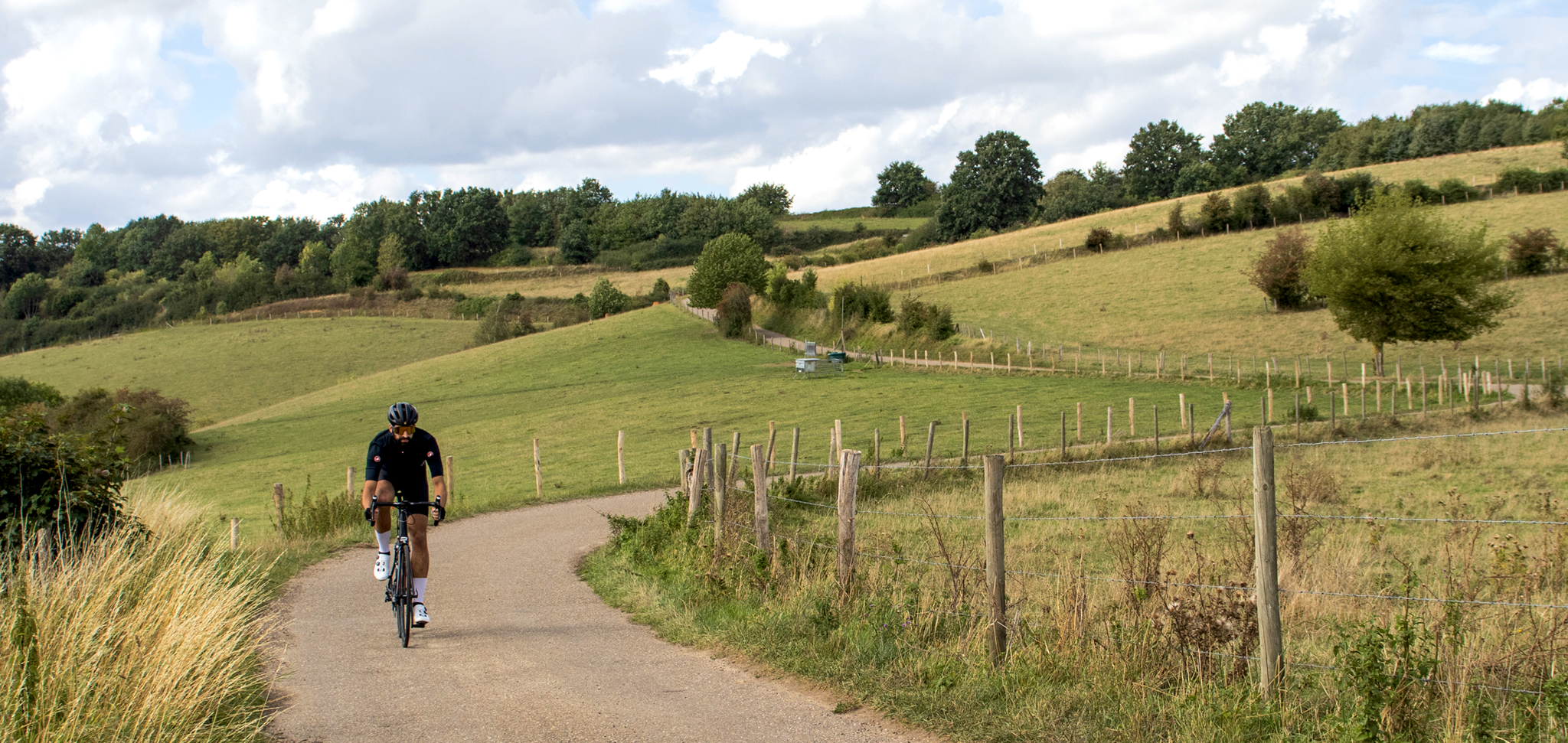
Cross-border cycling in South Limburg – the alternative routes
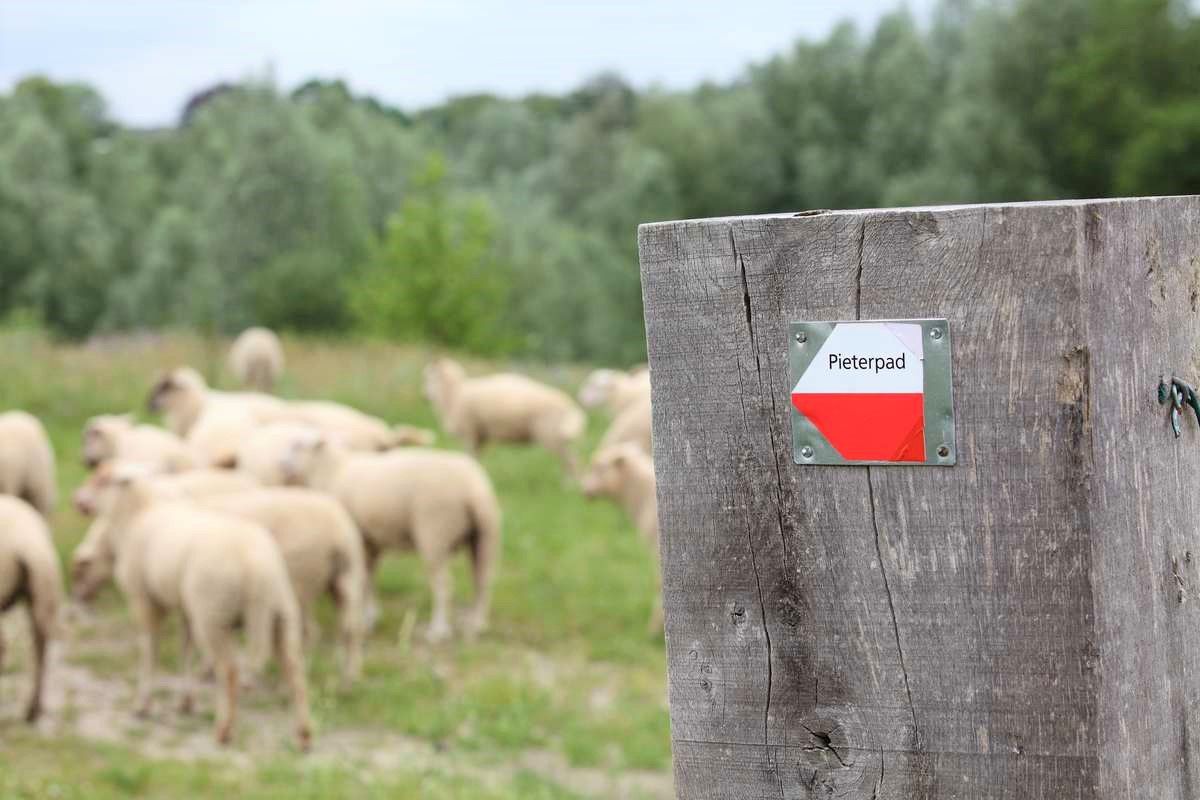
From Kasteel Vorden to the Sint-Pietersberg – Pieterpad long-distance hike part 2
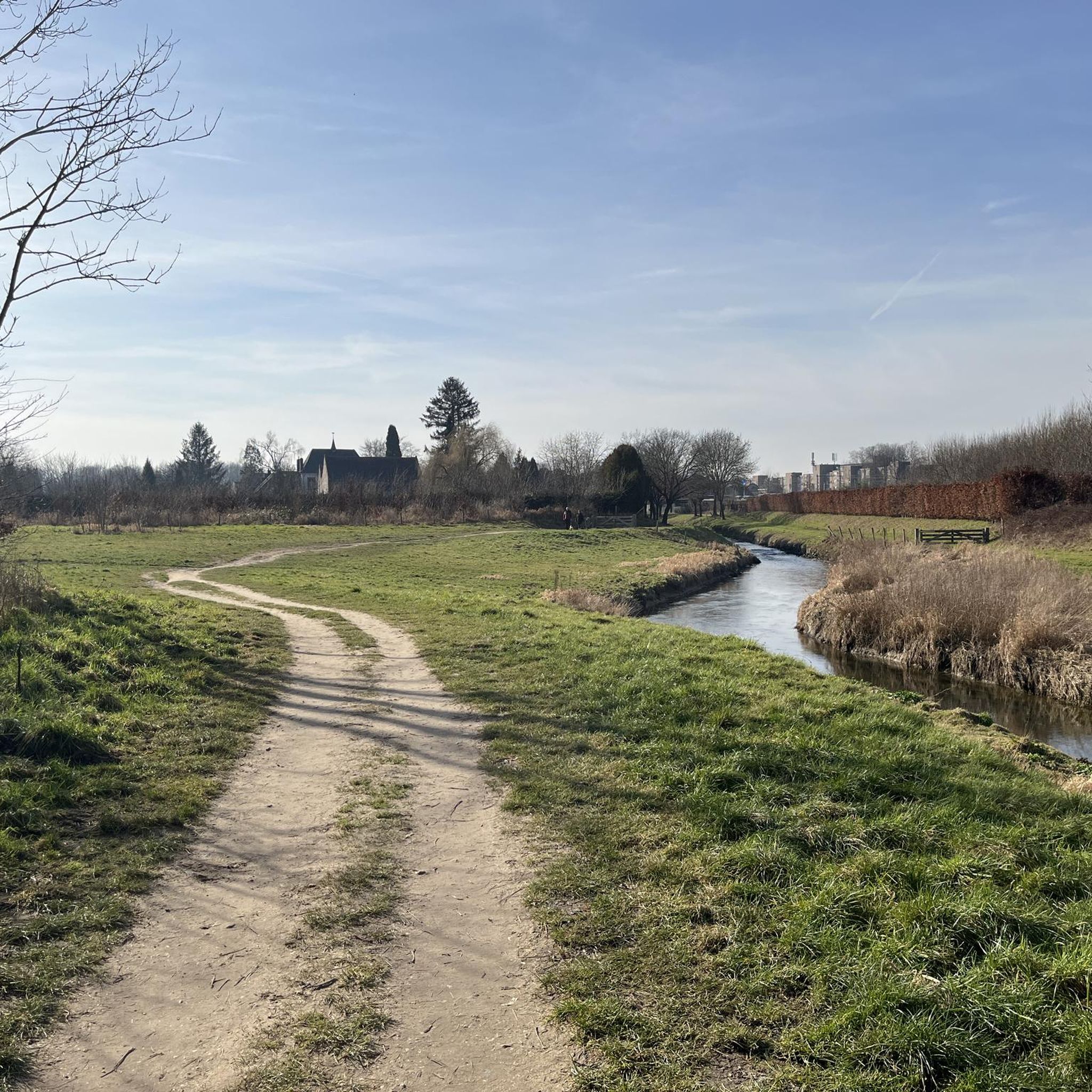
Hiking around Sittard-Geleen
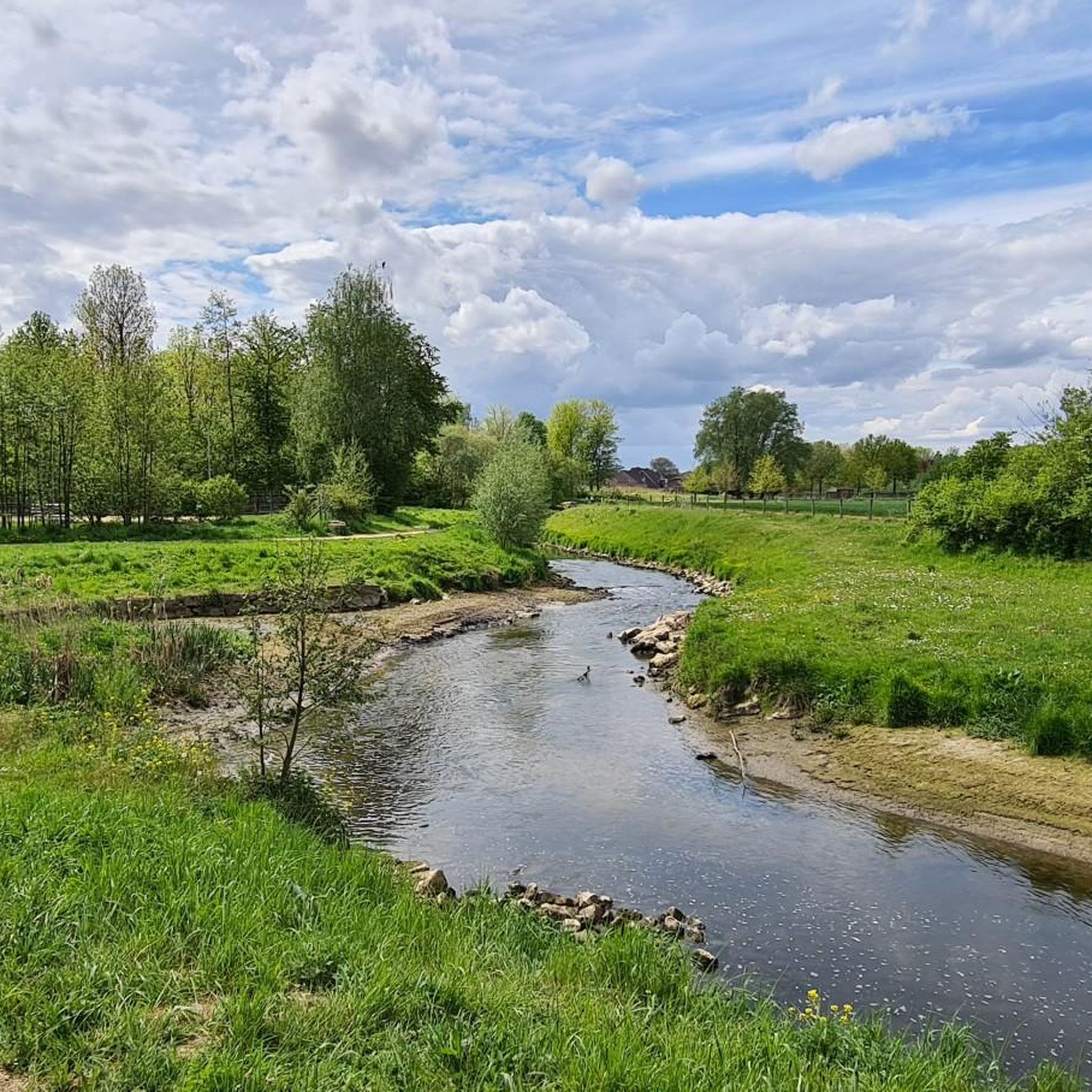
Road Cycling Routes around Sittard-Geleen
MTB Trails around Sittard-Geleen
Other adventures around Sittard-Geleen


Tips from the Community

Great city center and at Christmas and all the lights it's really worth it :)
0
0

The Roman Catacombs Museum in Valkenburg transports you to the mysterious world of the Romans in South Limburg. Beneath the current street layout lie corridors and catacombs that served as burial places for the Roman population. The museum offers insights into the daily life, religious customs, and burial rituals of this ancient civilization. Visitors can explore some of the original Roman burial galleries and learn how the Romans honored their dead. The museum also features archaeological finds, models, and informative exhibits that bring the story of Roman influence in the region to life.
0
0
A surprising discovery awaits beneath the surface of Valkenburg: the Roman Catacombs, a unique museum where you can descend into a meticulous reconstruction of the catacombs of ancient Rome. At the beginning of the 20th century, architect Pierre Cuypers Jr. had this subterranean world carved out of the marlstone hill as a tribute to the early Christian burial places of Rome. The corridors, chapels, and burial niches have been recreated with impressive precision. Murals, frescoes, reliefs, and symbols bring the atmosphere of early Christianity to life. As you walk through the cool, candlelit tunnels, it feels as if you've truly traveled back in time. The museum offers guided tours that highlight not only the religious but also the art history and craftsmanship of this reconstruction. Tip: Wear warm clothing… it stays cool underground, even in summer. The entrance is on Plenkertstraat, within walking distance of Valkenburg's town center and the Open Air Theater. Combine a visit with a walk through the Geuldal or the hillside forests for a day full of contrast between above-ground nature and underground history.
0
0
Deep in the marl hills of Valkenburg lie the famous Neolithic flint mines, one of the oldest industrial sites in the Netherlands. People dug marl here as early as 2800 BC to extract flint, a hard rock used for tools such as arrowheads, knives, and axes. The tunnels extend dozens of meters beneath the hill and offer an impressive glimpse into how our distant ancestors shaped their habitat. The mines are unique and offer insights into the daily life and technological knowledge of the first farmers and hunters in South Limburg. Over the centuries, the tunnels have sometimes been flooded, subsided, or partially collapsed, but the traces of mining are still clearly visible. Today, parts of the flint mines can be visited via guided tours or special routes where you can literally follow in the footsteps of people from 5,000 years ago.
0
0

The old quarry is closed with a large door, bats can get in there, people must stay outside.
0
0

Today the pits are only open to bats
0
0


Frequently Asked Questions
What kind of caves can be found around Sittard-Geleen?
The 'caves' in the South Limburg region, including areas near Sittard-Geleen, are primarily marl caves. These are ancient underground quarries, excavated over centuries for the extraction of marl, a soft, white limestone. They form extensive networks of passages rather than natural caverns.
What historical significance do the marl caves in South Limburg hold?
These marl caves are rich in history, having served various purposes over centuries. Beyond their original use for marl extraction, they have been utilized as hideouts, chapels, storage areas, and even as hidden workshops during World War II, as seen at the Bronsdaelgroeve War Memorial.
Can I visit ancient flint mines near Sittard-Geleen?
Yes, you can visit the Neolithic Flint Mines Valkenburg. These historical sites are over 5000 years old and were used for extracting flint to create tools during the Neolithic period.
Are there any war-related historical sites within the caves?
Yes, the Bronsdaelgroeve War Memorial commemorates hidden workshops carved into the marl caves during the final months of World War II, intended for war industry.
Are the caves around Sittard-Geleen suitable for families with children?
Many of the marl cave attractions in the wider South Limburg region are family-friendly. For example, the Neolithic Flint Mines Valkenburg and the Museum Roman Catacombs offer engaging experiences suitable for families.
Are guided tours available for the marl caves?
Yes, exploring the intricate systems of the marl caves typically requires guidance. Various guided tours are offered in the South Limburg region, providing insights into their history and unique features.
What is the typical temperature inside the marl caves?
The marl caves maintain a relatively constant and humid temperature of around 12 degrees Celsius (54 degrees Fahrenheit) year-round, regardless of the weather outside.
What outdoor activities can I do near these caves?
The region around Sittard-Geleen offers various outdoor activities. You can explore MTB trails, go cycling, or enjoy gravel biking. Some routes, like the Geulhemmerberg Climb and Cave Dwellings, are popular for cycling and offer scenic views.
Are there cultural or artistic elements to discover in the caves?
Yes, beyond their historical uses, some marl caves feature unique cultural and artistic elements. Visitors can find underground art, sculptures, and even fossils. For instance, attractions like MergelRijk in Valkenburg offer 3D cave paintings and sand sculptures.
Are there any cave dwellings to see in the area?
Yes, at the base of the Geulhemmerberg Climb and Cave Dwellings, you can still see old rock dwellings carved into the marl, which were historically inhabited by blockbreakers.
What should I wear when visiting the marl caves?
Given the constant temperature of 12 degrees Celsius inside the caves, it's advisable to bring a warm layer of clothing, even during summer. Comfortable walking shoes are also recommended for exploring the passages.
Are dogs allowed in the marl caves?
Policies regarding dogs vary by specific cave attraction. It's best to check with the individual cave operators in the South Limburg region before planning your visit with a pet.
Most popular routes around Sittard-Geleen
Most popular attractions around Sittard-Geleen

Get inspired with the komoot mobile app


Explore more
Extend your search for the best caves by checking out these guides of the top ones around Sittard-Geleen:
