The best cycling routes around Sittard-Geleen
4.3
(681)
6,308
riders
368
rides
Touring cycling around Sittard-Geleen offers varied landscapes, from rolling hills to river plains. The region is characterized by its "heuvelland" (hill country), providing both challenging climbs and gentle routes. Cyclists can explore the River Maas plains, the Geleenbeek valley, and areas with forests, heathlands, and orchards. This diverse topography supports a wide range of touring cycling experiences.
Best touring cycling routes around Sittard-Geleen
- The most popular touring cycling route is Old Meuse – View of the Meuse loop from Buchten, a 17.8 miles (28.7 km) easy trail that takes 1 hour 38 minutes to complete. This route offers views of the Meuse river loop.
- Another top favourite among local touring cyclists is Sittard Market – Gangelt Wildlife Park loop from Sittard, a moderate 36.6 miles (58.9 km) path. This route connects the historic market with natural areas.
- Local touring cyclists also love the Limbricht Castle – Sittard Market loop from Sittard, a 26.2 miles (42.2 km) trail leading through varied terrain, often completed in about 2 hours 29 minutes.
- Touring cycling around Sittard-Geleen is defined by rolling hills, the River Maas plains, and extensive forests and orchards. The network offers options for different ability levels, from leisurely rides to more demanding routes.
- The routes in Sittard-Geleen are highly rated by the komoot community with an average score of 4.3 stars from over 599 reviews. More than 5,900 touring cyclists have used komoot to explore Sittard-Geleen's varied terrain.
Last updated: October 5, 2026
4.5
(28)
173
riders
51.3km
03:06
250m
250m
Moderate bike ride. Good fitness required. Mostly paved surfaces. Suitable for all skill levels.
4.8
(23)
187
riders
68.9km
03:59
120m
120m
Moderate bike ride. Good fitness required. Mostly paved surfaces. Suitable for all skill levels.

4.5
(26)
106
riders
58.9km
03:33
180m
180m
Moderate bike ride. Good fitness required. Mostly paved surfaces. Suitable for all skill levels.
4.5
(29)
136
riders
41.9km
02:27
120m
120m
Moderate bike ride. Good fitness required. Mostly paved surfaces. Suitable for all skill levels.
4.0
(19)
142
riders
38.6km
02:20
210m
210m
Moderate bike ride. Good fitness required. Mostly paved surfaces. Suitable for all skill levels.
Get access to more routes and recommendations from other explorers.
Already have an account?
Our route recommendations are based on thousands of hikes, rides, and runs completed by other people on komoot.
Start today with a free account
Your next adventure awaits.
Popular around Sittard-Geleen
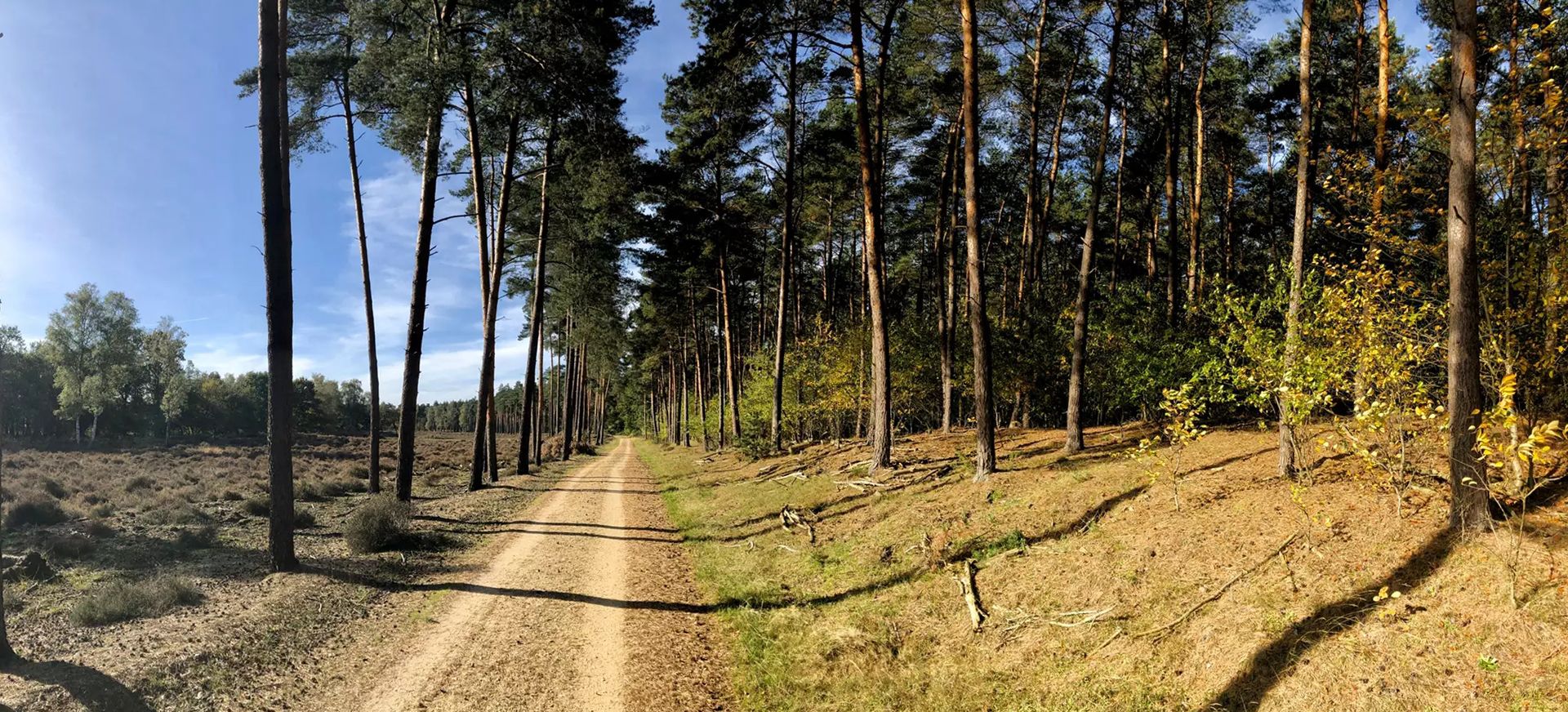
2-Country Route – Cycling from Germany to Netherlands
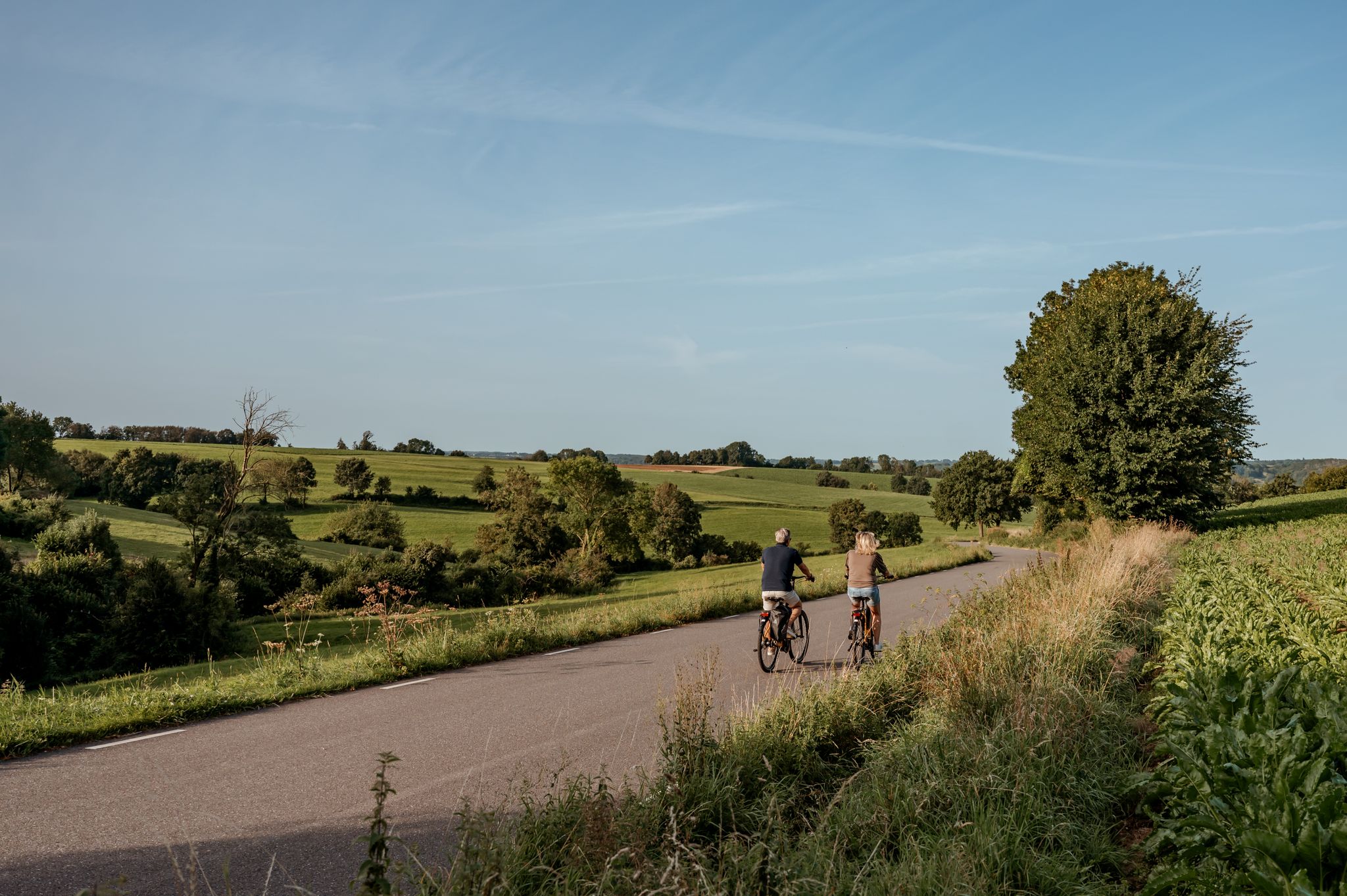
The best of South Limburg by bike
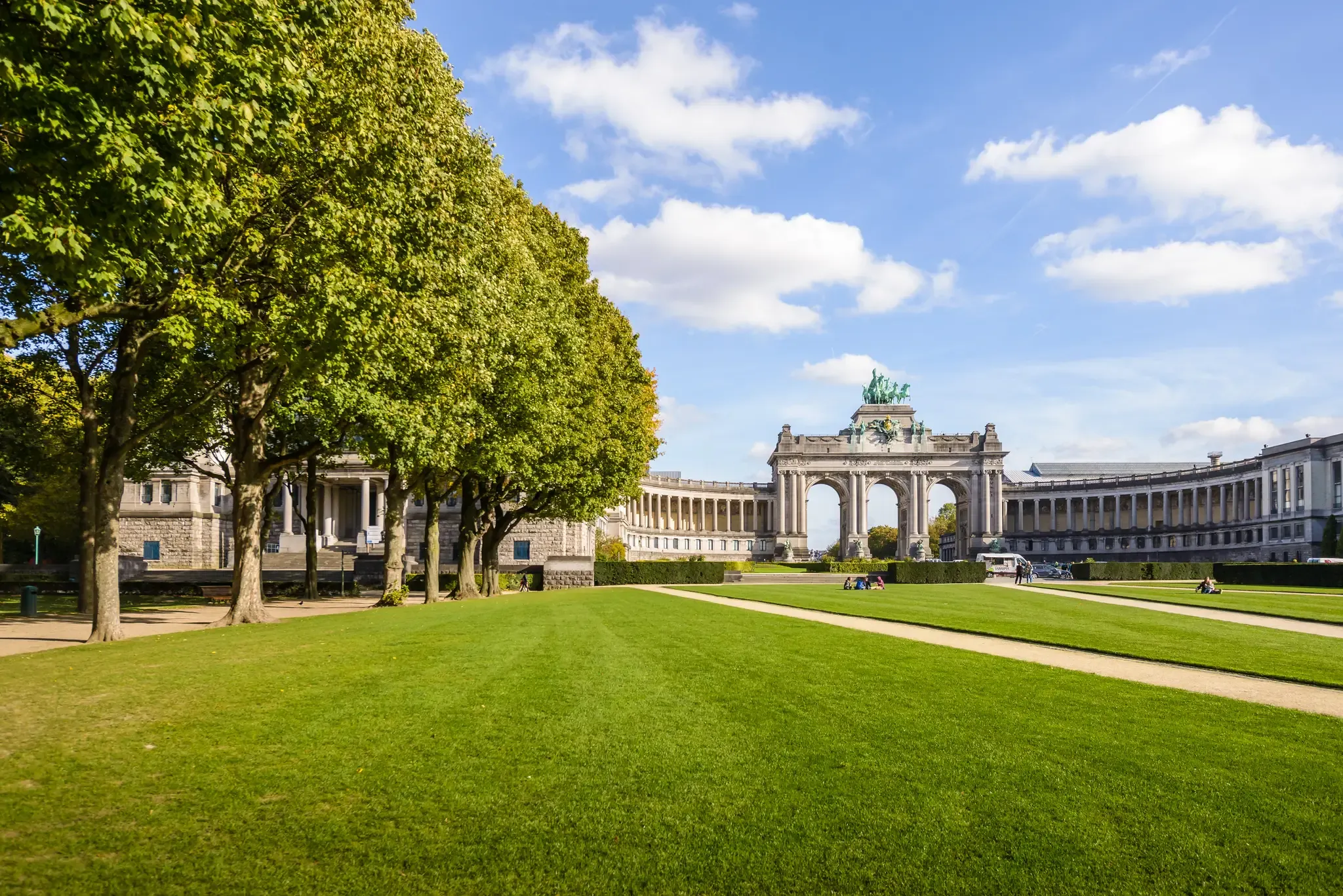
Cycling from Cologne to Brussels through three countries
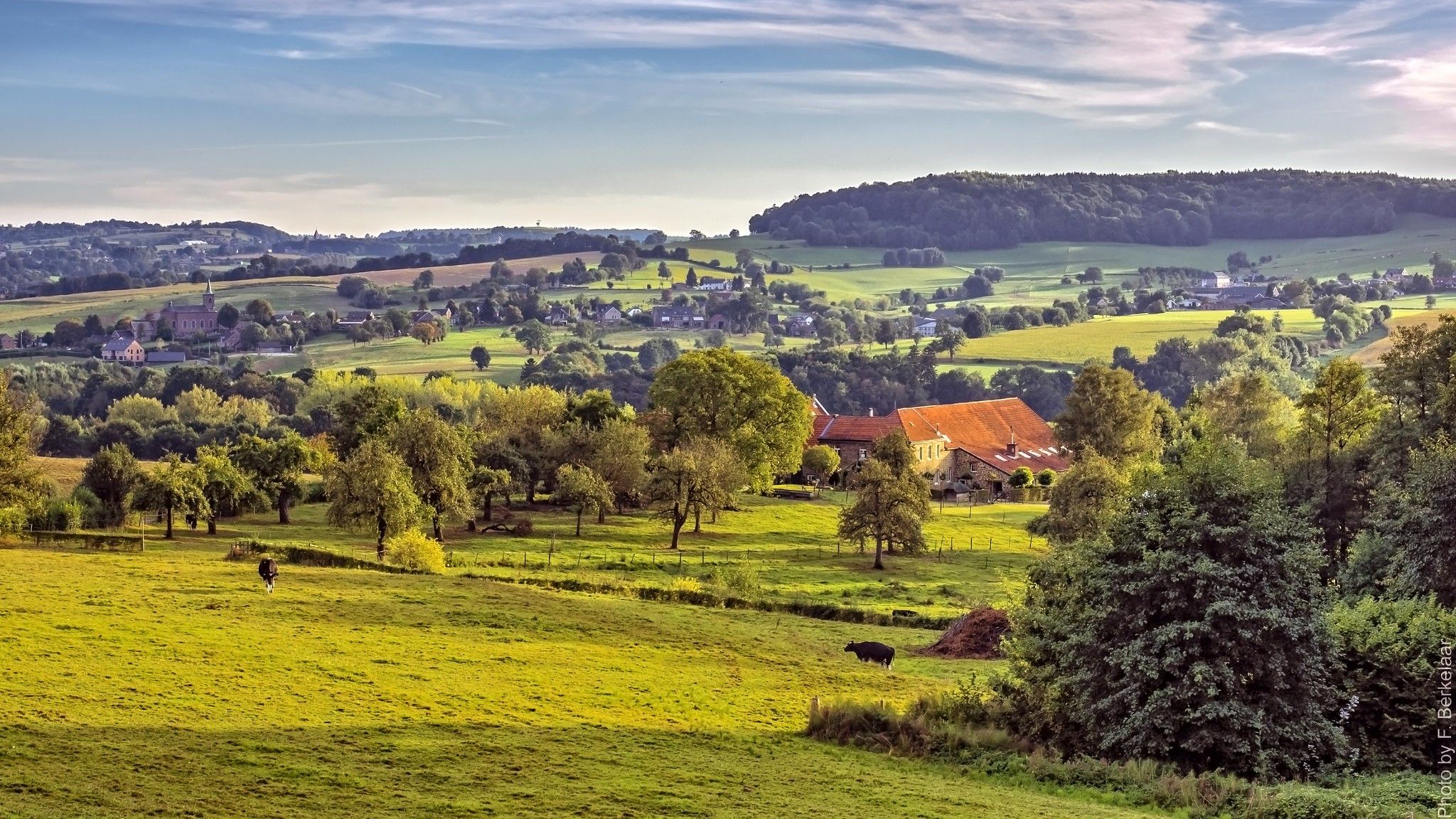
Pilgrim's Way part 2 — s-Hertogenbosch to Maastricht
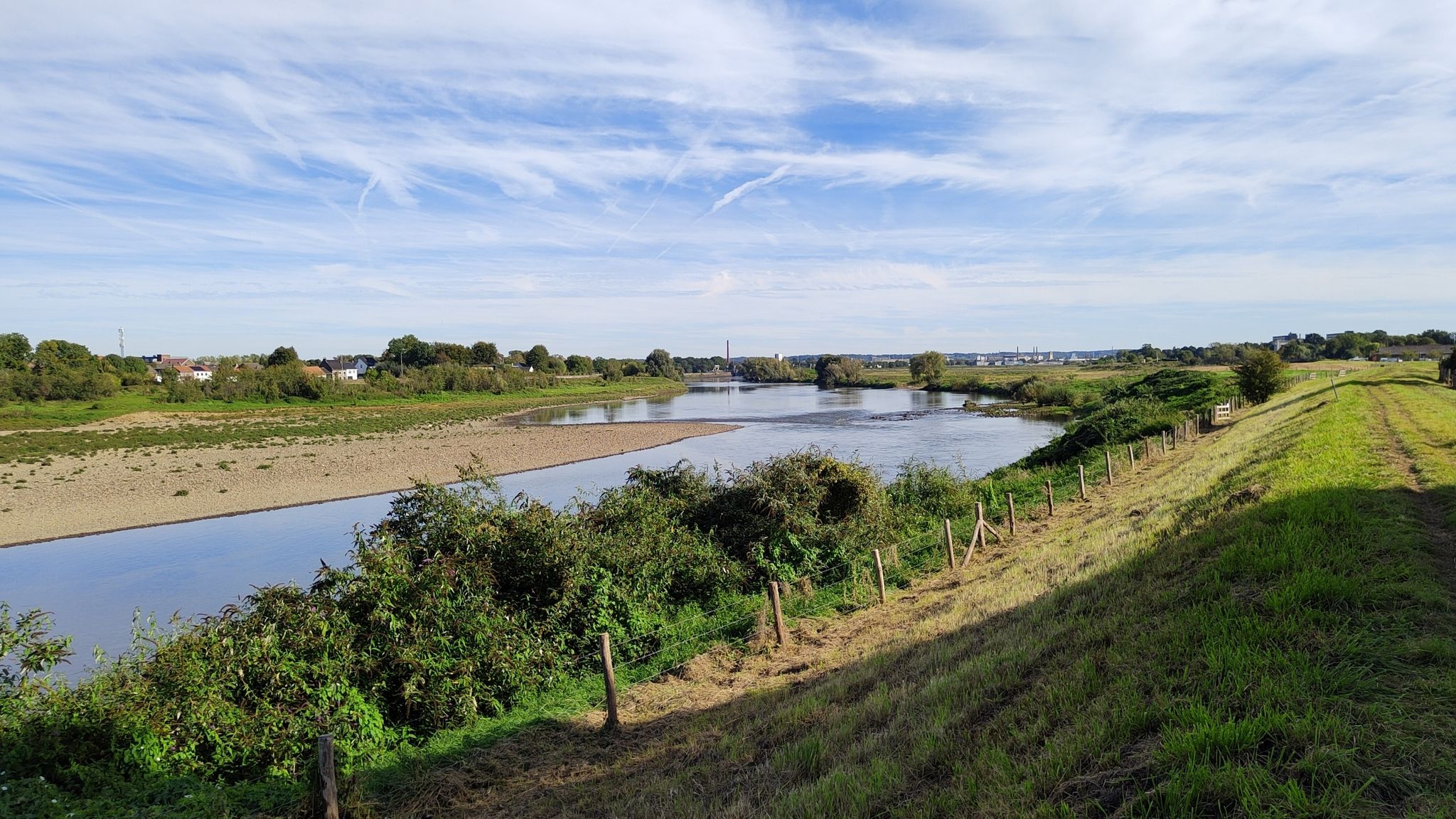
Discover the river nature – 6 hikes in RivierPark Maasvallei (LAW)
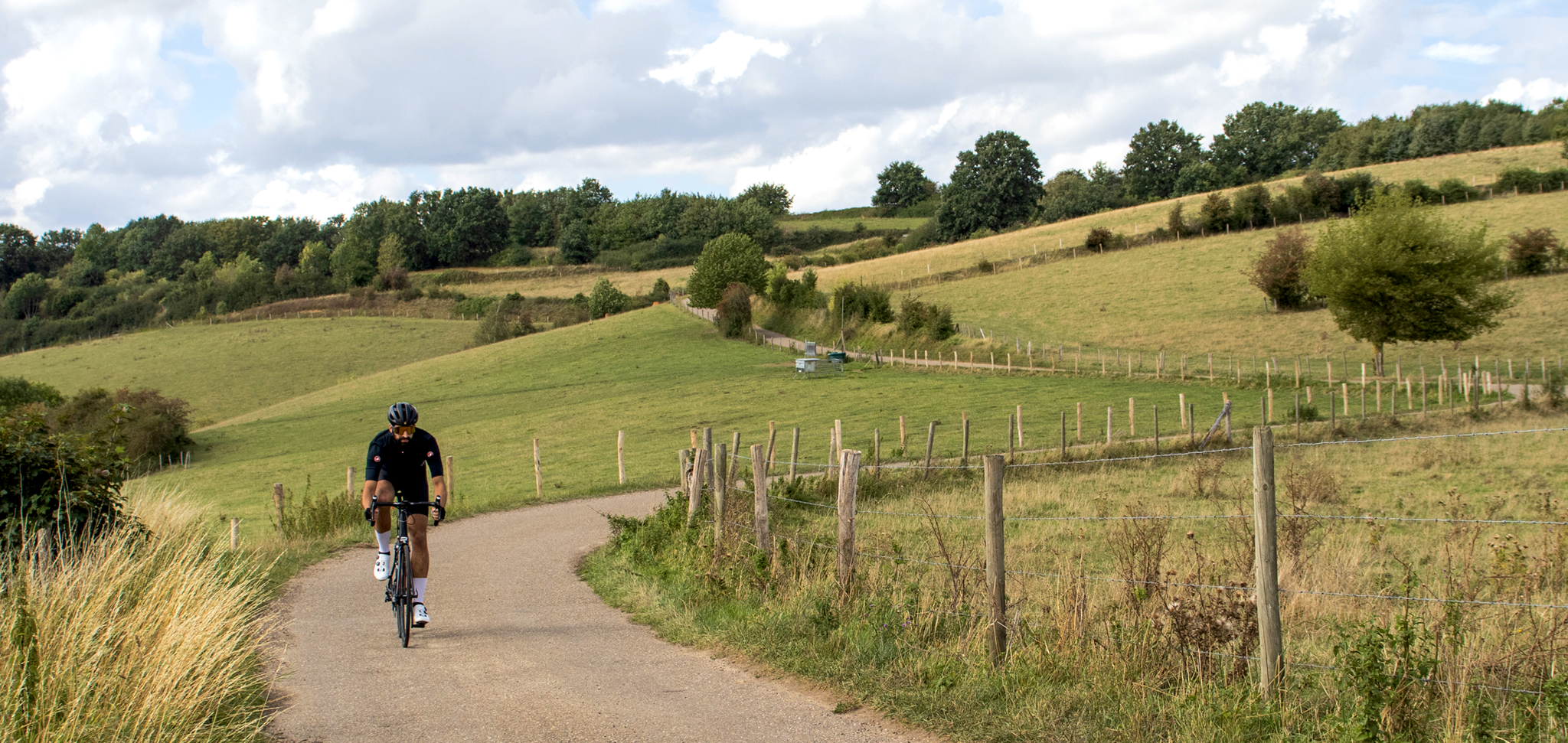
Cross-border cycling in South Limburg – the alternative routes
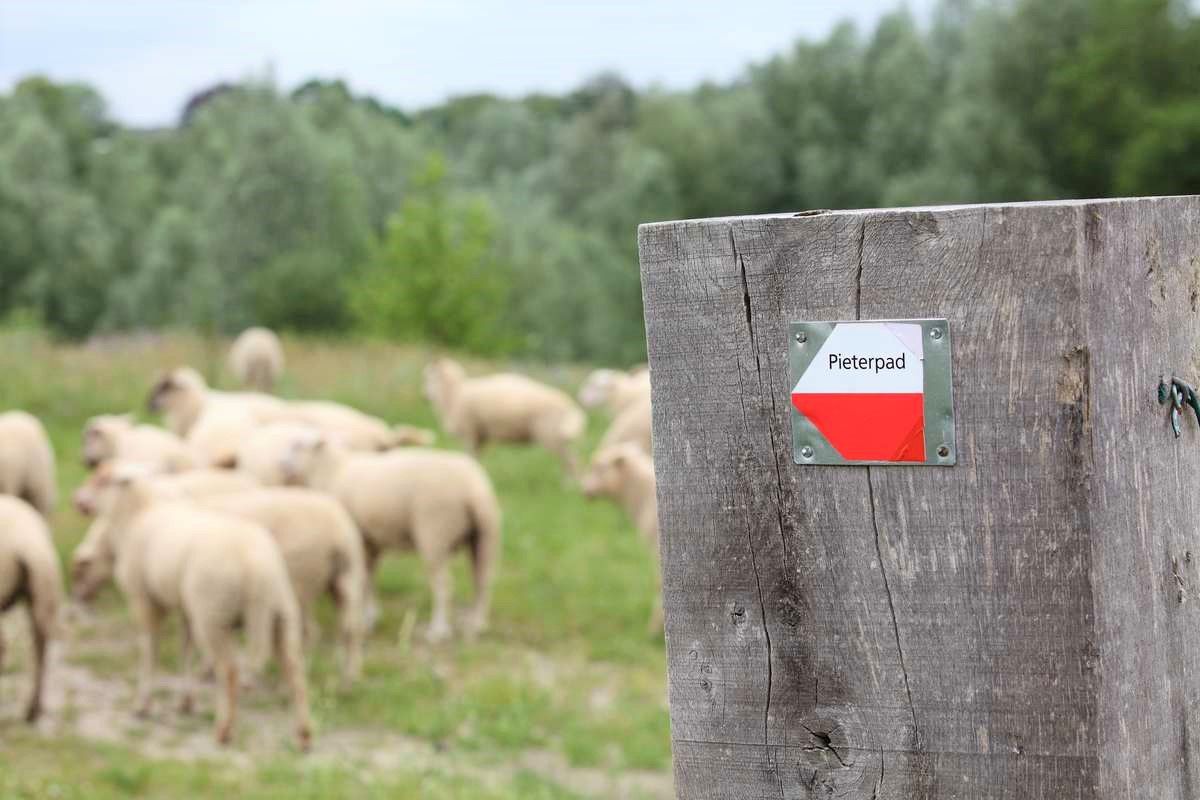
From Kasteel Vorden to the Sint-Pietersberg – Pieterpad long-distance hike part 2
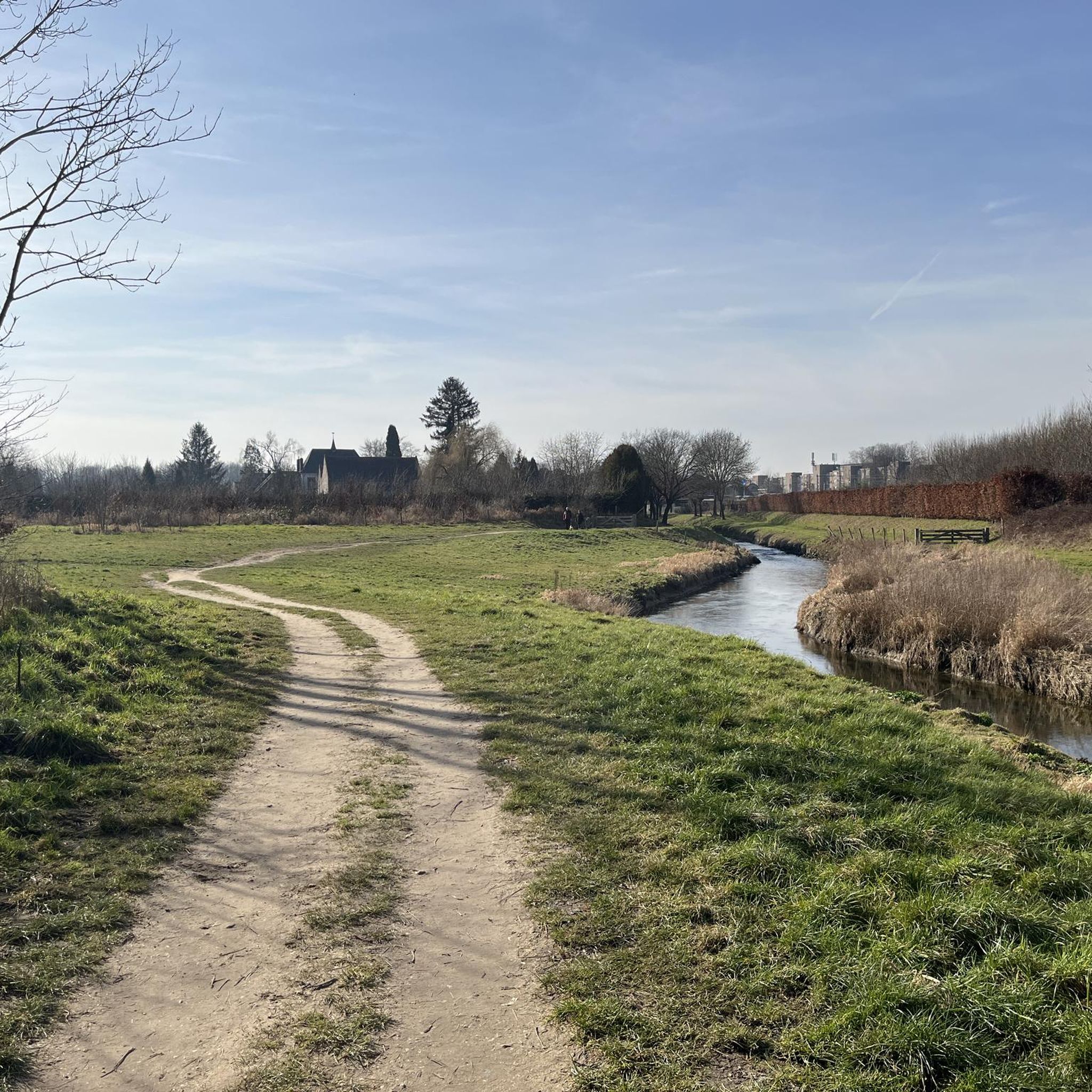
Hiking around Sittard-Geleen
Road Cycling Routes around Sittard-Geleen
MTB Trails around Sittard-Geleen
Other adventures around Sittard-Geleen


Tips from the Community

After the great heat and drought, the water level is now rising again
4
0


The Maas forms the border between the Netherlands and Belgium for a distance of forty kilometers. Here the river has free rein and can be quite wild. A maze of old riverbeds, banks, rapids, and gravel banks creates a wild, untouched landscape. And where there is water, there is life! Konik horses and Galloway cattle graze on the banks, while rare butterflies flutter by. This cross-border nature reserve is a paradise for hikers with over 200 kilometers of trails. There is also an extensive network of cycle paths! Discover not only the natural beauty but also the idyllic villages along the Maas and cross the river via a bridge or ferry. These large herbivores play a crucial role in managing the natural environment. Together, they create a diverse landscape. In winter, the cattle graze on trees and shrubs, while the Konik horses feast on the shorter grass and the best herbs. This unique combination prevents the area from being overgrown by pastures and creates a dynamic mosaic of open meadows, rough scrub, and forests. This keeps nature constantly in motion! The Maas is a rain-fed river, which means that the hiking trails in RivierPark Maasvallei sometimes experience floods during periods of heavy rainfall. This can affect the accessibility of the trails.
0
0
Through the centuries, Kasteel Stein has housed an impressive series of remarkable residents. You visit an iconic building that has experienced both growth and prosperity as well as decay through the centuries, until the ruins organically merged into the beautiful, romantic English landscape park.
0
0
Through the centuries, kasteel Stein has housed an impressive series of notable residents. You visit an iconic building that, through the centuries, has known both growth and prosperity as well as decay, until the ruins organically merged into the beautiful, romantic English landscape park.
0
0
Frequently Asked Questions
How many touring cycling routes are available in Sittard-Geleen?
Sittard-Geleen offers a wide variety of touring cycling routes, with over 340 options available. These routes cater to different preferences, including easy, moderate, and challenging paths.
What are the difficulty levels of touring cycling routes in Sittard-Geleen?
The touring cycling routes in Sittard-Geleen cater to all skill levels. You'll find approximately 190 easy routes for leisurely rides, around 110 moderate routes for a balanced challenge, and about 40 more difficult routes for experienced cyclists seeking steeper inclines and longer distances.
Are there family-friendly touring cycling routes in Sittard-Geleen?
Yes, Sittard-Geleen offers many family-friendly options. The region's extensive network of wide cycle paths and varied terrain, including gentle slopes and river plains, makes it suitable for cyclists of all ages. Routes like Old Meuse – View of the Meuse loop from Buchten are generally easy and provide scenic, enjoyable rides for families.
What kind of landscapes can I expect to see while cycling in Sittard-Geleen?
Sittard-Geleen is known for its diverse landscapes, ranging from the rolling 'heuvelland' (hill country) with spectacular views to the serene River Maas plains and the Geleenbeek valley. You'll cycle through lush forests, vibrant heathlands, traditional orchards, and meadows. The region's unique geology, shaped by chalk-rich undergrounds and river erosion, creates a visually rich experience.
Are there any challenging touring cycling routes for experienced riders?
Absolutely. While many routes are gentle, the 'heuvelland' (hill country) offers more demanding routes with steep inclines. For example, the Father Karel House and Garden – Hollow Way loop from Geleen-Lutterade is classified as difficult, featuring significant elevation gain. Some routes in the broader South Limburg area also follow parts of the famous Amstel Gold Race, providing a true test of endurance.
What cultural and historical landmarks can I explore along the cycling routes?
Sittard-Geleen's routes often pass by rich cultural heritage. You can explore historic towns and villages with half-timbered houses, ancient castles like Limbricht Castle, and Romanesque churches in places such as Susteren. The Limbricht Castle – Sittard Market loop from Sittard is a great example, connecting a historic site with the charming Sittard Market. The region also features industrial monuments from its mining past, integrated into routes like the 'Green Route'.
Are there routes that offer cross-border cycling experiences?
Yes, Sittard-Geleen's strategic location near the borders of Belgium and Germany allows for unique cross-border cycling. The Drielandenroute (Three Countries Route) is a popular option, enabling riders to experience the landscapes of three nations in a single tour. These routes often include enjoyable bicycle ferry crossings across the River Maas.
What do other touring cyclists say about the routes in Sittard-Geleen?
The touring cycling routes in Sittard-Geleen are highly regarded by the komoot community, with an average rating of 4.3 stars from over 599 reviews. Cyclists frequently praise the region's varied terrain, well-maintained paths, and the beautiful blend of natural scenery and cultural sights.
Are there any specific attractions or viewpoints to look out for?
Yes, the region is dotted with interesting sights. Along your rides, you might encounter the Roode Beek Pond and Sandy Beach, the scenic Maas River Dike Cycling Path, or the unique Marl Cliff along the Geul. For panoramic views, consider highlights like the View of the Terrils from the Lake or the View from Tweelingterril.
Can I find circular touring cycling routes in Sittard-Geleen?
Many of the touring cycling routes in Sittard-Geleen are designed as circular loops, allowing you to start and end at the same point. This makes planning your trip convenient. Examples include the Sittard Market – Gangelt Wildlife Park loop from Sittard and the Limbricht Castle – Sittard Market loop from Sittard.
Is it possible to rent bikes or e-bikes in Sittard-Geleen?
Yes, the region is well-equipped for cyclists. You can find e-bike rental options and charging stations throughout Sittard-Geleen and the wider South Limburg area, making it accessible for all types of riders, including those who prefer electric assistance.
Are there routes that follow the River Maas?
Yes, the River Maas plays a significant role in the region's landscape, and many touring cycling routes offer fantastic views of its plains and floodplains. Routes like Old Meuse – View of the Meuse loop from Buchten and Maaswerken at Illikhoven – View of the Meuse loop from Born specifically highlight the beauty of cycling along the Meuse.
Most popular routes around Sittard-Geleen
Most popular attractions around Sittard-Geleen

Get inspired with the komoot mobile app


Explore more
Browse the best Cycling routes in other regions.
