Top 4 Caves around Guillon-Les-Bains
Best caves around Guillon-Les-Bains are situated within the Doubs department and the wider Jura Mountains region of France. This area is known for its karst topography, characterized by limestone formations and subterranean features. The landscape includes river valleys and cliffs, which contribute to the presence of various caves and grottoes. These geological formations offer opportunities for exploration and observation of natural features.
Best caves around Guillon-Les-Bains
- The most popular caves is Grotte Sous Buen, a cave that features high…
Last updated: May 11, 2026
Grotte Sous Buen
Highlight • Cave
Translated by Google •
Tip by

Fourbanne Cave
Highlight • Cave
Translated by Google •
Tip by

Sign up now to discover places like this
Get recommendations on the best single tracks, peaks, & plenty of other exciting outdoor places.
Sign up for free
Grotte du Petit Siblot
Highlight • Cave
Through a very small shaft entrance of just 30 x 50 cm.
you have to abseil about 7 meters ... …
Translated by Google •
Tip by

The Green Spring
Highlight • Cave
Translated by Google •
Tip by

View of the Loue River from the Cave
Highlight • Cave
Translated by Google •
Tip by

Start today with a free account
Your next adventure awaits.
Login or Signup

Tips from the Community

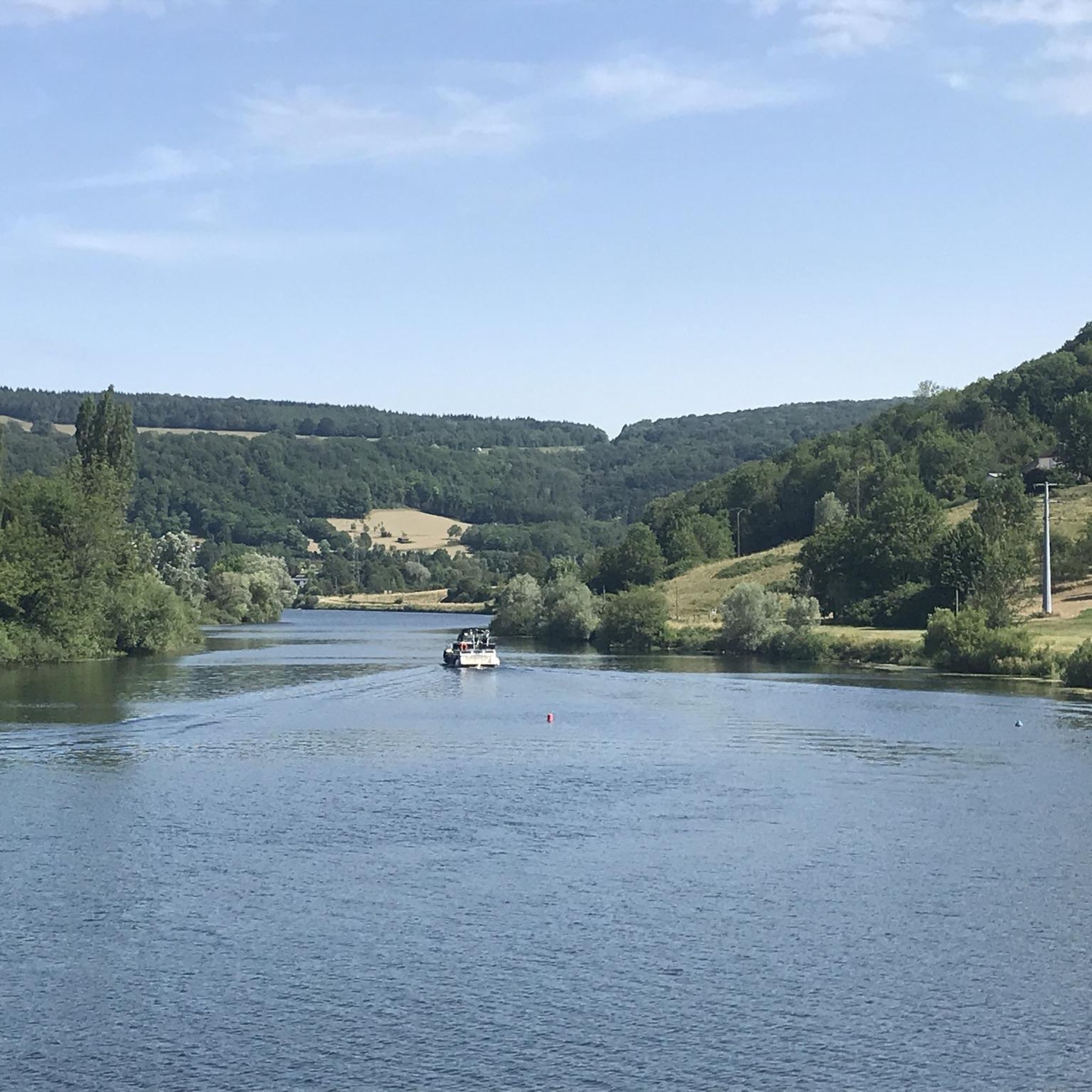
The green spring or the Cuse is located on the left side of the river at approximately the same height as the blue spring. This is the true source of Cusancin. The upper gallery of the cave was walled with dry stones.
0
0

Cannot be reached directly from the cycle path.
2
0

After a small barrier and a small climb comes a nice point to rest. Attention, it is not recognizable at first glance. Behind the bush is a very small path.
0
0

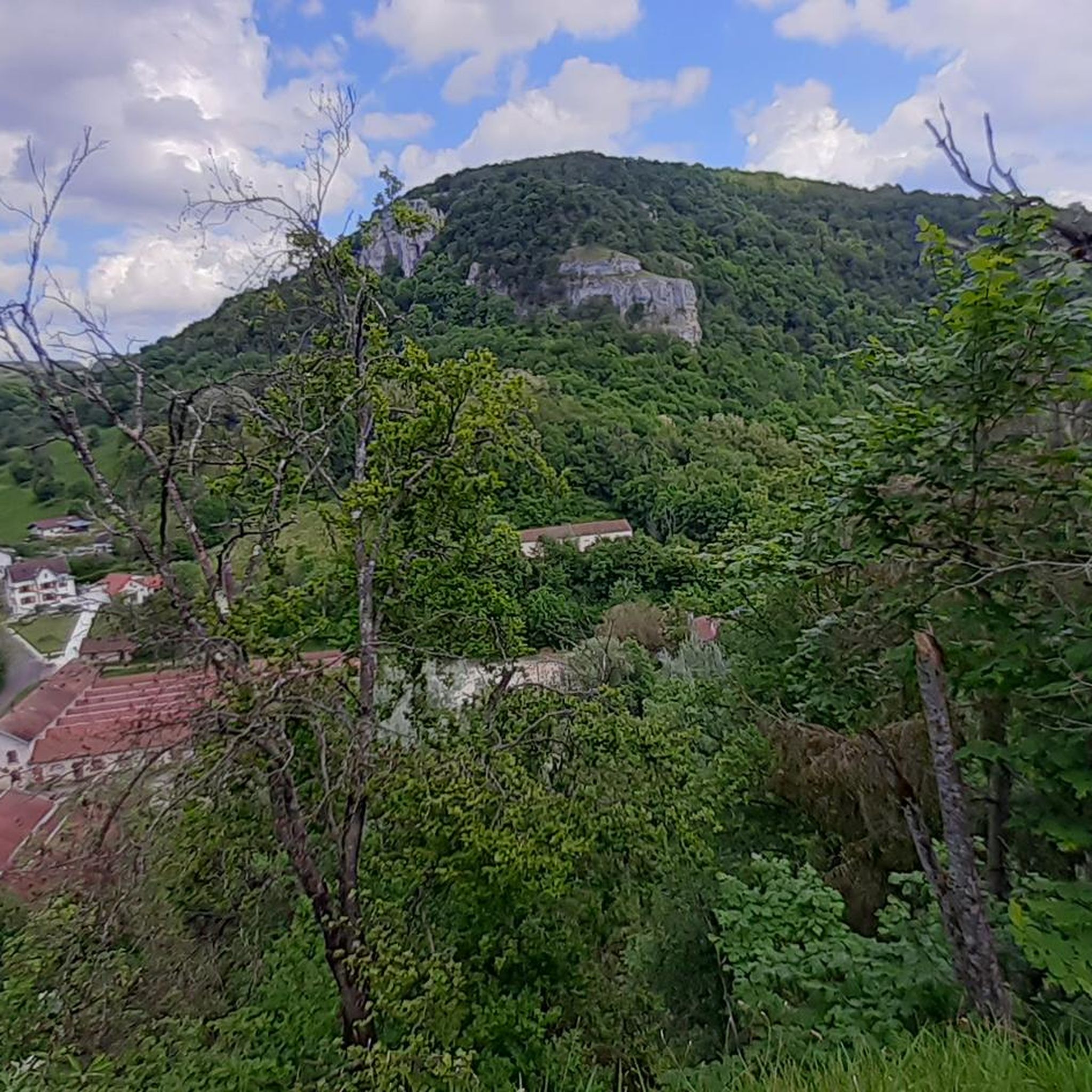
High grotto with wonderful limescale deposits - accessible via a metal ladder even without equipment. The grotto does not lead deep into the rock, the daylight is sufficient, you do not need a flashlight. It is freely accessible to everyone.
1
0

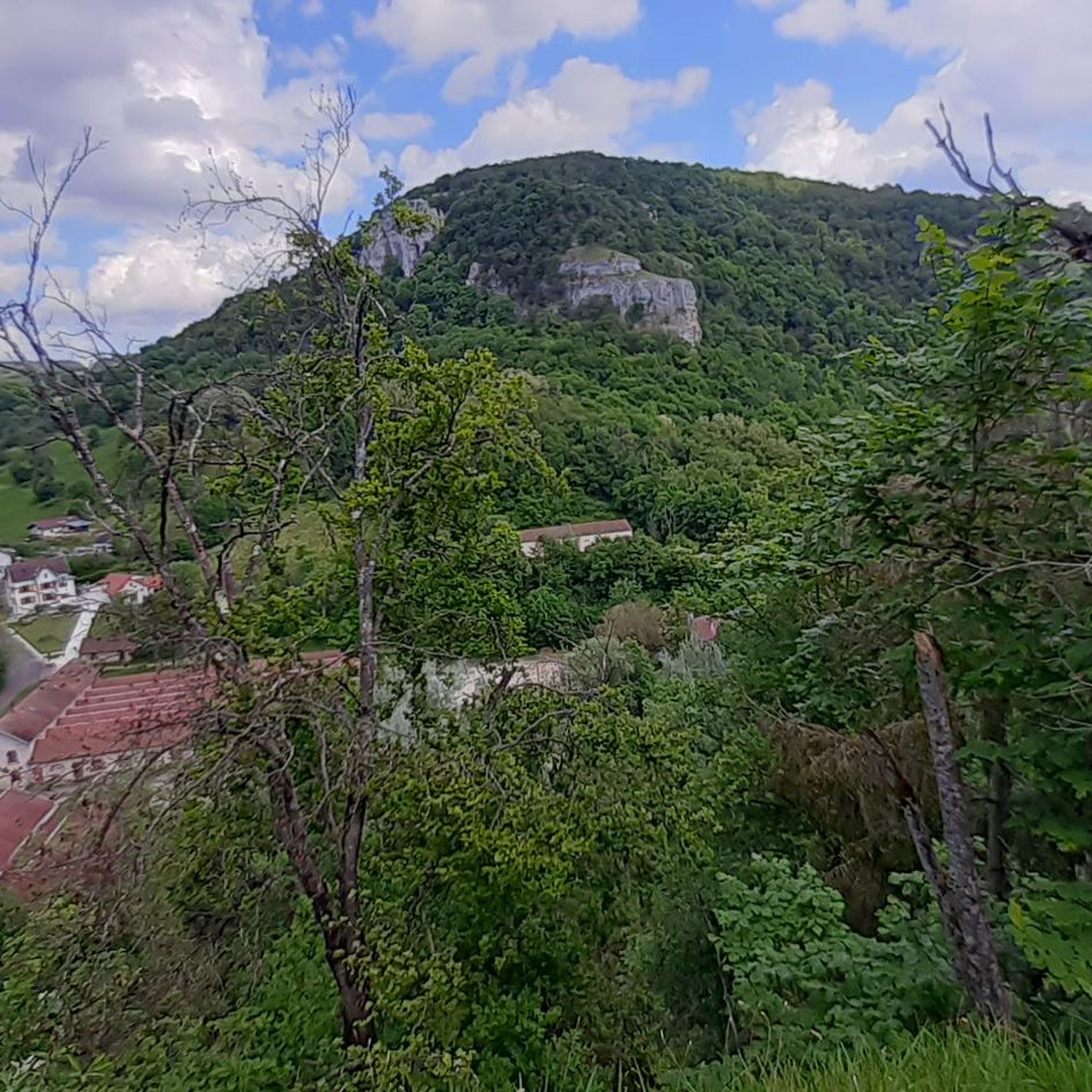
On the other side of the train tracks up the hill are the wild undeveloped karst caves of Fourbanne, a dream for fans of speleology. Bring good light, rugged cloths, and wear your helmet (you're biking, so you have a helmet!). https://inpn.mnhn.fr/zone/znieff/430013670 See video https://www.youtube.com/watch?v=7nxTiEY92I8
1
4

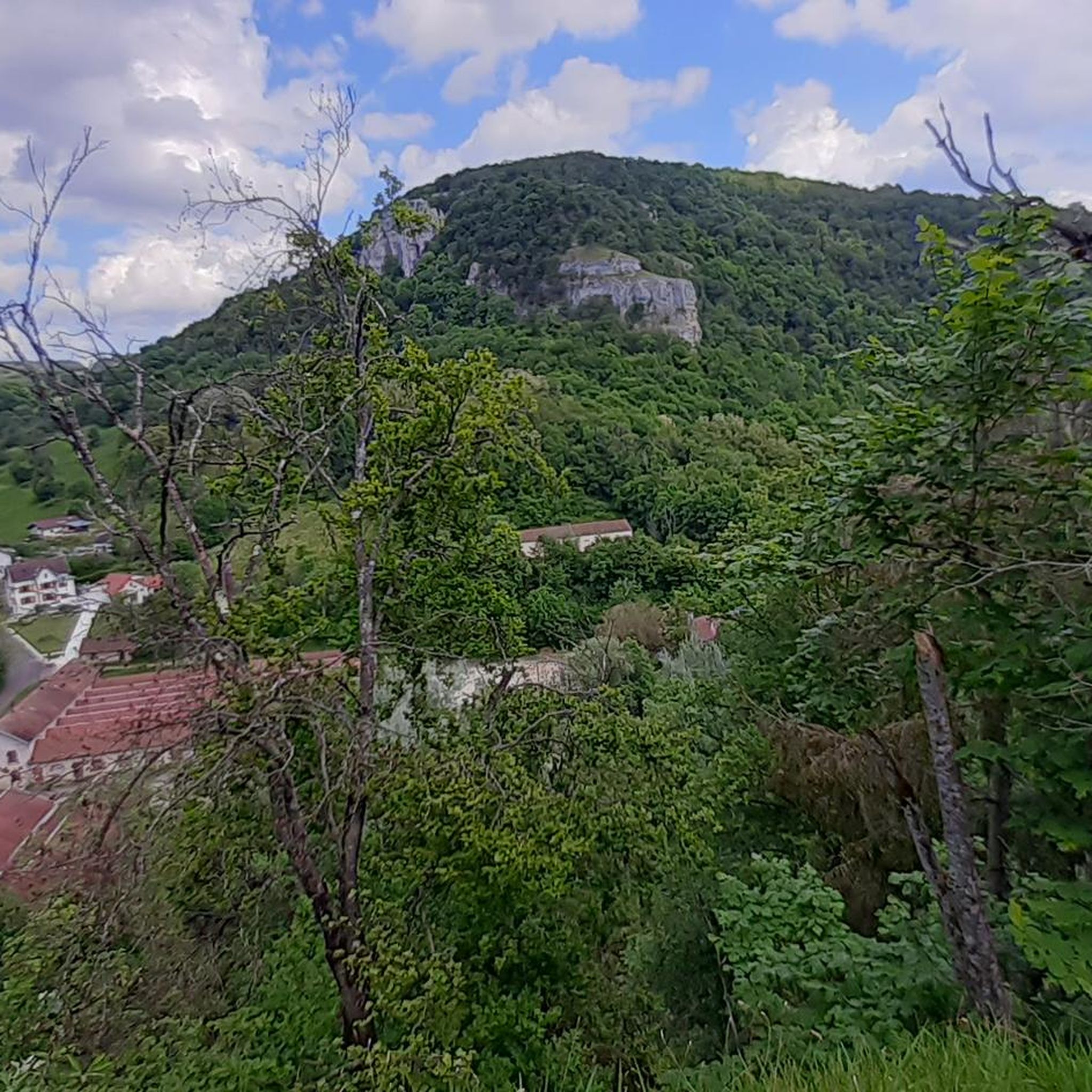
The cave is listed as a real classic among speleologists. Through a very small shaft entrance of just 30 x 50 cm. you have to abseil about 7 meters ... Then the next 18 meter deep shaft. A final climbing step, about 5 meters lower, ends in an impressive and large hall with beautiful stalactite columns.
4
0
Frequently Asked Questions
What types of caves can I explore near Guillon-Les-Bains?
The region around Guillon-Les-Bains, within the Doubs department and Jura Mountains, offers a variety of caves. You can find easily accessible grottoes, challenging speleology sites, and natural monuments. Examples include Grotte Sous Buen with its high grottoes and limestone deposits, and the more demanding Grotte du Petit Siblot, known for its shafts and impressive stalactite columns.
Are there family-friendly caves around Guillon-Les-Bains?
Yes, there are options suitable for families. The Grotte Sous Buen is considered family-friendly and accessible via a metal ladder, with daylight sufficient inside, meaning no special equipment is needed. For a more structured educational experience, the Grotte de la Glacière (Grotte de la Grâce-Dieu) near Chaux-lès-Passavant offers an aménaged path and an adjacent 'Maison des Minéraux' with exhibits.
What geological features can I expect to see in the caves?
The caves in this region are primarily formed within Middle Jurassic limestones, characteristic of karst topography. You can observe various geological formations such as stalactites and limestone deposits. The Grotte de la Glacière, for instance, also features marine fossils like crabs, sea urchins, and gryphaea, remnants from when the area was covered by the Tethys Ocean.
Are there challenging caves for experienced speleologists?
Yes, for experienced speleologists, the region offers challenging options. The Grotte du Petit Siblot is a classic speleology site requiring abseiling through shafts to reach a large hall with stalactite columns. Similarly, the Fourbanne Cave consists of wild, undeveloped karst caves that demand good light, rugged clothing, and protective gear.
When is the best time of year to visit the caves near Guillon-Les-Bains?
Caves generally maintain a consistent cool temperature year-round, making them suitable for visits in various seasons. However, for the Grotte de la Glacière, while its historical ice formations have diminished, the internal temperature remains around 5 degrees Celsius. Visiting during warmer months can offer a refreshing escape from the heat, while autumn or spring provide pleasant conditions for combining cave exploration with outdoor activities in the surrounding area.
What should I wear or bring when visiting caves in this region?
For accessible caves like Grotte Sous Buen, normal outdoor clothing is usually sufficient, as daylight penetrates. For more challenging or undeveloped caves like Fourbanne Cave or Grotte du Petit Siblot, you will need good light (headlamp), rugged clothing, and protective gear such as a helmet. Always wear sturdy, closed-toe shoes with good grip.
What historical or paleontological insights do the caves offer?
The Grotte de la Glacière is particularly rich in history and paleontology. It contains numerous marine fossils from the Tethys Ocean era and imprints of prehistoric animals. Tools from the Bronze Age have also been discovered, indicating early human occupation. Historically, the cave's ice was exploited from the 16th to 19th centuries for medical purposes, food preservation, and even beer production, and it served as a refuge during the 17th-century invasion of Franche-Comté.
Are there any nearby outdoor activities or routes I can combine with a cave visit?
Yes, the area around Guillon-Les-Bains offers various outdoor activities. You can find gravel biking routes like 'Back to sources' or 'Buddies cabin' in the Gravel biking around Guillon-Les-Bains guide. For runners, there are trails such as the 'Croix de Chatard loop' or 'Baume-les-Dames loop' detailed in the Running Trails around Guillon-Les-Bains guide. Road cyclists can explore routes like 'On the route of the castles' or 'Abbaye de la Grâce-Dieu' from the Road Cycling Routes around Guillon-Les-Bains guide.
Can I bring my dog to the caves or on nearby trails?
While specific cave access rules for dogs can vary and are often restrictive due to safety and preservation, many outdoor trails in the surrounding Doubs department are dog-friendly. Always check specific regulations for each cave or natural site. When hiking, ensure your dog is on a leash and you clean up after them.
Are any caves near Guillon-Les-Bains wheelchair accessible?
Based on available information, most caves in this region, including the Grotte de la Glacière with its numerous stairs and the challenging speleology sites, are not wheelchair accessible. The natural terrain and formations typically involve uneven surfaces, narrow passages, and vertical elements that prevent wheelchair access.
How much time should I allocate for exploring caves in the area?
The time needed varies significantly by cave. For an easily accessible grotto like Grotte Sous Buen, a short visit of 30 minutes to an hour might suffice. For a guided tour of the Grotte de la Glacière, expect to spend 1 to 1.5 hours, plus additional time for the 'Maison des Minéraux'. Exploring challenging speleology sites like Grotte du Petit Siblot or Fourbanne Cave can take several hours, depending on your experience and the extent of exploration.
Where can I find parking when visiting the caves?
Parking availability depends on the specific cave. For popular sites like the Grotte de la Glacière, dedicated parking facilities are typically provided. For less developed or 'wild' caves, you may need to rely on roadside parking or designated parking areas for nearby hiking trails. Always check local signage and regulations before parking.
Most popular routes around Guillon-Les-Bains
Most popular attractions around Guillon-Les-Bains

Get inspired with the komoot mobile app


Explore more
Extend your search for the best caves by checking out these guides of the top ones around Guillon-Les-Bains:
