Top 6 Caves around Saint-Martin-De-Londres
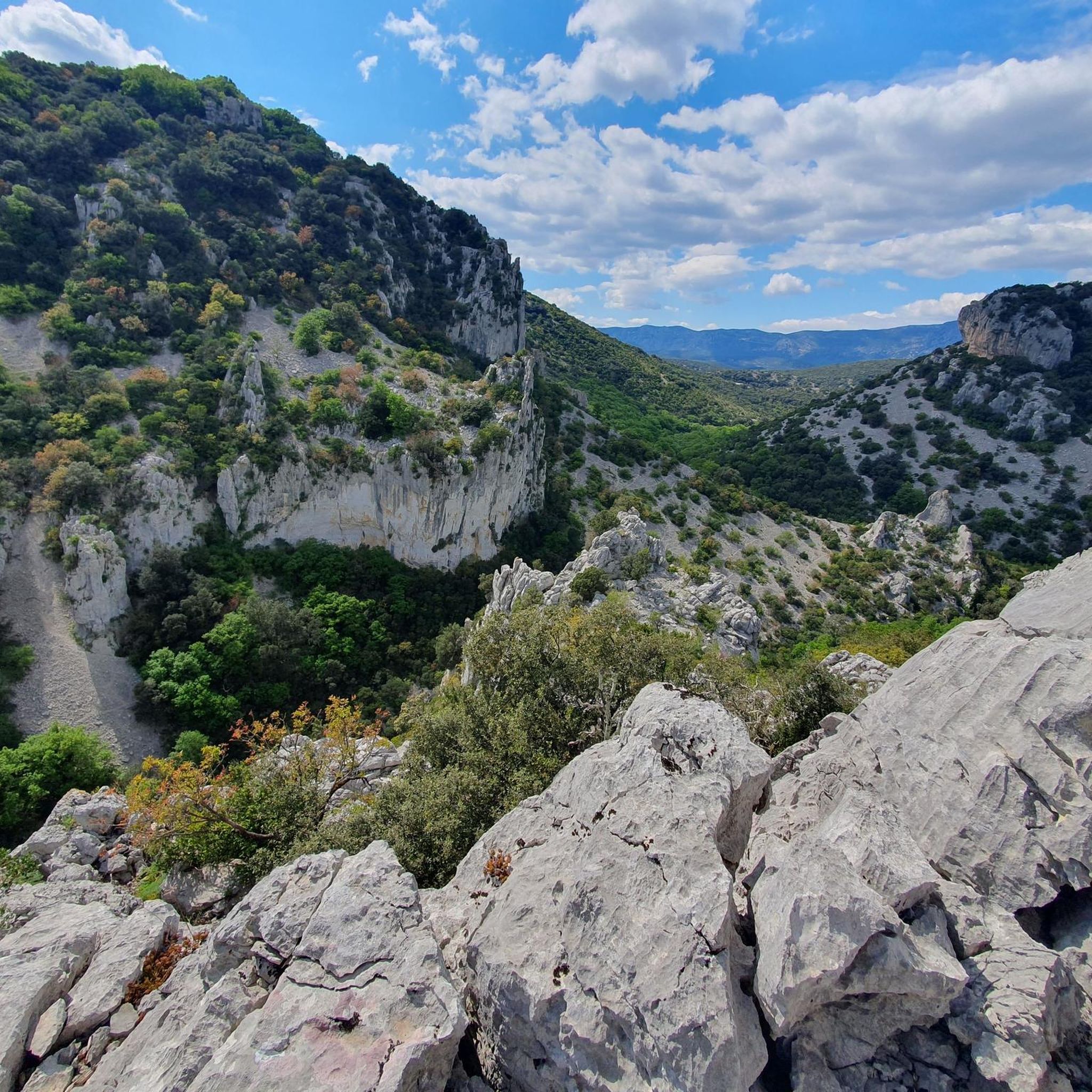
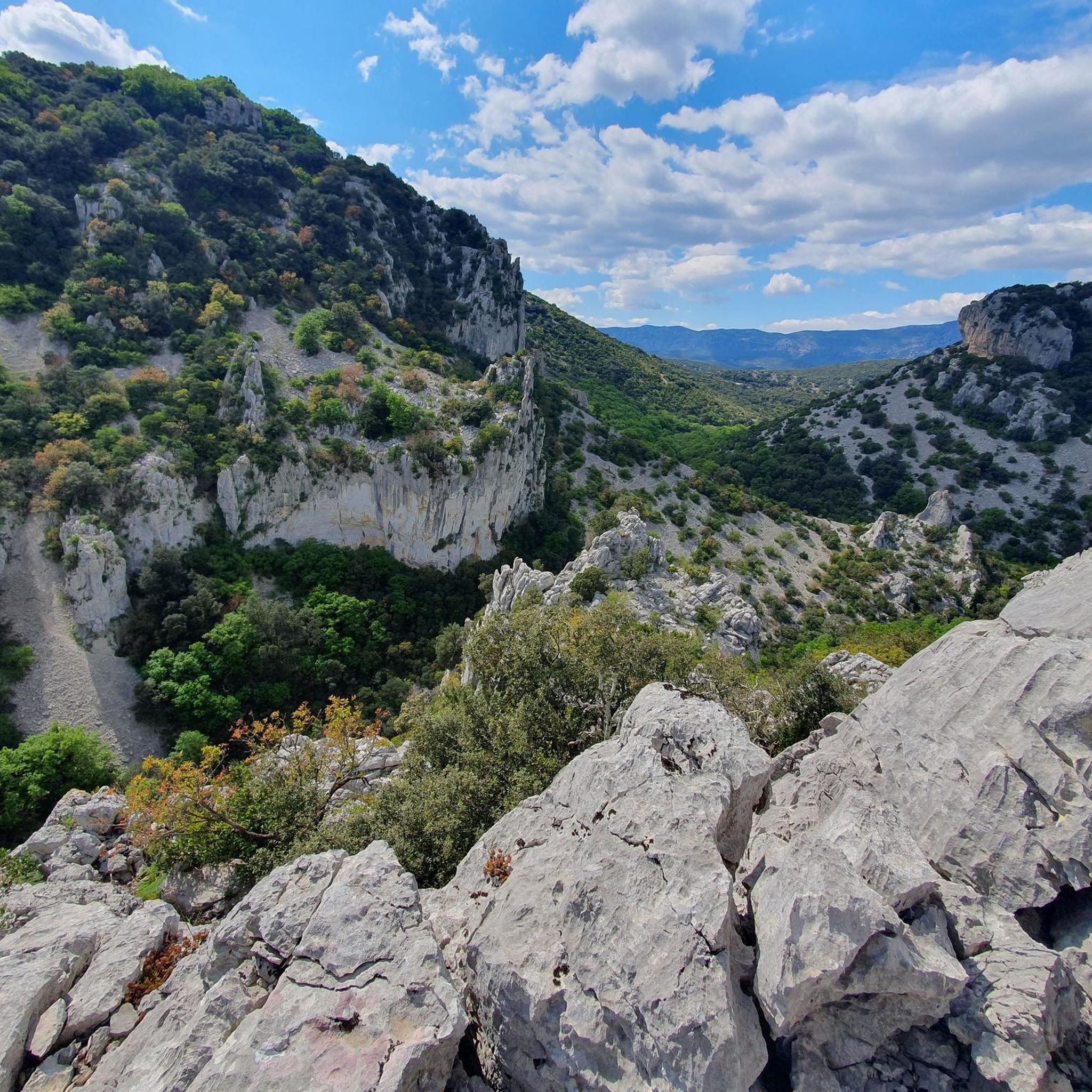
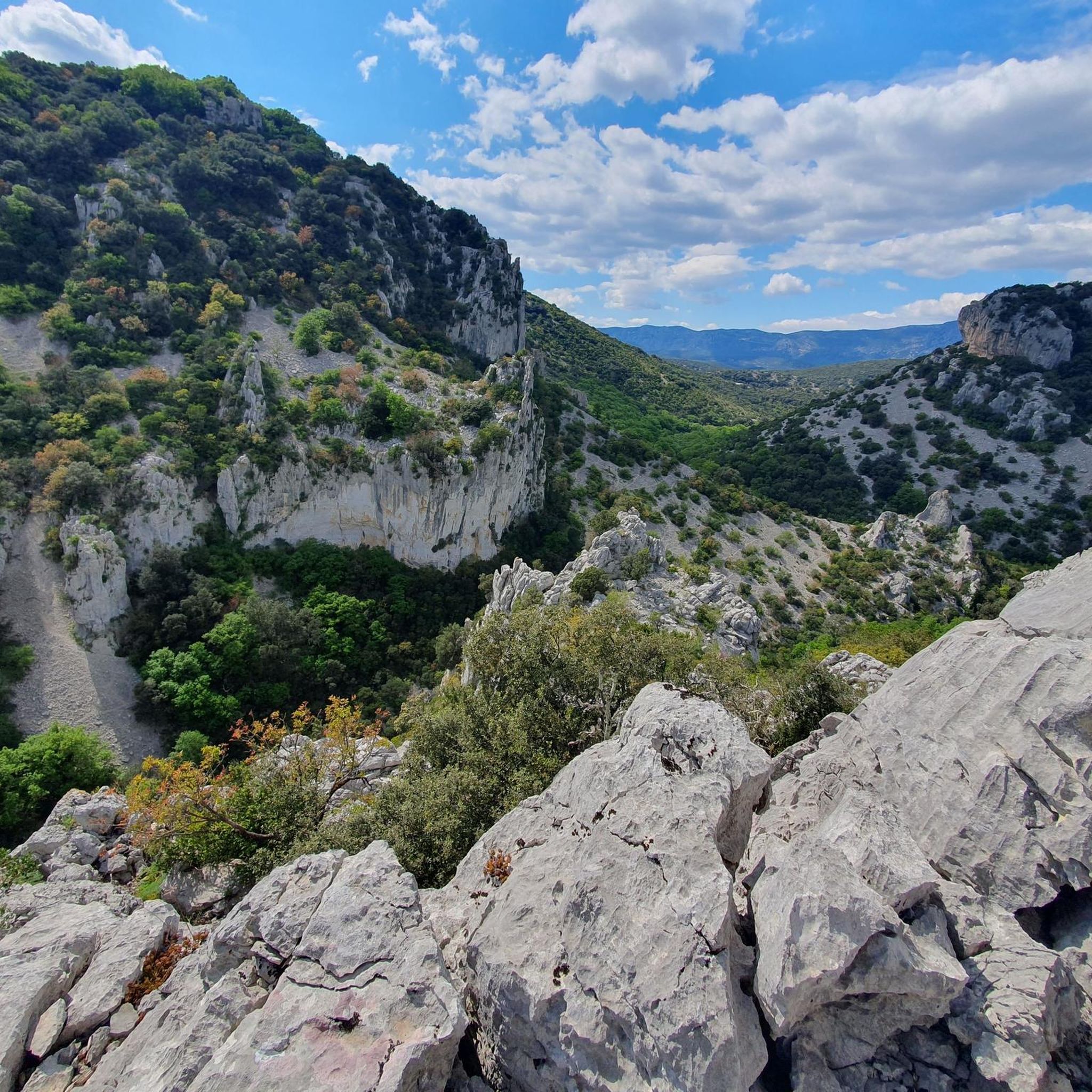
Best caves around Saint-Martin-De-Londres are found in the Hérault department of Southern France, an area characterized by its diverse geological formations. The region features a landscape shaped by limestone, leading to numerous natural caves and rock shelters. These subterranean sites offer insights into the area's natural history and geological processes.
Best caves around Saint-Martin-De-Londres
- The most popular caves is grotte-abri du Lamalou n°2, a cave that features a path known for its views. The route to this location is considered challenging, with sections that require careful navigation.
- Another must-see spot is Baumettes du Caylaret and Natural Arch, a cave and natural monument. Visitors can explore a natural arch and a cave, with the access path involving steep and potentially slippery sections.
- Visitors also love Caverne du Maure, a cave that is accessible for exploration. This cave features large spaces and notable concretions deeper within, requiring adequate lighting for a full visit.
- Saint-Martin-De-Londres is known for its natural caves, rock shelters, and sinkholes. These sites offer a variety of experiences, from accessible caverns to more challenging explorations of natural monuments.
- The caves around Saint-Martin-De-Londres are appreciated by the komoot community, with 23 upvotes and 48 photos shared by users.
Last updated: July 6, 2026
grotte-abri du Lamalou n°2
Highlight • Cave
Be careful, I strongly advise people who are sensitive to vertigo, have difficulty moving, or have young children not to take the path that leads to this place (in either direction).
Translated by Google •
Tip by

Baumettes du Caylaret and Natural Arch
Highlight • Cave
Once you leave the GR path, it is not easy at all to follow any semblance of a path... The best thing is to follow my tracks, BUT given how well the GPS works at this point, it will be complicated. You have to go around the massive rock (roughly), and then pass between the two large rocks.
The slope is steep, with some slippery passages.
People who are not comfortable with heights, or a bit of climbing, do not venture there.
Once at the top, between the two rocks, you will pass under a beautiful arch, then going down, and going back up on your left, you will come across a cave.
For the other caves, you will have to climb a little more on the GR, and join a clearly visible fault, then cross the ledge! Access is also dangerous, full of voids.
Then you can see another cave a little further, which will require a little impractical climbing.
Translated by Google •
Tip by

Sign up now to discover places like this
Get recommendations on the best single tracks, peaks, & plenty of other exciting outdoor places.
Sign up for free
Caverne du Maure
Highlight • Cave
Translated by Google •
Tip by

Grotte du Capelan
Highlight • Cave
A few narrow passages allow you to continue the excavation of the network a little, but no more...
Translated by Google •
Tip by
Aven de la Dame
Highlight • Cave
Caving enthusiasts, a beautiful well of approximately 15m, and approximately 90m await you before reaching the bottom :)
Another small sinkhole is located 100m further, so be careful if you are walking with animals, or children.
Translated by Google •
Tip by
Sign up for free to discover even more caves around Saint-Martin-De-Londres.
Sign up for free
Already have an account?
Start today with a free account
Your next adventure awaits.
Login or Signup
Popular around Saint-Martin-De-Londres
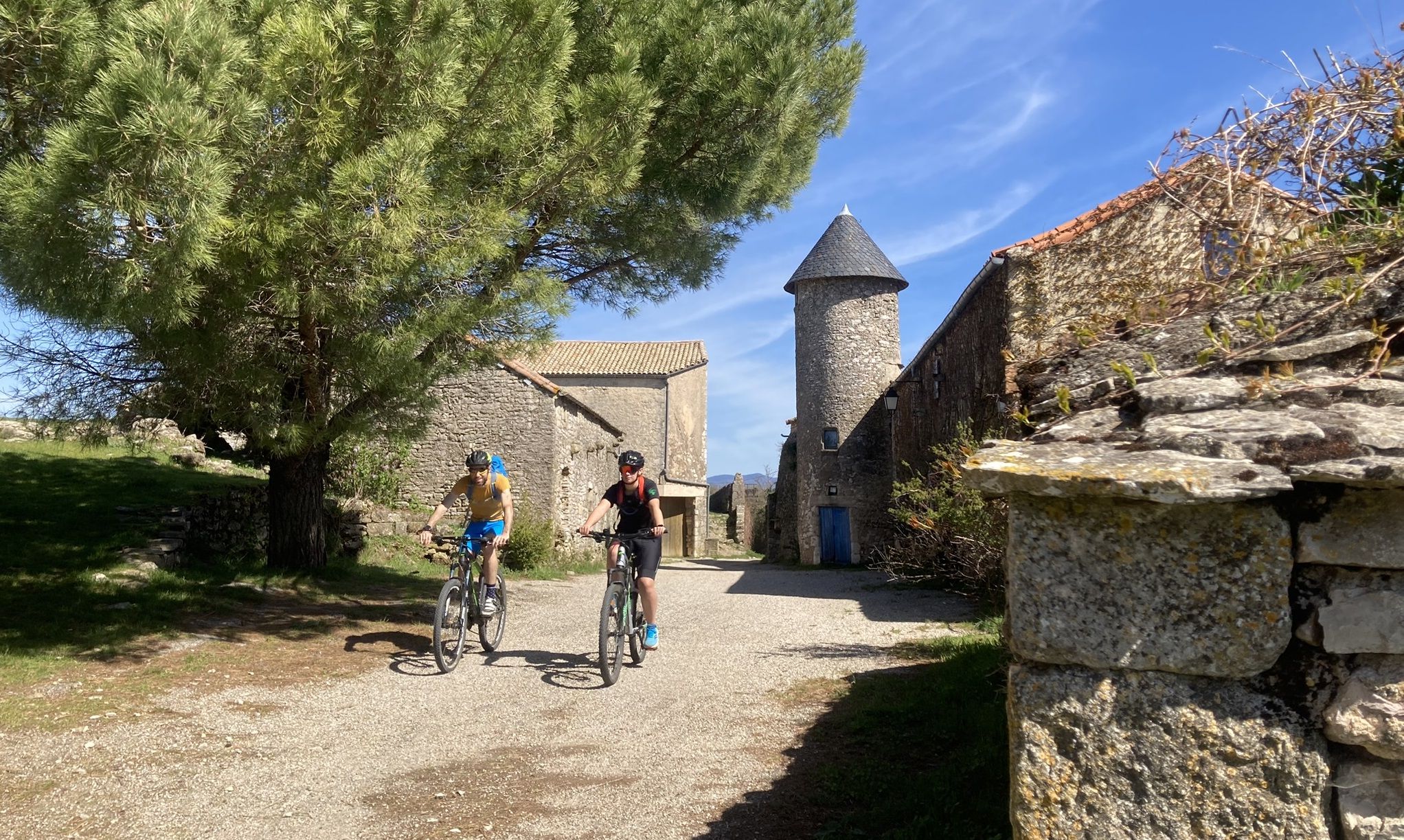
Grande Traversée de l'Hérault — Passa Meridia (North)
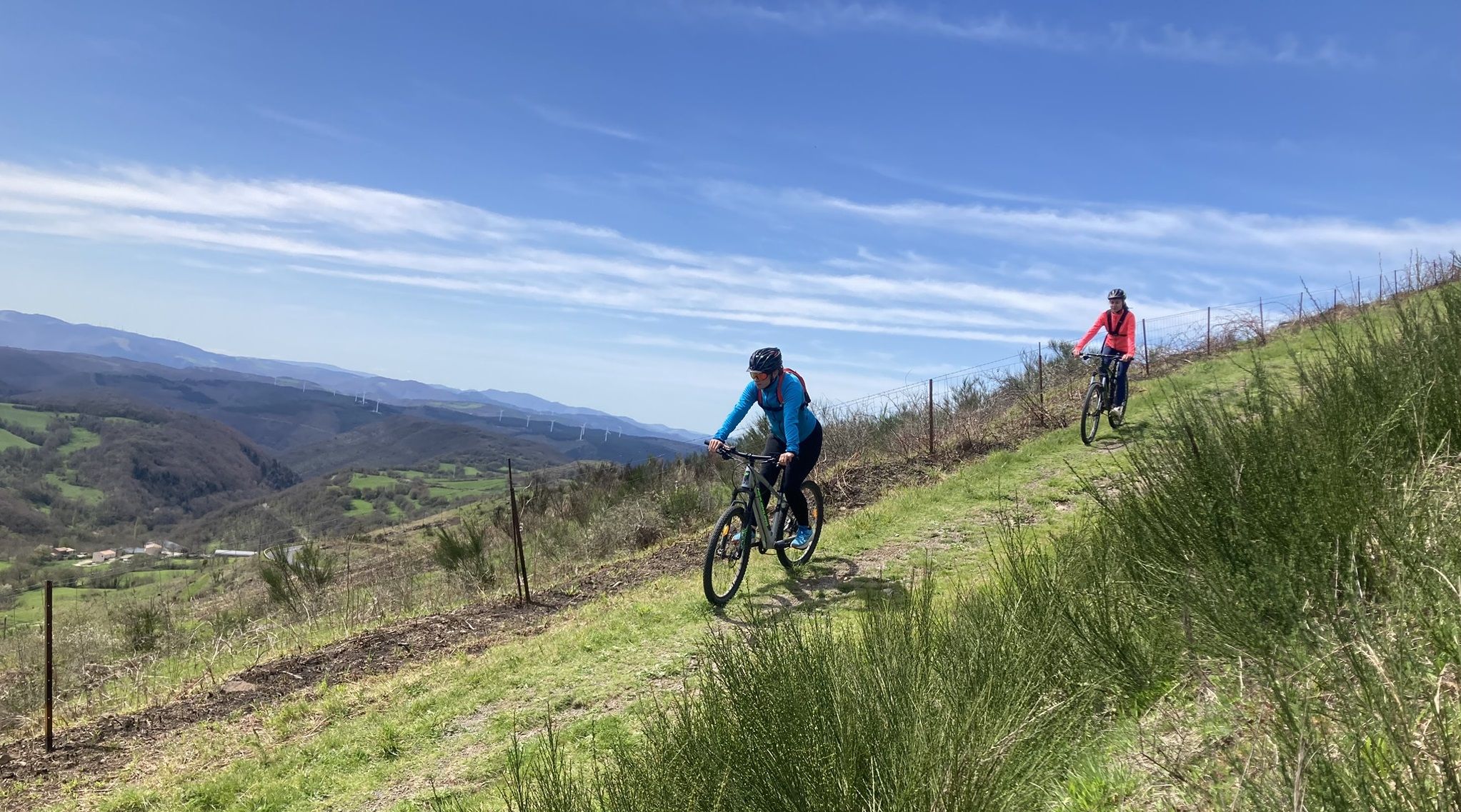
Grande Traversée de l'Hérault — Passa Meridia (South)
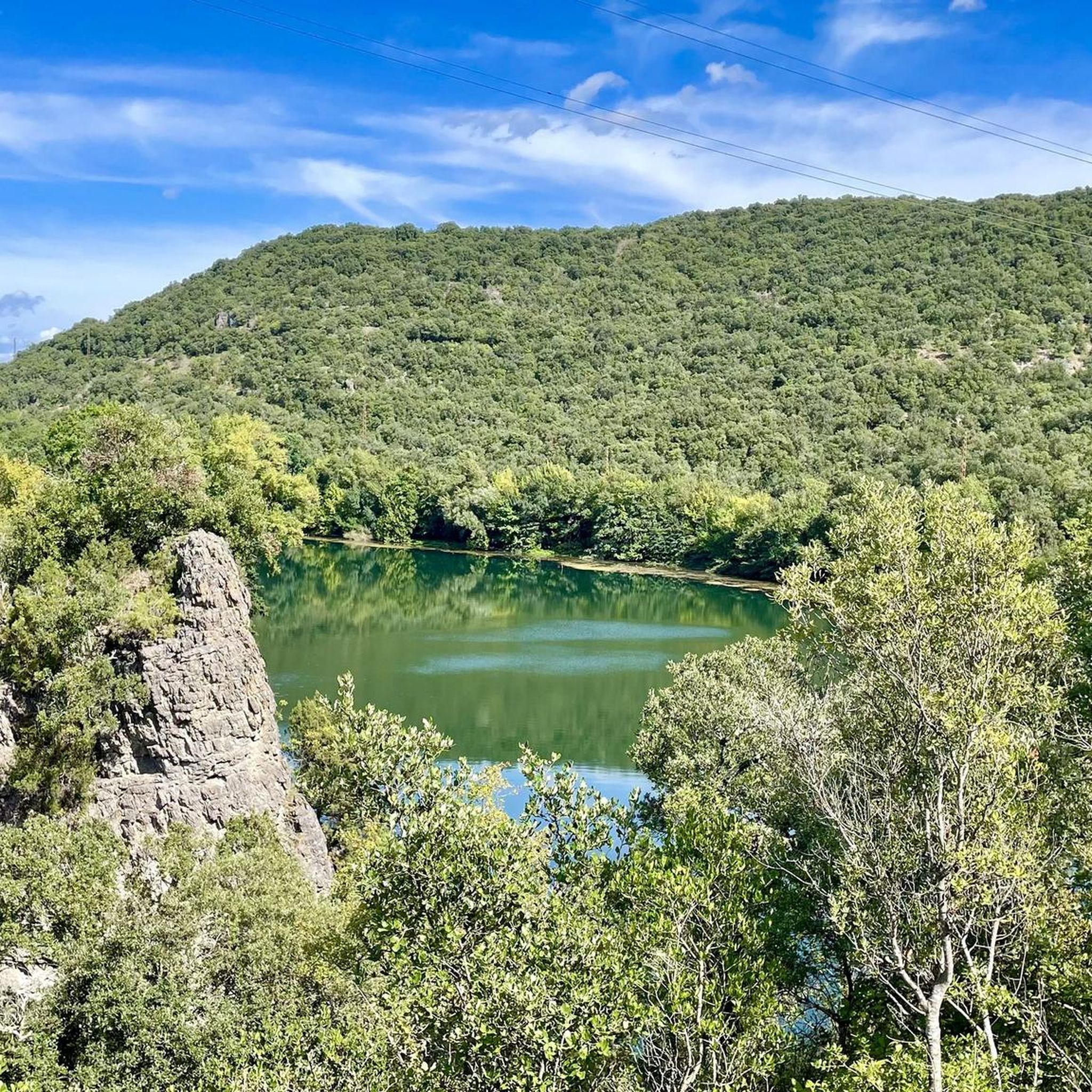
Hiking around Saint-Martin-De-Londres
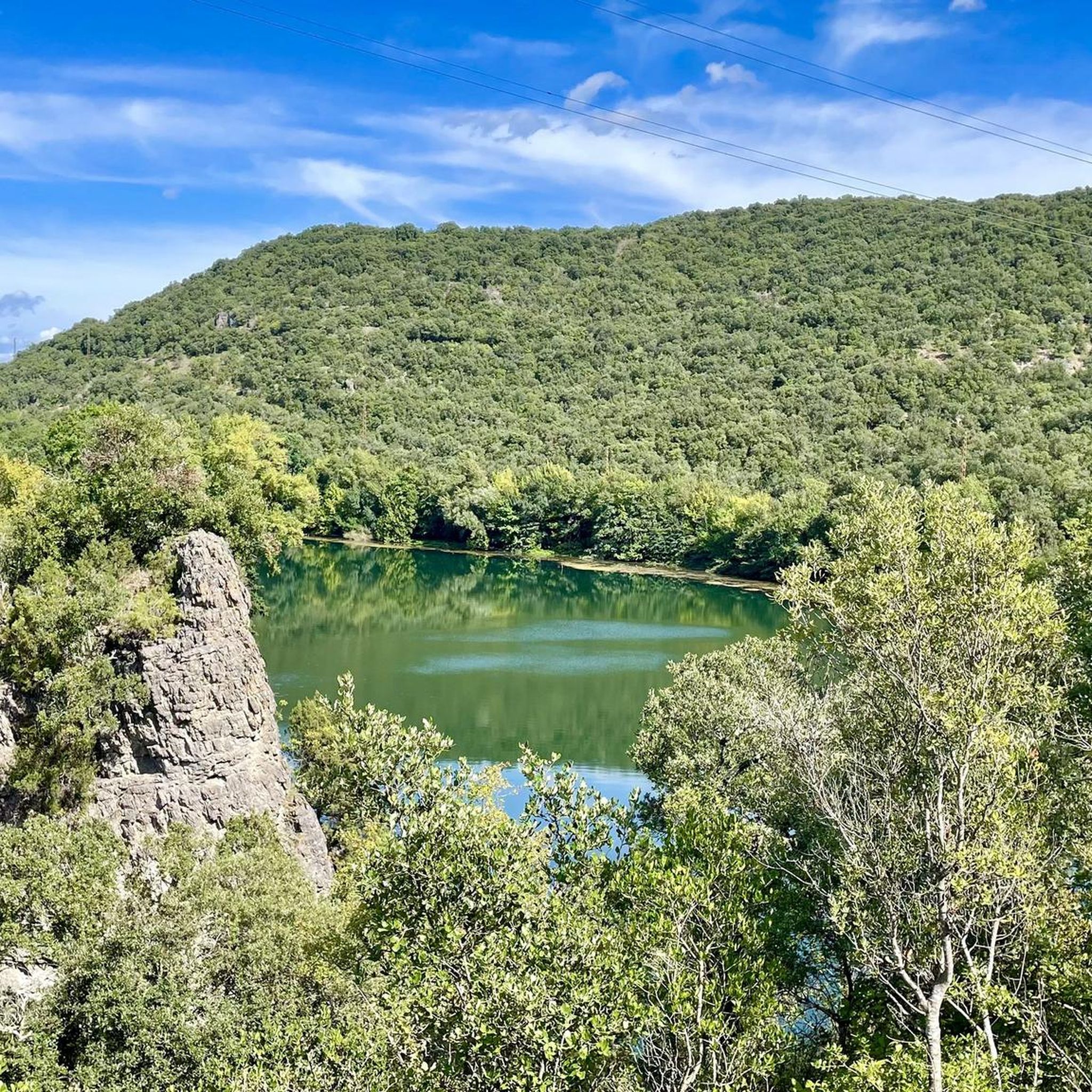
Road Cycling Routes around Saint-Martin-De-Londres
MTB Trails around Saint-Martin-De-Londres
Running Trails around Saint-Martin-De-Londres
Cycling around Saint-Martin-De-Londres

Gravel biking around Saint-Martin-De-Londres

Tips from the Community

WARNING: This is not the Grotte des Demoiselles (Cave of the Maidens)! I requested that its REAL name be changed to "Grotte - Abri de Lamalou 2" (Lamalou Cave - Shelter 2). Some nice points of interest along the way! The path is sometimes challenging, so caution is advised. I also encountered a few people rock climbing. The ladder in the old "Hermite" cave is stable, but be careful nonetheless. Once at the top, it's easy to slip (it's on a slope). The visit is short, but there are a few tricky sections to explore a little further. Naturally, this makes it all the more dangerous! Not recommended for people with vertigo or who are not comfortable with heights.
0
0
WARNING DANGEROUS PATH! Once you leave the GR path, it is not easy at all to follow any semblance of a path... The best thing is to follow my tracks, BUT given how well the GPS works at this point, it will be complicated. You have to go around the massive rock (roughly), and then pass between the two large rocks. The slope is steep, with some slippery passages. People who are not comfortable with heights, or a bit of climbing, do not venture there. Once at the top, between the two rocks, you will pass under a beautiful arch, then going down, and going back up on your left, you will come across a cave. For the other caves, you will have to climb a little more on the GR, and join a clearly visible fault, then cross the ledge! Access is also dangerous, full of voids. Then you can see another cave a little further, which will require a little impractical climbing.
0
0
A cave that can be visited by everyone. A good walk awaits you from Gorniès. Bring good lamps, and not basic lamps, because the cave has very large spaces, and you risk being very impressed. A special atmosphere reigns there... If you go to the bottom, at the level of the "stairs", then your walk will be rewarded by beautiful concretions! BE CAREFUL, everything you dirty will remain engraved on the rock, so please, do not touch anything, just take beautiful photos, with adequate lighting.
0
0

It is especially the path that leads to this place that will amaze you! Be careful, I strongly advise people who are sensitive to vertigo, have difficulty moving, or have young children not to take the path that leads to this place (in either direction).
0
0
A very deep sinkhole (-167m approximately) which is protected by a fence, which I do not recommend crossing! Caving enthusiasts, a beautiful well of approximately 15m, and approximately 90m await you before reaching the bottom :) Another small sinkhole is located 100m further, so be careful if you are walking with animals, or children.
1
0
A small cavity that includes a good-sized room. A few narrow passages allow you to continue the excavation of the network a little, but no more...
0
0

Consider taking a lamp. Easy to access for around a hundred meters.
1
0
Frequently Asked Questions
What are some notable caves to visit near Saint-Martin-De-Londres?
While there are several local caves like grotte-abri du Lamalou n°2, Baumettes du Caylaret and Natural Arch, and Caverne du Maure, the wider region offers impressive options. These include the Grotte de Clamouse, known for its rare aragonite crystals, the Grotte de la Devèze with its diverse concretions and speleology museum, and the Grotte de Trabuc, famous for its '100,000 soldiers' formations and historical significance.
Are there family-friendly caves in the area?
Yes, several caves offer experiences suitable for families. The Grotte de Clamouse features a 'Speleopark' with adventurous routes and an Escape Game, alongside traditional tours. The Grotte de Trabuc provides an immersive experience with an interactive light trail and audioguided tours, making it engaging for all ages. For local exploration, Caverne du Maure is generally accessible for around a hundred meters, though deeper sections require good lighting.
What kind of geological features can I expect to see in these caves?
The caves in this region are rich in diverse geological formations. The Grotte de Clamouse is renowned for its exceptional aragonite and eccentric crystals, including the 'White Corridor' of calcite. The Grotte de la Devèze showcases a variety of draperies, calcites, and aragonites. The Grotte de Trabuc is a 'living cave' with continuous water shaping draperies, waterfalls, and lakes, and features the unique '100,000 soldiers' concretions. Locally, Caverne du Maure also features notable concretions deeper within.
What is the best time of year to visit the caves around Saint-Martin-De-Londres?
Caves generally maintain a stable temperature year-round, making them a good option in any season. However, visiting during spring or autumn can be ideal as the weather outside is pleasant for the drive and any outdoor activities you might combine with your cave visit. Summer offers a cool escape from the heat, while winter provides a unique experience, especially with special events like candlelit nocturnes at Grotte de Trabuc.
Are there any historical aspects to the caves in this region?
Yes, the Grotte de Trabuc, for instance, has significant historical ties, having served as a refuge for Huguenots during the Wars of Religion and later for 'Trabucaires' (bandits), from whom it derives its name. The Grotte de la Devèze is also one of the ten oldest caves open to the public in France, and its accompanying museum provides insights into the history of speleology.
What outdoor activities can I combine with a cave visit near Saint-Martin-De-Londres?
The area around Saint-Martin-De-Londres is excellent for various outdoor activities. You can find numerous hiking trails, such as 'Le ravin des Arcs – loop from La Garde' or 'Summitof Saint-Loup – View of the peak and east ridge loop from Mas-de-Londres'. For cycling enthusiasts, there are MTB trails like 'Under the Hortus – View of the Pic Saint-Loup loop' and road cycling routes like 'Fambetou Pass – Mountain road loop'. You can explore more options on the Hiking around Saint-Martin-De-Londres, MTB Trails around Saint-Martin-De-Londres, and Road Cycling Routes around Saint-Martin-De-Londres guides.
Are the caves around Saint-Martin-De-Londres accessible for people with mobility challenges?
Accessibility varies significantly between caves. While some local caves like grotte-abri du Lamalou n°2 and Baumettes du Caylaret and Natural Arch involve challenging and steep paths, commercial caves like Grotte de Clamouse, Grotte de la Devèze, and Grotte de Trabuc typically offer more developed visitor paths, though specific accessibility features (e.g., ramps, elevators) should be confirmed directly with each site.
Can I bring my dog to the caves?
Dog policies vary by cave. Generally, many show caves do not permit dogs inside for safety and preservation reasons, with the exception of service animals. It is highly recommended to check the specific dog policy of each cave (Grotte de Clamouse, Grotte de la Devèze, Grotte de Trabuc, or local sites) directly before planning your visit.
What should I bring when visiting a cave?
Even in summer, cave temperatures are consistently cool, so bringing a light jacket or sweater is advisable. Comfortable, closed-toe shoes with good grip are essential, especially for potentially damp or uneven surfaces. For exploring less developed caves like Caverne du Maure, a reliable lamp or headlamp is crucial, as some areas can be very dark.
How long does it typically take to explore these caves?
The duration of a cave visit depends on the specific cave and the type of tour. Guided tours in commercial caves like Grotte de Clamouse, Grotte de la Devèze, or Grotte de Trabuc usually last between 1 to 1.5 hours. For local, less developed caves such as Caverne du Maure, exploration time can vary from a quick look to a more extended visit depending on your comfort and equipment, though the main accessible part of Caverne du Maure is around 100 meters.
Are there any challenging cave explorations for experienced cavers?
Yes, for those seeking more challenging experiences, the region offers options beyond standard tourist paths. For instance, grotte-abri du Lamalou n°2 and Baumettes du Caylaret and Natural Arch involve challenging access paths with steep and potentially slippery sections. The Aven de la Dame is a very deep sinkhole (-167m) protected by a fence, offering a significant challenge for caving enthusiasts. The Grotte de Clamouse also offers 'Speleopark' routes for a more adventurous exploration.
What makes the Grotte de Clamouse unique?
The Grotte de Clamouse is internationally recognized for the exceptional richness and diversity of its concretions, including very rare aragonite and eccentric crystals. Its 'White Corridor' is particularly striking due to the abundance of calcite and aragonite. Beyond its natural beauty, it offers a 'Speleopark' with adventurous routes like zip-line descents and an Escape Game inside the cave, along with frequent light and sound shows.
Where can I find food or drinks near the caves?
While Saint-Martin-De-Londres itself offers restaurants and cafes, the major show caves like Grotte de Clamouse, Grotte de la Devèze, and Grotte de Trabuc often have on-site facilities or are located near towns with dining options. It's advisable to check the specific amenities available at each cave site or plan to visit nearby villages for meals and refreshments.
Most popular routes around Saint-Martin-De-Londres
Most popular attractions around Saint-Martin-De-Londres

Get inspired with the komoot mobile app


Explore more
Extend your search for the best caves by checking out these guides of the top ones around Saint-Martin-De-Londres:
