Top 7 Caves around Samois-Sur-Seine
Best caves around Samois-Sur-Seine are primarily located within the adjacent Fontainebleau Forest, a region known for its distinctive sandstone formations and extensive woodlands. Samois-Sur-Seine is a village situated along the Seine, bordering this forest. The area features various subterranean formations, including natural rock shelters and historical structures. These sites offer opportunities for exploration and are often integrated into hiking and bouldering routes.
Best caves around Samois-Sur-Seine
- The most popular caves is Grotte du Serment, a cave known for its…
Last updated: May 26, 2026
Grotte du Serment
Highlight • Gorge
Translated by Google •
Tip by

Béatrix Cave
Highlight • Cave
Translated by Google •
Tip by
Sign up now to discover places like this
Get recommendations on the best single tracks, peaks, & plenty of other exciting outdoor places.
Sign up for free
Troubetzkoï Family Shelter
Highlight • Cave
Translated by Google •
Tip by

Calvary Shelter
Highlight • Cave
Translated by Google •
Tip by
White Doe Cave
Highlight • Cave
Translated by Google •
Tip by
Sign up for free to discover even more caves around Samois-Sur-Seine.
Sign up for free
Already have an account?
Start today with a free account
Your next adventure awaits.
Login or Signup
Popular around Samois-Sur-Seine
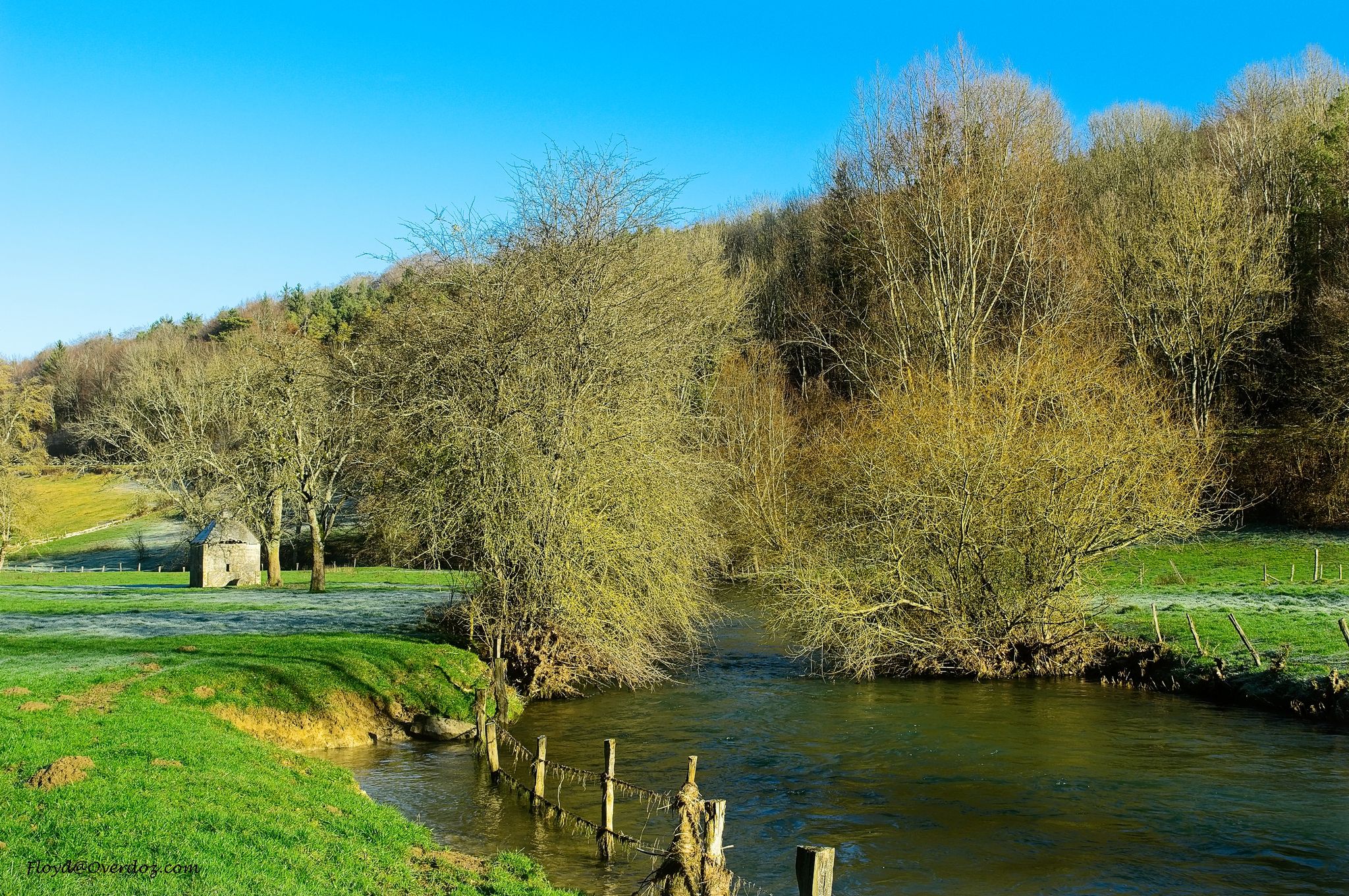
Exploring the Seine on the Île-de-France – hike the GR 2
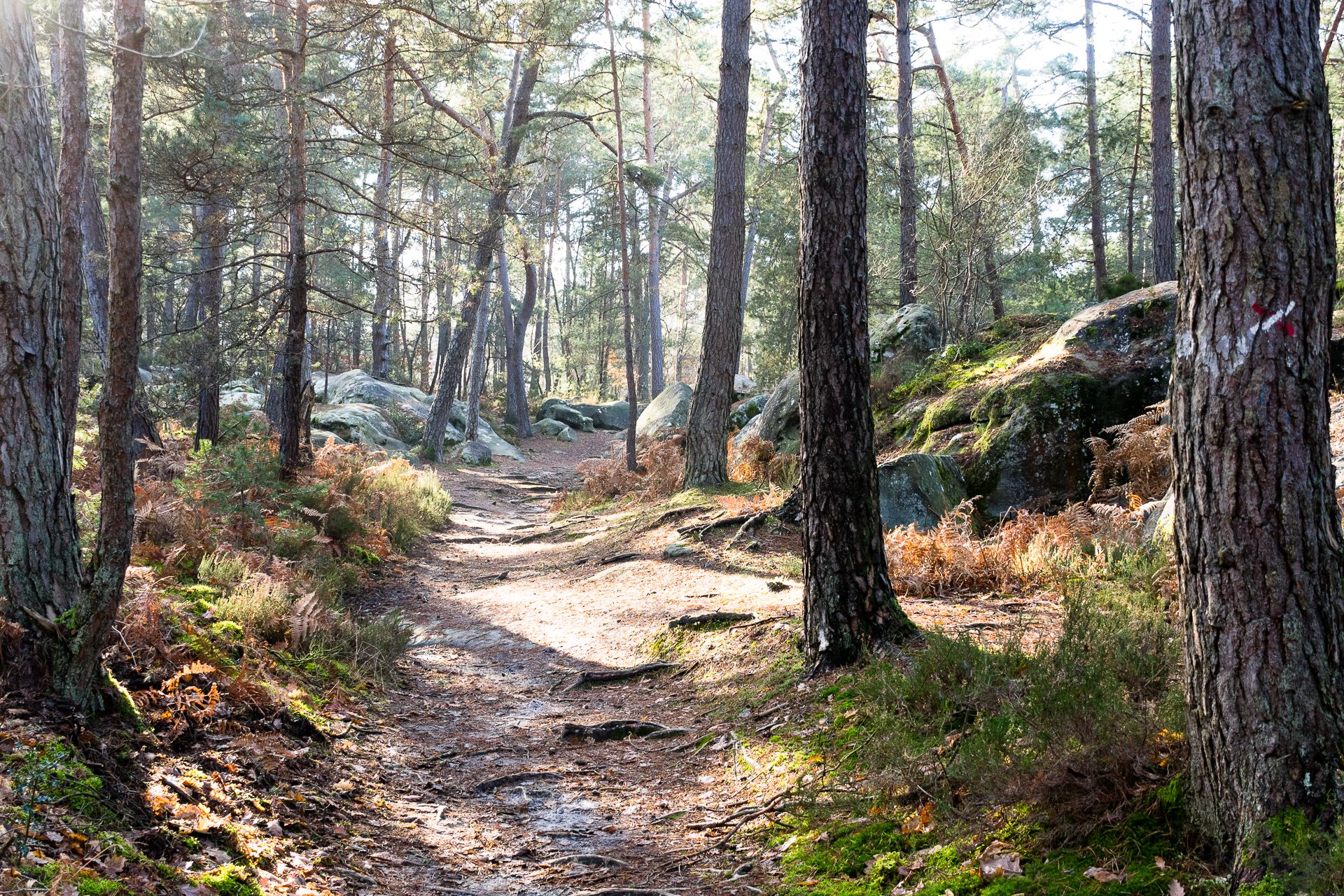
Between the rocks and the ages — les sentiers Denecourt-Colinet
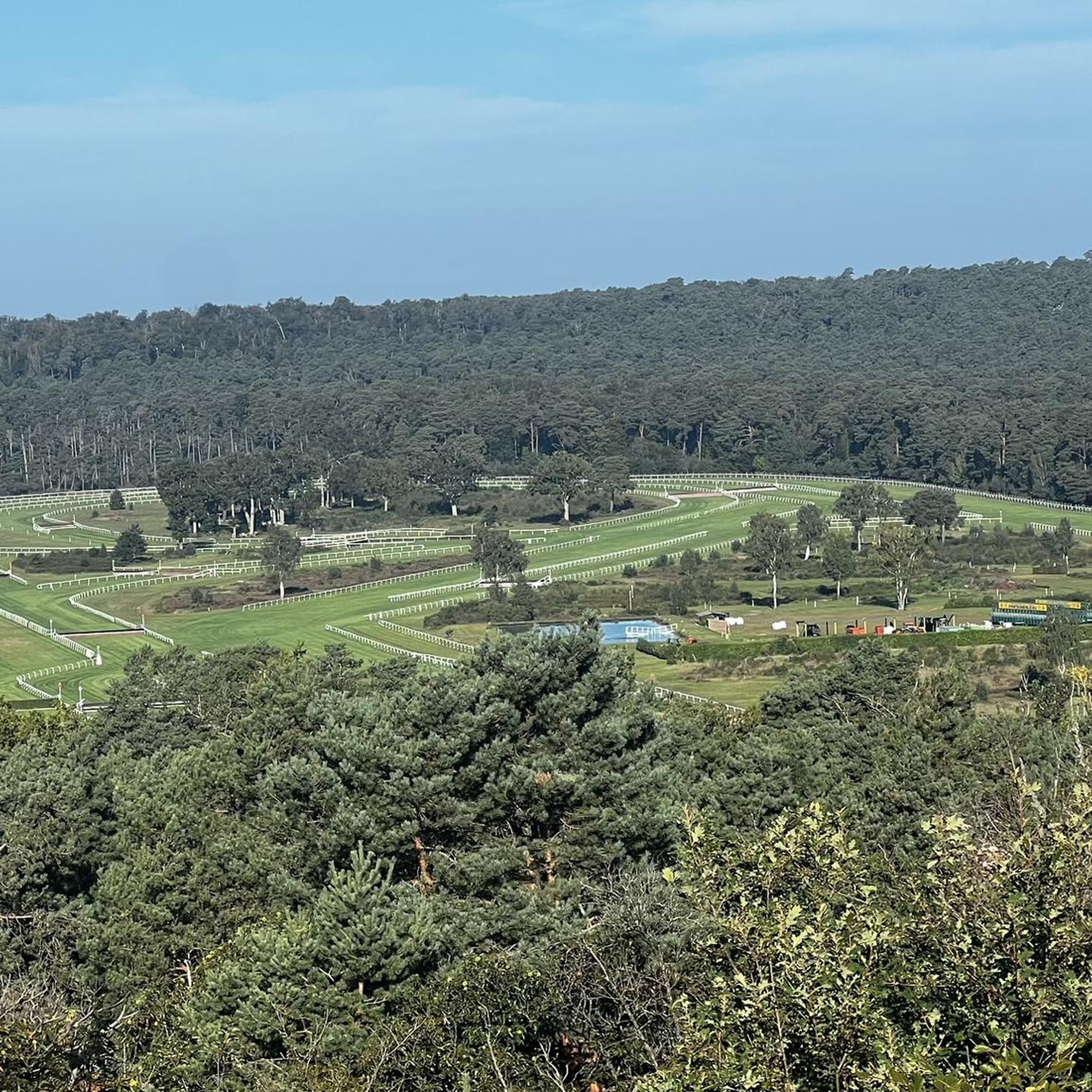
Cycling around Samois-Sur-Seine
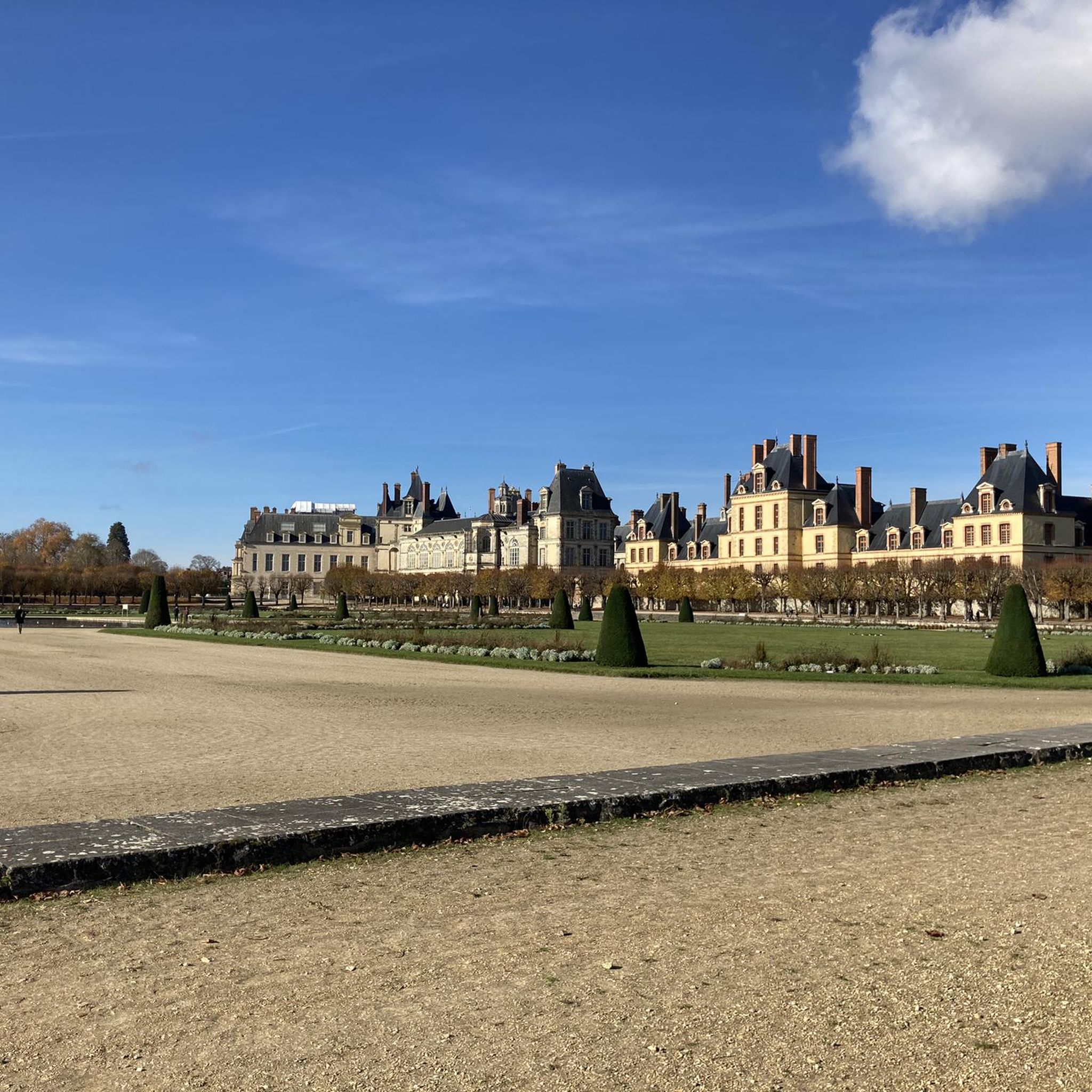
Road Cycling Routes around Samois-Sur-Seine
MTB Trails around Samois-Sur-Seine
Hiking around Samois-Sur-Seine

Running Trails around Samois-Sur-Seine
Gravel biking around Samois-Sur-Seine


Tips from the Community

I do believe this is an excellent website. I stumbled upon it I may revisit once again since I saved as a favorite it. https://www-sunpass.com
0
0
The photo is not the Adam Solomon cave but that of the Troubetzkoï family shelter The cave is photo 6
0
0

Small cave in the woods, with engravings, in homage to Samuel Adam-Salomon - French sculptor of the 19th Century who spent most of his life in Fontainebleau. His works are mainly exhibited at the Musée d'Orsay, the Invalides and the Chateau de Versailles.
0
1

The cave of the oath is quite surprising, especially because the vault is made of a single rock. The letters D.F.D were engraved on the cave by Denecourt himself and mean "Last Madness Denecourt".
1
0

The Béatrix cave is a natural wonder hidden in the forest of Fontainebleau. This cave, dug in the sandstone, is accessible during an outing in the forest. It offers an enchanting spectacle with its stalactites, its concretions and its walls covered with moss. It is also known to have been the place of meditation of Queen Marie-Antoinette.
0
0
It is a shelter dug into the rock near the Croix du Calvaire. It is a perfect place to stop and refuel. The setting is impressive!
0
0
The Oath Cave is quite surprising, especially because the vault is made of a single rock. The letters D.F.D were engraved on the cave by Denecourt himself and mean "Last Folie Denecourt".
2
0
Marked with a "C", the Biche Blanche cave was designed by Denecourt himself to arouse the curiosity of hikers. There are many inscriptions historically associated with the farriers who looked after the horses of the military regiments around 1878.
1
0
Frequently Asked Questions
What kind of caves can I explore around Samois-sur-Seine?
The area around Samois-sur-Seine, particularly within the adjacent Fontainebleau Forest, features a variety of subterranean formations. These include natural rock shelters, caves carved into sandstone, and historical sites with engravings. You'll find unique geological features, especially in the sandstone massif, which differ from typical limestone caves.
Are there any caves with historical significance or unique geological features?
Yes, the region boasts several sites with historical and geological interest. The Grotte du Serment (Oath Cave) is known for its vault made of a single rock and engravings by Denecourt. The Troubetzkoï Family Shelter features engravings and pays homage to 19th-century sculptor Samuel Adam-Salomon. Additionally, the nearby Crystal Cave (Grotte aux Cristaux) in Fontainebleau Forest is geologically unique, formed in sandstone with rare sparkling quartz formations, and has historical ties to its 1775 discovery.
Can I visit the Crystal Cave (Grotte aux Cristaux) in Fontainebleau Forest?
The Crystal Cave (Grotte aux Cristaux) is a remarkable natural site in the Fontainebleau Forest. While access *inside* the cave is restricted by a metal gate to preserve its fragile quartz crystals, visitors can still see the entrance and glimpse the formations through the bars. It's located in the northern part of the forest, near Mont-Saint-Germain.
Are there family-friendly caves or shelters to visit?
Many of the rock shelters and carved caves in the Fontainebleau Forest are accessible and can be enjoyed by families. For instance, the Béatrix Cave is a pretty spot carved into the rock, and the Calvary Shelter offers an impressive setting near the Croix du Calvaire, suitable for a stop during a walk.
What outdoor activities can I combine with a visit to the caves?
The caves and shelters are primarily located within the Fontainebleau Forest, which is a hub for outdoor activities. You can combine your visit with extensive hiking, trail running, and bouldering. The area is particularly famous for its sandstone boulders, offering a unique natural playground. For more specific routes, you can explore running trails, MTB trails, or road cycling routes in the wider Samois-sur-Seine area.
Are there specific hiking trails that lead to these caves?
Yes, many of the caves and shelters are integrated into the extensive network of hiking trails within the Fontainebleau Forest. For example, the Crystal Cave is surrounded by sandy paths and wooded trails popular with hikers. You can find various routes, including those that pass by highlights like the White Doe Cave, which was designed by Denecourt to pique hikers' curiosity.
Do I need a permit to visit the caves or hike in the Fontainebleau Forest?
Generally, no specific permits are required for hiking or visiting the natural rock shelters and accessible caves within the Fontainebleau Forest. The forest is largely open for public recreation. However, specific sites like the Crystal Cave have restricted internal access for preservation.
Is there public transport available to reach the caves from Samois-sur-Seine?
Samois-sur-Seine is located near the Fontainebleau Forest. While direct public transport to every specific cave entrance might be limited, you can often reach the general forest areas by public transport to nearby towns like Fontainebleau-Avon, and then proceed on foot or by other means. It's advisable to check local bus routes or train connections to the forest's periphery.
What is the best time of year to visit the caves and shelters?
The caves and shelters in the Fontainebleau Forest can be visited year-round. Spring and autumn offer pleasant temperatures for hiking and exploring the surrounding forest. Summer can be warm, but the forest provides shade. Winter visits are also possible, though trails might be muddy, and some areas could be colder. Always check weather conditions before your visit.
Are dogs allowed in the caves or on the trails in the Fontainebleau Forest?
Dogs are generally permitted on leash in the Fontainebleau Forest and on its trails. However, specific rules might apply to certain sensitive natural areas or historical sites. It's always best to keep your dog under control and respect any posted signage at individual cave entrances or shelters.
Where can I find parking when visiting the caves?
Parking is available at various points around the Fontainebleau Forest, often near popular trailheads or bouldering areas. Since many caves are integrated into hiking routes, you can typically find parking in designated forest car parks or along roadsides at the entry points to the forest sectors where the caves are located.
Are there any cafes or places to eat near the caves?
While there might not be cafes directly adjacent to every cave entrance, the surrounding towns and villages, including Samois-sur-Seine and Fontainebleau, offer various options for cafes, pubs, and restaurants. Many visitors pack a picnic to enjoy amidst the forest's natural beauty, especially near shelters like the Calvary Shelter which is a perfect place to stop and refuel.
Most popular routes around Samois-Sur-Seine
Most popular attractions around Samois-Sur-Seine

Get inspired with the komoot mobile app


Explore more
Extend your search for the best caves by checking out these guides of the top ones around Samois-Sur-Seine:
