Top 6 Caves around La Vacquerie-Et-Saint-Martin-De-Castries
Best caves around La Vacquerie-Et-Saint-Martin-De-Castries are found within a region characterized by its limestone plateau and numerous karstic formations. This area features a rich underground heritage, including caves and sinkholes that show evidence of prehistoric human activity. The landscape offers a combination of geological interest and historical significance, with sites used for ancient burials, water collection, and even cheese refining. Exploring these sites provides insight into both natural processes and past human endeavors.
Best caves around La Vacquerie-Et-Saint-Martin-De-Castries
- The most…
Last updated: July 6, 2026
The Fairy Cave
Highlight • Forest
Translated by Google •
Tip by

Grotte de Clamouse
Highlight • Cave
Translated by Google •
Tip by

Sign up now to discover places like this
Get recommendations on the best single tracks, peaks, & plenty of other exciting outdoor places.
Sign up for free
Baume de l'Olivier and Baume Charlotte
Highlight • Cave
Translated by Google •
Tip by
Grottes Jumelles
Highlight • Cave
The path is quite narrow, with a few landslides when I passed, but is still quite easy to use.
Translated by Google •
Tip by

Baumettes du Caylaret and Natural Arch
Highlight • Cave
Once you leave the GR path, it is not easy at all to follow any semblance of a path... The best thing is to follow my tracks, …
Translated by Google •
Tip by
Sign up for free to discover even more caves around La Vacquerie-Et-Saint-Martin-De-Castries.
Sign up for free
Already have an account?
Start today with a free account
Your next adventure awaits.
Login or Signup
Popular around La Vacquerie-Et-Saint-Martin-De-Castries
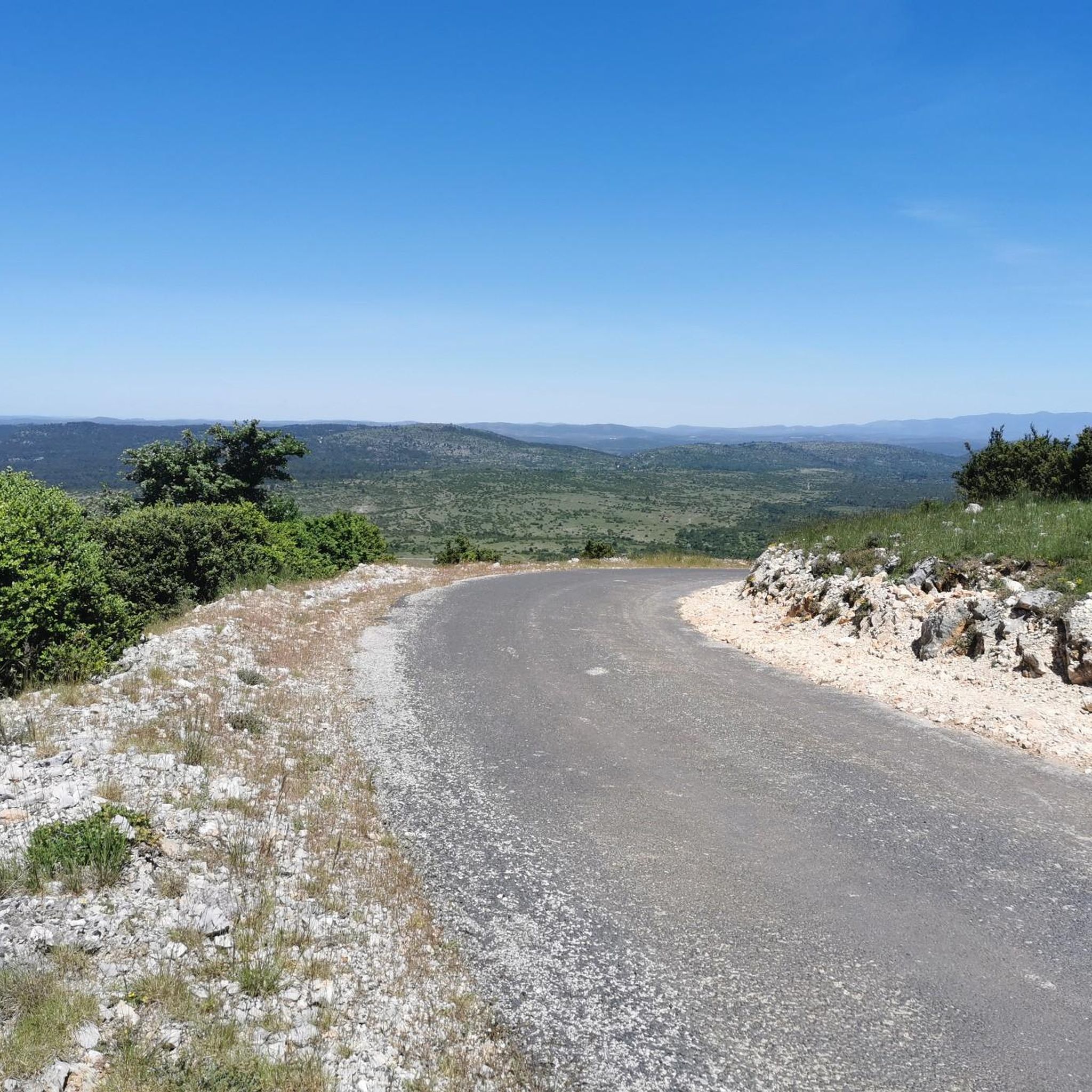
Hiking around La Vacquerie-Et-Saint-Martin-De-Castries
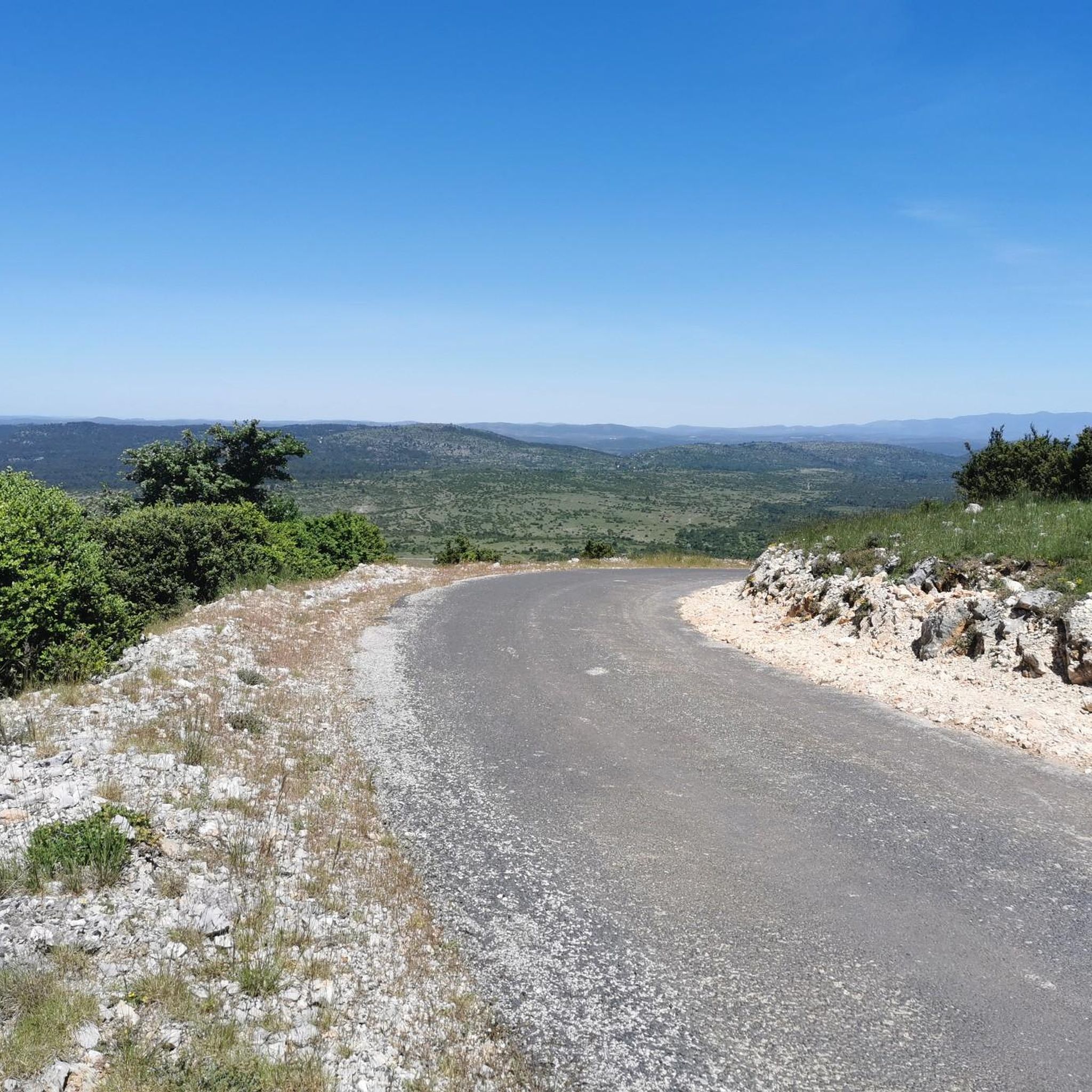
Road Cycling Routes around La Vacquerie-Et-Saint-Martin-De-Castries
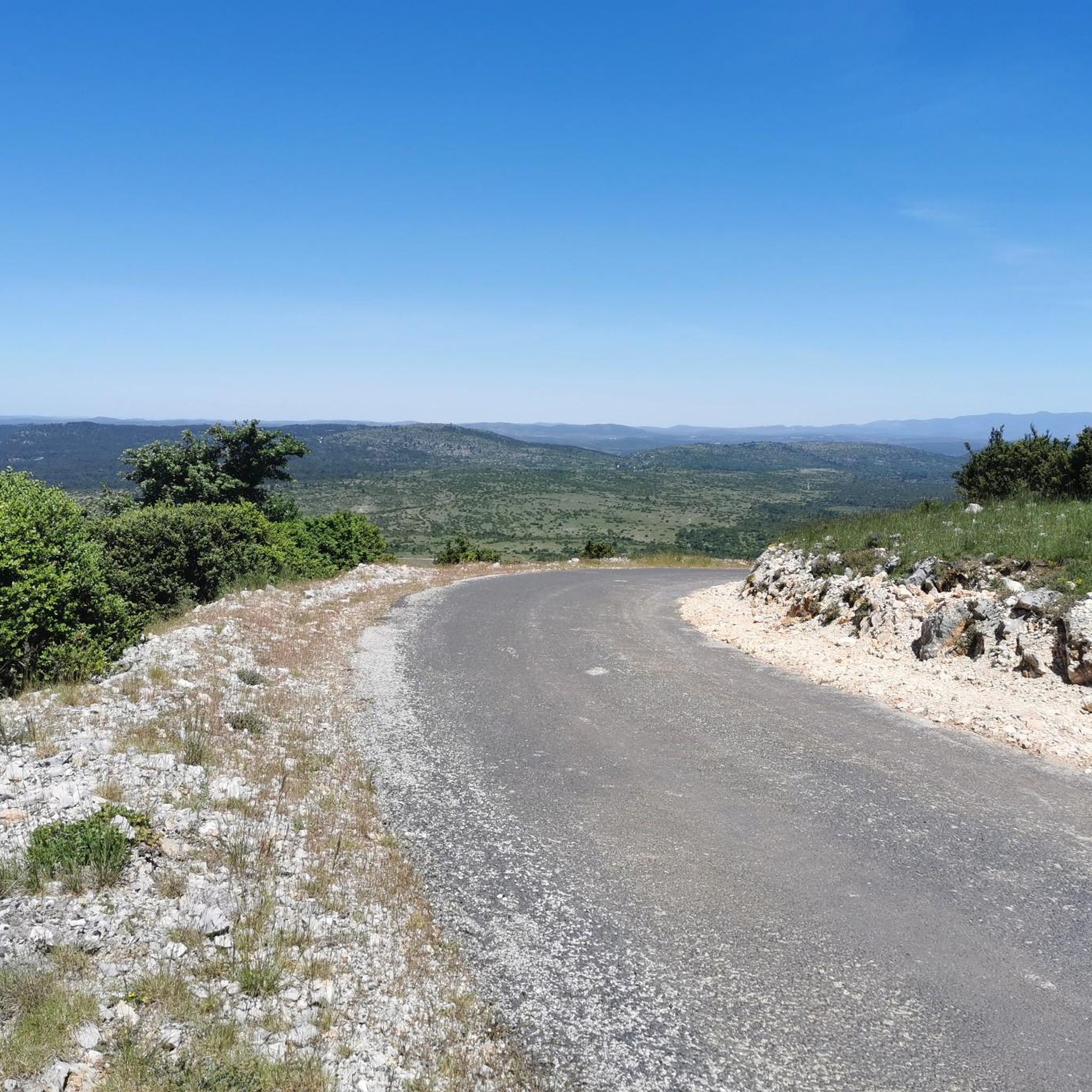
Cycling around La Vacquerie-Et-Saint-Martin-De-Castries
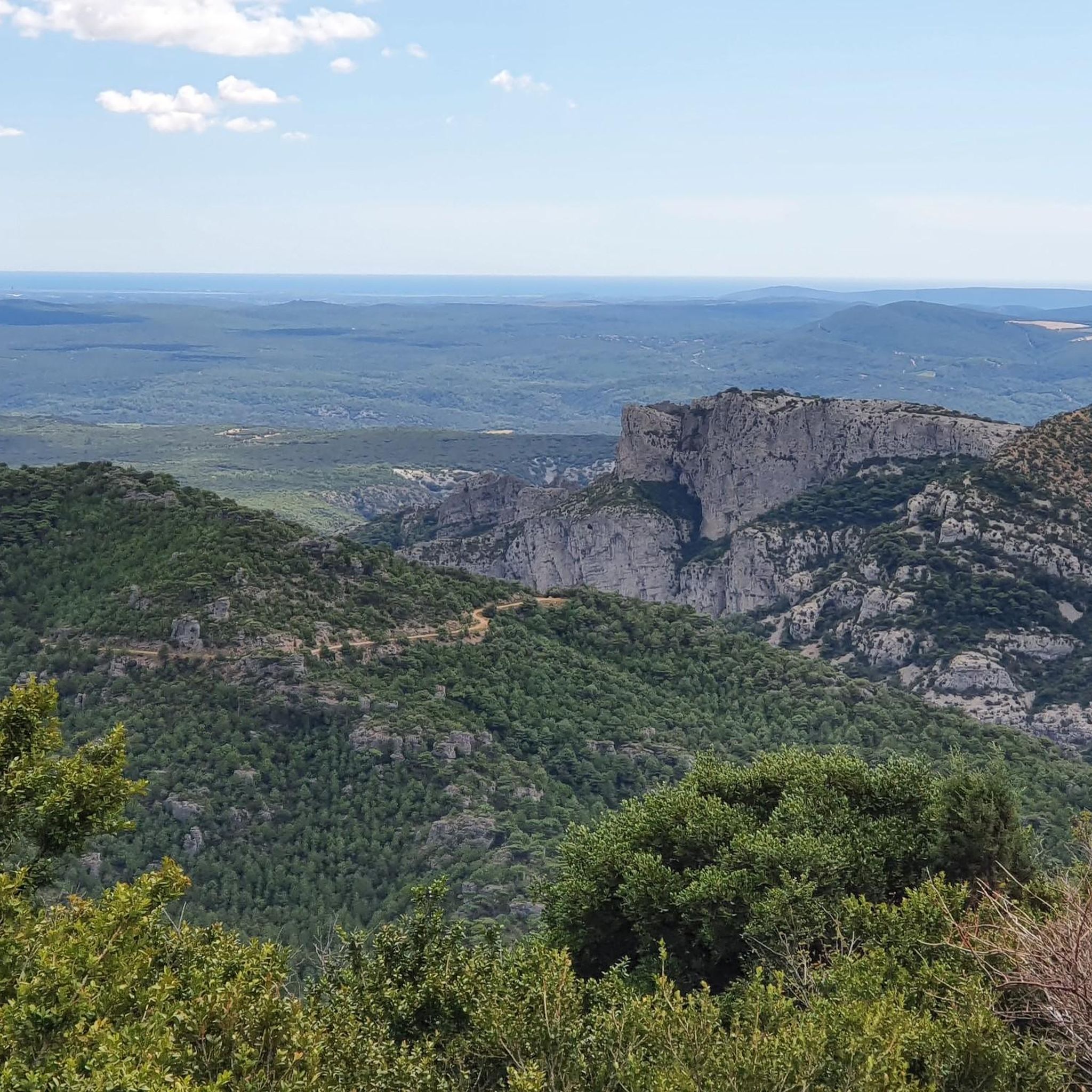
Running Trails around La Vacquerie-Et-Saint-Martin-De-Castries
MTB Trails around La Vacquerie-Et-Saint-Martin-De-Castries
Gravel biking around La Vacquerie-Et-Saint-Martin-De-Castries
Tips from the Community

WARNING DANGEROUS PATH! Once you leave the GR path, it is not easy at all to follow any semblance of a path... The best thing is to follow my tracks, BUT given how well the GPS works at this point, it will be complicated. You have to go around the massive rock (roughly), and then pass between the two large rocks. The slope is steep, with some slippery passages. People who are not comfortable with heights, or a bit of climbing, do not venture there. Once at the top, between the two rocks, you will pass under a beautiful arch, then going down, and going back up on your left, you will come across a cave. For the other caves, you will have to climb a little more on the GR, and join a clearly visible fault, then cross the ledge! Access is also dangerous, full of voids. Then you can see another cave a little further, which will require a little impractical climbing.
0
0

The cave was first discovered by speleologists in 1945 and to date over 4 km of passages have been explored. A 900 meter long path has been opened as a show cave and takes over an hour to walk through.
2
0
The Jumelles caves are located by leaving the GR74 for a few hundred meters. The path is quite narrow, with a few landslides when I passed, but is still quite easy to use. Access to the first cavity on the left is quite simple. The second is more difficult, you will have to climb a little! It is quite slippery, be careful! The cavities are short however, but it is always nice to go there.
1
0
Unmissable places in the St Guilhem le Désert area, and also a place of meditation in the Charlotte cave. The cave is a simple rock shelter. La Baume de l'Olivier also, no obvious and known continuation.
1
0
Cave that does not pose any danger, except to venture there without light. Short cave of about 40m. Dry and degraded concretions. it is worth the detour, but nothing impressive either. Just follow the Joncas river then climb to the heights following the cairns and footprints.
2
0

The Fairy Cave is a mysterious and enchanting place. Nestled deep in the forest, this cave is home to amazing rock formations and local legends.
0
0

A remarkable site, the Baume de l'Olivier was inhabited until recently by Michel Dross known as "Frigoule" (1927-2009) who lived there as a hermit and left his mark on the place.
2
0

Impressive cave (not open to tourists) and a pleasant cool down in summer.
2
1
Frequently Asked Questions
What are some popular caves to visit in the region?
Among the popular choices, The Fairy Cave is a short, approximately 40-meter cave considered worth the detour despite its less obvious entrance. Another highly regarded site is Grotte de Clamouse, a show cave discovered by speleologists in 1945, offering a 900-meter path for visitors.
Are there family-friendly caves in La Vacquerie-et-Saint-Martin-de-Castries?
Yes, Grotte de Clamouse is specifically noted as a family-friendly cave. It features a well-developed 900-meter path, making it accessible and enjoyable for visitors of all ages.
What historical or archaeological significance do the caves in this area hold?
The region's caves are rich in history. The Grotte des Maurous, for instance, is archaeologically significant for its Bronze Age funerary vases. Many other caves and sinkholes, known as 'avens,' were used in prehistoric times for various purposes, including burial sites like the Aven-ossuaire de Saint-Martin-d'Azirou, and even as 'grotte-citernes' for water collection during the Chalcolithic period.
Are there any caves suitable for beginners or those looking for an easier experience?
For an easier experience, The Fairy Cave is a short cave that does not pose significant danger, provided you have a light source. Its entrance can be tricky to find, but the cave itself is straightforward to explore. Grotte de Clamouse also offers an accessible, guided path suitable for all.
What kind of natural formations can I expect to see in these caves?
The caves in this karstic region, part of the Larzac plateau, feature formations typical of limestone erosion. While specific details for all caves are not available, you can expect to see various speleothems (cave formations) in show caves like Grotte de Clamouse. Other sites may include natural arches, sinkholes (avens), and rock shelters.
Can I explore more challenging caves in the area?
Yes, for those seeking a challenge, sites like Grottes Jumelles offer a more demanding experience, requiring some climbing and careful navigation. Similarly, the Baumettes du Caylaret and Natural Arch involve steep, slippery paths and some climbing, making them suitable for experienced adventurers comfortable with heights.
What outdoor activities can I combine with a visit to the caves?
The region offers various outdoor activities. You can find numerous road cycling routes, such as the 'Notre-Dame-de-Londres – Causse de la Selle loop' or the 'La Vis Waterfall – Col du Vent loop'. There are also running trails like 'Les Fenestrettes and Roc de la Vigne Loop'. For more options, explore the Road Cycling Routes, Running Trails, and Cycling routes around La Vacquerie-Et-Saint-Martin-De-Castries.
Are there specific caves known for their unique natural beauty or features?
Grotte de Clamouse is renowned for its impressive speleothems and a well-lit path showcasing its natural beauty. The Grotte du Bagne, while not a highlight in the guide, is noted for its integration into a trail that explores 'splendides arches perdues' (lost arches) and other karstic features.
What do visitors generally appreciate about the caves around La Vacquerie-et-Saint-Martin-de-Castries?
Visitors appreciate the unique blend of natural beauty and historical context. The region's caves offer insights into prehistoric human activity, ancient burial practices, and even industrial history, such as the Grotte du Bagne's past use for refining Roquefort cheese. The opportunity for adventurous exploration and the cool respite these caves offer in summer are also highly valued.
Is there a cave with a unique historical story beyond prehistory?
Yes, the Grotte du Bagne has a unique story. It was used for refining Roquefort cheese until the early 20th century. Additionally, it's associated with a children's penal colony from 1850, which 'tamed' a tunnel for access, adding a layer of social history to its natural and industrial past.
What should I keep in mind when visiting caves in this region?
When visiting, especially less developed caves, it's crucial to bring a light source. Some paths can be narrow, slippery, or involve climbing, so appropriate footwear and caution are advised. For challenging sites like Baumettes du Caylaret and Natural Arch, those uncomfortable with heights or climbing should avoid them.
Are there any caves that offer a spiritual or meditative experience?
Baume de l'Olivier and Baume Charlotte are noted for their unique atmosphere. Baume de l'Olivier was inhabited by a hermit until recently, leaving a distinct mark on the place, while Baume Charlotte is specifically mentioned as a place of meditation, offering a serene environment for reflection.
How can I find the entrance to some of the less obvious caves?
For caves like The Fairy Cave, the entrance is not always easy to find. Tips suggest following the Joncas river and then climbing to the heights by following cairns and footprints. For others, like Baumettes du Caylaret and Natural Arch, the path off the main trail can be very difficult to follow, often requiring navigating around massive rocks and between large formations.
Most popular routes around La Vacquerie-Et-Saint-Martin-De-Castries
Most popular attractions around La Vacquerie-Et-Saint-Martin-De-Castries

Get inspired with the komoot mobile app


Explore more
Extend your search for the best caves by checking out these guides of the top ones around La Vacquerie-Et-Saint-Martin-De-Castries:
