Top 9 Caves around Villers-Sous-Chalamont
Caves around Villers-Sous-Chalamont are part of a region known for its natural beauty and significant geological features, including underground passages and karst systems. The area is characterized by its impressive hydrogeology, where rivers emerge from extensive subterranean networks. These natural formations offer insights into the geological processes of the Doubs region in France.
Best caves around Villers-Sous-Chalamont
- The most popular caves is Lison Spring, a cave that features a powerful waterfall and a converted cave entrance. This site is known for its turquoise blue pool at the base of a cliff.
- Another must-see spot is Sarrazine Cave, a cave described as a "wild cathedral" carved into limestone. Visitors can observe its large entrance, which is approximately 90 meters high and 30 meters wide.
- Visitors also love Verneau Spring, a cave that is the source of water for the largest cave system in the Doubs department. It is one of the largest underground rivers in France.
- Villers-Sous-Chalamont is known for its karst springs, natural caves, and impressive geological formations. The area offers a variety of sites where underground rivers surface and ancient rock formations are visible.
- The caves around Villers-Sous-Chalamont are appreciated by the komoot community, with more than 190 upvotes and over 180 photos shared by users.
Last updated: July 5, 2026
Lison Spring
Highlight • Cave
You will reach it along a very passable little path, under the trees and along the Lison.
Translated by Google •
Tip by

Sarrazine Cave
Highlight • Cave
Do not hesitate to approach its entrance, if only to measure its proportions. Avoid rushing into this cave, it can be tricky, especially if it has rained the previous days.
Translated by Google •
Tip by
Sign up now to discover places like this
Get recommendations on the best single tracks, peaks, & plenty of other exciting outdoor places.
Sign up for free
Verneau Spring
Highlight • Cave
Translated by Google •
Tip by

Creux Billard — Karst Basin and Waterfall
Highlight • Gorge
The whole also forms an underground cave system with the neighboring source - Source du Lison. It is best to visit after long rains.
Translated by Google •
Tip by
View of the Grotte Sarrazine and Lison Waterfall
Highlight • Viewpoint
Translated by Google •
Tip by

Sign up for free to discover even more caves around Villers-Sous-Chalamont.
Sign up for free
Already have an account?
Start today with a free account
Your next adventure awaits.
Login or Signup


Tips from the Community

a big hole
0
0
a perfect place to recharge your batteries
0
0
Remember not to venture too far into the cave
0
0

The spring is simply gigantic and there aren't too many tourists - at least when we were there.
1
0

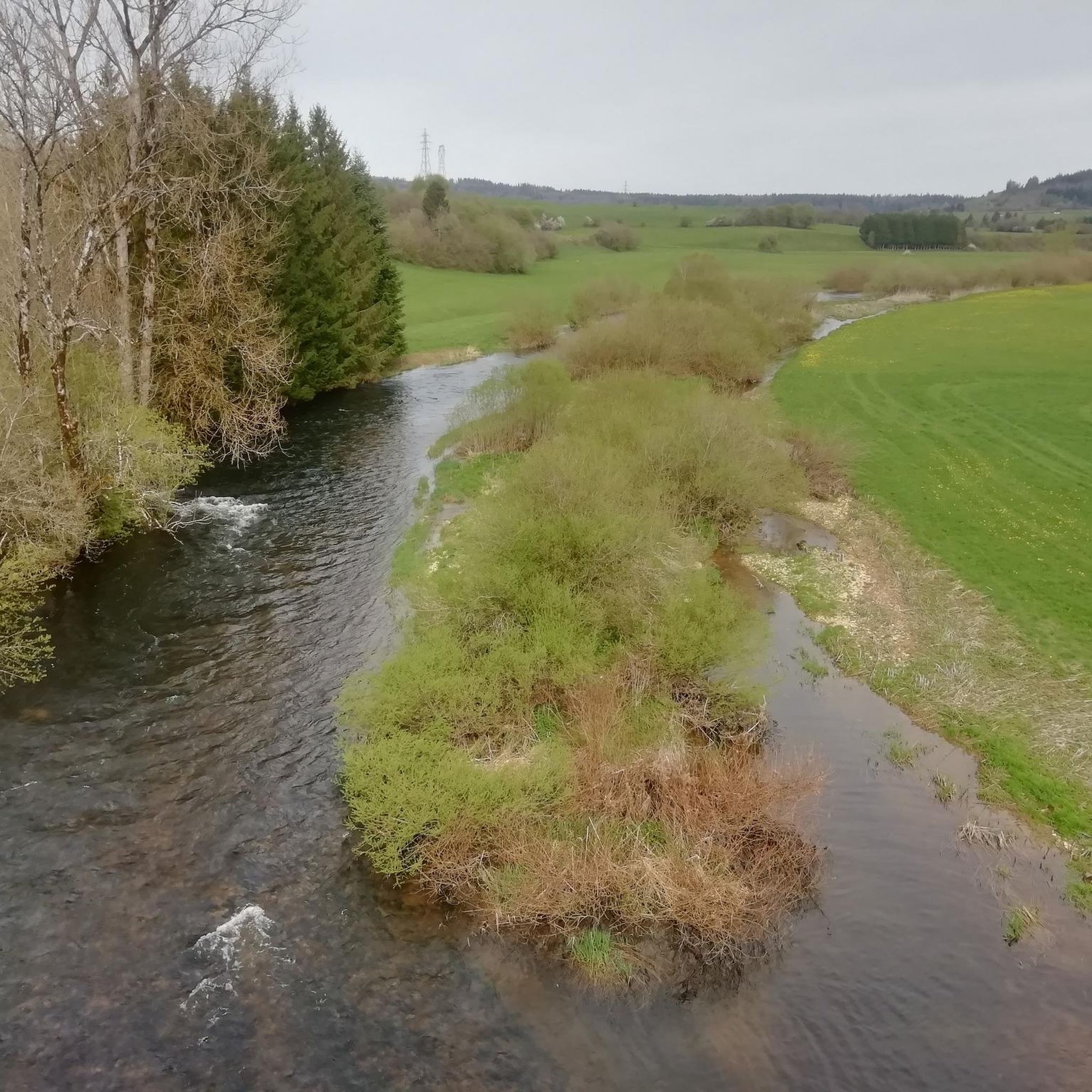
The Verneau is an underground river in the Franche-Comté Jura. It collects water from the Déservillers plateau and comes to the surface near Nans-sous-Sainte-Anne before flowing into the Lison. It is one of the largest underground rivers in France. During our visit, we found a notice saying that it is forbidden to enter the area around the spring or waterfall.
1
0
This highlight is located on the plateau under which the cave opening is located. It can be found via a dead-end path, but the view is a bit sobering.
1
0
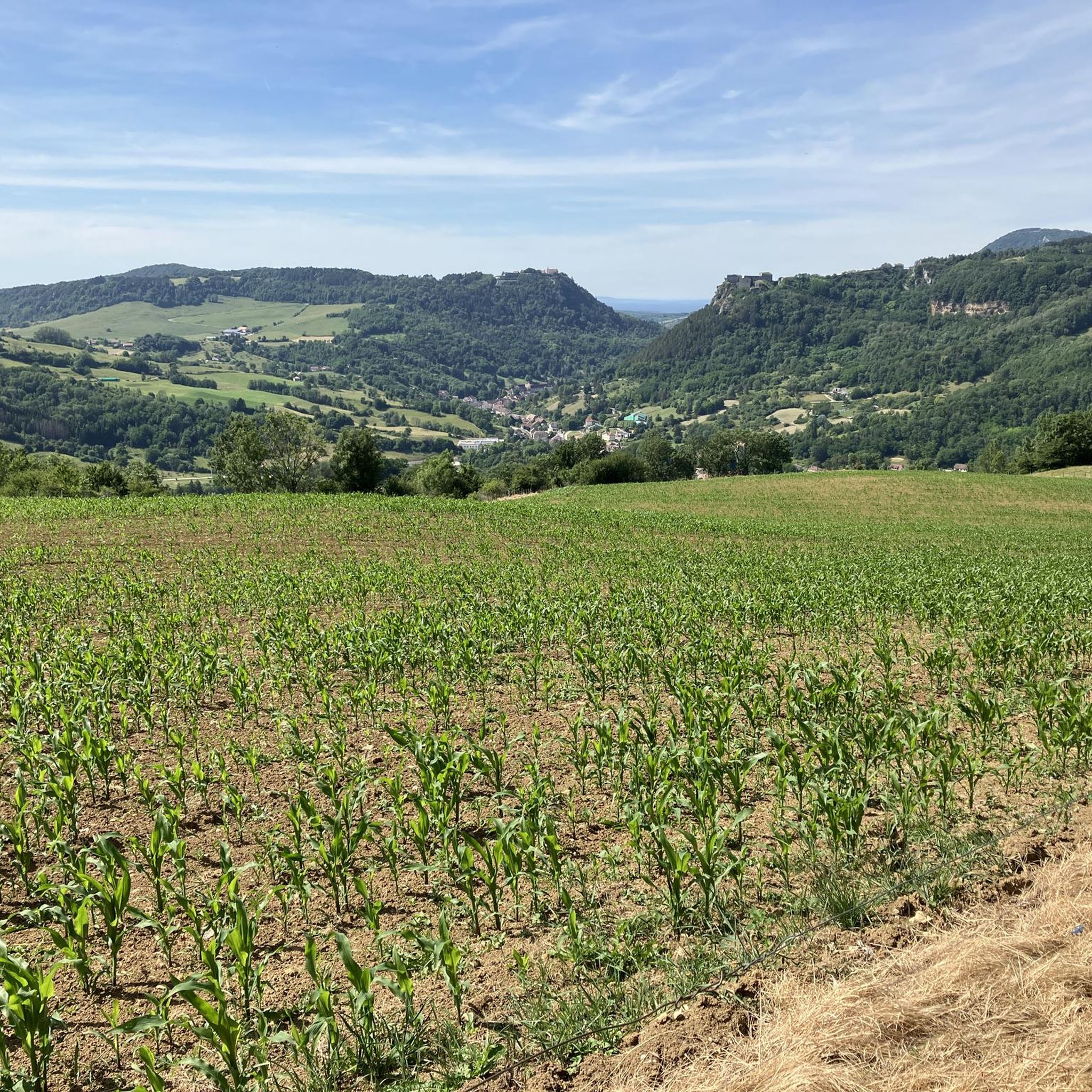
The Sarrasine Cave impresses with its 90 m high portal. A 40 m thick layer of limestone separates it from the upper part of the plateau. The cave system has been explored for about 4 km, and hikers equipped with a flashlight can access it up to a small lake inside. https://www.lieux-insolites.fr
1
0
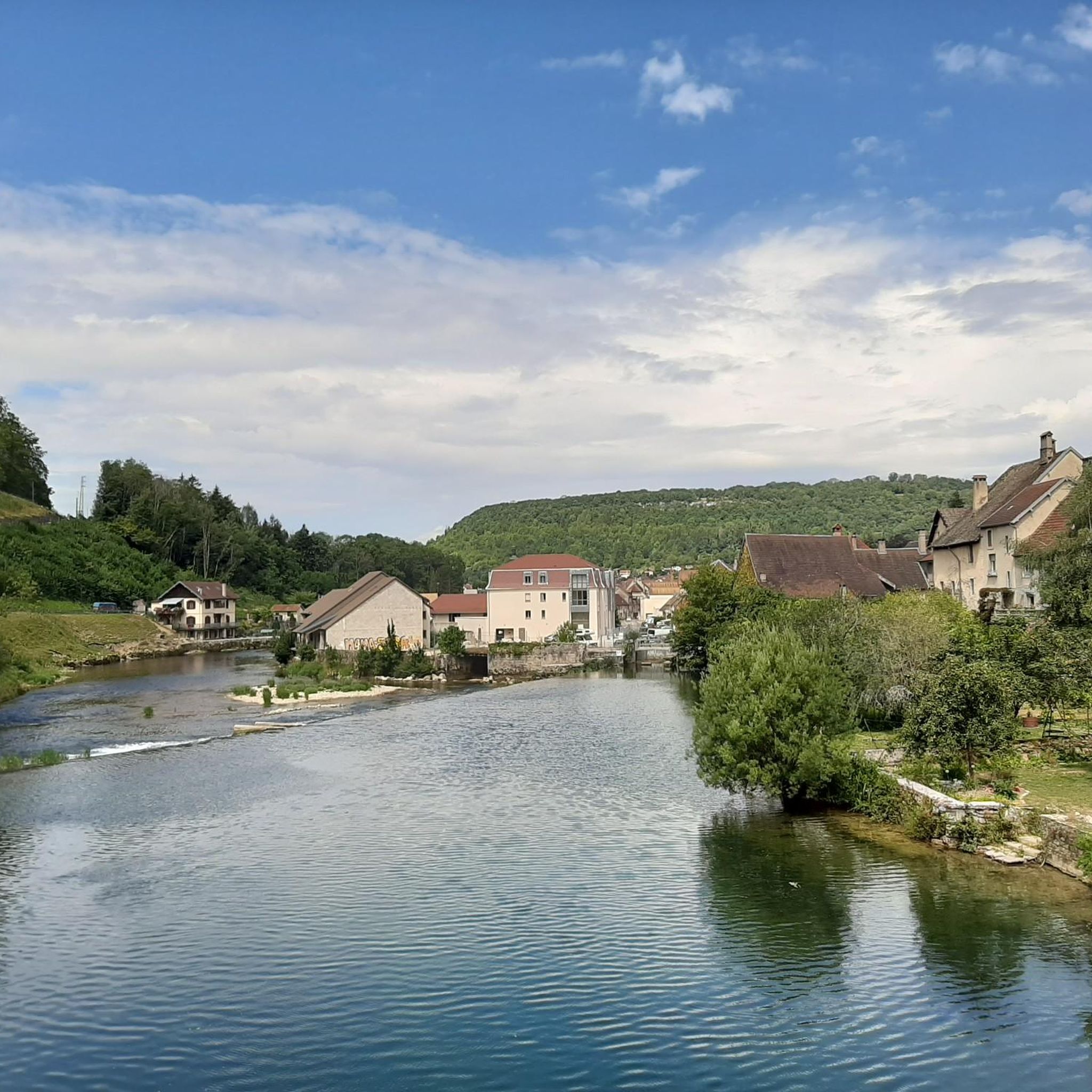
Very beautifully laid out and developed. There are also interesting information boards, e.g. about the underground connection of the local springs. At the end of the 19th century, a mill owner wanted to divert the water from the spring, which, after intervention by the population and a member of parliament, led to the first French environmental protection law. https://www.montagnes-du-jura.fr/
2
0
Frequently Asked Questions
What are the most notable cave-like features near Villers-sous-Chalamont?
The region around Villers-sous-Chalamont is known for its impressive hydrogeology and natural formations. Key sites include the Lison Spring, where a powerful river emerges, the dramatic Sarrazine Cave, often called a "wild cathedral," and the Verneau Spring, which is the source of a major underground river system.
Are there family-friendly caves or natural sites to visit in the area?
Yes, the Lison Spring is considered family-friendly. It features a powerful waterfall, a converted cave entrance you can explore, and a turquoise blue pool, all accessible via a pleasant path.
What kind of unique geological formations can be seen around Villers-sous-Chalamont?
The area is rich in karst topography. You can observe powerful karst springs like the Lison Spring and Verneau Spring, which are sources of significant underground rivers. The Sarrazine Cave itself is a massive natural arch, described as a "wild cathedral" carved into limestone, with an entrance approximately 90 meters high and 30 meters wide.
What is the best time of year to visit the caves and springs?
Visiting after long periods of rain can enhance the experience, especially for sites like the Lison Spring and Creux Billard, as the waterfalls and water flow will be at their most powerful. However, some wilder caves like Sarrazine might be trickier to navigate after heavy rain.
What should I wear for exploring the natural cave-like features?
For sites like the Sarrazine Cave, which is unlit and natural, bringing a headlamp is advised. Generally, wear sturdy shoes suitable for uneven terrain and be prepared for cooler, potentially damp conditions inside or near cave entrances, even in warmer weather.
Are there any challenging cave experiences for more adventurous visitors?
The Sarrazine Cave offers a more adventurous experience. While its impressive entrance is easily accessible, venturing deeper into the cave can be tricky, especially after rain, and involves climbing cascades. It's considered a challenging site for exploration.
What outdoor activities can I do near the caves around Villers-sous-Chalamont?
The region offers various outdoor activities. You can find numerous hiking trails, including routes like the "Lison Spring – River course to the Sarrazine Grotto loop." There are also options for gravel biking and road cycling routes in the surrounding area.
What do visitors enjoy most about the natural sites in Villers-sous-Chalamont?
Visitors frequently appreciate the powerful and picturesque waterfalls, the unique geological formations, and the mystical, wild settings. The turquoise pools at the base of cliffs and the sheer scale of natural features like the Sarrazine Cave's entrance are often highlighted as captivating.
Is the Creux Billard part of the same system as the Lison Spring?
Yes, the Creux Billard, a remarkable karst cauldron with a waterfall, forms an underground cave system with the neighboring Lison Spring. It's best visited after long rains to see its full spectacle.
Are there any hidden gem caves or less-known spots worth exploring?
While not extensively detailed, the Grotte de Don Camillo, located near the Joux national forest, is characterized by a powerful resurgence from the base of cliffs. Its significant underground water system suggests potentially accessible passages for those seeking less-trafficked natural features.
What are the accessibility considerations for the caves and springs?
Many of the natural sites involve walking on paths that can be uneven or include steps, such as the path to the Lison Spring. Wild caves like Sarrazine require navigating natural terrain and are not wheelchair accessible. Always check specific trail conditions if accessibility is a concern.
Can I bring my dog to the cave areas?
While specific rules for each site may vary, many natural outdoor areas in France are dog-friendly, especially on marked trails. However, for safety and to respect wildlife, dogs should generally be kept on a leash. Inside actual cave passages, dogs might not be permitted or it might be unsuitable due to challenging terrain.
Most popular routes around Villers-Sous-Chalamont
Most popular attractions around Villers-Sous-Chalamont

Get inspired with the komoot mobile app


Explore more
Extend your search for the best caves by checking out these guides of the top ones around Villers-Sous-Chalamont:
