Top 6 Caves around Blies-Guersviller
Caves around Blies-Guersviller primarily encompass historical sites and religious grottoes rather than extensive natural cave systems. The region, situated along the Blies River, is known for its scenic landscapes and outdoor activities like hiking and cycling. While the immediate area does not feature large natural caves, it offers unique underground formations with historical and cultural significance. Visitors can explore these distinctive landmarks within the broader natural setting of Blies-Guersviller.
Best caves around Blies-Guersviller
- The most popular caves is Mithras Cave…
Last updated: July 5, 2026
Mithras Cave (Heathen Chapel) on the Halberg
Highlight • Cave
Translated by Google •
Tip by

Bat Cave
Highlight • Cave
Translated by Google •
Tip by

Sign up now to discover places like this
Get recommendations on the best single tracks, peaks, & plenty of other exciting outdoor places.
Sign up for free
Grotto of the Virgin Mary
Highlight • Religious Site
Translated by Google •
Tip by

Old Mine Tunnel
Highlight • Structure
Translated by Google •
Tip by
Start today with a free account
Your next adventure awaits.
Login or Signup
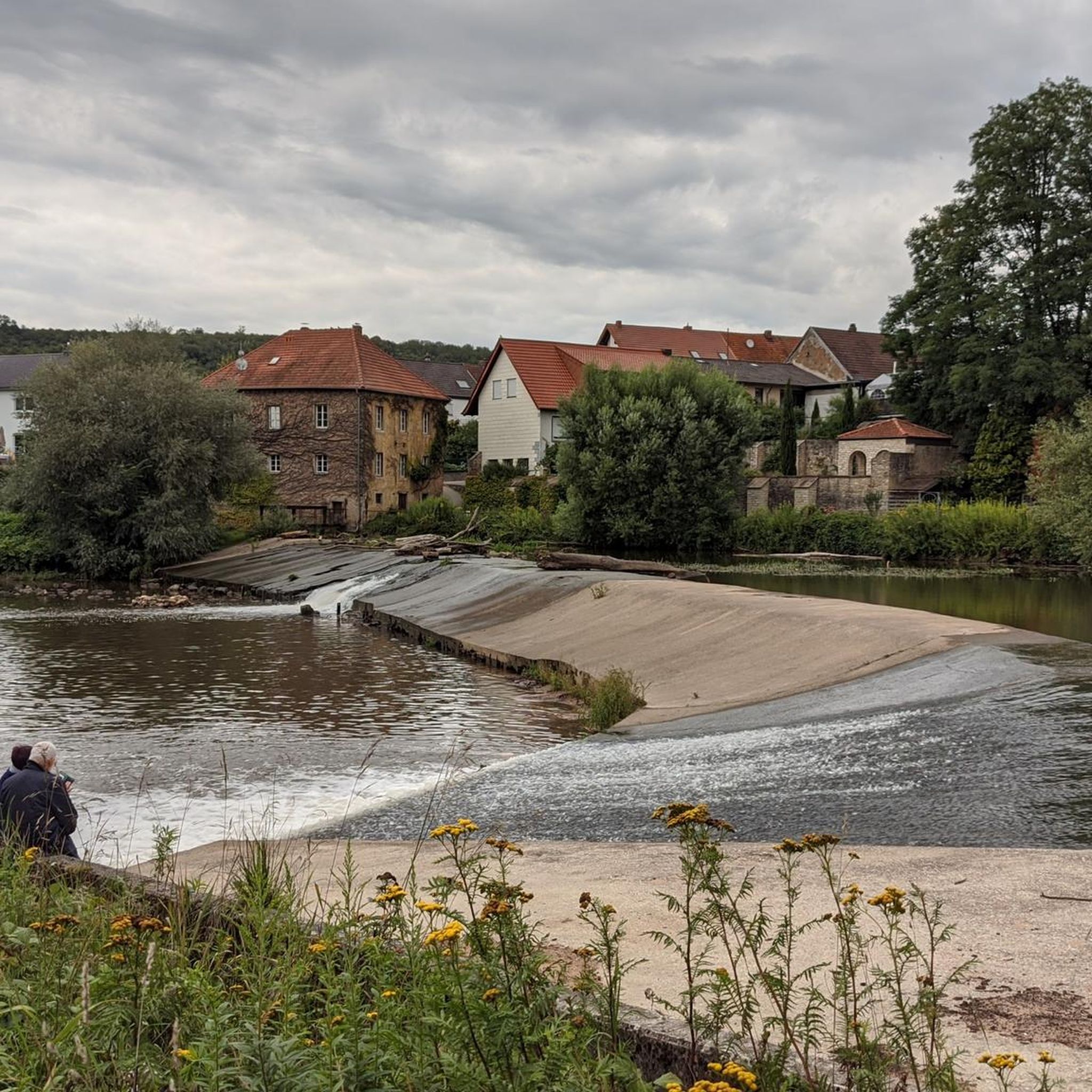
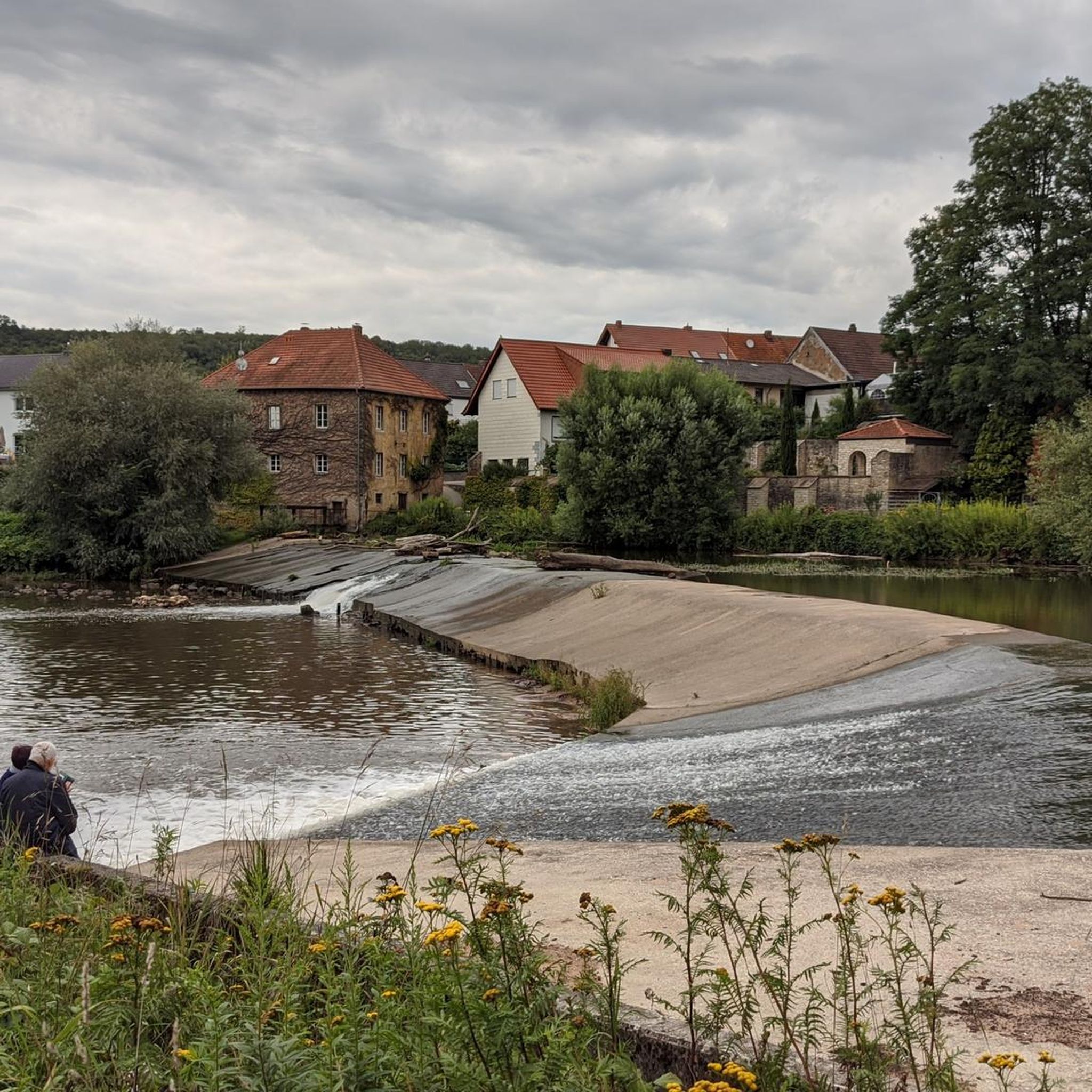
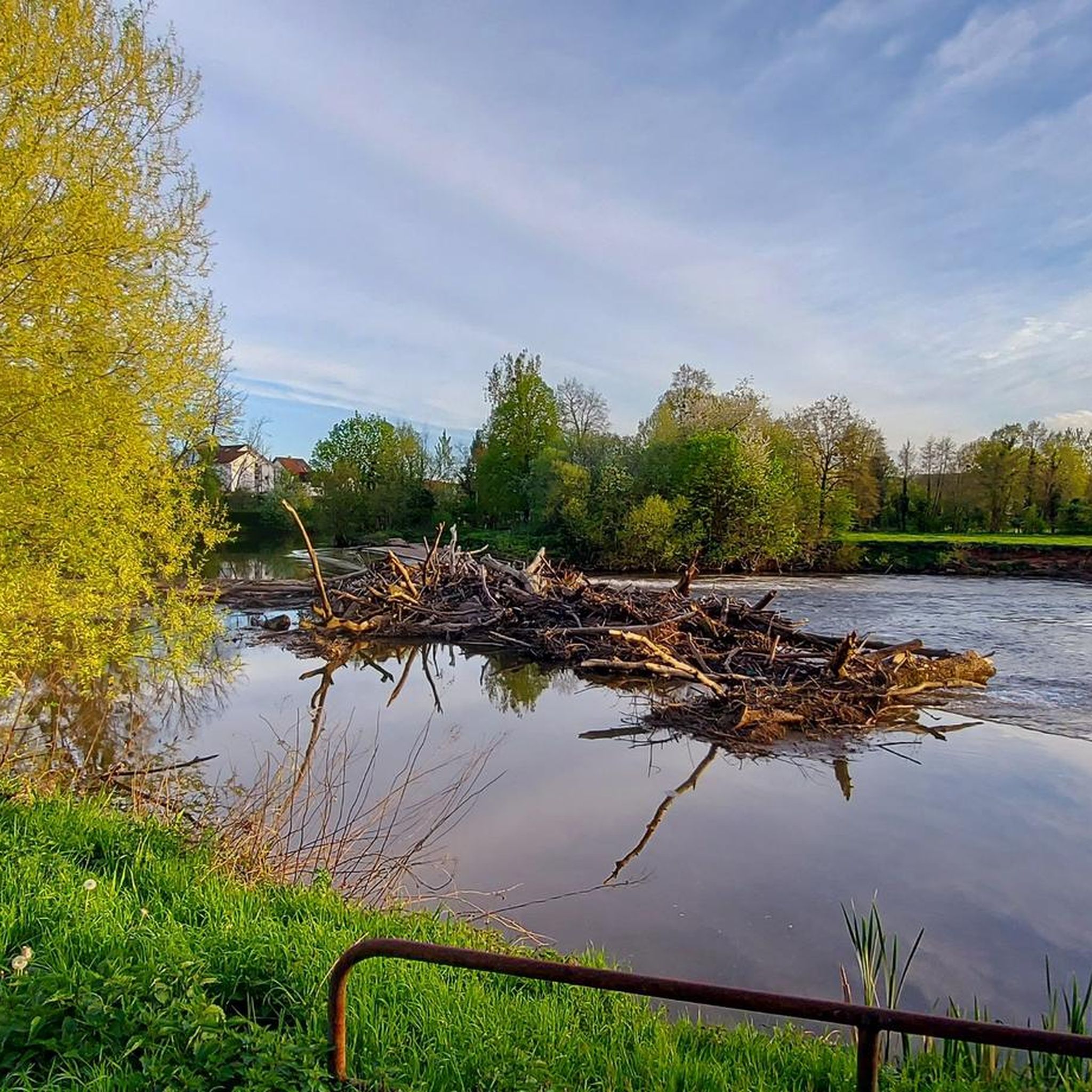
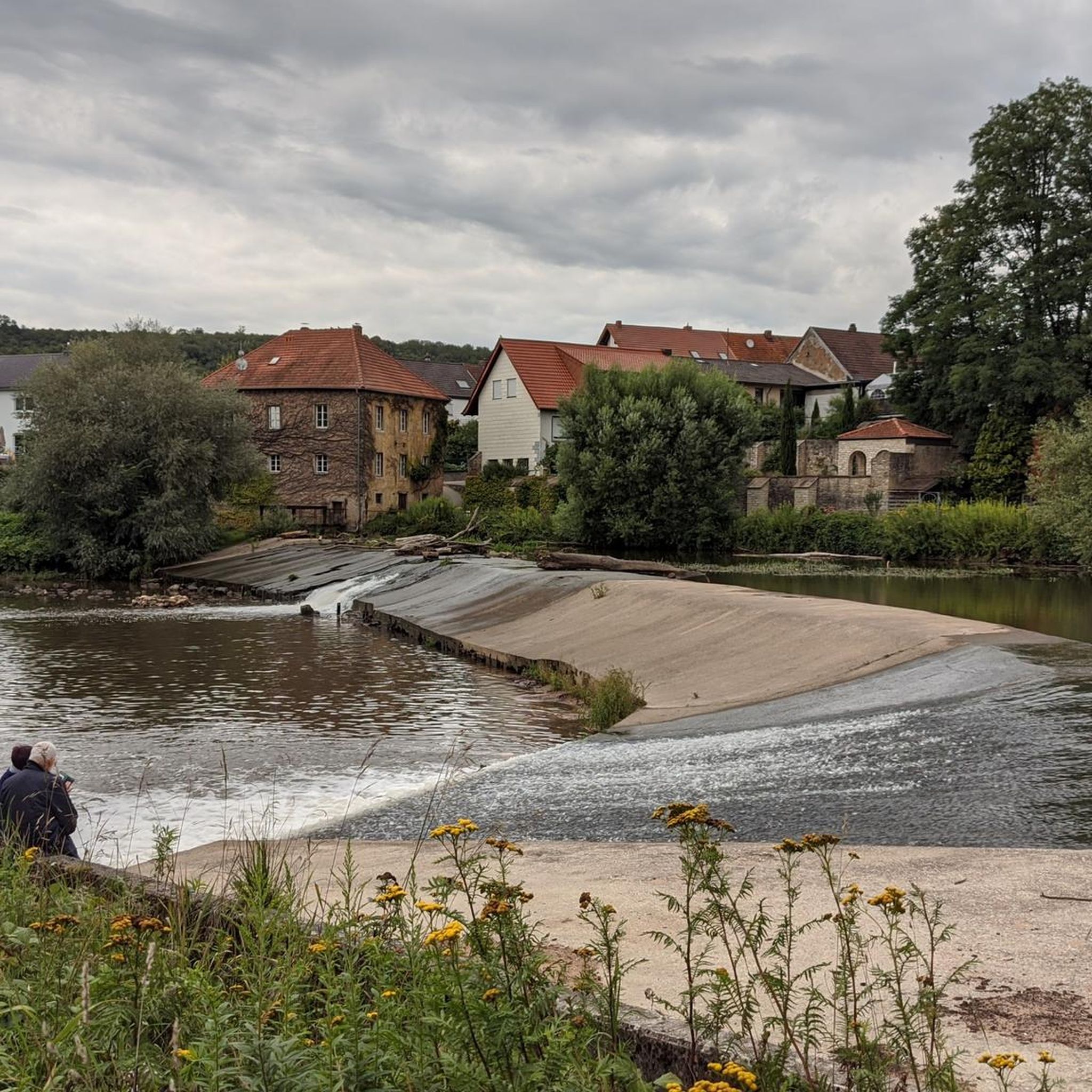
Tips from the Community

Great Highlight! Fun to run through. After a rainy period, be prepared to use your flashlight to avoid puddles.
0
0

Mithraeum (Latin mithraeum, plural mithraeen) is the name given to the temples of the Mithras cult. Mithraeums were usually built underground or carved into rock. A relatively small cult room was sufficient for the Mithras communities, which had only one to two dozen members. The largest known mithraeum had space for 80 believers. In contrast to Christianity, where larger churches were built in larger communities, in Mithraism the number, not the volume, was increased. At the height of the Mithras cult in the 3rd century, there were supposedly 800 mithraeums in Rome alone. However, since the individual mithraeums were usually not in use for long, this high number says nothing about the number of followers. To date, the remains of over 1000 mithraeums have been archaeologically proven throughout the entire Roman Empire.
1
0

For me this is one of the sensations in Saarbrücken! The cave and the recesses created later are still in great condition. There is also a bench under a ledge. If only it weren't for the car noise (like it was 2,000 years ago). "In pre-Christian and Roman times, a Mithraic cult was practiced on the Halberg - by the Gallo-Romans who lived here or the Roman soldiers of the nearby garrison. For this purpose, they created a barrel-vaulted mithraeum in the sandstone on the western slope of the Halberg, which is known in older literature as the "Heidenkapelle " is called. After Christianization in the 6th century, the grotto was incorporated into Christian worship. This means that the Halberg is possibly the oldest Christian place of worship in the region. The remains of this site can still be admired here and are in a relatively well-preserved condition." https://de.wikipedia.org/wiki/Halberg_(Saarland)
3
0

Haunted tunnel. Probably a silent witness to the old mine
0
0
Directly behind the church you will find this very large Mariengrotte. I am always amazed at the way the French pay homage to Mary
1
0

A nice little cave, you drove past it quickly
0
0

The Mithras Chapel is one of the seven sights included in the Star Trail list. Definitely worth a visit
3
2

The cult of Mithras was a religion spread by the Roman soldiers. https://en.wikipedia.org/wiki/Mithraism
1
0
Frequently Asked Questions
What types of caves can I explore around Blies-Guersviller?
The caves around Blies-Guersviller are primarily historical sites, religious grottoes, and small natural formations. You'll find ancient sanctuaries like the Mithras Cave (Heathen Chapel) on the Halberg, devotional sites such as the Grotto of the Virgin Mary, and modest natural caves like the Bat Cave.
Are there any historical caves in the Blies-Guersviller region?
Yes, the region is rich in historical underground sites. A notable example is the Mithras Cave (Heathen Chapel) on the Halberg, one of Germany's preserved Mithras sanctuaries from Roman times. Another significant historical site is the Mithraeum on the Halberg, a temple of the Mithras cult typically built underground or carved into rock. You can also find the Old Mine Tunnel, a silent witness to the area's mining history.
Are there family-friendly caves to visit near Blies-Guersviller?
Yes, the Grotto of the Virgin Mary is categorized as family-friendly. This large, man-made monument is a site of homage located directly behind a church, offering a peaceful and accessible experience for all ages.
What is the Grotto of the Virgin Mary?
The Grotto of the Virgin Mary in Blies-Guersviller is a man-made monument and religious building. It is a replica of the famous Lourdes Grotto, erected in 1958 on the heights of Blies-Schweyen, and serves as a place of devotion and tranquility. Many visitors are impressed by the way the French pay homage to Mary at this site.
What kind of natural caves can I find in the area?
While Blies-Guersviller does not feature extensive natural cave systems, it does have smaller natural formations. The Bat Cave is an example of a modest natural cave in the region, known for being a habitat for bats.
What outdoor activities can I do near the caves around Blies-Guersviller?
The scenic landscapes around Blies-Guersviller are ideal for various outdoor activities. You can find numerous hiking trails, including moderate loops like the Mühlenwald Pond loop or the Stone Spiral – Devil's Pulpit loop. The area also offers excellent opportunities for cycling and gravel biking, with routes like The Saar Cycle Route or trails around the Heidenkopf Observation Tower.
Are there hiking trails that pass by these caves?
Many of the caves, especially the Mithras Cave (Heathen Chapel) on the Halberg and Mithraeum on the Halberg, are located along popular hiking routes. These sites are often integrated into longer trails, allowing you to combine historical exploration with a scenic walk. For more options, explore the hiking guide for Blies-Guersviller.
What do visitors enjoy most about the caves in Blies-Guersviller?
Visitors appreciate the unique blend of history, culture, and nature. The Mithras Cave (Heathen Chapel) on the Halberg is often highlighted as an interesting historical place, part of the Star Trail list of sights. The Grotto of the Virgin Mary is valued for its peaceful atmosphere and cultural significance. Even smaller sites like the Bat Cave are enjoyed for their natural charm.
Can I find information about the geology of the Blies-Guersviller caves?
The region's geological features are characterized by its position along the Blies River. While extensive natural cave systems are not prevalent, the area offers smaller natural formations and man-made structures carved into the landscape. These include the modest Bat Cave and historical sites like the Old Mine Tunnel, which reflect both natural processes and human interaction with the local geology.
Are there any unique or unusual caves to visit?
Yes, the Mithras Cave (Heathen Chapel) on the Halberg stands out as one of only 19 preserved Mithras sanctuaries from Roman times in Germany, offering a rare glimpse into ancient religious practices. The Grotto of the Virgin Mary is also unique as a replica of the Lourdes Grotto, providing a spiritual and tranquil experience.
Most popular routes around Blies-Guersviller
Most popular attractions around Blies-Guersviller

Get inspired with the komoot mobile app


Explore more
Extend your search for the best caves by checking out these guides of the top ones around Blies-Guersviller:
