The best gravel rides around Blies-Guersviller
4.5
(49)
354
riders
45
rides
Gravel biking around Blies-Guersviller offers varied terrain within the Bliesgau Biosphere Reserve, situated on the French-German border. The region is characterized by the Blies River valley, which forms a natural boundary and provides scenic routes through green river meadows. Approximately 20% of the area is covered by forests, complemented by agricultural landscapes of fields and meadows. Altitudes range from 197m to 287m, presenting a mix of flatter river paths and undulating sections with distant views.
Best gravel bike trails around…
Last updated: July 3, 2026
4.7
(3)
34
riders
Hard gravel ride. Very good fitness required. Mostly paved surfaces. Suitable for all skill levels.
4.5
(2)
20
riders
Hard gravel ride. Good fitness required. You may need to push your bike for some segments of this route.

Sign up for free
4.0
(1)
20
riders
40.5km
02:23
480m
480m
Hard gravel ride. Very good fitness required. Mostly paved surfaces. Suitable for all skill levels.
4.0
(2)
16
riders
29.6km
01:48
410m
410m
Moderate gravel ride. Good fitness required. Mostly paved surfaces. Suitable for all skill levels.
14
riders
Hard gravel ride. Good fitness required. You may need to push your bike for some segments of this route.
Get access to more routes and recommendations from other explorers.
Sign up for free
Already have an account?
Our route recommendations are based on thousands of hikes, rides, and runs completed by other people on komoot.
Start today with a free account
Your next adventure awaits.
Login or Signup
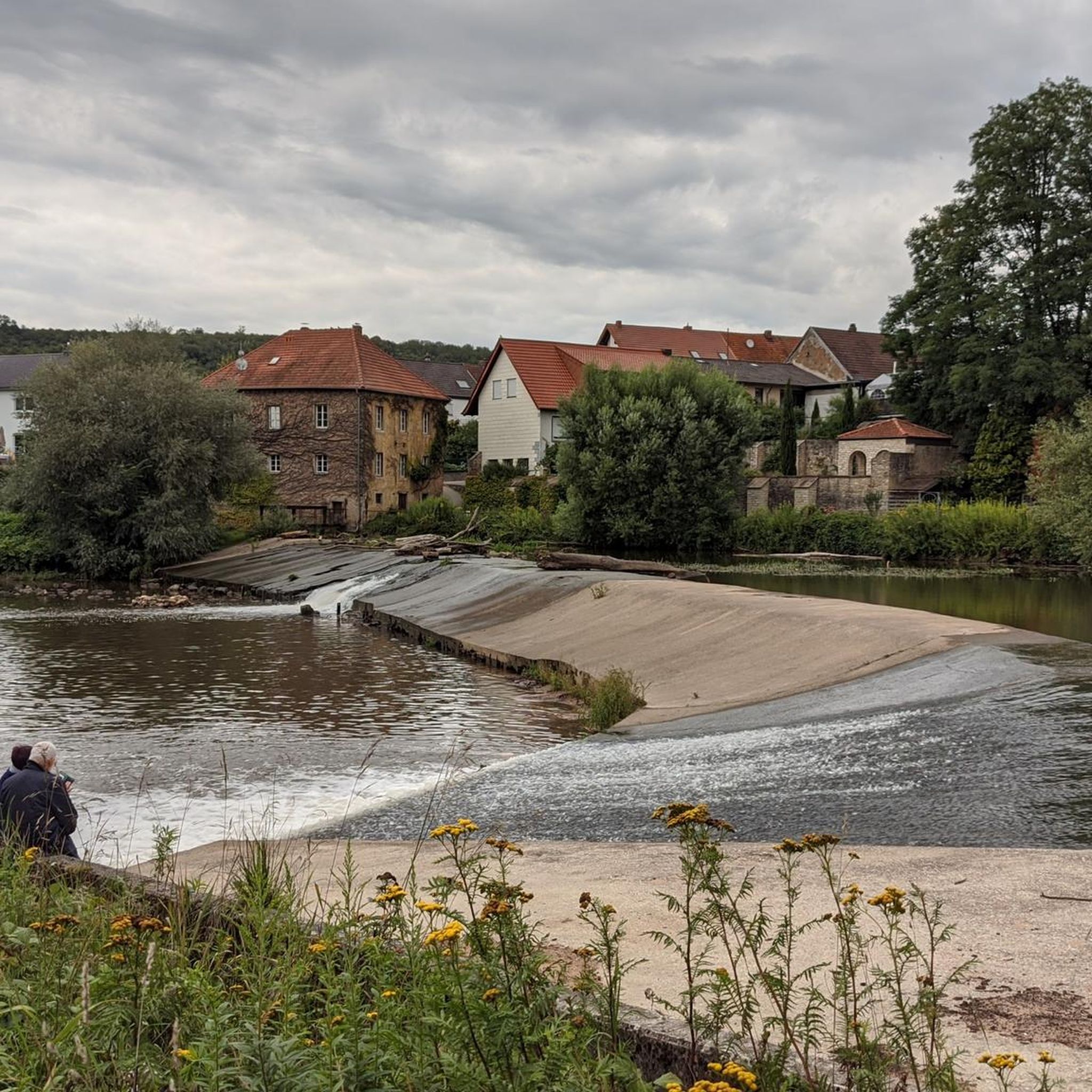
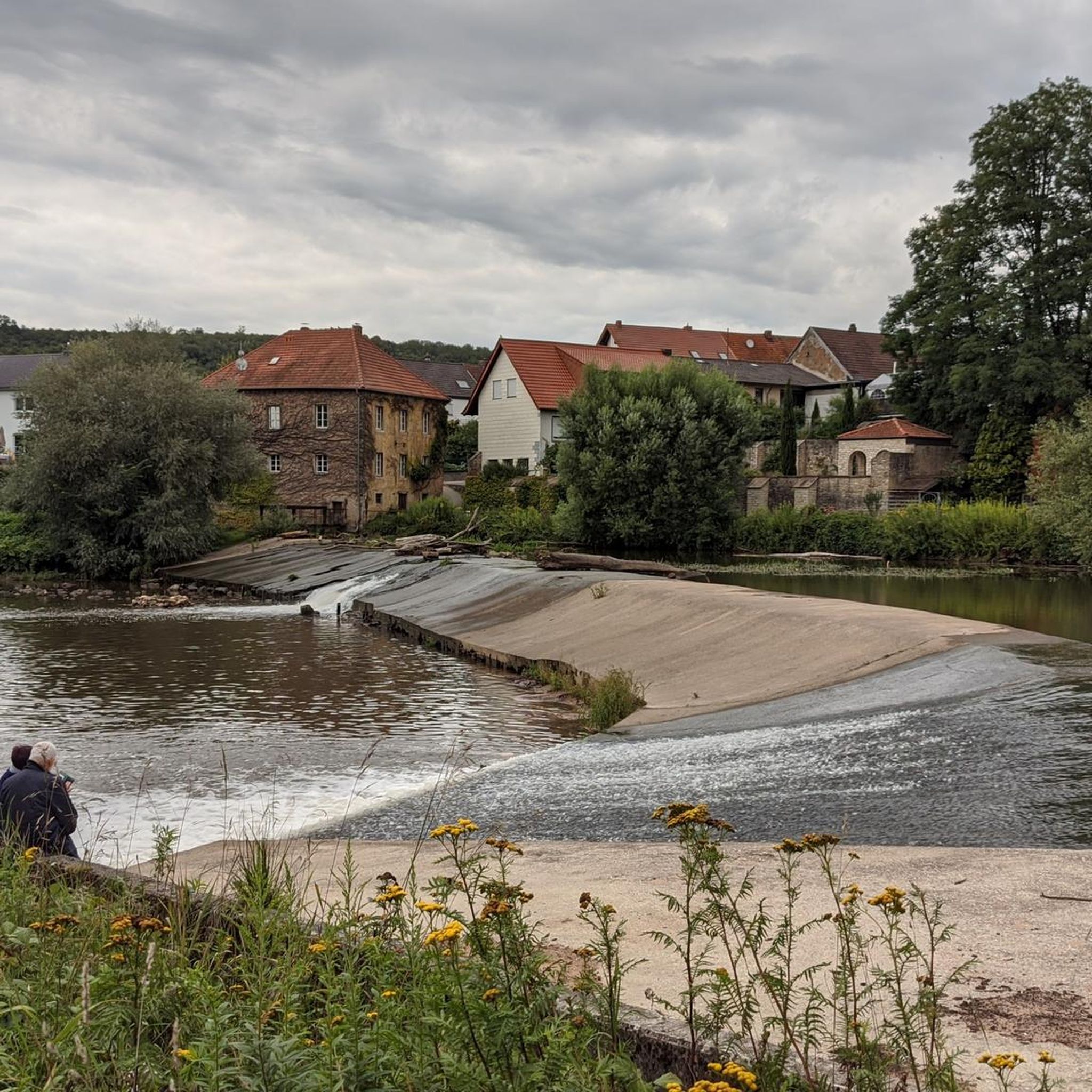
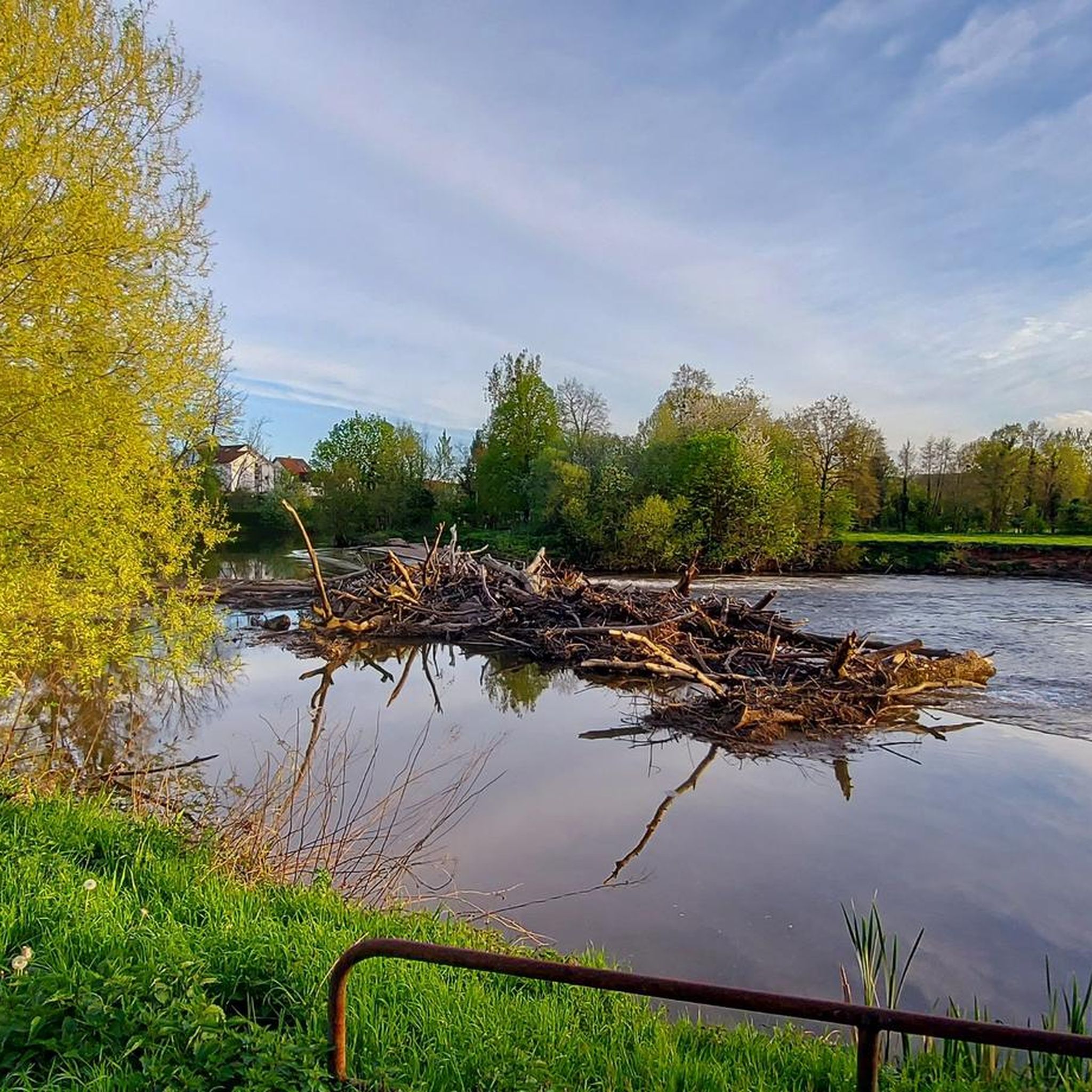
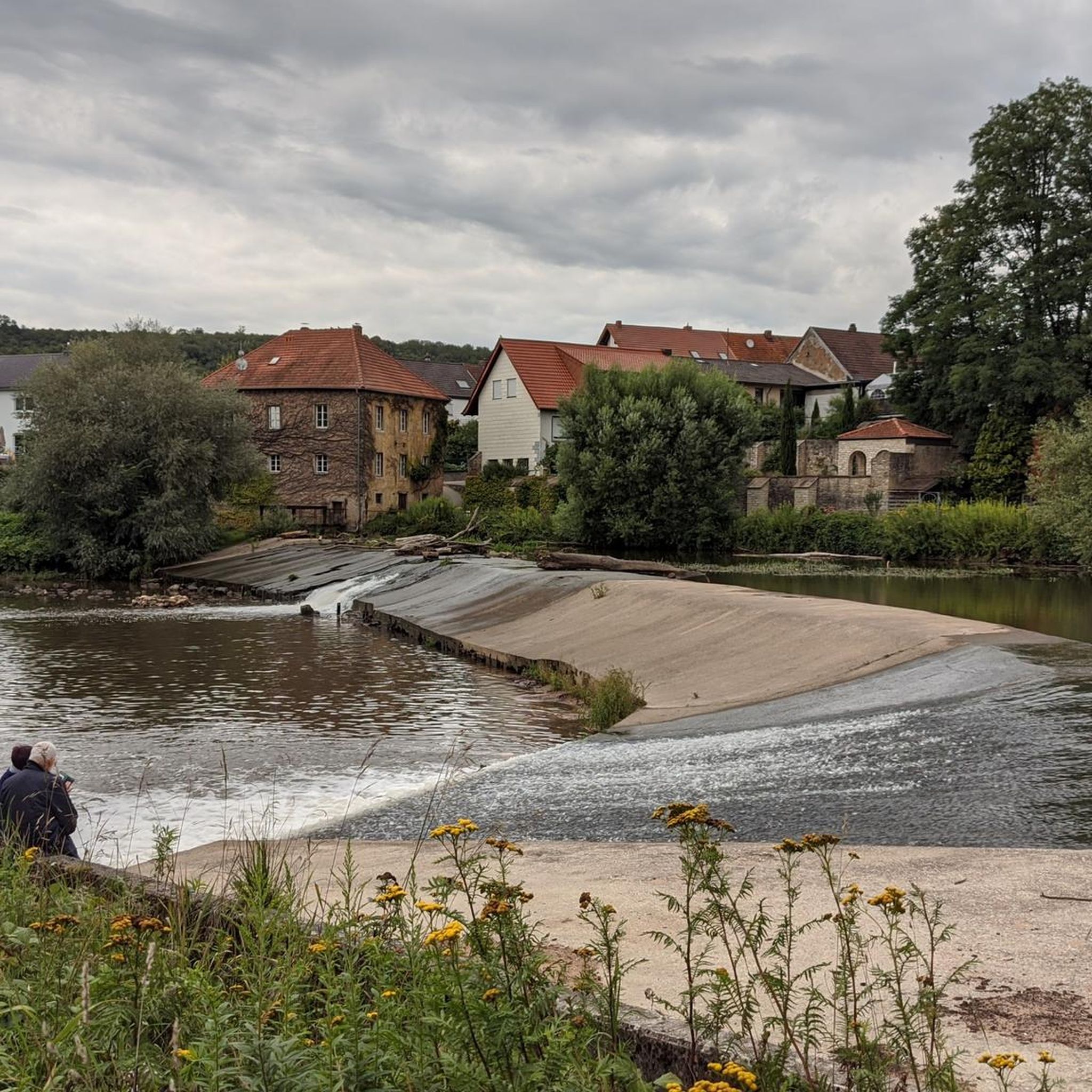
Tips from the Community

The sign reads - Part 3: An old wayside cross still commemorates the wondrous story on Brudermannsfeld. The culturally and historically significant cross was donated in 1695 by the then prior of the Gräfinthal monastery, Wilhelm Klocker. The "Madonna with the Arrows", which was venerated in Gräfinthal until the dissolution of the Wilhelmiten monastery in 1785, is now located in the Kreuzkapelle in Blieskastel.
0
0
On the sign it reads - Part 3: Like many others, Countess Elisabeth von Blieskastel also visited the hermit to see the miracle. As she suffered from a painful eye disease, she smeared her eyes with the blood of the Madonna. The Countess was cured on the spot. Out of gratitude, she decided to build a worthy chapel for the Madonna. She had wood and lime bricks brought to the site. But when the builders wanted to start their work, the building material was suddenly gone. They found it in the nearby valley of the Letschen stream. Thinking it was a prank, they brought the wood and stones back to Brudermannsfeld. But the next morning, the building material was again in the valley. Countess Elisabeth saw this as a sign from God and had a chapel and a monastery built on the Letschen stream. Since then, this spot has been called Gräfinthal.
0
0
On the sign it reads - Part 2: Like many others, Countess Elisabeth von Blieskastel also visited the hermit to see the miracle. As she suffered from a painful eye disease, she smeared her eyes with the blood of the Madonna. The Countess was instantly healed. Out of gratitude, she decided to build a worthy chapel for the Madonna. She had wood and limestone brought to the site. But when the builders wanted to start their work, the building material was suddenly gone. They found it in the nearby valley of the Letschen stream. Thinking of a prank, they brought the wood and stones back to Brudermannsfeld. But the next morning, the building material was again in the valley. Countess Elisabeth saw in this a sign from God and had the chapel and a monastery built on the Letschenbach. Since then, this spot has been called Gräfinthal.
0
0
On the sign it reads - Part 1: The Brudermannsfeld near Bebelsheim According to tradition, a pious man lived on the Brudermannsfeld in the 13th century. He had carved an image of the Madonna which he greatly revered. The image of the "Sorrowful Mother of God" stood in the niche of a hollow, old beech trunk at the edge of the forest. One day, robbers came by, who beat the pious man and shot arrows at the Sorrowful Madonna in the tree niche. Five times they hit the image of suffering. And then the miracle happened: Warm, red blood flowed from the five wounds of the wooden figure. The highwaymen fled in fear and terror. The hermit, however, spread the miraculous story throughout the region.
0
0
On the bronze plaque it reads: The Miracle of Brudermannsfeld In the first half of the 19th century, some hermits of the Order of St. William settled at this spot. In the hollow of an oak tree, they had placed a wooden carved image of the Mother of Sorrows with the dead Son on her lap. Ruffians shot arrows at the image. Blood flowed from the impacts. Countess ELISABETH v. Blieskastel was healed of an eye ailment by the blood. Out of gratitude, she founded the Gräfinthal Monastery. • Gräfinthal Support Association
0
0


A walkable map with the highlights of Sarreguemines.
0
0

Frequently Asked Questions
How many gravel bike trails are available around Blies-Guersviller?
Blies-Guersviller offers a wide selection of gravel biking routes, with over 70 tours available. These range from moderate to difficult, ensuring options for various skill levels.
What kind of terrain can I expect on gravel bike trails in Blies-Guersviller?
The terrain around Blies-Guersviller is quite varied, reflecting its location within the Bliesgau Biosphere Reserve. You'll encounter a mix of flatter river paths along the Blies and Saar, as well as undulating sections through forests and agricultural landscapes. Altitudes range from 197m to 287m, providing engaging challenges and magnificent distant views.
Are there any family-friendly gravel biking options in the Blies-Guersviller area?
While many routes are moderate to difficult, the region does offer some easier sections suitable for families. Look for paths along the river valleys, which tend to be flatter. For example, the Border Bridge over the River Blies – View of Mandelbachtal loop from Hanweiler - Bad Rilchingen, though rated moderate, follows the Blies River valley and offers scenic, less strenuous stretches.
What natural features or landmarks can I see along the gravel bike trails?
The Blies-Guersviller area is rich in natural beauty. You can explore the scenic river landscapes of the Blies and Saar, cycle through the Bliesgau Biosphere Reserve, and discover various forests and agricultural lands. Notable natural attractions include the Dalheimer Gorge, the tranquil Grumbachtal Valley, and the Mühlenwald Pond. Don't miss the Arboretum in Blies-Guersviller, which offers an educational trail along the Blies.
Are there any circular gravel bike routes in the region?
Yes, many of the gravel routes around Blies-Guersviller are designed as loops, allowing you to start and end at the same point. A popular option is The Saar – Lock on the Saar loop from Blies-Guersviller, which explores the scenic river landscape along the Saar.
What do other gravel bikers say about the trails in Blies-Guersviller?
The gravel biking routes in Blies-Guersviller are highly regarded by the komoot community, boasting an average rating of 4.5 out of 5 stars from over 100 reviews. Many riders praise the varied terrain, the beautiful river valleys, and the opportunity for cross-border cycling experiences.
Can I find longer, more challenging gravel bike routes near Blies-Guersviller?
Absolutely. For those seeking a more demanding ride, the region offers several difficult routes with significant elevation gain. Consider the Mine Wendel – La Mine, Carreau Wendel loop from Hanweiler - Bad Rilchingen, a challenging 65.7 km path that takes you through varied terrain and offers a substantial workout.
Is it possible to cycle across the border into Germany on these trails?
Yes, Blies-Guersviller's location on the French-German border makes cross-border cycling a unique feature. The "Pont de la Parablies" is a tranquil bridge over the Blies, ideal for cyclists to consciously cross between the two countries. Many routes, like the Border Bridge over the River Blies – View of Mandelbachtal loop, incorporate these cross-border elements.
What is the best time of year for gravel biking in Blies-Guersviller?
The Blies-Guersviller region is enjoyable for gravel biking across multiple seasons. Spring and autumn offer pleasant temperatures and vibrant scenery, with blooming orchards or colorful foliage. Summer is also great, especially for rides along the shaded river banks. Even in winter, many paths remain accessible, though conditions may vary.
Are there any routes that offer particularly good distant views?
Yes, the undulating topography of the Bliesgau Biosphere Reserve means many routes climb to higher elevations, rewarding riders with superb distant views. The Southern Bliesgau – Heidenkopf Observation Tower loop from Frauenberg is an excellent choice for panoramic vistas, as it leads towards the Heidenkopf Observation Tower.
Where can I find parking for gravel biking routes in Blies-Guersviller?
Many routes start from villages or accessible points where parking is typically available. For routes originating from Hanweiler - Bad Rilchingen, you'll generally find suitable parking options within the village or near popular trailheads, allowing easy access to tours like the Heidenkopf Observation Tower – Pont du Passeur loop.
Are there any cafes or places to stop for refreshments along the trails?
While specific cafes directly on every trail are not guaranteed, routes often pass through charming villages where you can find places to stop. For instance, the Arboretum in Blies-Guersviller has a footbridge connecting to Bliesmengen-Bolchen in Germany, which includes a restaurant, making it a pleasant stop during a ride.
Most popular routes around Blies-Guersviller
Most popular attractions around Blies-Guersviller

Get inspired with the komoot mobile app


Explore more
Browse the best Gravel rides in other regions.
