Top 4 Caves around Durrenentzen
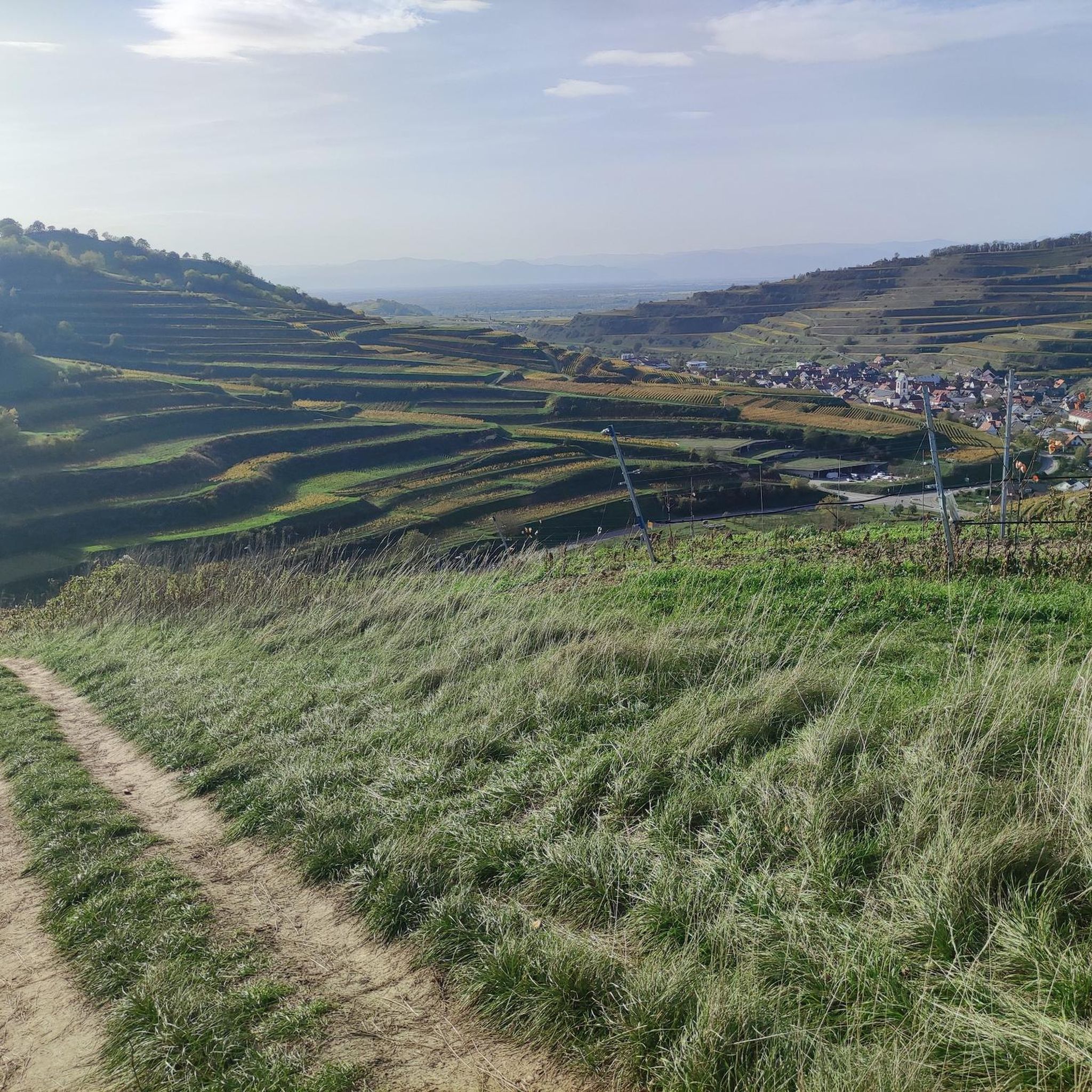
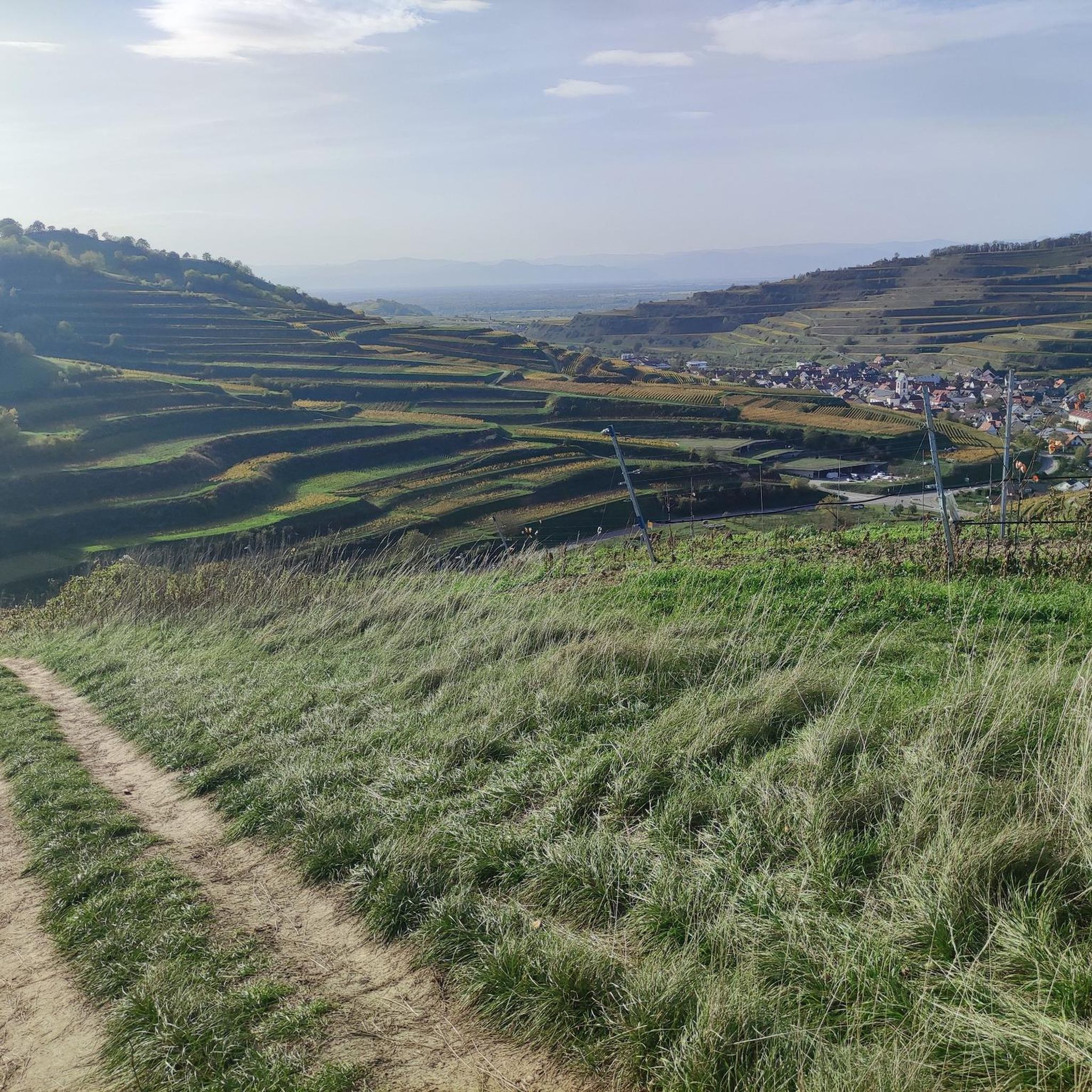
Caves around Durrenentzen are primarily found in the nearby Kaiserstuhl region, characterized by its unique loess formations. Durrenentzen, located in the Haut-Rhin department of France, is situated near the Rhine River, with the Kaiserstuhl massif across the border in Germany. This area is known for its loess hollow ways, where stable caves have been dug into the calcareous, silty sediment. These underground structures often served various purposes, from storage to historical hiding places.
Best caves around Durrenentzen
- The most popular…
Last updated: May 24, 2026
Löss Cave Tunnel
Highlight • Cave
Translated by Google •
Tip by

Loess cellar
Highlight • Cave
Translated by Google •
Tip by

Sign up now to discover places like this
Get recommendations on the best single tracks, peaks, & plenty of other exciting outdoor places.
Sign up for free
Loess Cave in Kaiserstuhl
Highlight • Cave
Translated by Google •
Tip by
Cave Entrance at Alte Limburg
Highlight • Cave
Translated by Google •
Tip by

Start today with a free account
Your next adventure awaits.
Login or Signup

Tips from the Community

You can walk upright into the Loss Cave. It's a wonderful experience.
0
0

There is a cave entrance near the ruins of Alt-Limburg. Perhaps explosives were stored here for the nearby quarry. In any case, it is inhabited by bats during the winter months and must not be entered!
0
0

It is a large cave or chamber in the loess in a loess hollow way. These hollow ways in the thick loess layers in the Kaiserstuhl were created by constant use as a path (especially with heavy carts). The resulting depressions were made worse by erosion in wind and weather (especially rain). In many places, holes were dug into the loess walls for various purposes (storage of material, "cooling chamber"). Loess is a calcareous, silty sediment, i.e. rock powder with lime components. The lime structure gives loess a high level of stability. This means that stable caves can easily be dug into them. Here, two such holes are connected by a tunnel that can also be easily walked through.
1
0
It is a large cave or chamber in the loess in a loess hollow way. These hollow ways in the thick loess layers in the Kaiserstuhl were created by constant use as a path (especially with heavy carts). The resulting depressions were made worse by erosion in wind and weather (especially rain). In many places, holes were dug into the loess walls for various purposes (storage of material, "cooling chamber"). Loess is a calcareous, silty sediment, i.e. rock powder with lime components. The lime structure gives loess a high level of stability. This means that stable caves can easily be dug into them. Here, two such holes are connected by a tunnel that can also be easily walked through.
2
0

The Lössholweg trail is worth a hike. What is particularly special is that there is a cave or tunnel in the seemingly loose loess.
0
1

Tunnel with two entrances to the path. The building is open and accessible. There is no indication of the purpose.
1
1

The guest and traveler can reach the loess cellars (witnesses of history) by following the marked hiking trails and nature trails. Excursions to the loess cellars with tour guides and wine consultants, which cross the nature trails Neunlindenpfad - Kaiserstuhlpfad - Wiedehopfpfad and the Winzerrundweg Ost, see www.komoot.de/tour/966673907
1
2

Frequently Asked Questions
What kind of caves can I expect to find near Durrenentzen?
The caves near Durrenentzen are primarily loess caves located in the nearby Kaiserstuhl region, across the Rhine in Germany. These are unique structures dug into thick, stable loess layers, which is a calcareous, silty sediment. They often served historical purposes like storage or hiding places.
Are there any natural caves in Durrenentzen itself?
Durrenentzen, located in the Haut-Rhin department of France, does not have notable natural caves directly within its commune. The caves highlighted in the region are mainly loess caves in the adjacent Kaiserstuhl area.
What is the Löss Cave Tunnel and what can I expect there?
The Löss Cave Tunnel is a large cave or chamber dug into the loess in a loess hollow way. It connects two holes in the loess walls and is easily walkable. It offers a unique experience of exploring these historical underground structures.
Can I visit the Cave Entrance at Alte Limburg?
There is a Cave Entrance at Alte Limburg near the ruins of Alt-Limburg. However, it is inhabited by bats during the winter months and must not be entered to protect the wildlife.
What is the historical significance of the Loess cellar?
The Loess cellar is a small cave that historically served as a cellar. During the Second World War, its aisles were used as hiding places for women and children, making it a site of historical importance.
Are there other types of underground attractions in the broader Alsace region?
Yes, beyond the loess caves, the broader Alsace region offers other underground attractions. For example, Tellure Park in the Vosges Massif is a former silver mine offering guided tours through historical galleries. The Cave of the Dwarfs in the Alsatian Jura is primarily a natural climbing site.
What outdoor activities can I do near the caves around Durrenentzen?
The area around Durrenentzen offers various outdoor activities. You can find numerous routes for hiking, cycling, and mountain biking. These routes often pass through scenic landscapes and historical sites.
Are the loess caves suitable for families or beginners?
Many of the loess caves, such as the Löss Cave Tunnel, are described as easily walkable and accessible, making them suitable for families and those new to exploring caves. They offer a gentle introduction to underground environments.
What is the best time of year to visit the caves near Durrenentzen?
While many loess caves are accessible year-round, it's important to note that the Cave Entrance at Alte Limburg is inhabited by bats during winter months and should not be entered then. For other loess caves, spring through autumn generally offers pleasant weather for exploring the surrounding areas.
Can I find guided tours for the loess cellars?
Yes, excursions to the loess cellars, which are considered witnesses of history, are available with tour guides and wine consultants. These often cross nature trails like the Neunlindenpfad, Kaiserstuhlpfad, and Wiedehopfpfad.
What makes the loess caves geologically unique?
The loess caves are unique because they are dug into loess, a calcareous, silty sediment. This material's lime structure provides a high level of stability, allowing for the creation of stable underground structures that have endured for centuries.
What do visitors say about the caves around Durrenentzen?
Visitors appreciate the unique geological features and historical insights offered by the loess caves. The komoot community has shared over 25 photos and given more than 90 upvotes, highlighting the appeal of these distinctive sites.
Most popular routes around Durrenentzen
Most popular attractions around Durrenentzen

Get inspired with the komoot mobile app


Explore more
Extend your search for the best caves by checking out these guides of the top ones around Durrenentzen:
