Top 5 Caves around Marckolsheim
Best caves around Marckolsheim and the surrounding Alsace region offer a variety of underground experiences. While Marckolsheim itself features historical subterranean structures, the wider area provides access to natural grottoes, former mines, and unique geological formations. These sites showcase both the natural processes of the earth and the historical human interaction with the underground landscape. The region's diverse geology presents numerous opportunities for exploration.
Best caves around Marckolsheim
- The most popular caves is Löss Cave Tunnel, a cave that…
Last updated: July 5, 2026
Erleloch Tunnel
Highlight • Cave
Translated by Google •
Tip by

Löss Cave Tunnel
Highlight • Cave
Translated by Google •
Tip by

Sign up now to discover places like this
Get recommendations on the best single tracks, peaks, & plenty of other exciting outdoor places.
Sign up for free
Loess cellar
Highlight • Cave
Translated by Google •
Tip by

Loess Cave in Kaiserstuhl
Highlight • Cave
Translated by Google •
Tip by
Cave Entrance at Alte Limburg
Highlight • Cave
Translated by Google •
Tip by

Start today with a free account
Your next adventure awaits.
Login or Signup
Tips from the Community

You can walk upright into the Loss Cave. It's a wonderful experience.
0
0

"The Hole" is an experience even without children. With children it is a must. It is pitch black at times, but with a "cell phone flashlight" it is possible in a pinch.
1
0
"The Hole" is definitely worth a visit, even if you don't have children with you. A must with children.
1
0

There is a cave entrance near the ruins of Alt-Limburg. Perhaps explosives were stored here for the nearby quarry. In any case, it is inhabited by bats during the winter months and must not be entered!
0
0

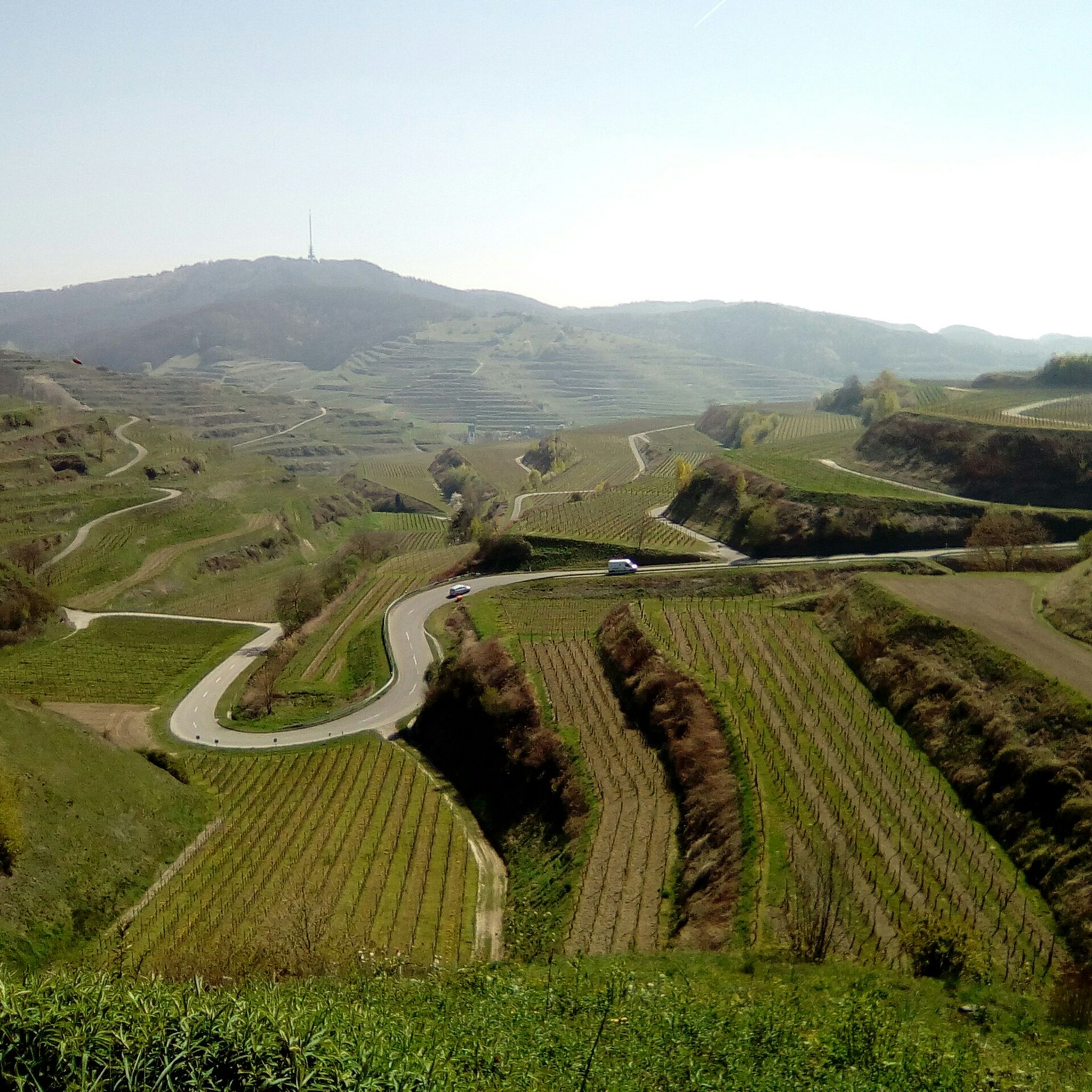
It is a large cave or chamber in the loess in a loess hollow way. These hollow ways in the thick loess layers in the Kaiserstuhl were created by constant use as a path (especially with heavy carts). The resulting depressions were made worse by erosion in wind and weather (especially rain). In many places, holes were dug into the loess walls for various purposes (storage of material, "cooling chamber"). Loess is a calcareous, silty sediment, i.e. rock powder with lime components. The lime structure gives loess a high level of stability. This means that stable caves can easily be dug into them. Here, two such holes are connected by a tunnel that can also be easily walked through.
1
0
It is a large cave or chamber in the loess in a loess hollow way. These hollow ways in the thick loess layers in the Kaiserstuhl were created by constant use as a path (especially with heavy carts). The resulting depressions were made worse by erosion in wind and weather (especially rain). In many places, holes were dug into the loess walls for various purposes (storage of material, "cooling chamber"). Loess is a calcareous, silty sediment, i.e. rock powder with lime components. The lime structure gives loess a high level of stability. This means that stable caves can easily be dug into them. Here, two such holes are connected by a tunnel that can also be easily walked through.
2
0

The Lössholweg trail is worth a hike. What is particularly special is that there is a cave or tunnel in the seemingly loose loess.
0
1

Tunnel with two entrances to the path. The building is open and accessible. There is no indication of the purpose.
1
1
Frequently Asked Questions
What types of underground sites can I explore around Marckolsheim?
The region around Marckolsheim offers a diverse range of underground sites. You can explore historical fortifications like the Musée Mémorial de la Ligne Maginot du Rhin in Marckolsheim itself, former mines such as Tellure Park, and natural grottoes or unique geological formations like the Löss Cave Tunnel.
Are there any historical underground sites to visit near Marckolsheim?
Yes, Marckolsheim is home to the Musée Mémorial de la Ligne Maginot du Rhin (Casemate 35/3 Marckolsheim), an underground fortification that was part of the Maginot Line. Further afield, the Erleloch Tunnel is a man-made historical site that served as a drinking water canal, and Loess cellar has a history of use during wartime and as a storage cellar.
What are some natural grottoes or rock formations I can visit?
The Alsace region features several natural grottoes and rock formations. The Löss Cave Tunnel is a large chamber dug into loess, offering an easily walkable experience. Other natural sites include the Grotte d'Amour near Riquewihr/Hunawihr, Ochsenstall Rock near Soultzbach-les-Bains with its unique formations, and the Druids' Grotto near Barr.
Are there any family-friendly caves or underground attractions?
Yes, the Erleloch Tunnel is particularly exciting for children due to its curved, 100-meter-long passage. Löss Cave Tunnel is also easily walkable and open, making it suitable for families. Tellure Park, a former silver mine, offers guided tours and a museum that can be engaging for families.
What should I wear or bring when exploring caves in the region?
When visiting natural grottoes or former mines, it is often recommended to wear sturdy shoes. For more adventurous explorations, bringing a flashlight and sometimes a helmet can enhance safety and visibility.
Can I go hiking near these caves?
Absolutely. Many of the caves and underground sites are located within areas popular for outdoor activities. For instance, the Ochsenstall Rock is ideal for a break during a hike or mountain biking. You can find various hiking trails around the region, including those listed in the Hiking around Marckolsheim guide.
Are there any unique geological features in the caves around Marckolsheim?
The region's geology is characterized by loess layers, which are calcareous, silty sediments. This allows for stable caves to be dug into them, as seen in the Löss Cave Tunnel and Loess Cave in Kaiserstuhl. The Ochsenstall Rock also features unique rock formations.
What other outdoor activities can I do near the caves?
Beyond hiking, the area around Marckolsheim is excellent for cycling. You can explore various routes for Road Cycling or Gravel Biking, which often pass by or near some of these interesting sites.
Is there a cave that serves as a wildlife habitat?
Yes, the Cave Entrance at Alte Limburg is known to be inhabited by bats during the winter months. For this reason, it must not be entered during that period to protect the wildlife.
Where can I find a former mine to explore?
For a fascinating journey into mining history, visit Tellure Park in Sainte-Marie-aux-Mines. It's a former silver mine and the largest underground cavity in the Vosges Massif, offering guided tours through its galleries.
Are there any caves suitable for climbing?
The Cave of the Dwarfs near Altkirch/Mulhouse is primarily known as a natural climbing site, featuring challenging paths on a 25-meter high cliff.
What do visitors enjoy most about the caves around Marckolsheim?
Visitors appreciate the variety of experiences, from the historical insights offered by sites like the Erleloch Tunnel to the unique geological formations of the loess caves. The ease of access and the opportunity for exploration, especially for families, are frequently highlighted.
Most popular routes around Marckolsheim
Most popular attractions around Marckolsheim

Get inspired with the komoot mobile app


