Top 4 Caves around El Astillero
Best caves around El Astillero are found within the surrounding region of Cantabria, a territory known for its extensive cave systems and significant Paleolithic art. While El Astillero itself does not host prominent caves, it serves as a gateway to numerous geological and historical subterranean sites. The area offers a diverse range of cave experiences, from natural monuments to historical sites. These formations provide insights into both geological processes and ancient human activity.
Best caves around El Astillero
- The most…
Last updated: July 4, 2026
Liencres Blowhole
Highlight • Natural Monument
Translated by Google •
Tip by

Aguanaz River and Frenchman’s Cave
Highlight (Segment) • River
Translated by Google •
Tip by

Sign up now to discover places like this
Get recommendations on the best single tracks, peaks, & plenty of other exciting outdoor places.
Sign up for free
La Covachona Cave and Source of the Cubón River
Highlight • Cave
Translated by Google •
Tip by

Juyo Cave
Highlight • Cave
Translated by Google •
Tip by
Peña Oreo I Cave
Highlight • Cave
Translated by Google •
Tip by

Start today with a free account
Your next adventure awaits.
Login or Signup
Popular around El Astillero
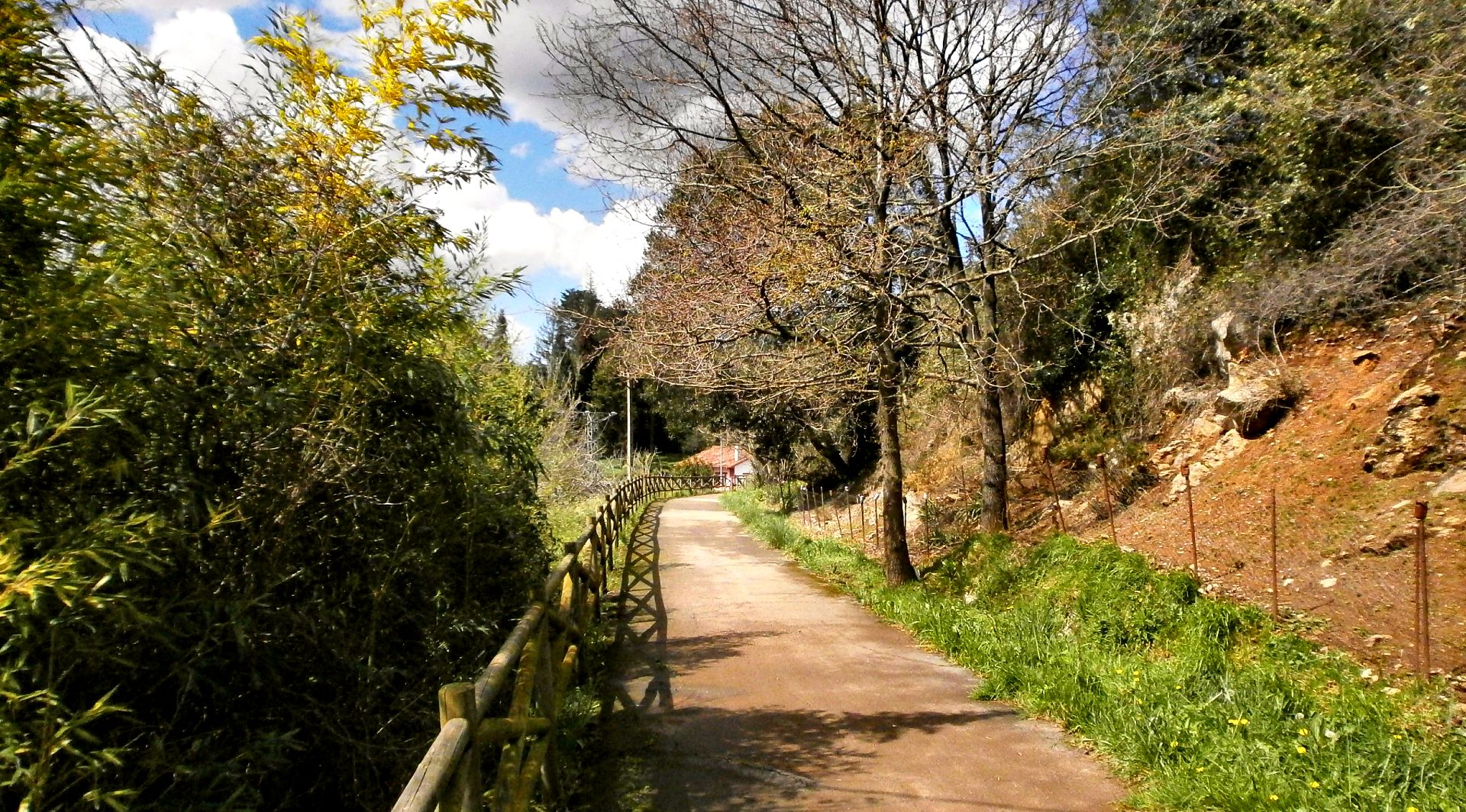
Vía Verde del Pas - Along the Riverbank through Cantabria
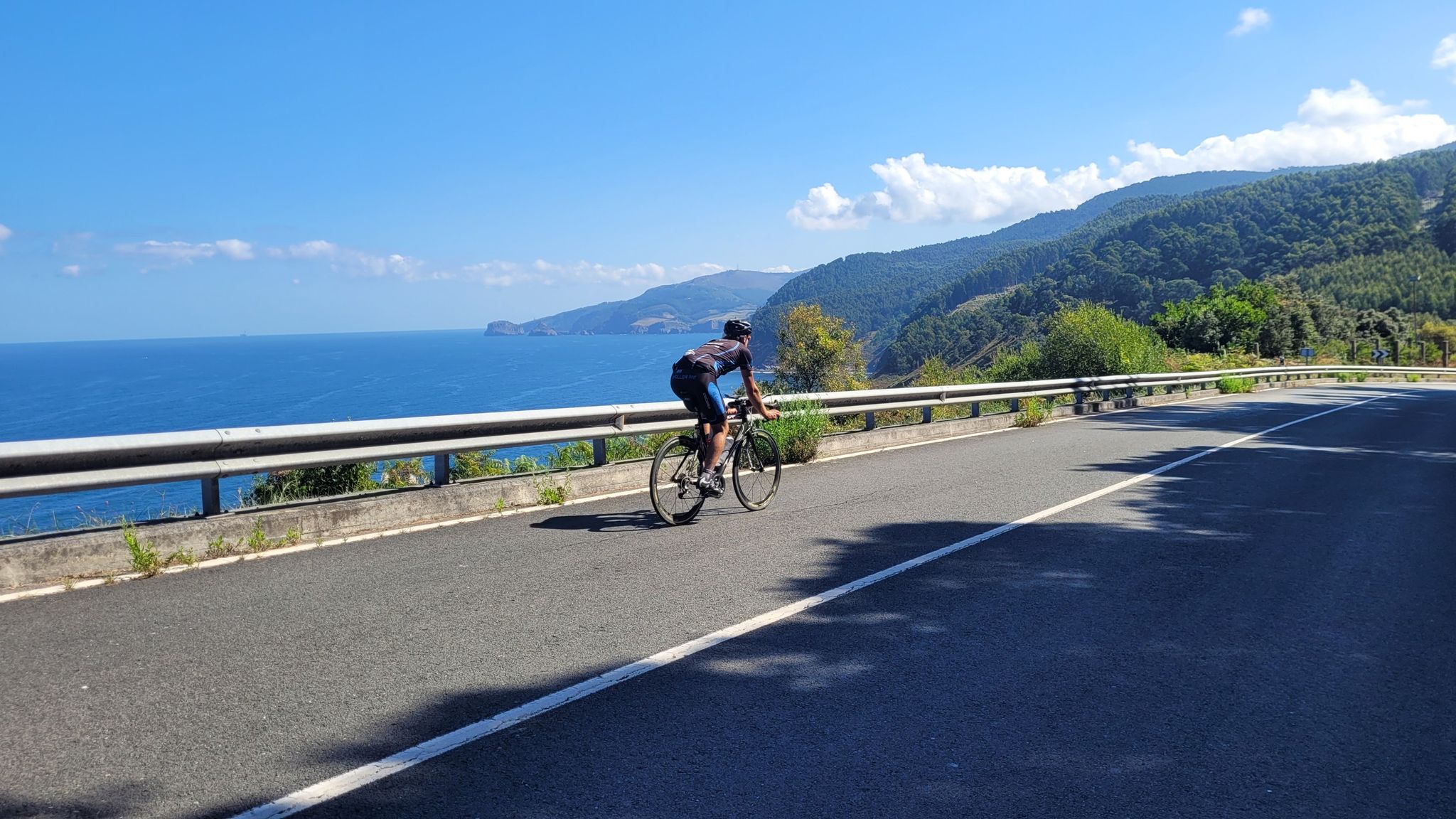
Cycling along the Cantabrian coast – the Northern Way
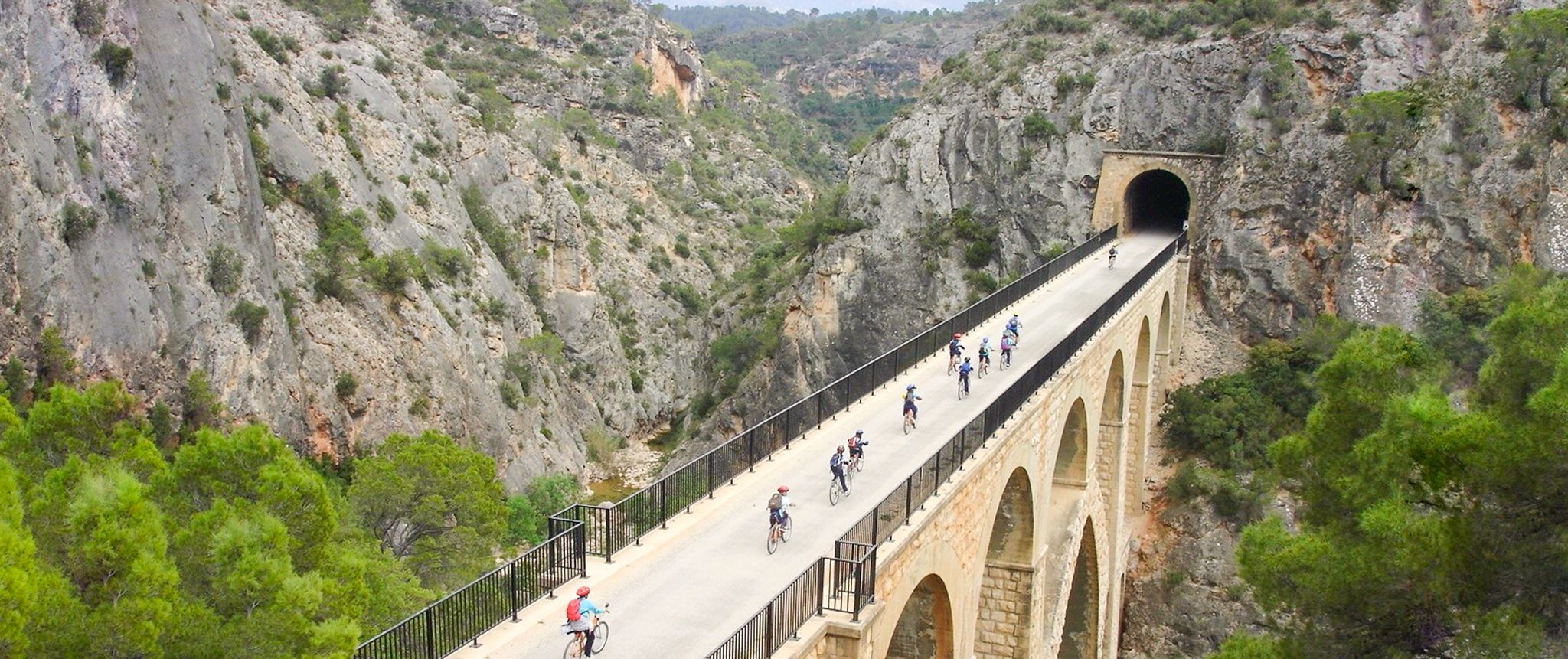
Vías Verdes – traffic-free cycling along railway history in Spain
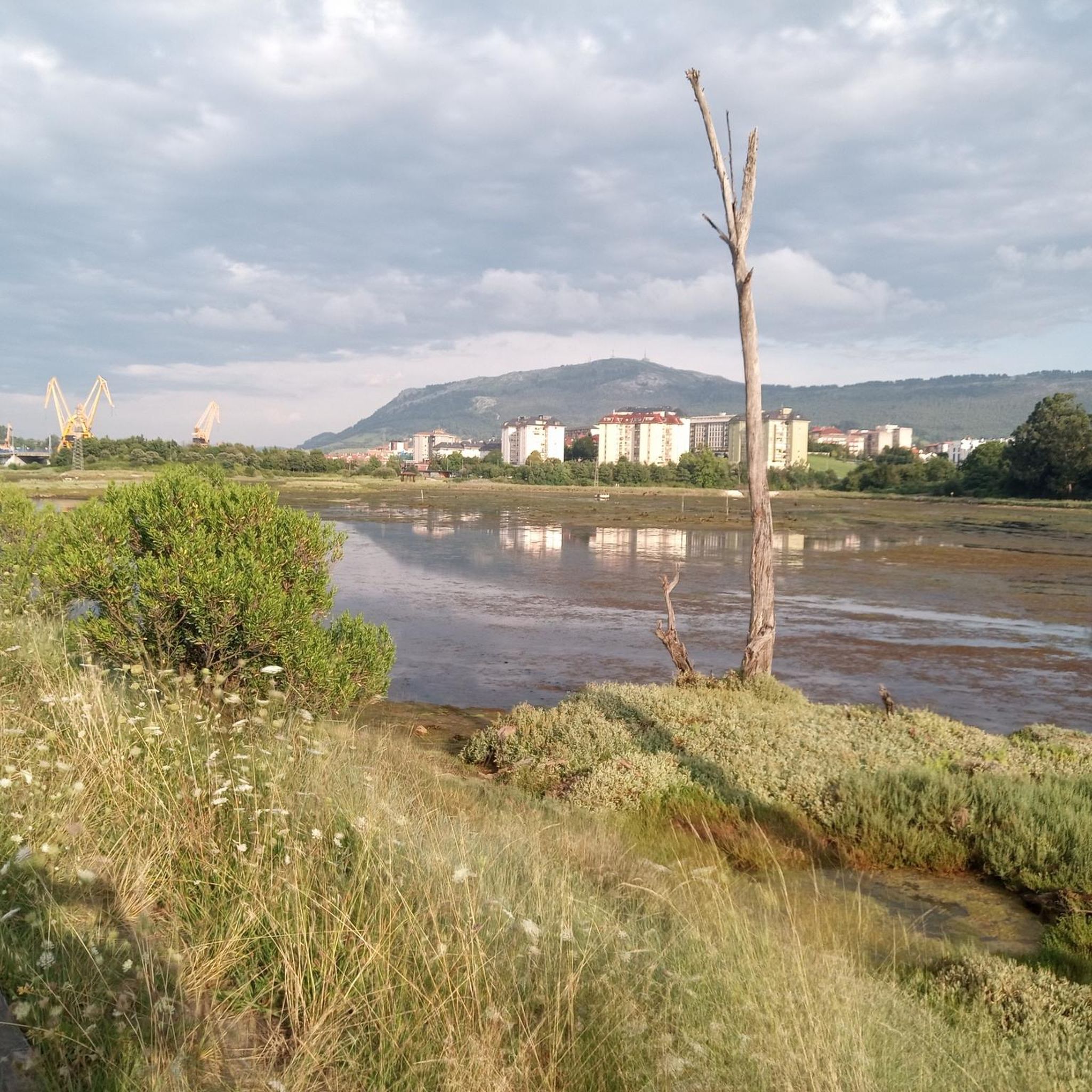
Road Cycling Routes around El Astillero
Cycling around El Astillero
Running Trails around El Astillero
Hiking around El Astillero
MTB Trails around El Astillero
Gravel biking around El Astillero
Other adventures around El Astillero


Tips from the Community

Do not stop visiting it.
0
1

Legend has it that a French abbot, fleeing the Revolution, came to these places, hiding in the cave. And they say that, from so much crying, his eyes became irritated in such a way that they caused him bad eyesight. But, on one occasion he noticed that by washing them with the waters of the fountain, his eyes healed. Hence the discovery of the virtues of the waters and the name of the place.
1
0

Bufones (blowholes) are "coastal geysers" that are predominantly seen in eastern Asturias. These are narrow openings at the end of a cave directly on the coast, which extends above the cave ceiling into the open air. If a strong wave hits the opening to the sea, it is guided through the cave walls like a funnel to the upper opening. When the surf is strong, spectacular water fountains are created, similar to those of a geyser. When the sea is calm, all you can see are the huge holes at the top of the coast and, with a bit of luck, like at Bufon de Liencres, the opening to the sea.
0
1

Nice and quiet path that runs along the river through the foliage of the forest.
0
0

The Cueva de El Juyo is located in a sinkhole developed in the upper part of Igollo (Camargo), which is accessed by a small track that ends in the cavity. The cave contains an impressive Lower Magdalenian site (between 16,500 and 14,000 years old) -one of the most outstanding in the Iberian Peninsula-, and was the scene of the excavations and research carried out by Joaquín González Echegaray together with Leslie Gordon Freeman -prehistorian and professor from the University of Chicago
2
0
In the Bº de Rioz, in Sobremazas (Medio Cudeyo), behind the public washhouse, at the bottom in the rocks is a small cave where clear and crystalline water emerges and is where the source of the Cubón river is dated. The cave also gives the name to the small park that surrounds it, which has 3 wooden tables, a fountain and a small recreational park for young children and one of the Singular Trees of Cantabria: El Castaño de Rioz.
5
0

Well, the truth is that I didn't find any cave, and I did take a few turns around the theoretical point. Not worth it.
0
0

Frequently Asked Questions
What are the most popular caves to visit near El Astillero?
While El Astillero itself doesn't have prominent caves, the surrounding Cantabria region is renowned for its subterranean sites. Highly recommended are the Caves of Monte Castillo, home to El Castillo and Las Monedas caves, offering ancient Paleolithic art and stunning geological formations. Another must-see is the Altamira Neocave, a meticulous replica of the original Altamira Cave, famous for its prehistoric paintings. For geological wonders, El Soplao Cave is known as the "Sistine Chapel of Geology".
Are there any family-friendly caves or natural attractions around El Astillero?
Yes, several options are suitable for families. The Aguanaz River and Frenchman’s Cave offers a quiet path along the river through forest foliage, with a legend of healing waters. La Covachona Cave and Source of the Cubón River features a small park with recreational facilities for children. For a unique natural spectacle, the Liencres Blowhole creates spectacular water fountains when strong waves hit the coast, which can be fascinating for all ages.
Which caves offer significant historical or artistic value?
The Cantabrian region is a treasure trove of prehistoric art. The Caves of Monte Castillo, particularly El Castillo Cave, contain some of Europe's oldest known cave art, dating back over 40,000 years. The Altamira Neocave provides an immersive experience of the famous polychromatic paintings of bison. Hornos de la Peña Cave showcases detailed engravings from the Magdalenian era, including unique animal-human hybrid figures. Covalanas Cave is notable for its distinctive dotted line technique in its animal paintings.
What kind of natural features can I expect to see in the caves near El Astillero?
Beyond prehistoric art, the caves in the region offer diverse natural formations. Las Monedas Cave within the Monte Castillo complex boasts a stunning labyrinth of shimmering stalactites and stalagmites. El Soplao Cave is celebrated for its eccentric and complex rock formations, suspended ceilings, and rich colors, earning it the nickname "Sistine Chapel of Geology." The Liencres Blowhole, while not a traditional cave, is a natural monument where coastal geysers create impressive water displays.
Are there any challenging cave experiences for experienced explorers?
The Cave of the Virgen del Mar is noted for its challenging access, requiring climbing skills to reach, but offers rewarding views. For those interested in more adventurous caving, El Soplao Cave offers both accessible tours and more adventurous trips into its geological wonders.
What is the best time to visit the caves in Cantabria?
Caves generally maintain a consistent temperature year-round, making them a good option regardless of the season. However, visiting during spring or autumn can be ideal as the weather outside is pleasant for exploring the surrounding areas. Summer can also be a good time to escape the heat, but popular sites might be more crowded. Always check specific cave opening hours and booking requirements, as some require advance reservations.
Are there any caves near El Astillero that are easily accessible?
Many of the major caves in Cantabria, such as the Altamira Neocave and El Soplao Cave, are designed with visitor accessibility in mind, offering guided tours and facilities. For example, El Soplao is accessed by a replica mining train. Within the immediate vicinity of El Astillero, the La Covachona Cave and Source of the Cubón River is part of a small park, making it easily approachable.
What do visitors enjoy most about the caves and natural sites around El Astillero?
Visitors frequently appreciate the profound historical and artistic insights offered by the Paleolithic art in caves like El Castillo and Altamira. The geological formations in caves such as El Soplao and Las Monedas are often described as breathtaking. Natural attractions like the Liencres Blowhole are enjoyed for their unique coastal phenomena. The quiet, scenic walks along rivers leading to caves, like the Aguanaz River and Frenchman’s Cave, are also highly valued for their tranquility and natural beauty.
Can I find any historical sites related to early human activity near El Astillero?
Absolutely. The entire Cantabrian region is rich in sites related to early human activity. The Caves of Monte Castillo provide crucial insights into human development over 150,000 years, with evidence of both Neanderthals and Homo sapiens. Hornos de la Peña Cave was inhabited by both Neanderthals and later Homo sapiens, featuring detailed engravings from the Magdalenian era. The Altamira Neocave allows you to experience the artistic legacy of early humans.
Are there any hiking trails or outdoor activities near these caves?
Many caves are situated in scenic natural environments that offer opportunities for hiking and outdoor exploration. For instance, the area around the Aguanaz River and Frenchman’s Cave provides a very quiet river walk through forest foliage. While specific hiking routes directly linked to each cave vary, the wider Cantabrian region is excellent for outdoor activities. You can find numerous trails for hiking and cycling in the natural parks and coastal areas surrounding these cave sites.
Most popular routes around El Astillero
Most popular attractions around El Astillero

Get inspired with the komoot mobile app


Explore more
Extend your search for the best caves by checking out these guides of the top ones around El Astillero:
