Top 7 Castles around Llançà
Best castles around Llançà are situated in a region characterized by its coastal proximity and mountainous terrain, offering historical sites within the Cap de Creus Natural Park. The area features structures ranging from ancient monastic complexes to medieval fortifications. These sites provide insights into the region's past and offer panoramic views of the Mediterranean Sea and surrounding landscapes.
Best castles around Llançà
- The most popular castles is Sant Pere de Rodes Monastery, a monastery and historical site located at…
Last updated: July 4, 2026
Sant Pere de Rodes Monastery
Highlight • Religious Site
Translated by Google •
Tip by

Sant Salvador de Verdera Castle Ruins
Highlight • Castle
Translated by Google •
Tip by

Sign up now to discover places like this
Get recommendations on the best single tracks, peaks, & plenty of other exciting outdoor places.
Sign up for free
Querroig Castle
Highlight • Castle
Once upon a time there was a small castell, now only the base of a tower is left.
Translated by Google •
Tip by

Citadel of Roses
Highlight • Historical Site
Translated by Google •
Tip by

Quermançó Castle
Highlight • Castle
Translated by Google •
Tip by

Sign up for free to discover even more castles around Llançà.
Sign up for free
Already have an account?
Start today with a free account
Your next adventure awaits.
Login or Signup
Popular around Llançà
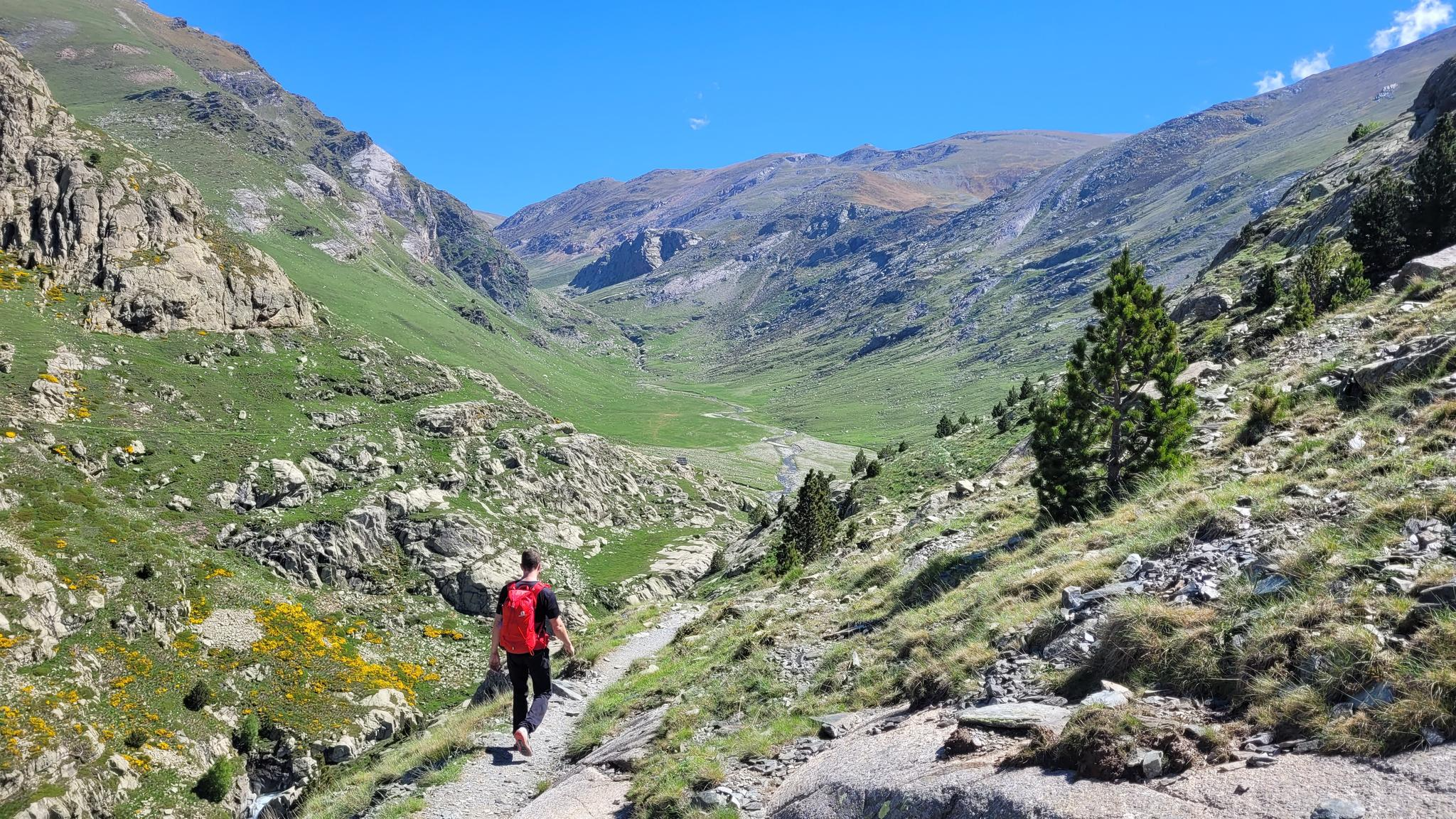
10 hikes with teenagers — Catalan paradises
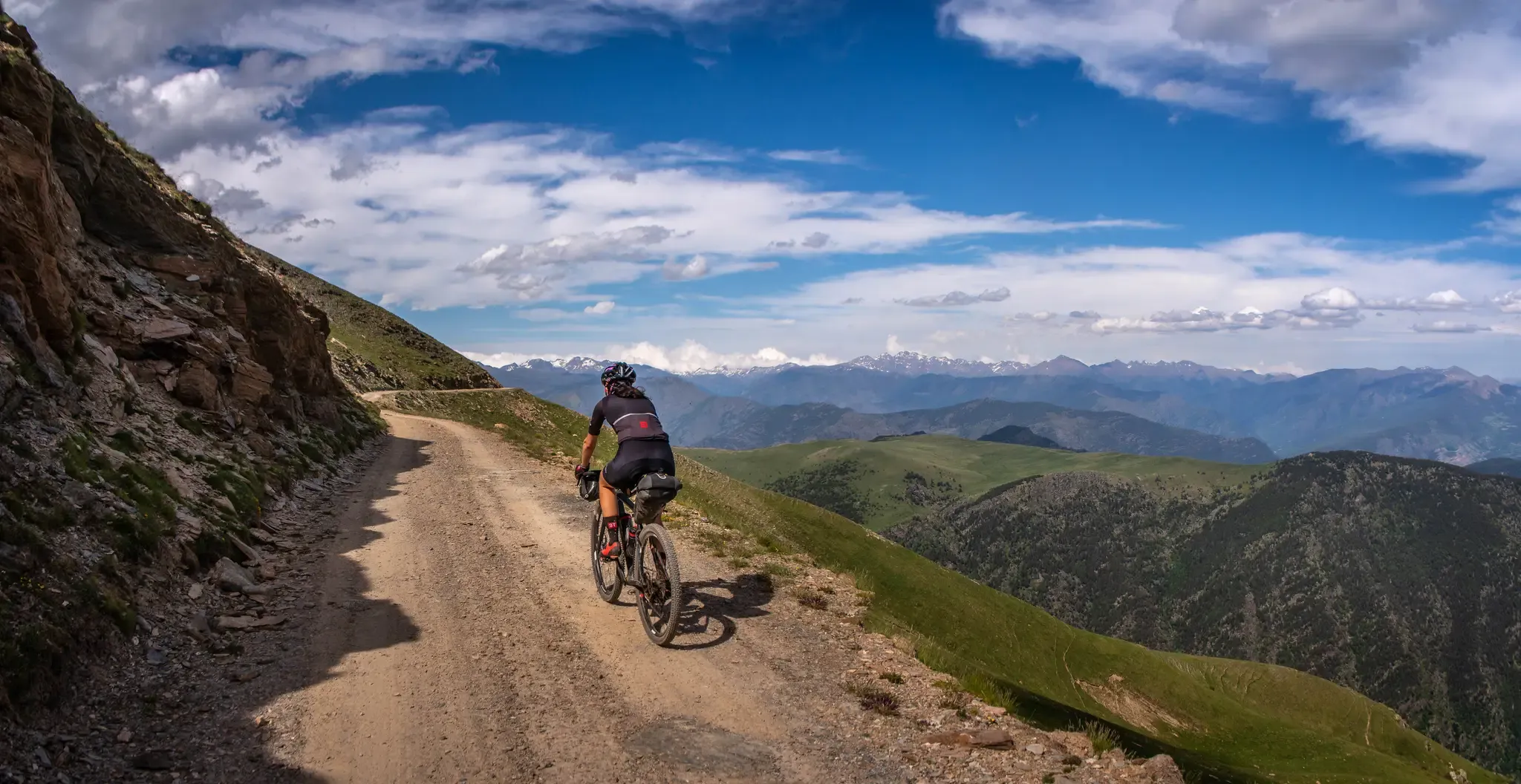
A high-altitude journey – Transpirenaica MTB
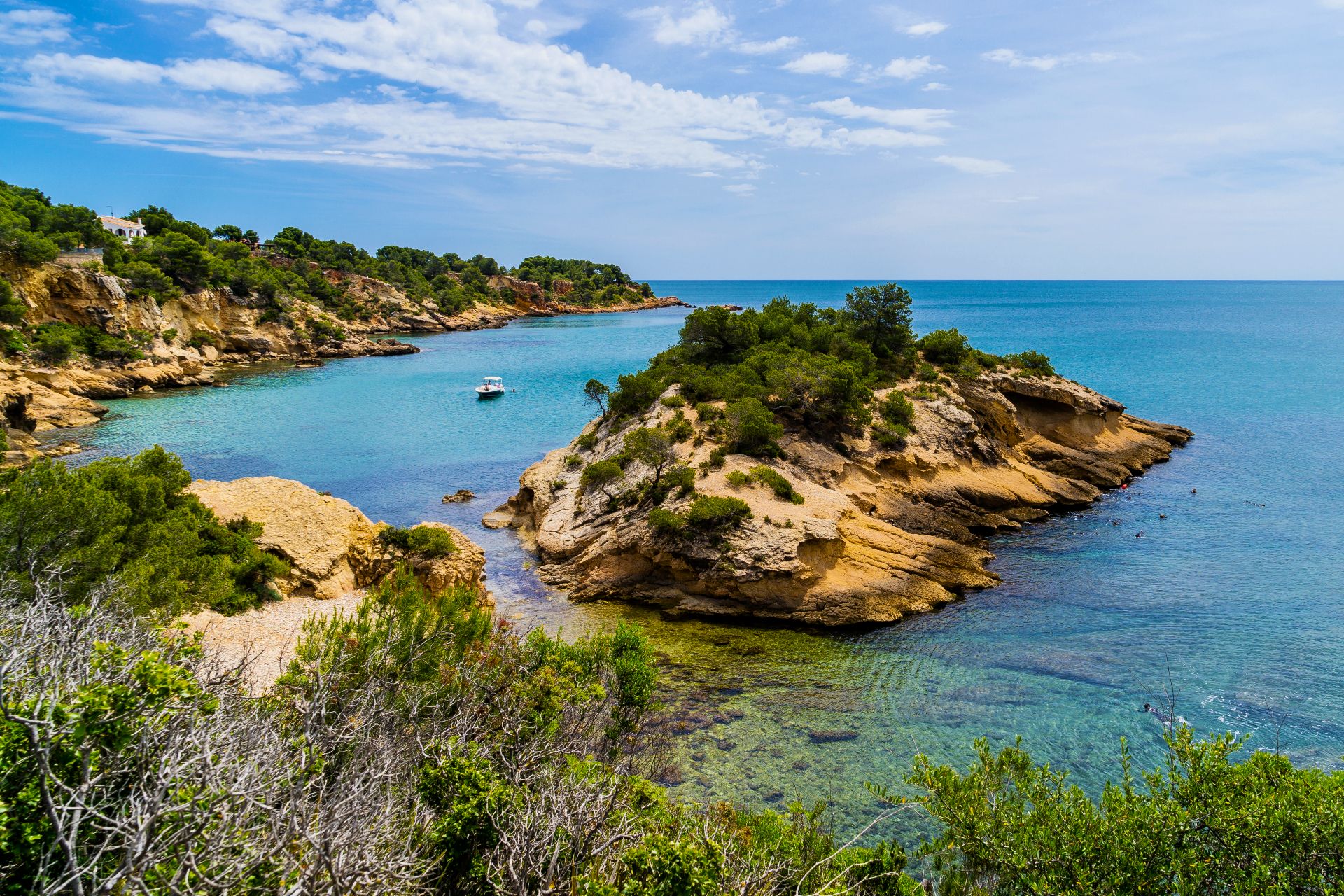
The Catalan coast on foot – Mediterranean Path (GR 92)
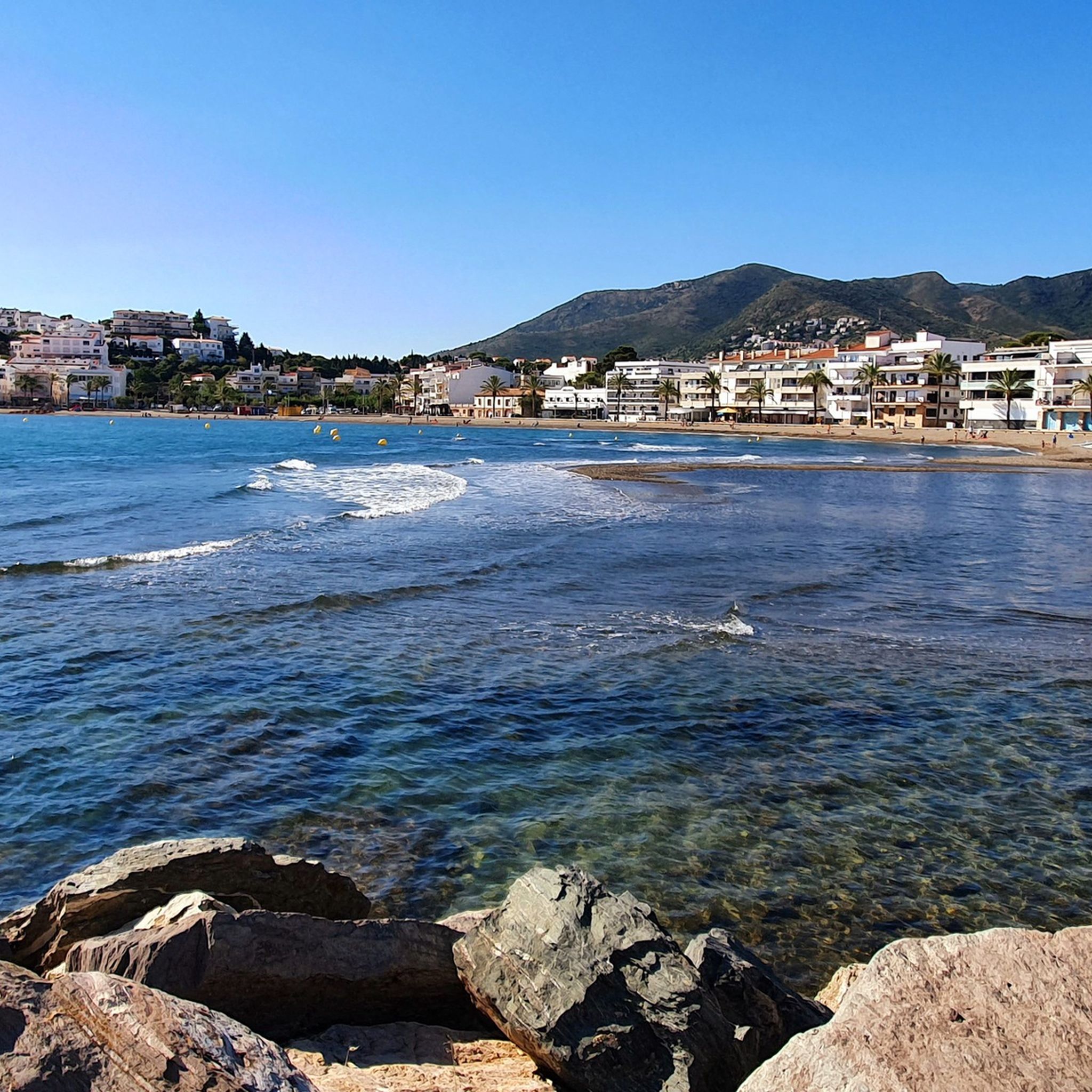
Hiking around Llançà
MTB Trails around Llançà
Running Trails around Llançà
Cycling around Llançà
Road Cycling Routes around Llançà

Gravel biking around Llançà

Mountain Hikes around Llançà


Tips from the Community

If you don't want to go about 400 m along the National Road, there is a path, although it is only for mountain bikes and you will still have to push through certain rather complex sections.
0
0

Peak that is part of the FEEC list of 100 peaks where two states and three municipalities meet, Portbou, Cervera de la Marenda and Banyuls de la Marenda. From this point you get wonderful views of the Mediterranean to the east and the Albera mountains to the west, in a magnificent 360º panorama that includes Puig de Sallafort, Puig Neulós and Cap de Creus. At the top we find the ruins of an old medieval castle from the s. X-XI. The round tower is a later construction of the s. XIV or s. XV Until the Treaty of the Pyrenees (1659) when the current northern Catalan counties came under French jurisdiction, the castle depended ecclesiastically on the Count of Empúries and the Bishopric of Girona. The construction technique, like the material, is reminiscent of the castle of Sant Salvador Saverdera, near Sant Pere de Rodes, a peak also included in the list of the 100 Peaks. Salvem Querroig is a northern Catalan association that aims to restore the remains of the castle. For this reason, he had to contact the heir of the last known owner, Ponç Hug, Count of Empúries (1309). The current owner turned out to be Sol María de la Blanca de Medina i Orléans-Braganza, countess of Empúries, of the Ducal House of Medinaceli, based in Seville, and who has granted her permission for the works.
1
0

Ruins of the medieval castle, located on a high hill about two kilometers from the town of Vilajuïga. It is an isolated fortification that underwent many renovations and expansions during the 10th and 15th centuries. At the time, the complex was surrounded by a wall, today in a ruined state. Currently, part of the old Keep, the outer circular tower, and some later constructions are preserved. The castle of Quermançó is an important example of what early medieval Catalan castles were for defense, capable of resisting the onslaught of any crowd much larger than the few that could fit within its perimeter. https://www.catalunya.com/es/continguts/patrimoni-cultural/castillo-de-quermanco-17-16003-580470
4
0

Admission moderate (no 20€ for 2 adults and 2 children). The wifi key and a QR code hang at the entrance. This means that one cell phone can be used as an audio guide for the whole family :)
5
2

The way there is also recommended on the road because there is very little traffic. Very nice route and a great view.
2
0

The Ciutadella de Roses is a 16th century construction that houses an archaeological site where there are vestiges of various historical periods. From remains of the Greek colony of Rhode (4th century BC) to the Renaissance fortification that gives it its name, passing through Visigothic or late-Roman sites.
1
0

Magnificent all-round view to the Pyrenees and the Costa Brava.
3
0
Medieval castle located at the highest point of the Serra de Rodes, from where there are spectacular views of the monastery of Sant Pere de Rodes and of the entire Cap de Creus and the Empordà. The church is preserved, an architectural structure with a rectangular plan; a part of the set of walls; as well as remains of one of the castle's towers. Ruins of a medieval castle located at the highest point of the Serra de Rodes, 670 meters high, in the middle of the Cap de Creus Natural Park and very close to the monastery of Sant Pere de Rodes. From this point there are spectacular views of the monastery itself and of the entire cape of Creus and the Empordà. The church is preserved from the old construction, an architectural structure with a rectangular plan; a part of the set of walls that closed the enclosure; as well as remains of one of the castle's towers. The church is Romanesque, the rest of the buildings are from the 13th century and it is mentioned for the first time in 904. You can go up by the Can Ventòs track or by connecting with it via Santa Creu and more directly by a fairly straight path from the Sant Pere de Roda monastery itself.
3
1
Frequently Asked Questions
What are the most historically significant castles and fortifications around Llançà?
Llançà and its surroundings are rich in historical fortifications. Within Llançà itself, the Castle of Llançà (Palau de l'Abat), dating back to the 11th century, and the 13th-14th century Romanesque Tower offer deep insights into the town's medieval past. Nearby, the Sant Pere de Rodes Monastery and the Sant Salvador de Verdera Castle Ruins are exceptional examples of Romanesque architecture and medieval strongholds, providing spectacular views within the Cap de Creus Natural Park. Quermançó Castle near Vilajuïga is another important early medieval Catalan defensive structure.
Are there family-friendly castles or historical sites to visit around Llançà?
Yes, several sites are suitable for families. The Citadel of Roses, though a bit further, is noted as family-friendly and offers a fascinating archaeological site with vestiges from Greek, Roman, and Visigothic periods. The Castellar Islet Fortifications in Llançà provide an engaging outdoor experience with historical remnants and beautiful coastal views. The expansive grounds of the Sant Pere de Rodes Monastery also offer space for children to explore while learning about history.
What natural features or viewpoints can I enjoy near these castles?
Many castles and fortifications in the region offer stunning natural views. The Sant Pere de Rodes Monastery and the Sant Salvador de Verdera Castle Ruins are situated within the Cap de Creus Natural Park, providing exceptional panoramic views over the bay of Llançà, Port de la Selva, and the Empordà region. The Castellar Islet Fortifications in Llançà offer breathtaking views of the Mediterranean Sea and coastline. Additionally, Querroig Castle, a castle ruin on a peak, boasts 360º panoramic views of the Mediterranean and the Albera mountains.
What is the best time of year to visit the castles around Llançà?
The best time to visit the castles and historical sites around Llançà is generally during the spring (April to June) and early autumn (September to October). During these periods, the weather is pleasant for exploring, and the crowds are typically smaller than in the peak summer months. The mild temperatures make hiking to sites like the Sant Salvador de Verdera Castle Ruins more enjoyable.
Are there hiking trails near the castles around Llançà?
Yes, the region offers numerous hiking opportunities that can be combined with castle visits. The Sant Pere de Rodes Monastery and Sant Salvador de Verdera Castle Ruins are popular destinations for hikers, with trails leading to and around them within the Cap de Creus Natural Park. You can find various routes, including those with views of Cadaqués or Port de la Selva, in the MTB Trails around Llançà guide, many of which are also suitable for walking.
Can I combine a castle visit with cycling around Llançà?
Absolutely! The area around Llançà is excellent for cycling, and many routes pass by or offer access to historical sites. For example, you can find routes that include the Monastery of Sant Pere de Rodes. Explore options like the 'El Port de la Selva – Monastery of Sant Pere de Rodes loop from Llançà' in the Cycling around Llançà guide for ideas on combining your interests.
Where can I park when visiting castles around Llançà?
Parking availability varies by location. For the Castle of Llançà and Romanesque Tower, parking is typically available in public car parks within the town center. For the Sant Pere de Rodes Monastery and Sant Salvador de Verdera Castle Ruins, there is usually designated parking near the monastery, from where you can walk to the castle ruins. For more remote sites like Quermançó Castle, you might find parking closer to the starting points of access trails.
Are there cafes or restaurants near the castles?
Yes, you'll find dining options, especially near the more popular sites. In Llançà, there are numerous cafes and restaurants close to the Castle of Llançà and Romanesque Tower. The Sant Pere de Rodes Monastery also has a restaurant on-site or nearby, offering refreshments and meals. For other sites, it's advisable to check local amenities in the nearest towns like Vilajuïga for Quermançó Castle, or Peralada for Castell de Peralada.
What should I wear when visiting castles around Llançà?
Comfortable walking shoes are highly recommended, especially if you plan to explore castle ruins or hike to sites like the Sant Salvador de Verdera Castle Ruins. Layers of clothing are also advisable, as coastal weather can change, and higher elevations can be cooler or windier. Don't forget sun protection, such as a hat and sunscreen, particularly during sunnier months.
Are any castles around Llançà accessible for visitors with limited mobility?
Accessibility can vary significantly between sites. While some urban castles like the Castle of Llançà (Palau de l'Abat) might have more accessible ground-level areas, many medieval castles and ruins, such as the Sant Salvador de Verdera Castle Ruins or Quermançó Castle, involve uneven terrain, stairs, or uphill walks. It's best to check specific accessibility details for each site before your visit. The Citadel of Roses may offer better accessibility due to its more developed visitor infrastructure.
What do visitors enjoy most about the castles and historical sites in this region?
Visitors frequently highlight the breathtaking panoramic views offered by many of the elevated sites, such as the Sant Pere de Rodes Monastery and Sant Salvador de Verdera Castle Ruins. The rich history and architectural significance, particularly of the Romanesque structures, are also highly appreciated. Many enjoy combining their visits with outdoor activities like hiking, taking advantage of the stunning natural landscapes of the Cap de Creus Natural Park.
Most popular routes around Llançà
Most popular attractions around Llançà

Get inspired with the komoot mobile app


Explore more
Looking for the best castles somewhere else? Discover other guides around Llançà:
