Top 6 Caves around Beteta
Best caves around Beteta are found in the municipality of Beteta, nestled in the Serranía de Cuenca, Spain. This region is characterized by a subterranean world of karst formations, including notable examples like the Cueva de la Ramera. The area offers a glimpse into geological formations and boasts historical significance, with evidence of human presence dating back thousands of years. The Hoz de Beteta natural monument also features various geological formations, including chasms and caves.
Best caves around Beteta
- The…
Last updated: May 23, 2026
Source of the Cuervo River
Highlight • Natural Monument
Translated by Google •
Tip by

Sima de Alcorón Cave
Highlight • Cave
Good point to spend the night during the route of Montañas Vacías.
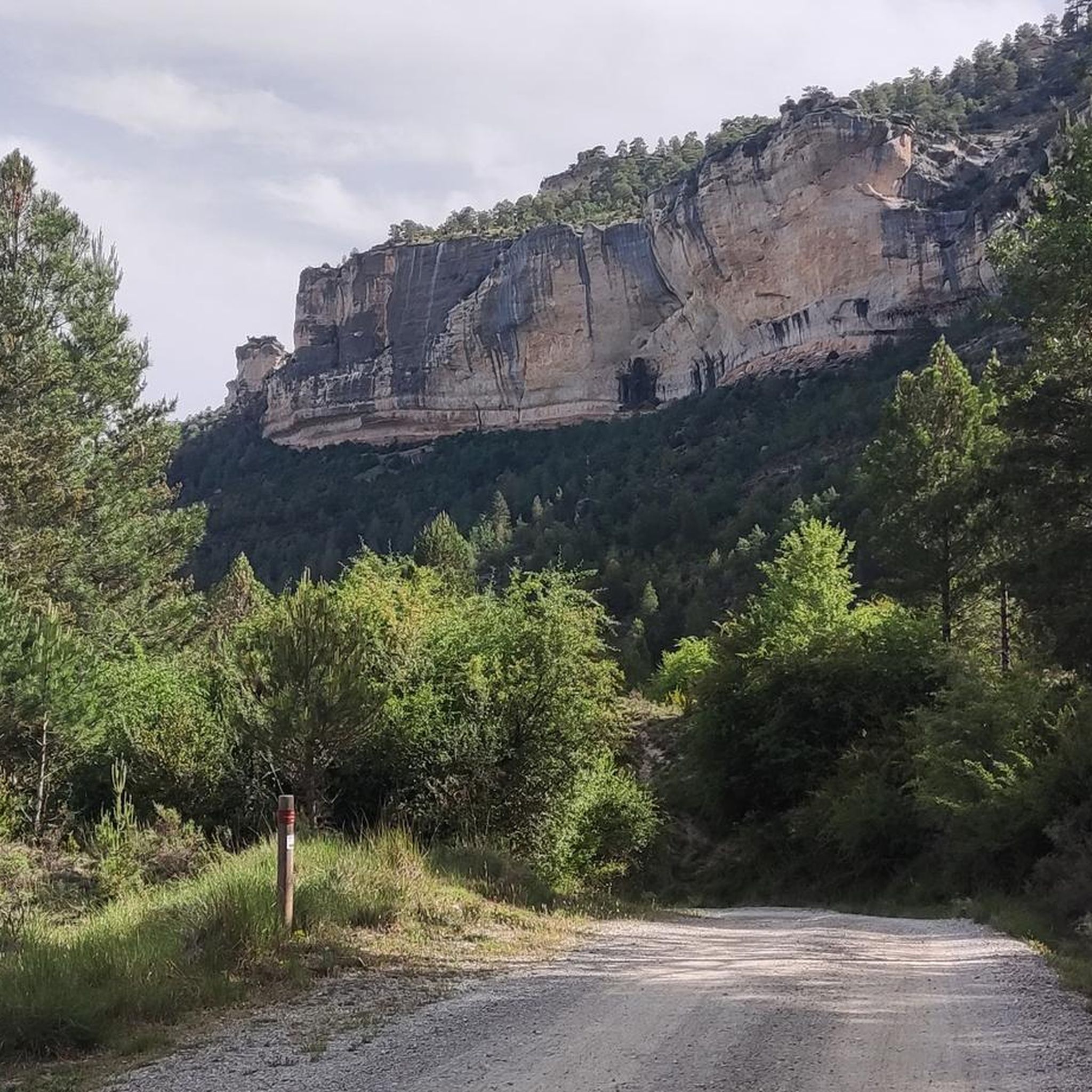
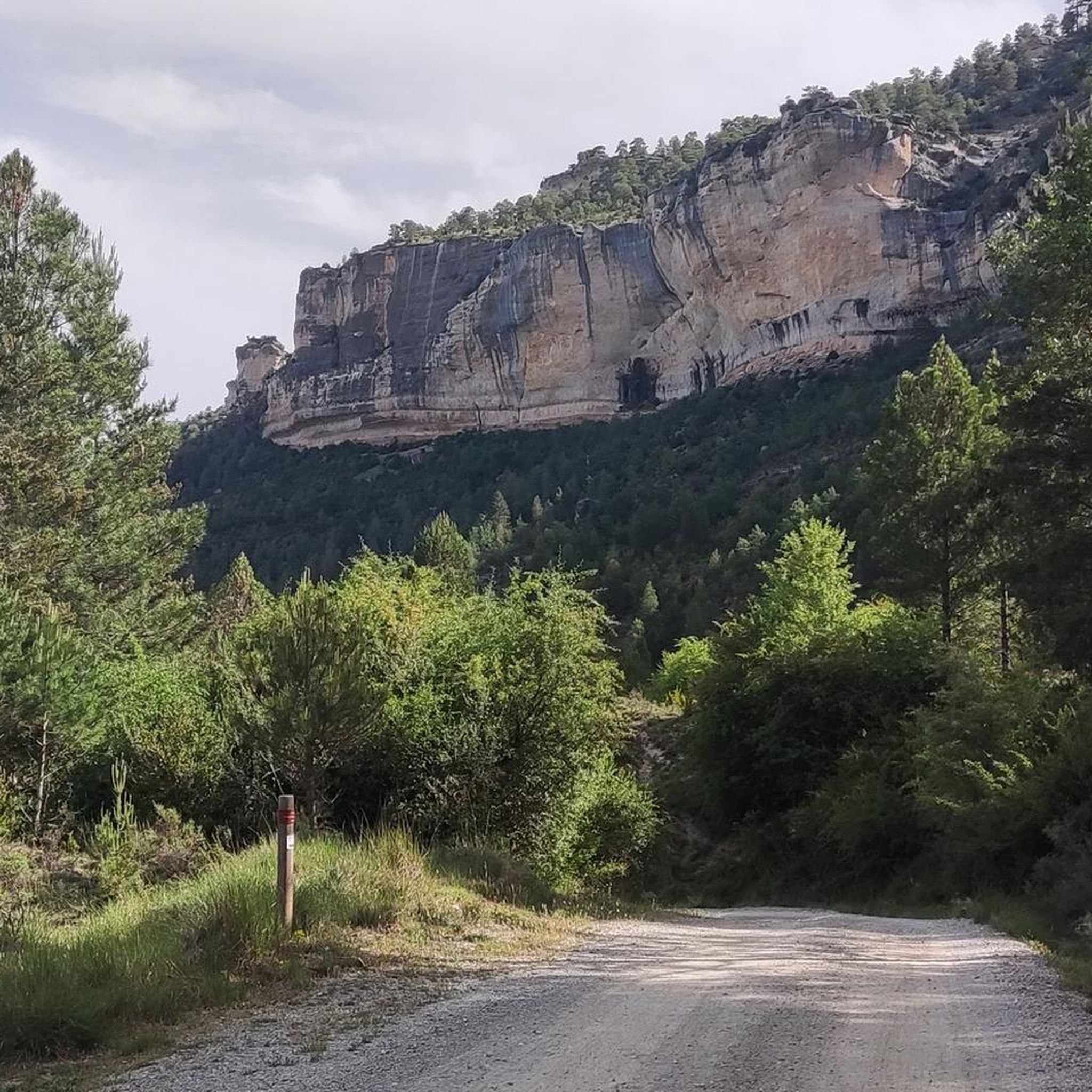
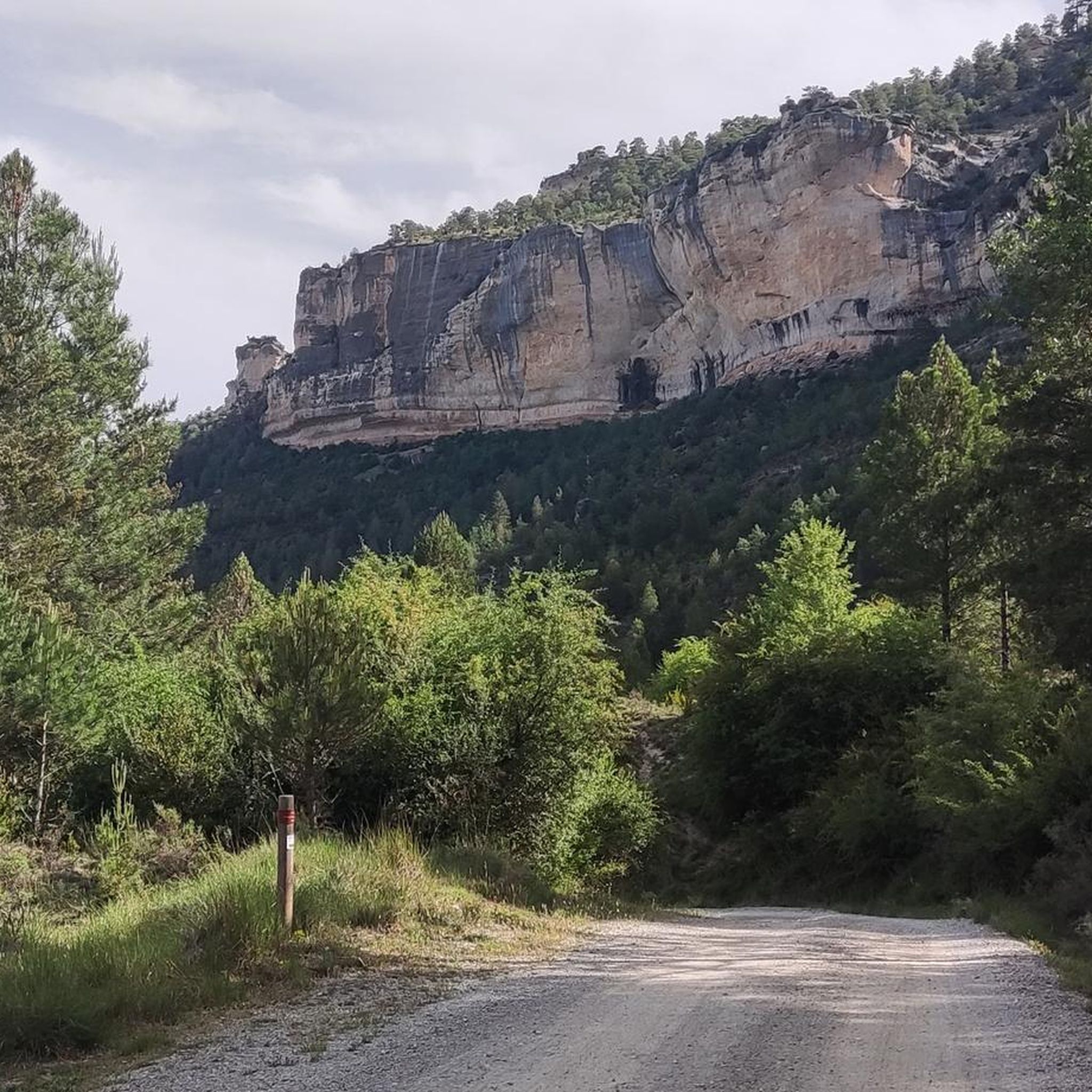
At the foot of the refuge is the Alcorón chasm in the Alto Tajo Natural Park.
Translated by Google •
Tip by

Sign up now to discover places like this
Get recommendations on the best single tracks, peaks, & plenty of other exciting outdoor places.
Sign up for free
Armentero Cave and Beteta Viewpoint
Highlight • Cave
Translated by Google •
Tip by
Roman Mine Cueva del Hierro
Highlight • Cave
Translated by Google •
Tip by

The Aguaspeña Travertine Formation
Highlight • Natural Monument
Translated by Google •
Tip by
Sign up for free to discover even more caves around Beteta.
Sign up for free
Already have an account?
Start today with a free account
Your next adventure awaits.
Login or Signup

Tips from the Community

The source of the Cuervo River is a dreamlike location in the Serranía de Cuenca, Spain. This Natural Monument houses a main waterfall with a height of over 20 meters, leaving those who behold it breathless. Here, the Cuervo River emerges from a travertine spring, flowing over moss-covered limestone rock, forming beautiful waterfalls called chorreras.
19
0
This is a tuffaceous rock (travertine) in the process of active formation, the result of constant contact between calcareous water and the surrounding rocks. Rainwater dissolves the limestone rocks predominating in the area. Upon emergence, carbon dioxide is released and calcium carbonate precipitates, forming layers of travertine. This process also creates grottos, cavities, and small caves.
2
0

Indescribable. It is necessary to wear a veil to enjoy so much beauty. Very well prepared place from the point of view of hospitality and tourism.
3
0
It is a tuff in formation with the dripping of the waters of the Gil de Torres River, (also called Genitoris). It has several waterfalls and there are also caves that can be visited. It has information signs and a boardwalk to visit the surroundings.
1
0
The Birth of the Cuervo River is a dream place in the Serranía de Cuenca, Spain. This Natural Monument houses a main waterfall with a height of more than 20 meters, leaving those who contemplate it breathless. Here, the Cuervo River springs from a spring of travertine origin, flowing over limestone rock covered with moss, forming beautiful waterfalls called chorreras.
26
0
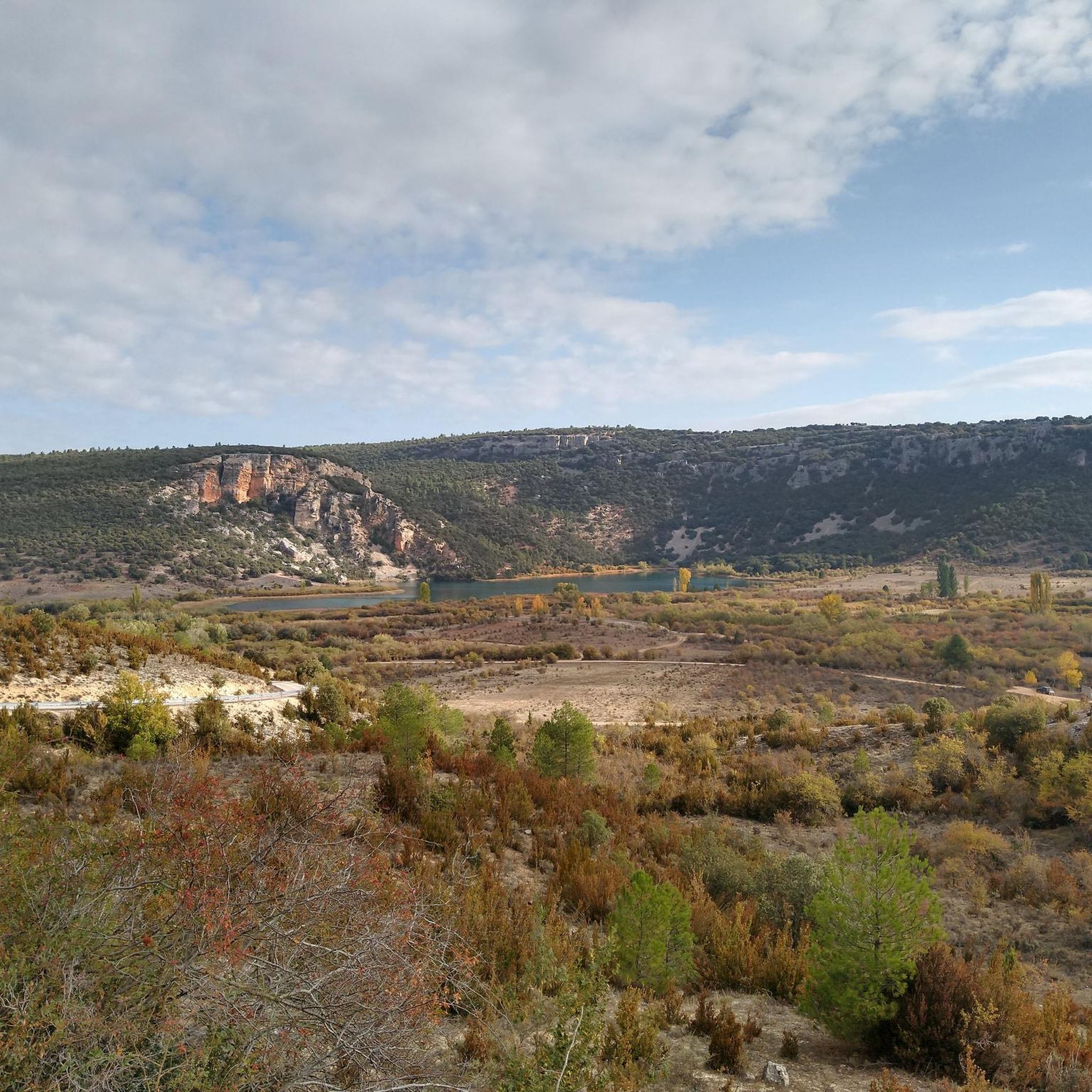
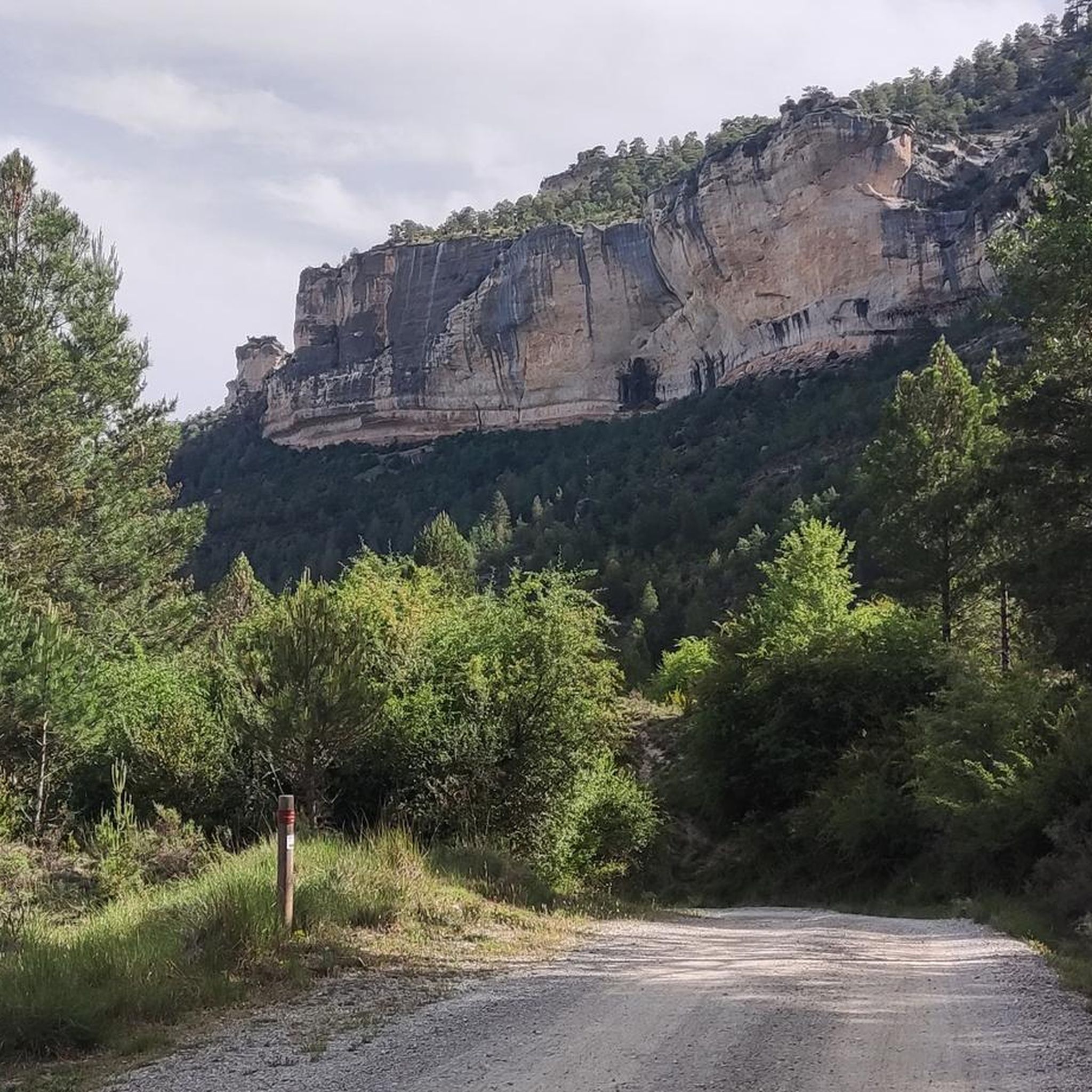
The cave of the Armentero. The steep drop is offset by the spectacular view from the Beteta viewpoint, the end point of the trail where one of the most beautiful anticlines of the Iberian system can be seen.
9
0

With more than 2,000 years of history, this impressive cave has been exploited since the 6th century BC for the extraction of iron ore, dating back to Roman times in the second Iron Age. Since the 1960s, it has ceased to be exploited to become a tourist site of great interest, with a museum and the possibility of guided speleological tours for those who love this activity. You can consult the official website for more information, schedules and rates: https://www.cuevadelhierro.com/
2
0
This wonderful place indicates the source of the Cuervo River. Surrounded by a very colorful landscape between forest and water courses, the Cuervo River emanates from the caves and underground galleries of karstic origin that have been created over centuries of erosion.
9
0
Frequently Asked Questions
What types of caves can I explore around Beteta?
The Beteta region offers a diverse range of subterranean experiences. You can find natural karst formations like the Sima de Alcorón Cave, historical sites such as the Roman Mine Cueva del Hierro, and impressive natural monuments like the Source of the Cuervo River, which features a main waterfall over 20 meters high. The area also includes chasms and unique geological formations like the Aguaspeña Travertine Formation.
Are there any family-friendly caves or natural formations to visit?
Yes, several spots are suitable for families. The Source of the Cuervo River is a natural monument with beautiful waterfalls and is categorized as family-friendly. The Aguaspeña Travertine Formation, with its waterfalls and small caves, also offers an accessible experience with information signs and a boardwalk. The Cueva de la Ramera, while not suitable for strollers, offers a low-difficulty guided tour.
What is the difficulty level for exploring caves in Beteta?
Difficulty levels vary. The Cueva de la Ramera offers a low-difficulty, accessible guided tour. The Sima de Alcorón Cave is also considered accessible. However, the Armentero Cave and Beteta Viewpoint involves a steep drop and is rated as medium-high difficulty, though the views are rewarding. The Roman Mine Cueva del Hierro is categorized as intermediate.
How long does a typical visit to a cave in Beteta take?
For the Cueva de la Ramera, a guided tour including a 1.5 km walk to the entrance and a 400-meter internal route lasts approximately 1 hour and 30 minutes in total. Other sites, like the Source of the Cuervo River, can be explored at your own pace, often taking an hour or two depending on how much you wish to linger.
Are there any historical or cultural caves in the region?
Yes, the Roman Mine Cueva del Hierro is a significant historical site. It has been exploited for iron ore extraction since the 6th century BC, with activity dating back to Roman times. It now functions as a tourist site with a museum and offers guided speleological tours. The Cueva de la Ramera also holds historical importance, with evidence of occupation since Neolithic times.
What unique geological features can I observe in Beteta's caves?
The region is rich in karstic formations. The Cueva de la Ramera is known for its impressive stalactites, stalagmites, large gours, columns, and unique layered formations. The Source of the Cuervo River features travertine springs and moss-covered limestone rock forming 'chorreras.' The Aguaspeña Travertine Formation is an active tuffaceous rock formation with dripping waters creating grottos and small caves. You can also see one of the most beautiful anticlines of the Iberian system near the Beteta Viewpoint.
What outdoor activities can I do near the caves around Beteta?
The area surrounding Beteta's caves is excellent for various outdoor activities. You can find numerous running trails, including the challenging "Sendero del Cucurucho y la Hocecilla" or the moderate "Cascada Campana del Tío Mil Hombres." For cycling enthusiasts, there are extensive routes like the "Cañamares, Poyatos y Santa María del Val" loop. Gravel biking is also popular, with long routes such as the "Trail along the Tajo River." You can find more details on these activities in the Running Trails around Beteta, Gravel biking around Beteta, and Cycling around Beteta guides.
What should I wear or bring when visiting the caves?
Inside the caves, temperatures are consistently cool, making them an ideal retreat during warmer months. It is recommended to wear appropriate footwear for walking on uneven terrain. For some accessible caves like Sima de Alcorón Cave, a flashlight is recommended. If you plan to visit the Cueva de la Ramera, be aware that it's a guided experience and comfortable walking shoes are essential for the approach walk.
Is there wildlife to see in or around the caves?
The Cueva de la Ramera is a significant bat refuge and hosts a distinct ecosystem with various invertebrates and microorganisms adapted to constant darkness and humidity. The natural areas surrounding the caves, such as the Hoz de Beteta and Sumidero de Matasnos, are part of the Serranía de Cuenca, which is known for its diverse flora and fauna, including ancient trees like Tilos that are nearly 900 years old.
Do I need a permit or guided tour for cave exploration?
Access to the Cueva de la Ramera is exclusively through guided tours to ensure the preservation of its delicate formations and its role as a bat refuge. For the Roman Mine Cueva del Hierro, guided speleological tours are available for those interested in that activity. It's always advisable to check official websites or local information centers for specific requirements for each cave you plan to visit.
What do visitors enjoy most about the caves around Beteta?
Visitors frequently praise the spectacular natural beauty and unique geological formations. The Source of the Cuervo River is described as a 'dream place' with breathtaking waterfalls. The views from the Beteta Viewpoint, overlooking the Armentero Cave, are considered spectacular and well worth the challenging ascent. The historical significance of sites like the Roman Mine Cueva del Hierro also draws considerable interest.
Most popular attractions around Beteta

Get inspired with the komoot mobile app


Explore more
Extend your search for the best caves by checking out these guides of the top ones around Beteta:
