Top 13 Castles around la Vall de Gallinera
Best castles around la Vall de Gallinera are situated in a picturesque valley within the Marina Alta region of Alicante, Spain. This area is characterized by its historical fortifications, many of which are of Muslim origin and played significant roles in regional history. The castles are often perched on strategic rocky ridges, offering control over valley passages and panoramic views of the surrounding mountains and landscape. The terrain provides a setting for exploring historical sites and natural features.
Best castles…
Last updated: July 4, 2026
Castell de Benissili
Highlight • Castle
Translated by Google •
Tip by

Castle of Aielo de Rugat
Highlight • Castle
Unfortunately, it was destroyed during the War …
Translated by Google •
Tip by

Sign up now to discover places like this
Get recommendations on the best single tracks, peaks, & plenty of other exciting outdoor places.
Sign up for free
Views of Perputxent Castle
Highlight • Viewpoint
Translated by Google •
Tip by
Castillo de Santa Anna
Highlight • Castle
Translated by Google •
Tip by

Castillo de Palma
Highlight • Castle
Tip by

Sign up for free to discover even more castles around la Vall de Gallinera.
Sign up for free
Already have an account?
Start today with a free account
Your next adventure awaits.
Login or Signup
Popular around la Vall de Gallinera


Tips from the Community

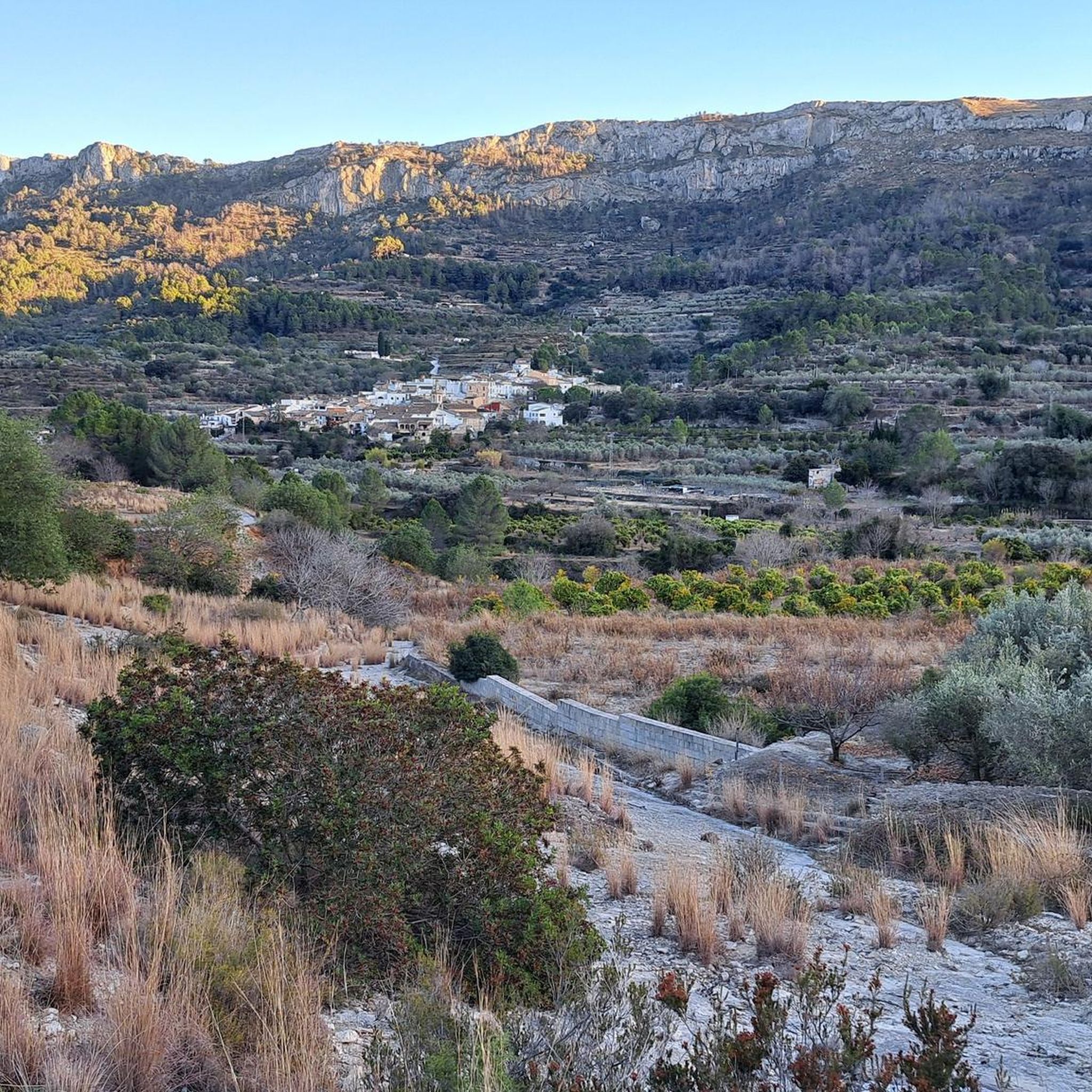
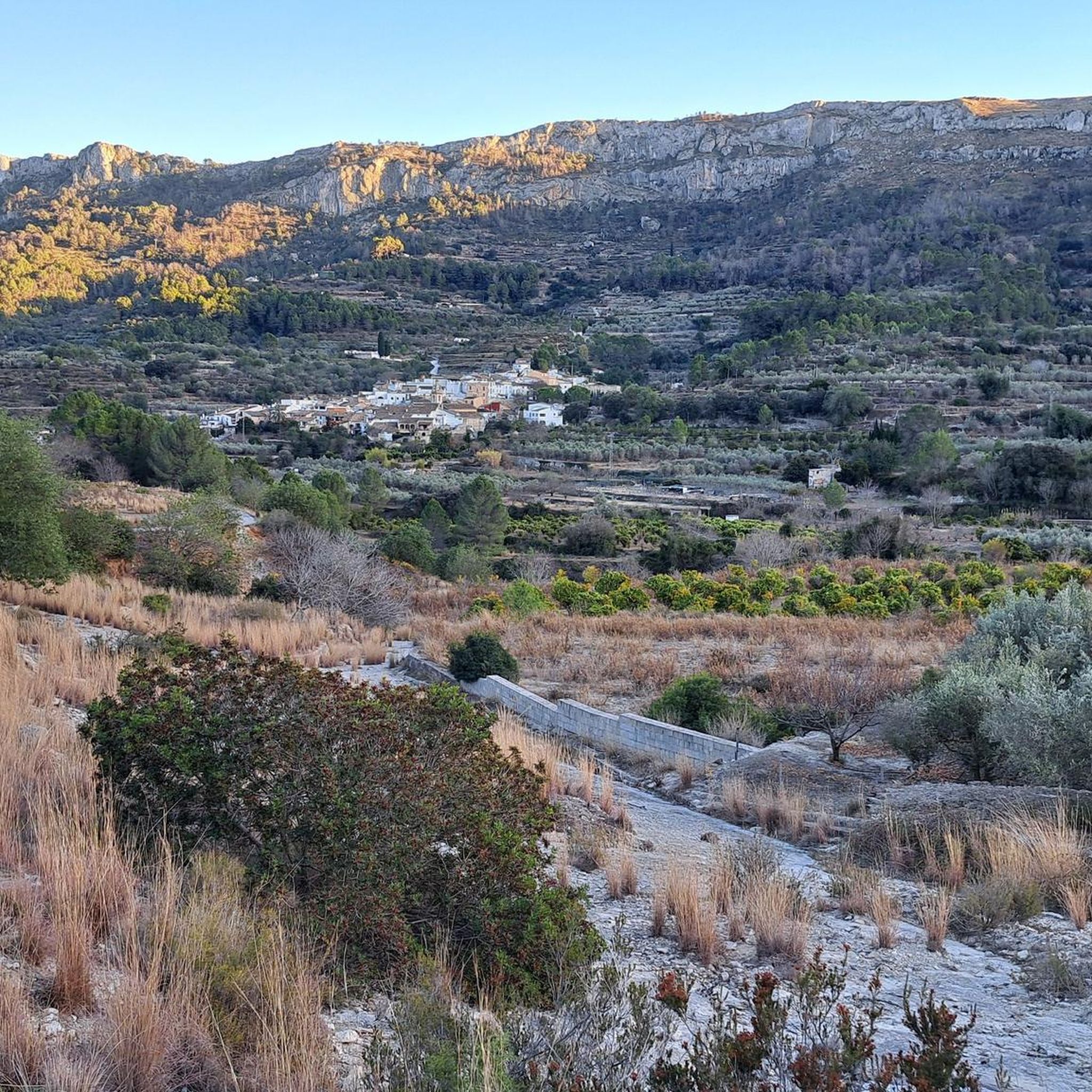
Viewpoint from where you can see the Castell de L'Orxa, a fortress of Muslim origin dating from the end of the 12th century. Before, a path climbed to the 380 meters of its summit in half a kilometer. Now, visiting the also known Castell de L'Orxa is prohibited. There is a risk of detachments and falls.
0
0

Located in a location with beautiful views, the castle is currently being rehabilitated and cannot be visited.
1
1
This back "terrace" of the castle is a good place to rest, eat and drink.
1
0
The castle of Benissili is historically known as the castle of Alcalà, and this is how it appears in the documents of the time, but it is better known by the name of the castle of Benissili, since this town is the one that is closest to the fortress . The historical function of the castle was to guard and defend the entrance to the Gallinera valley from the interior. This castle follows the normal guidelines of the Muslim castle, with albacar (large courtyard) and celoquia (citadel), but it stands out for its great extension, structural complexity and natural defenses.
2
0

This was the as far as I could get into the Castell as all other points had scaffolding and locked
1
0

It's a bit of a climb to get up the mountain to the remains of the castle, but you'll be rewarded with wonderful views!
1
0

beautiful, scenically varied tour
0
0

An Islamic fortress from the 12th century that served to reinforce the surveillance of the coasts against attacks by Barbary pirates. Although only a couple of walls remain standing, you can see the original plan of the construction and the towers. In 2002 it was declared an Asset of Cultural Interest.
8
0
Frequently Asked Questions
What are the most historically significant castles in La Vall de Gallinera?
La Vall de Gallinera is rich in history, particularly with its Muslim-era fortifications. The Castell de Benissili (also known as Castell d'Alcalà) is a key site, serving as a refuge for the mythical Muslim leader Al-Azraq and being the last stronghold to surrender to King James I. Another significant ruin is the Castillo de Benirrama (Castell de Gallinera), built between the 11th and 13th centuries, which also played a crucial defensive role and was associated with Al-Azraq.
Which castles offer the best panoramic views of the valley?
Many castles in La Vall de Gallinera are strategically located for impressive views. The Castell de Benissili, perched on Penya Grossa, provides expansive panoramic views of the valley and even the sea in the distance. Similarly, the Castillo de Benirrama offers breathtaking views of the surrounding natural landscapes from its elevated position. The Castillo de Santa Anna also boasts legendary views, rewarding those who make the climb.
Are there family-friendly castles to visit in La Vall de Gallinera?
While many castles involve a hike to reach, some are more accessible or offer features suitable for families. The Castillo de Palma, though reached by a steep path, is noted as being 'perfectly doable with children +7/8 years old' by visitors, offering beautiful, scenically varied tours and views from the top.
What kind of architecture can I expect to see at these castle ruins?
The castles in La Vall de Gallinera predominantly showcase Islamic military architecture, often adapted to the natural terrain. You can expect to see remains of large walls, battlements, and towers. For example, the Castillo de Benirrama features an old keep and an original water cistern. The Castell de Benissili, though in ruins, reveals the layout of a typical Islamic fortified *hisn*, including a complex *celoquia* (keep) and an extensive walled enclosure (*albacar*).
What outdoor activities can I combine with a castle visit in La Vall de Gallinera?
The valley's rugged landscape makes it ideal for outdoor enthusiasts. You can combine castle visits with various cycling routes, including road cycling, gravel biking, and touring. For instance, there are numerous road cycling routes like the 'La Vall de la Gallinera — Circular from Pego to the top of Miserat'. If you prefer off-road adventures, explore gravel biking trails such as the 'Serpis River – Azud del Infierno or del Forn loop'. The ruins themselves, like Castillo de Benirrama, are popular hiking destinations.
Are there any castles with well-preserved features despite being ruins?
Yes, even in their ruined state, some castles retain notable features. At the Castle of Aielo de Rugat, you can still distinguish arrow slits in some of its walls and find a well-preserved cistern within the ruins. The Castillo de Benirrama also has an original water cistern and discernible remnants of various living quarters.
Which castles are associated with the historical figure Al-Azraq?
The region's history is closely tied to Al-Azraq, a mythical Muslim leader. Both the Castillo de Benirrama (Castell de Gallinera) and the Castell de Benissili served as refuges or strongholds for him. The Views of Perputxent Castle was also a strategic point in his resistance and revolts.
What is the best time of year to visit the castles in La Vall de Gallinera?
The region enjoys a Mediterranean climate. Spring (April-May) and autumn (September-October) are generally the most pleasant times to visit, offering mild temperatures ideal for hiking and exploring the outdoor ruins. Summers can be very hot, and while winters are mild, some paths might be slippery after rain.
Can I find any castles that once served as coastal defenses?
Yes, the Castillo de Santa Anna, an Islamic fortress from the 12th century, specifically served to reinforce the surveillance of the coasts against attacks by Barbary pirates. Although only a couple of walls remain, its historical function as a coastal watchtower is significant.
What do visitors enjoy most about the castles in La Vall de Gallinera?
Visitors frequently highlight the spectacular and panoramic views from the castle ruins, such as those from Castell de Benissili and Castillo de Santa Anna. The historical immersion, allowing an imaginative journey back to the medieval Islamic period, is also a major draw. Many appreciate the opportunity to combine history with hiking, enjoying the natural beauty of the valley.
Are there any castles that are particularly challenging to reach?
Some castles, due to their strategic locations on rocky crags, require a decent level of fitness to reach. The Castillo de Benirrama, for instance, is a popular hiking destination, and its elevated position implies a climb. Similarly, the Castillo de Santa Anna is described as 'a bit of a climb to get up the mountain to the remains of the castle'.
Most popular routes around la Vall de Gallinera
Most popular attractions around la Vall de Gallinera

Get inspired with the komoot mobile app


Explore more
Looking for the best castles somewhere else? Discover other guides around la Vall de Gallinera:
