Top 14 Caves around Santa Lucía De Tirajana
Best caves around Santa Lucía De Tirajana are primarily known for their archaeological and historical significance, located within a region characterized by dramatic volcanic massifs and lush valleys. This area in Gran Canaria offers insights into the ancient societies of the indigenous Guanches, with many caves serving as dwellings, storage, and sacred sites. The landscape provides a unique blend of natural beauty and cultural heritage, making it a notable destination for exploring historical cave systems.
Best caves around Santa Lucía…
Last updated: August 28, 2026
Fortaleza Grande Cave
Highlight • Cave
Translated by Google •
Tip by

Caves of Morros de Ávila
Highlight • Cave
Tip by

Sign up now to discover places like this
Get recommendations on the best single tracks, peaks, & plenty of other exciting outdoor places.
Sign up for free
Cave on the Hiking Trail
Highlight (Segment) • Cave
Translated by Google •
Tip by

Cave of the Audiencia
Highlight • Cave
Translated by Google •
Tip by

Ascent to the plateau above Cueva Bermeja
Highlight (Segment) • Trail
Translated by Google •
Tip by

Sign up for free to discover even more caves around Santa Lucía De Tirajana.
Sign up for free
Already have an account?
Start today with a free account
Your next adventure awaits.
Login or Signup
Popular around Santa Lucía De Tirajana
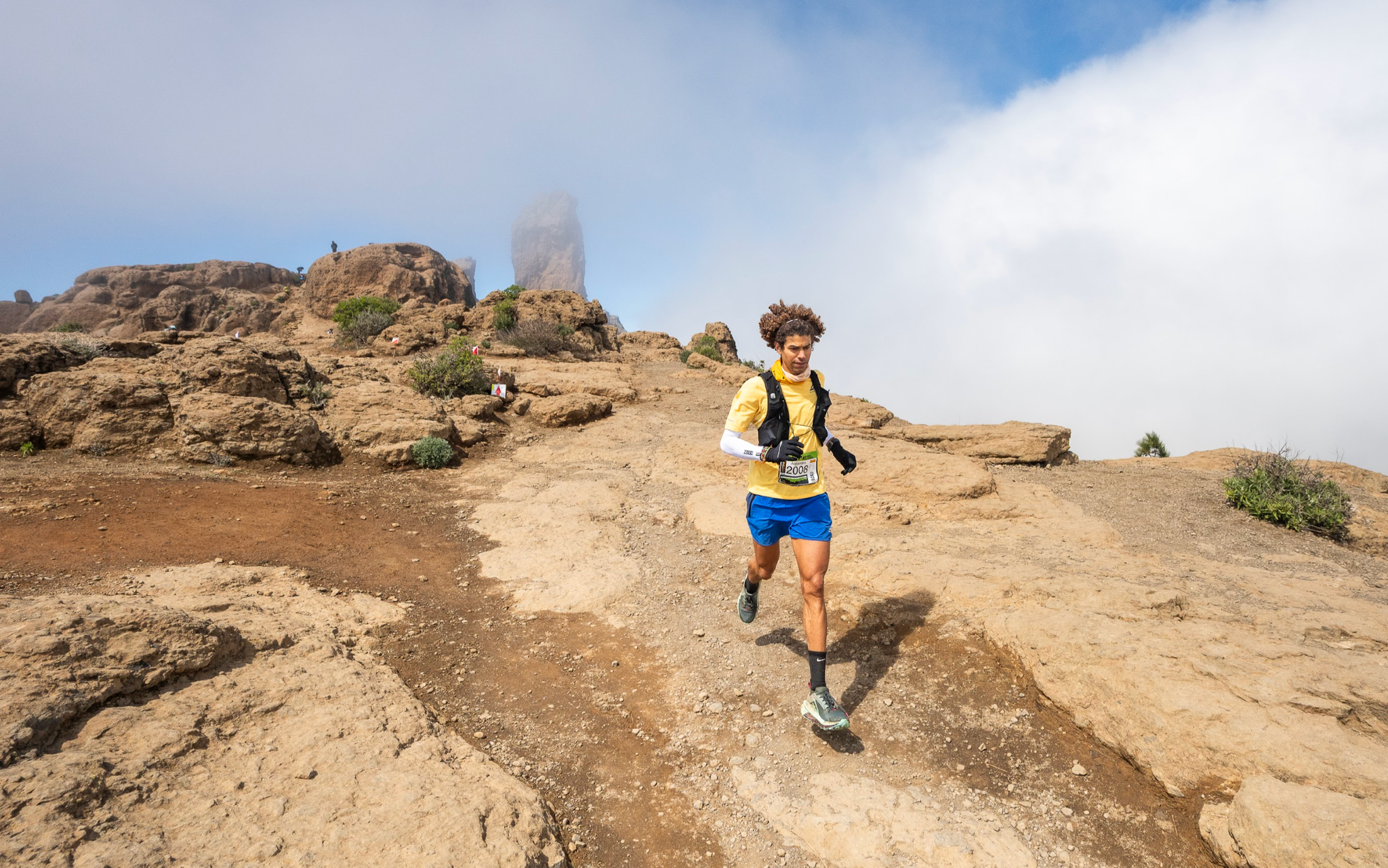
Trail on the Canary Islands – discover the legendary races!
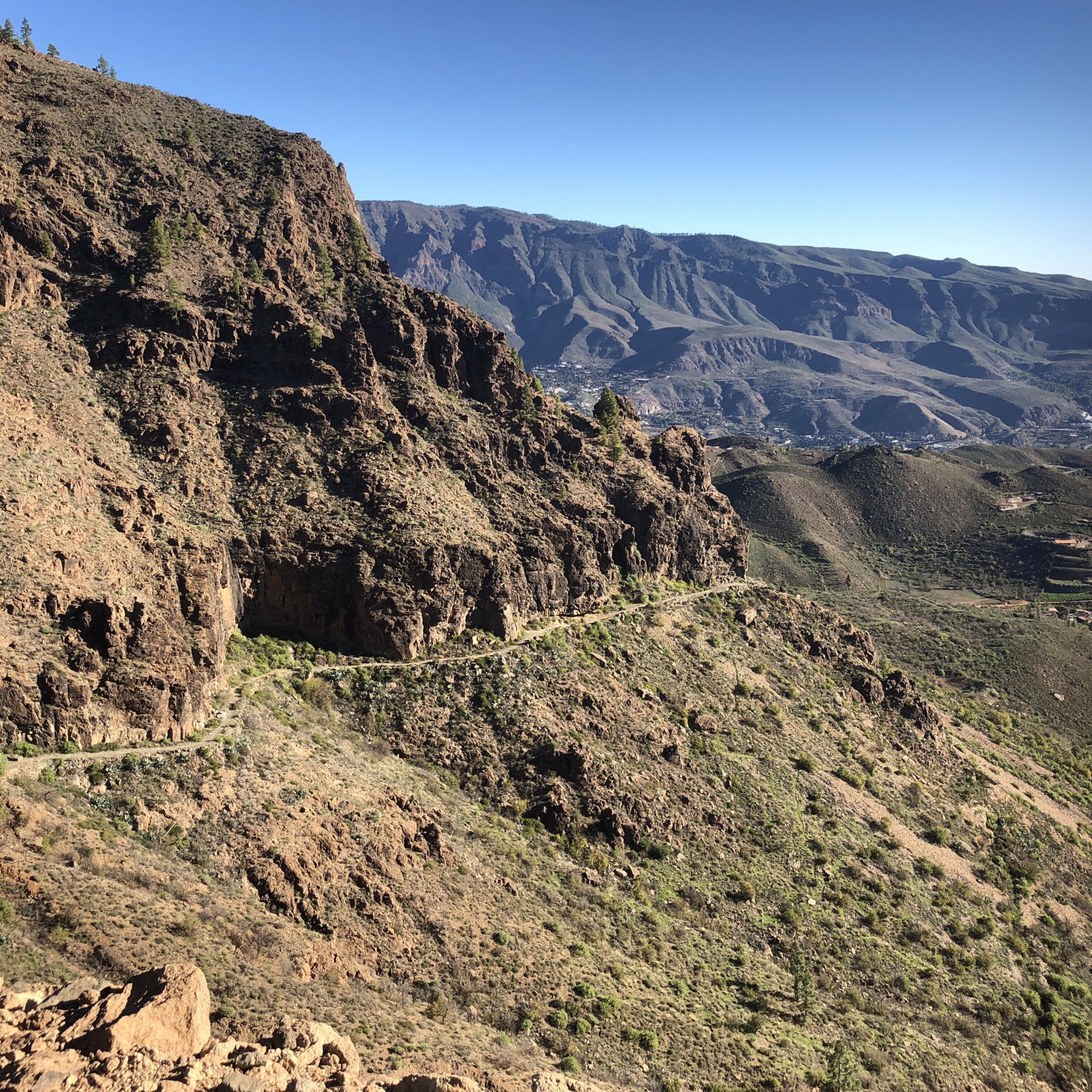
Hiking around Santa Lucía De Tirajana
Road Cycling Routes around Santa Lucía De Tirajana
MTB Trails around Santa Lucía De Tirajana
Cycling around Santa Lucía De Tirajana
Running Trails around Santa Lucía De Tirajana

Mountain Hikes around Santa Lucía De Tirajana

Gravel biking around Santa Lucía De Tirajana
Other adventures around Santa Lucía De Tirajana

Tips from the Community

With sturdy footwear and a little fitness, the ascent can be managed without any problems.
1
0

This cave is located in the archaeological area of los Morros de Ávila and is definitely worth a visit. It was inhabited by the guanches, the original inhabitants of the island. It is one of the largest I have seen here, consisting of two spacious rooms, the first of which still has rock paintings in the form of red triangles. In front of the rock is a fenced area, although the stone wall was built later by shepherds. The area has been marred by graffiti, but komoot hikers will undoubtedly show more respect.
2
0

Above the main entrance to the caves, which was opened to facilitate entry in the period after the Canary Island aborigines and to be able to use the caves as a shelter for livestock. If we climb above this entrance, we will find one of the original entrances to the cave. Perhaps it was used to store grain or take it out from this more protected access. You can also see it from inside the cave, if you go to the left side and look at the ceiling of one of them.
0
0

Really impressive! Great location and photo spot. You can walk through the cave, on the left a narrow path leads back, so it's basically a circular route 😉👍
4
0

Beautiful view on the Höhenstrassw from Agümes to Santa Lucia
0
1
Imposing group of rocks. The approx. 20 mtr. The long cave can be reached via stairs, the climb up there is definitely worth it - WOW effect! Magnificent view! If you go through the cave, you can turn left on the other side, there is a fairly wide path that leads back to the starting point - past more caves...
5
1

Large living cave in the Fortaleza Grande, which can be comfortably walked through upright.
4
0

The navigation with GPS only worked very moderately for us. Sometimes a good old hiking map does the best here in the middle of nowhere.
0
0
Frequently Asked Questions
What types of caves can I explore in Santa Lucía de Tirajana?
The caves in Santa Lucía de Tirajana are primarily known for their archaeological and historical significance. You'll find dwelling caves, storage caves, and natural passage caves that offer insights into the indigenous Guanche culture. These range from fortified settlements to ancient granaries.
Which are some of the most significant caves to visit in the area?
Two highly significant sites are Fortaleza Grande Cave and Cave of the Audiencia. Fortaleza Grande is a pre-Hispanic stronghold where you can walk through a natural passage. The Cave of the Audiencia is an ancient granary complex showcasing the ingenuity of the aboriginal people.
What is the historical importance of La Fortaleza?
La Fortaleza is a crucial archaeological site and a symbol of aboriginal resistance. It comprises natural and man-made caves used for living, storage, and burial. It's considered the finest example of a fortified settlement and is believed to be the location of the final episodes of the conquest of Gran Canaria in 1483. An interpretation center provides further insights into its history.
What can I expect to see at Cueva de la Audiencia?
The Cave of the Audiencia is an exceptional archaeological site featuring interconnected granary caves carved into volcanic tuff. You'll see evidence of the sophisticated agricultural and storage practices of the ancient Canarians, including a main cave with a central column and other chambers with multiple granaries. Its elevated position also offers panoramic views.
Are there any family-friendly cave experiences in Santa Lucía de Tirajana?
While many caves are historical sites, the general exploration of sites like Fortaleza Grande Cave can be engaging for families interested in history and nature. For a unique experience, consider the Restaurante Tagoror – Cave restaurant in Barranco de Guayadeque, which offers dining within a cave, often appealing to all ages.
What is the best time of year to visit the caves?
Gran Canaria generally enjoys a mild climate year-round. However, visiting during the cooler months from autumn to spring (October to May) is often more comfortable for exploring outdoor archaeological sites and hiking to cave entrances, avoiding the peak heat of summer.
Do I need any special permits to visit the caves?
Generally, you do not need special permits for casual visits to the main archaeological cave sites like La Fortaleza or Cueva de la Audiencia. However, it's always advisable to check with local tourist information centers for any specific access requirements or guided tour options, especially for less accessible or protected areas.
What should I wear when exploring the caves?
Comfortable walking shoes with good grip are essential, as paths to and around the caves can be uneven or rocky. Light layers of clothing are recommended, as temperatures inside caves can be cooler than outside, and the weather can change. Don't forget sun protection like a hat and sunscreen for outdoor sections.
Are there hiking trails near the caves?
Yes, the caves are often situated within scenic landscapes that offer excellent hiking opportunities. For example, the Cave on the Hiking Trail is found along an intermediate route that includes a boulder field. You can find various running trails around Santa Lucía De Tirajana, including routes like 'El Alpendre Andean Restaurant loop from Santa Lucía de Tirajana', which can be found in the Running Trails around Santa Lucía De Tirajana guide.
Can I find places to eat near the cave sites?
While some cave sites are in more remote areas, you can find dining options in nearby villages or along main routes. For a unique experience, consider the Restaurante Tagoror – Cave restaurant in Barranco de Guayadeque, which offers traditional Canarian food within a cave setting. The municipality of Santa Lucía de Tirajana also has various cafes and restaurants.
What other outdoor activities can I do in Santa Lucía de Tirajana?
Beyond cave exploration, Santa Lucía de Tirajana offers diverse outdoor activities. The region is popular for road cycling, with routes like 'El Guriete, Santa Lucia, Temisas – tour around the island of Gran Canaria' available in the Road Cycling Routes around Santa Lucía De Tirajana guide. Running trails are also abundant, such as the 'Coastal View at Twilight – Sea View loop from Vecindario' found in the Running Trails around Santa Lucía De Tirajana guide.
Are there any less-known or 'hidden' caves to explore?
While the main sites are well-documented, the Caves of Morros de Ávila offer a glimpse into aboriginal life with two man-made caves, one featuring faded wall paintings. These are located in an archaeological area and provide a more intimate exploration experience away from the most frequented spots.
Most popular routes around Santa Lucía De Tirajana
Most popular attractions around Santa Lucía De Tirajana

Get inspired with the komoot mobile app


Explore more
Extend your search for the best caves by checking out these guides of the top ones around Santa Lucía De Tirajana:
