Top 5 Castles around Alcalalí
Castles around Alcalalí offer insights into the region's rich history and strategic importance. Situated in the Pop Valley, Alcalalí features remnants of ancient fortifications and defensive structures. These sites provide panoramic views of the surrounding mountains and valleys. The area's historical significance is evident in its medieval towers and castle ruins, reflecting centuries of diverse cultural influences.
Best castles around Alcalalí
- The most popular castles is Castell d'Aixa Ruins and Viewpoint, a castle that offers very beautiful views in…
Last updated: August 14, 2026
Castellet d'Orba Castle Ruins
Highlight • Castle
Translated by Google •
Tip by

Església - Fortalesa Castell de Pop
Highlight • Religious Site
Translated by Google •
Tip by

Sign up now to discover places like this
Get recommendations on the best single tracks, peaks, & plenty of other exciting outdoor places.
Sign up for free
Church-Fortress of Saint Michael the Archangel (Murla)
Highlight • Religious Site
This used to be an old castle during the Islamic rule. During the last Muslim period it was owned by Al-Azraq.
Translated by Google •
Tip by

Castell d'Aixa Ruins and Viewpoint
Highlight • Castle
Translated by Google •
Tip by

Ambra Castle
Highlight • Castle
Pego was founded as a Christian settlement on a hill in the widely scattered Uxola settlement, which was under the …
Translated by Google •
Tip by
Sign up for free to discover even more castles around Alcalalí.
Sign up for free
Already have an account?
Start today with a free account
Your next adventure awaits.
Login or Signup
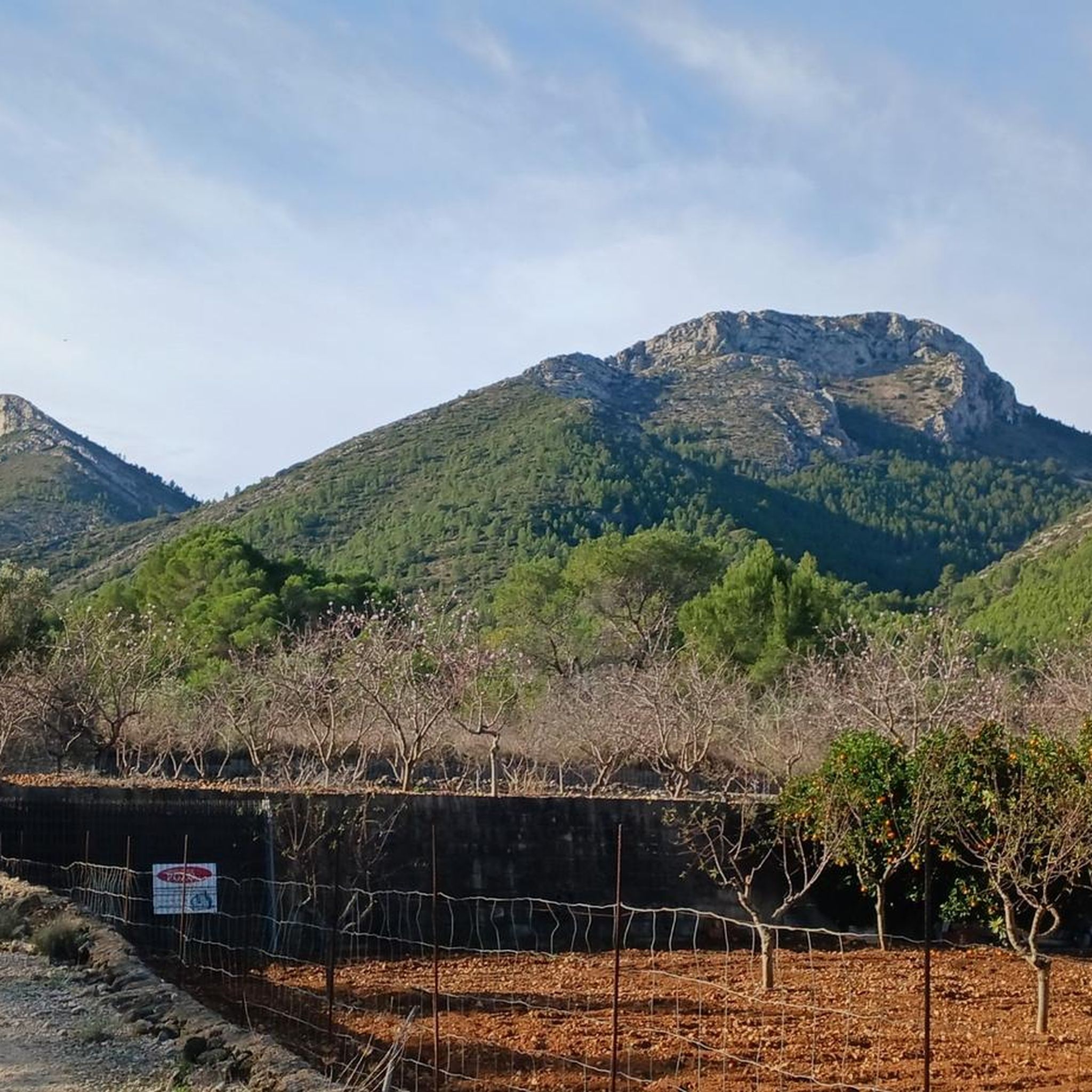

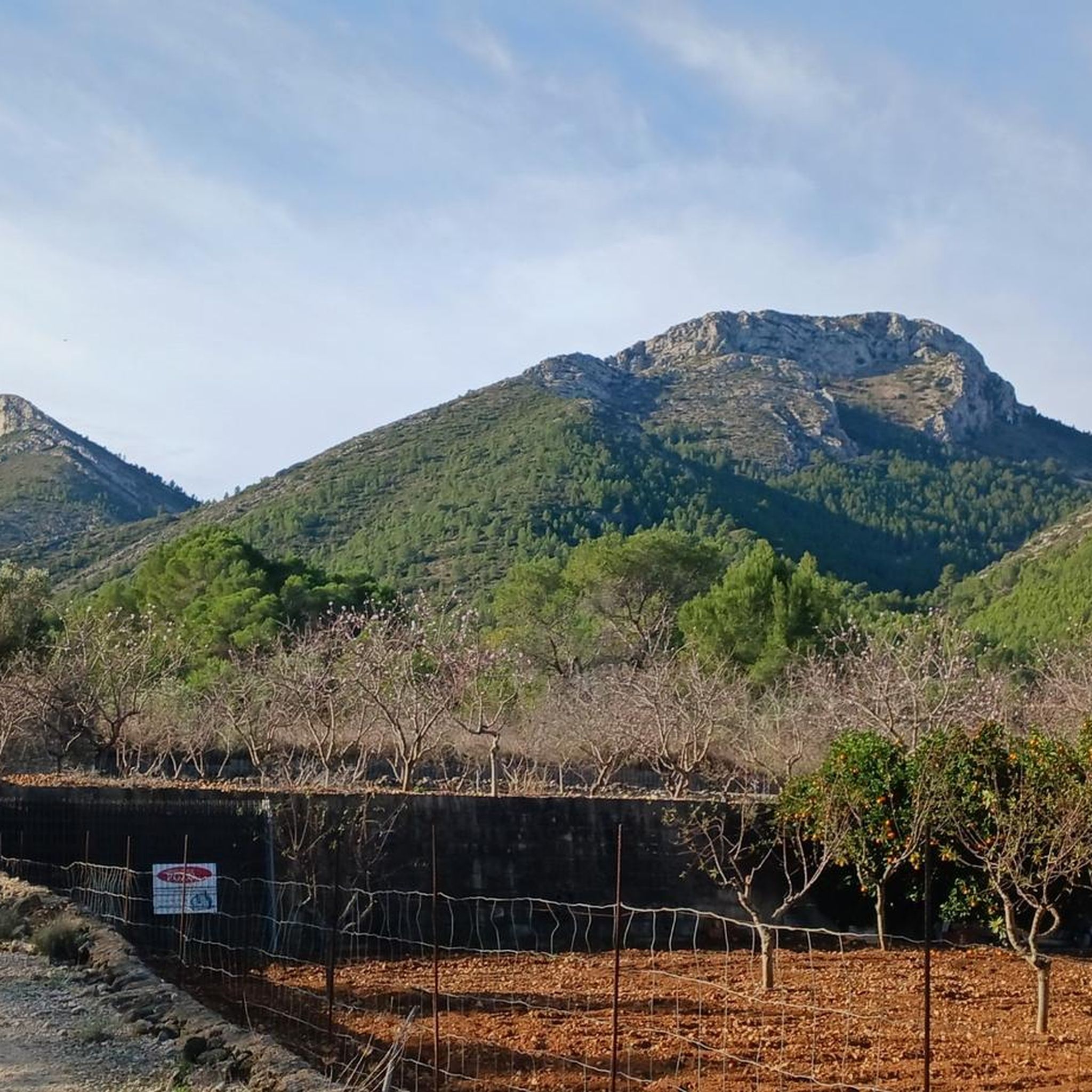
Other adventures around Alcalalí

Tips from the Community

Església - Fortalesa Castell de Pop (Iglesia de San Miguel Arcángel), the parish church and castle of San Miguel Arcángel. The town of Murla developed around this fortified church over time, with the origins of the castle itself dating back to the early centuries of Muslim rule. The strategic location of the castle and parish church of San Miguel Arcángel allowed control of the passage between L'Alcoià and La Marina Alta, as well as protection for the population from frequent pirate attacks. In the 16th century, the castle building in Murla was remodeled to house the parish church, which consists of a nave divided into three sections and cross-ribbed vaults. It still boasts two imposing towers, and its simple exterior contrasts with the religious architecture of the interior, where Gothic ornamentation can be admired. The fortified church gained importance in the 16th century due to the attacks by Barbarossa's pirates. At the foot of the tower is the laundry room, which is still in use today...
2
0

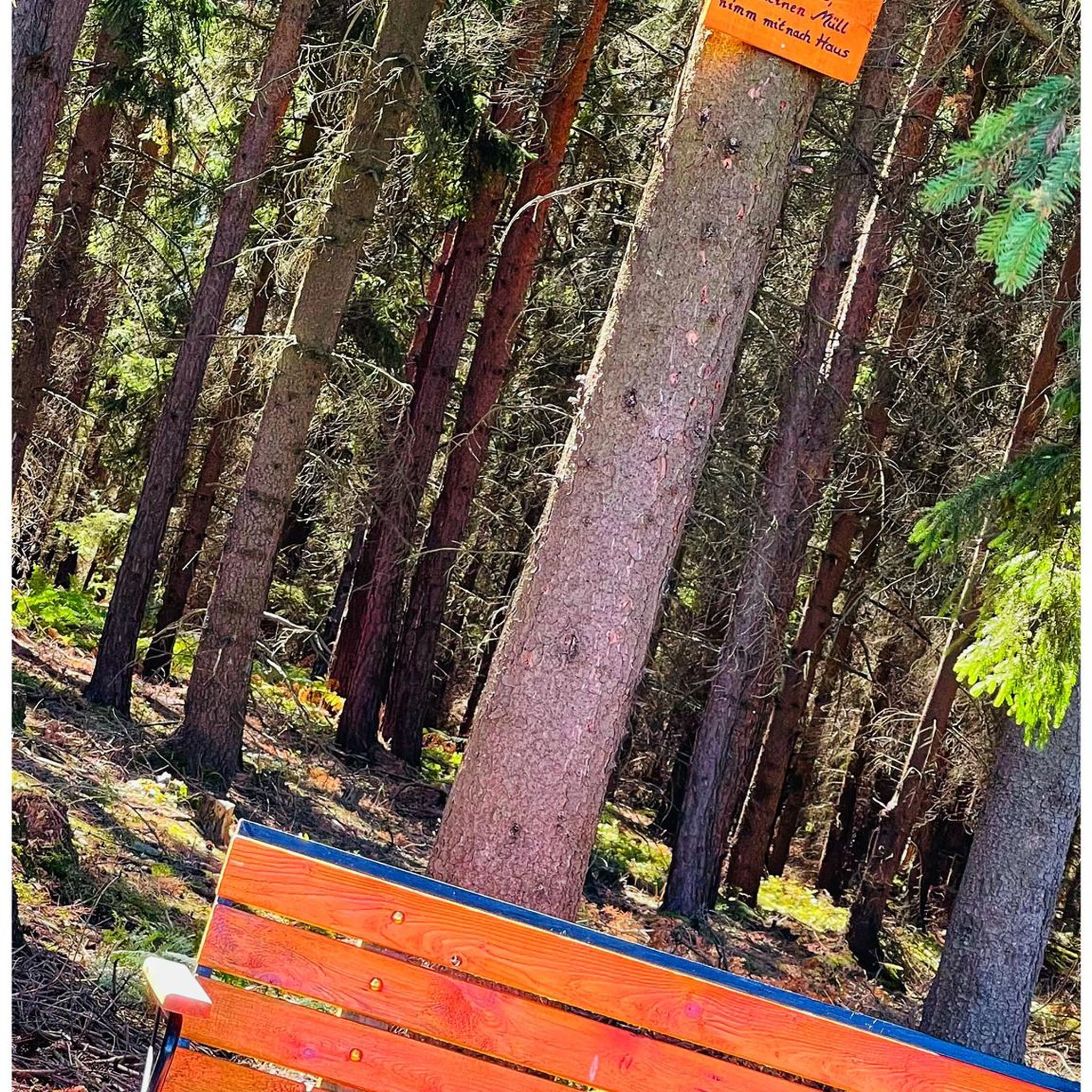
A perfect place to have a rest on a hot day. There are a few benches in the shade under the trees. And there is a tap to refill your bidon.
0
0
The Ambra Castle (Spanish: Castillo de Ambra, Catalan: Castell d'Ambra) Pego was founded as a Christian settlement on a hill in the widely scattered Uxola settlement, which was under the power and care of the Ambra Castle. This castle, located about two kilometers as the crow flies southwest of the current town center on the rocky ridge of the Montaña de Abra in the Sierra de Migdia, dominated the access to the Ebo Valley (La Vall d'Ebo) and controlled the area as far as the marshes of Pego-Oliva. The Muslims native to this area probably took building materials from this castle to build the city walls and towers. The Ambra Castle is of Arab origin, and construction began in the second half of the 12th century. After the uprisings of al-Azraq at the end of the 13th century, 20 houses were built within the castle walls. They served as accommodation until the construction of the village of Pego began in 1280.
2
0

The fortress church of Murla is the most striking monument in the municipality. This used to be an old castle during the Islamic rule. During the last Muslim period it was owned by Al-Azraq. At the foot of the tower is the washroom, which is still used today.
2
0

"Castle" is not much, but the view makes up for it! Beautiful view of Lliber and a mountain ridge. Do it!
0
1

In Jalon drive up the blue bridge to the end of the street, there is a small parking lot. From there a short steep climb, approx. 1.5 hours. A wonderful panoramic view from the ruins that fully rewards the effort. The tour requires sure-footedness.
1
2

In this area are the ruins of the stone castle of Castellet d'Orba (also known as Murla Castle), which once dominated the region from an elevated position.
1
0

At the top of the route, there are a few remains of the castle.
0
1
Frequently Asked Questions
What are the main historical castles and defensive structures in and around Alcalalí?
Alcalalí is home to the Medieval Tower of Alcalalí, a 14th-century defensive tower of Islamic origin. This tower offers a glimpse into the town's past, featuring a helical staircase connecting its five floors, which once served various purposes from prison to lookout. The tower now houses a small museum and provides panoramic views of the Pop Valley. Beyond Alcalalí, you can explore the ruins of Castellet d'Orba Castle Ruins and Castell d'Aixa Ruins and Viewpoint, both offering significant historical insights and impressive vistas.
Which castles offer the best panoramic views in the Alcalalí area?
For breathtaking panoramic views, the Medieval Tower of Alcalalí features a modern steel and glass viewpoint at its top, overlooking the entire Pop Valley. Additionally, Castell d'Aixa Ruins and Viewpoint, situated at about 600 meters above sea level, provides exceptional 360-degree views. Visitors also appreciate the coastal and hinterland views from Castellet d'Orba Castle Ruins.
Are there any fortified churches or religious buildings with castle origins near Alcalalí?
Yes, the region features several fortified religious structures. The Church-Fortress of Saint Michael the Archangel (Murla) is a striking monument that was formerly an old castle during Islamic rule. Similarly, the Església - Fortalesa Castell de Pop in Murla, also known as the parish church and castle of San Miguel Arcángel, has origins dating back to early Muslim rule and was strategically important for controlling passages and protecting against pirate attacks.
What kind of historical insights can I gain from visiting the Medieval Tower of Alcalalí?
The Medieval Tower of Alcalalí provides a deep dive into the town's past. Originally built in the 14th century, it served as a defensive structure against pirates and bandits. Its five floors had distinct functions, from a prison on the ground floor to a lookout platform at the top. You can observe graffiti and engravings from the 16th to 18th centuries on its second and third floors, offering unique insights into ancient Alcalalí customs. Today, it also houses a small museum collection.
Are there hiking opportunities to reach castles or viewpoints in the Alcalalí area?
Yes, several castles and viewpoints are accessible via hiking. For instance, reaching Castell d'Aixa Ruins and Viewpoint involves a short but steep climb of approximately 1.5 hours, requiring sure-footedness. For more general hiking around the area, you can explore various routes in the Hiking around Alcalalí guide, which includes trails like the 'Almond Blossom in Vall de Pop' loop.
What outdoor activities can I combine with a visit to the castles near Alcalalí?
The region around Alcalalí offers diverse outdoor activities. You can find numerous hiking trails, including moderate routes like the 'Almond Blossom in Vall de Pop' loop. For mountain biking enthusiasts, the MTB Trails around Alcalalí guide features routes such as 'Views of the Serra de Bèrnia'. If you prefer more challenging ascents, the Mountain Hikes around Alcalalí guide offers options like the 'Hole of the Serra de Bèrnia' loop.
What should I know before visiting Castellet d'Orba Castle Ruins?
The Castellet d'Orba Castle Ruins offer rewarding coastal and hinterland views. While the approach from Orba is scenic, the path to the ruins can be exhausting. It is recommended to be firm-footed and wear good footwear. The site is particularly beautiful at dawn.
Are there any castles of Arab origin in the Alcalalí region?
Yes, several structures in the region have Arab origins. The Medieval Tower of Alcalalí itself was constructed in the 14th century and is of Islamic origin. The Church-Fortress of Saint Michael the Archangel (Murla) was an old castle during Islamic rule, and Ambra Castle, located near Pego, is also of Arab origin, with construction beginning in the second half of the 12th century.
What do visitors enjoy most about the castles and historical sites around Alcalalí?
Visitors frequently highlight the stunning panoramic views from sites like Castell d'Aixa Ruins and Viewpoint, often describing them as rewarding the effort of the climb. The historical significance and the sense of stepping back in time are also highly appreciated, especially at places like the Medieval Tower of Alcalalí, which offers a tangible connection to the region's defensive past.
Is the Church-Fortress of Saint Michael the Archangel in Murla suitable for families?
Yes, the Church-Fortress of Saint Michael the Archangel (Murla) is categorized as family-friendly. It offers a historical experience in a religious setting. At the foot of its tower, there's a washroom still in use today, and visitors note it as a perfect place to rest on a hot day, with benches in the shade and a tap to refill water bottles.
What is the history of Ambra Castle near Pego?
Ambra Castle, of Arab origin, began construction in the second half of the 12th century. It was strategically located on the rocky ridge of the Montaña de Abra, controlling access to the Ebo Valley and the area around the marshes of Pego-Oliva. After the uprisings of al-Azraq in the late 13th century, houses were built within its walls, serving as accommodation before the town of Pego began to develop in 1280.
Most popular attractions around Alcalalí

Get inspired with the komoot mobile app


Explore more
Looking for the best castles somewhere else? Discover other guides around Alcalalí:
