The best cycling routes around Alcalalí
4.4
(713)
32,065
riders
15
rides
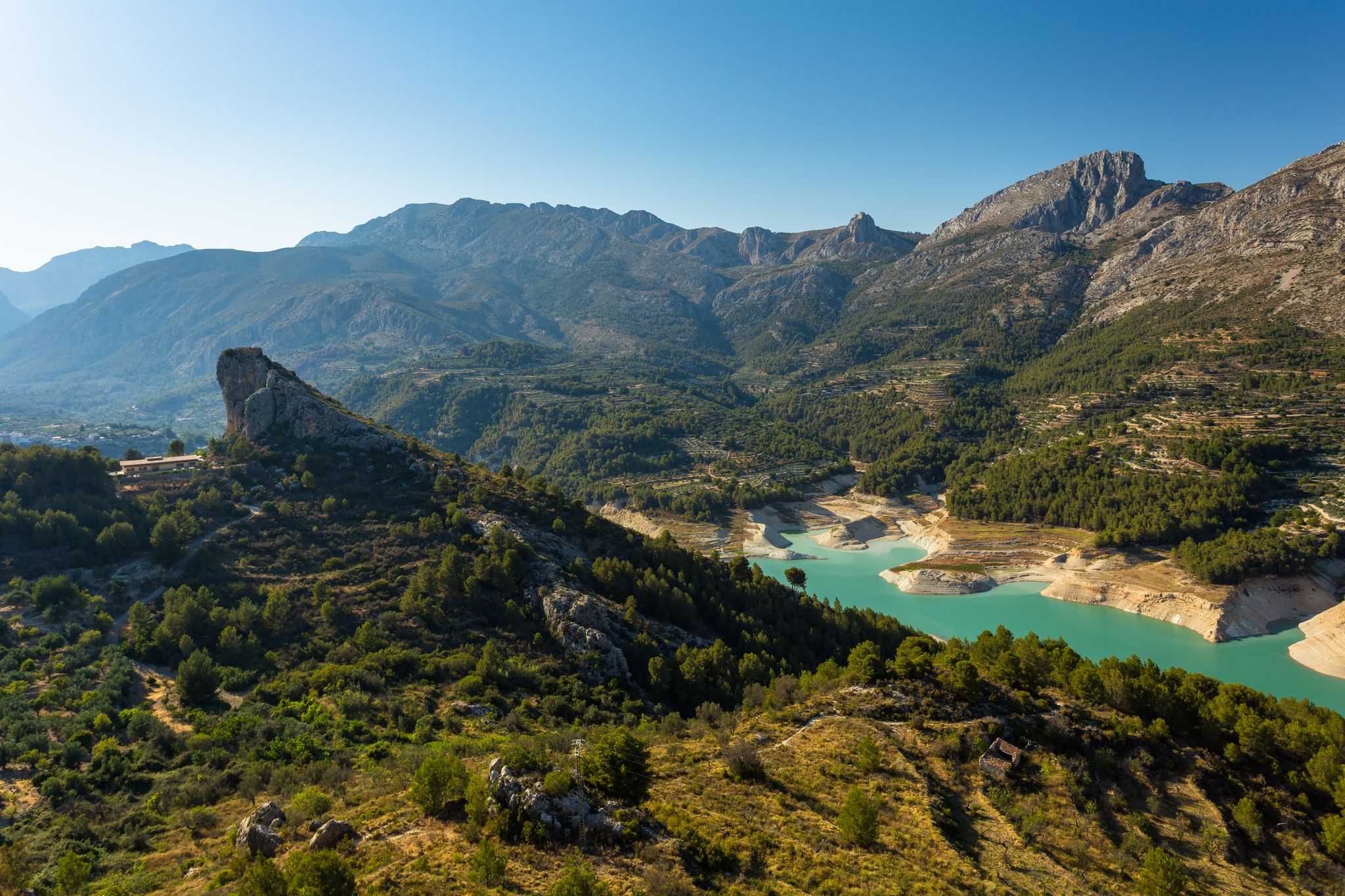
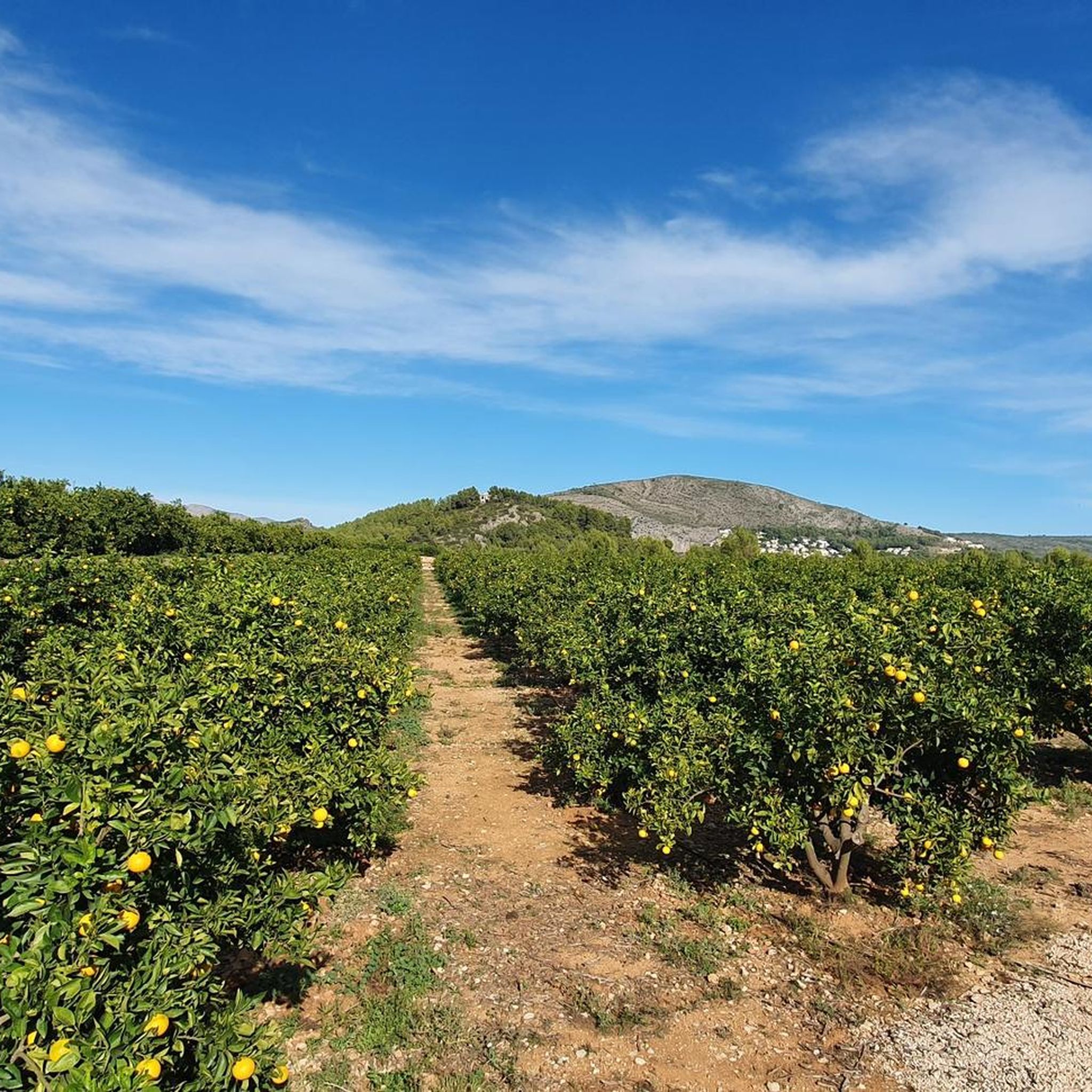
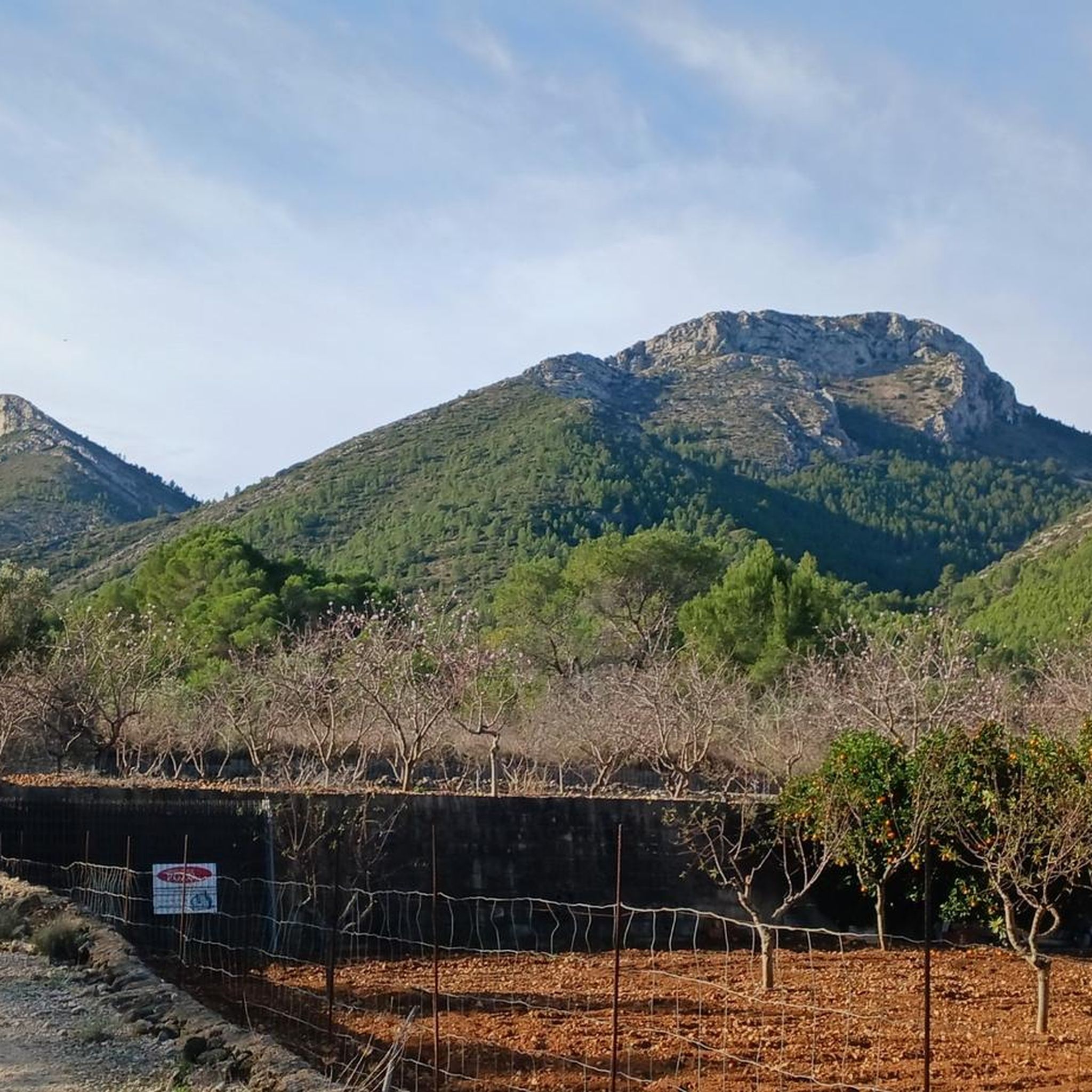
Touring cycling routes around Alcalalí are situated in a region characterized by its valleys, hills, and mountainous terrain, typical of inland Alicante, Spain. The landscape features olive groves, vineyards, and citrus orchards, interspersed with rocky outcrops and small villages. Routes often include ascents to passes like Coll de Rates and Bèrnia, offering varied elevation profiles. The area provides a mix of quiet country roads and more challenging climbs suitable for road cycling.
Best touring cycling routes around Alcalalí
- The most popular touring cycling route is Café de Rutes (Coll de Rates) – Font del Llavador de Parcent loop from Alcalalí, a 13.0 miles (20.9 km) trail that takes 1 hour 33 minutes to complete. This difficult route features a significant climb to Coll de Rates, known for its panoramic views.
- Another top favourite among local touring cyclists is Castell de Castells – Santuario de Pla de Petracos loop from Alcalalí, a difficult 45.3 miles (72.9 km) path. This long-distance route explores the inland villages and historical sites, including the Santuario de Pla de Petracos.
- Local touring cyclists also love the Xaló – Mural of the Cyclist of Senija loop from Alcalalí, a 20.3 miles (32.7 km) trail leading through the Xaló valley, often completed in about 2 hours 13 minutes.
- Touring cycling around Alcalalí is defined by its scenic valleys, challenging mountain passes, and agricultural landscapes. The network offers options for various ability levels, from moderate valley rides to difficult climbs.
- The routes in Alcalalí are highly rated by the komoot community with an average score of 4.7 stars from over 18 reviews. More than 600 touring cyclists have used komoot to explore Alcalalí's varied terrain.
Last updated: August 16, 2026
4.6
(5)
796
riders
37.4km
02:24
510m
510m
Hard bike ride. Very good fitness required. Mostly paved surfaces. Suitable for all skill levels.
4.3
(12)
64
riders
15.5km
00:58
180m
180m
Moderate bike ride. Good fitness required. Mostly paved surfaces. Suitable for all skill levels.

Sign up for free
4.7
(3)
33
riders
31.5km
02:09
360m
360m
Moderate bike ride. Good fitness required. Mostly paved surfaces. Suitable for all skill levels.
5.0
(4)
33
riders
24.9km
01:37
350m
340m
Moderate bike ride. Good fitness required. Mostly paved surfaces. Suitable for all skill levels.
4.0
(3)
28
riders
20.5km
01:27
380m
380m
Moderate bike ride. Good fitness required. Mostly paved surfaces. Suitable for all skill levels.
Get access to more routes and recommendations from other explorers.
Sign up for free
Already have an account?
Our route recommendations are based on thousands of hikes, rides, and runs completed by other people on komoot.
Start today with a free account
Your next adventure awaits.
Login or Signup

Other adventures around Alcalalí

Tips from the Community

Benissa celebrates its main festival, the patron saint festival in honor of the Puríssima Xiqueta, from Friday, April 25 to Sunday, May 4, 2025.
7
0


Description The Ermita de la Sangre in Murla is a small church located in the heart of the town. Behind its walls lies a long history. The building's history stretches from the Middle Ages to the present day, resulting in various uses and changes to its appearance. The Ermita de la Sangre in Murla was restored in 1979. It is a semi-detached building with a vaulted ceiling and two transverse arches, above which, from the altar, stands the image of Ecce Homo. To one side is the old Chapel of San Francisco de Borja, which has housed the image of the town's patron saint, the Divine Aurora, since 1856. History The Ermita de la Sangre in Murla has a centuries-old history. Although the exact date of its construction is unknown, all indications point to around 1591. The building was formerly the city's old women's hospital, which, like these rooms in the Middle Ages, was converted into a hermitage invoking the Blood of Christ. However, it had been used as a prison long before that. In 1600, the prison was located within the hospital, but the diocese at the time decided to separate them. Documents indicate that the old prison was located where the image of the divine Aurora is currently situated.
2
0

sandwich with the Alkmaar tour club
0
1


The village truly comes alive during its annual festivities, including the celebrations in honor of the Virgen de los Desamparados and Santa Catalina Mártir in May, neighborhood festivities in August, and the Feast of the Assumption. On these days, music, processions, and traditional dishes fill the streets, with local specialties such as mullat, coques, and puxero amb pilotes. Senija is therefore a place where history, nature, gastronomy, and art blend harmoniously, and where time itself seems to slow down.
2
1
Senija is a small and picturesque village in the Marina Alta region of Alicante, nestled against a hillside and surrounded by a landscape of almond, olive, and carob trees. Covering less than five square kilometers and home to just a few hundred residents – a significant portion of whom are of foreign origin – the village has a calm and welcoming atmosphere. Narrow streets lined with whitewashed and pastel-colored houses give Senija its typical Mediterranean charm. The history of Senija dates back to the time when it was almost entirely inhabited by Moors. After their expulsion in the early 17th century, the number of families dropped sharply, but the 18th century brought a revival, mainly through the production of raisins for export. Agriculture still plays a key role in the local economy today, with vineyards, olive oil, dessert wines, and dried tomatoes among its specialties. Senija is also known for its artistic character, most notably through the MOS Open-Air Museum, where murals by various artists can be admired throughout the village. In the heart of Senija stands the church of Santa Catalina, built on the remains of an old mosque and housing a baroque statue of the Virgen de los Desamparados. The surrounding countryside offers walking trails leading to sites such as La Creueta and the Cueva de la Garganta, where views and tranquility draw many visitors.
3
1
Frequently Asked Questions
What kind of terrain can I expect on touring cycling routes around Alcalalí?
The region around Alcalalí is characterized by its diverse landscape, featuring valleys, hills, and mountainous terrain typical of inland Alicante, Spain. You'll cycle through olive groves, vineyards, and citrus orchards, with rocky outcrops and small villages dotting the scenery. Routes often include ascents to passes like Coll de Rates and Bèrnia, offering a mix of quiet country roads and more challenging climbs.
Are there any easy touring cycling routes suitable for beginners in Alcalalí?
Yes, Alcalalí offers a couple of easier touring cycling routes. While the guide focuses on moderate to difficult options, there are 2 routes classified as easy. These typically involve less elevation gain and shorter distances, perfect for those new to touring cycling or looking for a relaxed ride.
What are some challenging long-distance touring cycling routes in the area?
For experienced touring cyclists seeking a challenge, the region offers several difficult, longer routes. One notable option is the Castell de Castells – Santuario de Pla de Petracos loop from Alcalalí. This route spans 45.3 miles (72.9 km) and explores inland villages and historical sites, including the Santuario de Pla de Petracos, with significant elevation changes.
Are there circular touring cycling routes available from Alcalalí?
Yes, many of the touring cycling routes around Alcalalí are designed as loops, allowing you to start and finish in the same location. For example, the popular Café de Rutes (Coll de Rates) – Font del Llavador de Parcent loop from Alcalalí is a 13.0-mile (20.9 km) circular trail featuring a significant climb to Coll de Rates.
What kind of views can I expect on the touring cycling routes?
The routes offer panoramic views, especially from higher elevations like Coll de Rates and Bèrnia Pass. You'll see expansive vistas of the valleys, agricultural landscapes with olive and citrus groves, and the surrounding mountainous terrain of inland Alicante. Many routes pass through charming villages, offering glimpses into local life.
What do other touring cyclists say about the routes in Alcalalí?
The touring cycling routes in Alcalalí are highly regarded by the komoot community, with an average rating of 4.7 stars from over 18 reviews. Cyclists often praise the varied terrain, the scenic beauty of the valleys and mountain passes, and the well-maintained country roads. Over 600 touring cyclists have used komoot to explore this region.
Are there any cafes or refreshment stops along the touring cycling routes?
Yes, many routes pass through or near villages where you can find cafes and other refreshment stops. For instance, the Velosol Café – Bèrnia Pass loop from Alcalalí specifically mentions a café in its name, indicating a popular stop for cyclists. The region's small villages are generally welcoming and offer opportunities for breaks.
What are some interesting historical or natural landmarks to see along the routes?
The region around Alcalalí is rich in history and natural beauty. You can explore various castles and caves. Notable landmarks include the Castellet d'Orba Castle Ruins or the Castell d'Aixa Ruins and Viewpoint. For natural wonders, consider highlights like the Forat de Bèrnia or the Cave of the Skulls, which are often accessible near cycling paths.
What is the best time of year for touring cycling in Alcalalí?
The best time for touring cycling in Alcalalí is generally during the spring (March to May) and autumn (September to November). During these seasons, the weather is typically mild and pleasant, with comfortable temperatures for cycling. Summers can be very hot, especially inland, while winters are generally mild but can have cooler, wetter days.
Are there any moderate-difficulty routes that offer a good balance of challenge and scenery?
Absolutely. For a balanced ride, consider the Xaló – Mural of the Cyclist of Senija loop from Alcalalí. This moderate 20.3-mile (32.7 km) route takes you through the scenic Xaló valley and can typically be completed in about 2 hours 13 minutes, offering beautiful landscapes without overly strenuous climbs.
How many touring cycling routes are available in total around Alcalalí?
There are 13 touring cycling routes available around Alcalalí, offering a variety of distances and difficulty levels to suit different preferences and fitness levels.
Most popular attractions around Alcalalí

Get inspired with the komoot mobile app


Explore more
Browse the best Cycling routes in other regions.
