Top 20 Caves around Caldes De Montbui
Best caves around Caldes De Montbui are often geological features and rock shelters rather than extensive cave systems, reflecting the region's unique thermal and mountainous landscape. Caldes De Montbui is known for its thermal waters, Roman baths, and the geological faults that shape its natural environment. The area features diverse natural monuments and historical sites, offering a blend of cultural and outdoor exploration. The surrounding terrain includes significant rock formations and natural openings, providing varied points of interest for visitors.
…Last updated: July 4, 2026
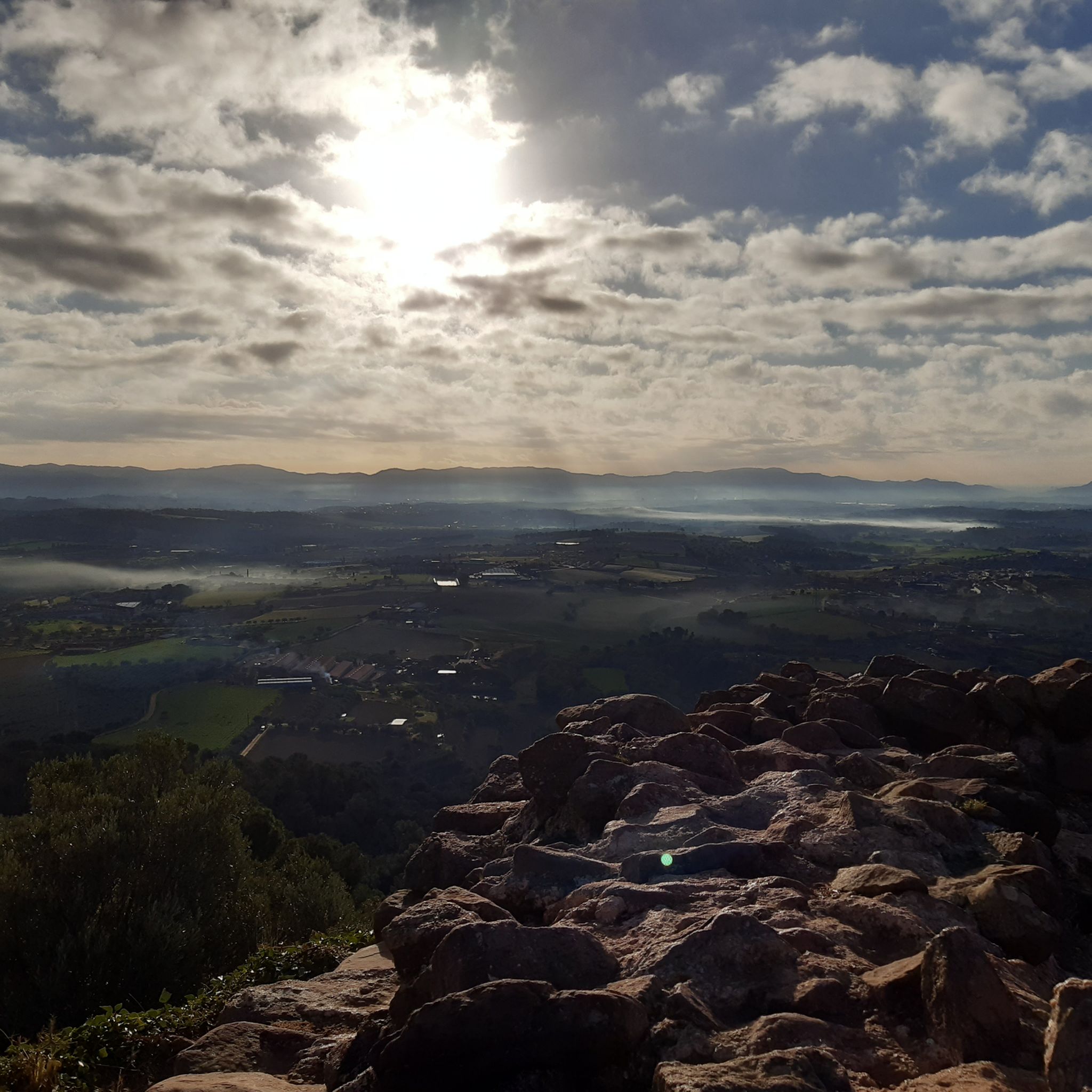
Morral del Drac
Highlight • Natural Monument
Translated by Google •
Tip by

Sant Miquel del Fai Road
Highlight • Cycleway
Tip by

Sign up now to discover places like this
Get recommendations on the best single tracks, peaks, & plenty of other exciting outdoor places.
Sign up for free
Sant Miquel del Fai Monastery and Waterfall
Highlight • Historical Site
Translated by Google •
Tip by

Hermitage of Santa Agnès
Highlight • Religious Site
Translated by Google •
Tip by

Balma la Miquelona
Highlight • Cave
Translated by Google •
Tip by

Sign up for free to discover even more caves around Caldes De Montbui.
Sign up for free
Already have an account?
Start today with a free account
Your next adventure awaits.
Login or Signup
Tips from the Community

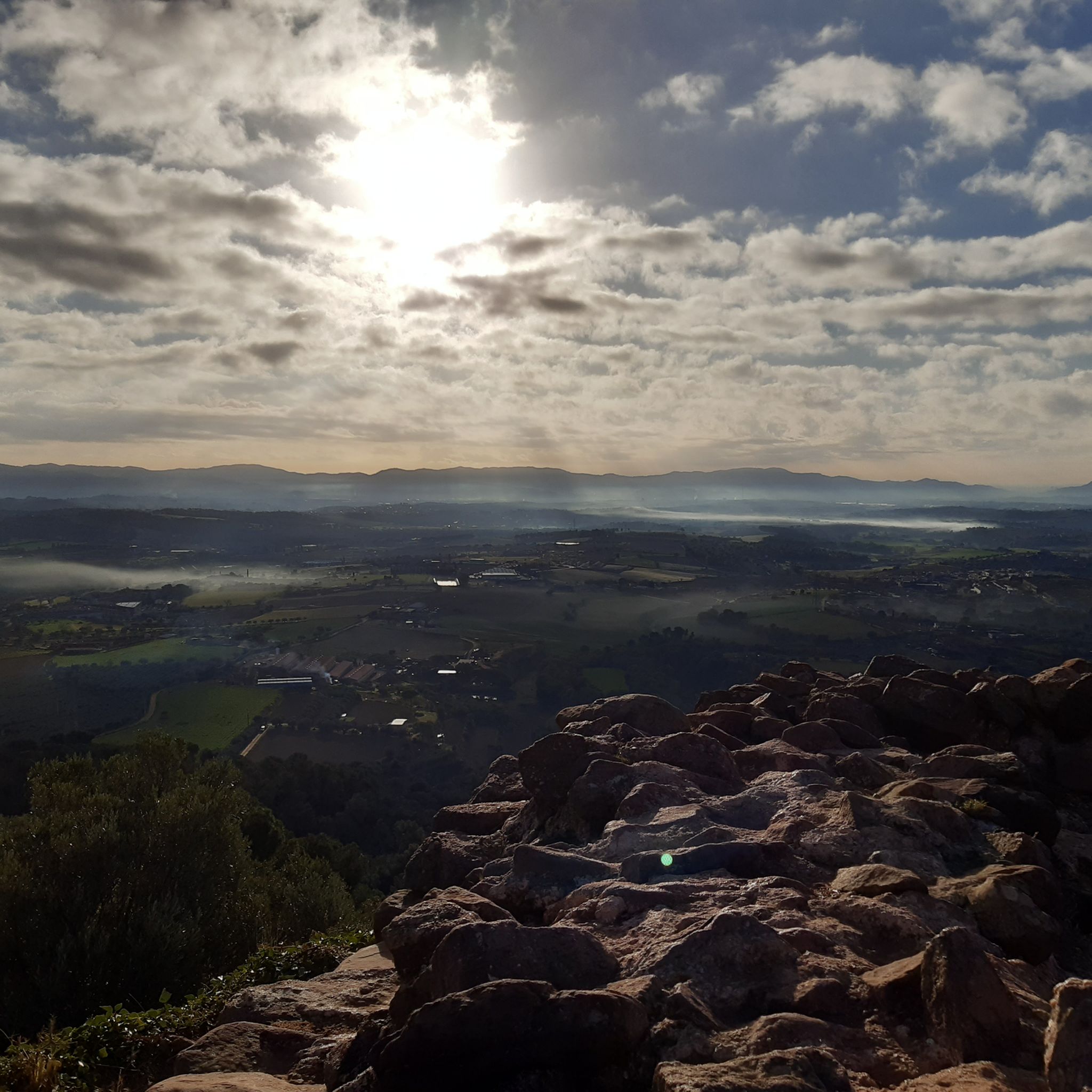
A real discovery! Superb views, decent asphalt and virtually no cars.
0
0


Especially if it has rained, it is spectacular
0
0


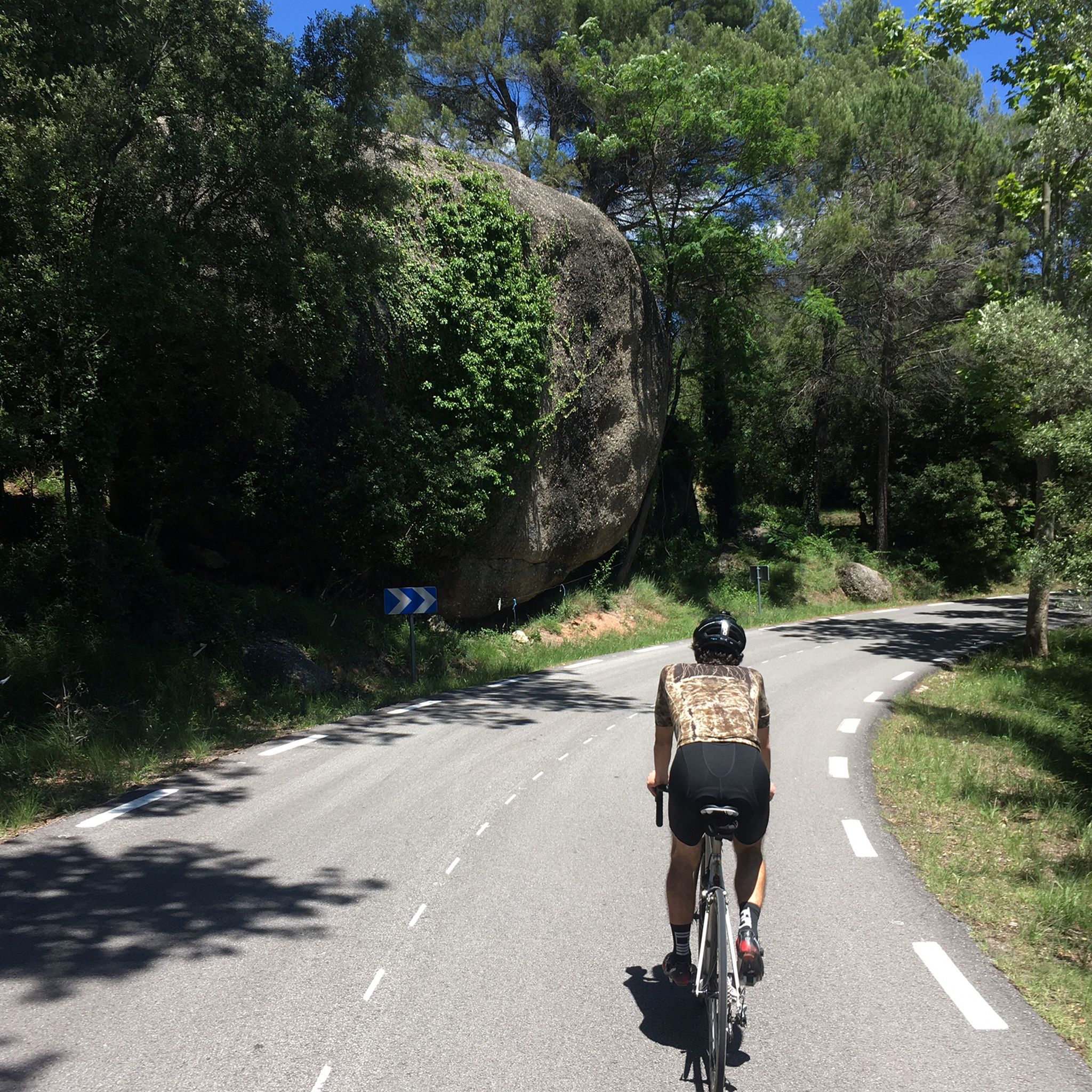
An incredible road with almost no cars. On one side you have cliffs and on the other stunning views. At the end of the road you will come to a monastery. Pay attention in the curves because, despite the fact that there are not many cars, when one passes there is not much space left on the road.
0
1

Old Benedictine sanctuary located in the municipality of San Feliu de Codinas, in the Catalan region of Vallés Oriental. The church was built in a cave, with its own stone serving as a roof. It is the largest troglodyte church in the country. It has a Romanesque portal formed by a semi-circular arch.
1
0

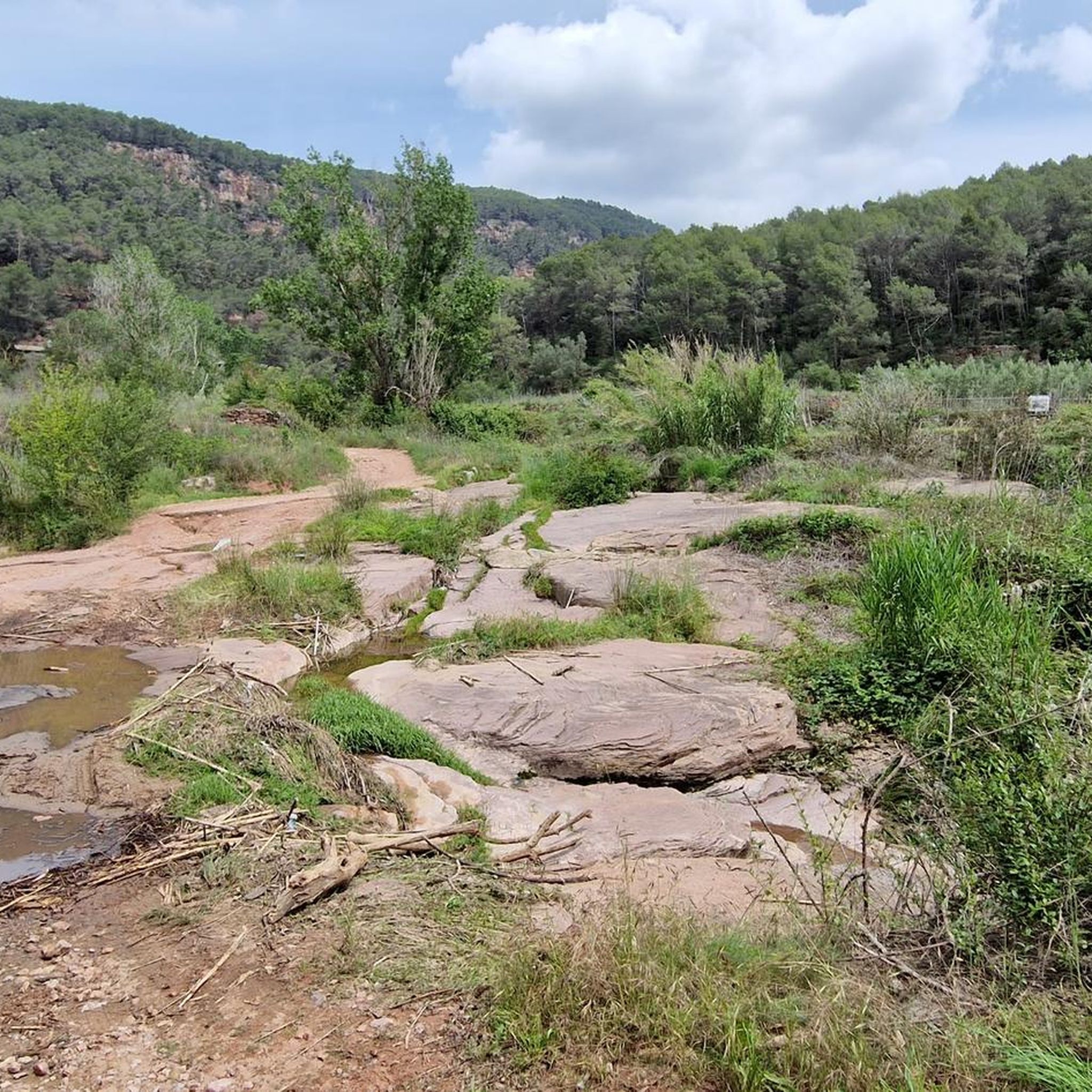
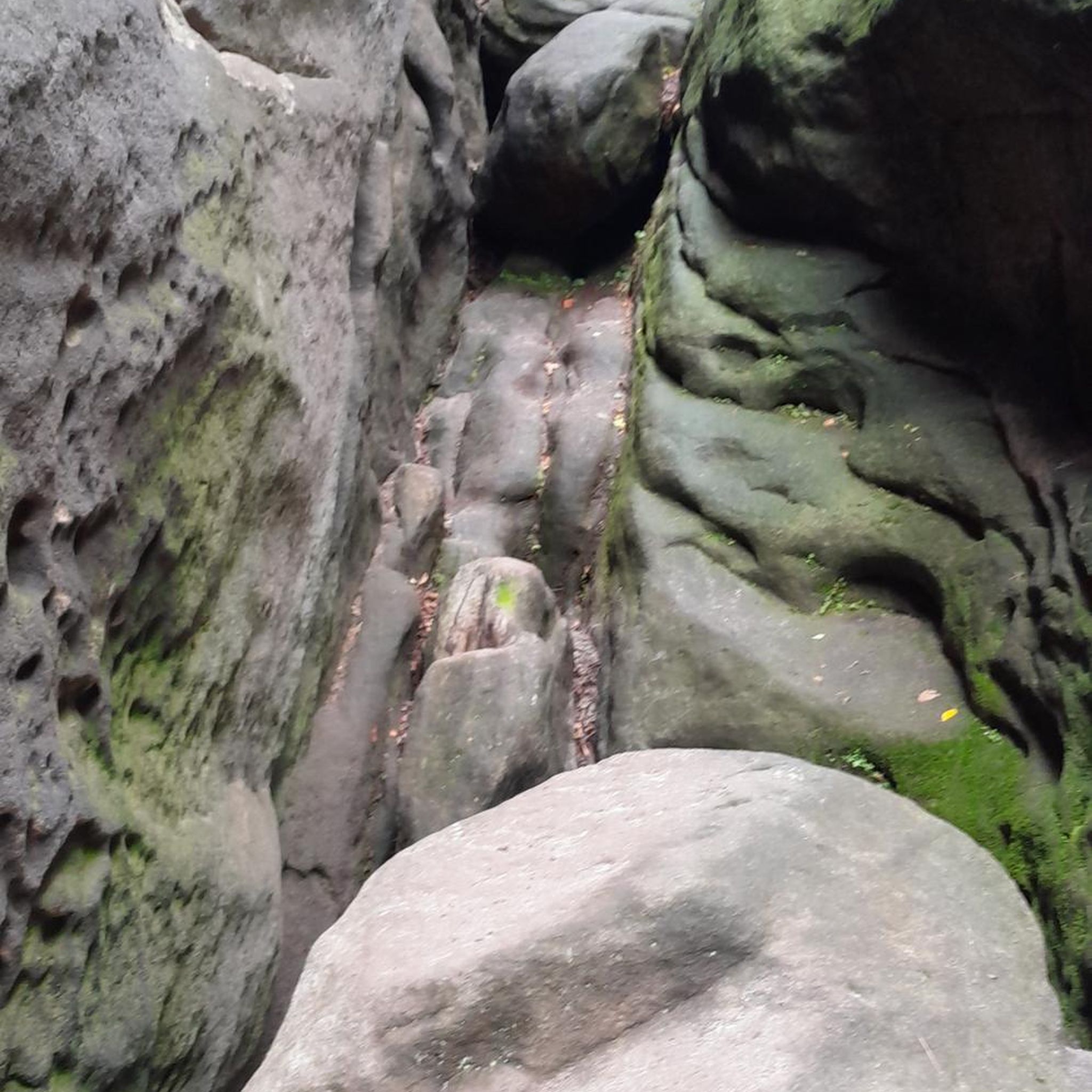
Small bauma located on the right bank of the PR-33 that leads from Figaró to Montmany, inside the Sot del Bac. Bauma formed by the lateral excavation of the Sot del Bac stream, 35-40 meters above the current talveg. It is a not very deep cavity excavated in a rocky margin or slope where the light penetrates. This has graffiti and evidence of occupation inside, with traces of having been set on fire. It is a suitable place for shelter or bivouac. At least before it was very common to use it. The Sot del Bac pass would be a natural path used by the first human communities, both to stock up on various natural resources (water, hunting and gathering) and as a place of passage and communication between the Gorge sector and Puiggraciós and the Cingles de Bertí. Currently this is occupied sporadically by walkers and climbers.
1
0

Beautiful grand canyon style road with a nice monastry build in the mountains...a must see if you are in the region !
0
0
Frequently Asked Questions
What types of caves can I explore near Caldes de Montbui?
Near Caldes de Montbui, you'll find a variety of geological features and rock shelters, often associated with historical sites or waterfalls. These include natural openings like Morral del Drac, which is a monolith with a significant opening at its base, and stalactite caves accessible behind waterfalls, such as those at Sant Miquel del Fai Monastery and Waterfall. There are also chapels built under rock formations, like the Hermitage of Santa Agnès, and shallow cavities known as 'baumas' like Balma la Miquelona, which historically served as shelters.
Are there any historical or cultural sites related to caves in the area?
Yes, the region offers several sites where history and natural caves intertwine. The Sant Miquel del Fai Monastery and Waterfall is a prime example, where you can explore a monastery suspended over a cliff and visit stalactite caves behind a waterfall. Additionally, the Hermitage of Santa Agnès is a chapel built under a rock, documented since the 14th century, offering a glimpse into the area's religious history within a natural cave setting.
What are some of the most popular cave-related attractions around Caldes de Montbui?
Visitors frequently enjoy the unique combination of natural beauty and historical significance. The Sant Miquel del Fai Monastery and Waterfall is highly popular for its stunning views, the monastery itself, and the opportunity to walk behind a waterfall into stalactite caves. Another favorite is Morral del Drac, a striking natural monument with a cave-like opening, steeped in local legends.
Are there family-friendly cave experiences near Caldes de Montbui?
While Caldes de Montbui itself is known for its thermal waters, the broader Catalonia region offers family-friendly cave experiences. For instance, the Salnitre Caves of Collbató (Montserrat Caves) provide guided tours through impressive galleries, and the Parc de les Coves Prehistòriques de Serinyà offers insights into prehistoric human occupation, which can be educational for families. Within the immediate vicinity, exploring the accessible parts of Sant Miquel del Fai Monastery and Waterfall can be a rewarding family outing.
What outdoor activities can I do near these caves?
The area around Caldes de Montbui is excellent for various outdoor activities. You can find numerous running trails, cycling routes, and MTB trails that often pass by or offer views of these natural formations. For example, the Sant Miquel del Fai Road is a cycle way offering spectacular views of cliffs and gorges, leading to the monastery and its caves.
What geological features are prominent in the caves around Caldes de Montbui?
The caves and rock shelters in this region showcase diverse geological formations. At Sant Miquel del Fai Monastery and Waterfall, you can observe stalactite caves formed by water erosion. Morral del Drac is a striking conglomerate monolith with a large natural opening. Further afield in Catalonia, caves like Cova de les Meravelles are renowned for their spectacular eccentrics, stalactites, stalagmites, columns, and flags.
What do visitors enjoy most about the cave-related sites near Caldes de Montbui?
Visitors particularly appreciate the blend of natural beauty and historical intrigue. The dramatic landscapes, such as the tall cliffs and steep gorges visible from Sant Miquel del Fai Road, are often highlighted. The unique experience of exploring a monastery suspended over a cliff and walking behind a waterfall to discover stalactite caves at Sant Miquel del Fai Monastery and Waterfall is also a major draw. The local legends associated with sites like Morral del Drac add a captivating cultural dimension.
Are there any caves with prehistoric significance in the wider Catalonia region?
Yes, the broader Catalonia region is rich in prehistoric caves. The Parc de les Coves Prehistòriques de Serinyà, for example, features caves like Arbreda and Mollet, which have extensive evidence of human occupation from the Middle and Upper Paleolithic periods, as well as remains of prehistoric animals. The Toll Caves in Moianès are also known as the 'Palace of Quaternary Fauna' due to the significant remains of prehistoric animals found there.
What should I wear when visiting caves in this area?
Given that many cave experiences involve walking or hiking, it's advisable to wear comfortable, sturdy footwear suitable for uneven terrain. Layers of clothing are also recommended, as temperatures inside caves can be cooler and more constant (around 14°C in some regional caves like Salnitre Caves), regardless of the outside weather. If you plan to explore behind waterfalls, waterproof outerwear might be beneficial.
Can I find any hidden or less-known caves around Caldes de Montbui?
While the more prominent sites are well-documented, the region does have smaller, less-known rock shelters. Balma la Miquelona is an example of a 'bauma' or shallow cavity, formed by stream erosion, which historically served as a shelter. These types of formations, often with graffiti or traces of past occupation, offer a more secluded exploration for those interested in natural bivouac spots or local history.
What is the best time to visit the caves and natural sites near Caldes de Montbui?
The best time to visit depends on the specific site. For places like Sant Miquel del Fai Monastery and Waterfall, the waterfall's activity depends on rain and season, so visiting after rainfall or in spring can offer a more spectacular view of the waterfall. Generally, spring and autumn provide pleasant temperatures for outdoor activities and exploring the natural surroundings without the intense heat of summer or the chill of winter.
Most popular routes around Caldes De Montbui
Most popular attractions around Caldes De Montbui

Get inspired with the komoot mobile app


Explore more
Extend your search for the best caves by checking out these guides of the top ones around Caldes De Montbui:
