Top 3 Caves around Aielo De Rugat
Caves around Aielo de Rugat, located in the inland county of La Vall d'Albaida in Valencia, offer insights into natural geological formations and historical human activity. The region is characterized by diverse natural formations, including karstic features. These sites provide a connection to the area's heritage and geological significance.
Best caves around Aielo De Rugat
- The most popular caves is Cova Obrada del Moro, a cave that is believed to have been used as both a refuge and a defense against the withdrawal of the Moors. Visitors can explore and enter this historical site with caution.
- Another must-see spot is Cavern of Quatretonda, a challenging cave. This karstic formation is at least 200 meters deep with several vertical shafts and has been studied for its particularity, especially for speleology.
- Visitors also love Cave, a cave that shows how ancestors protected themselves from weather adversities. Its structure offers protection from wind and rain while allowing for sun exposure.
- Aielo De Rugat is known for historical caves, karstic formations, and natural shelters. The variety of caves allows for exploration of both geological features and ancient human uses.
- The caves around Aielo De Rugat are appreciated by the komoot community, with 12 upvotes and 6 photos shared by visitors.
Last updated: July 4, 2026
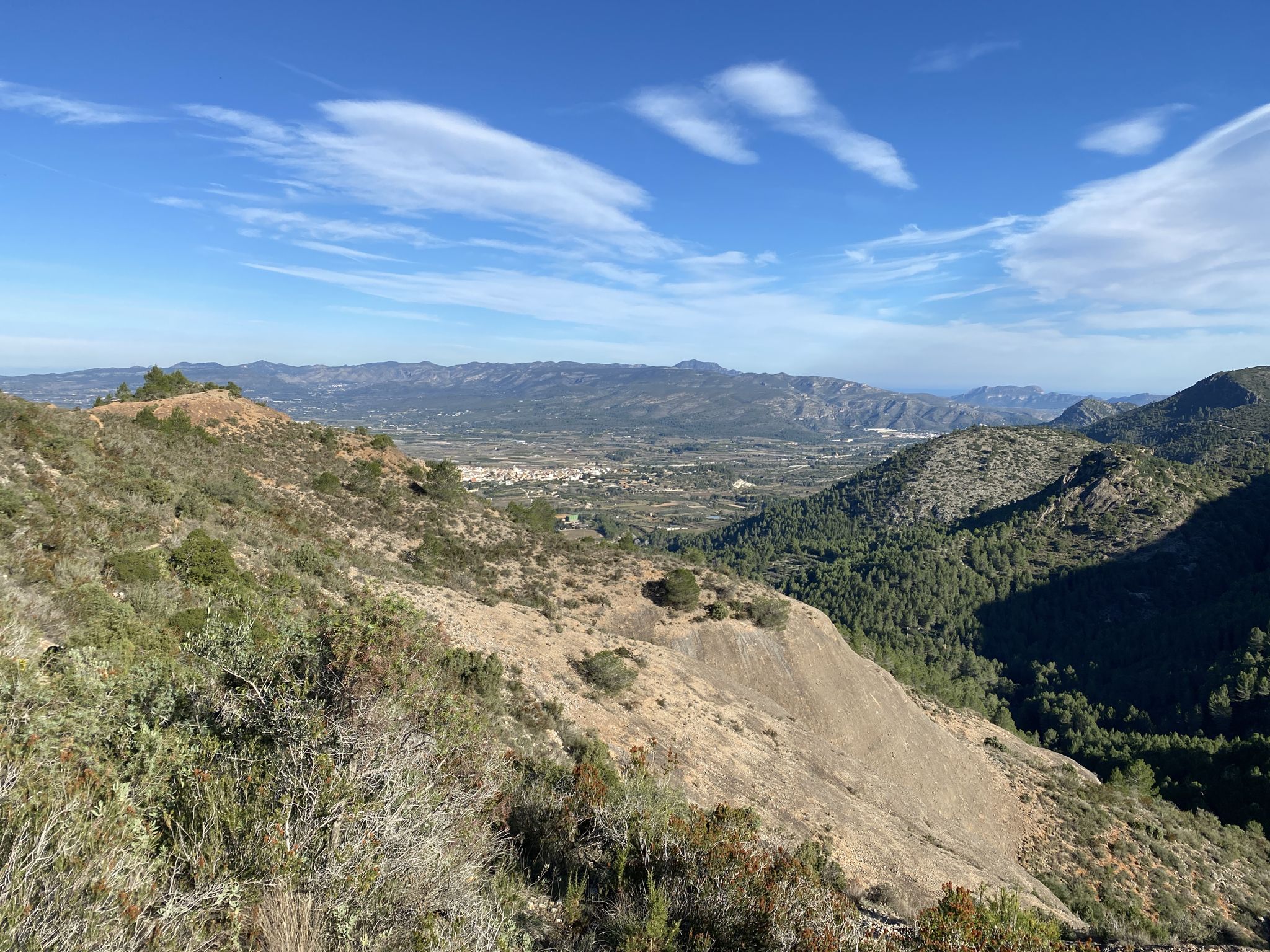
Cim de la Safor (1,013 m)
Highlight • Summit
Translated by Google •
Tip by

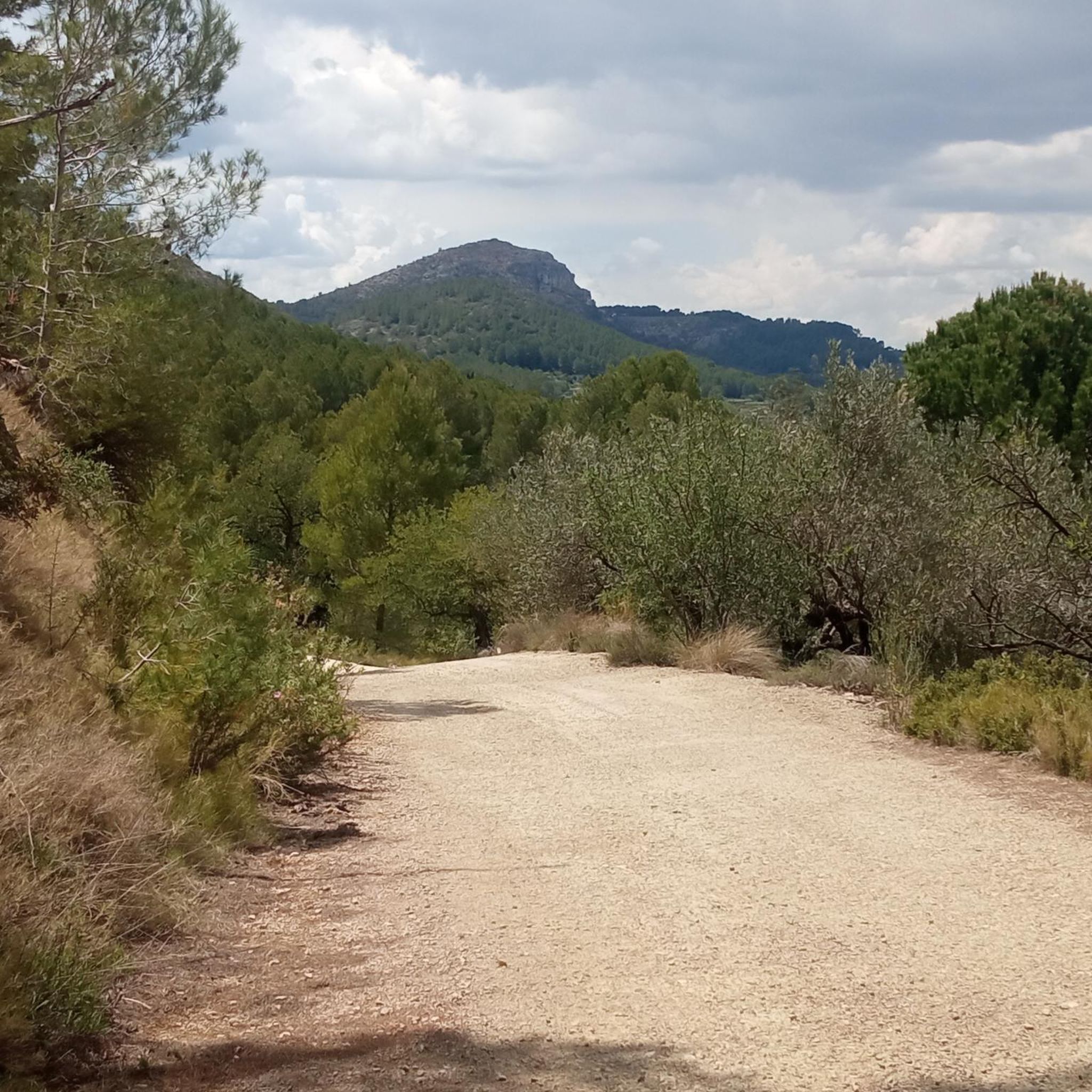
Cova Obrada del Moro
Highlight • Cave
Translated by Google •
Tip by

Sign up now to discover places like this
Get recommendations on the best single tracks, peaks, & plenty of other exciting outdoor places.
Sign up for free
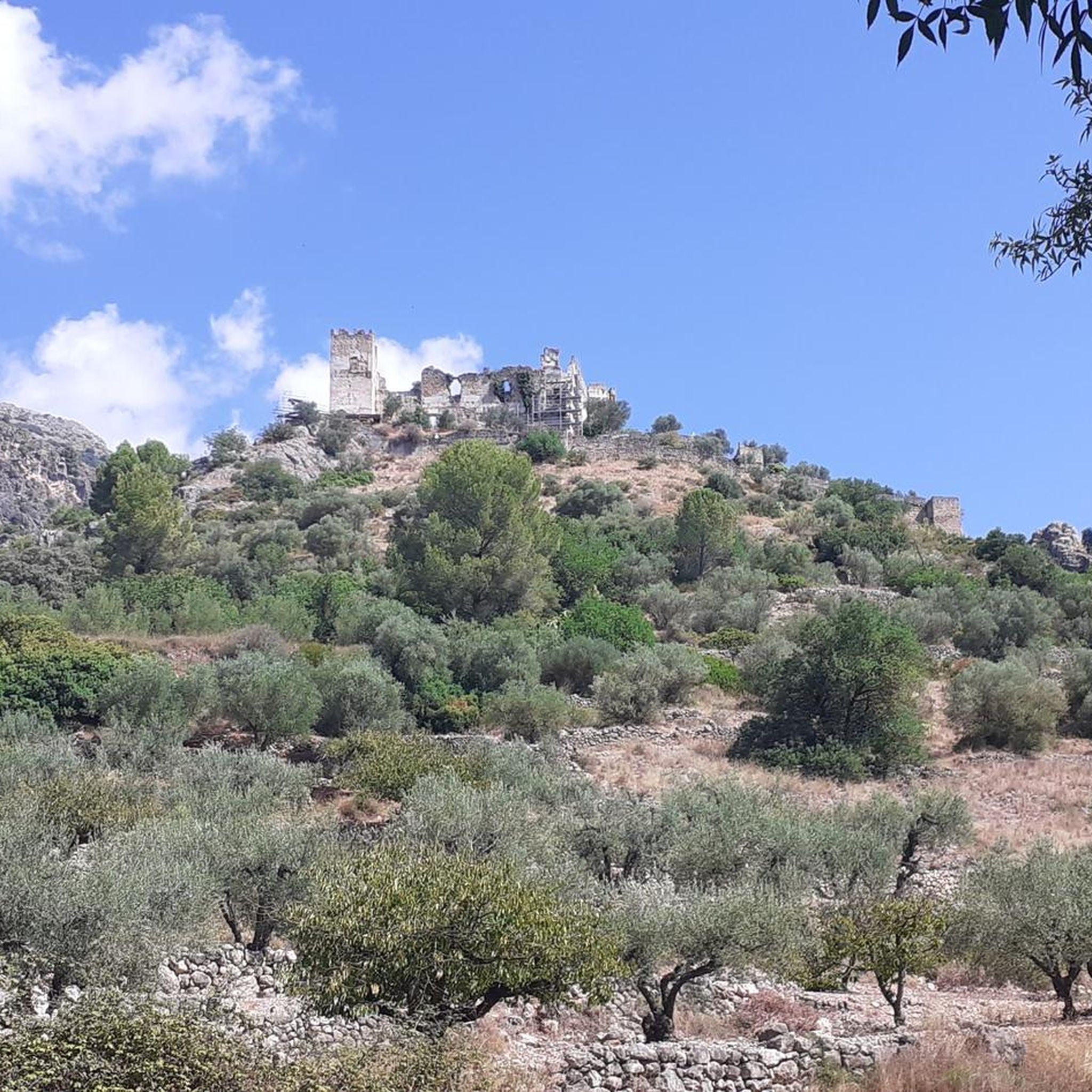
Cavern of Quatretonda
Highlight • Cave
Translated by Google •
Tip by
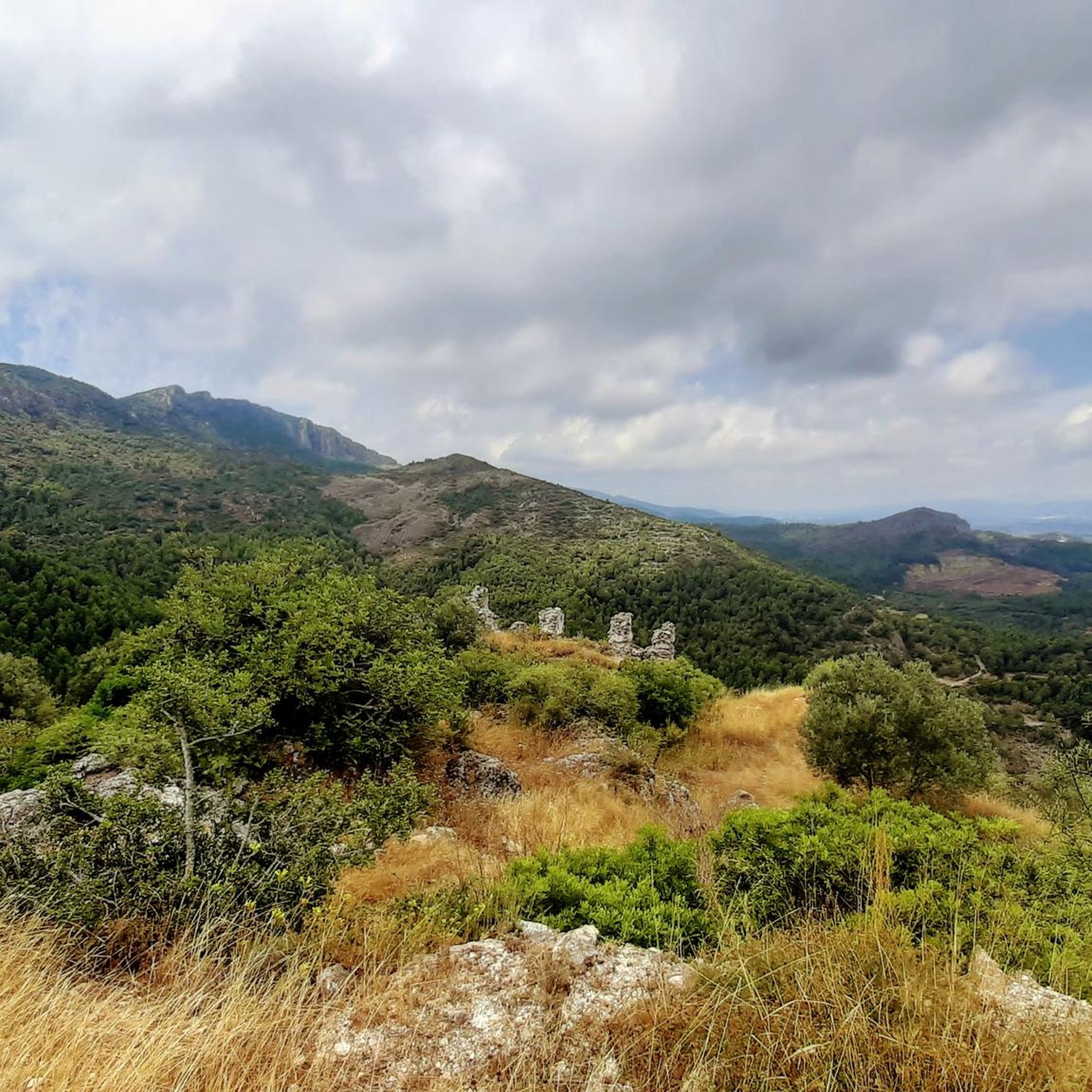
Cave
Highlight • Cave
Translated by Google •
Tip by

Start today with a free account
Your next adventure awaits.
Login or Signup
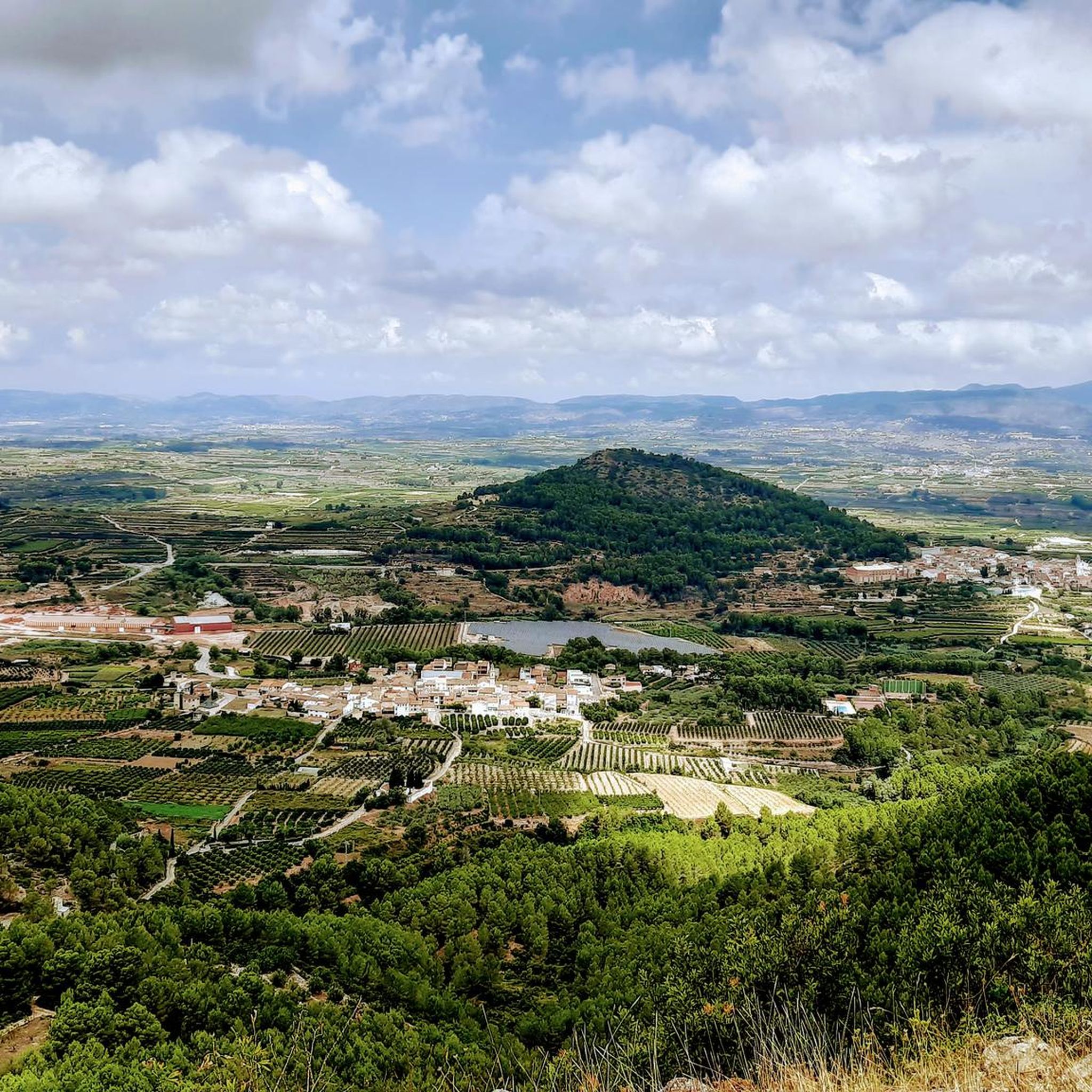
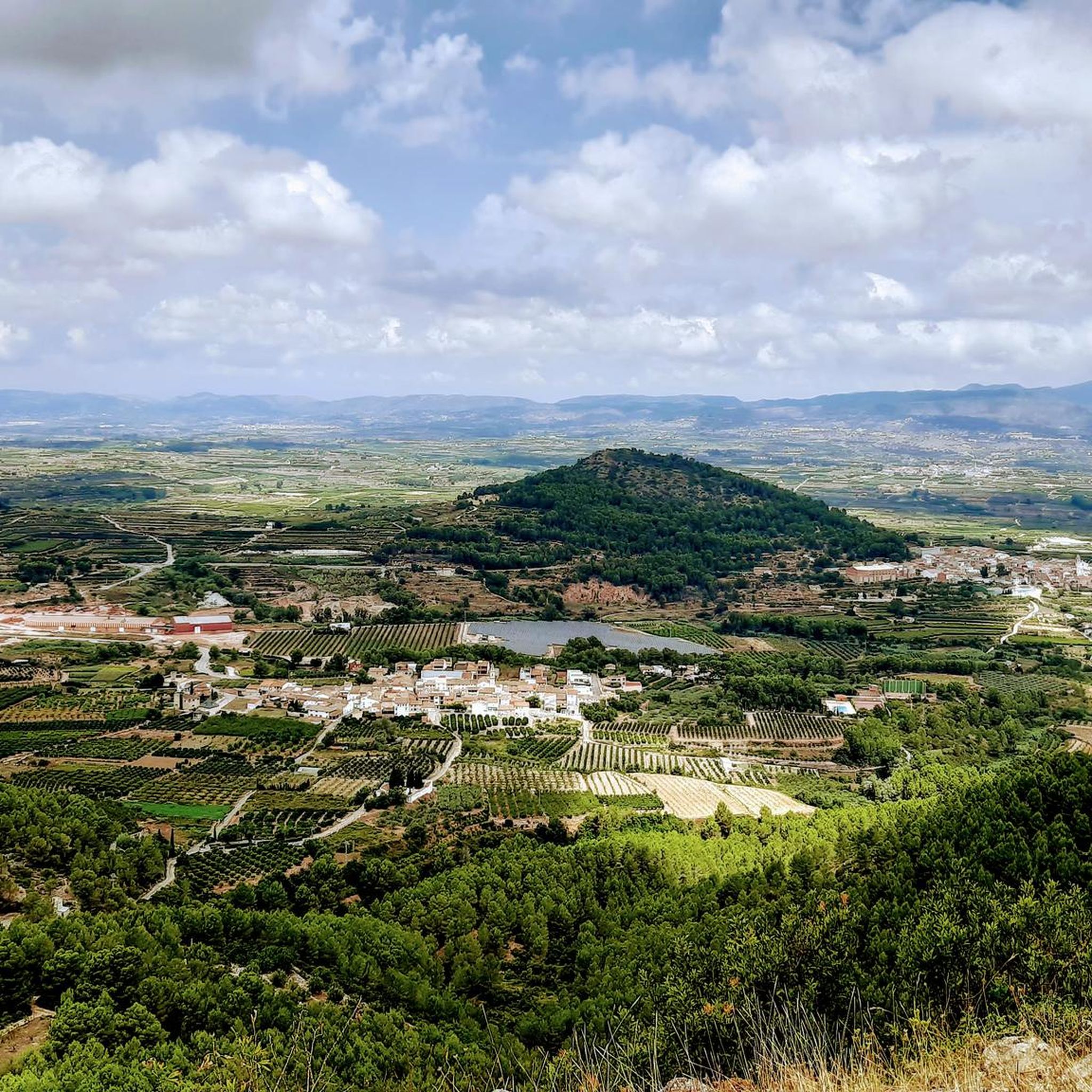

Other adventures around Aielo De Rugat

Tips from the Community

From the TOP of the mountain one can have great view of La SAFOR and MARINA ALTA areas (nice view of Gandia and Oliva towns). Unfortunately, due to very rich vegetation (high trees) it is not possible to enjoy a 360 degree view similar to option which one has by hiking up Montuver mountain. Short video about this hike could be found under the following link: https://www.youtube.com/watch?v=j-mfyWy6RzQ
1
0

The Höhenweg is a must. Good view of the Vall de Gallinera. Best for cherry blossoms.
0
0

Steep climb. Will be rewarded with a great view
1
0

This amazing cave shows the traditional way that our ancestors used to protect themselves from weather adversities. If you enter the cave, you can see that its curious structure would protect you from the wind and rain, but you can enjoy the sun for most of the day.
0
0

An old Moorish cave that is believed to have been used both as a refuge and as a defense against the withdrawal of the Moors from the area. Today you can visit and enter it with due caution.
1
0
Karst formation at least 200 meters deep with several wells along its vertical path. It has been known since 1953 and has been widely studied for its particularity, especially for the practice of speleology.
1
0

Another PR appears if we continue to the left
1
0
Frequently Asked Questions
What are the most notable caves to visit around Aielo de Rugat?
The region offers a mix of historical and geological cave experiences. You can explore the ancient Cova Obrada del Moro, believed to have been a Moorish refuge. For those interested in speleology, the Cavern of Quatretonda is a significant karstic formation known for its depth and vertical shafts.
Are there any historical caves in the Aielo de Rugat area?
Yes, the Cova Obrada del Moro is a notable historical site. It's an old Moorish cave thought to have been used as both a refuge and a defensive position during the retreat of the Moors from the area, offering a tangible connection to the region's past.
What kind of geological features can I expect to see in the caves?
The Cavern of Quatretonda is a prime example of the region's karstic formations. It's known to be at least 200 meters deep and features several vertical shafts, making it a significant site for speleology. Other caves, like the unnamed Cave, showcase natural structures that provided shelter from the elements.
Are there any caves suitable for beginners or easy exploration?
The Cova Obrada del Moro can be visited and entered with due caution, making it accessible for those new to cave exploration. The unnamed Cave also offers a straightforward experience, allowing visitors to see its protective structure.
What outdoor activities can I do near the caves in Aielo de Rugat?
Beyond cave exploration, the area around Aielo de Rugat is excellent for various outdoor activities. You can find numerous running trails, including challenging routes around Benicadell. There are also traffic-free bike rides for road cycling and touring bicycle routes through scenic landscapes.
Are there hiking trails that lead to or near these caves?
Yes, the region is popular for hiking. While specific trails directly to every cave might vary, many running and hiking routes in the area will bring you close to natural features. For instance, the Cim de la Safor, a mountain summit, offers great views and is a popular hiking destination, though it's not a prominent cave system itself.
What is the best time of year to visit the caves around Aielo de Rugat?
The caves can generally be visited year-round. However, for comfortable exploration and to combine your visit with other outdoor activities like hiking or cycling, spring and autumn offer milder temperatures. Summers can be hot, while winters are generally mild but can be damp.
Are there any other significant cave systems in the broader Valencia region worth knowing about?
While outside the immediate Aielo de Rugat area, the broader Valencia region features other impressive cave systems. Notably, the "Covetes dels Moros" in Bocairent are known for their intricate man-made chambers carved into a cliff face, believed to have been ancient granaries or storehouses. You can learn more about them on Atlas Obscura or Wikipedia.
What should I wear when exploring caves in this area?
When exploring caves, it's advisable to wear comfortable clothing that you don't mind getting a bit dirty. Sturdy, closed-toe shoes with good grip are essential, especially if the terrain inside is uneven or damp. A headlamp or flashlight is also recommended, even for easily accessible caves, to ensure good visibility.
Is there parking available near the caves?
Information on specific parking facilities directly at each cave entrance is limited. However, Aielo de Rugat and nearby municipalities offer general parking options. It's often best to park in the nearest village or designated area and then proceed to the cave on foot, especially for more remote locations.
Are the caves around Aielo de Rugat suitable for families with children?
For families, the Cova Obrada del Moro and the unnamed Cave offer more accessible experiences. Always exercise caution and supervise children closely, as cave environments can have uneven surfaces. The Cavern of Quatretonda, with its vertical shafts and challenging nature, is more suited for experienced cavers.
Most popular routes around Aielo De Rugat
Most popular attractions around Aielo De Rugat

Get inspired with the komoot mobile app


Explore more
Extend your search for the best caves by checking out these guides of the top ones around Aielo De Rugat:
