Top 9 Caves around Olesa De Bonesvalls
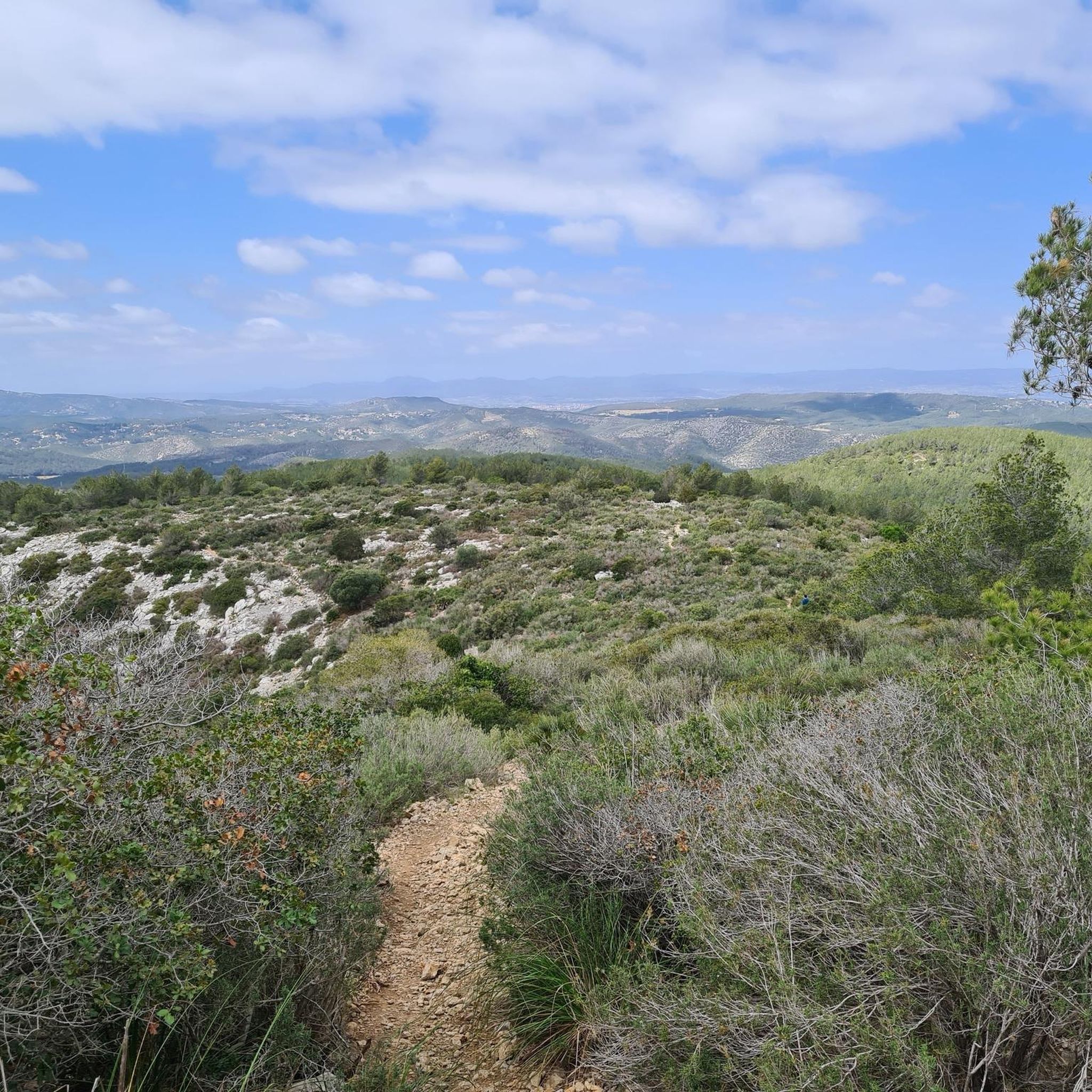
Best caves around Olesa De Bonesvalls are found within the Garraf natural park in Catalonia, Spain. This region is characterized by its stony karst landscape, which features numerous caves and sinkholes, locally known as "avencs." These geological formations provide opportunities for exploration. The area's geology includes significant examples of deep sinkholes and caves formed by corrosion and other natural processes.
Best caves around Olesa De Bonesvalls
- The most popular caves is Barret Rock, a natural monument that features a…
Last updated: May 23, 2026
Can Riera Caves
Highlight • Cave
Translated by Google •
Tip by

Cave of the Muntanyeta
Highlight • Cave
Translated by Google •
Tip by

Sign up now to discover places like this
Get recommendations on the best single tracks, peaks, & plenty of other exciting outdoor places.
Sign up for free
Cova de Cal Muntaner
Highlight • Cave
Translated by Google •
Tip by

Avenc del Llamp
Highlight • Cave
Well-known chasm of 73 m. of depth in the Pla de Querol (Garraf)
After passing through the small mouth, it penetrates into a well of 40 meters …
Translated by Google •
Tip by

Barret Rock
Highlight • Natural Monument
Translated by Google •
Tip by

Sign up for free to discover even more caves around Olesa De Bonesvalls.
Sign up for free
Already have an account?
Start today with a free account
Your next adventure awaits.
Login or Signup
Popular around Olesa De Bonesvalls
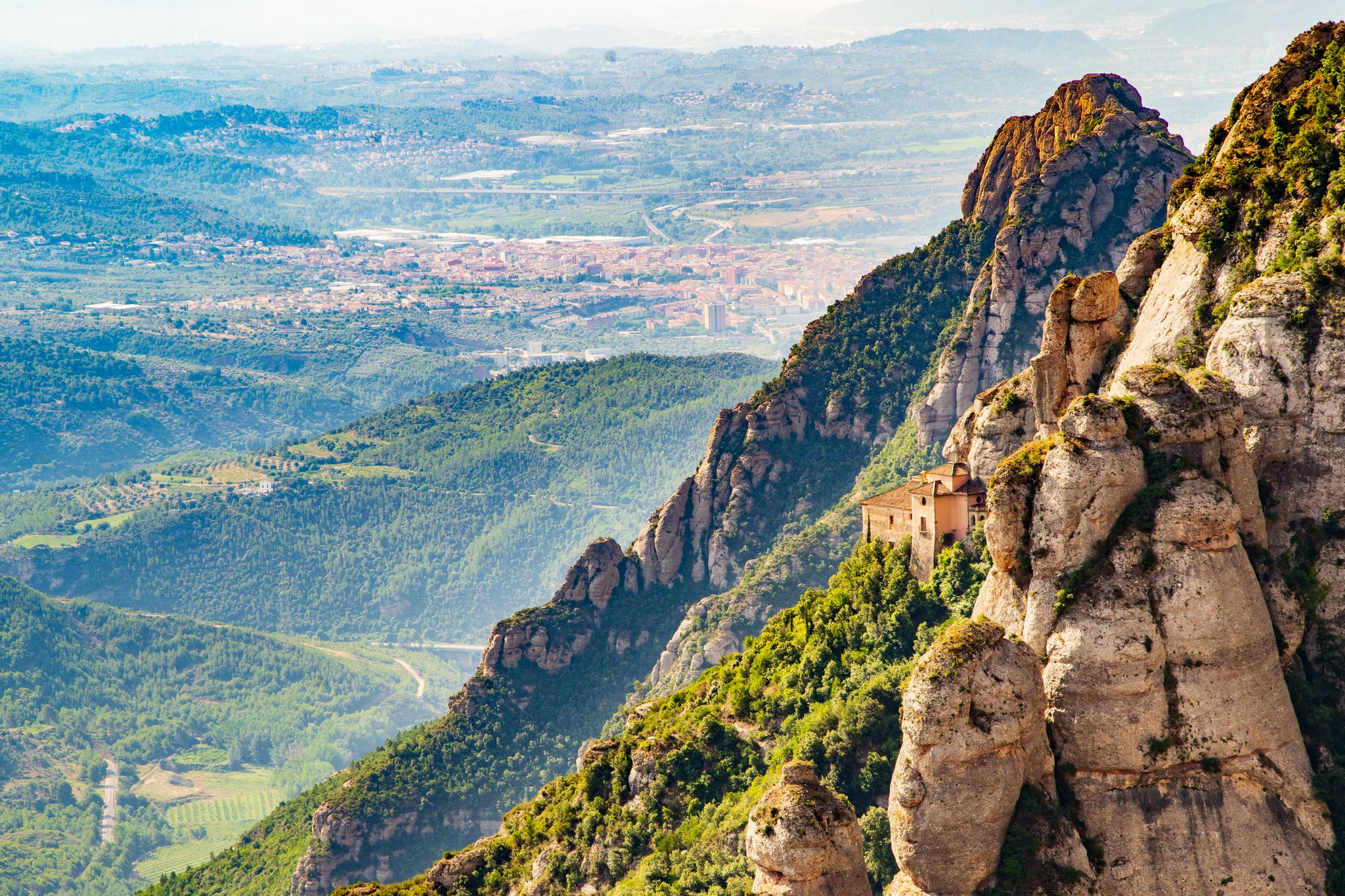
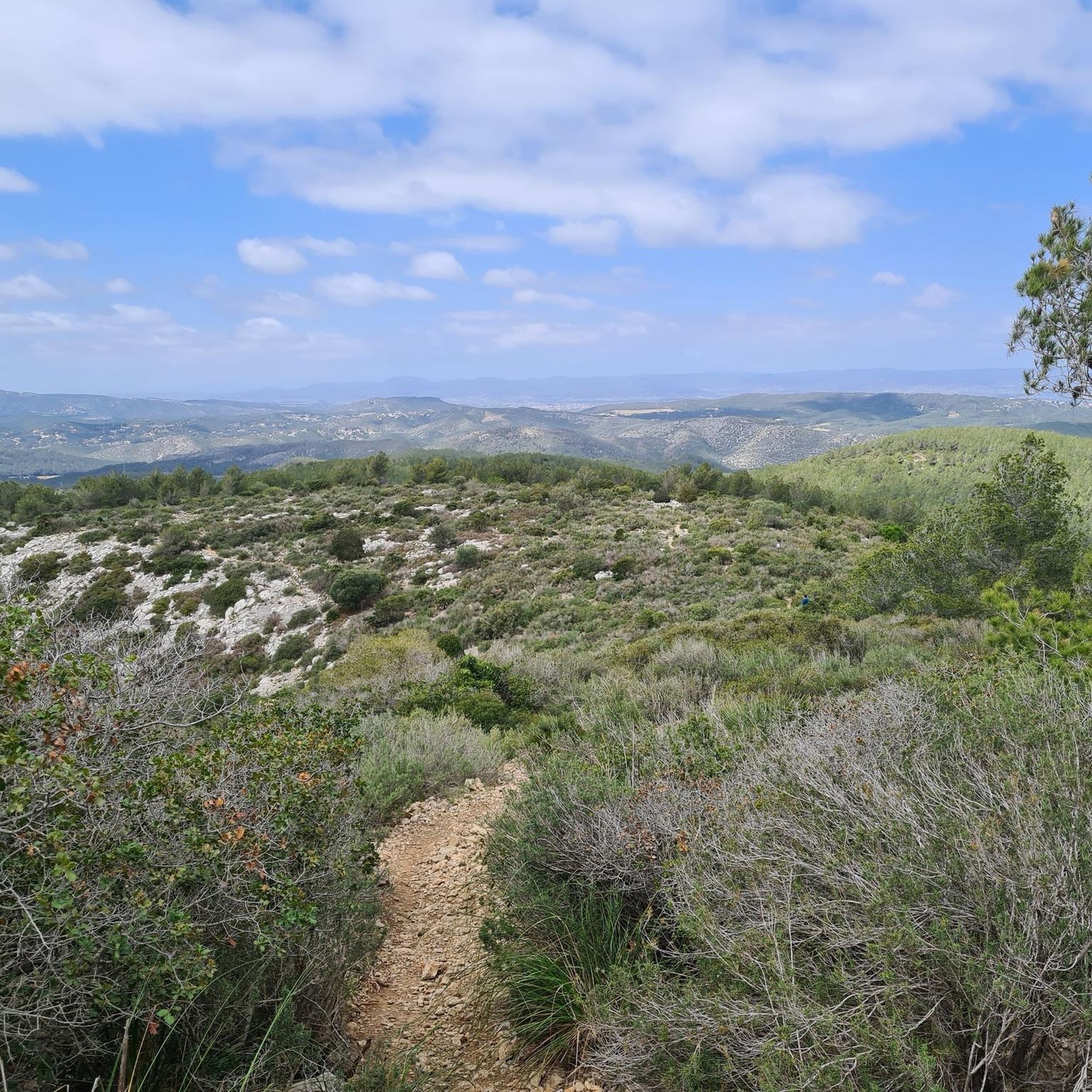
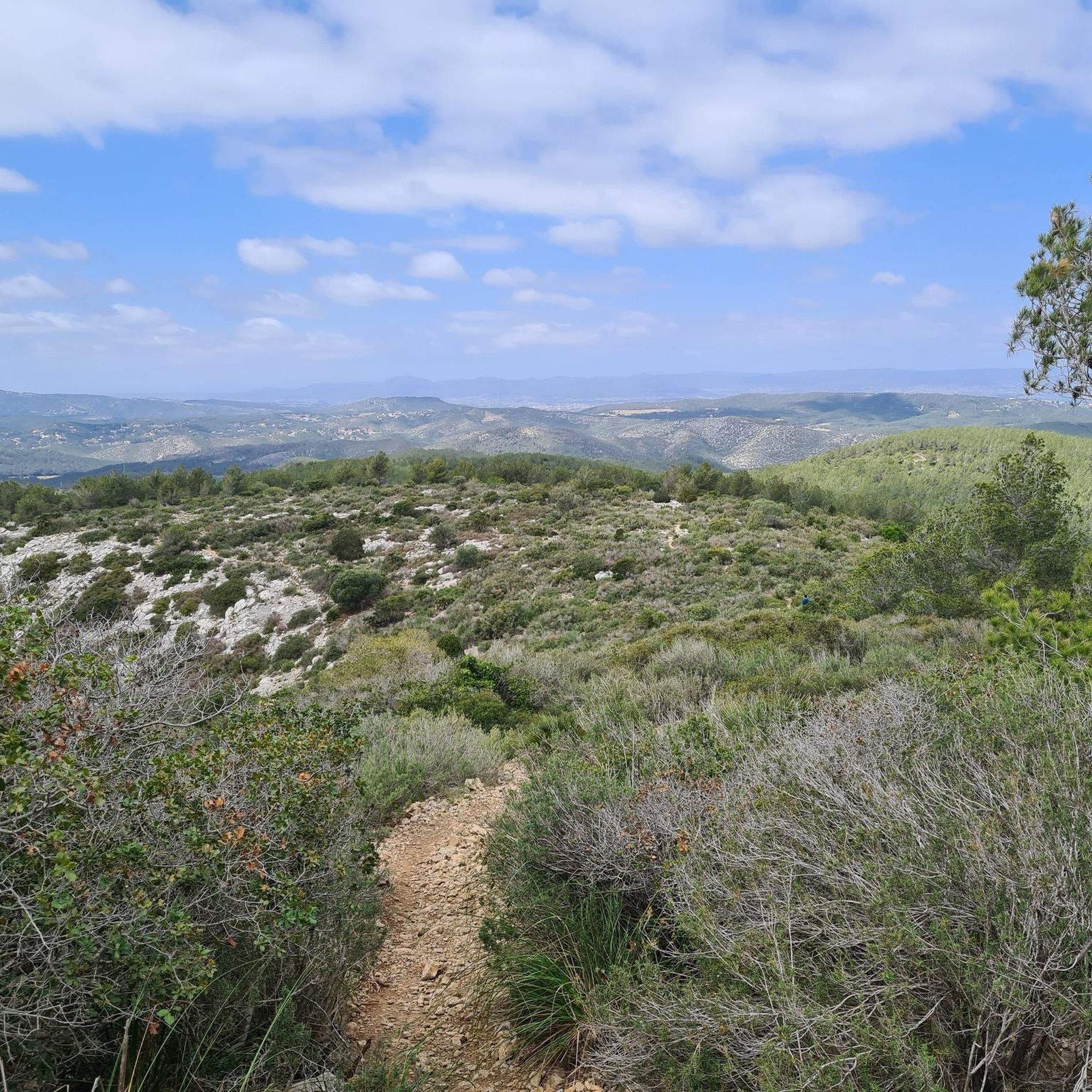
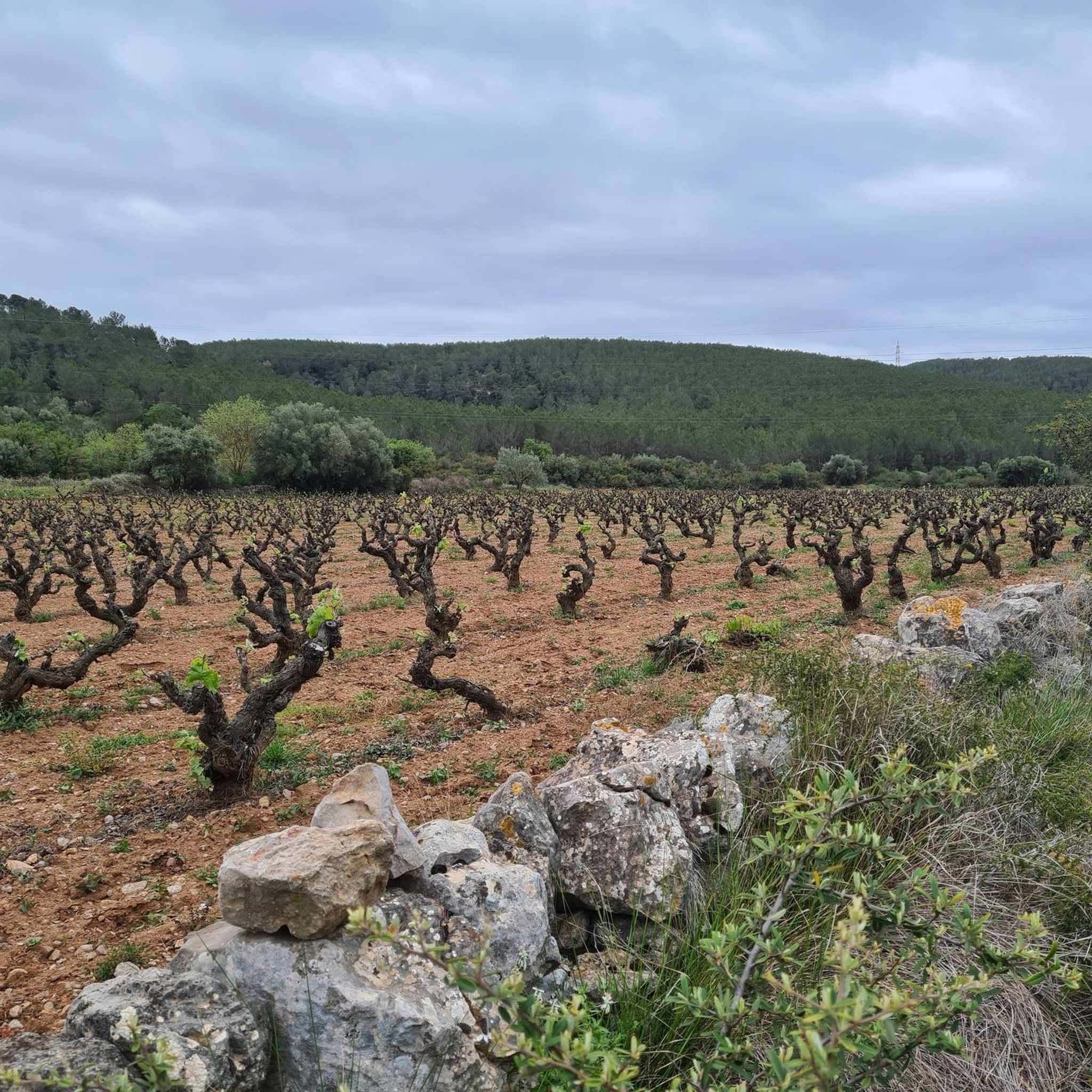
Other adventures around Olesa De Bonesvalls

Tips from the Community


Spectacular evidence that is found in this area of the Serral de Can Ros and that above it, we find the mountain of Puig Vicenç. It is worth seeing the curious shapes that the mountain offers.
0
0
Beautiful cave that is located near the Torrent de la Llaureda and where it is also called the Cova del Trapper. You must be alert when entering the cave if you do not have the necessary material.
0
0

Be very careful with the landslides inside. I advise not to scream inside, not to go deeper than a few meters, it is dangerous.
0
0

This cave is also known by the name of the Black Cave, it is a small cave-shaped wall, and it is closed by a half-collapsed wall. It has its origin in a small quarry. The entrance is usually covered by thick vegetation. The cave can be divided into two parts, to the east, a sector seven and a half meters wide and four meters deep, with a large block that partially closes the front. The western sector is 15 meters wide and is also partially enclosed by an eight meter wall. If we continue inside, we will find a room 12 meters deep and eight meters wide.
0
0

Beautiful place with incredible views. Here are the caves of Can Riera, a hidden natural oasis in Torrelles de Llobregat. They are three clay caves with reddish and orange walls, shaped by the erosive action of wind and rain over thousands of years. On weekends there are usually a lot of people visiting the caves, so if you can, try to go during the week.
2
0
There is a short walk along a track path (500 meters) to the beautiful rock of Barret. When you go up you find a kind of small cave and on the left side you can climb to the top of the rock. It is not difficult but must be watched.
3
0

Can Riera Caves, clayey stone cavities and winding reddish and orange walls. There are three caves that make up this natural wonder, but currently ACCESS IS PROHIBITED.
0
0
Frequently Asked Questions
What kind of geological formations can I expect to see in Olesa de Bonesvalls?
Olesa de Bonesvalls is known for its stony karst landscape, featuring numerous caves and sinkholes, locally called "avencs." These formations are primarily shaped by corrosion and other natural processes, creating unique underground environments.
Are there any particularly deep or challenging sinkholes for experienced cavers?
Yes, the region is home to significant formations for experienced cavers. The Avenc del Llamp is a well-known chasm reaching 73 meters deep, with a 40-meter vertical well. Additionally, the Avenc de l'Esquerrà, though not a komoot highlight, is cited as one of the deepest sinkholes in Spain, reaching 348 meters.
Which caves are known for their unique appearance or rock formations?
The Can Riera Caves are a natural monument consisting of three clay caves, notable for their reddish and orange walls shaped by erosion. Another interesting spot is Barret Rock, which features a small cave within a unique rock formation.
Are there any caves that are particularly challenging to explore?
Yes, Cova de Cal Muntaner, also known as Cova del Trapper, is considered a challenging cave located near the Torrent de la Llaureda. Visitors are advised to be alert and cautious due to potential landslides and the need for appropriate material.
What should I know about the accessibility of caves in the area?
While many caves and sinkholes exist, some, like the Avenc de la Cuneta, have suffered degradation due to their accessibility and have become uncontrolled dumping sites. For specific highlights, check their individual descriptions for difficulty ratings and access information. For instance, access to the Can Riera Caves is currently prohibited.
Are there any permits required for caving or hiking in the Garraf Natural Park?
The Garraf Natural Park, where Olesa de Bonesvalls is located, often has regulations regarding access to sensitive areas, including caves and sinkholes. It is advisable to check with the park authorities for any specific permits required for caving or exploring certain areas to ensure compliance and safety.
What outdoor activities can I do near the caves of Olesa de Bonesvalls?
Beyond caving, the area offers various outdoor activities. You can find numerous cycling routes, including road cycling, general cycling, and gravel biking routes, suitable for different skill levels.
What is the best season to visit the caves in Olesa de Bonesvalls?
The Garraf Natural Park generally offers pleasant conditions for outdoor activities for much of the year. However, for caving, conditions can vary. It's best to consider cooler, drier months to avoid potential flooding or slippery conditions, and always check local weather forecasts.
What should I bring for caving in the Olesa de Bonesvalls area?
For caving, especially in challenging formations like Cova de Cal Muntaner or deep sinkholes, essential gear includes appropriate safety equipment, headlamps, sturdy footwear, and protective clothing. Always prioritize safety and consider going with experienced guides or groups.
Are there any less crowded caves or natural spots to explore?
While specific details on less crowded caves are not always available, the region has many smaller "avencs" and "coves" beyond the most well-known. The Cave of the Muntanyeta, also known as the Black Cave, is a small cave that might offer a quieter experience, though its entrance can be covered by thick vegetation.
Where can I find food or accommodation near the caves?
Olesa de Bonesvalls itself is a small municipality. For cafes, restaurants, and accommodation, you would typically find options within the village or in nearby towns. It's recommended to plan ahead, especially if visiting during off-peak seasons.
Most popular routes around Olesa De Bonesvalls
Most popular attractions around Olesa De Bonesvalls

Get inspired with the komoot mobile app


Explore more
Extend your search for the best caves by checking out these guides of the top ones around Olesa De Bonesvalls:
