Top 6 Lakes around Esparragosa De Lares
Best lakes around Esparragosa De Lares are primarily large freshwater reservoirs located in the province of Badajoz, Spain. The region is home to significant water bodies such as the Embalse de Orellana and the Embalse de La Serena-Zújar. These reservoirs are notable for their ecological importance, supporting diverse bird species and aquatic life. The area provides a landscape for various outdoor activities and natural exploration.
Best lakes around Esparragosa De Lares
- The most popular lakes is Playa de Orellana,…
Last updated: May 23, 2026
La Serena Reservoir and Masatrigo Hill
Highlight • Lake
Translated by Google •
Tip by

Playa de Orellana
Highlight • Beach
Translated by Google •
Tip by
Sign up now to discover places like this
Get recommendations on the best single tracks, peaks, & plenty of other exciting outdoor places.
Sign up for free
La Serena Dam
Highlight • Monument
Location: Zújar River, in the region of La Serena …
Translated by Google •
Tip by
Orellana Dam
Highlight • Structure
Translated by Google •
Tip by
Masatrigo Mountain and La Serena Reservoir
Highlight • Lake
Translated by Google •
Tip by

Sign up for free to discover even more lakes around Esparragosa De Lares.
Sign up for free
Already have an account?
Start today with a free account
Your next adventure awaits.
Login or Signup
Tips from the Community

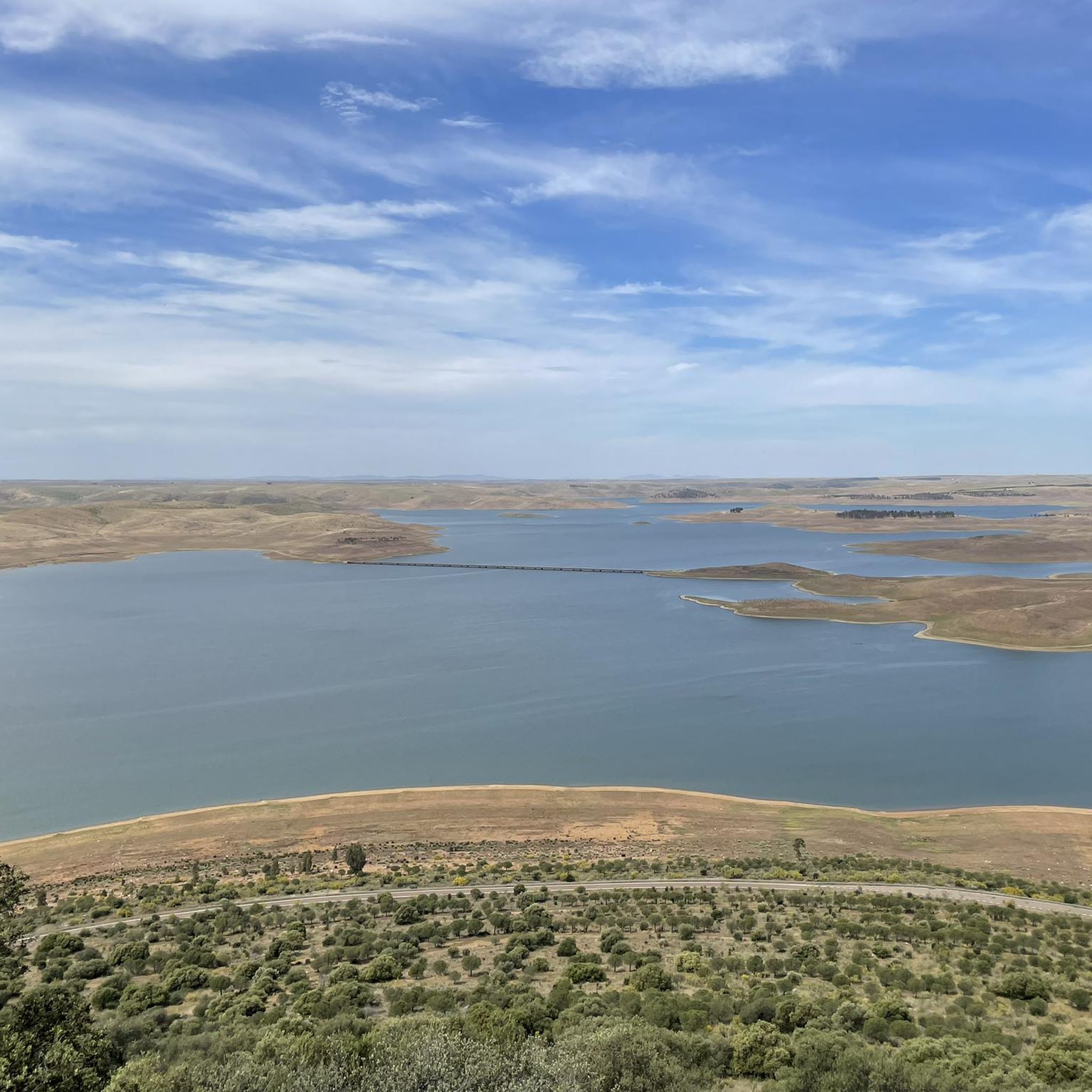
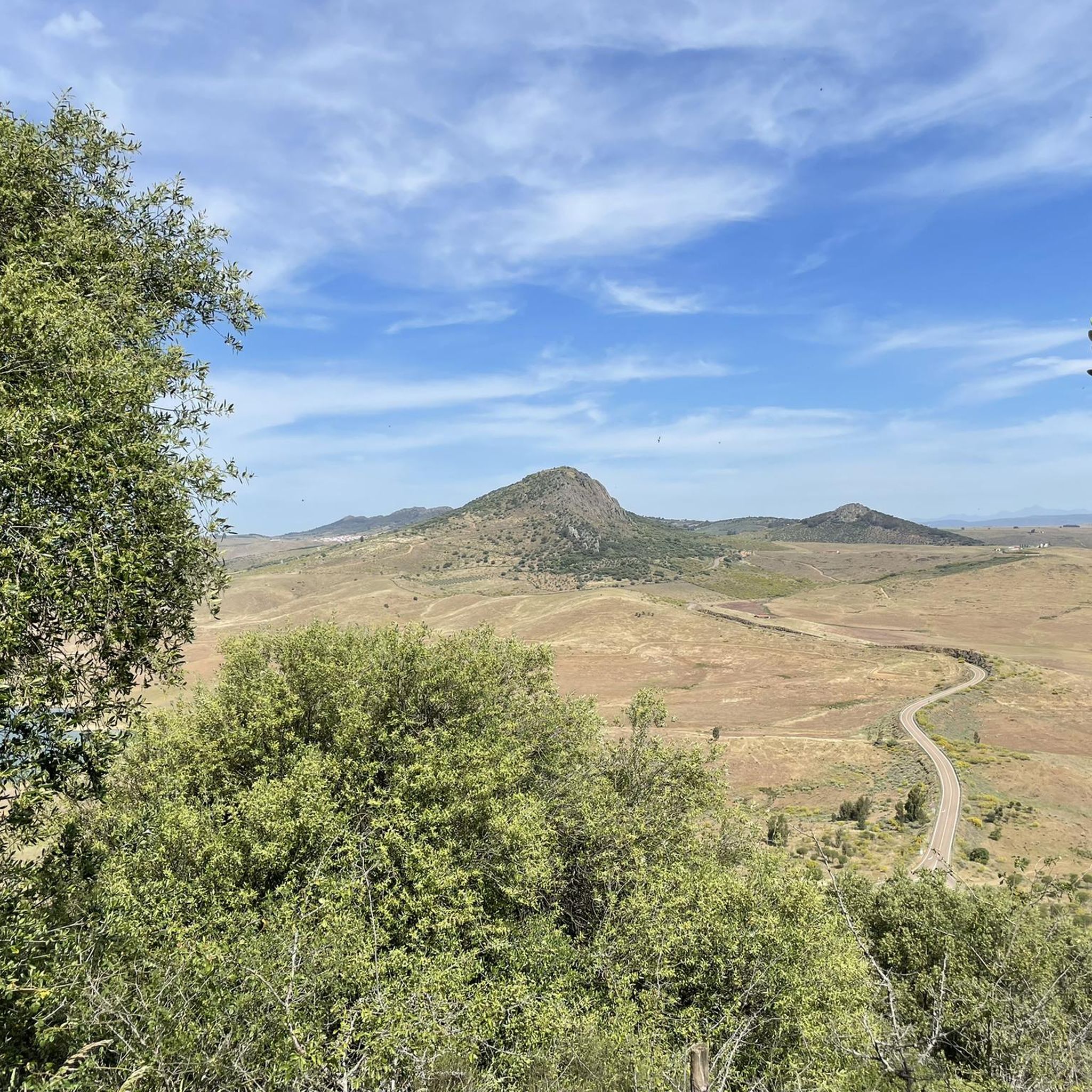
Cerro Masatrigo is a hill located in the municipality of Esparragosa de Lares. This hill is known for its almost perfect conical shape, which has earned it the nickname "the magic mountain." It rises 501 meters above sea level and 161 meters above the surrounding terrain. After the construction of the La Serena Dam, Cerro Masatrigo became a peninsula surrounded by the waters of the reservoir.
6
0
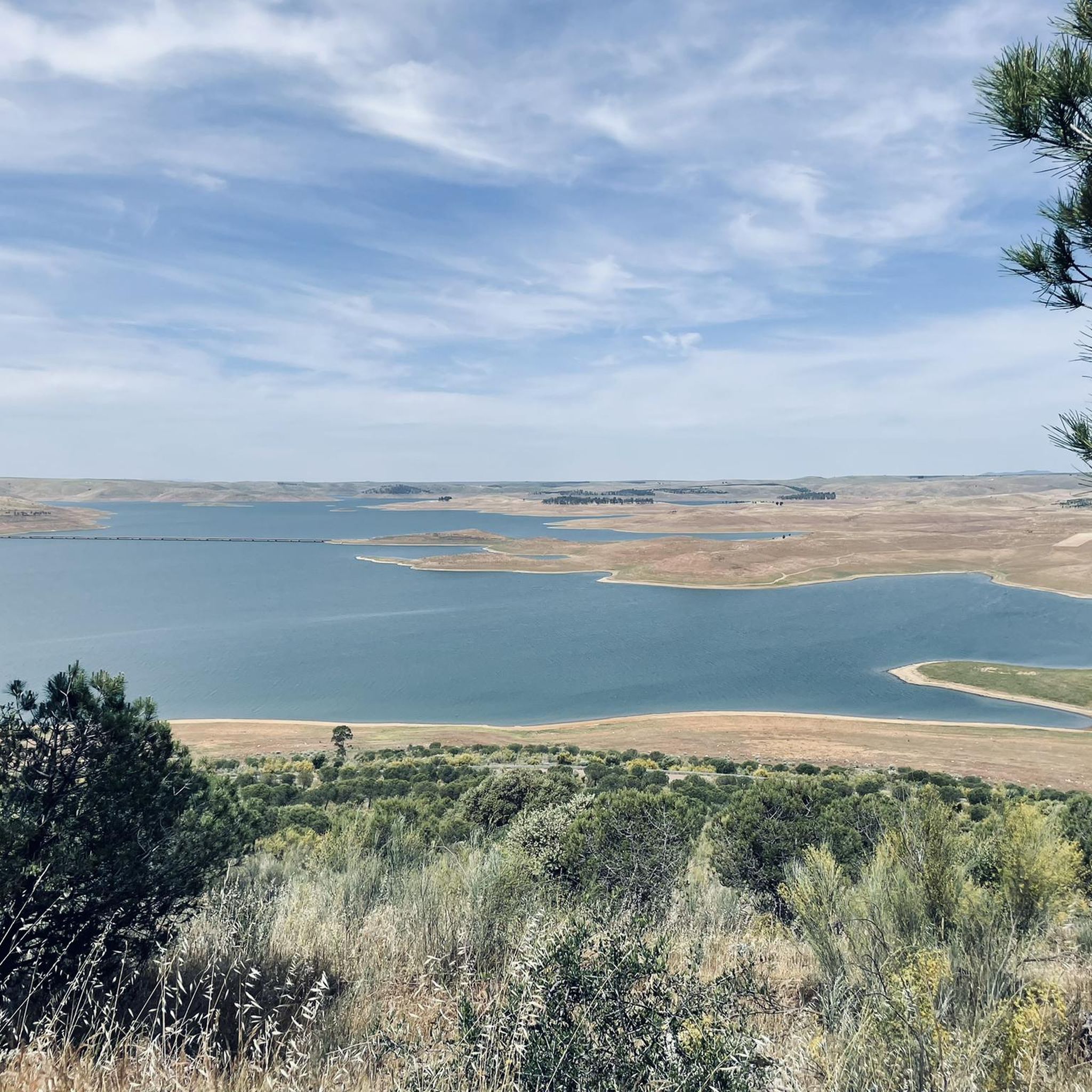
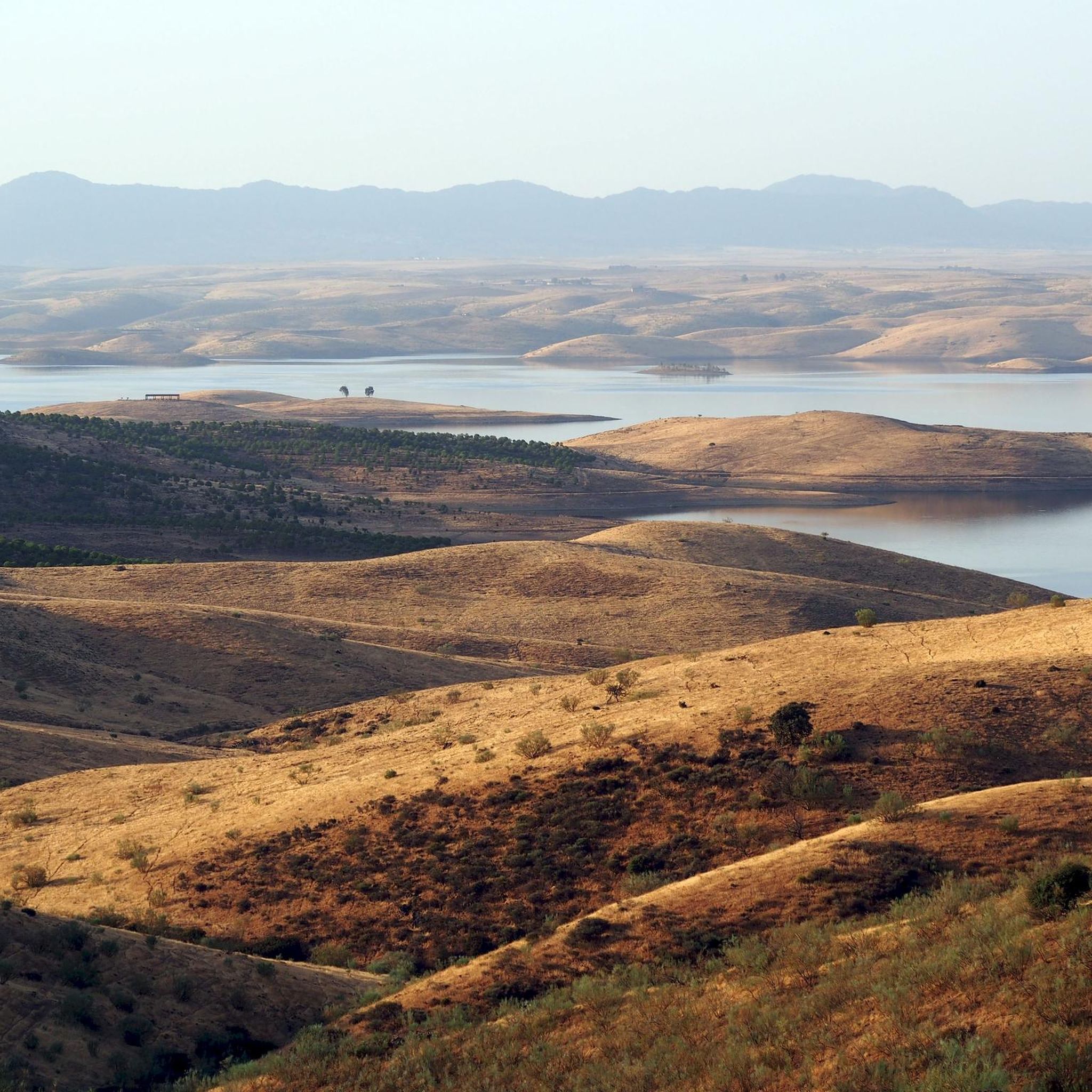
The La Serena Dam, located in the province of Badajoz (Extremadura), is one of the most impressive hydraulic infrastructures in Europe. Location: Zújar River, in the region of La Serena It is part of the La Siberia Biosphere Reserve. It houses inland islands such as Cerro Masatrigo, considered a "magic mountain" for its perfect conical shape. A SPA (Special Protection Area for Birds), ideal for watching aquatic birds and birds of prey.
6
0
The Orellana reservoir is a reservoir on the Guadiana river in the province of Badajoz. It is the largest of those located in the middle section of the river, it is regulated by those of García de Sola and Cíjara and by the transfer of Zújar and La Serena.
10
0
In the municipality of Orellana la Vieja is the first inland beach in all of Spain with a Blue Flag for its accessibility, the quality of its waters and the environmental information offered to users. In addition, it is also a blue trail and marina.
11
0

Walking along the peninsula of Playa de Orellana and the Club Náutico de Orellana, you can stop to eat or drink a little before returning to town. The water is also nice. jump to swim
3
0
A short walk out of the town of Orellana de Vieja brings you to the dam on the Embalse de Orellana that was built to contain the waters of the Guadiana River. On the shores of the reservoir you can find numerous beaches and recreational areas for practicing sports.
2
0

The La Serena reservoir is located in the province of Badajoz on the Zújar river. This reservoir is the second largest body of water in the Iberian Peninsula (after the Alqueva reservoir in Portugal), and one of the largest in Europe.
0
1
The Serena Reservoir is one of the largest reservoirs in Badajoz and where a road crosses it, skirting a mountain called Masatrigo. This is a curious passage through the swamp but beautiful for the views it offers.
1
1
Frequently Asked Questions
What kind of natural features can I expect to see around the lakes of Esparragosa de Lares?
The region is dominated by vast freshwater reservoirs, primarily the Embalse de Orellana and the Embalse de La Serena-Zújar. These areas are recognized for their ecological importance, supporting diverse bird species and aquatic life. You'll find extensive steppe-like plains, especially around La Serena, and unique geological formations like the conical Cerro Masatrigo, often called a 'magical mountain'.
Are there opportunities for birdwatching near the lakes?
Yes, both the Embalse de Orellana and the Embalse de La Serena-Zújar are designated Special Protection Areas for Birds (ZEPA). The Embalse de Orellana is a Wetland of International Importance under the Ramsar Convention, making it excellent for observing species like common cranes, gulls, cormorants, and various ducks. The extensive steppe environment of La Serena also provides a habitat for nesting and wintering steppe birds.
Can I go swimming in the lakes around Esparragosa de Lares?
Yes, the Embalse de Orellana features Playa de Orellana, which is Spain's first inland beach to receive the 'Blue Flag' distinction. This recognition highlights its high water quality, accessibility, and environmental services, making it an ideal spot for swimming and sunbathing.
What water sports and activities are available on the lakes?
The reservoirs are well-equipped for various water sports and recreational activities. Visitors can enjoy fishing, sailing, and other aquatic pursuits, particularly on the Embalse de Orellana. The Playa de Orellana area also serves as a marina, facilitating water-based activities.
Is the area good for fishing?
Absolutely. The Embalse de Orellana is known as the 'lake of a thousand pikes' due to the abundance of this species, alongside carp, black-bass, and barbel. The Embalse de La Serena is highly regarded for sport fishing, especially for barbel (including the regional short-headed barbel), large pike, and black bass, and is considered one of the best areas in Europe for predator fishing.
Are there any notable viewpoints to see the lakes?
Yes, you can find impressive panoramic views. For instance, the View of Cerro Masatrigo from Mirador Celeste de Galizuela offers stunning vistas of Cerro Masatrigo and the vast Embalse de la Serena. The sheer size of the Embalse de La Serena and its surroundings also provide breathtaking panoramic views from many points.
What hiking opportunities are there near the lakes?
There are several hiking routes available that allow you to explore the natural beauty around the lakes. For example, you can find trails like the 'Cerro Masatrigo Botanical Trail' or routes that circle the Embalse de Orellana. You can find more details on specific routes, including their difficulty and distance, in the hiking guide for Esparragosa de Lares.
Are there cycling routes around the lakes?
Yes, the area offers various cycling routes suitable for different skill levels. You can explore trails such as the 'Guadiana Natural Trail: Orellana Reservoir Loop' or longer, more challenging routes around the Embalse de la Serena. For a comprehensive list of options, check out the cycling guide for Esparragosa de Lares.
What is the best time to visit the lakes in Esparragosa de Lares?
The region's lakes can be enjoyed throughout the year, but spring and autumn offer pleasant temperatures for outdoor activities like hiking, cycling, and birdwatching. Summer is ideal for water sports and swimming, especially at Playa de Orellana, though temperatures can be high. Winter provides excellent conditions for birdwatching, particularly for migratory species.
Are the lakes and surrounding areas family-friendly?
Yes, the lakes offer several family-friendly options. Playa de Orellana is particularly suitable for families due to its Blue Flag status, ensuring good water quality and accessibility. Many recreational areas around the reservoirs are perfect for picnics and gentle walks, and the natural environment provides educational opportunities for children to observe wildlife.
What is the significance of the La Serena Dam?
The La Serena Dam is a significant man-made monument and one of Europe's most impressive hydraulic infrastructures. Located on the Zújar River, it forms part of the vast Embalse de La Serena, which is the largest reservoir in Spain. It's also part of the La Siberia Biosphere Reserve and a Special Protection Area for Birds, highlighting its ecological importance.
Are there any historical or cultural sites near the lakes?
While the primary focus of the lakes is natural beauty and recreation, the region has a rich history. The reservoirs themselves, like the Orellana Dam and La Serena Dam, are impressive feats of engineering. The wider area of Extremadura has historical towns and castles, which can be explored in conjunction with your visit to the lakes.
Most popular routes around Esparragosa De Lares
Most popular attractions around Esparragosa De Lares

Get inspired with the komoot mobile app


Explore more
Still not found your perfect lake around Esparragosa De Lares? Check out the guides of these regions to see even more beautiful places.
